
Garages sit between house and street, so codes treat them differently than living rooms. They are built for cars, fuels, and storage, which changes the assumptions about air, fire, and exits. That difference is easy to forget once the space looks finished.
Trouble starts when a garage is quietly used like a bedroom, kitchen, or studio. A mattress, hot plate, or space heater can shift the space into a new occupancy category overnight, and the safety expectations jump with it.
These common mistakes show what inspectors flag: a use that does not match the protections. Most fixes are practical, but many require permits and restored separation.
Turning the Garage Into a Bedroom

Sleeping space changes the assumptions overnight. A garage is designed for cars and storage, not hours of rest with the door shut and heat running. When a bed becomes routine, the space often needs smoke alarms, carbon monoxide protection, safe heat, and a clear emergency way out, plus stronger separation from the house. Without upgrades, fumes and smoke can move faster than many expect.
Codes often prohibit a direct opening from a garage into a room used for sleeping, because that buffer matters most at night.
A legal conversion usually means permits and upgrades, not just flooring and paint, so the room can be occupied safely.
Adding a Door Directly Into a Sleeping Room
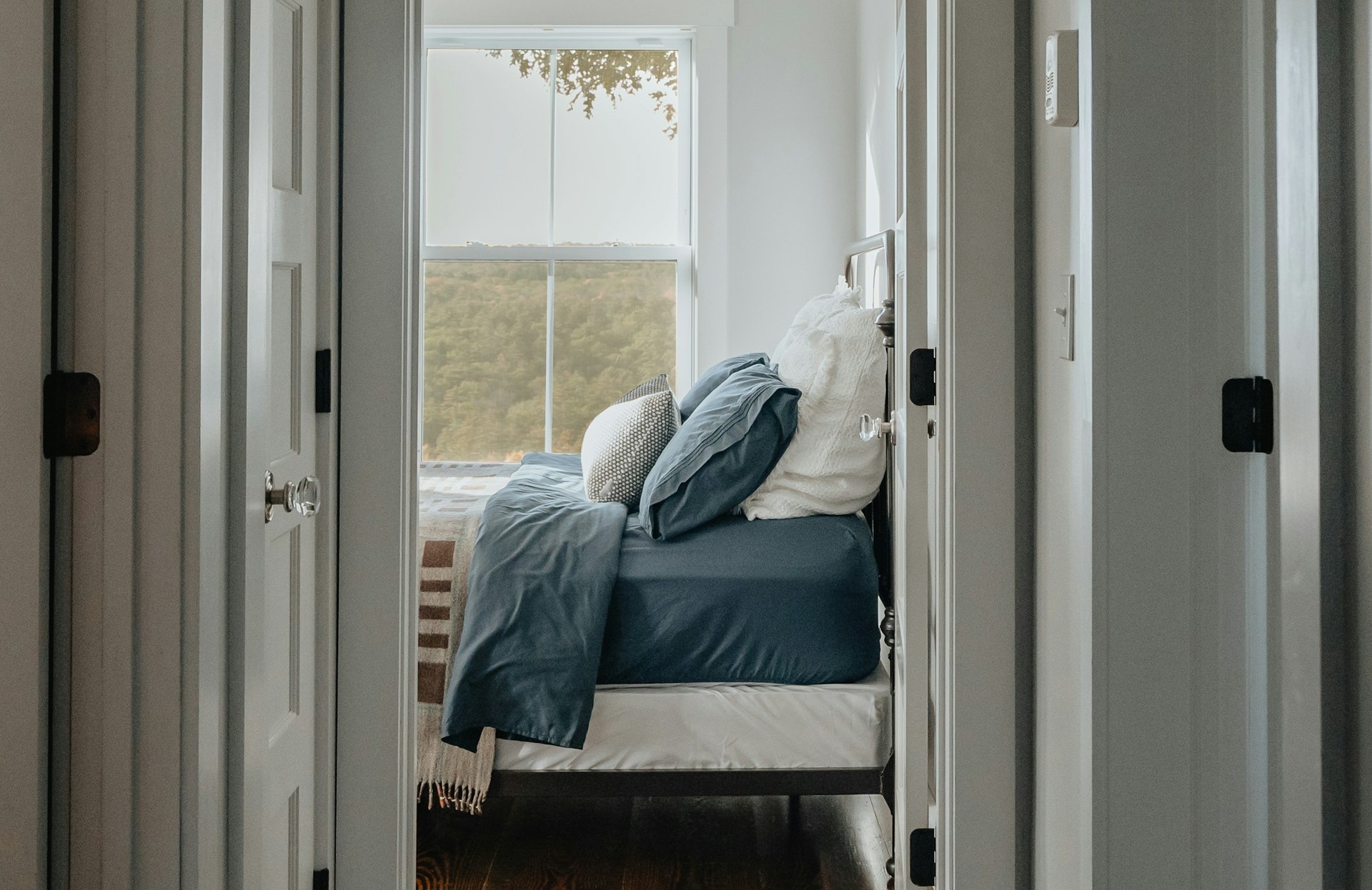
A shortcut door from the garage into a bedroom feels convenient, but it removes the buffer that keeps garage air and garage hazards out of sleeping space. This often appears after a remodel, when a closet wall becomes a passage and the change seems harmless. In reality, the opening can carry fumes, smoke, and heat straight toward people who are resting, especially if the garage stores fuel, paints, or solvents.
Most codes allow garage access into the house through protected openings, but not straight into a sleeping room.
The usual fix is closing the doorway and restoring the separation, then rerouting access through a hall or utility area.
Removing the Dwelling-Garage Fire Separation
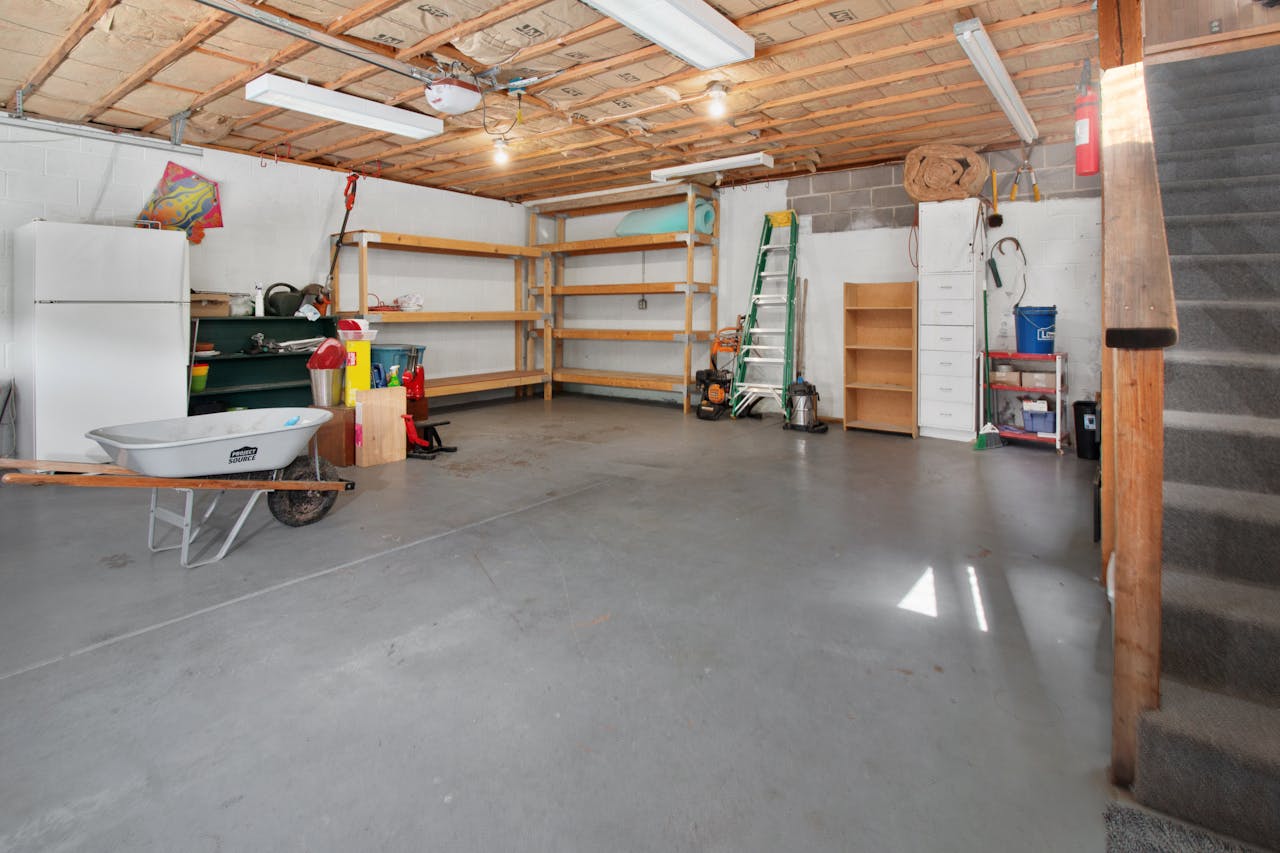
The wall and ceiling between an attached garage and the house are not just finishes. They slow smoke and heat and limit how garage air can leak indoors. Problems show up when drywall is removed for shelving, holes are cut for wiring or ducts, or an attic hatch is left loose. Even small gaps around pipes or cables can turn into fast pathways when something goes wrong, and the home loses time.
Inspectors look for continuous gypsum board and properly sealed penetrations, especially near ceilings and shared framing.
The fix is usually specific: restore the correct layers, seal openings, and keep the barrier continuous from wall to ceiling.
Swapping the Garage Door for a Hollow-Core Door
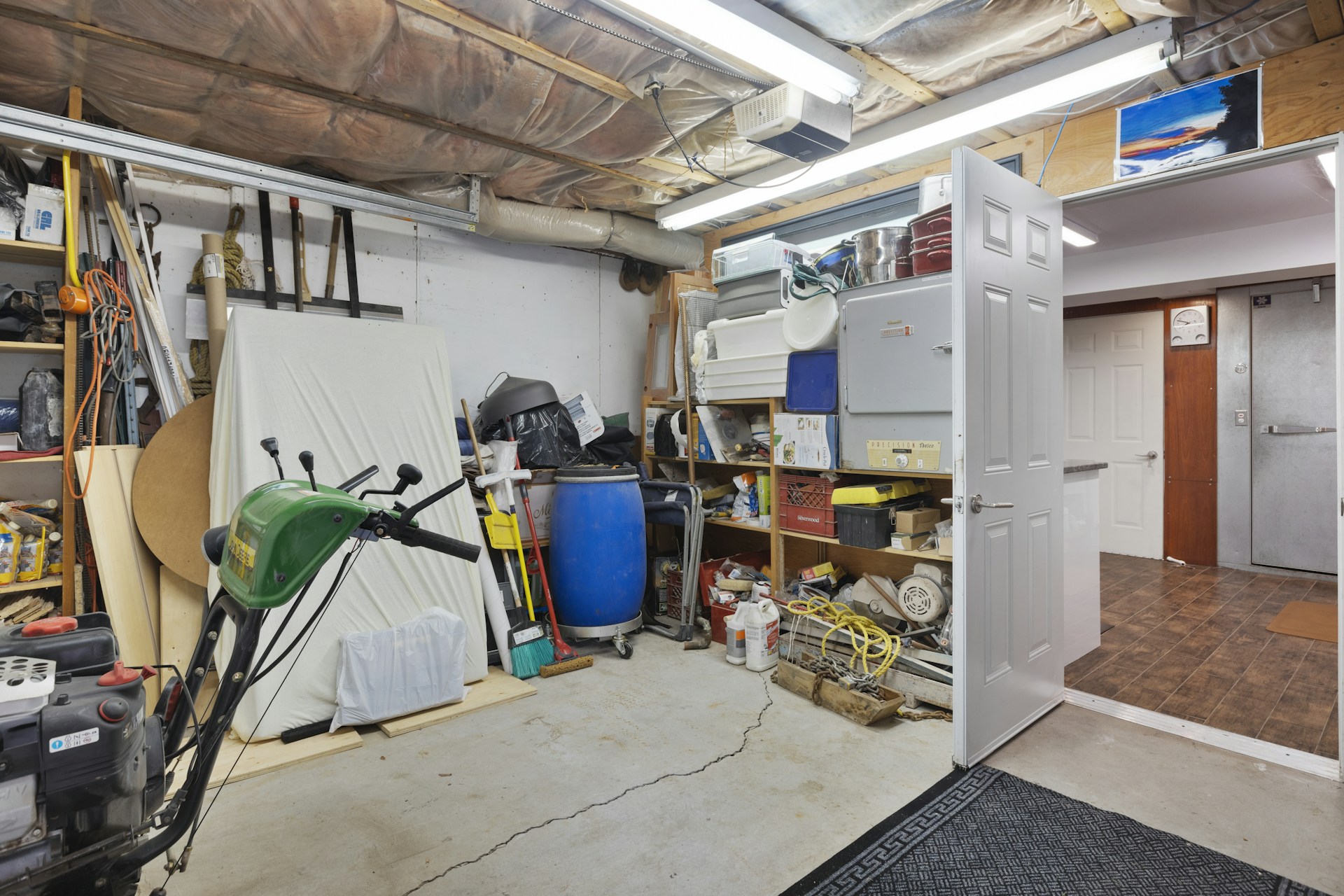
The door between an attached garage and the house is part of the separation system, not a normal interior upgrade. Replacing it with a hollow-core slab can reduce protection, especially if it does not latch tight or has gaps at the jamb. Smoke and fumes move through small leaks long before anyone notices, and the problem is easy to miss during daily use. A door that looks fine can still leak air.
Inspectors usually expect a solid, tight-closing door and intact seals at the threshold and edges.
The fix is simple but specific: install an appropriate door, repair weatherstripping, and make sure it self-closes and latches every time.
Propping the Garage-to-House Door Open
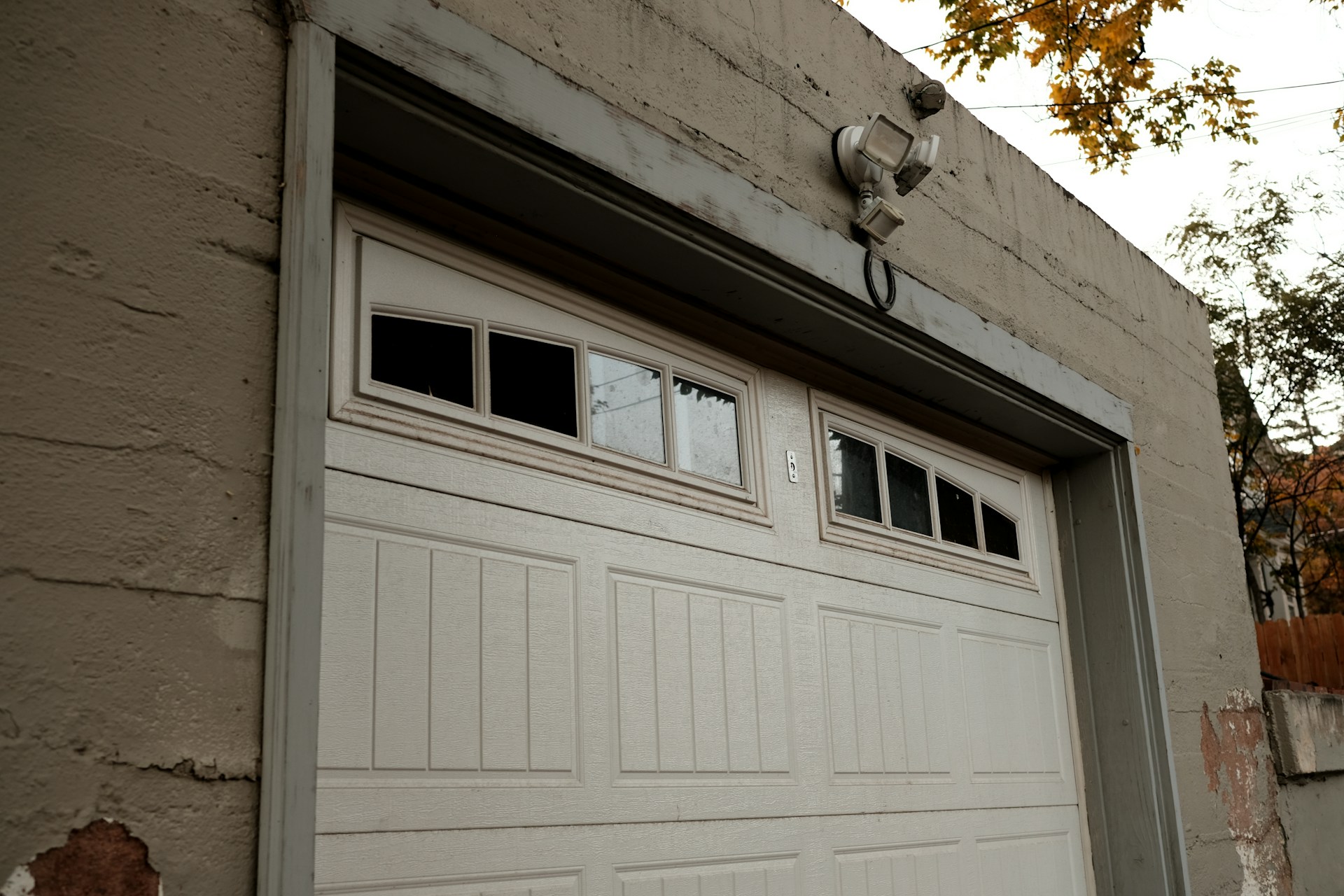
Even a compliant door fails when it is routinely held open. People wedge it for airflow, pets, or convenience, then the wedge becomes the default. An open door turns the garage into a direct air pathway into the house, so exhaust odors, dust, and smoke can drift indoors. Short engine runs and solvent use become indoor-air issues, not just garage issues, and the smell is not a warning.
Inspectors treat this as a use problem that defeats the separation the building relies on. It also pulls garage dust inside.
Better habits help, and hardware can help too: a closer or spring hinge can make closed the normal position instead of the exception.
Using Unvented Heaters or Grills in the Garage

Garages are not built to manage indoor combustion like living space. Using a grill, camp stove, or unvented heater can raise carbon monoxide risk, especially when the overhead door is shut. It feels safe because the big door exists, but cold weather keeps it closed. Once the garage becomes a hangout room, rugs, furniture, and clutter trap air.
The issue is not comfort. It is burning fuel in a space that often shares cracks and door gaps with the house, so fumes can drift indoors.
Safer fixes usually mean permitted, vented heat, ventilation, and keeping fuel-burning devices outside the garage. Electric heat is often the simpler stopgap.
Finishing the Space Without Minimum Ceiling Height
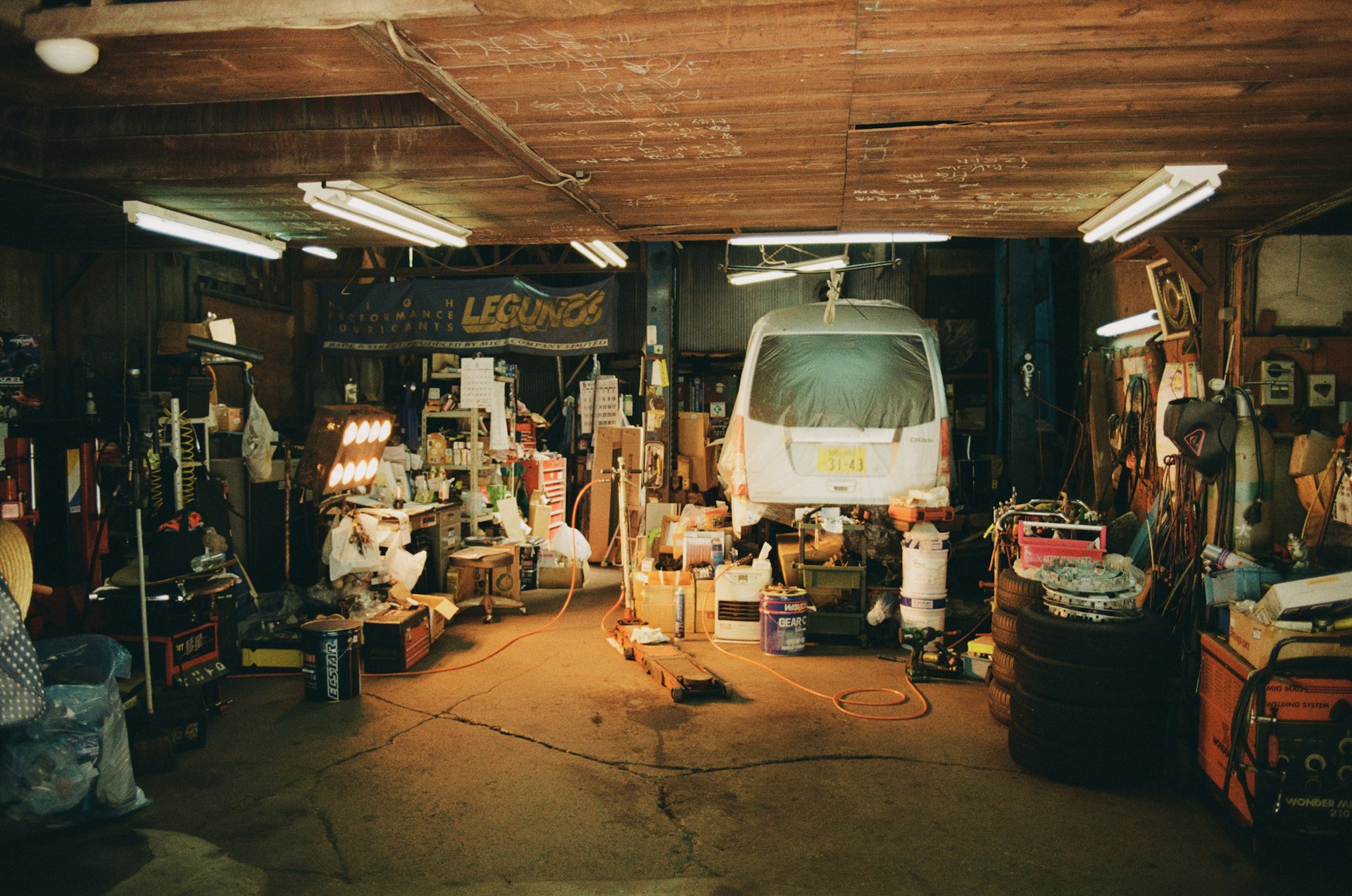
A garage can look finished and still fail habitability rules. Ceiling height is a common miss, especially when ducts, beams, or a dropped ceiling steals headroom. If the space is treated as a bedroom, office, or living room, minimum height rules can apply, and low spots can make the conversion noncompliant even when the paint looks perfect. Low ceilings also affect safe movement at night.
Owners get surprised because furniture fits and the room feels cozy until an inspection measures the clear height.
Permitted conversions plan headroom first, or they keep the area classified as storage or utility space instead of living space.
Creating a Habitable Room With Poor Light or Ventilation
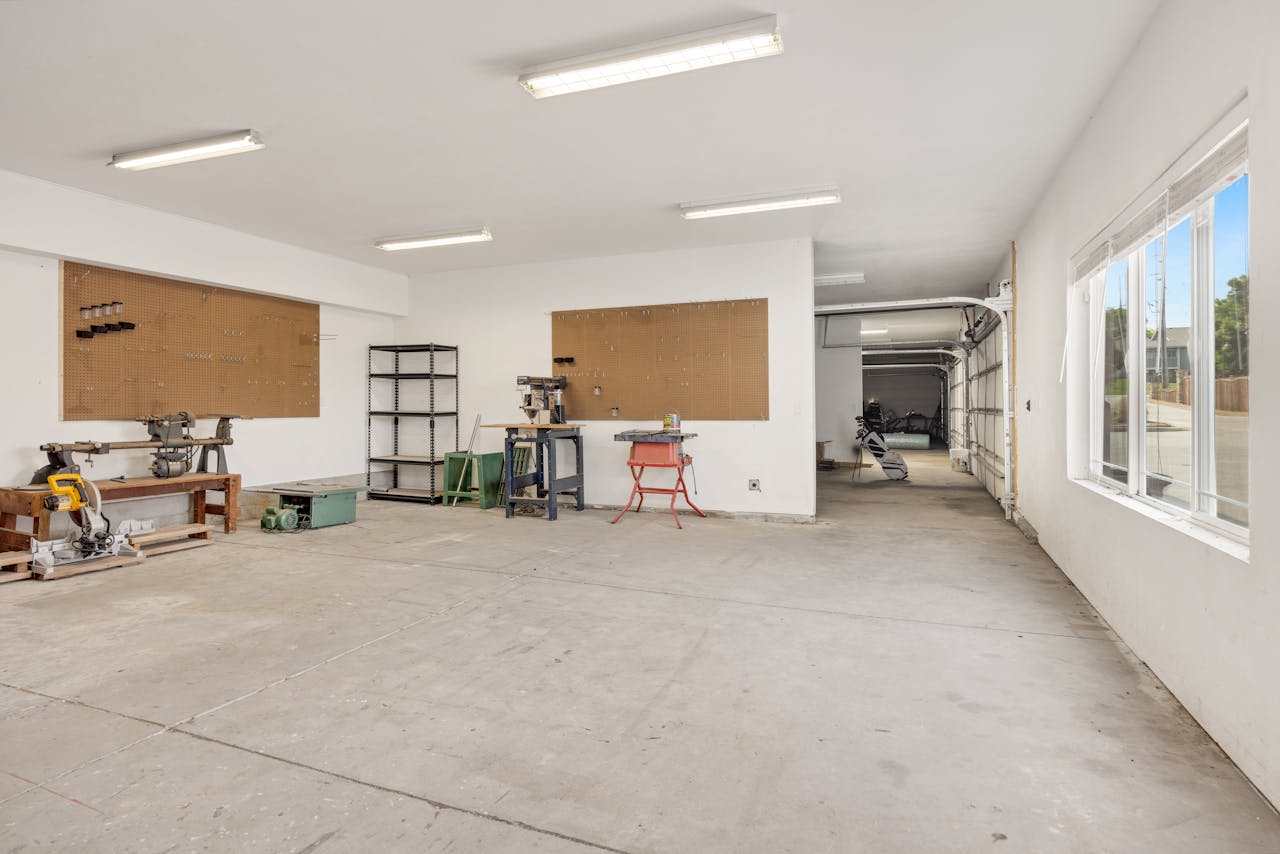
Garages are built for storage, so they often have small windows, sealed walls, and air meant to spill out through a vehicle door. When the space is used like a den, office, or bedroom, light and fresh air become more than comfort issues. Stale air, odors, and condensation build fast when doors stay shut, especially if paint, laundry, or fuel storage shares the footprint. The room can feel fine for an hour, then heavy.
Lamps and portable fans help, but they do not create daylight or a real ventilation path.
Legal conversions usually add openings or approved mechanical ventilation so the room can be occupied for hours without trapped air.
Adding a Sleeping Area With No Emergency Escape
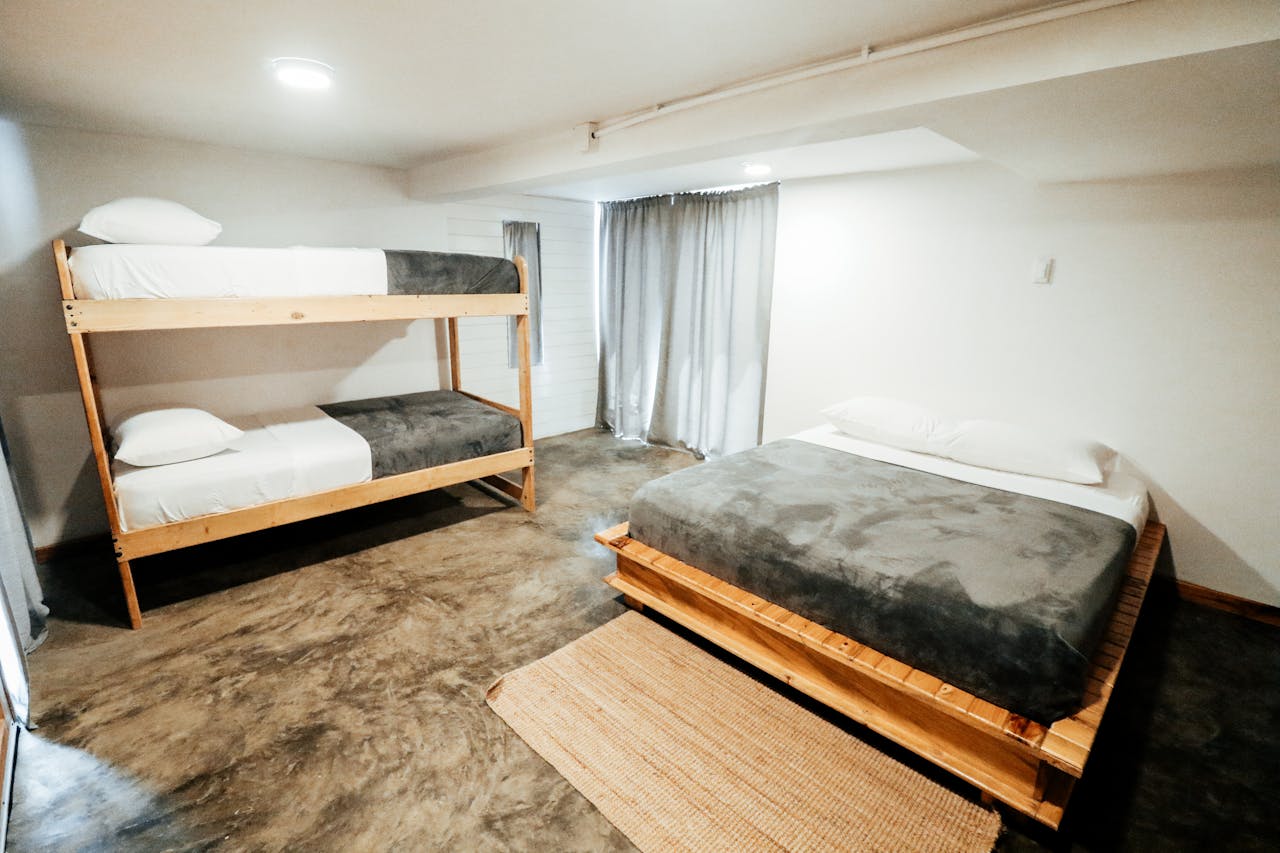
Once a garage functions as a sleeping room, emergency escape becomes the hard question. The overhead door can be blocked by a car or storage, and an interior route can be cut off if the garage is the source of smoke. Many garages also have small or fixed windows that do not open in a useful way, leaving one fragile path out. That is a lot to ask of a single door at night.
This is why inspectors treat a mattress differently than a sofa. Overnight use raises the expectations for a secondary exit.
Permitted conversions start with egress: an operable escape opening or door to the exterior, then finishes, not the other way around.
Running Improvised Wiring for Living-Space Loads
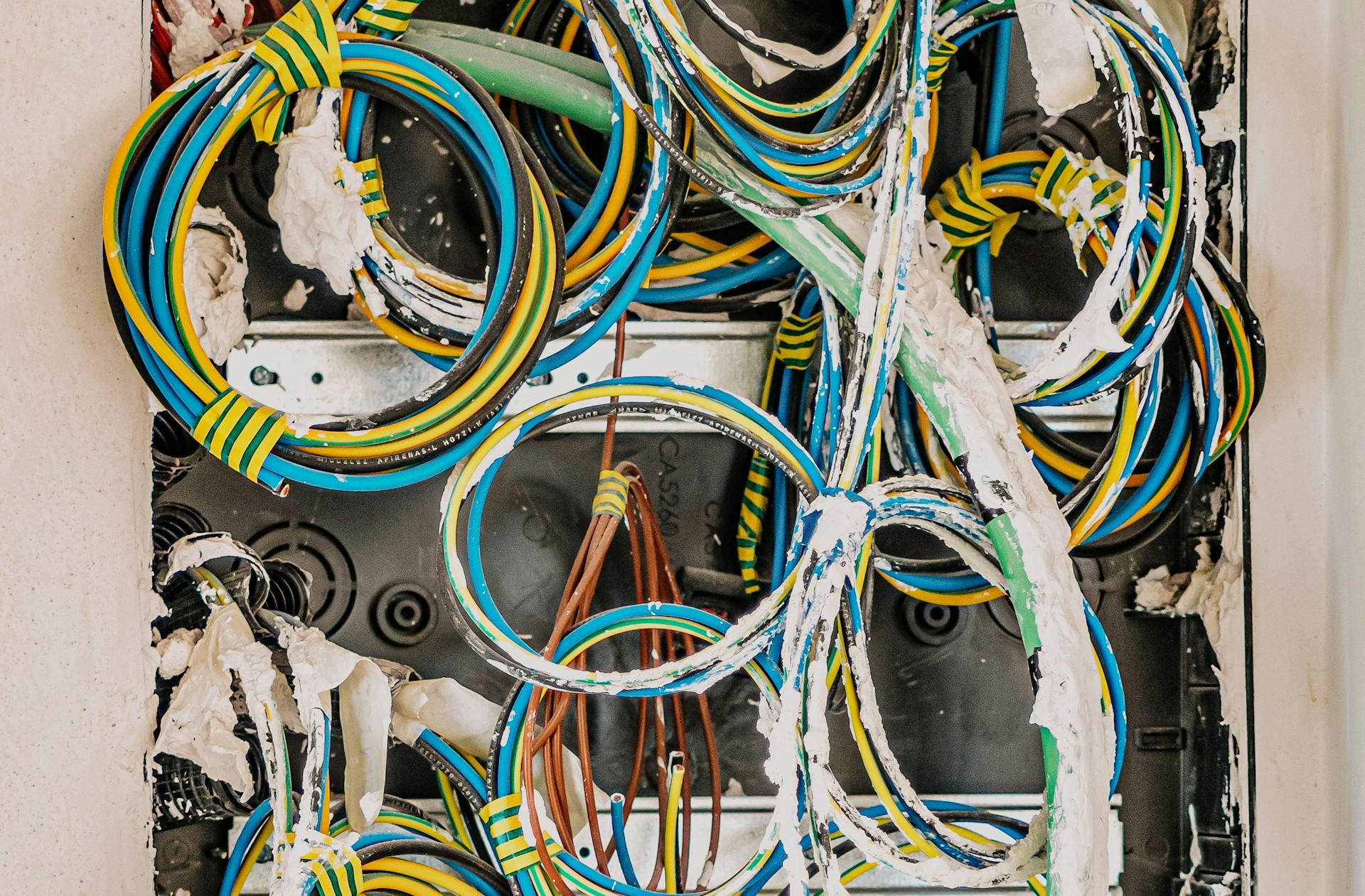
When a garage becomes a workspace or hangout, electrical demand jumps. Space heaters, freezers, chargers, and tools get added, then extension cords and power strips become permanent. Cords run under rugs, across door tracks, and behind shelves, and loose plugs heat up when loads stay high for hours. The setup looks normal until a breaker trips or a cord gets nicked by a tire.
Inspectors flag the pattern because it signals a use change: the space is being powered like a room without being wired like one.
The fix is boring and effective: add proper circuits and outlets, use protection where required, and remove cord networks from daily use.
Storing Flammables Beside Ignition Sources

Garages are where gas cans, solvents, and paint products tend to collect, and the risk rises when they sit near ignition sources. In many homes, a water heater or furnace is in the garage, and careless storage can place vapors beside burners or electrical components. Chargers and power tools add heat too. Add couches, curtains, and stacked boxes, and the fuel load rises while exit paths shrink.
Inspectors focus on placement because it changes how fast a small incident can spread and whether a clear route out exists.
Safer setups use approved containers, separation from ignition, and uncluttered paths, so the garage stays a utility space.
Creating an Unpermitted Rental or Bonus Unit
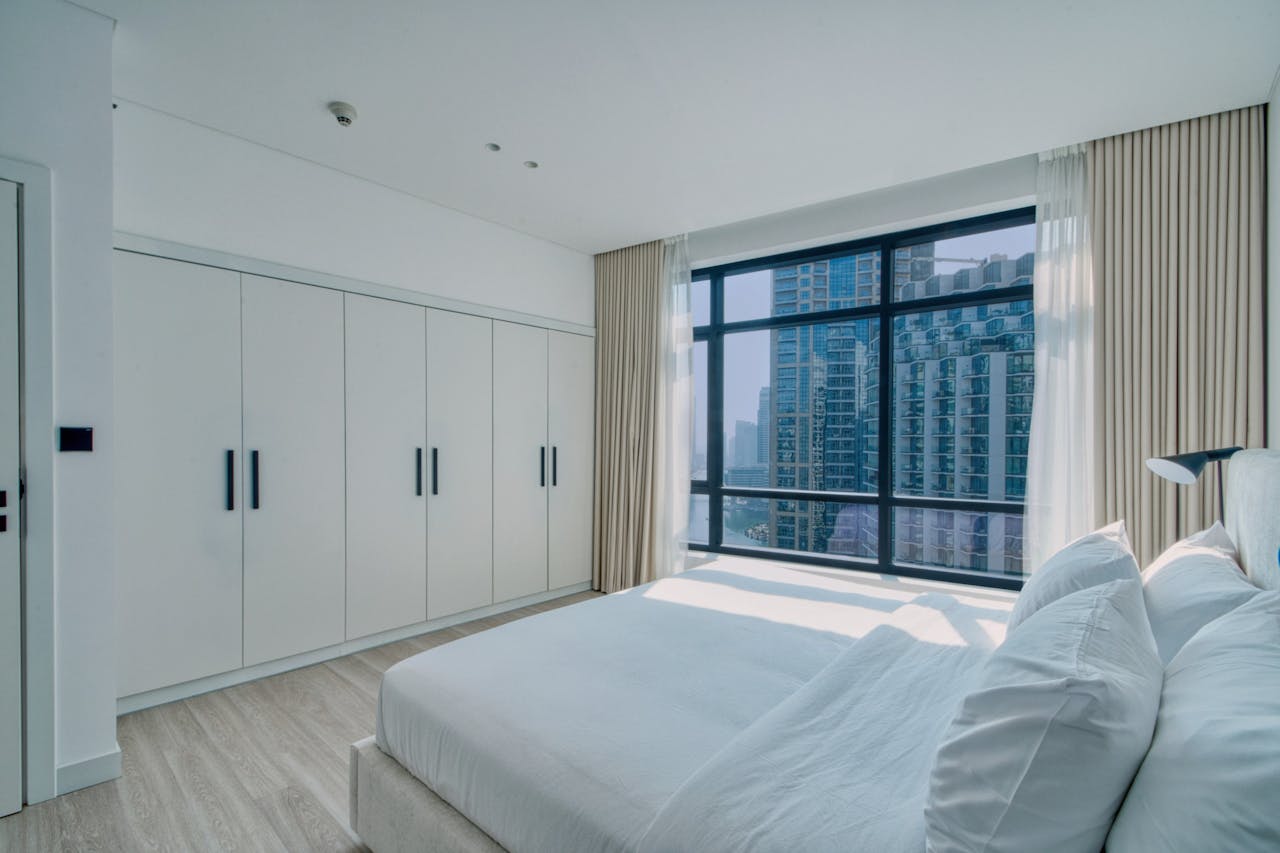
Turning a garage into a rentable room is often treated as a change of occupancy, not a casual remodel. Once the space is used for living, sleeping, or cooking, many jurisdictions require permits and compliance for light, ventilation, ceiling height, alarms, and safe exits. Parking and zoning limits can also apply, and insurance can get complicated when work is undocumented.
Enforcement often arrives during a sale or an inspection for other work, which is when shortcuts surface and costs rise.
A permitted path is slower, but it protects resale and safety, and it keeps the garage from becoming a hidden unit that cannot meet basic standards.