Grandma’s habit of saving, mending, and storing what others dismissed now reads less like sentiment and more like quiet financial intelligence. Many families donated, trashed, or painted over old objects during fast cleanouts, not realizing those pieces carried maker history, material quality, and growing collector demand.
In a resale market shaped by scarcity and provenance, attic finds often beat impulsive home purchases by a wide margin. What looked outdated in one decade can become highly sought after in the next. These eight keepsakes reveal how a throwaway culture can erase value that took generations to build.
Singing Bird Boxes
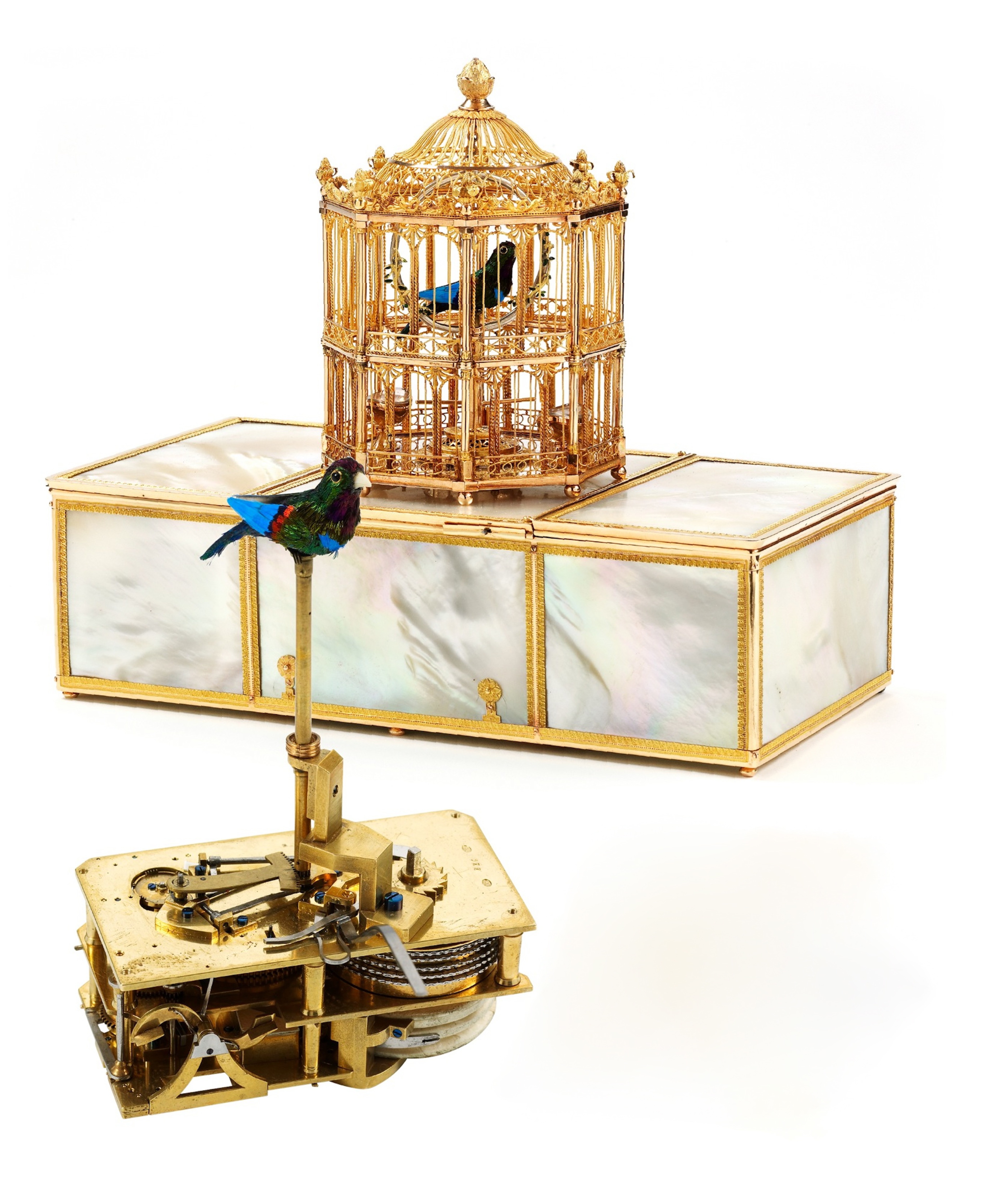
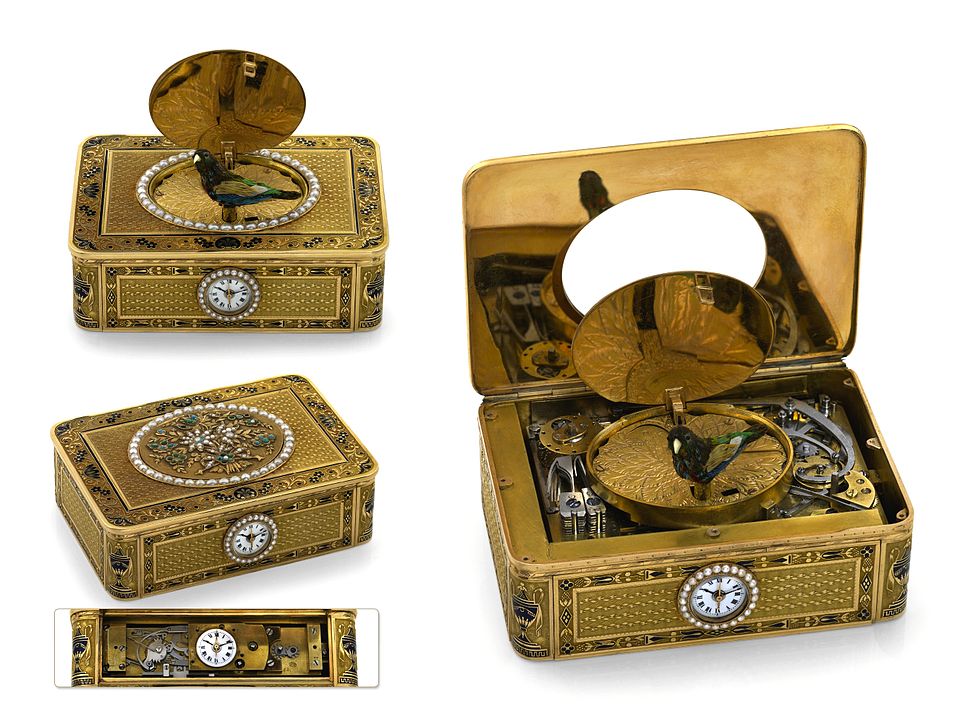
Singing bird boxes began as elite European automata, with early forms linked to Swiss maker Pierre Jaquet-Droz and luxury snuff boxes. Later, simplified windup mechanisms made birdcage versions more affordable, especially in the mid-century market, which is why many appeared in ordinary parlors rather than museums.
That history is exactly why tossing one can be expensive. Serious buyers still pay heavily for early German examples, while 1950s and 1960s cages often sell around $35 to $150 depending on size, movement quality, bird count, and whether the original mechanism still performs cleanly. Original keys can lift prices.
Catalin Radios
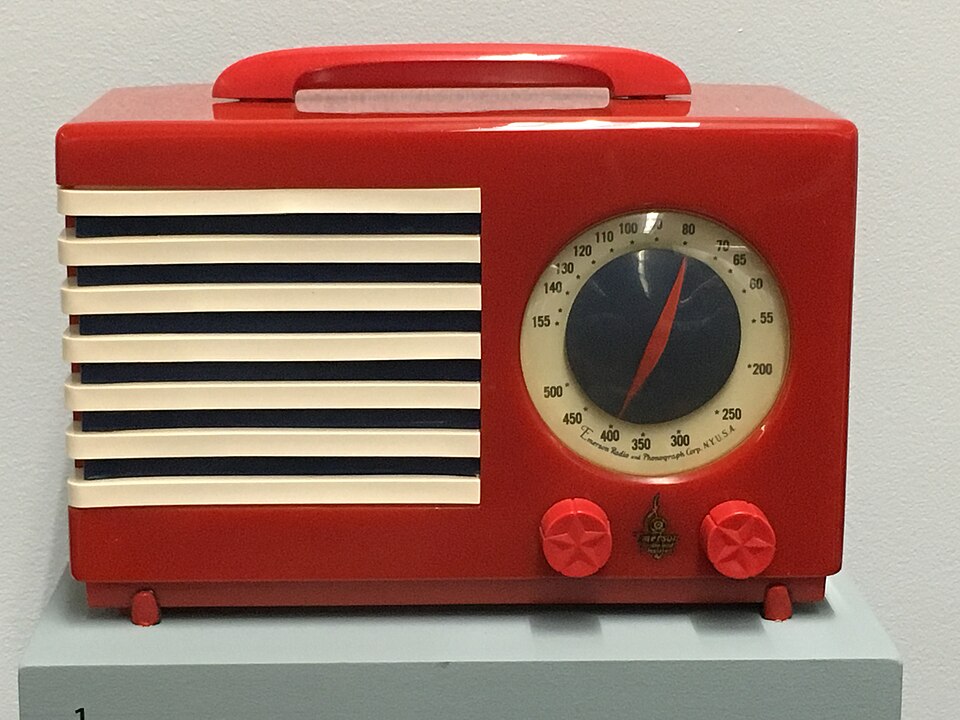
In the 1940s, bright catalin radios replaced plain Bakelite sets in wealthier American homes, turning everyday listening into a style statement. Catalin, a cast resin, allowed marbled color, sculptural curves, and saturated tones that now define a golden era of industrial design for collectors.
Many were discarded once television took over, and that cleanup still drives scarcity. Surviving Emerson and FADA examples in strong condition can command about $1,500 to $25,000, with color rarity, cabinet cracks, restored parts, and original knobs shaping the final number far more than brand name alone. Working circuitry can add premium.
Pond Yachts

Pond yachts started as a Victorian adult pastime in England, where steering a model sailboat required real judgment about wind and current. After World War I, firms like Bowman, Star Yachts of Birkenhead, and Alexander of Preston sold smaller versions that reached everyday hobbyists.
When families later treated them as toy clutter, many finely made hulls disappeared. The survivors usually trade around $50 to $500, with value tied to maker marks, sail integrity, original rigging, hull repairs, and evidence that the model was built for actual sailing rather than shelf display. Period paint and brass fittings help, too.
Mechanical Banks
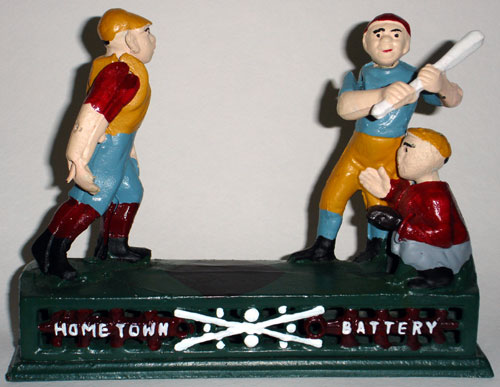
Mechanical coin banks, patented in the U.S. in 1869, turned saving into theater with spring loaded actions that dropped coins after a lever pull. Designs first targeted children with circus or biblical scenes, then widened into political satire and adult themes through the early twentieth century.
Because many were played with hard and stored poorly, intact examples became harder to find. Rare nineteenth-century pieces can exceed $1,000, while many 1940s to 1960s models often land near $100 to $300, and even quality reproductions now attract dedicated buyers who once ignored them as novelty castoffs. Original paint still matters.
Stick And Ball Hat Racks
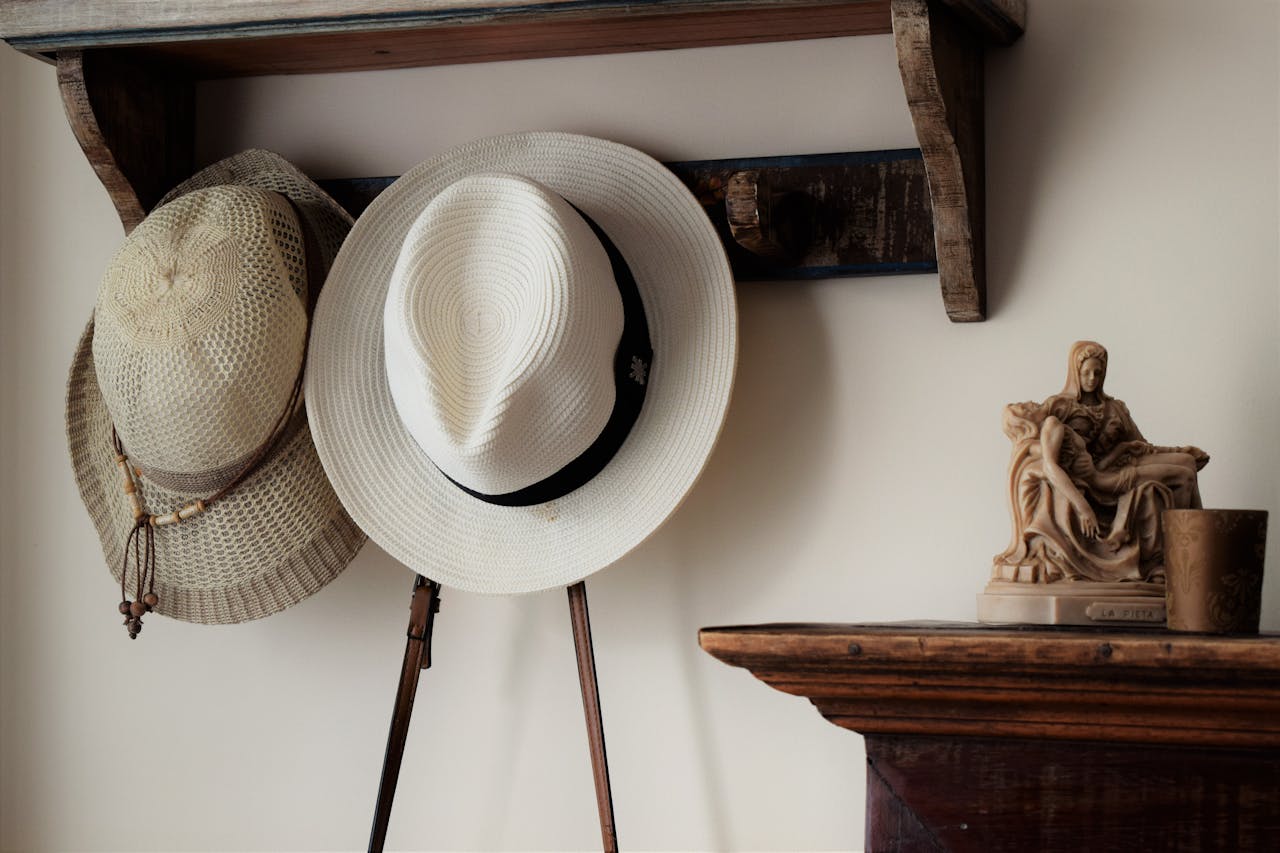
Stick and ball hat racks came from Victorian taste for ornament, where wooden rods and rounded finials created geometric detail that signaled status in entry halls. Beyond decoration, they solved a daily problem by organizing hats and coats in homes built for formal arrivals and visiting guests.
During minimalist remodel waves, many were painted over, split apart, or thrown out as old fashioned clutter. Late nineteenth-century examples now often bring about $100 to $500, and prices climb when carving depth, finish condition, hardware completeness, and overall scale remain original rather than heavily altered. Patina adds value.
Revere Bowls
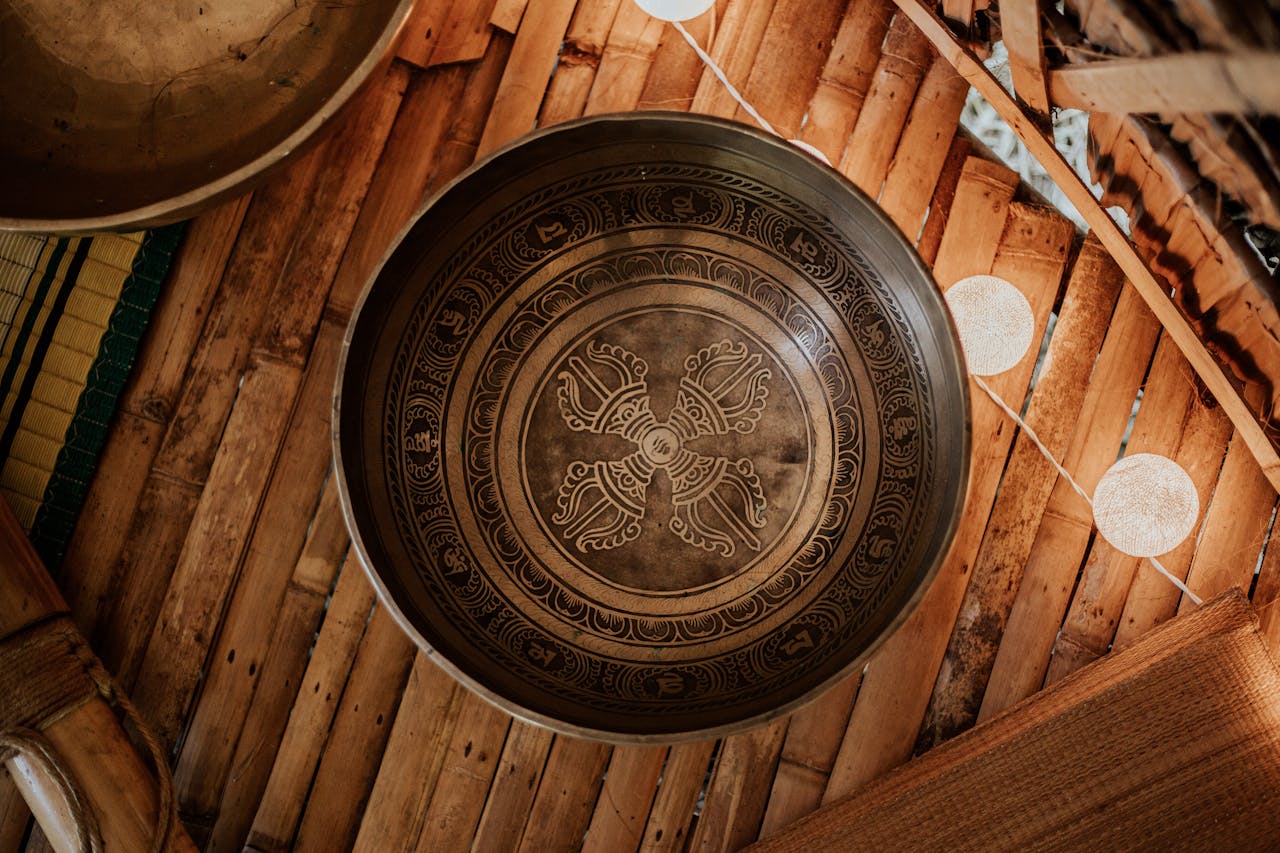
The Revere bowl traces to silversmith Paul Revere’s 1768 punch bowl design tied to protest era Boston, then spread through later reproductions by many makers. Its simple foot, open rim, and balanced shape kept it useful across centuries, from table service to trophy culture and ceremonial display.
That versatility led families to treat them as ordinary serving pieces, which means many were worn, replated, or discarded without maker checks. Current prices range from about $30 to $2,000 depending on age, metal quality, diameter, engraving, and whether markings prove a sought after workshop or period. Weight and finish also matter.
Indoor Door Knockers
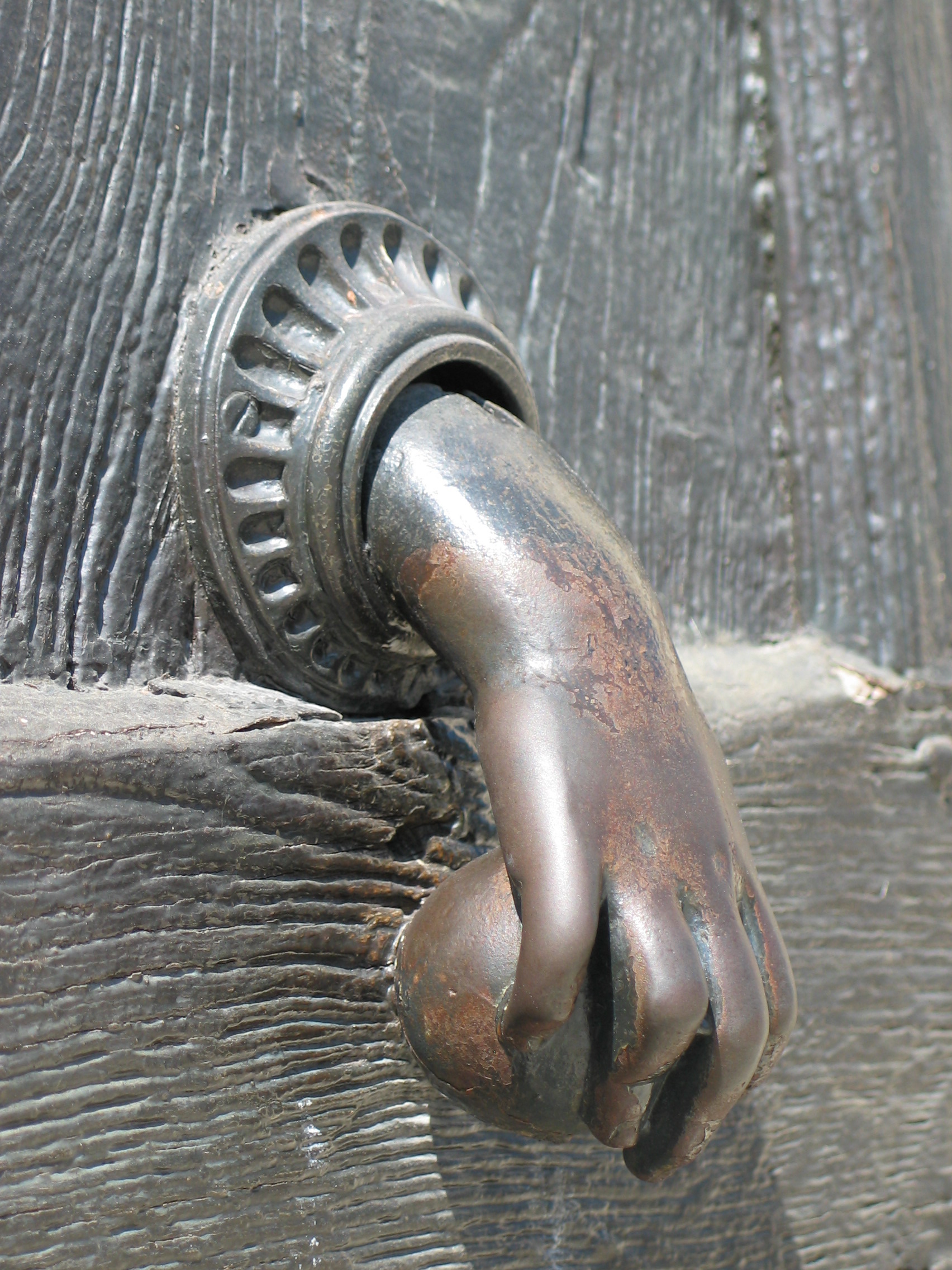
Indoor bird knockers, including examples from Pennsylvania maker Hubley in the 1930s, carried the same charm as outdoor cast-iron door hardware in miniature form. Parrots were common, while owl and cardinal versions appeared less often, which now shapes scarcity across specialty resale channels.
When households modernized interiors, these small pieces were easy to overlook during moves and estate clears. Midcentury woodpecker knockers often sell near $30 to $75, while rarer indoor birds can reach roughly $100 to $500, especially when paint, mounting hardware, and casting detail remain crisp and unmodified. Provenance lifts value.
Punched Tin Lanternsv

Punched tin lanterns lit American homes from the Colonial period through much of the nineteenth century, valued for durability, rust resistance, and low cost. Collectors now revisit them as design history objects, with added attention around 2026 commemorations linked to the nation’s 250th anniversary.
The costly mistake happens when old lanterns are dismissed as rusty utility scraps. Larger early nineteenth-century examples can approach $400, while later vintage pieces may start near $10, with prices shaped by fold irregularity, hole pattern uniformity, door construction, and signs of handworked rather than machine regular edges.