Public decorum laws rarely make the postcard, yet they shape the mood of a destination as surely as weather and architecture. Most are not meant to shame visitors. They are guardrails for crowded sidewalks, sacred sites, and shared transit where strangers must coexist without friction. Many rules sound obvious until travel excitement blurs judgment: a snack on a train, a drink carried outdoors, a flirtatious moment in the wrong setting. Other ordinances feel oddly specific because a landmark, a beach, or a historic square has been worn down by repeating the same small mistakes. What follows is a practical look at common missteps and the logic behind them, grounded in how communities protect comfort, heritage, and dignity.
Keep Food and Drinks Off Singapore’s MRT

Singapore’s rail system treats cleanliness as part of public trust, so eating and drinking are banned on trains and station platforms. Visitors often assume a sealed bottle of water or a quick snack is fine if no mess is left behind. The rule exists because one spill or crumb in a packed carriage turns into sticky floors, pests, and service slowdowns that ripple across the line. It also keeps smells, stains, and loud food unwrapping out of tight spaces where commuters cannot opt out. Staff can issue penalties quickly, and the signage is direct once it is noticed.
Treat Spitting and Littering as Serious Offenses
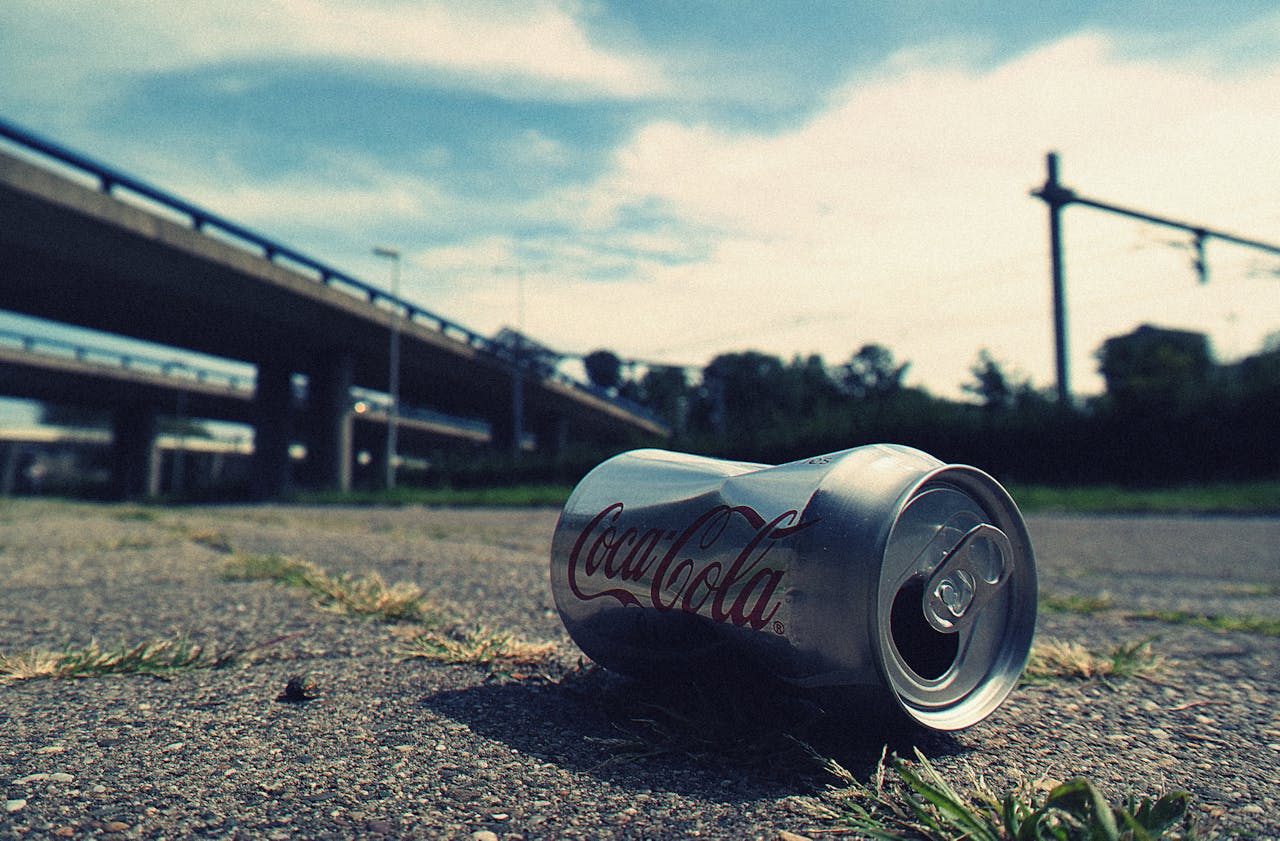
Spitting and littering are handled as civic offenses in places that prize shared cleanliness. It is not only about looks; it is about hygiene, pests, and the simple fact that crowds multiply small messes into big problems. A tossed cup, a cigarette butt, gum under a bench, or a casual spit can earn a fine and sharp disapproval. Some cities also treat it as a public health issue, especially near transit, markets, and school routes. The message is plain: public space belongs to everyone, and everyone carries responsibility for keeping it livable every day. Visitors who ignore bins or spit on sidewalks learn fast that tolerance is low.
Keep Public Affection Low-Key in the UAE

Across the UAE, public behavior is shaped by expectations of modesty, and those expectations cover touch as well as clothing. Holding hands is often tolerated, but kissing or lingering embraces in public can draw complaints, especially in family-heavy areas like malls, waterfront promenades, and transit hubs. Tourists usually misread the setting, not the intent, and assume what is normal elsewhere will be ignored. Enforcement may begin with a quiet request to stop, yet it can escalate if behavior continues or tempers flare. The safest assumption is that affection stays private, while public spaces stay calm and respectful.
Do Not Carry the Party Into the Street in Dubai

Dubai’s nightlife can feel permissive, but alcohol rules are location-based and enforced once behavior shifts into public view. Drinking is generally limited to licensed venues, and being intoxicated in public can create legal risk, especially if voices rise, arguments start, or walking becomes unsteady. Visitors sometimes step outside with a drink in hand, record loud street videos, or treat the sidewalk like an extension of the bar. The issue is disturbance as much as drinking: public comfort and safety are treated as shared responsibilities. A calm exit can be the difference between a normal night and a serious problem.
Avoid Sitting on the Spanish Steps in Rome
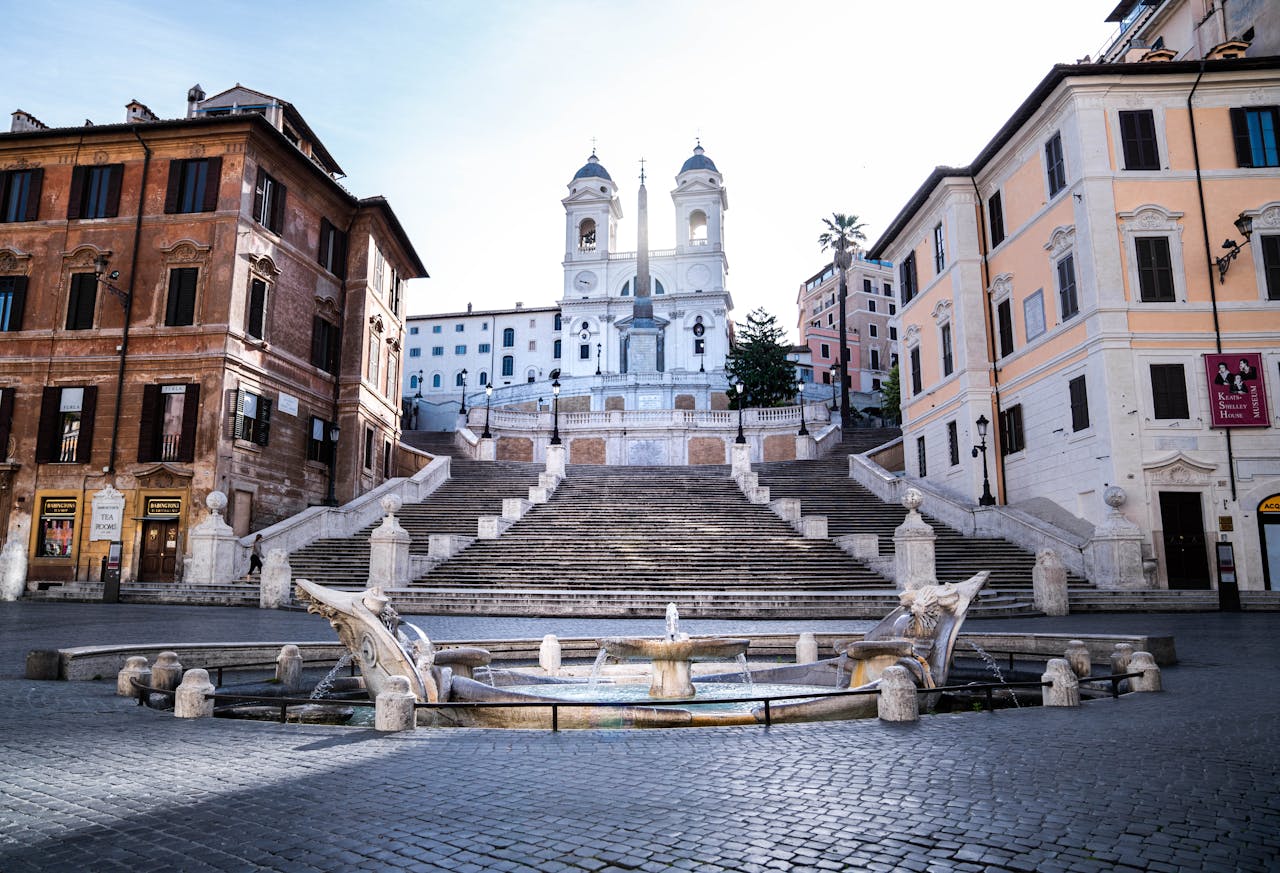
Rome’s Spanish Steps look like the perfect place to sit, snack, and watch the city perform, yet authorities restrict lingering to protect the landmark and keep foot traffic moving. Stone wears down faster than most travelers imagine, and food and drink bring stains, trash, and pests to a fragile site. The rule also stops crowds from turning the staircase into a bottleneck where residents cannot pass and emergency workers cannot move. Enforcement can be swift, even for a short rest, because the problem is cumulative and constant. The underlying idea is simple: a monument is not public furniture, no matter how scenic it seems.
Skip Feeding Pigeons in Venice’s St. Mark’s Area
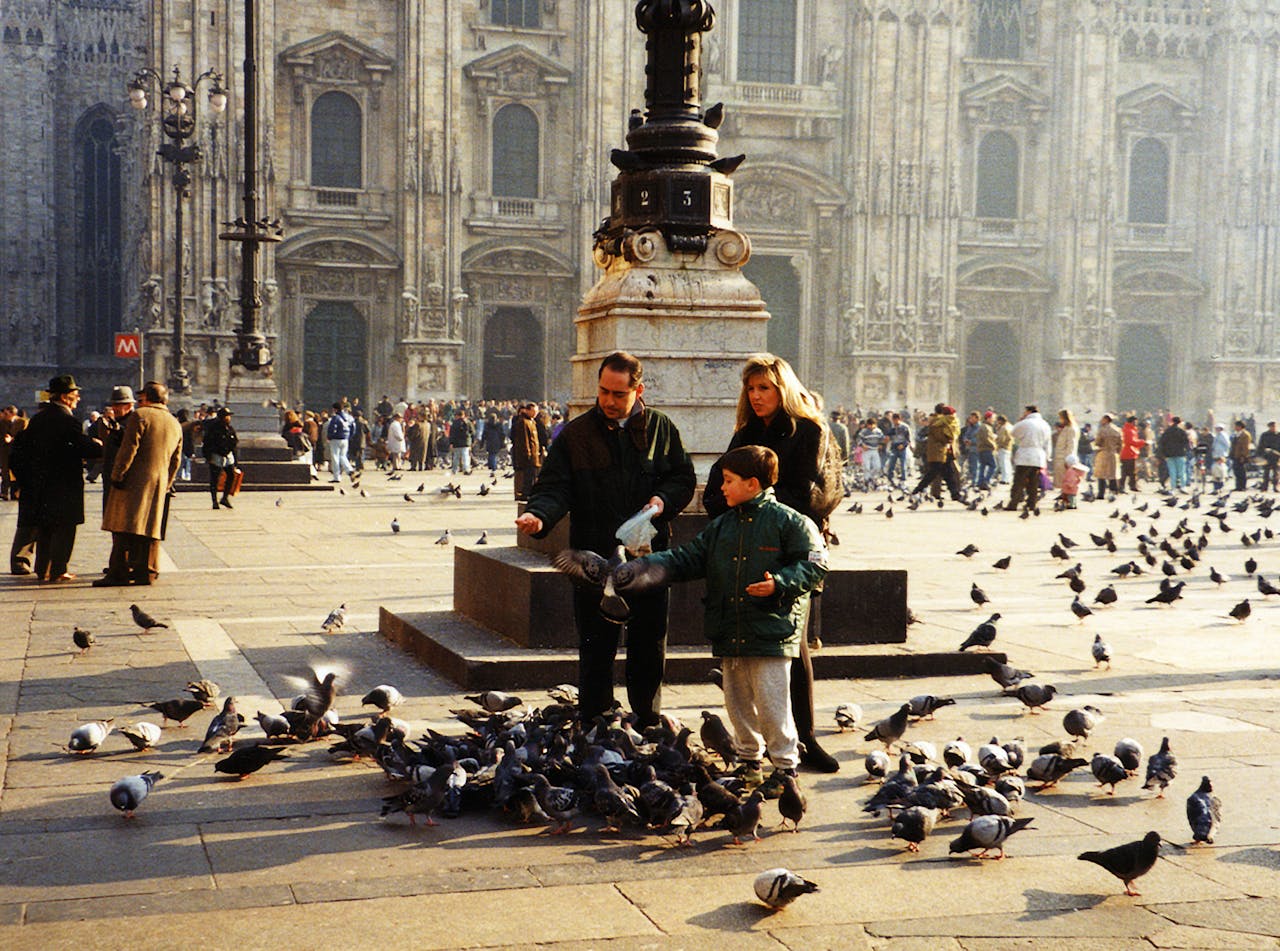
Venice learned the hard way that feeding pigeons is not a harmless tradition when it concentrates flocks on historic stone. Droppings damage surfaces, create slippery walkways, and push cleaning costs onto a city already fighting decay and flooding. Rules around St. Mark’s area discourage feeding and can carry fines, even when the food is offered as a playful photo moment. The birds become bolder, crowd cafés, and follow hands, which changes the whole atmosphere of the square. Visitors may not intend harm, but the effect is predictable, so the city targets the only lever that works: removing the food source consistently.
Respect Tokyo’s Street-Smoking Ordinances
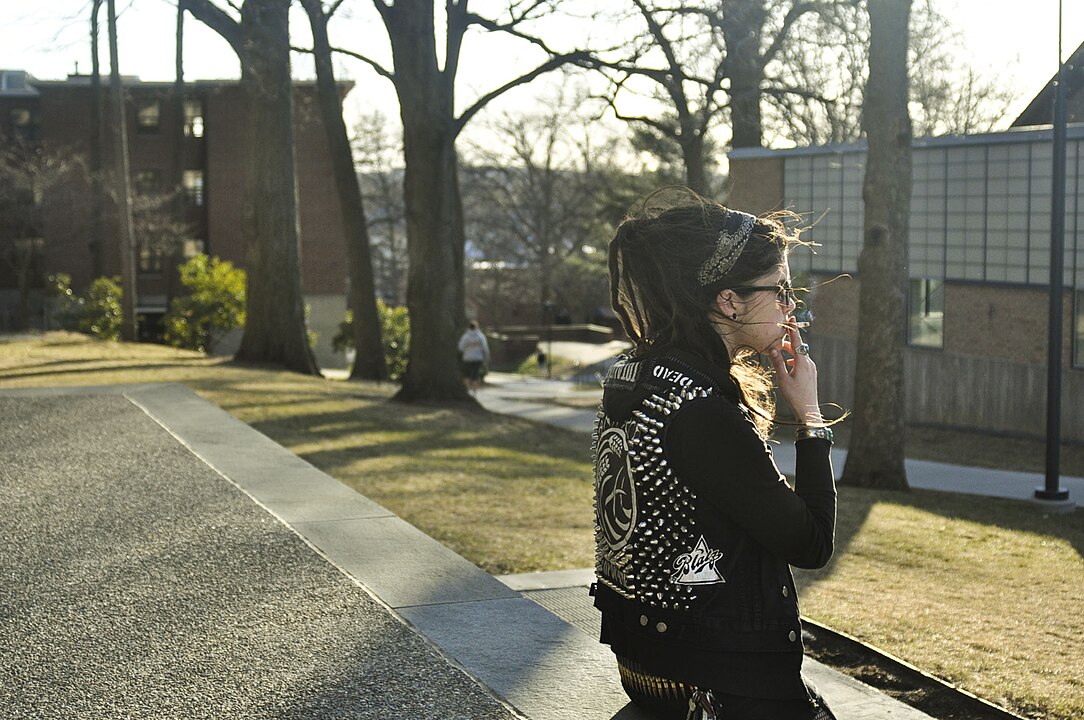
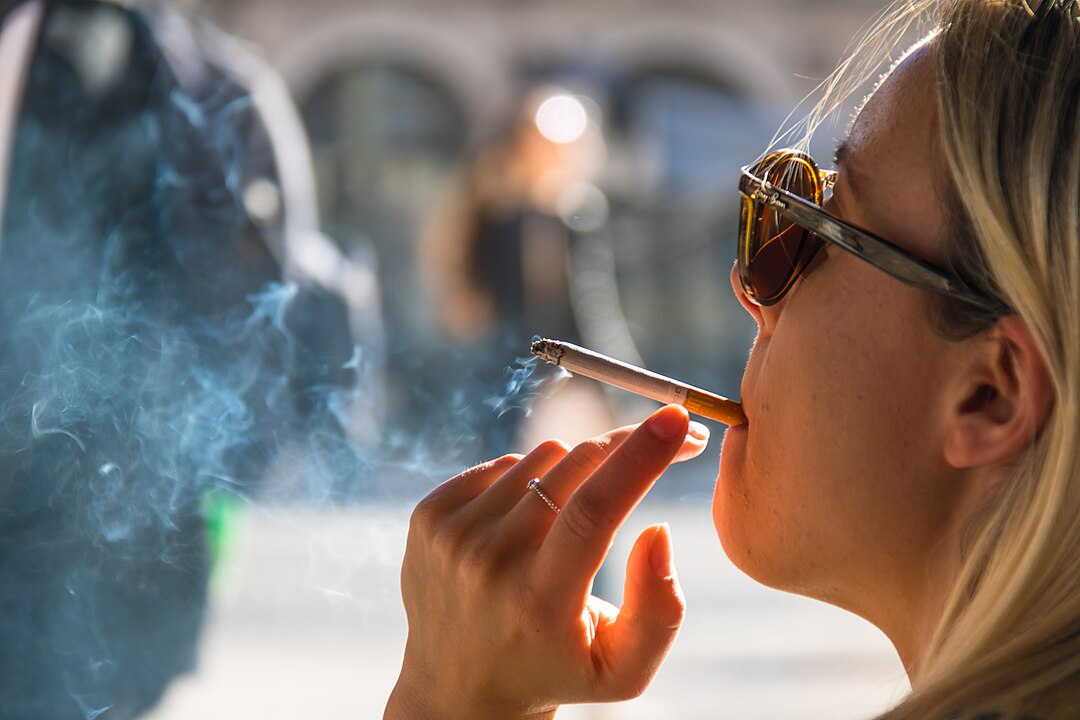
Tokyo’s smoking rules vary by ward, and some neighborhoods enforce strict no-smoking zones on busy streets to prevent burns, litter, and secondhand smoke in tight corridors. Tourists often light up while walking between stations, assuming outdoor air makes it acceptable, then discover the fine can be immediate. Locals will point to marked smoking areas, because the city prefers smoke to be contained, not carried through crowds. The goal is practical: in dense sidewalks, a single ember can land on skin or hair, and a swinging cigarette can burn a passerby. Even tossed ash matters, since it stains pavement and clogs drains after rain.
Do Not Treat the Ocean as a Bathroom in Spain

Some Spanish coastal towns have adopted ordinances that fine people for urinating in the sea or on the beach, a rule that sounds absurd until peak season arrives. When thousands share the same shoreline, sanitation becomes a collective concern, not a private joke. The deeper issue is respect for neighbors in the water and for workers tasked with keeping beaches clean and open each morning. Enforcement talk tends to surge on crowded summer weekends, when families, swimmers, and vendors are packed close together. Tourists may assume nature absorbs everything, but local governments price behavior that spoils the day for others.