The waterfall-island era was built on bright water, easy flights, and a promise of instant awe: one perfect viewpoint, one swim, one photo that proved escape. Lately, the mood around those trips has shifted. Costs feel sharper, access is more regulated, and the most famous spots look crowded even in shoulder season. At the same time, travel tastes are widening toward slower days, deeper culture, and nature that feels quiet instead of staged. The change is not a rejection of beauty. It is a move toward trips that feel easier to live inside.
Algorithm Fatigue With Identical Views
For years, the same drone sweep over a turquoise cove or a silky fall could spark instant envy, but feeds are now crowded with near-duplicates and the same lookout railings. Creators and readers reward texture instead: street-level sounds, market breakfasts, rainy afternoons, and small rituals that cannot be copied from one island to the next, like a ferry commute or a nightly pier stroll. When a destination is reduced to one angle and one caption, the sameness becomes obvious, and attention shifts to places that feel lived-in, where weather and daily routines keep changing the scene from hour to hour.
Reservation Walls Replace Spontaneity
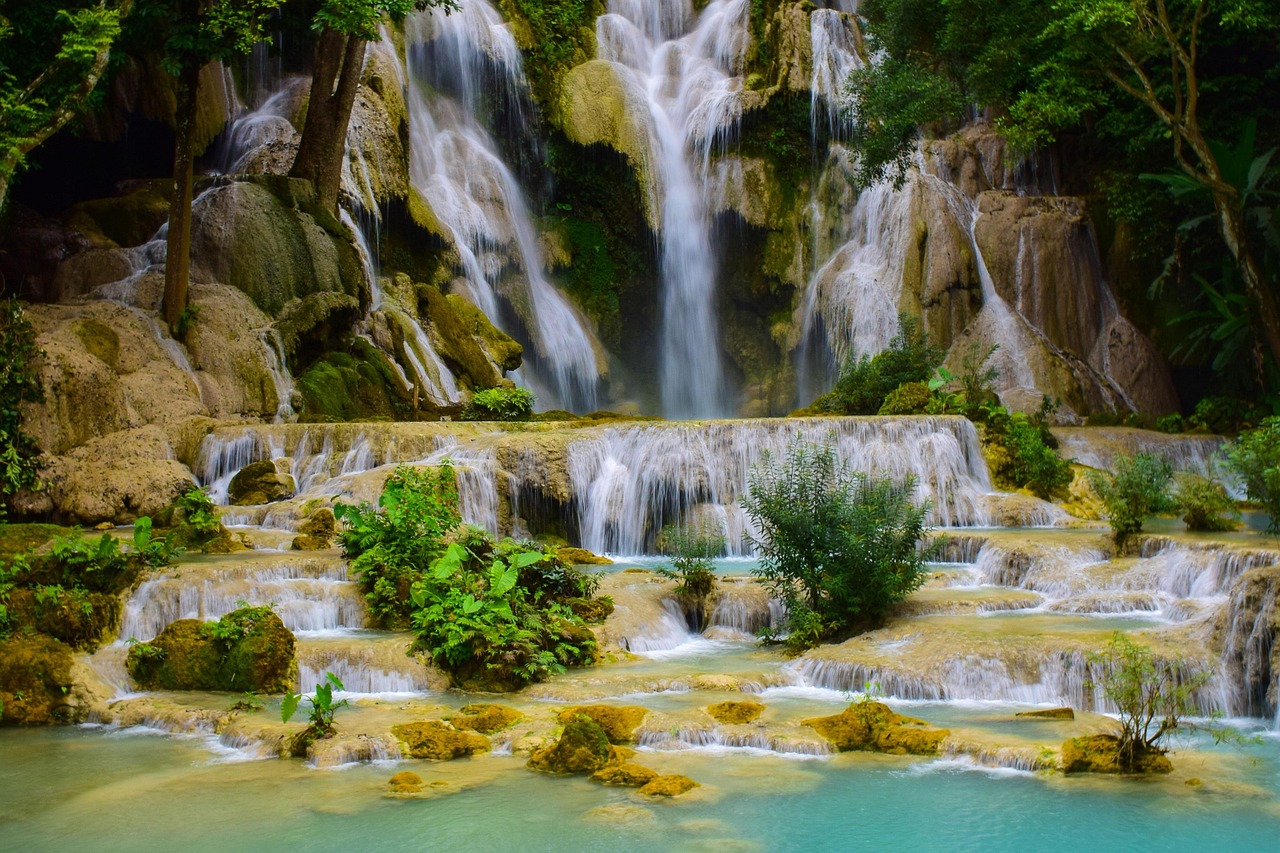
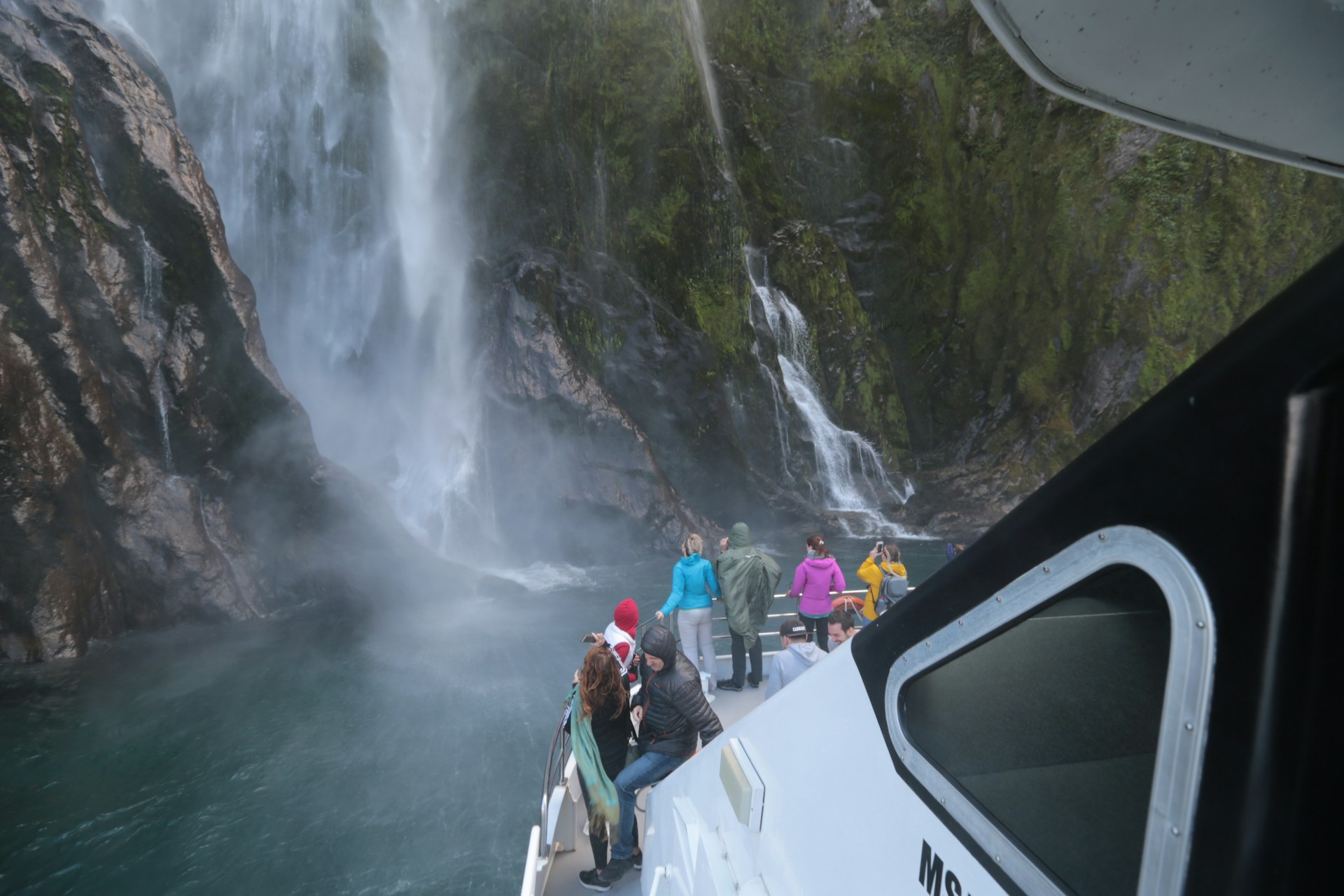
The classic waterfall-island trip once felt simple: land, rent a scooter or car, and follow signs until something beautiful appeared, then stay as long as the light held. In many hotspots, that ease is fading, replaced by timed entries, limited parking, shuttle-only roads, and pre-booked boat seats that split the day into narrow windows and constant decision points. When travel turns into confirmation emails and QR codes, many people choose cities, road trips, or quieter regions where a good day can still be made by wandering, lingering over lunch, and changing plans without penalties or stress.
Islands Feel Less Affordable Than They Look
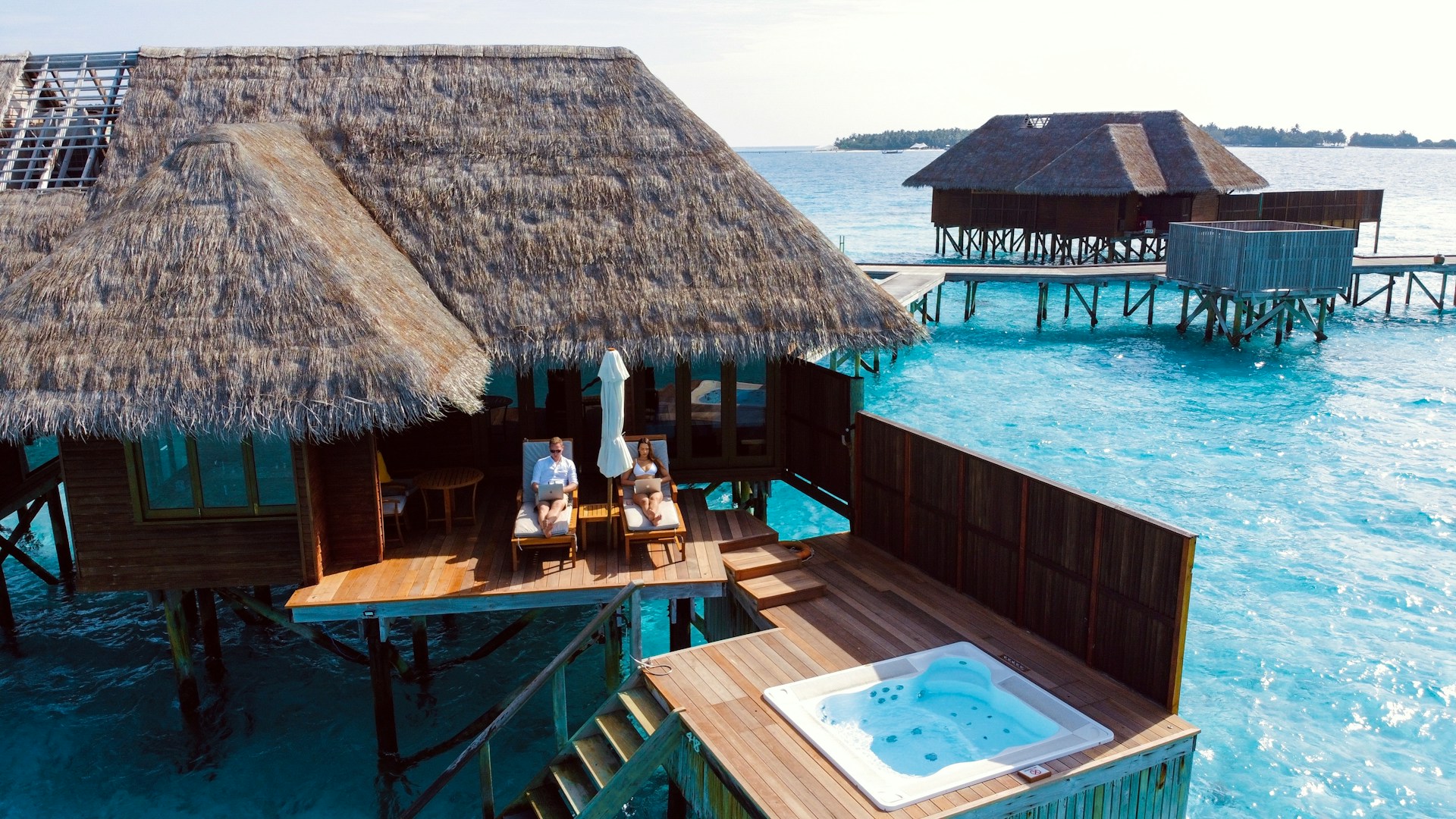
Tropical islands still photograph like a bargain, but the math often tells a different story once flights, transfers, and luggage fees stack up, especially when schedules require extra nights. Basics like groceries, taxis, and simple rooms can cost more than expected in peak weeks, and even small comforts, a beach chair, a bottle of water, a short boat ride, sunscreen, can feel priced for the fantasy. As travelers notice the gap between the dream and the receipt, interest drifts toward closer coastlines, inland lakes, and smaller ports where the same sea air comes with fewer surcharges and more breathing room.
Waterfalls Become Weather-Dependent Coin Flips
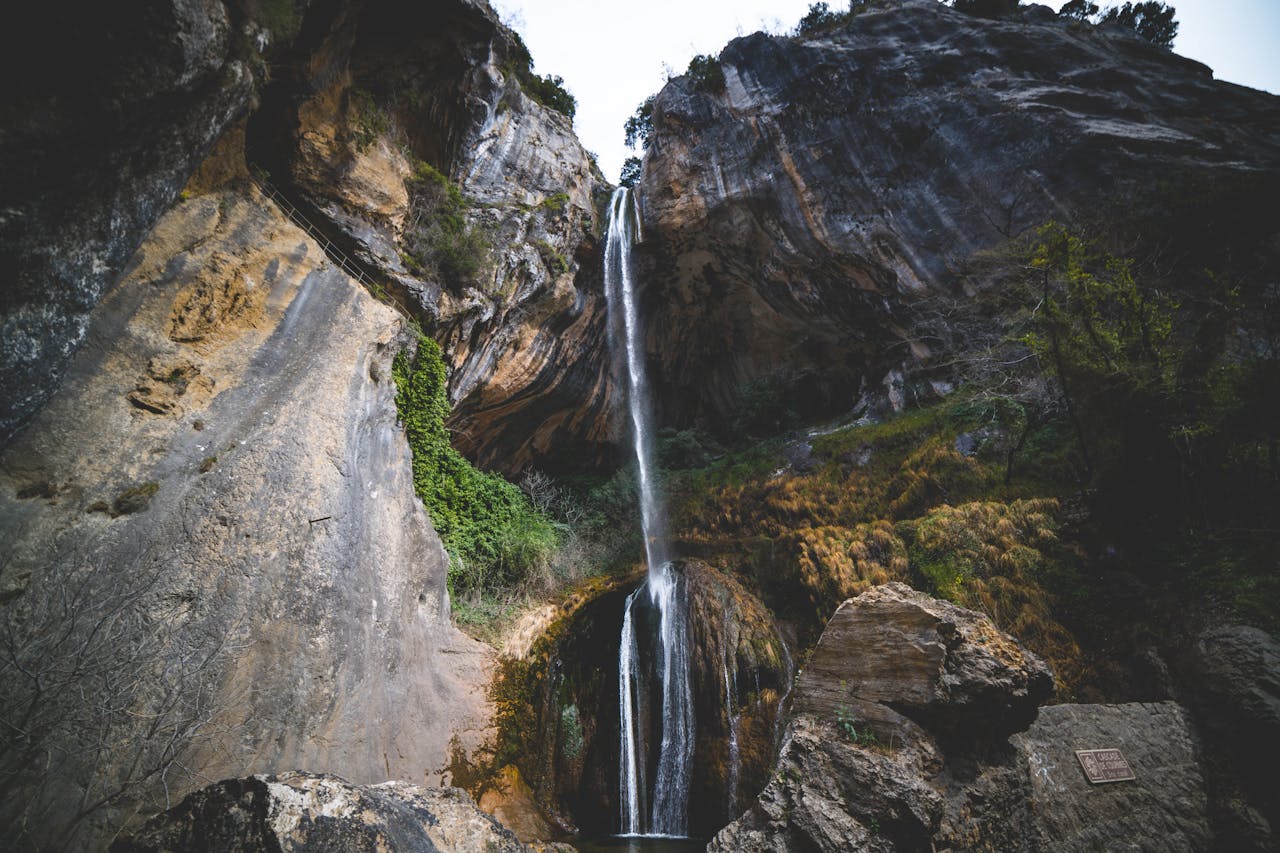
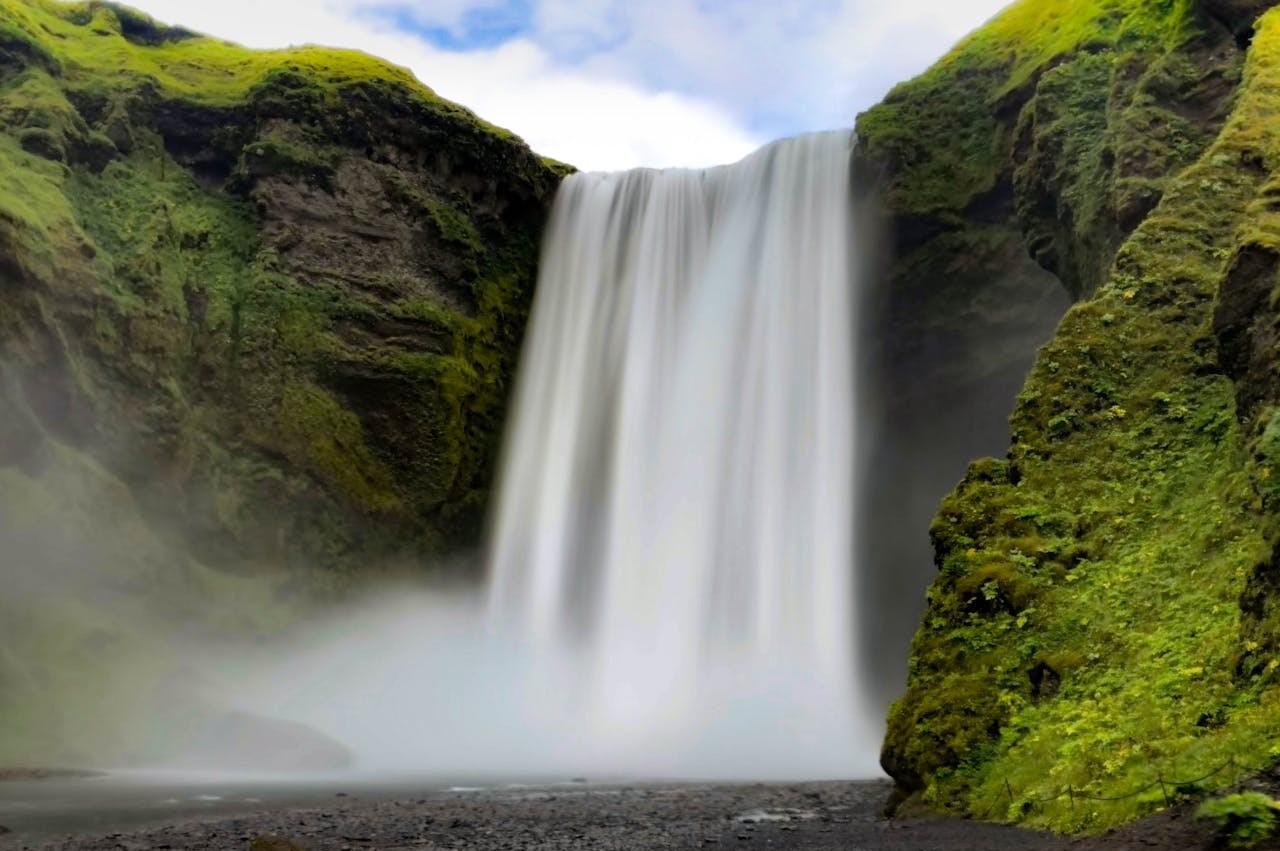
A waterfall trip depends on water, and water is no longer predictable in many regions, which makes planning feel like a gamble even when the calendar is fixed months ahead. Dry spells can shrink famous cascades to a thin ribbon, while heavy rain can close trails, cloud viewpoints, and turn swimming areas murky, a frustrating mix for anyone with nonrefundable bookings or limited time off. That uncertainty nudges demand toward places with steadier year-round draws, like food cities, heritage towns, desert light, and coastlines that stay compelling even when the forecast changes hour by hour and the river runs low.
Local Communities Push Back On Crowds
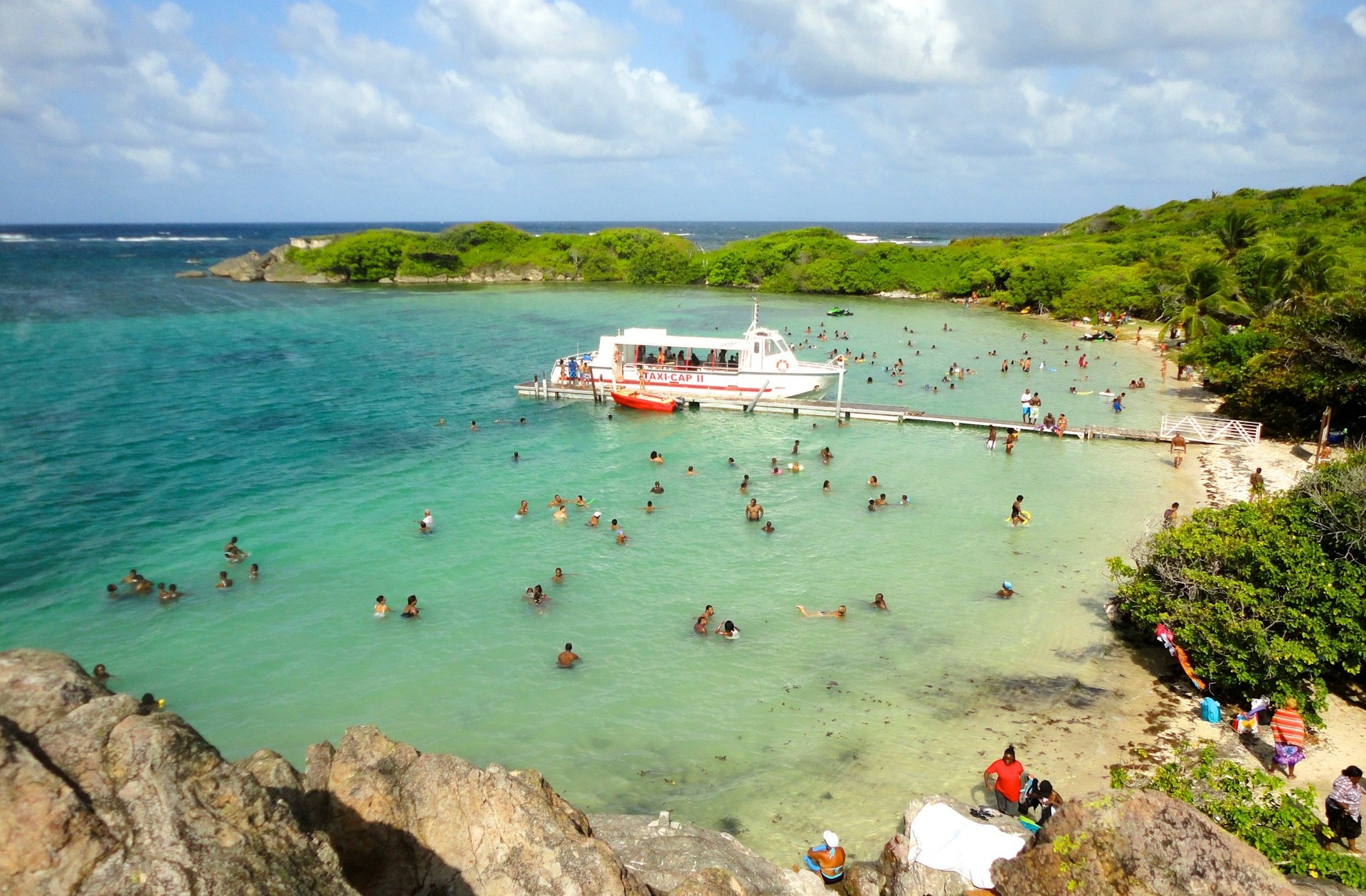
What looked like paradise online can feel like a daily burden on the ground when crowds arrive all at once and public space gets squeezed, from narrow roads to small beaches. Residents in popular islands and waterfall corridors deal with traffic, noise, strained services, and trailheads that no longer feel shared, and more locals are asking visitors to spread out, follow rules, and support local businesses beyond quick photo stops. When that tension is visible, many travelers choose destinations where tourism feels welcomed and balanced, where community life stays intact, and where curiosity is rewarded with conversation, not side-eye.
Permits, Quotas, And Access Rules Multiply
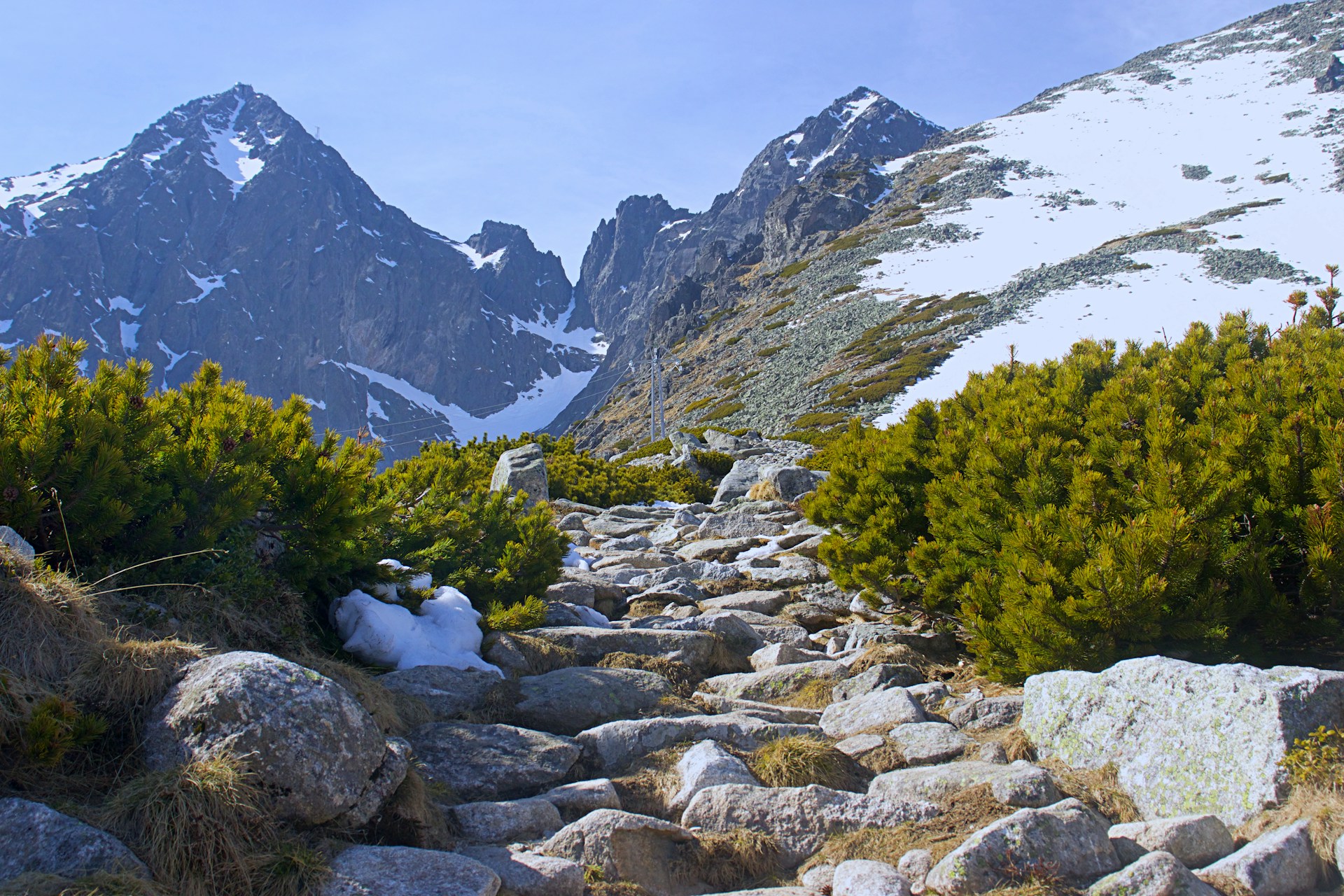
More nature sites are adopting permits, caps, and seasonal closures to protect trails, reefs, and fragile habitats from constant pressure, and the intent is often necessary and overdue. Even so, the rules change the emotional tone of a trip: a sunrise hike becomes a lottery, a swim spot turns into a time slot, and missed windows can feel like lost money as well as lost moments, especially for families and groups. For many people, that friction nudges choices toward less regulated places, regional parks, quiet river walks, winter coastlines, and lesser-known islands that still run on local rhythm and do not require a spreadsheet.
Travelers Crave Culture Over Scenery Alone
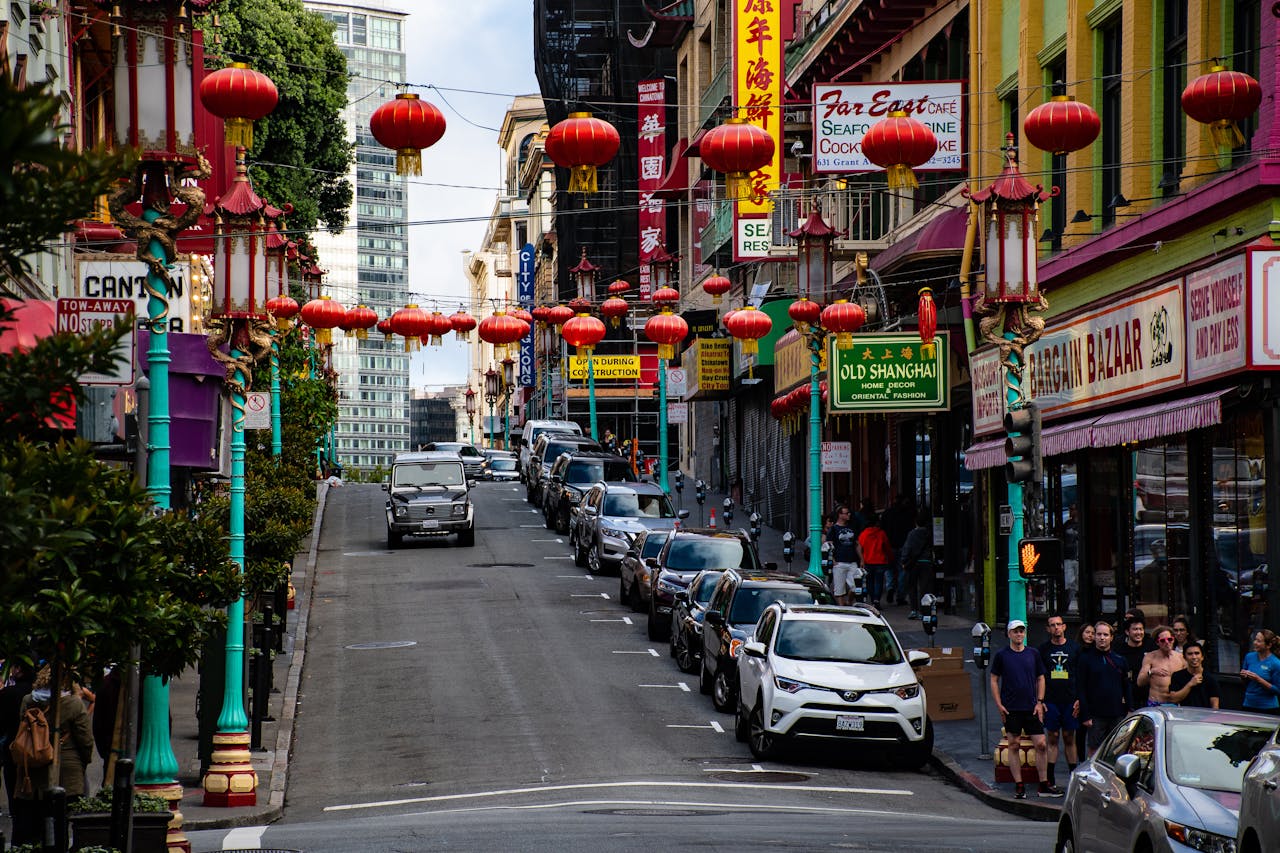
After years of chasing the perfect view, many travelers want a stronger sense of place and a story that lasts beyond a photo, something that can be described without pointing at a backdrop. A waterfall can be stunning, but it rarely explains how people live, eat, celebrate, or build community, while cities and small towns offer layers like museums, music, street food, craft studios, and routines that stay interesting on an ordinary Tuesday. As tastes mature, the trip that feels richest is often the one with conversation, texture, and history, plus small surprises like neighborhood festivals, not just a landmark, a line, and a quick ride back.
Shoulder-Season Cities Take The Spotlight
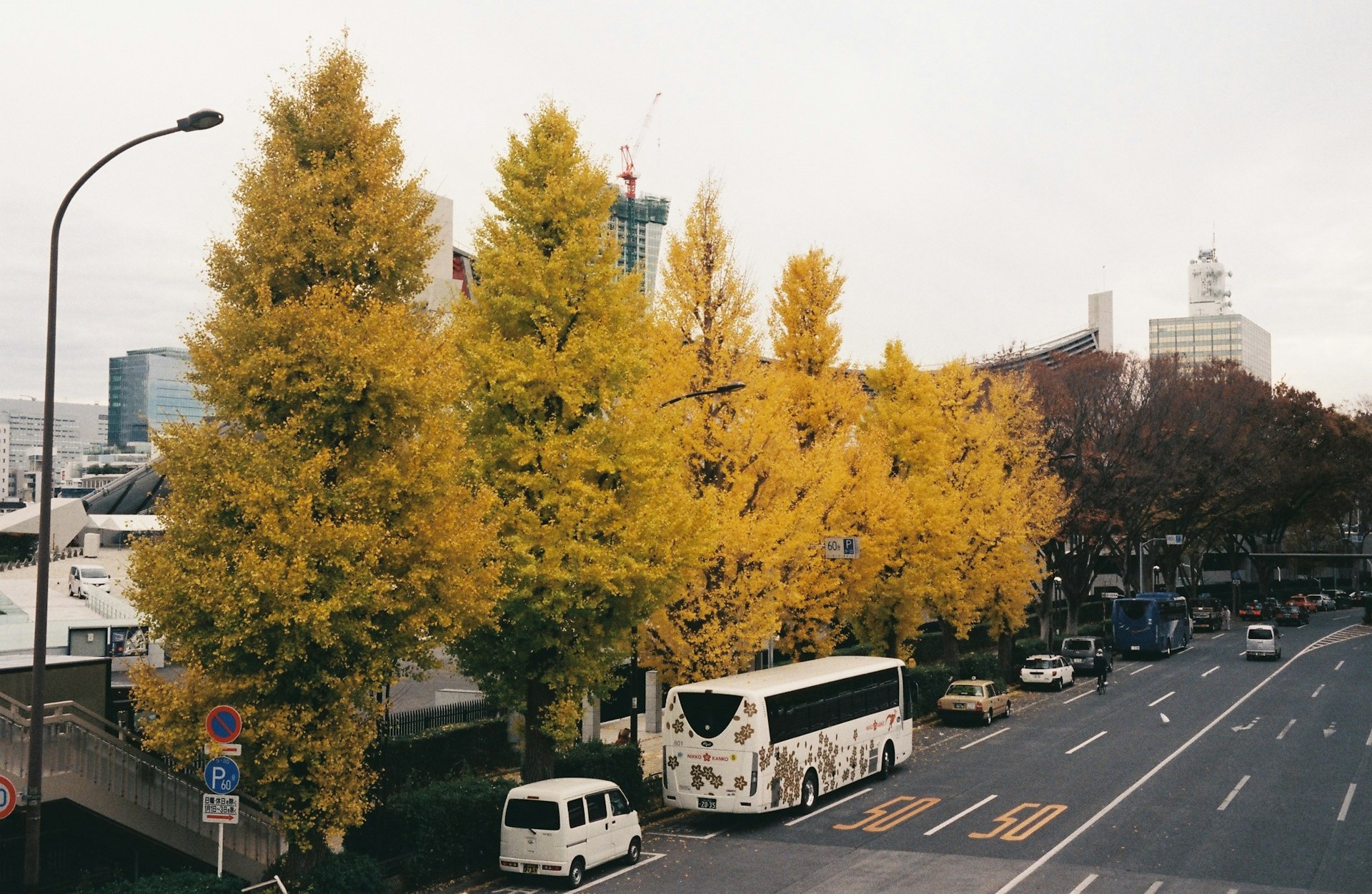
The new brag is not peak-season heat; it is good timing that keeps streets breathable, hotel rates calmer, and everyday scenes easier to enjoy without crowd pressure. Shoulder months deliver shorter lines, better deals, and weather that suits walking, and a winter city break can still feel bright with cozy cafés, art museums, bookstore hours, and long dinners that do not compete with tour buses. As more people choose Jan., Feb., or Nov. getaways, islands and waterfall routes lose their monopoly on escape, and the idea of a reset shifts toward warm interiors, streetlights, and simple urban comfort.
Slow Stays Beat Fast Hops
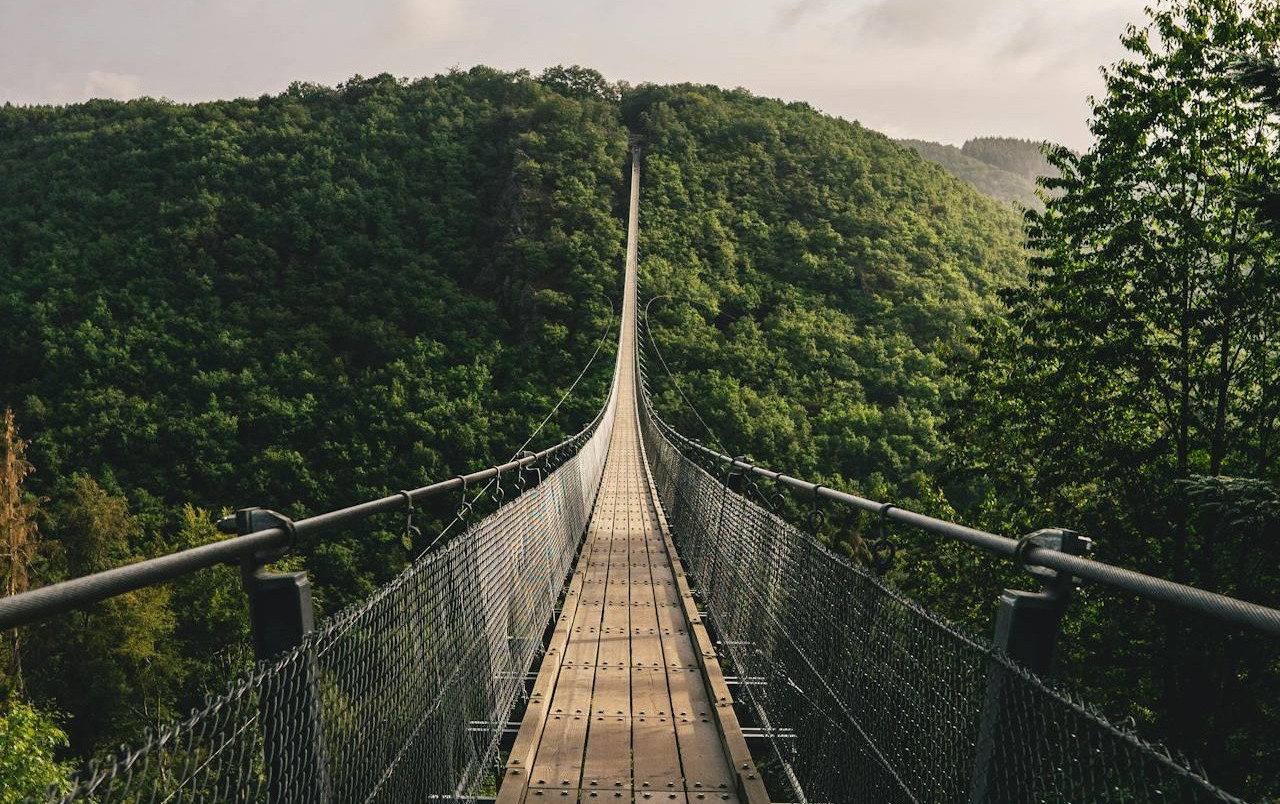
The waterfall-island formula often relies on constant motion: island hopping, day tours, and a checklist of viewpoints squeezed into short windows of light and tight windows of transportation. That pace wears thin when travel days eat the best hours, every transfer adds cost, and the trip starts feeling like logistics rather than relief, especially with early alarms, wet swimsuits, and bags that never fully unpack. More travelers are choosing fewer stops and longer stays, letting one neighborhood, beach town, or countryside base unfold over time with repeat cafés and familiar walks, and the need for headline scenery fades into the background.
Quiet Nature Wins Over Must-See Hotspots
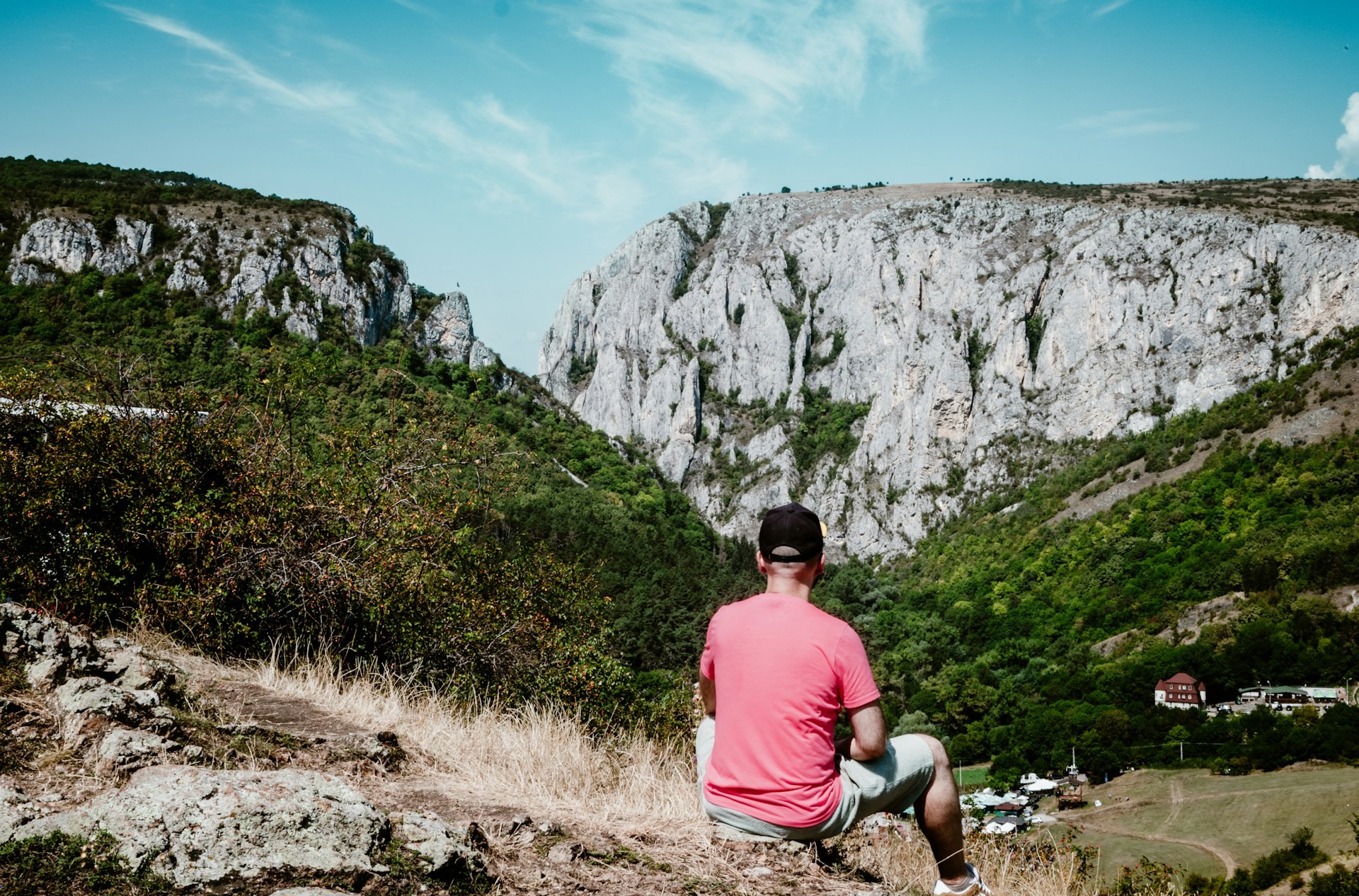
Nature is not losing appeal, but the definition of a good nature trip is changing from famous to personal, from checkmarks to calm. Instead of crowded railings at well-known falls, people seek quiet trails, bird-filled wetlands, dark-sky deserts, and small swims where the water is clear, the access is simple, and the mood stays gentle from morning to dusk. Privacy and space matter more than a recognizable backdrop, so under-the-radar parks, local coastlines, and lesser-known islands become new favorites, built around silence, good picnics, and time that does not ask to be posted or proved, ever.