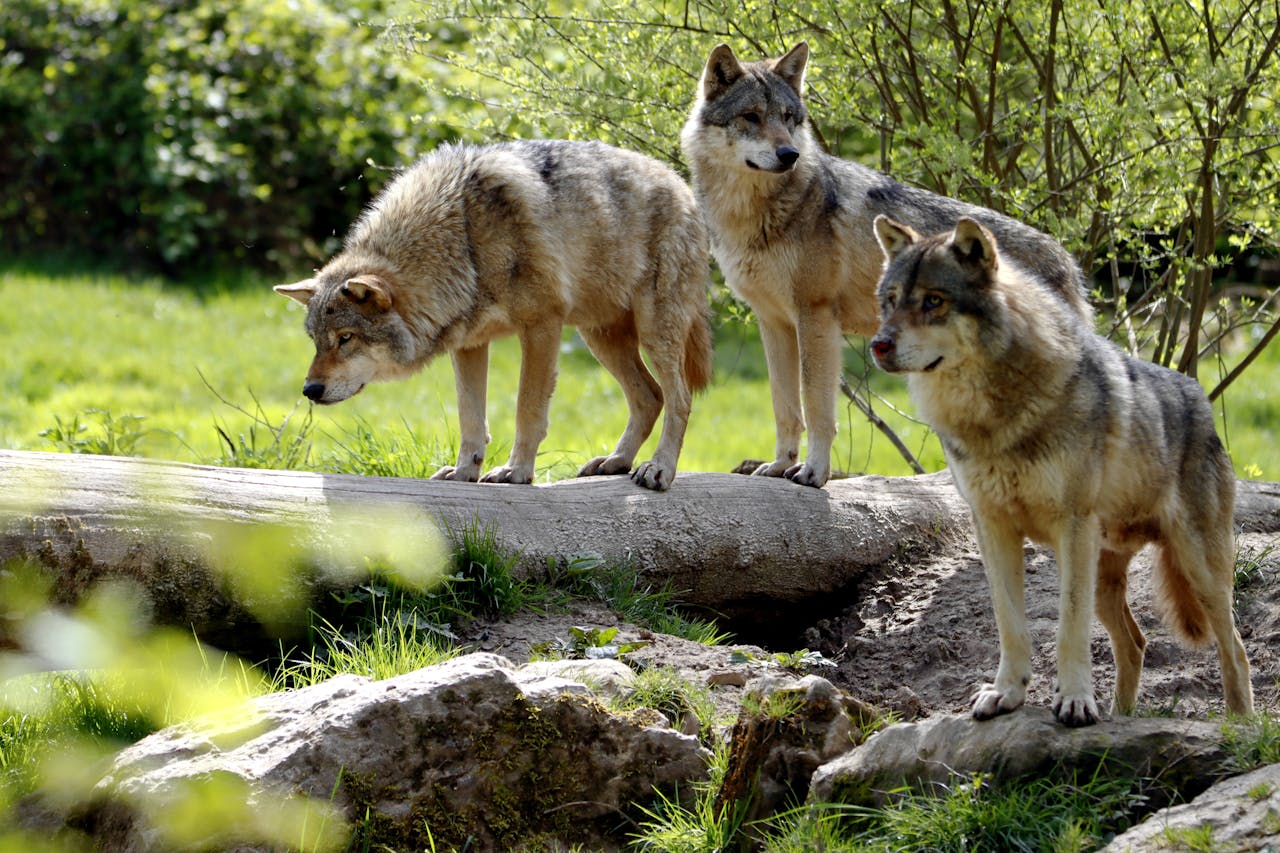
Fear has a talent for filling in blanks. On trails, shorelines, and neighborhood greenbelts, certain animals carry reputations bigger than their intentions, shaped by headlines and old stories. Most survive by avoiding risk, not by seeking it, so they read footsteps, scent, and tone and then choose brush, water, or darkness over confrontation. In peak season, when overlooks get crowded and pets wander off leash, misunderstandings get easier. Trouble often starts with surprise, food, or a blocked escape route. Context changes everything: more space, fewer sudden moves, and cleaner habits that keep wildlife wild, making encounters calmer and wonder feel closer.
Black Bears
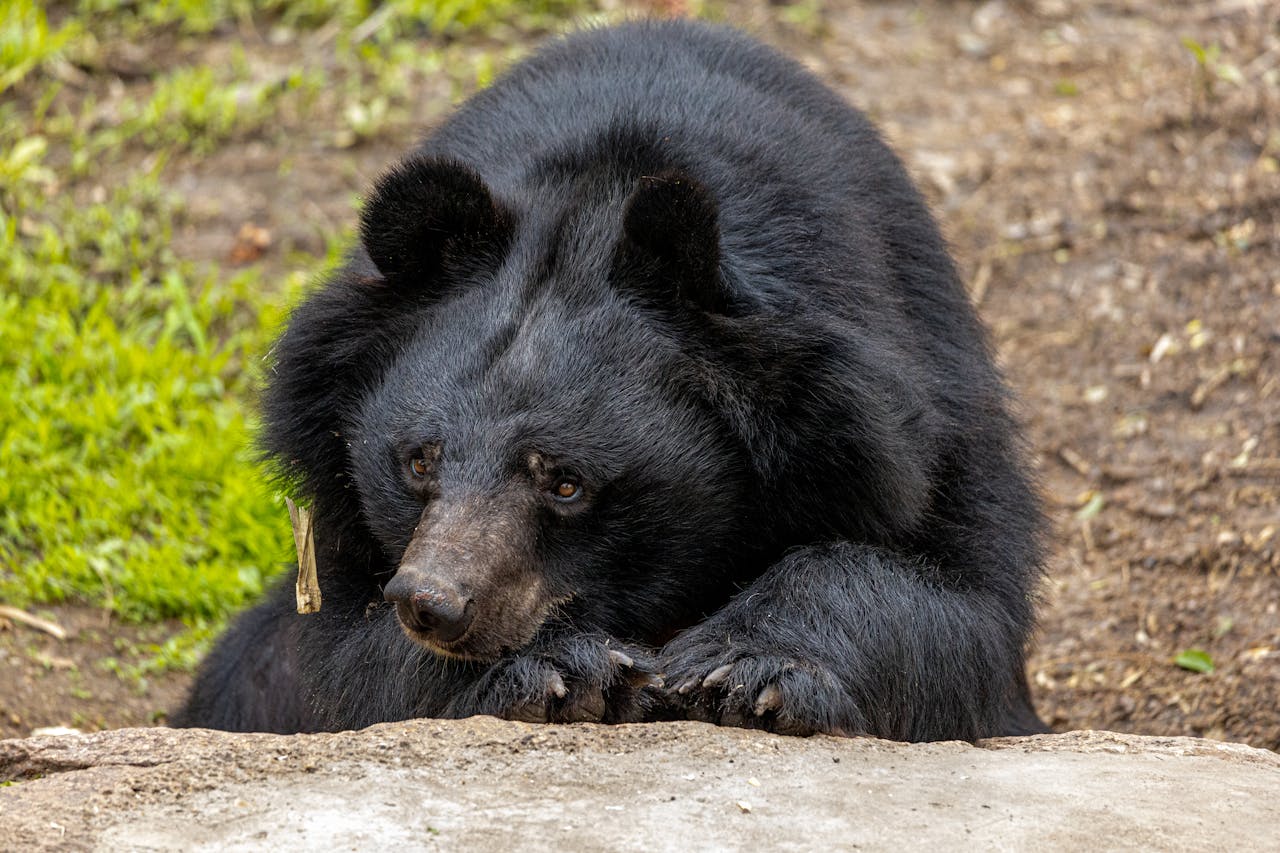
Black bears look bold in photos, but in real encounters their default is to slip away, using wind, brush, and darkness to stay unseen. Along forest edges and mountain towns, most bears turn off at a snapped branch, yet food smells can hold them nearby when coolers, trash, or birdseed turn a porch into an easy pantry, especially in late summer and fall when calories matter and natural crops shift. When noise stays steady, dogs stay close, and rewards disappear, the bear usually pivots, circles downwind, threads the nearest thicket, and is gone fast, because an exit is safer than a stand off and keeps it from learning bad habits.
Mountain Lions
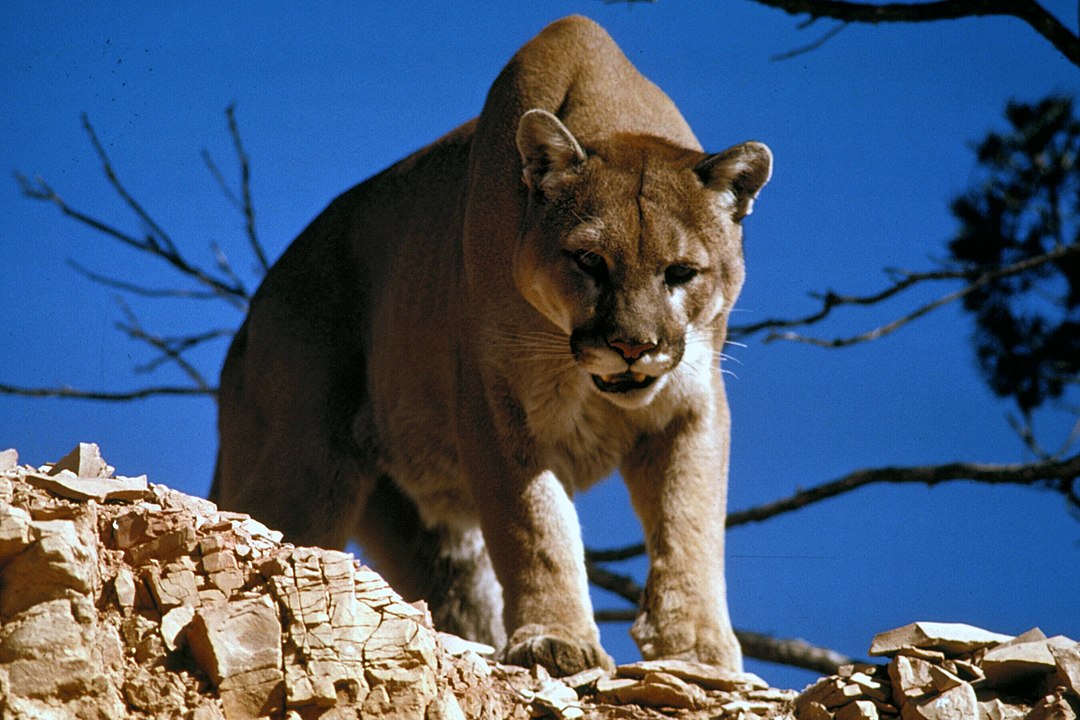
Mountain lions feel threatening because they are built for stealth, and a sighting often means the cat has already decided to keep distance. They travel at dawn or dusk, follow deer trails near ridges and washes, and pause to assess before drifting back into brush once it realizes it has been noticed, which is why many reports end with a quick glimpse and then empty trees, even near suburbs. Trouble clusters around surprise, a blocked escape route, or kittens nearby; calm voices, staying together, and giving the cat a clear lane out usually end the encounter cleanly, with the animal choosing withdrawal over escalation.
Wolves
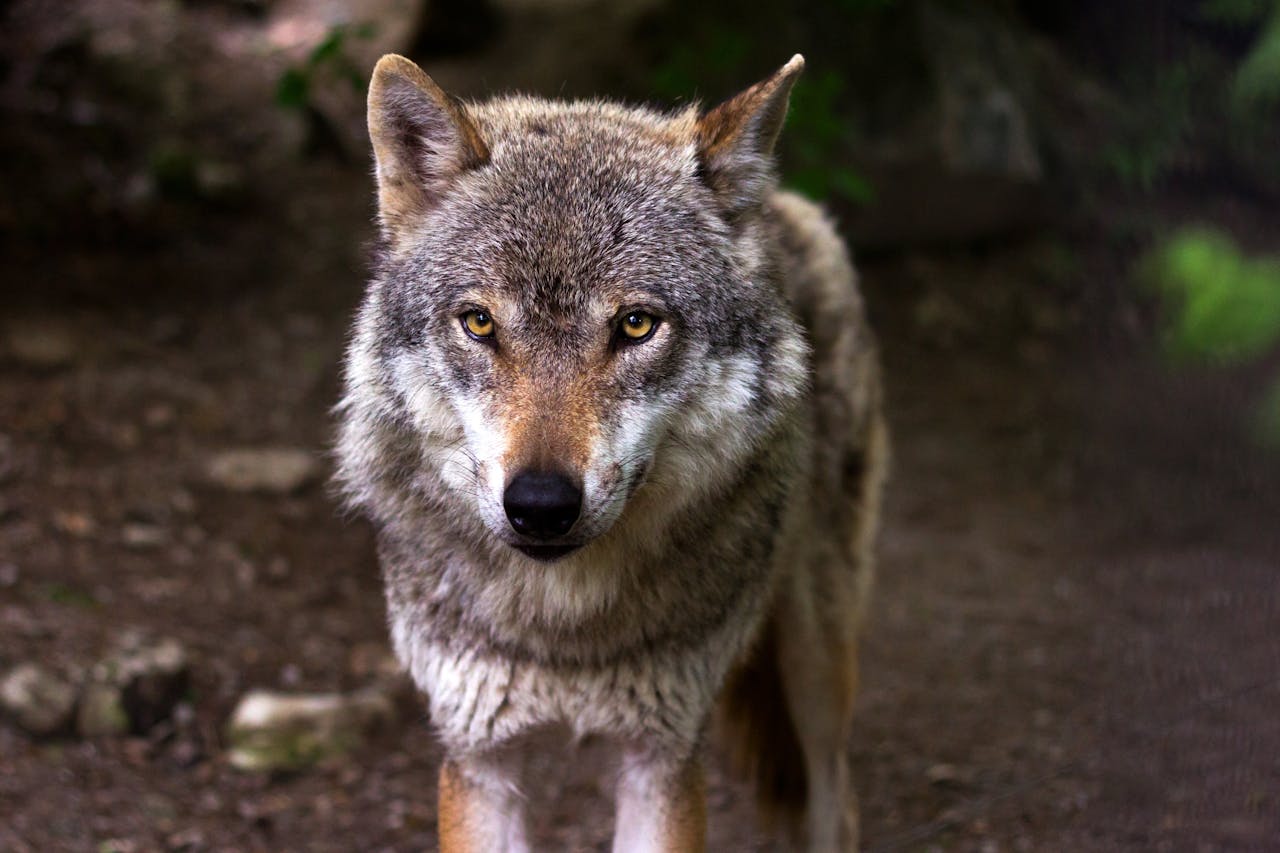
Wolves carry a heavy reputation, yet most modern packs survive by avoiding people, not testing them, and they read scent and sound long before anyone sees them. Encounters are often distant shapes at first light or tracks that fade into timber, because wolves focus on deer and elk, travel wide territories, and learn quickly that headlights, barking dogs, and human voices are bad news, not opportunity. When camps stay clean, food is sealed, and pets are managed, wolves typically angle away without posturing, leaving only quiet and a sharper sense of how much the woods notices before it is noticed, especially on popular trails.
Coyotes
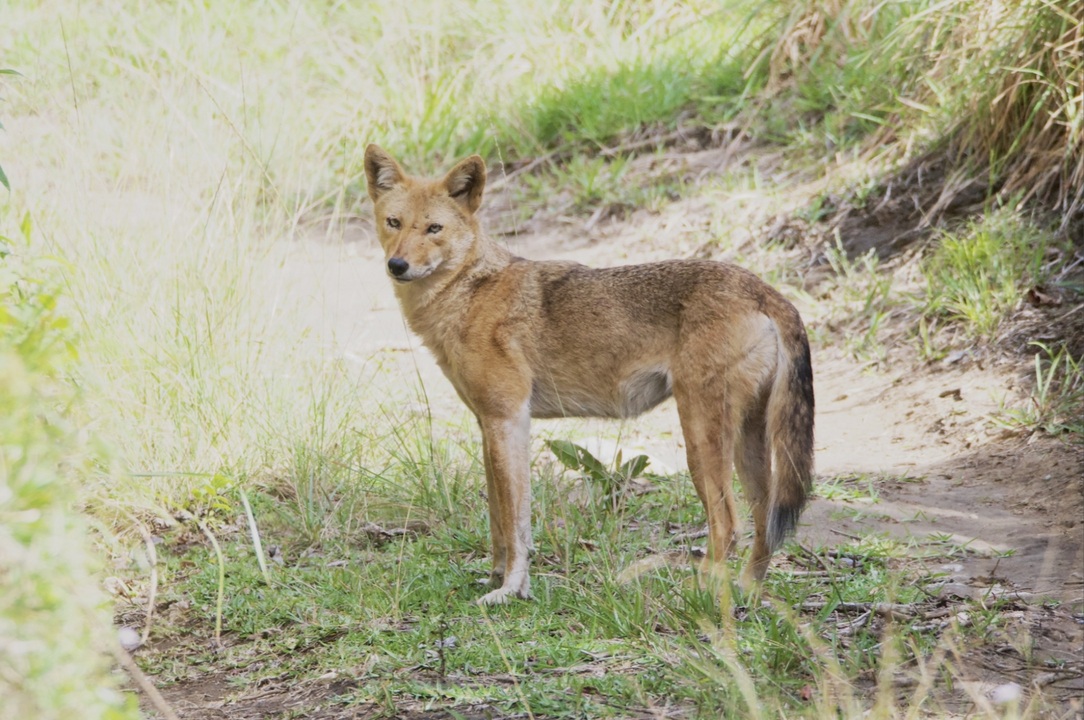
Coyotes can seem brazen, but their success near people comes from caution and timing, not aggression, and most prefer to pass unnoticed. They hunt mice and rabbits, use drainage lines and fence gaps like corridors, and move on quiet schedules, so a brief sighting often means a coyote was already leaving and is checking the safest route around a yard or trail, ready to fade into cover. Bold behavior usually follows easy handouts like outdoor pet bowls, compost, fallen fruit, or loose trash, and spring denning can raise defensiveness; remove the food, keep interactions boring, supervise small pets, and wariness returns.
Alligators
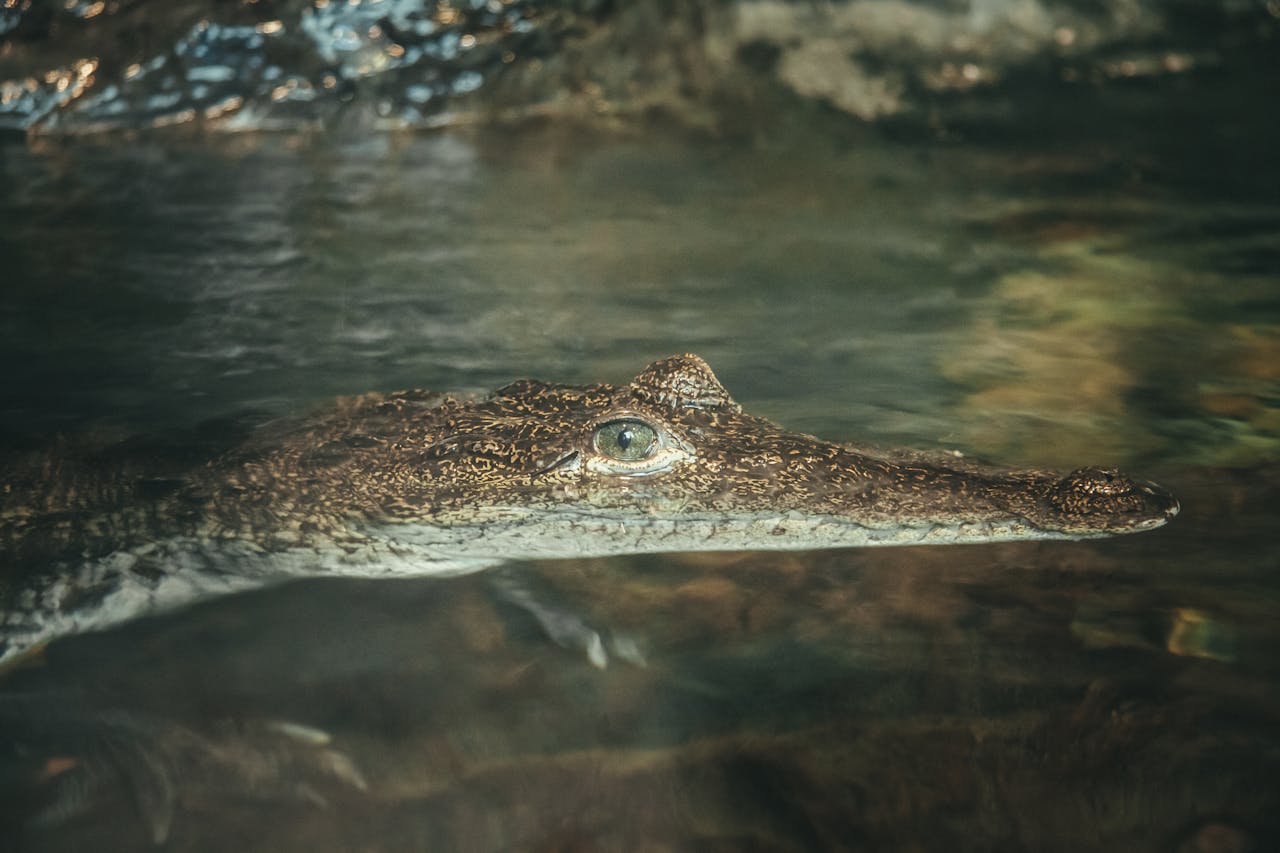
Alligators look prehistoric, but most of their day is about conserving energy and avoiding disturbance, which is why they often vanish before anyone realizes they were nearby. In warm wetlands and slow rivers, many sink below the surface when footsteps carry, then shift to quieter backwaters, basking only when they feel unbothered and keeping a wide comfort zone around the water’s edge near ramps and docks. Problems rise with feeding, dogs splashing, or nesting season near hidden mounds; with space, leashed pets, and respect for posted closures, the animal usually slides away and disappears, leaving flat water behind.
Rattlesnakes
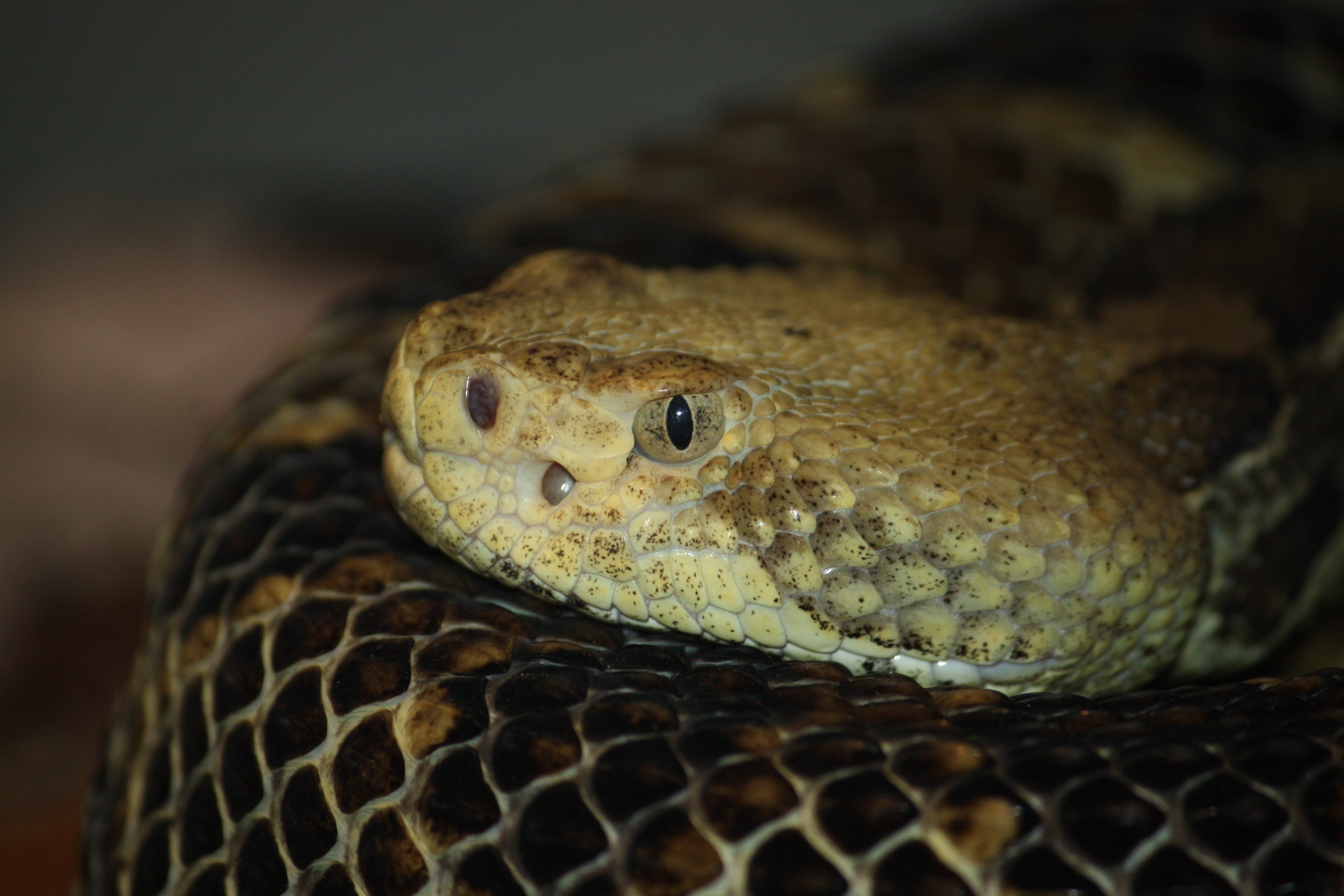
Rattlesnakes do not chase people; they defend space, and their camouflage means most close calls start with an accidental step on a sun warmed trail edge. The rattle is a warning meant to stop motion long enough for the snake to avoid contact and slip into grass, rock, or shade, and many retreat quickly once a clear path opens, especially in spring and early fall when they warm up near paths. Bites most often happen when someone tries to handle, harass, or kill the snake, or reaches into unseen crevices and woodpiles; staying on paths, using a light at night, and backing off slowly usually ends it safely for everyone.
Sharks
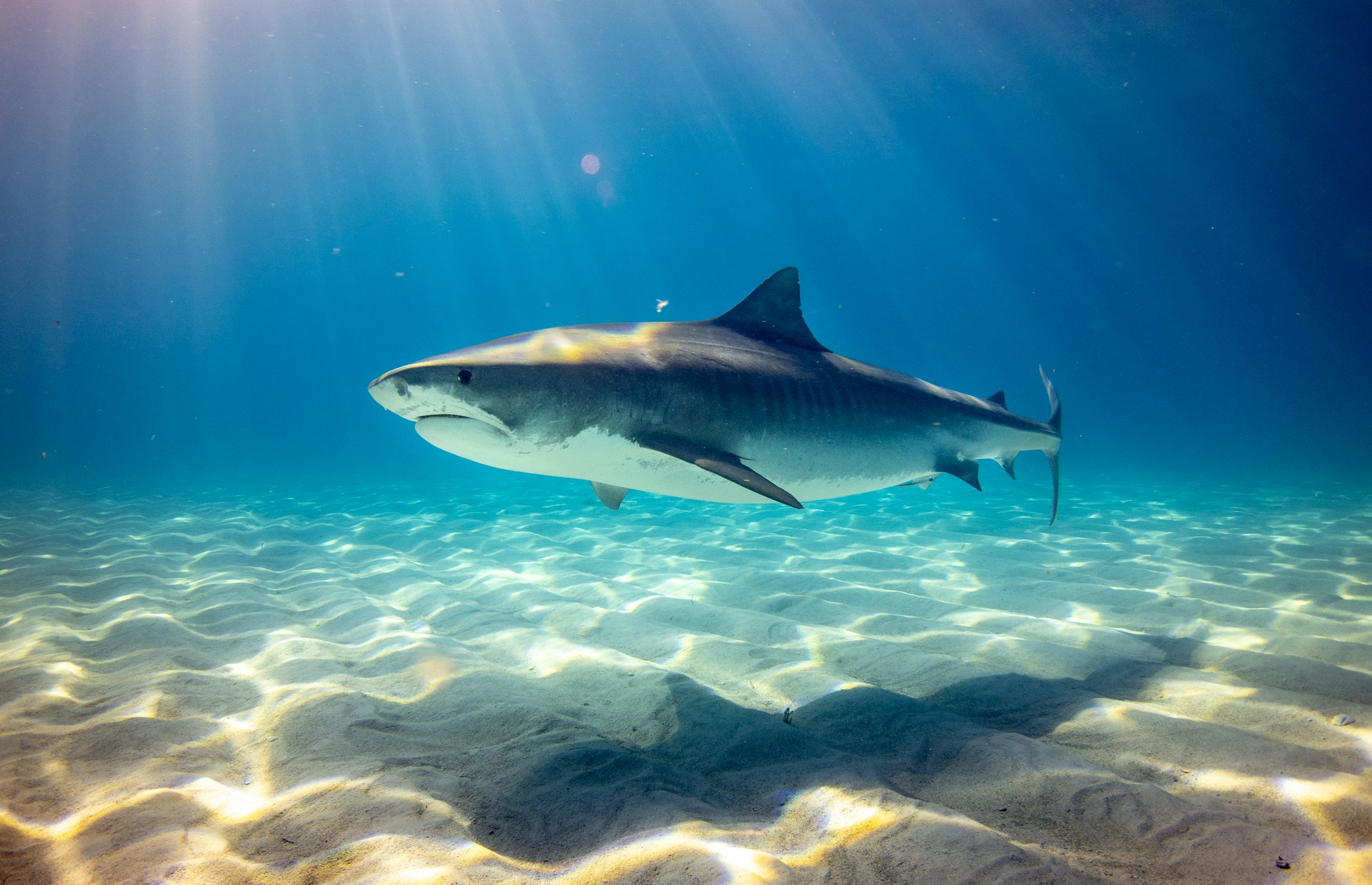
Sharks get framed as villains, yet most species are tuned to fish and avoid wasteful risk, and many human encounters are just a shadow passing through. When bites occur, they are often quick, mistaken tests in low visibility followed by an immediate release, which helps explain why fatalities are rare compared with how often people enter the ocean, surf, or snorkel. Curiosity can rise around baitfish, active fishing, murky river outflows, and seal colonies, especially at dawn or dusk; when beaches follow local advisories and swimmers avoid chaotic splashing, sharks usually turn away and keep moving without lingering.
Moose

A moose can look calm until it decides it needs space immediately, and that mismatch between appearance and intent is what surprises people. Most days, moose browse willows, cool off in ponds, and step away from noise, and in winter they conserve energy and dislike being pushed through deep snow, which makes close approaches feel like pressure and can trigger a sudden charge on packed paths. Incidents spike when people crowd for photos or when a dog triggers a chase response, since moose read canines as wolves; pinned ears, raised hair, and a stiff walk are the warning that distance is the safest answer, every time.
Bison
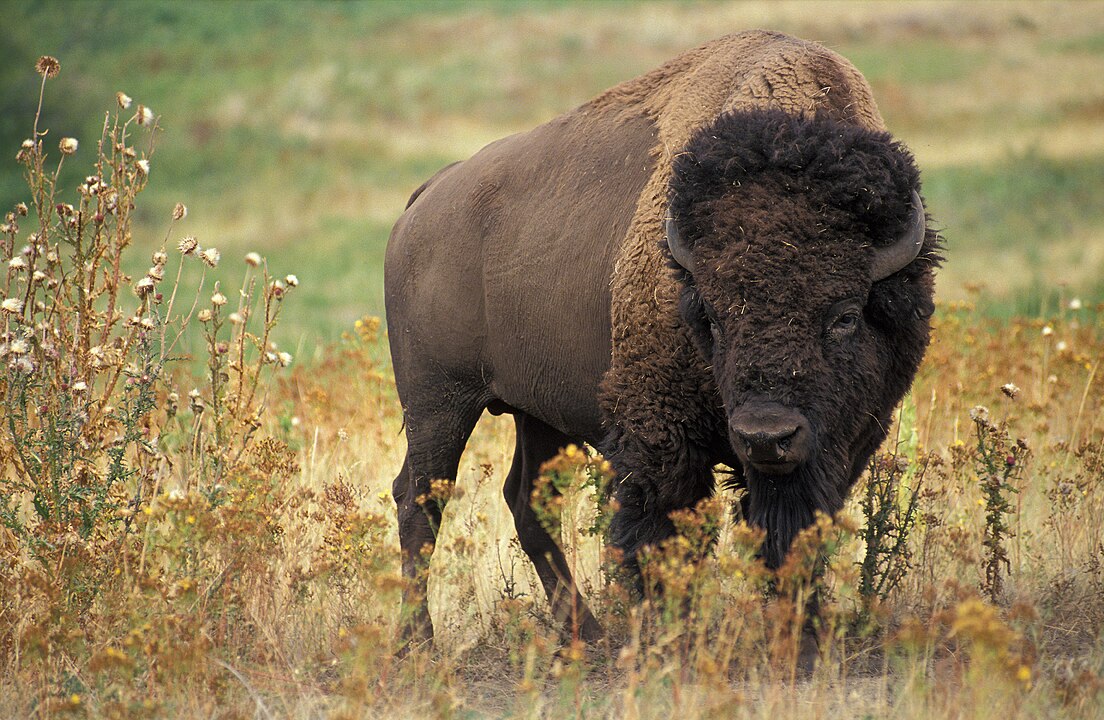
Bison seem relaxed because they conserve movement, and that stillness gets mistaken for friendliness even though the animal is simply saving energy. On plains and park roads, bison want a straight path to grass and water, yet they can sprint up to 35 m.p.h., and a herd can pivot fast when a route is blocked or calves feel crowded, especially near boardwalks and trail pinch points where people bunch. Incidents usually start when visitors close the gap for selfies or step between animals; head swings, snorts, and tail lifting are a request for space, and backing off lets the herd return to grazing as if nothing happened, tension gone.