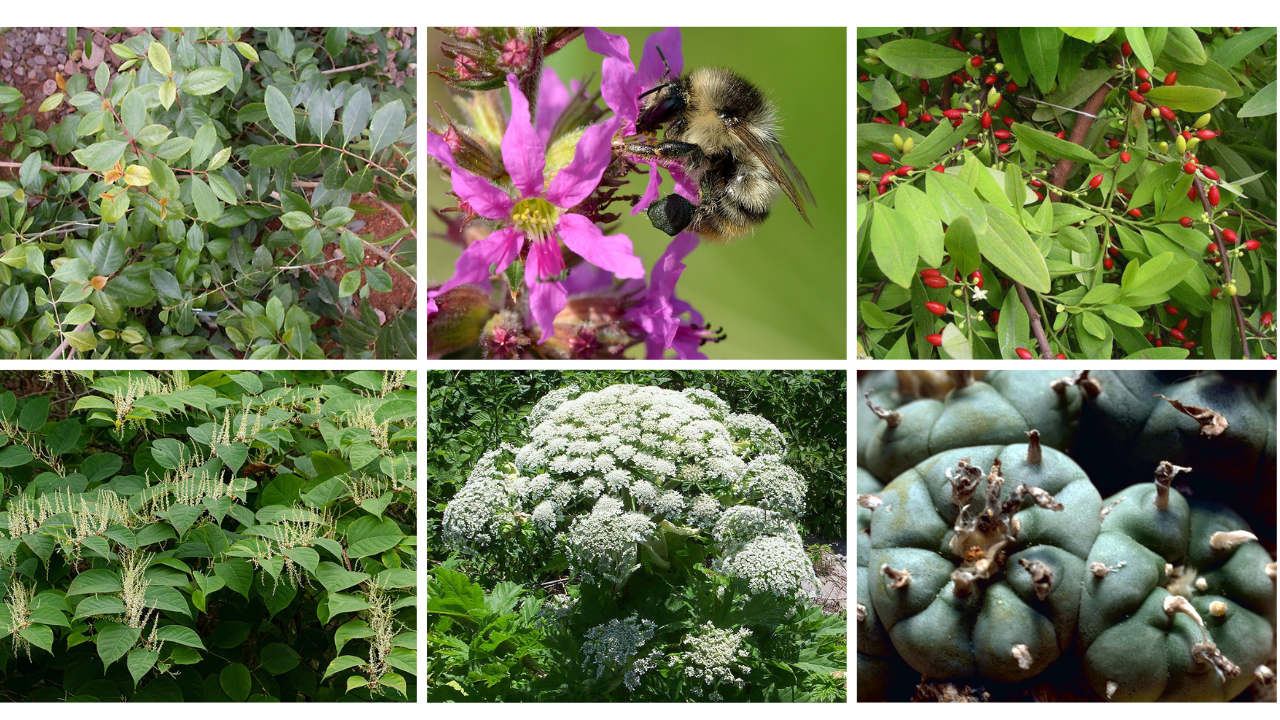
A backyard can feel like a private kingdom, but plants do not stop at fence lines. Some species carry legal baggage because they can be used to make controlled drugs; others spread fast enough to choke wetlands, destabilize riverbanks, or erase native habitat. Rules also change by place, with federal law, state noxious-weed lists, and local ordinances overlapping in messy ways. What looks like a harmless curiosity in a seed catalog can trigger confiscation, fines, or mandatory removal once it is identified. The plants below sit at that uneasy intersection of beauty, risk, and regulation, where cultivation is restricted, permitted only with licenses, or barred outright in many jurisdictions. Even a well-meant planting can invite scrutiny after a single photo.
Cannabis (Marijuana)
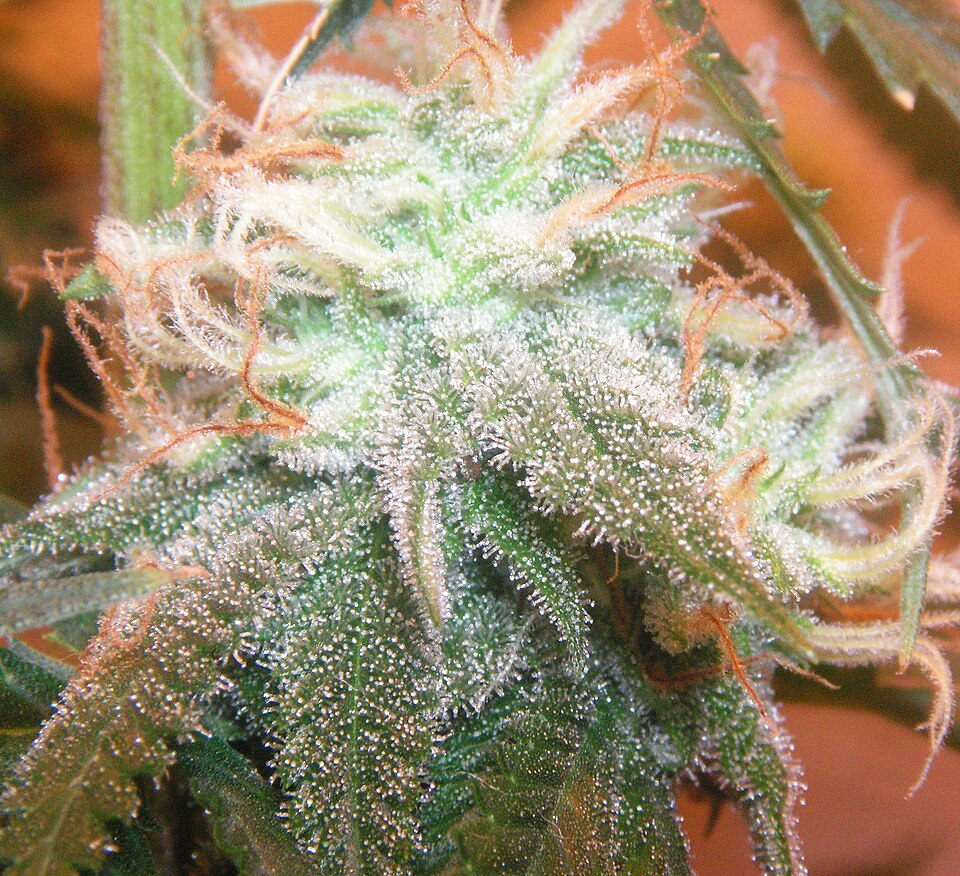
Cannabis is the classic plant caught between culture and code: many states allow limited home grows, yet federal law still treats marijuana as a tightly controlled drug, so cultivation without proper authorization can remain a federal crime. That tension creates a patchwork where legality swings on plant counts, secured storage, licensing, local setbacks, and whether the crop qualifies as hemp under the 0.3% THC threshold. Even where it is permitted, landlords, HOAs, and neighbor complaints can pull a grow into court, fines, or forced removal after a single photo hits a community group chat overnight, in minutes.
Opium Poppy (Papaver Somniferum)
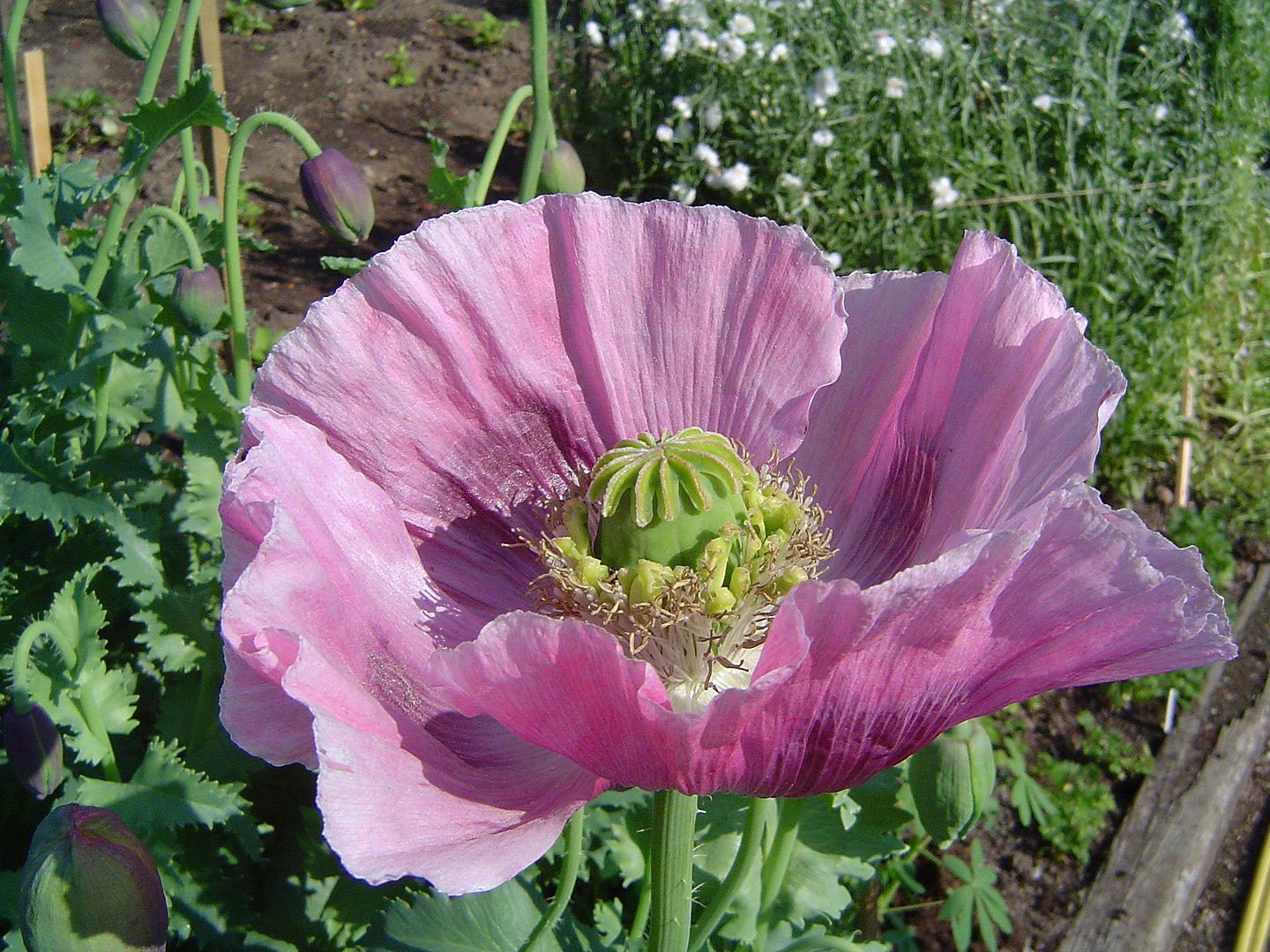
Papaver somniferum, the opium poppy, is sold in some places as a dreamy, ruffled ornamental, and its pods dry into perfect little lanterns, which is exactly why it causes trouble. Under U.S. drug law, the opium poppy and poppy straw are controlled because the plant can be harvested and processed into opiates, and cultivation aimed at producing opium is prosecuted, even when the seeds were purchased legally. Gardeners can stumble into scrutiny when dense plantings, scoring tools, or dried pods look less like décor and more like intent and enforcement often turns on the total pattern, not a single blossom at all in practice.
Coca Plant (Erythroxylum Coca)
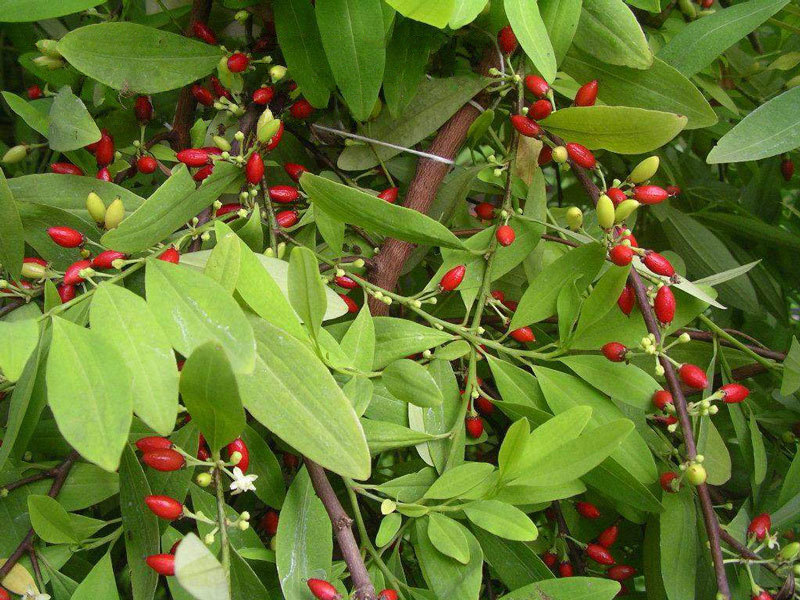
Coca shrubs are not common backyard curiosities, but online sellers still tempt collectors with glossy leaves, white flowers, and a harmless-sounding botanical label. In the United States, coca leaves are listed as a Schedule II controlled substance because they contain cocaine and related alkaloids, and lawful handling generally requires federal registration for tightly limited medical or research uses. Between import enforcement, shipping seizures, and the paper trail demanded for any authorized work, cultivation becomes a legal dead end for most households, even when it is framed as ethnobotany rather than a drug crop.
Peyote Cactus (Lophophora Williamsii)
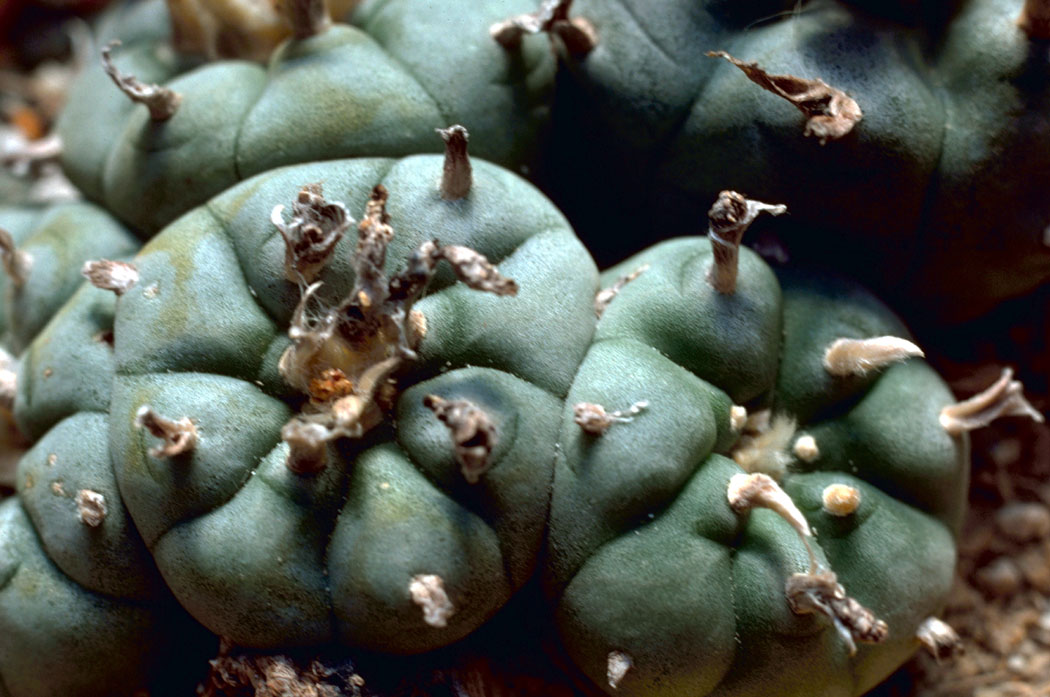
Peyote looks like a small, innocent button cactus, but law treats it like a powerful drug because it contains mescaline. Under U.S. federal rules, peyote is a Schedule I controlled substance, with a narrow religious-use exemption tied to bona fide Native American Church ceremonies, while most other possession and cultivation can trigger serious penalties. Because it grows slowly and is vulnerable to poaching, even researchers and conservators may need permits and careful documentation, which has pushed the cactus from curiosity into a plant that authorities and botanists watch closely in desert regions where it is native.
Khat (Catha Edulis)
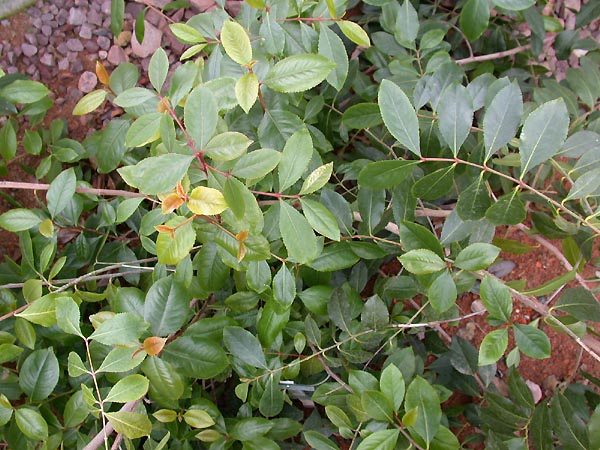
Khat is a leafy shrub with a long social history in East Africa and the Arabian Peninsula, yet its legal status shifts sharply once it crosses borders. In the United States, khat’s key stimulants are controlled under the Controlled Substances Act: cathinone is Schedule I and cathine is Schedule IV, so possession of fresh leaves can be treated as possession of controlled substances. Because potency drops as leaves dry, shipments and harvesting tend to move quickly, and enforcement has included high-profile seizures that leave little room for cultural explanations, suddenly turning a backyard plant into a legal flashpoint.
Giant Hogweed (Heracleum Mantegazzianum)
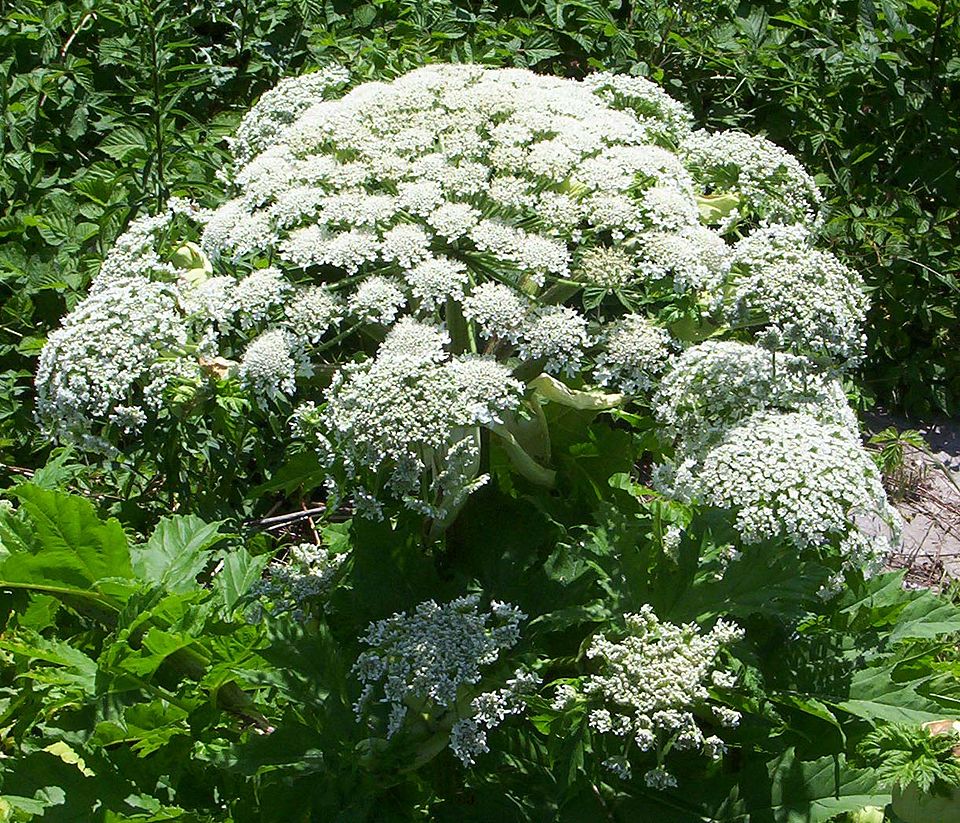
Giant hogweed is the kind of invasive that looks theatrical, then punishes attention: towering stems and umbrella blooms hide sap that can cause severe skin reactions when sunlight hits exposed areas. It is regulated as a federal noxious weed in the United States, and many states treat propagation, sale, or transport as unlawful, pairing bans with mandatory reporting, removal deadlines, or fines, especially after it is identified by an inspector. When it takes hold along a creek, trail, or fence line, the plant becomes a public-safety issue, and landowners can face liability if someone is harmed while it spreads.
Japanese Knotweed (Fallopia Japonica)
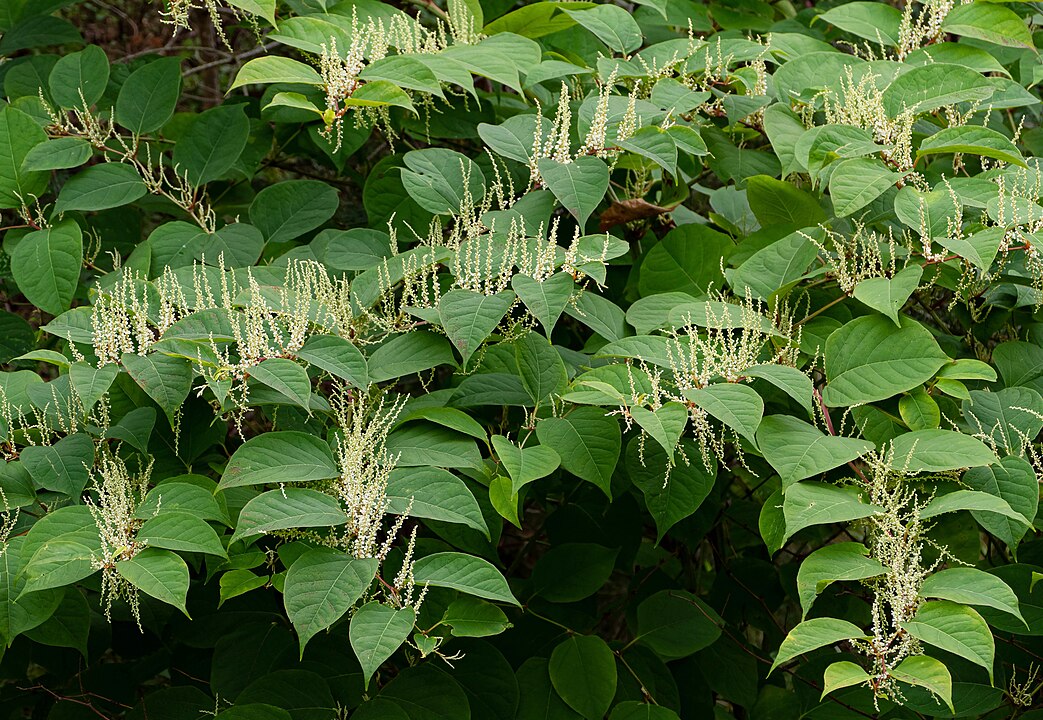
Japanese knotweed makes a yard feel temporary, with rhizomes that run under patios, push through cracks, and resprout from tiny fragments, so a single missed piece can restart the problem months later. Because it spreads so aggressively and resists eradication, several states classify knotweeds as noxious and bar sale, propagation, or intentional distribution, sometimes adding penalties for transport. What begins as a screen of fast green can end as a regulated infestation that affects neighbors, contractors, and even property transactions, with control orders that may require disclosure or management plans in writing.
Purple Loosestrife (Lythrum Salicaria)
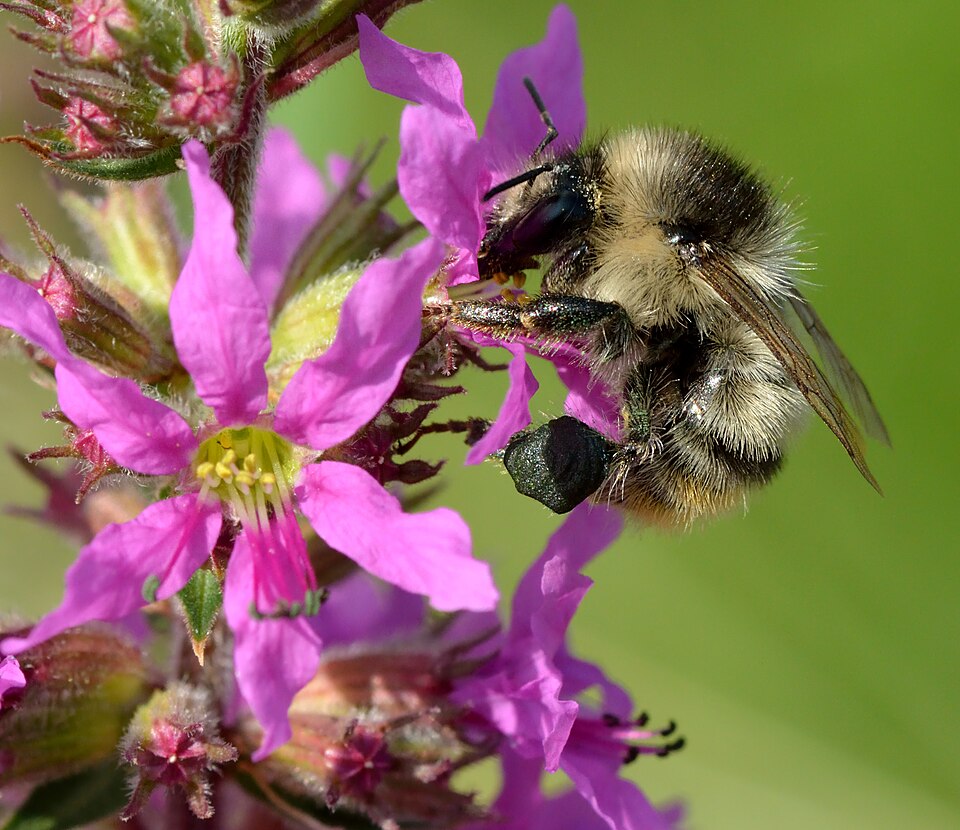
Purple loosestrife looks like a bouquet that escaped into the marsh, with magenta spikes that stay bright through late summer, drawing pollinators nearby, and photograph a postcard. That beauty is what made it notorious: it forms dense stands that crowd out native wetland plants and degrade habitat, so many states regulate it as a noxious weed and ban transportation, propagation, or sale. Where control is required, enforcement may come through counties or local weed inspectors, and even a backyard pond planting can trigger notices, fines, mandatory cutting before seeds mature and strict disposal rules for stems and roots.
Giant Salvinia (Salvinia Molesta)
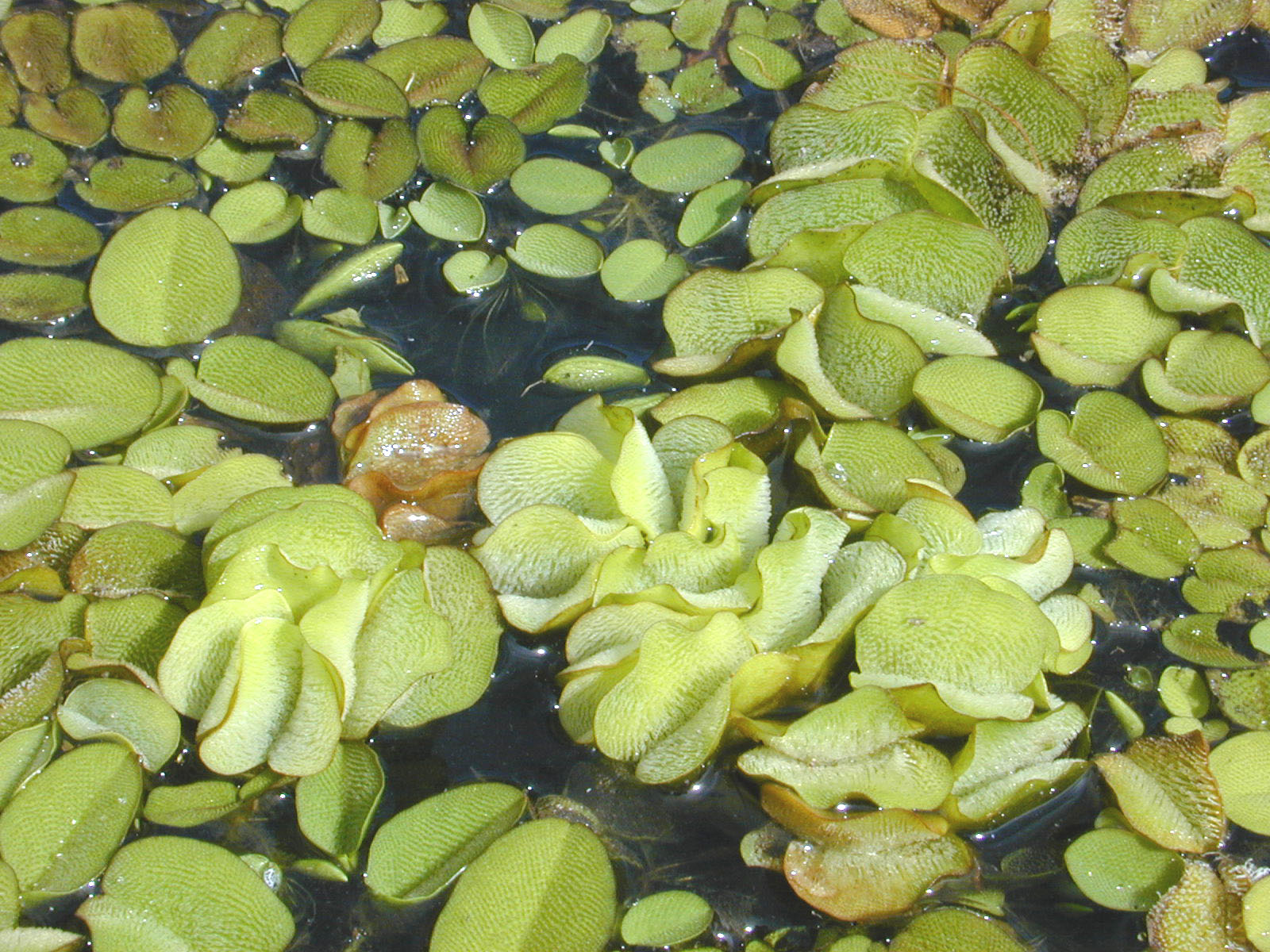
Giant salvinia is a floating aquatic fern that can turn a calm backyard pond into a thick green carpet, blocking light, starving oxygen, and stressing fish and turtles. In the United States it is listed as a federal noxious weed, which makes importation and interstate movement illegal without a permit, and many states also restrict possession, sale, or intentional spread. Because it fragments easily and rides on nets, boots, pumps, and garden tools, even a small planting for so-called natural cover can become a regulated infestation that triggers disposal rules, inspections, and costly removal as fragments slip downstream.