History often reaches people as a series of polished scenes rather than a stack of messy documents and conflicting voices. Textbooks, movies, and classroom stories smooth sharp edges until complex events look like simple dramas with clear heroes and villains. Over time, those dramas harden into “facts” that feel too familiar to question, even when scholars have been challenging them for years. Looking closely at these myths does not drain the past of meaning. It shows how alive it still is, how much debate continues in archives and seminar rooms, and how often real history resists tidy answers in favor of texture, context, and surprise.
People in Columbus’s Time Thought Earth Was Flat

The familiar story paints Columbus as the lone visionary who believed Earth was round while everyone else clung to a flat map. In reality, educated Europeans had accepted a roughly spherical Earth for centuries, drawing on Greek thinkers like Eratosthenes and on simple observations of ships sinking hull-first over the horizon. The real dispute centered on the planet’s size and the distance to Asia, not on whether a sailor might tumble into space. Columbus underestimated that distance, and critics doubted his math, not the shape of Earth itself. The flat Earth tale survived because it works as a moral fable about courage fighting ignorance, even though it rewrites the actual argument into something cartoonishly simple.
Napoleon Was Extremely Short
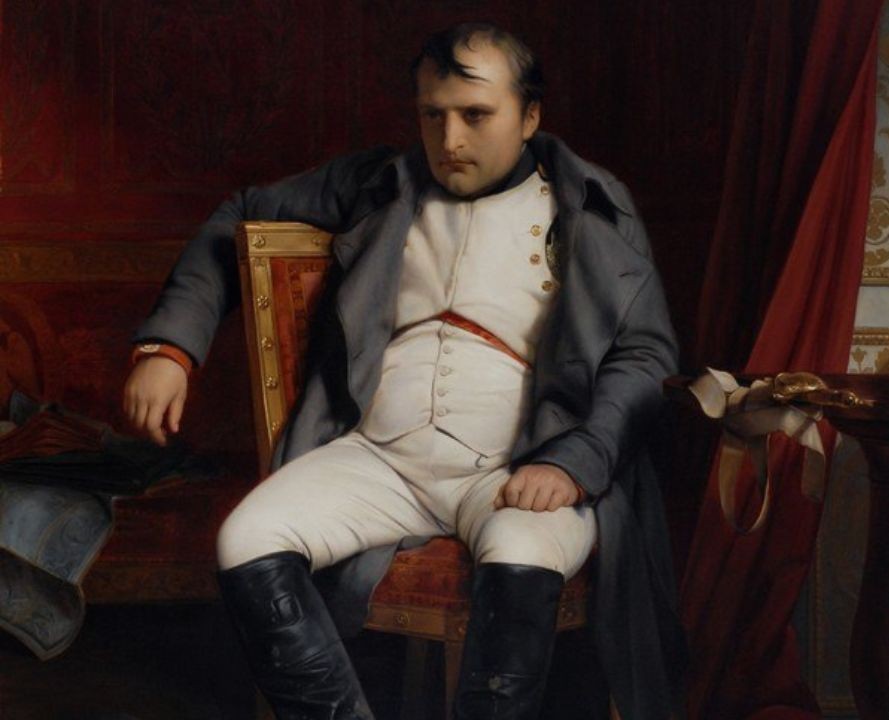
Napoleon lingers in popular culture as a tiny general raging beneath an oversized hat, as if his entire legacy flows from frustration about height. Contemporary military records and eyewitness accounts, though, place him around five feet six or seven inches in modern measurements, very close to average for French men of his era. Confusion grew from differences between French and British units, along with British propaganda that delighted in picturing a shrunken foe. Caricatures exaggerated his size for laughs, and those drawings eventually felt more real than the paperwork. Over time, a running joke turned into an accepted fact, shaping the way he is drawn on posters and in films, even though the numbers never supported the legend.
Marie Antoinette Said “Let Them Eat Cake”

The line about cake and starving peasants follows Marie Antoinette through almost every retelling of the French Revolution, presented as proof that she floated above reality. Yet historians have found no reliable record of her saying it, and similar phrases appear earlier in anecdotes aimed at completely different nobles. The quote likely traveled as a piece of political storytelling, eventually landing on the queen because her position and lifestyle made her a convenient symbol. After her death, revolutionary writers had every reason to attach striking, cruel-sounding remarks to her name. The sentence endured because it compresses anger at inequality into one memorable image, even as archival work repeatedly points out that the words are probably borrowed, rearranged, and misattributed.
Vikings Wore Horned Helmets into Battle
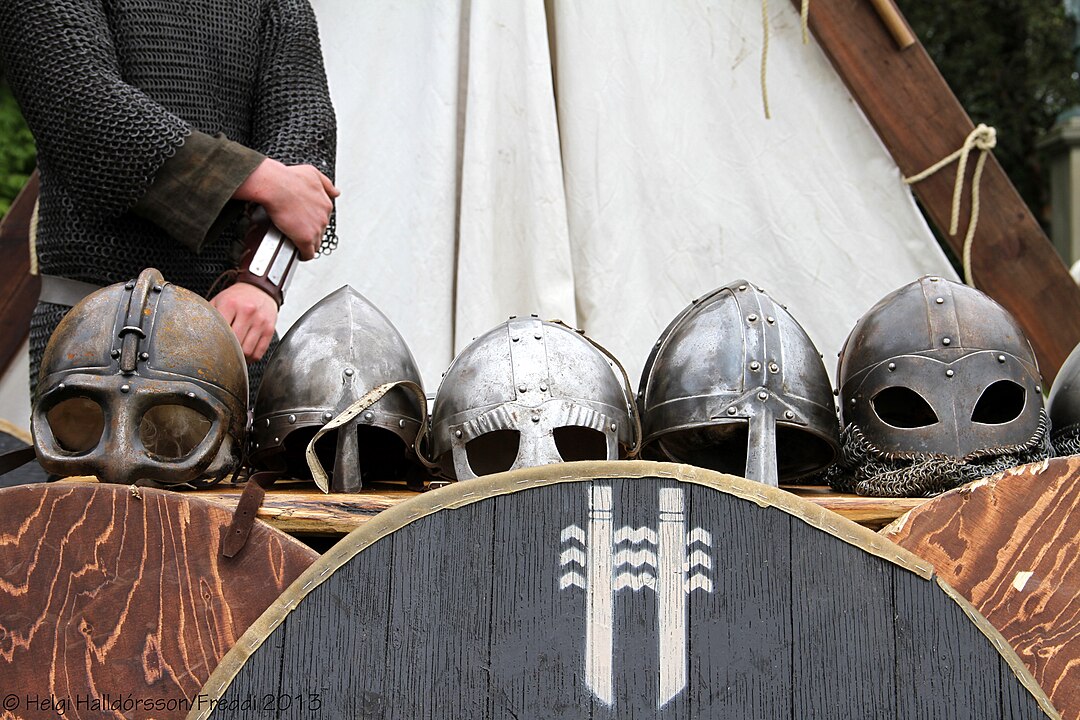
Vikings are almost always shown with horned helmets, whether in comics, school plays, or team mascots, as if those horns were as essential as the ships. Archaeological finds from the Viking Age tell a calmer story. Battle helmets were usually practical metal caps, sometimes with nose guards or simple framing, designed to deflect blows rather than impress audiences. A few horned headpieces appear in ritual or ceremonial contexts from much earlier periods, and nineteenth-century artists drew on those shapes to give opera characters a dramatic silhouette. Illustrators and costume designers repeated the choice until it felt historical. Classrooms and toy makers followed their lead, and eventually people forgot that the horns came from theater, not from excavations.
The Salem “Witches” Were Burned at the Stake
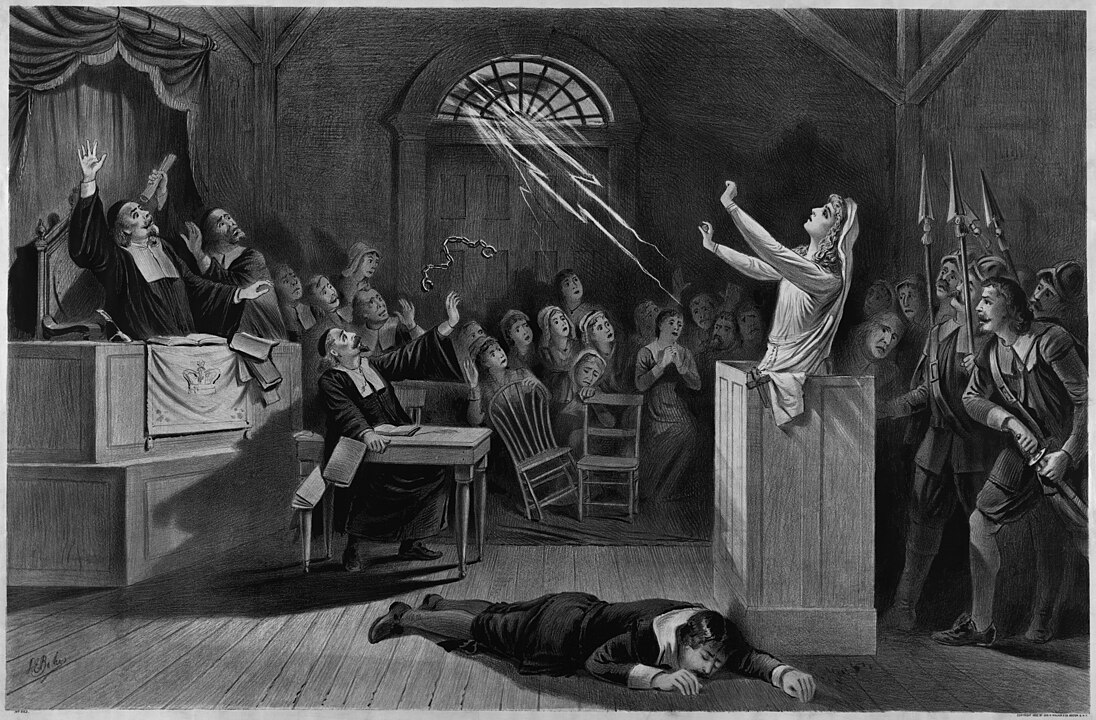
When people think of witch trials, many picture wood piles and flames, and Salem often becomes the mental stage for that image. The legal records from 1692 New England, however, show that convicted individuals in Salem were hanged, not burned, and that one elderly man, Giles Corey, died after being pressed under increasing weights for refusing to enter a plea. Burning as a punishment for witchcraft did occur in parts of Europe, but that practice did not shape the Massachusetts proceedings. Over time, stories from different regions blurred together, especially in novels and films that favored the most dramatic visual. The result is a composite horror that obscures the specific cruelty of what actually happened in that small colonial town.
Nero Fiddled While Rome Burned
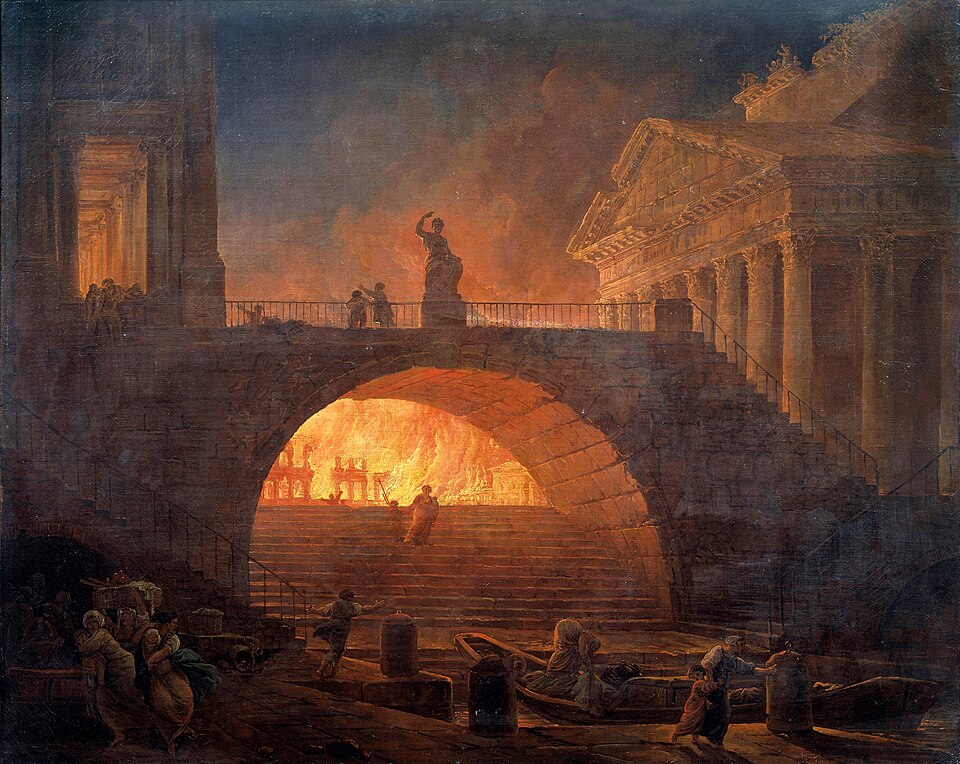
The idea of Emperor Nero playing a fiddle while Rome burned is so vivid that it seems designed for modern screens. Violins did not exist in his time, and ancient accounts are divided about his whereabouts when the fire started, with some placing him outside the city and others accusing him of slow or self-interested responses. Hostile writers later emphasized stories of him performing long songs about the fall of Troy, using his love of performance to paint a picture of vanity in the face of crisis. That narrative fit broader criticisms of his rule and stuck firmly in public memory. The myth survives because it captures a clean image of power ignoring suffering, even though the actual evidence is fragmentary, biased, and more ambiguous.
Gladiators Lived or Died by Thumbs Up or Down
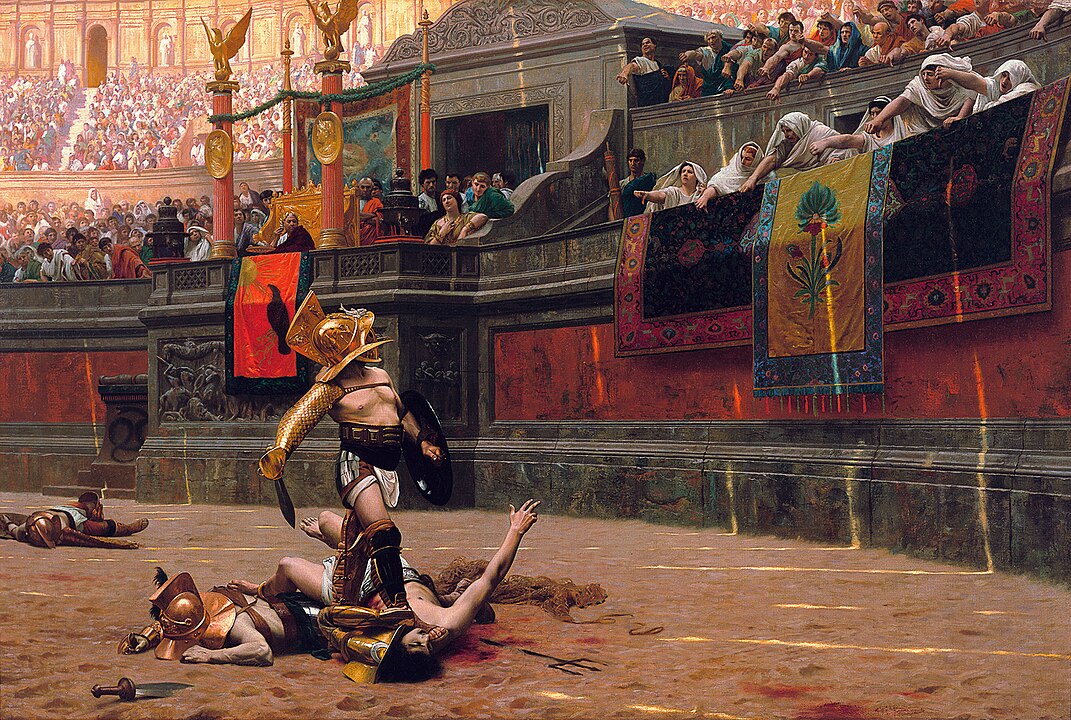
Many people know the supposed rule: thumbs up means mercy, thumbs down means death, and the crowd in the Colosseum settles everything with a simple gesture. Ancient sources, though, are frustratingly vague about what those hand signals actually looked like, and some scholars argue that a hidden or extended thumb might have carried the opposite meaning from the modern assumption. Economic reality also complicates the stereotype. Gladiators were costly to train and maintain, so constant killing would have drained owners’ resources. Many matches ended with both fighters alive and reputations adjusted rather than bodies removed. Films and paintings filled gaps in the record by inventing clear signals that read well from a distance, and those inventions hardened into false certainty.
Einstein Failed Math in School
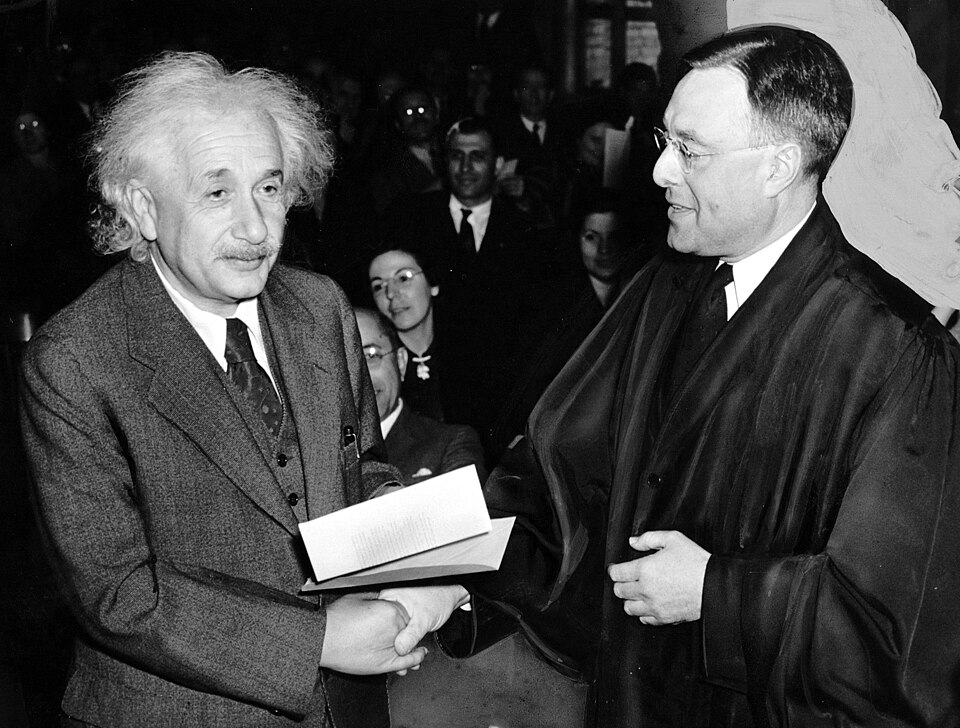
The story that Albert Einstein failed math has become a comforting anecdote, pulled out whenever someone wants to argue that grades do not define a person’s potential. School records and his own recollections show something different. He performed very well in mathematics, working through advanced texts on algebra and calculus as a teenager and exploring ideas beyond the standard curriculum. Confusion likely stems from changes in grading scales, mistranslations of old report cards, and his vocal dislike for rigid, authoritarian teaching styles. The real tension lay between a curious student and systems that valued obedience as much as insight. The myth flourished because it offers encouragement, even while flattening the actual relationship he had with school and study.
The Middle Ages Were a Completely Dark Time
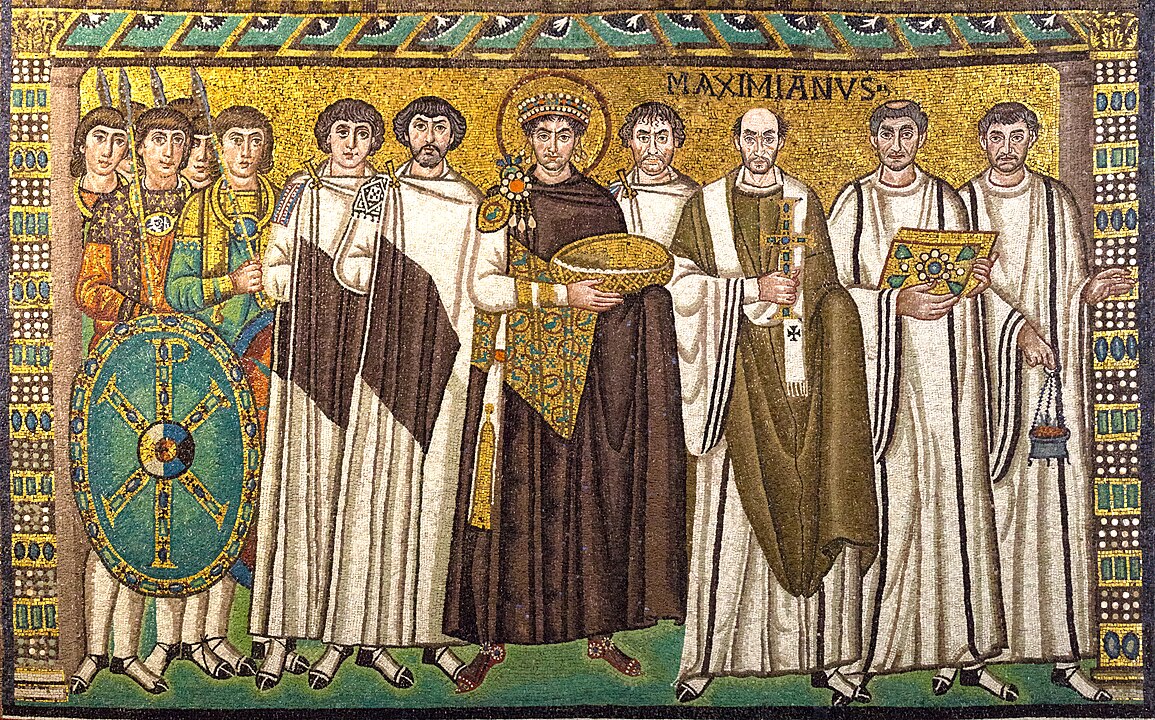
The phrase Dark Ages suggests that Europe slipped into a long tunnel of ignorance between the fall of Rome and the rise of the Renaissance. Modern research paints a more uneven landscape. Some regions suffered population loss, political fragmentation, and economic strain, while others saw growth in trade routes, agricultural techniques, and technical ingenuity. Monasteries copied and preserved texts, scholars debated philosophy, and architects experimented with new forms that eventually produced cathedrals and town halls. Mechanical clocks, water mills, and legal innovations reshaped daily life long before the fifteenth century. The “dark” label survives mainly because later periods liked to imagine themselves as rescuers of knowledge, casting earlier centuries as a convenient foil.
The Emancipation Proclamation Instantly Freed Every Enslaved Person
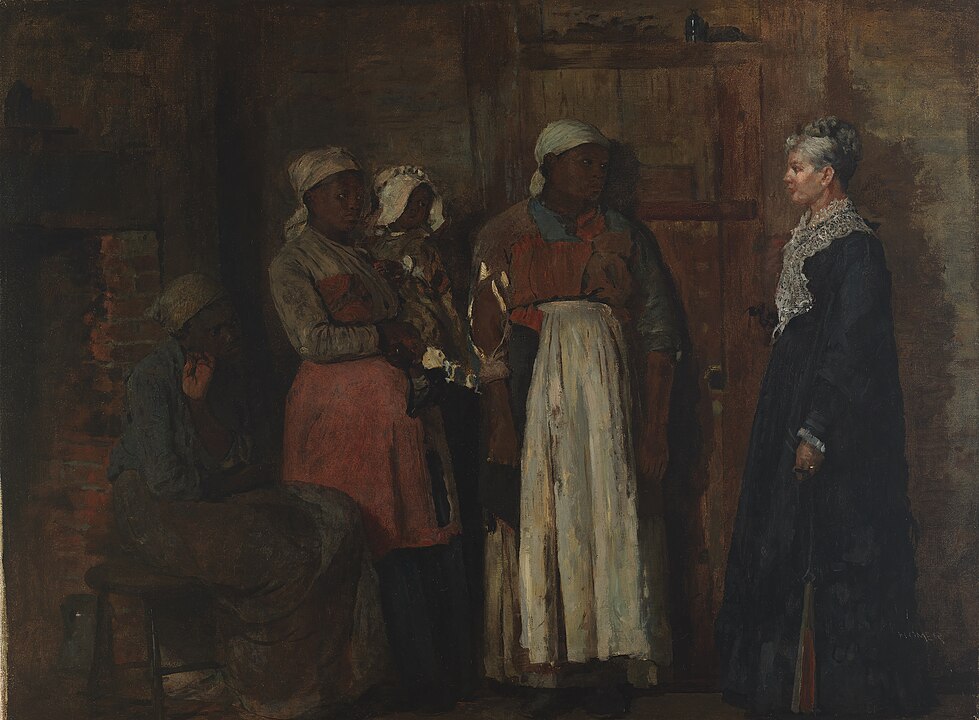
The Emancipation Proclamation often appears in summaries of the American Civil War as the precise moment when slavery ended everywhere in the United States. Legally, it applied only to areas under Confederate control and left slavery untouched in loyal border states and regions already under Union occupation. For many enslaved people, practical freedom arrived only when Union forces reached their communities, local power structures collapsed, and constitutional amendments finally reshaped the law. Emancipation unfolded as a series of advances, setbacks, and uneven local realities rather than a single stroke. The myth of an instant transformation persists because one date is easier to remember and commemorate than a long, complicated struggle.