Some historic cities have started charging for entry, not out of spite, but because crowds wear down the very places people come to admire. A small fee can fund cleaning, transit, and repairs, and it can also nudge day visitors to plan instead of piling in at the same hour. The policies vary by season, timing, and who is exempt. In Venice, payment is tied to peak dates and a QR code. In other places, the charge applies to vehicles crossing a cordon, turning a shortcut drive into a decision. What looks like bureaucracy is really a debate about who carries the cost of heritage, residents or visitors, and how a city stays livable without losing its welcome.
Venice, Italy
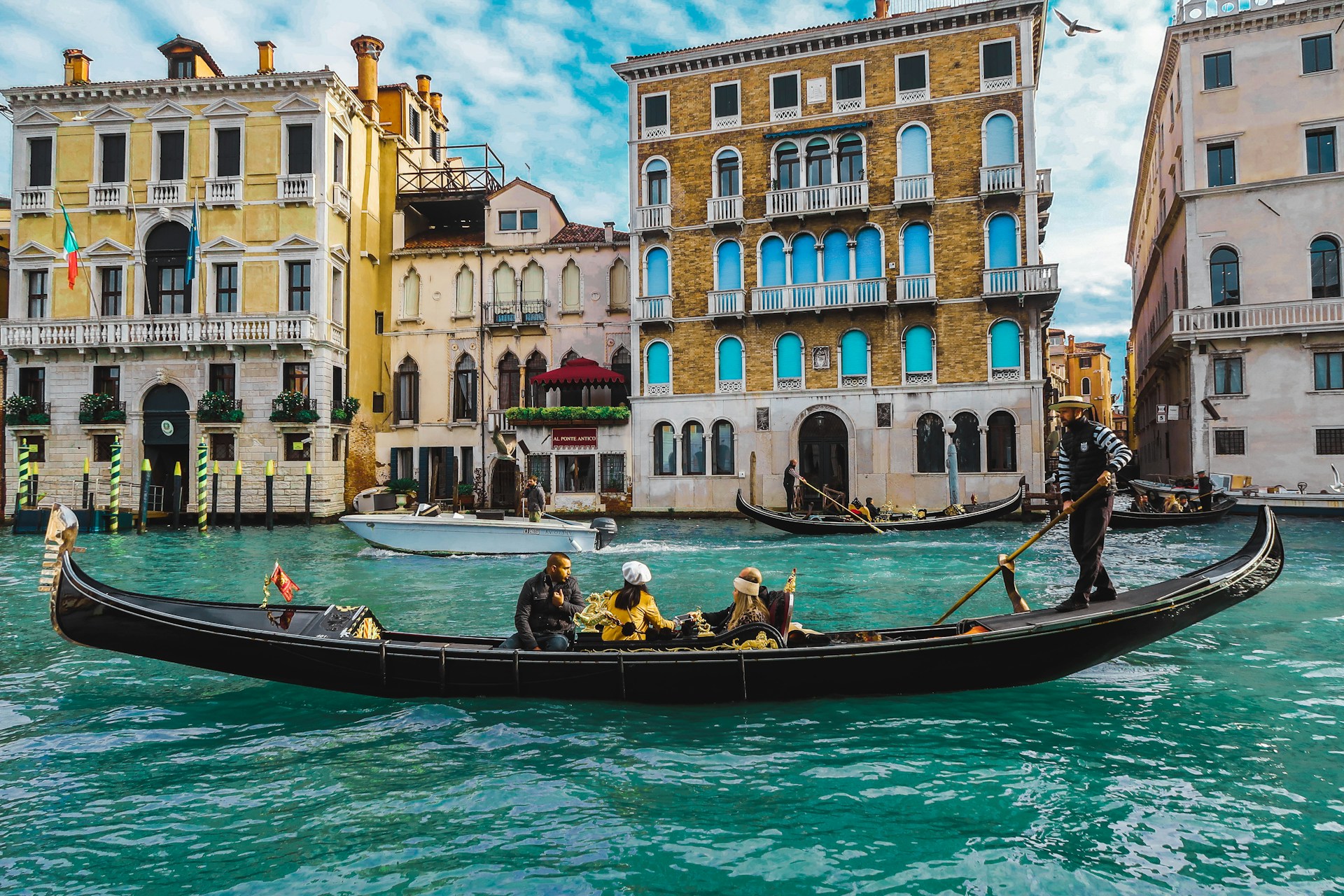
Venice now treats peak-day entry like a reservation, not a whim, meant to soften the familiar midday squeeze of day-trippers crossing bridges toward St. Mark’s. For 2026, the city keeps 60 charge days from Apr. 3 to July 26, typically enforced 8:30 a.m. to 4:00 p.m.; pay ahead and it is €5, pay late and it is €10, issued as a QR code that can be checked at main arrival corridors. Overnight guests are handled through the accommodation tax, while residents and children under 14 are among the exemptions, so the fee lands where volume is highest, on short-stay visitors who add to cleaning, policing, and transit strain.
London, England
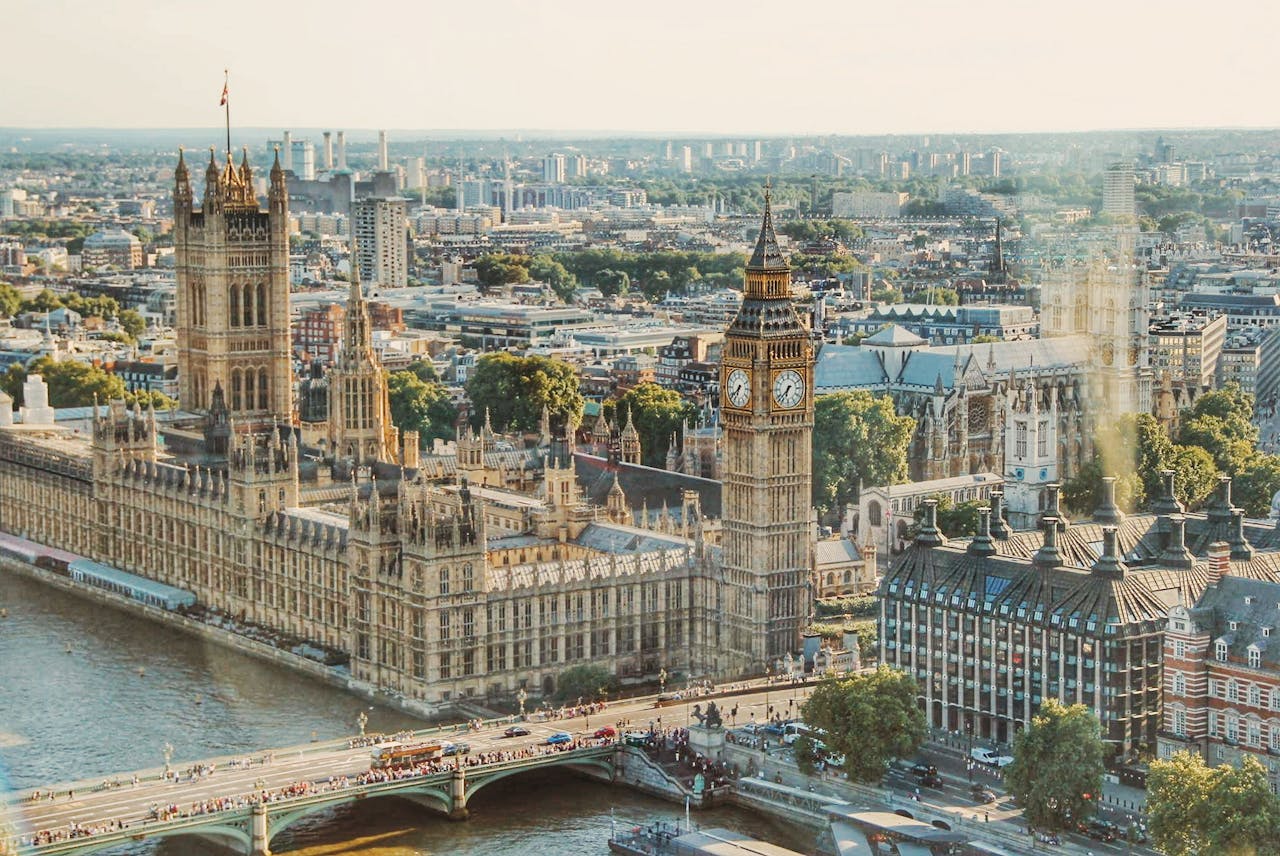
London’s oldest districts operate like a paid gate for drivers, even though the boundary feels invisible until cameras log the plate. The Congestion Charge is £15 per day for the central zone, usually 7:00 a.m. to 6:00 p.m. weekdays and 12:00 p.m. to 6:00 p.m. weekends and bank holidays; pay late and it rises, skip payment and penalties follow, and a separate ULEZ charge may apply depending on emissions standards. From Jan. 2026, the daily Congestion Charge is set to increase to £18, and the full discount for electric vehicles is scheduled to end, reinforcing that access to the historic core is priced, not automatic.
Milan, Italy
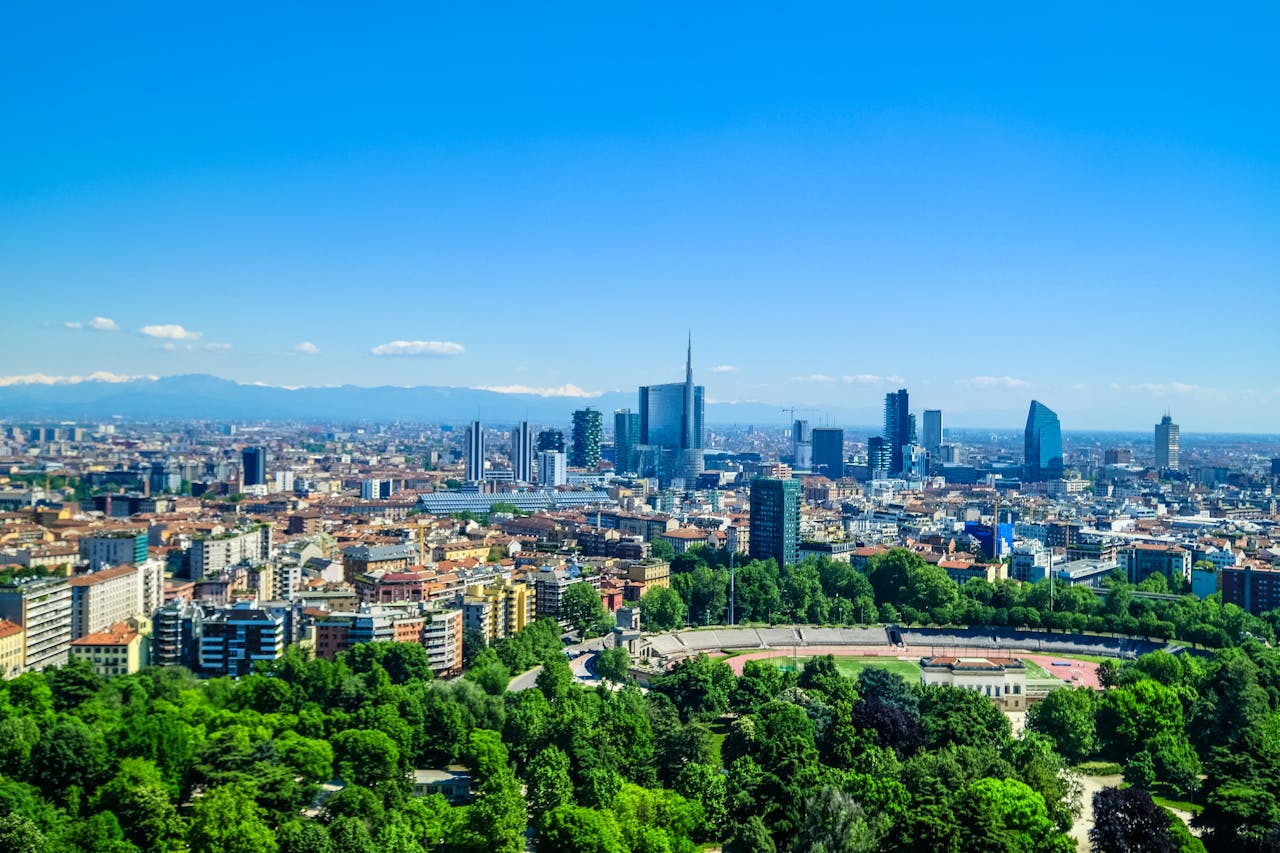
Milan prices access to its core through Area C, a camera-controlled ring inside the old bastions where modern traffic collides with centuries-old geometry and tight sidewalks. Entry is generally regulated Monday through Friday from 7:30 a.m. to 7:30 p.m., and a single-day ticket covers multiple crossings, so the fee targets repeated presence in the center rather than a stopwatch on each pass. The standard cost is €7.50, raised from €5 in Oct. 2023, turning a casual drive near the Duomo into a deliberate decision that also supports cleaner air goals, calmer street space, and more reliable trams during commuting peaks.
Stockholm, Sweden

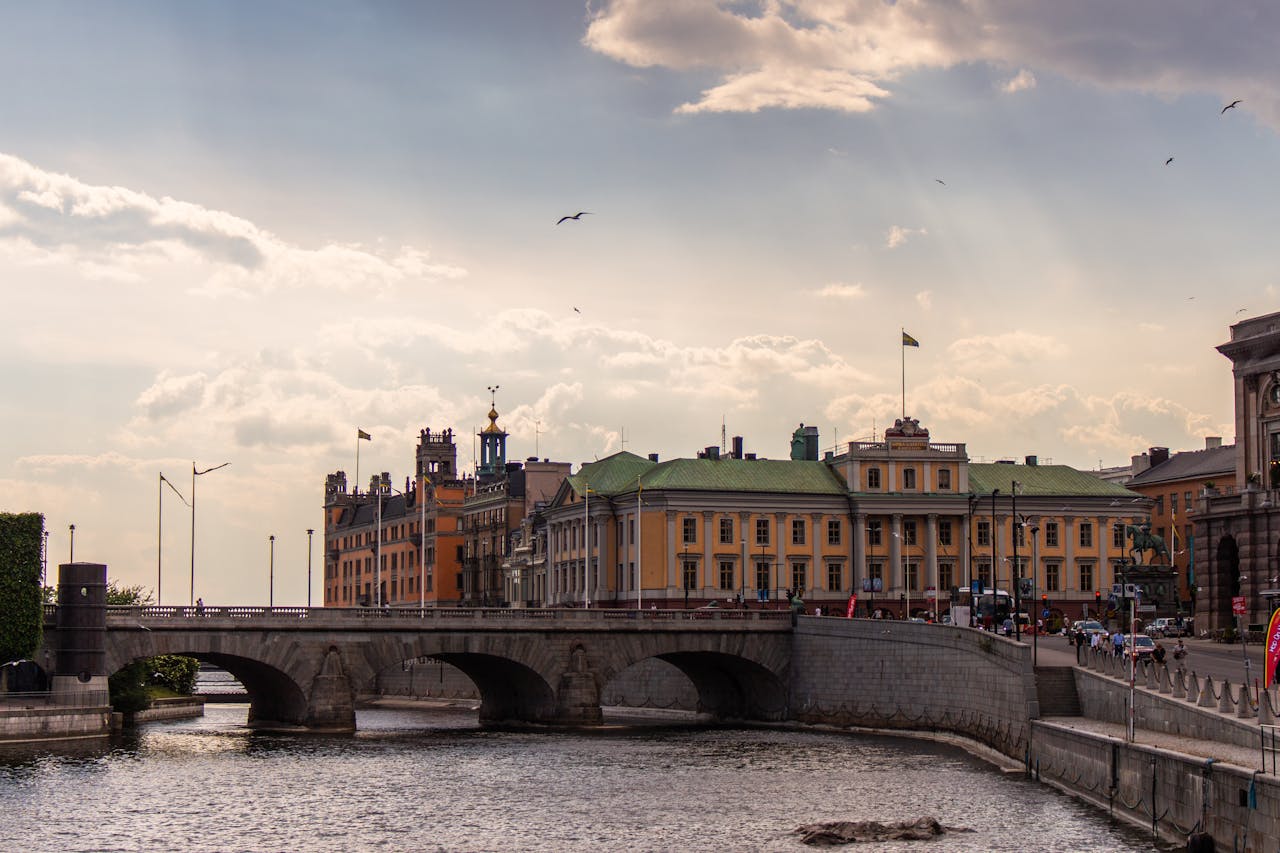
Stockholm’s medieval heart sits behind a congestion-tax cordon that charges vehicles as they cross bridges and key approaches into the center, a practical response for a city stitched together by water. Rates vary by time of day, and the system caps the daily total at 135 SEK per vehicle in peak season, dropping to 105 SEK off-peak; weekends, many holidays, and July are exempt, so the charge mainly targets weekday pressure when commuters and deliveries stack up. The result is fewer shortcut drives, steadier travel times, and less stress on Old Town lanes built for footsteps and bicycles, not idling queues at rush hour.
Gothenburg, Sweden
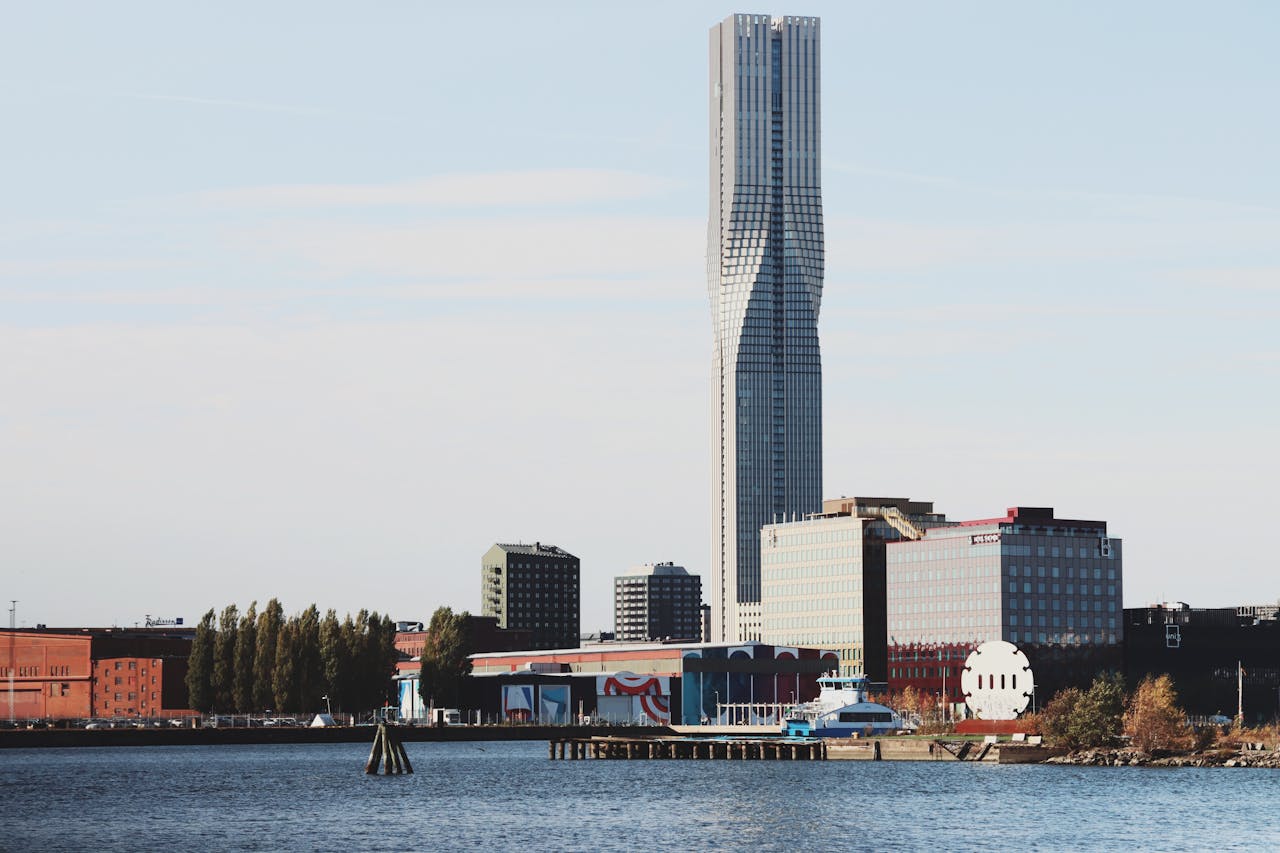
Gothenburg uses a congestion-tax ring to charge vehicles that enter or exit the city during set daytime periods, recorded automatically at toll points as traffic funnels toward bridges and tunnels. The fee changes with the clock, but the daily maximum is 60 SEK per vehicle, and the tax does not apply on public holidays, the day before a public holiday, or during July, which keeps summer movement lighter and simpler. It discourages cut-through driving near tram corridors, supports smoother freight and commuter flows, trims congestion in the center, and keeps older streets from becoming everyone’s shortcut on busy afternoons.