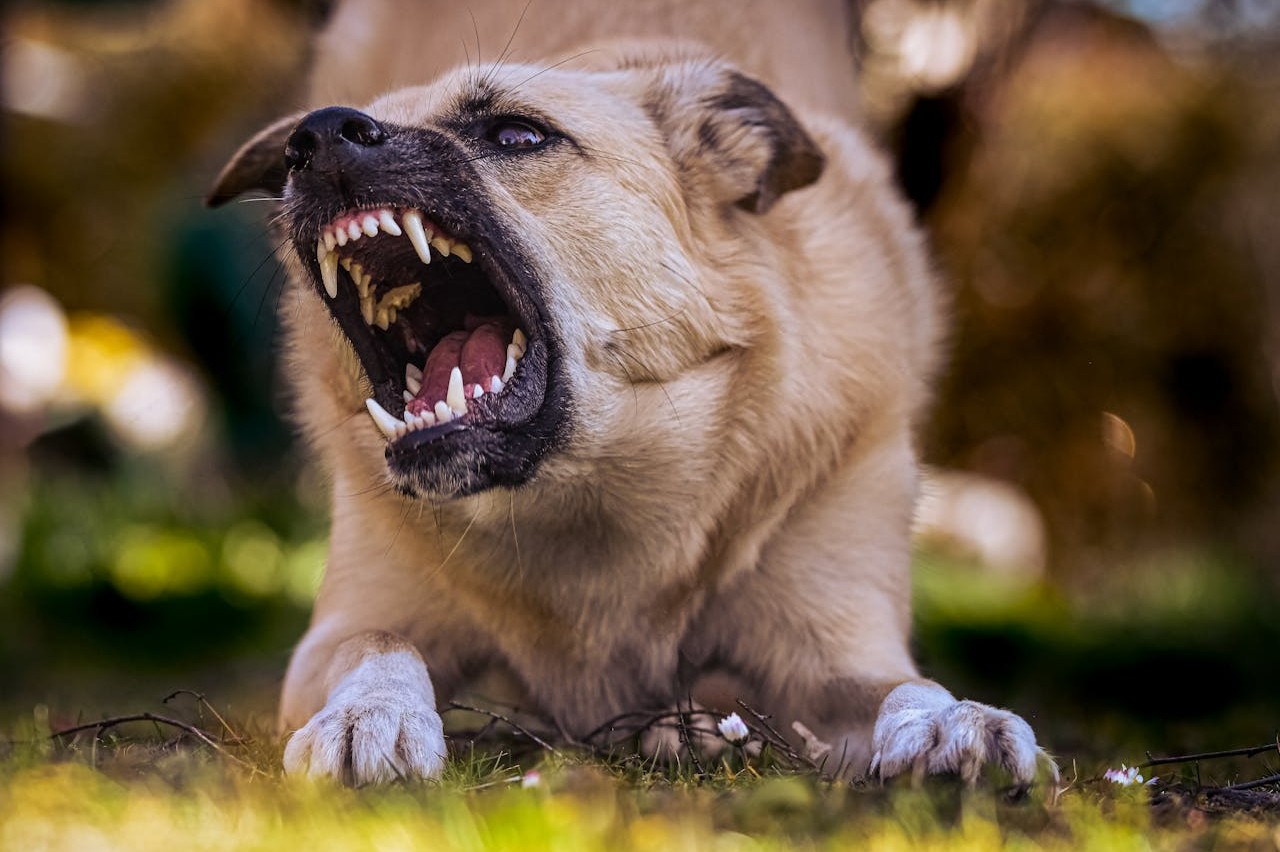
Dogs rarely switch from relaxed to defensive without leaving clues first. Fear-based tension often shows up as small, ordinary behaviors that look harmless in a living room, at the vet, or on a sidewalk. When those signals are missed, pressure can stack until a dog feels trapped and responds in a way that surprises people. These cues are not about “bad dogs.” They are early communications about comfort, distance, and control. Pain, fatigue, and past scares can make them louder, so patterns matter. Noticing them early helps routines stay calm, reduces conflict, and protects trust in busy households and public spaces.
Lip Licking When No Food Is Present
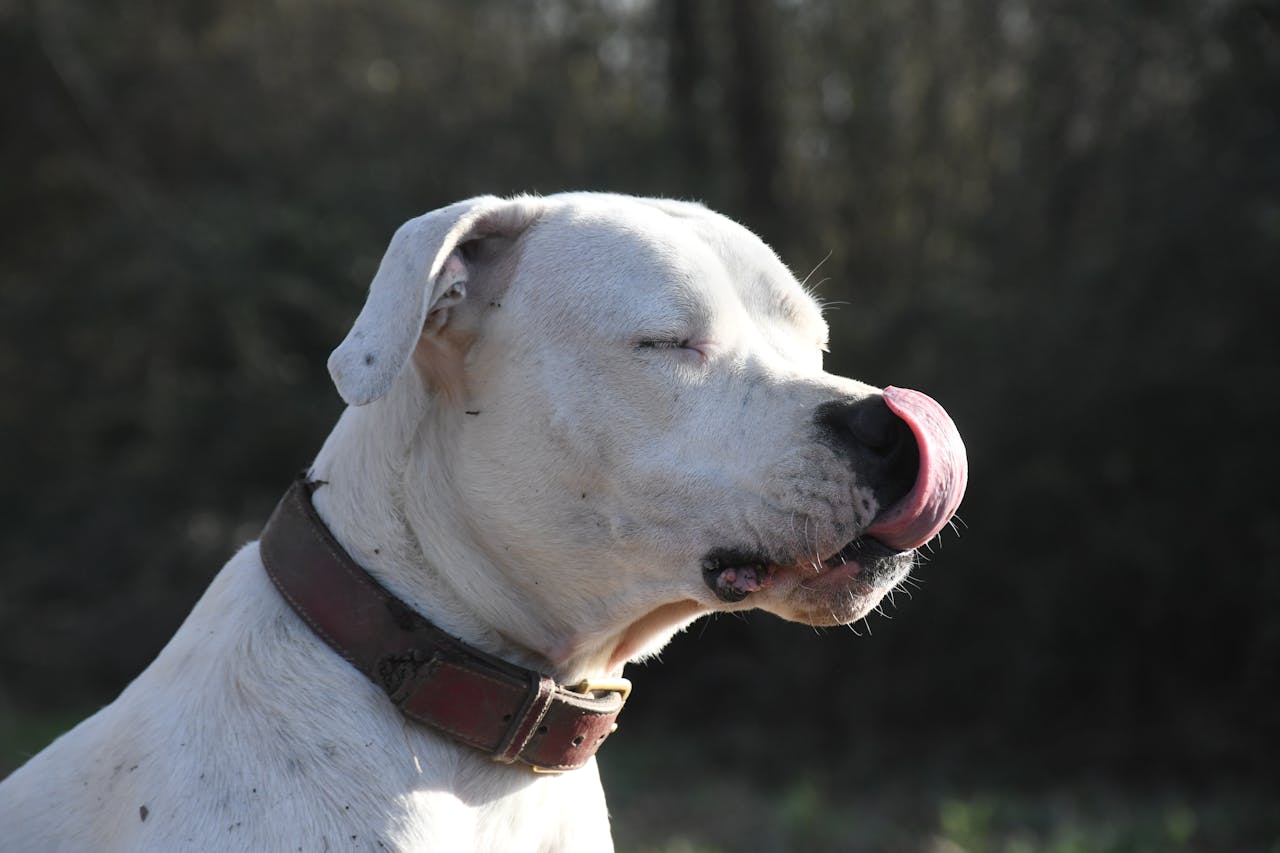
A quick tongue flick or repeated lip licking can be an early stress signal, especially when no food is present and the mouth looks tight instead of loose. It often appears when a hand reaches for a collar, someone leans over the head, or petting continues after the body stiffens. In crowded rooms it may repeat in fast bursts, as if the dog is trying to smooth the moment back down. On its own it can be brief, but paired with a closed mouth, pinned ears, or a weight shift away, it reads as a request for space. Pausing contact and letting the dog reorient usually prevents the situation from escalating.
Yawning That Shows Up During Pressure
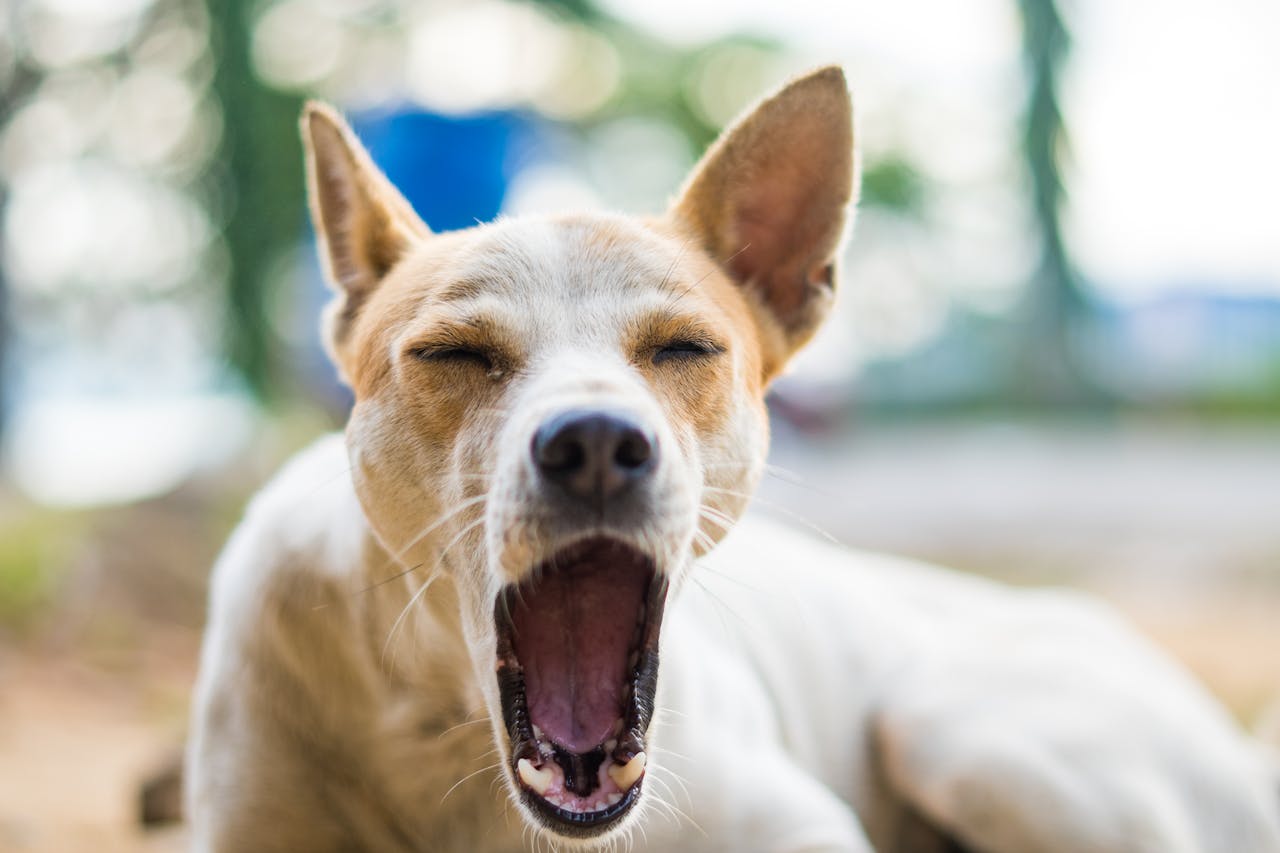
Yawning that lands mid-greeting or during handling is often a calming signal, not a sleep cue. It can show up during brushing, nail trims, harnessing, or busy doorways, sometimes followed by a head turn or a slow blink. People miss it because yawns look normal, yet the timing matters: the dog is trying to lower pressure and avoid conflict. It often travels with other small cues like lip licking or a sudden stillness in the shoulders. When yawns repeat alongside a tight face, tucked posture, or scanning eyes, the situation is already heavy. Shorter sessions, gentler touch, and a break for distance usually bring the body back to soft.
Whale Eye and Side Glances
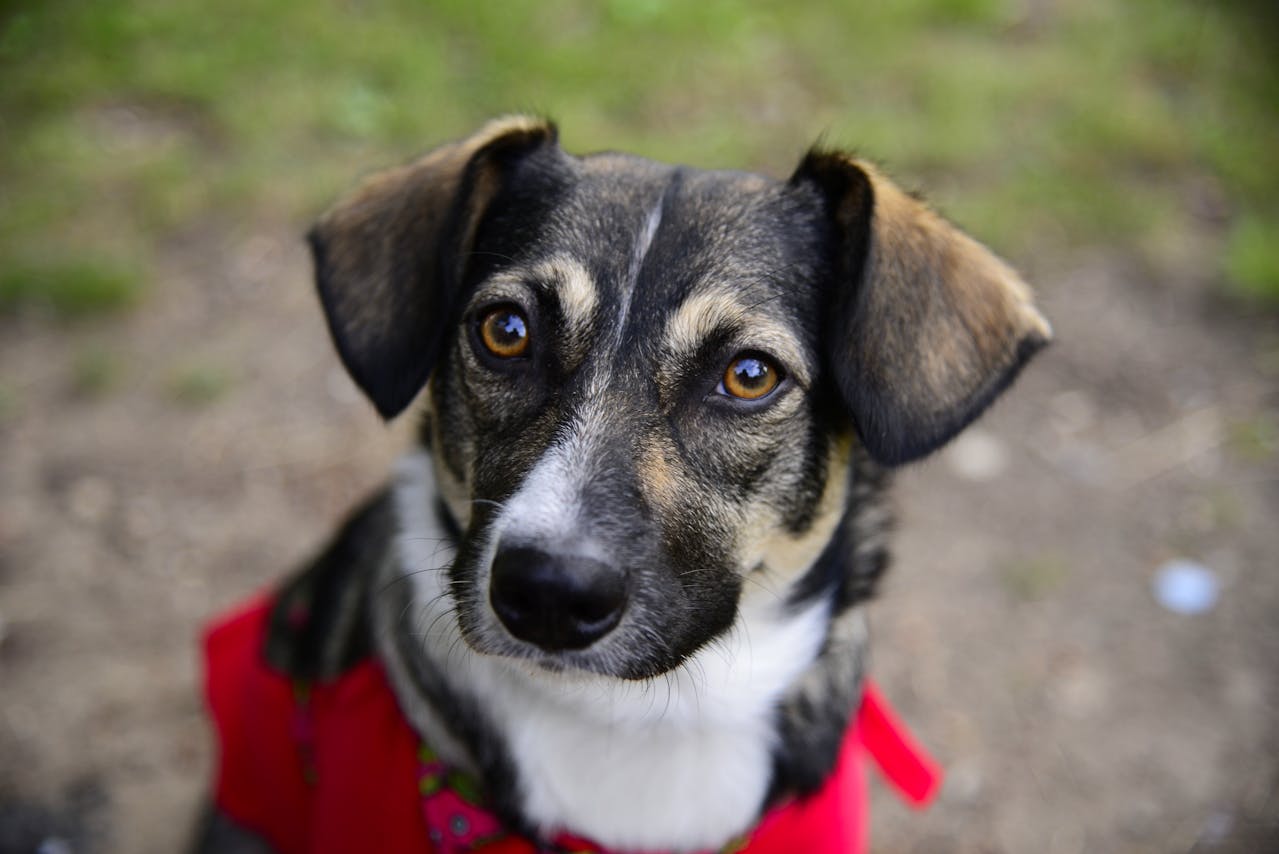
Whale eye is the sideways look where the head turns away but the eyes stay fixed, showing a crescent of white at the corner. It can look like a funny side glance, so people keep leaning in, hugging, or reaching, even though discomfort is rising. Often the brow tightens and the eyes look wider, like the dog is tracking every move without moving its body. This cue appears when backing away feels hard, such as on a couch, in a doorway, or on a short leash. Whale eye paired with a tight mouth or frozen posture is not subtle; it is a request for distance. Giving an exit path and easing contact usually resets the mood quickly.
The Sudden Freeze
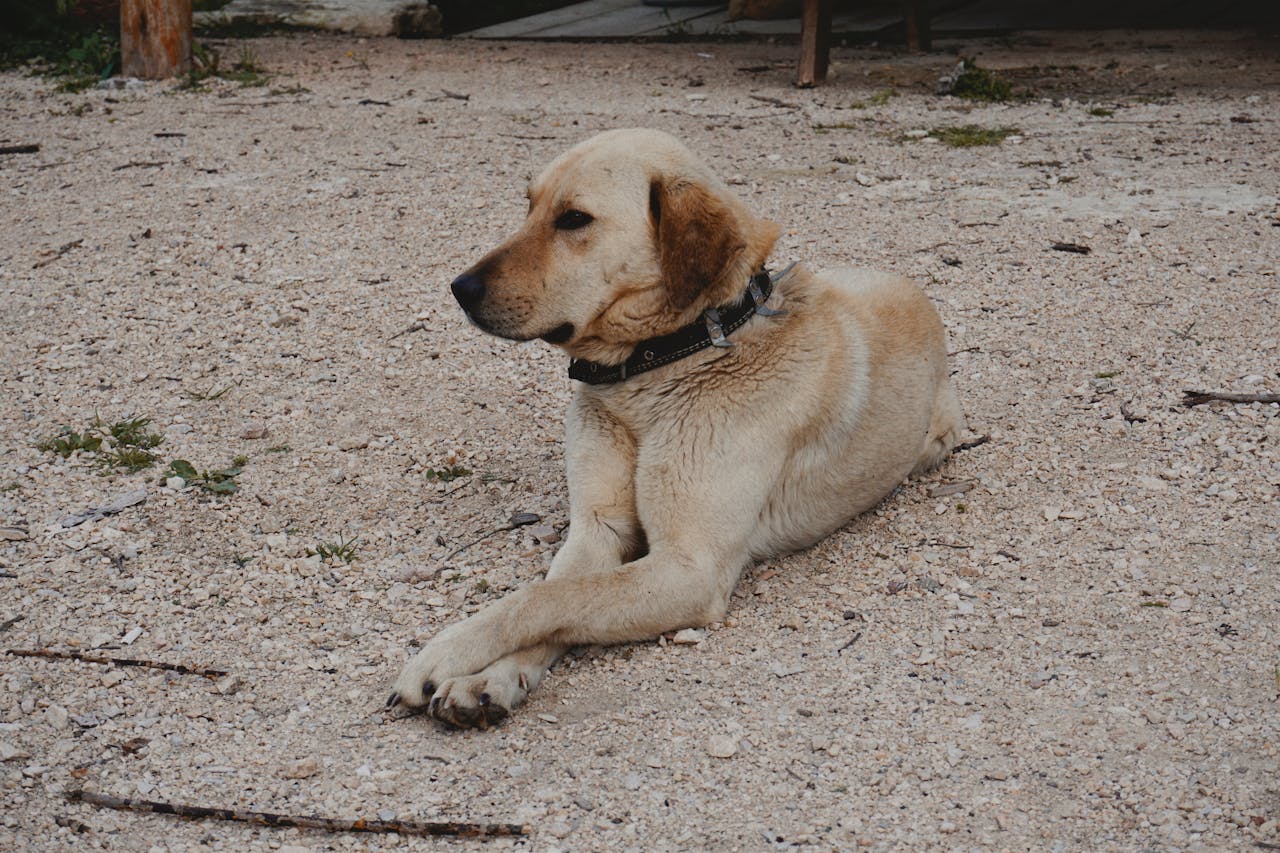
A brief freeze is one of the most missed warning signals because it can look like patience. The dog stops moving, holds the body rigid, and goes statue-still for a beat, often with the weight shifted forward or locked in place. Sometimes breathing looks shallow, as if the whole frame is bracing. It may happen when a person reaches toward a sensitive area, when a stranger leans in, or when another dog crowds too close. Freezing is the moment the dog is deciding what comes next. Stopping interaction, creating space, and waiting for loose movement to return helps keep the situation from tipping into a defensive response.
Closed Mouth and a Tight Face
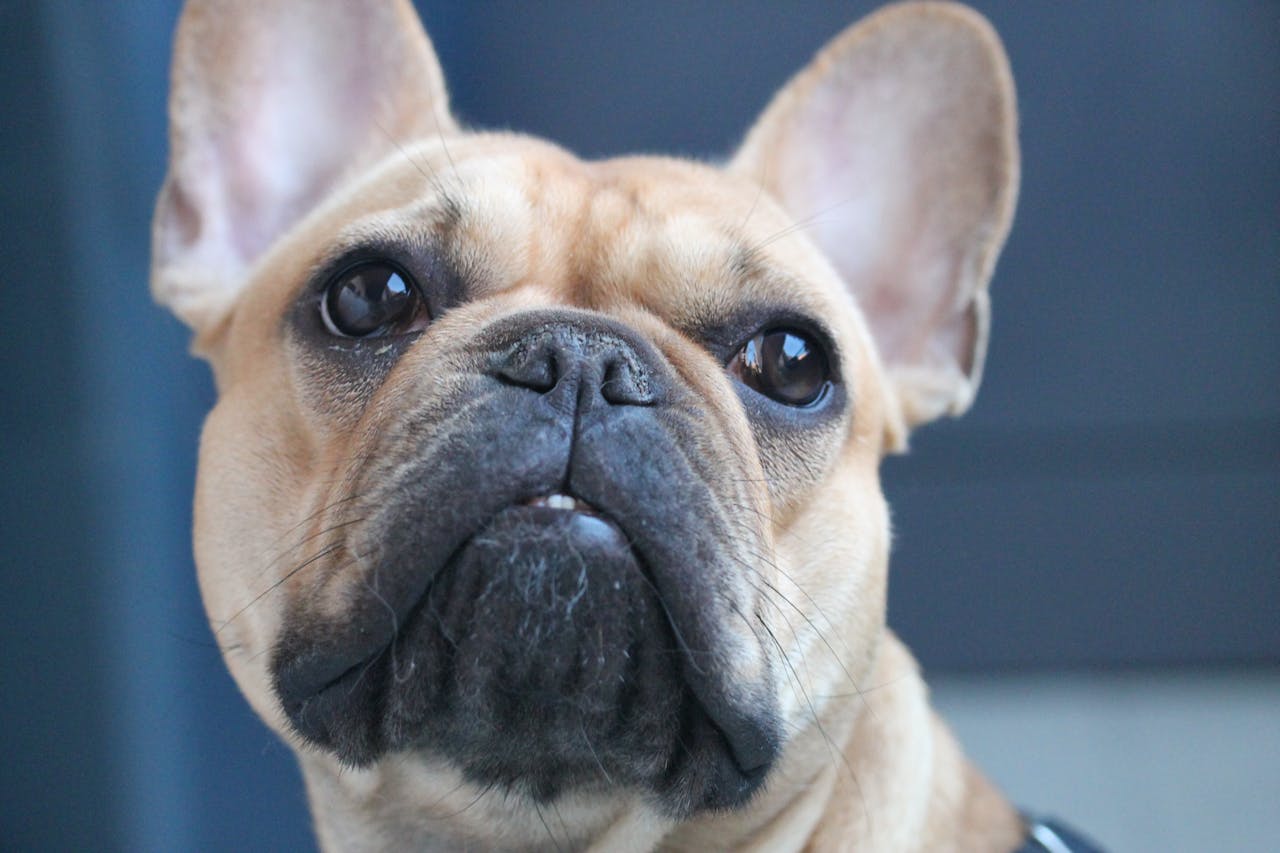
A relaxed dog often carries a soft, slightly open mouth. When fear rises, the mouth may close, the lips tighten, and the jaw sets into a still, tense line. Panting can stop abruptly, like a switch flipped. The face can change quickly: the whisker bed stiffens, the corners of the mouth pull back, and the expression loses its easy look. Because there is no sound, people keep petting or hovering, assuming everything is fine. A tight face during greetings, grooming, or restraint is the dog bracing for what might happen next. Reducing pressure, changing angle, and letting the dog breathe in space often brings softness back.
Turning Away, Curving Off, or Leaning Back
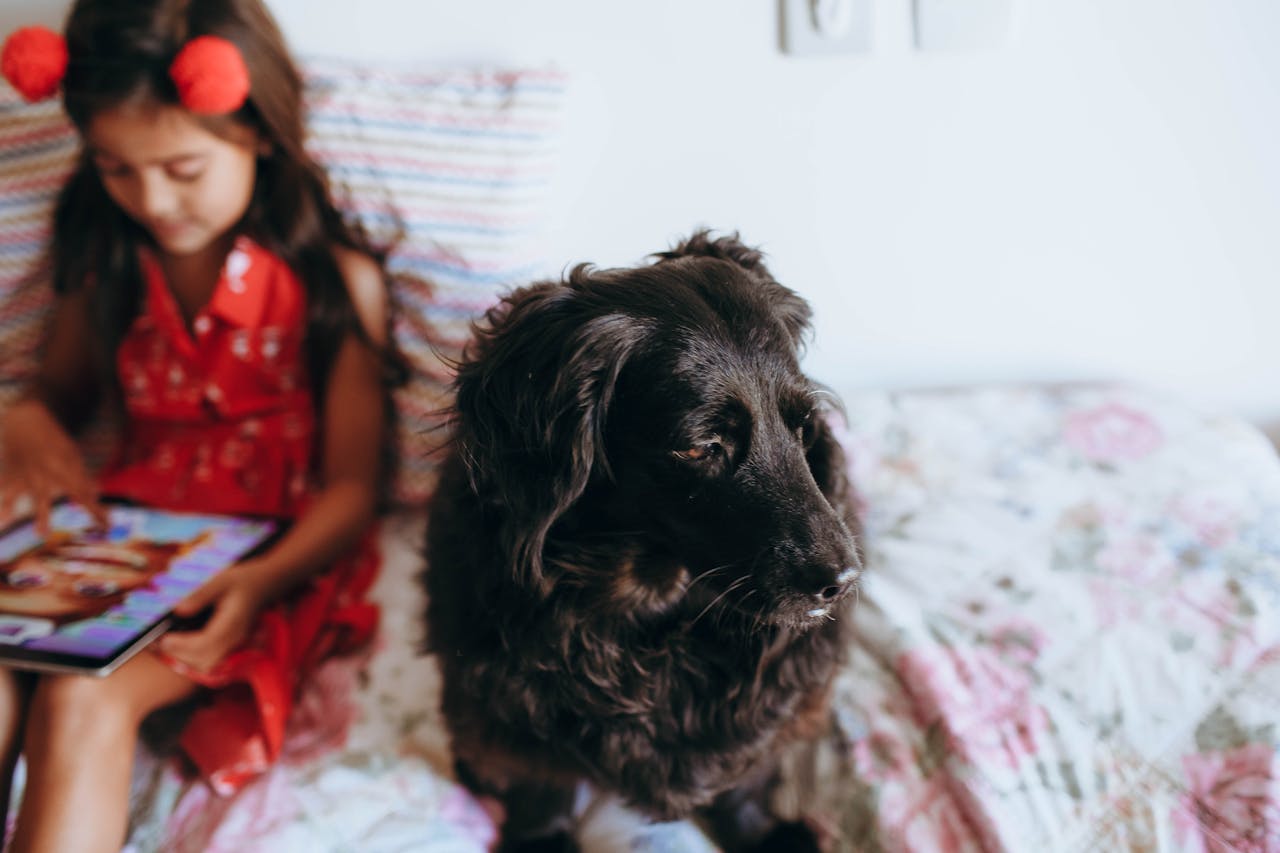
Turning the head away, curving the body, or leaning off to the side is often a polite avoidance signal. It can be mistaken for stubbornness, so people follow, reach farther, or insist on face-to-face contact, which adds pressure. The dog may be trying to stay social while also asking for distance, especially during greetings, photos, or kid-height attention. Look for the full pattern: angled body, ears back, and a quick glance that checks whether space is being respected. Allowing the curve, slowing the approach, and letting the dog choose re-entry keeps the interaction steady and prevents fear from stacking.
Low Tail with a Tight, Fast Wag
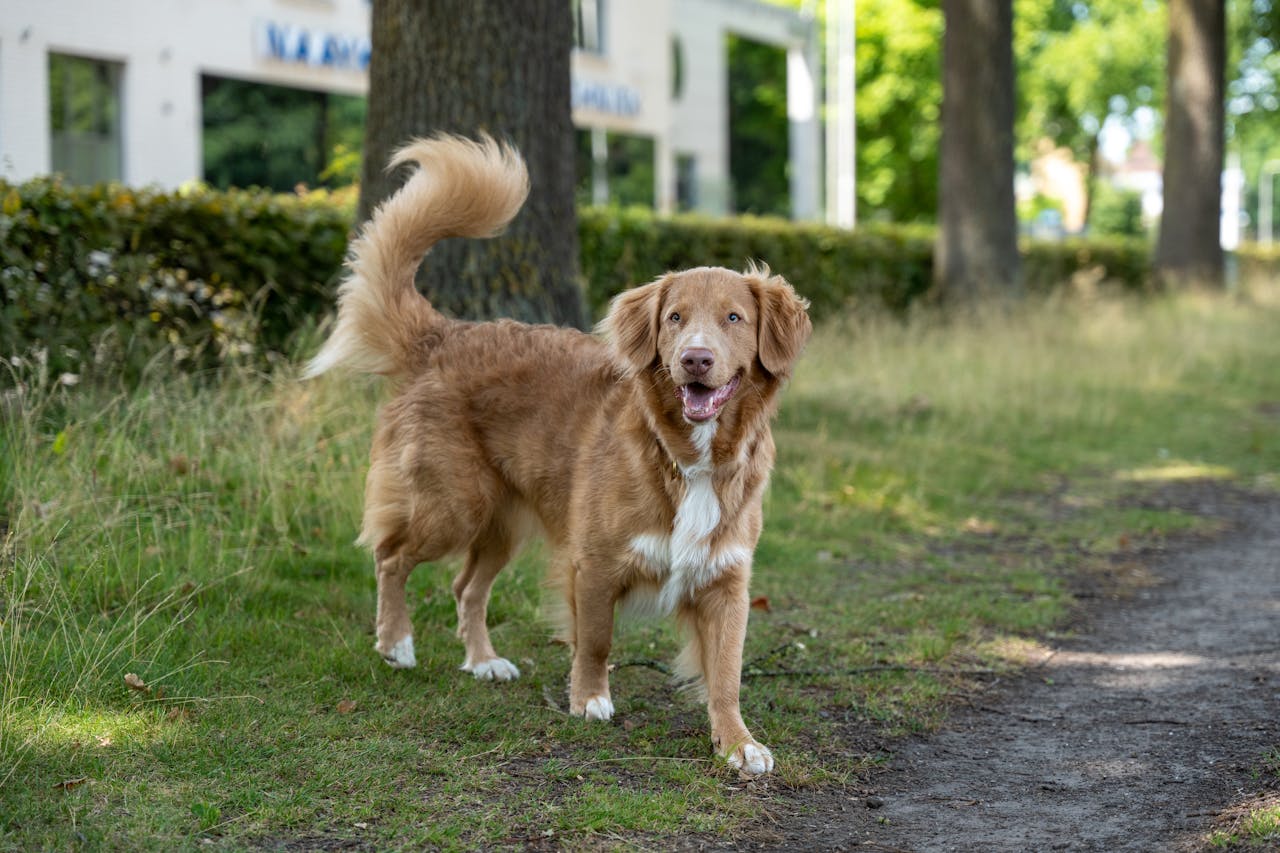
Not every wag means comfort. A tail held low with a fast, tight wag can signal conflict, especially when the rest of the body looks stiff. This often shows up in forced greetings, crowded rooms, or when a dog is approached head-on with direct eye contact. The wag distracts people into thinking the dog is fine, but the posture tells a different story: weight shifted back, muscles braced, and movement small. A low, tense wag is the dog trying to cope while staying polite. Giving more room, reducing touch, and letting the dog approach in a curve, at its own pace, usually shifts the body toward real relaxation.
Displacement Scratching or Self-Grooming
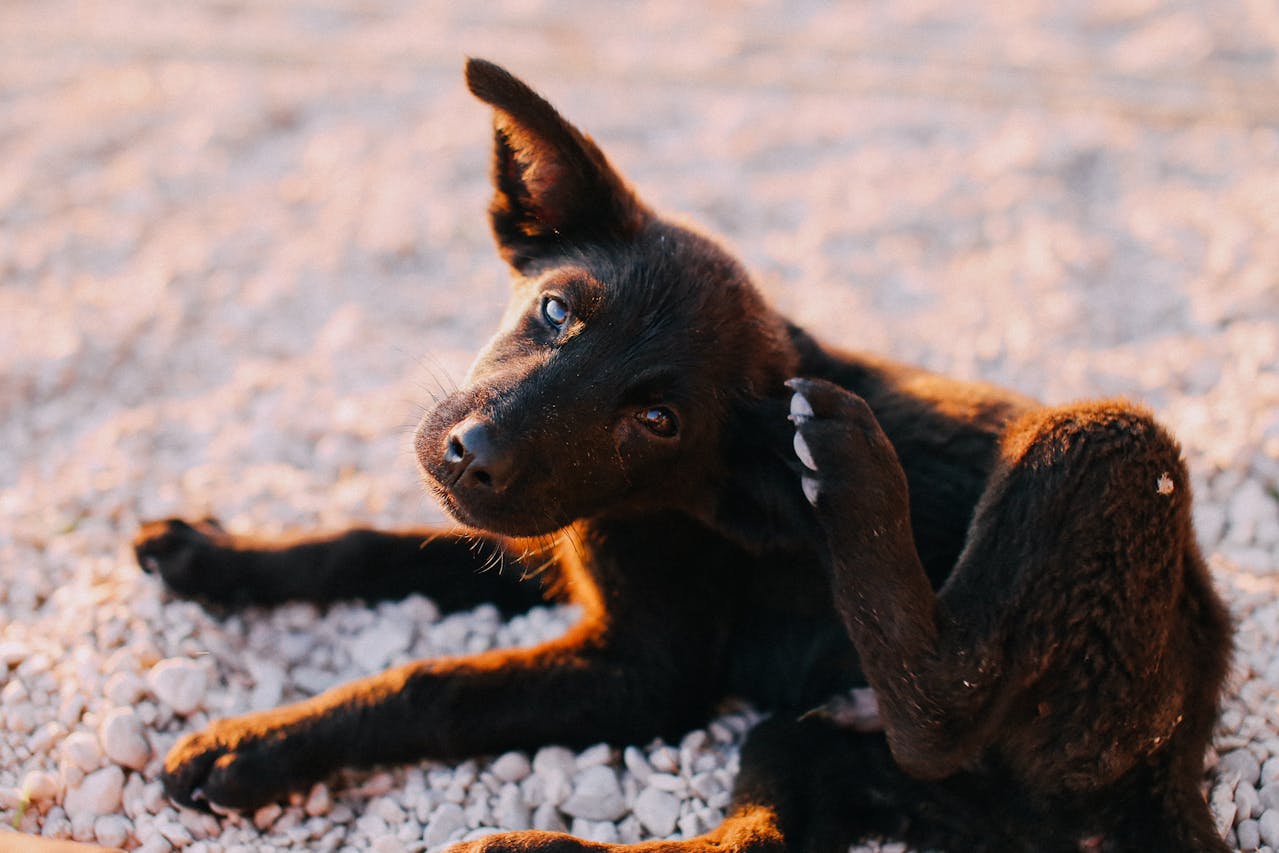
A sudden scratch, a lifted front paw, or a burst of self-grooming can be a displacement behavior, a coping move that appears out of context. It looks harmless, so it gets overlooked during introductions, training sessions, or busy gatherings where the dog is already working hard to stay composed. Displacement signals often cluster with other cues like lip licking, yawning, or a tight face, suggesting the dog is overwhelmed but still trying to keep the peace. Treat it as useful information, not misbehavior. Lowering the intensity, shortening the interaction, and offering a quiet reset spot often prevents the next step up the ladder of stress.
Full-Body Shake When the Coat Is Dry
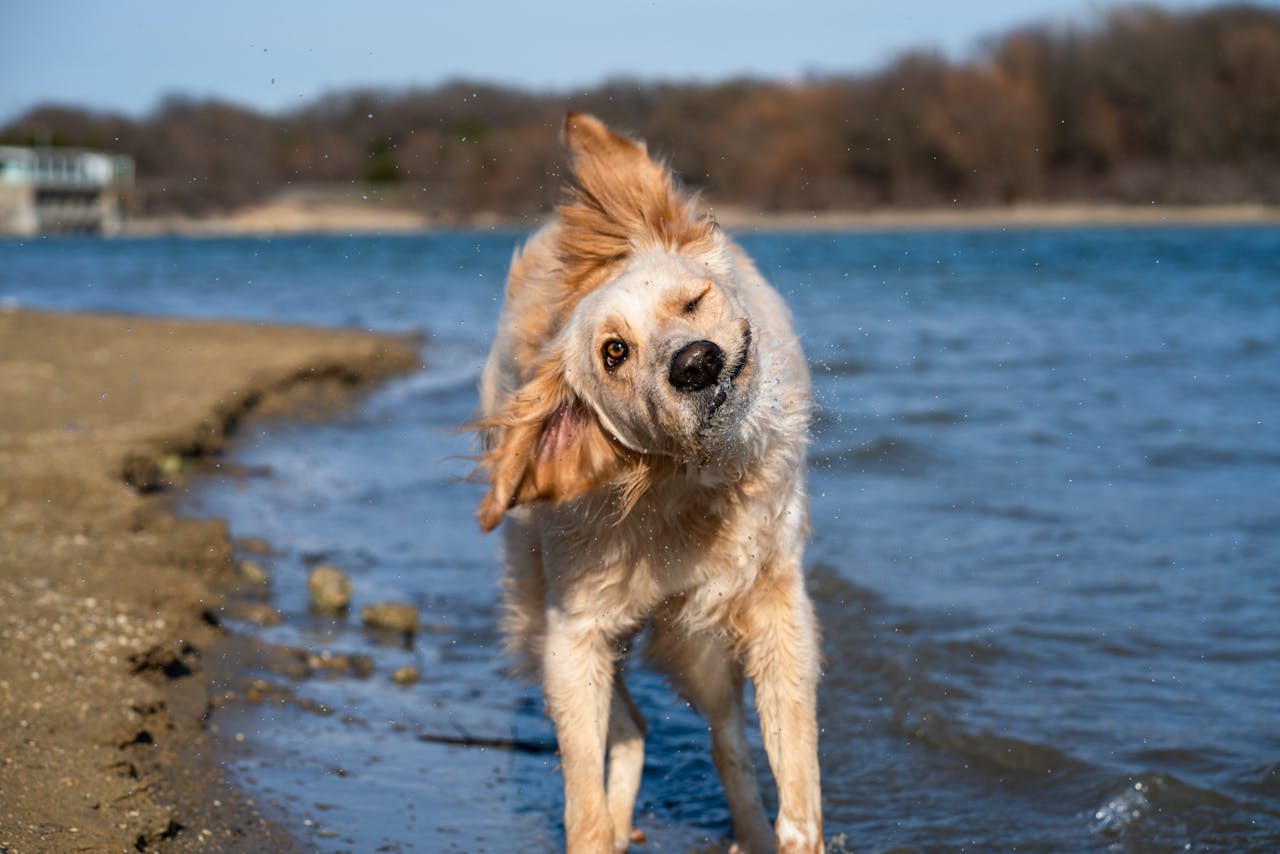
A full-body shake is not only for water. Dogs often shake off to release tension after an uncomfortable moment ends, even when the coat is dry. It may happen after a close greeting, a long hug, a tight hold for grooming, or a noisy rush of guests at the door. Often the ears flick, the spine loosens, and the dog looks briefly softer, like a deep exhale in motion. Because the shake seems ordinary, people miss the message and repeat the same pressure right away. In context, it is the nervous system trying to reset. Taking it as a cue to slow down, add distance, and keep the next interaction brief helps the dog recover and stay steady.
Sudden Ground Sniffing to Exit the Moment
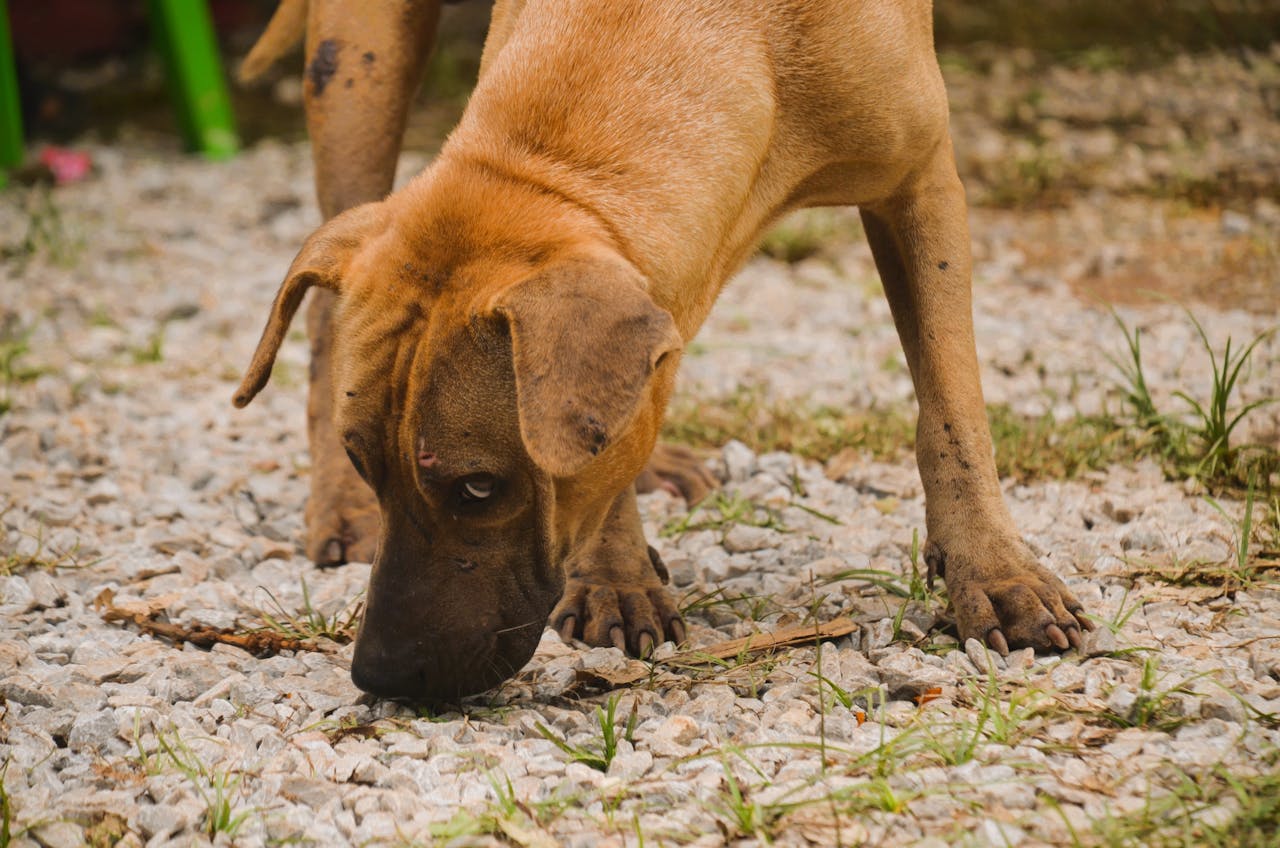
Abrupt, intense ground sniffing can be an escape hatch, not a sign of finding something fascinating. Dogs often drop the nose to break eye contact and buy time when social pressure feels too close, especially on leashes, in hallways, or during crowded greetings. People may tug the leash or insist on continuing, which removes a useful coping tool and can increase tension. Look at the whole picture: tight mouth, stiff shoulders, and quick glances that check the space. Allowing a calm retreat, then restarting with more distance and a softer approach, often prevents fear from piling up and keeps everyone settled.