As the golden glow of early cinema dimmed and multiplexes pulled crowds toward the suburbs, many historic theaters seemed destined to fade into memory. Some were stripped, some abandoned, and others lost entirely. Yet a handful persisted because people believed certain rooms were worth saving: rooms where ceilings shimmered with painted constellations and stages held generations of applause. Their survival was rarely guaranteed and often messy, shaped by local pride, careful fundraising, and the stubborn belief that a shared cinematic moment is still worth gathering for, even as entertainment shifts again and again.
Fox Theatre, Atlanta
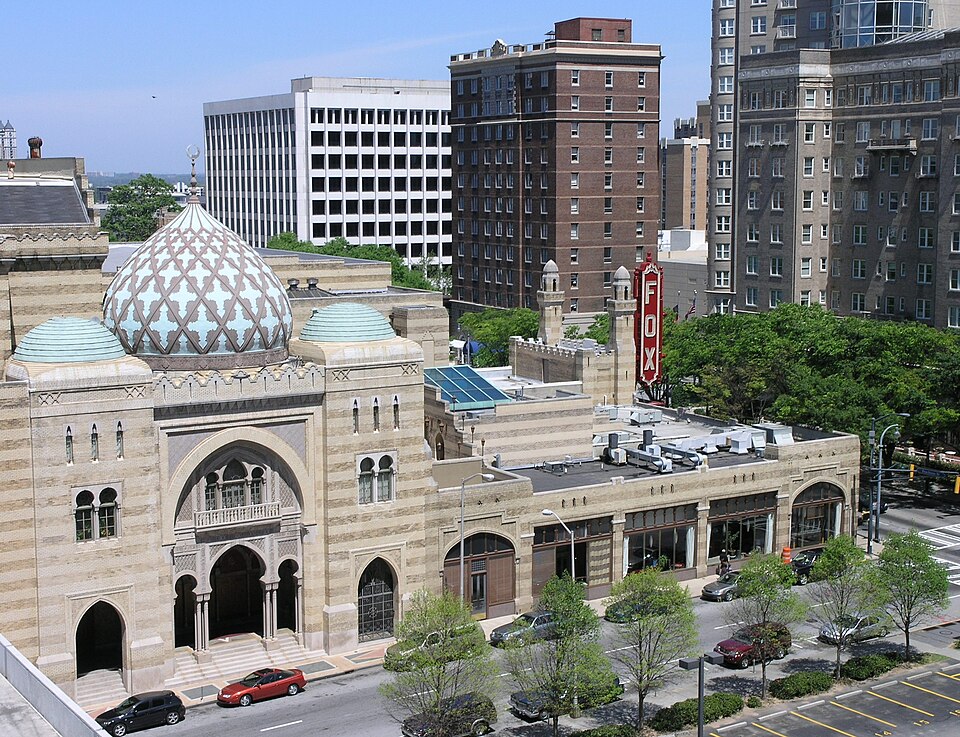
The Fox Theatre survived because Atlanta refused to let a landmark with such character be traded for convenience. The building, originally designed with layers of ornate detail, had fallen into disrepair when demolition notices drew fierce community pushback. Volunteers, donors, and small business owners rallied with a determination that surprised even city leaders, insisting the space was too woven into Atlanta’s identity to lose. Once restored, the Fox balanced film screenings with concerts, graduations, comedy shows, and touring productions, allowing it to operate with a mix of revenue streams that kept the lights on. Its presence now feels less like nostalgia and more like proof that a city can carry its history forward when people care enough to intervene.
Castro Theatre, San Francisco
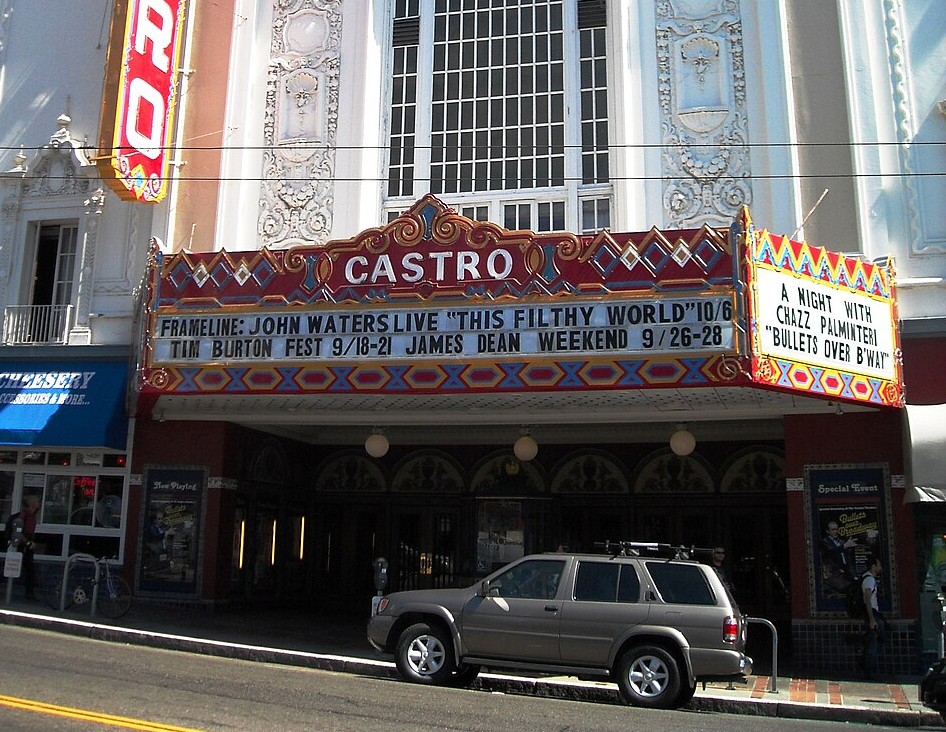
San Francisco’s Castro Theatre held on because its neighborhood never stopped seeing it as a gathering place. During lean decades when single-screen houses were closing across the country, the Castro built loyalty by programming events that honored film craft and community culture. Festivals, sing-alongs, and repertory seasons filled seats even when mainstream releases struggled to compete with home entertainment. The massive organ became part of its identity, transforming screenings into events rather than transactions. Preservationists and longtime patrons worked together to protect not only the building but the sense of shared ritual that comes with watching a story unfold in a room filled with strangers. The theater’s survival reflects a rare alignment of architecture, community, and memory that refuses to be replaced by convenience.
Radio City Music Hall, New York City
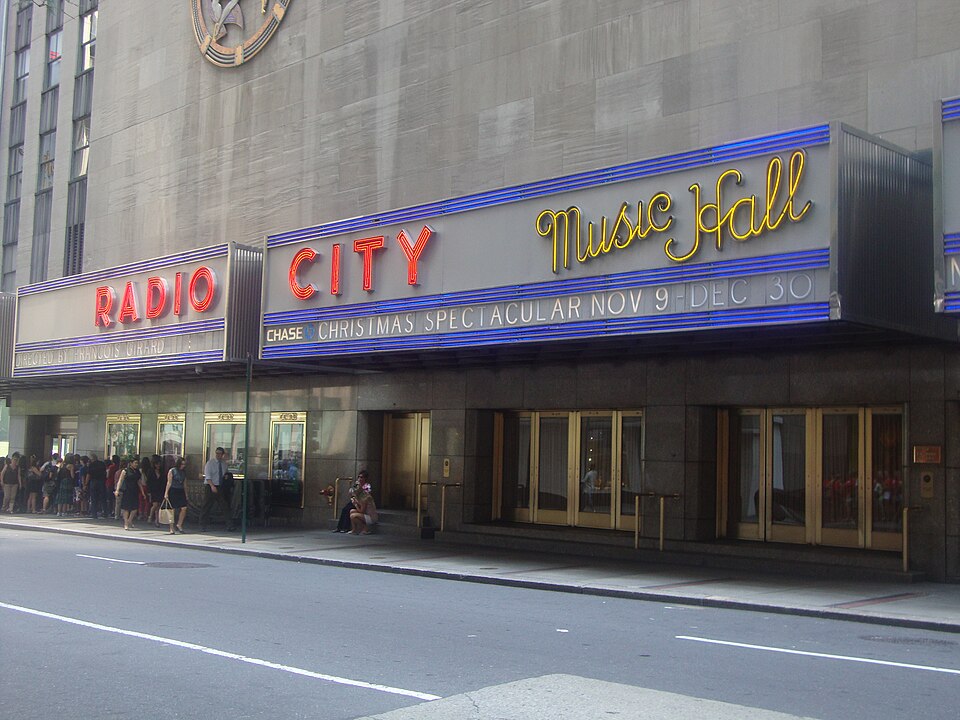
Radio City Music Hall nearly slipped into irrelevance when television altered audience habits and large-scale stage productions lost footing. What saved it was the recognition that no other venue combined size, acoustics, and visual storytelling in quite the same way. Rather than reduce it to a relic, planners leaned into its scale and restored details that had been allowed to dull over time. They then rebuilt its purpose around special events, seasonal productions, and carefully chosen concerts that filled seats year round. Its renewed life relied on positioning the hall as a place where spectacle feels intentional rather than nostalgic. Today its survival speaks to how an architectural icon can regain relevance by being programmed with care rather than treated as a museum piece.
Egyptian Theatre, Hollywood
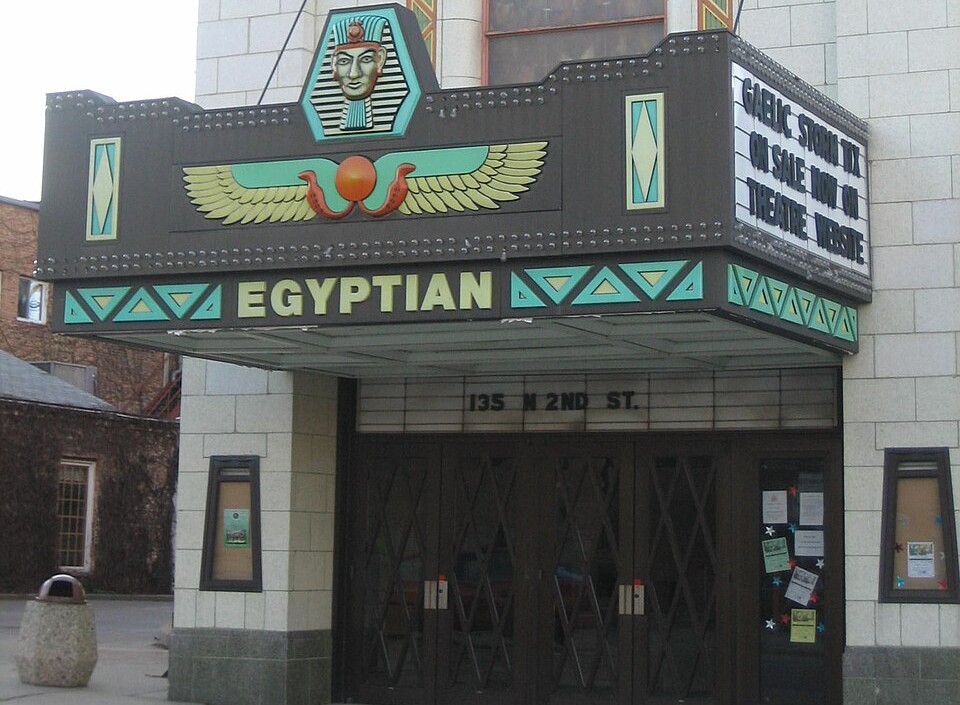
The Egyptian Theatre’s survival owed as much to cultural memory as it did to strategic planning. Hollywood’s earliest premieres once filled its courtyard, yet the building eventually sat underused until preservationists sounded alarms. What followed was patient restoration and a shift toward programming that honored film history with rare prints, filmmaker talks, and archival screenings that could not be duplicated in multiplexes. That approach redefined the theater not as a competitor in mainstream exhibition but as a steward of cinematic heritage. The Egyptian now serves scholars, students, and cinephiles who want a space that respects film as an artifact. Its rescue stands as evidence that an old building can thrive when its purpose aligns with its story.
Orpheum Theatre, Los Angeles
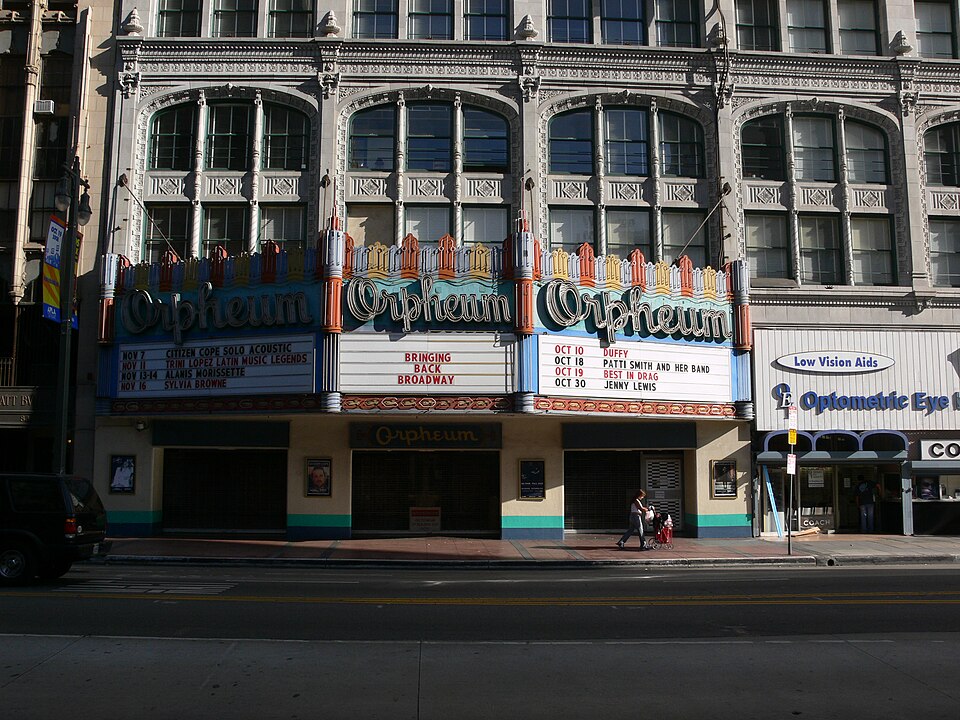
The Orpheum Theatre endured because stakeholders saw long-term value in restoring a venue capable of anchoring a changing downtown. After decades of uneven use, decision-makers prioritized repairing its architecture and sound systems so the building could support a wide range of events beyond film alone. Concerts, comedy, and touring productions now fill the calendar, giving the theater steady revenue without erasing its cinematic roots. The space still hosts screenings, yet it no longer depends solely on them; instead, it acts as a versatile cultural engine that contributes to the neighborhood’s revival. Its success shows how historic theaters survive when they embrace variety without discarding the craftsmanship that made them special.
Paramount Theatre, Oakland
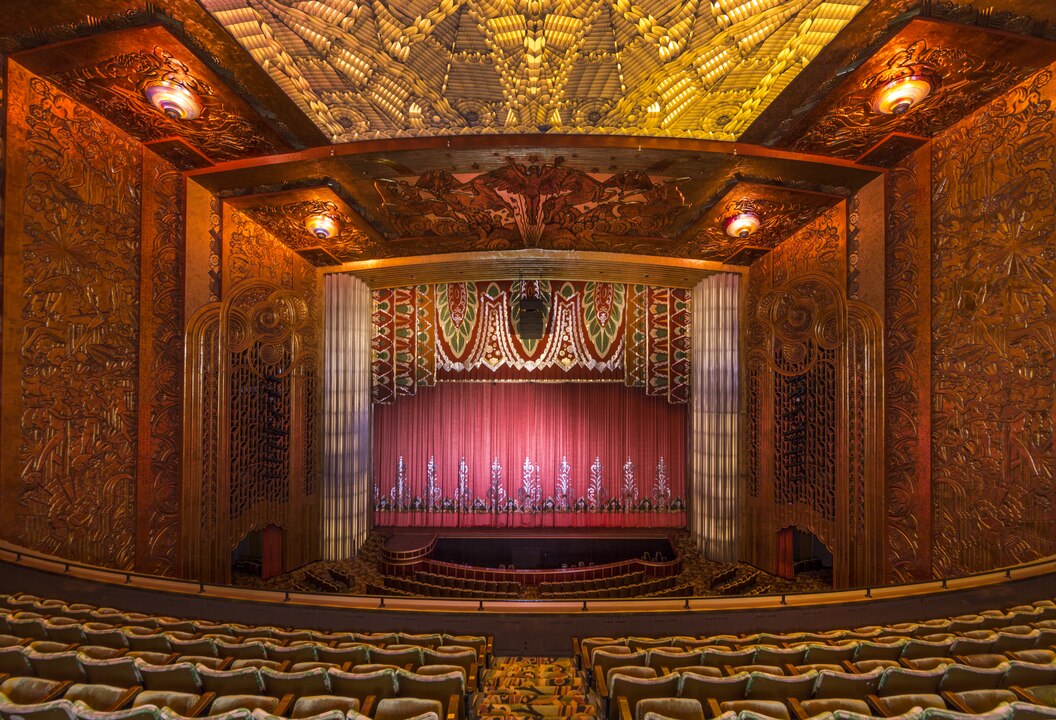
The Paramount Theatre in Oakland was preserved because residents decided the space mattered more than any short-term development project. During the push for demolition, advocates argued that its Art Deco details, massive auditorium, and community presence were irreplaceable. Fundraising, municipal backing, and meticulous restoration brought the building back to life. The programming that followed adopted a blended model: classic film nights, civic ceremonies, and concerts that allowed the space to feel both grand and accessible. It became a place where schoolchildren, lifelong residents, and visitors could share the same sense of occasion. That breadth of use helped the Paramount remain financially stable while giving Oakland a gathering place rooted in shared history.
Tampa Theatre, Tampa
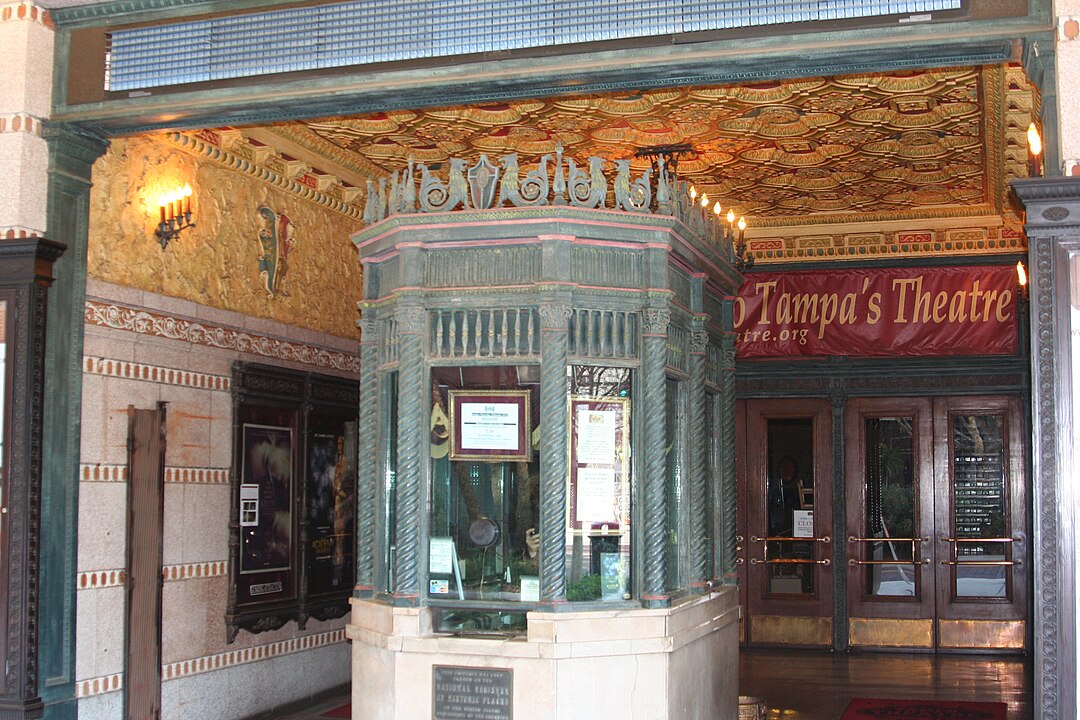
The Tampa Theatre survived through a combination of imagination and loyalty. When economic shifts threatened its future, local supporters organized campaigns that treated the building as an essential part of the city’s cultural landscape rather than a disposable entertainment venue. Its Moorish Revival interior, with its twinkling ceiling and courtyard-like design, made it too enchanting to lose. The team behind its revival programmed eclectic seasons with classic films, special events, and community rentals that kept people returning not out of nostalgia alone but because the experience felt meaningful. The Tampa Theatre proved that even in a smaller city, a historic screen can thrive when residents feel personal responsibility for its preservation.
Music Box Theatre, Chicago
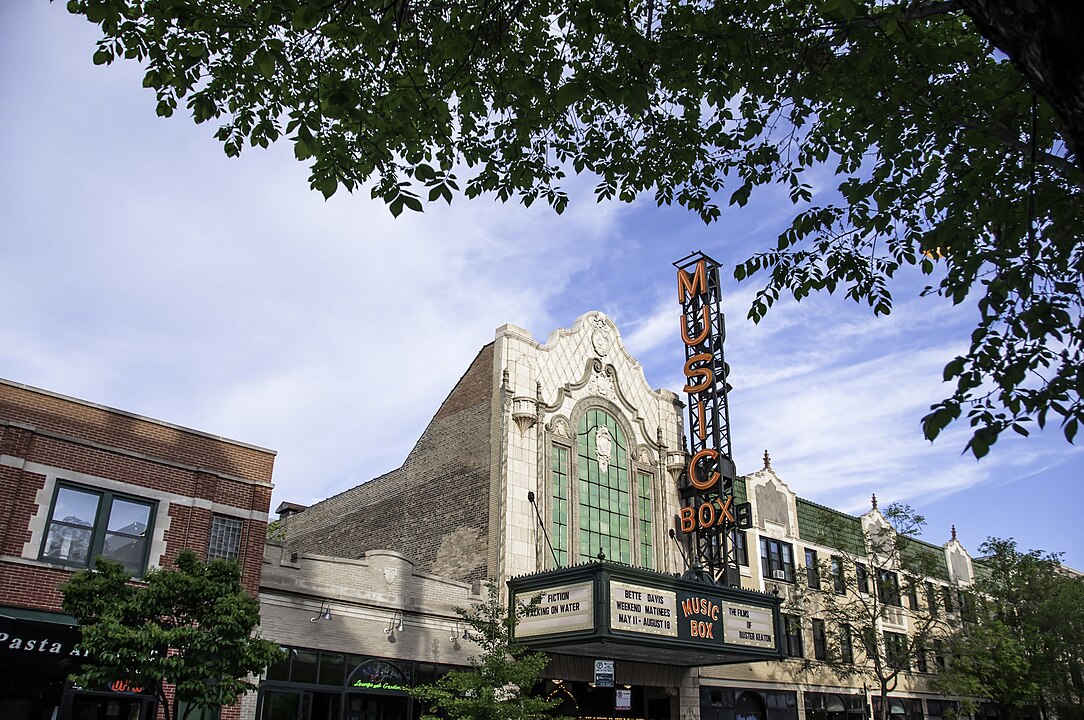
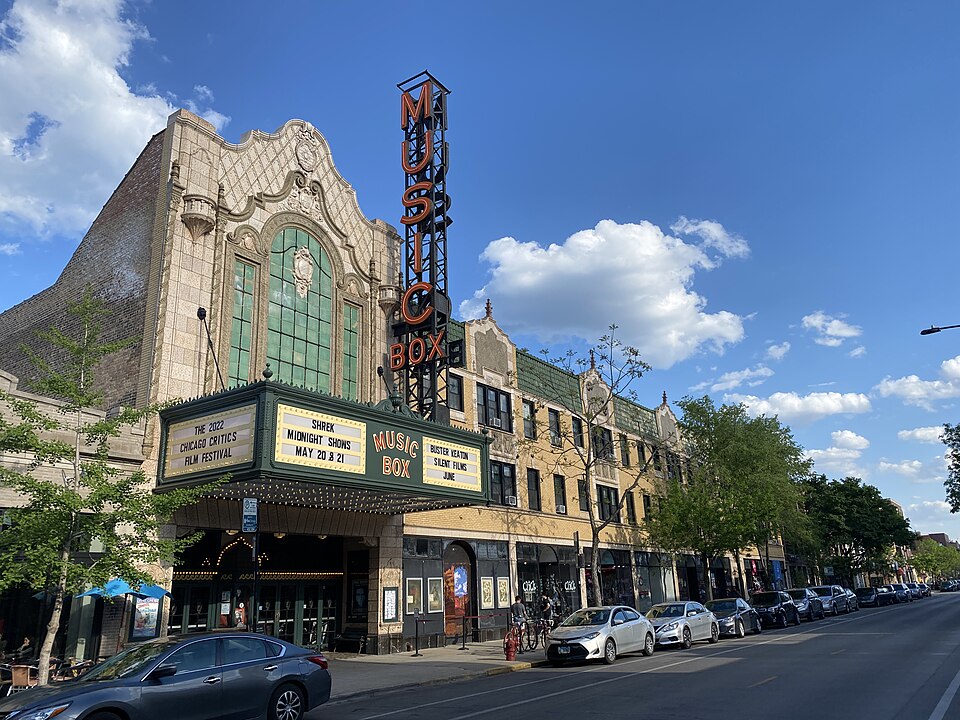
Chicago’s Music Box Theatre endured droughts in distribution and waves of industry change by cultivating a deeply loyal audience that valued thoughtful curation. Instead of chasing trends, programmers built a reputation for director retrospectives, foreign films, cult classics, and festivals that felt tailored rather than mass-produced. The intimate auditorium and vintage projector setup turned screenings into experiences that could not be replicated by larger chains. Over time, partnerships with local organizations, schools, and critics strengthened its place in the city’s cultural network. Its survival is a testament to how a theater can thrive when it embraces its quirks, trusts its audiences, and treats filmgoing as a shared conversation rather than a transaction.