Some destinations treat a drink in the open air or a quick cigarette on the sidewalk as part of daily rhythm. Others see it as disorder, disrespect, or a public health concern and enforce the rules quietly but firmly. The difference matters most during long travel days, when a walk turns into a pause, or a celebration spills outdoors without much thought. These places are not hostile to enjoyment. They are protecting shared spaces, religious customs, or fragile crowd balance. Understanding those boundaries helps visitors relax, blend in, and keep memories focused on atmosphere, culture, and place rather than an unexpected fine or confrontation.
Singapore, Especially Liquor Control Zones
Singapore restricts public drinking late at night. Alcohol consumption in public places is banned from 10:30 p.m. to 7 a.m., with stricter rules in Liquor Control Zones such as Little India and Geylang during weekends and holidays. Retail takeaway sales follow the same time limits, closing off casual loopholes. Public places can include shared corridors or open areas that feel semi-private. Enforcement is clear and consistent, with posted signs and routine patrols. Planning ahead matters here: drinks stay indoors, gatherings stay orderly, and the city’s calm nighttime flow remains intact for residents and visitors alike.
Dubai, United Arab Emirates
Dubai permits alcohol only in licensed venues such as hotels, bars, and private clubs. Drinking in public or appearing intoxicated outside those spaces can lead to fines, arrest, or detention. Beaches, sidewalks, parking areas, and street corners all count as public space, even during quiet hours. The city’s nightlife is polished, but transitions are where trouble often begins. Containers should remain sealed while moving between locations, and lingering outside venues with a drink is avoided by locals. During religious periods or family-heavy evenings, discretion becomes even more important.
Doha, Qatar
In Doha, alcohol consumption is confined to licensed hotels and private locations, and public drinking is illegal under all circumstances. Problems often arise during short walks between venues, parking areas, or waterfront promenades, where even brief possession can attract attention. Authorities treat violations as public order offenses, which can involve serious penalties. The social atmosphere favors calm evenings and private gatherings rather than visible nightlife. Visitors who keep celebrations indoors and transitions brief tend to experience the city as relaxed, welcoming, and culturally grounded rather than restrictive.
New York City, New York
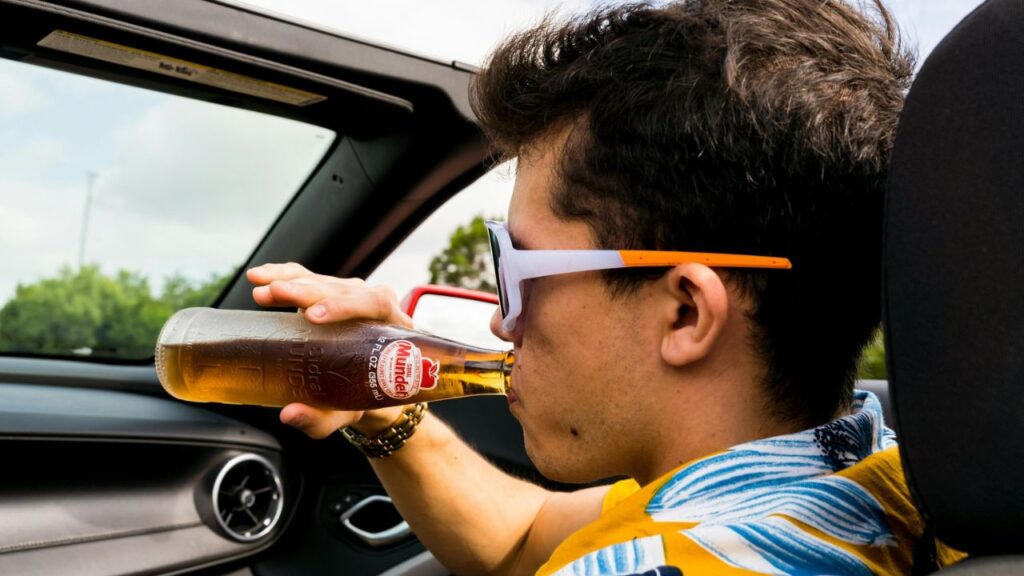
New York City’s energy can make the streets feel permissive, but open-container laws prohibit public alcohol consumption on sidewalks, in parks, on beaches, and in most outdoor public areas. Smoking and vaping are also banned in parks, beaches, boardwalks, and pedestrian plazas. That means a beer during a stroll or a cigarette on the sand can quickly result in a citation. Enforcement varies by area and time, but signs are posted and rules are enforced during busy seasons. Locals adapt by keeping drinks indoors and saving smoking for permitted private spaces.
Local Islands in the Maldives
The Maldives often appears carefree, yet alcohol is prohibited on local inhabited islands. Public beaches, streets, ferry docks, and guesthouse surroundings all fall under this rule. Alcohol is allowed only within licensed resorts or safari boats operating separately from local communities. Travelers staying on local islands sometimes misjudge this divide, especially during sunset walks or beach picnics. The system reflects religious and cultural norms rather than tourism limits. Respecting that separation allows visitors to enjoy both resort indulgence and local island life without friction.
Brunei Darussalam
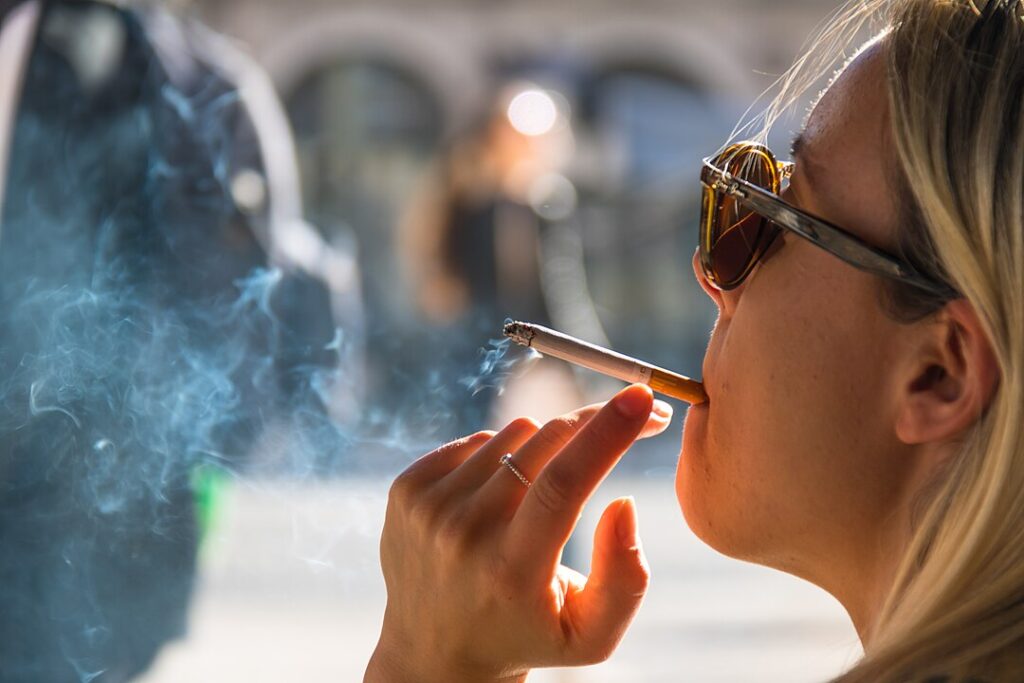
Brunei maintains strict standards around alcohol and tobacco. Alcohol is not sold, and public drinking is prohibited. Non-Muslims may import limited quantities for private consumption, but drinking in public spaces such as parks, streets, or beaches is not allowed. Tobacco sales are also restricted, reinforcing the country’s clean and orderly public environment. Social life centers on markets, mosques, and waterfront walks, where calm behavior signals respect. Visitors who keep personal habits private often find Brunei’s pace soothing, with evenings shaped by conversation, food, and river views.
Saudi Arabia
Saudi Arabia enforces some of the world’s strictest alcohol laws. Public drinking is not permitted, and alcohol remains largely absent from everyday public life. While limited regulatory changes exist for specific groups, visitors should not expect visible or tolerated alcohol consumption outside controlled settings. Enforcement can be severe, making caution essential. Social gatherings rely on coffee traditions, shared meals, and late-night promenades rather than drinking culture. Travelers who embrace those rhythms often discover a warm hospitality rooted in ritual, generosity, and shared public space.