Christmas has always been a moving target, shaped as much by weather, work, and politics as by faith. Some customs burned bright for a few generations, then vanished when city streets replaced hearths, when new laws tamed rowdier nights, or when modern December schedules left less room for communal ritual. What remains is often a postcard version: a tree, a carol, a gift, a meal. Behind it sits a quieter archive of practices that once felt normal, from mischief-led courts to orchard ceremonies and parlor games that flirted with danger. These traditions did not disappear because people stopped caring. They faded because life changed, and the holiday changed with it, almost without anyone noticing at the time.
The Lord of Misrule
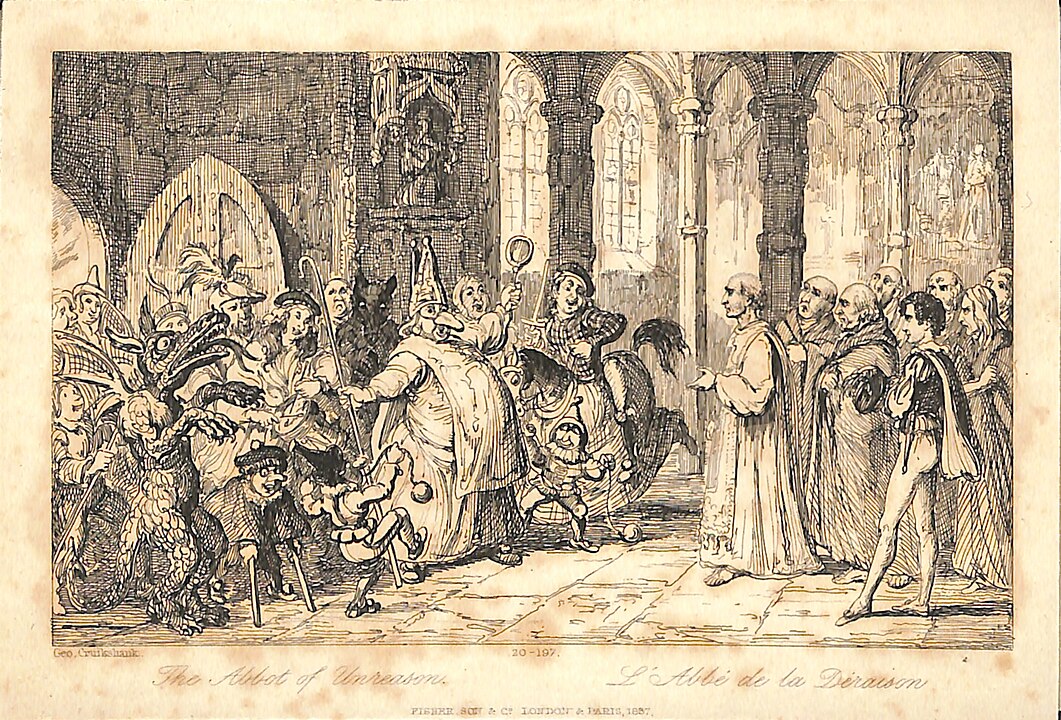
For late medieval and Tudor households, Christmas could arrive with a crowned troublemaker whose job was to flip the social script. The Lord of Misrule was appointed to run revels, call for masks and music, order dice games and mock proclamations, and keep the feasting loud enough to feel like permission. In great houses and at the Inns of Court, the role let servants and students play at power, if only in parody, before returning everyone to their places. As elites and clergy grew less patient with public disorder, the office slid out of fashion and became a footnote of a season once willing to bless a little mayhem.
The Yule Goat As a Gift-Bringer
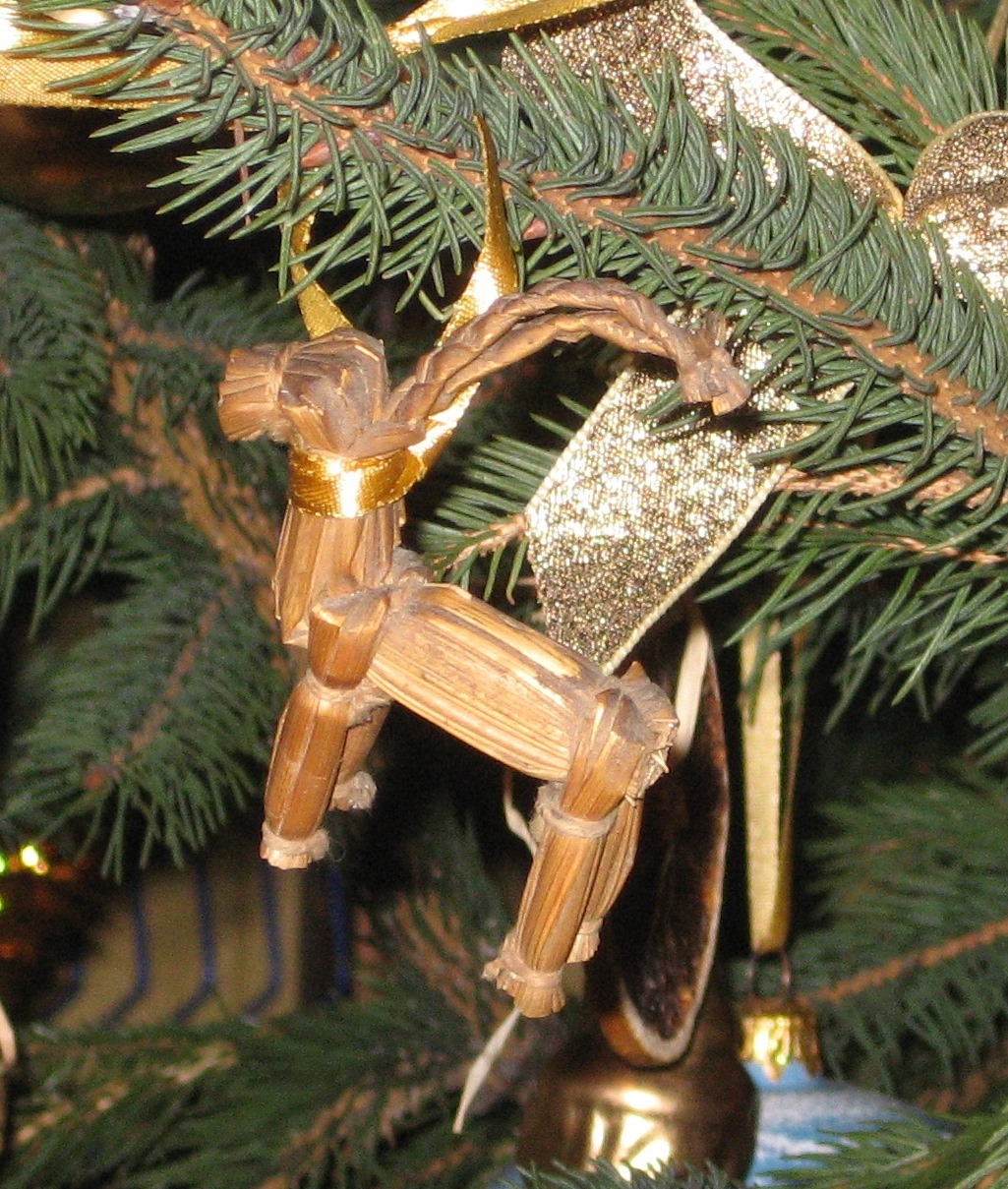
In parts of Scandinavia, the figure behind the presents was once not Santa at all, but a goat with older ties to harvest spirit and winter folklore. In older celebrations, a costumed Yule Goat could be rowdy or even frightening, turning up at doorways to sing, clown, and insist on offerings. Families later made the goat the gift-bringer by dressing someone up, then, over the late 1800s and early 1900s, Santa-like characters took over. What remained was décor: a straw Julbock under the tree, and a half-remembered prank of sneaking a goat into a neighbor’s home to pass the “curse” along. It felt mischievous, not museum-like.
Mummering and House-Visiting Plays
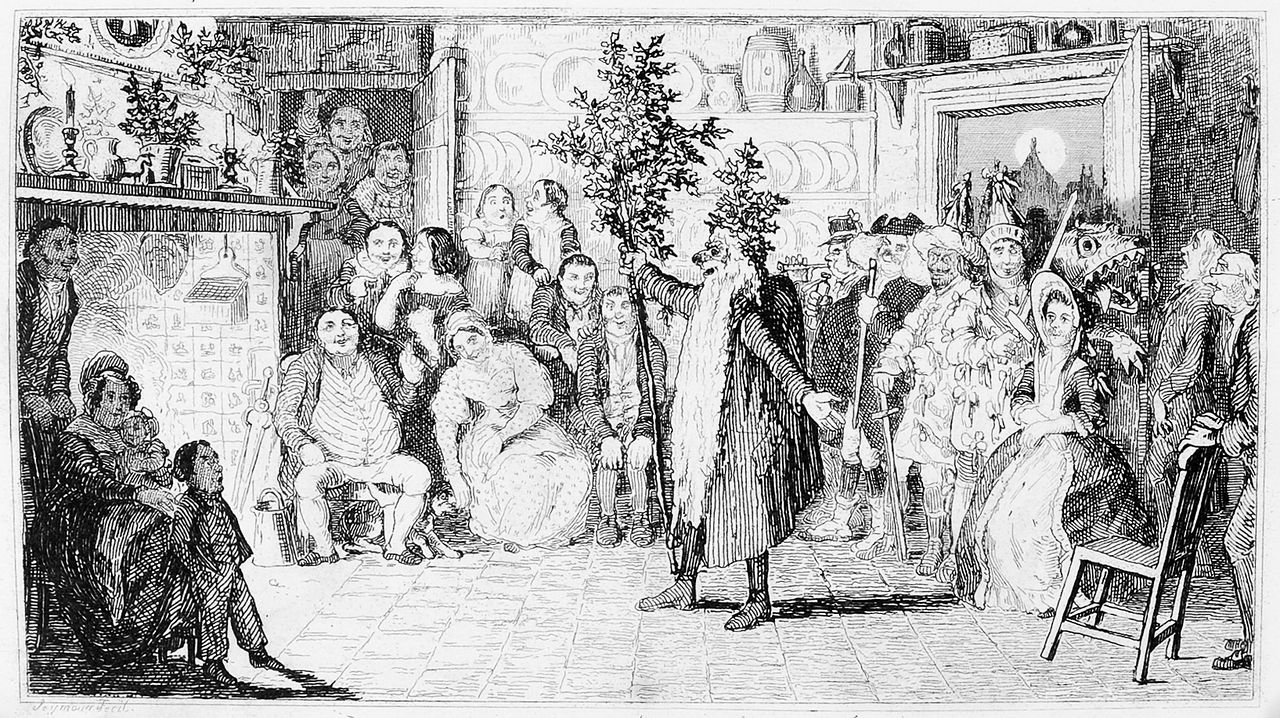
Before screens standardized holiday entertainment, some communities brought the show directly to the doorstep. Mummers, disguised under masks or stuffed clothes, visited homes during the 12 days of Christmas to dance, joke, sing, and stage folk dramas. To stay unrecognizable, they might cross-dress, pad their shapes, or speak strangely, while hosts tried to guess each identity before offering food and drink. Versions still surface in places like Newfoundland, Ireland, and parts of the U.K., yet the old assumption that a winter night could include surprise performers in the parlor has mostly faded away for many families.
Orchard Wassailing for the Next Harvest
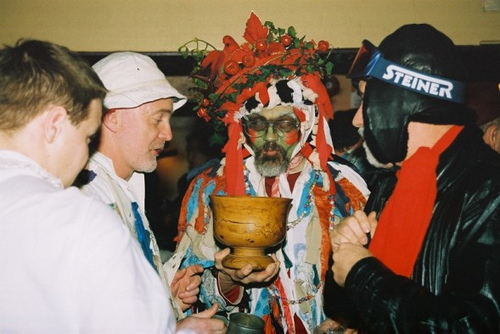
In cider country, Christmas season once stretched into noisy rituals meant to wake the land. Orchard wassailers processed to apple trees around Twelfth Night, carried a communal bowl, sang to the oldest trunk, and hung cider-soaked toast in branches for the robins, seen as friendly spirits of the trees. Some versions demanded maximum racket: pots and pans, shouted blessings of health, even a gun fired overhead to scare off whatever threatened the crop. Modern events keep the songs alive in some villages, but the certainty that next year’s apples depended on this winter visit has thinned into folklore more than necessity.
Frost Fairs on the Frozen Thames
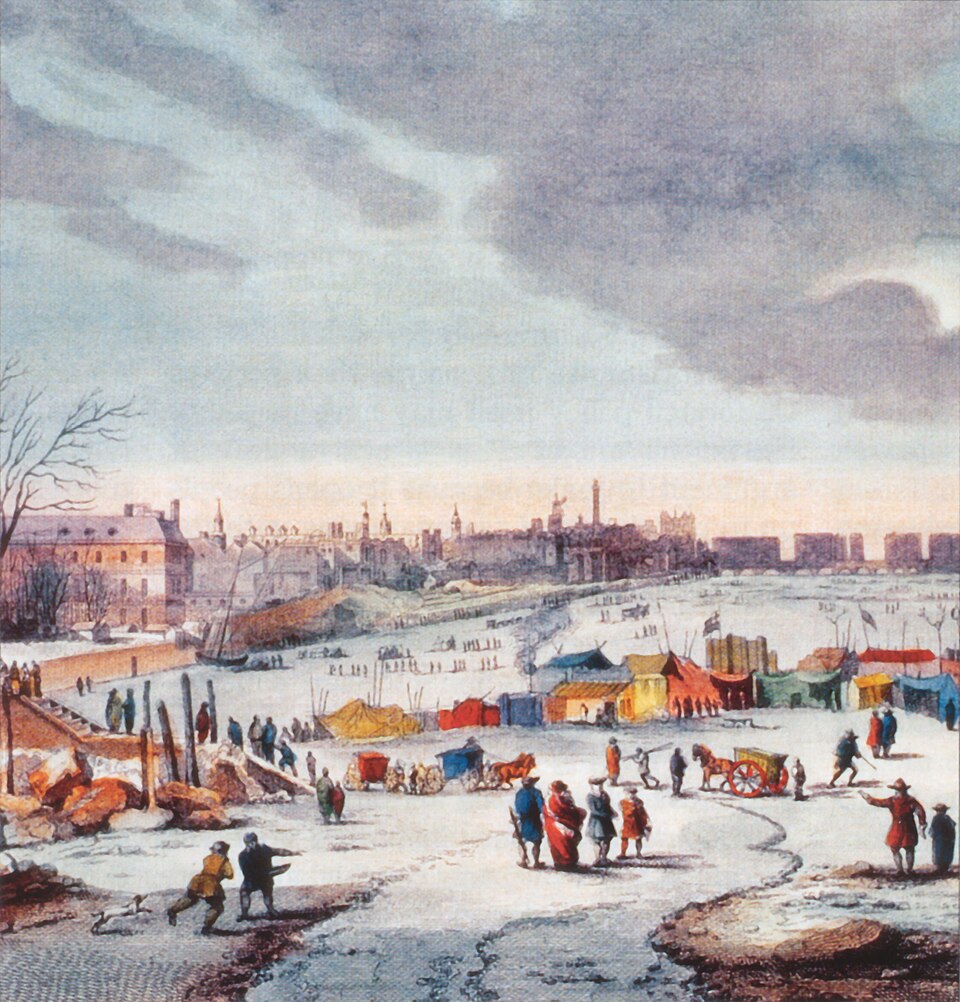
Londoners once treated a hard winter as an invitation, not just an inconvenience. When the River Thames froze thick enough during the Little Ice Age, crowds stepped onto the ice for frost fairs, where stalls sold hot food, pamphlets, and souvenirs printed on the spot. The last great fair in 1814 ran between Blackfriars and London Bridge, and reports describe an elephant being led across the frozen river for spectacle. As winters eased and the river’s flow was altered, the ice stopped forming safely, and a whole seasonal marketplace disappeared from London life. Its noise and smoke belonged to the water itself. Once.
Christmas Boxes for Workers and Tradespeople

In Britain, the day after Christmas was once tied to a practical kind of gratitude. Tradespeople and service workers could collect a Christmas box, a cash tip or small gift offered as thanks for a year’s steady help, while servants were often sent home with a box of leftovers and bonuses. Stories link the practice to church alms boxes and to households paying back the unseen labor that kept winter running. Old references reach back centuries, including a note in Samuel Pepys’ diary. As work patterns and tipping norms changed, the custom thinned into an occasional gesture rather than a shared expectation in many streets.
Christmas Eve Ghost Stories by the Fire
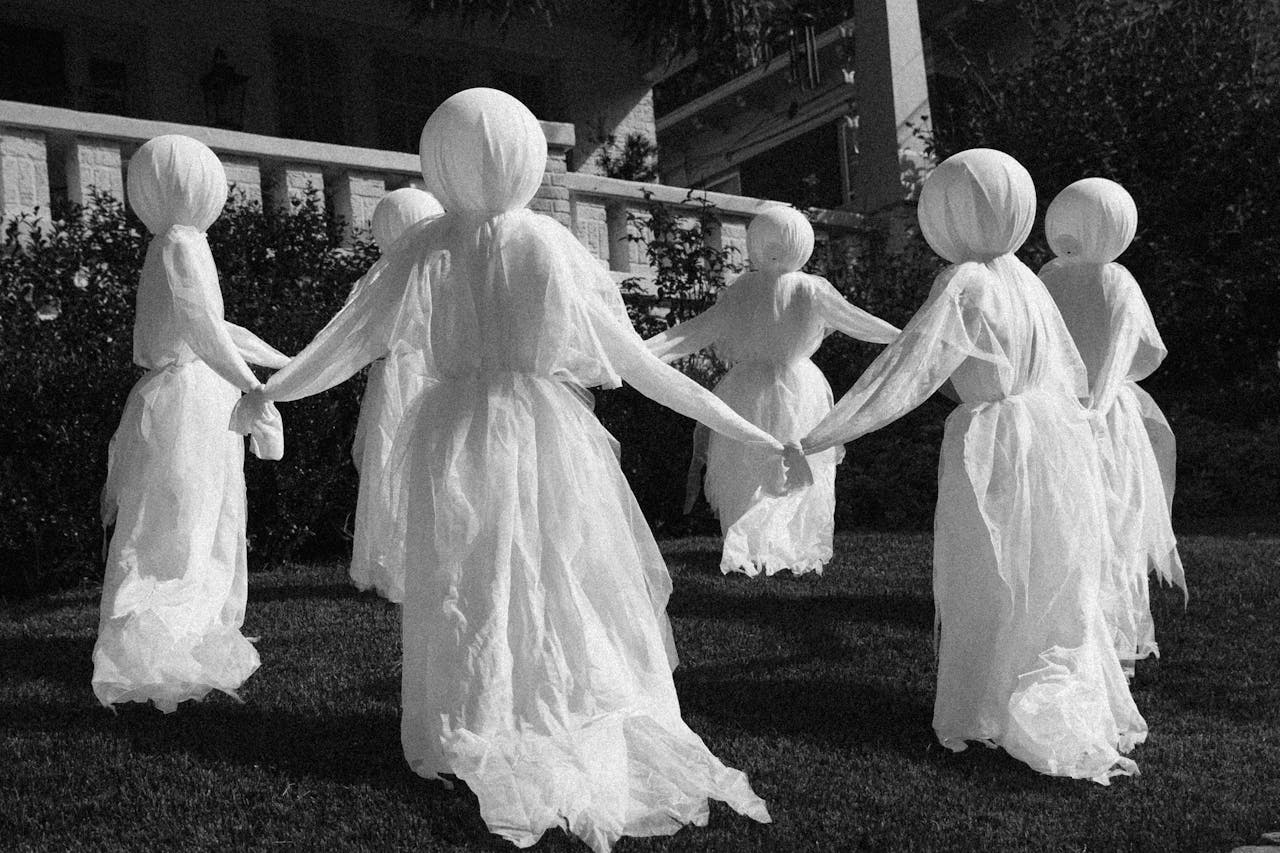
For Victorians, the coziest part of Christmas could be the chill down the spine. Long, dark evenings invited shared suspense, and many middle-class households often ended Christmas Eve with a round of ghost stories, sometimes read aloud from seasonal annuals and magazines. Charles Dickens both fed the appetite and helped redirect it, using supernatural plots like “A Christmas Carol” to steer fear into compassion and second chances. The habit never vanished completely, but as electric light, radio, and TV took over the living room, the expectation of a formal Christmas-night story circle quietly thinned for decades.
Snapdragon, the Flaming Parlor Game

A Christmas parlor game once asked players to reach into fire and laugh about it afterward. In snapdragon, raisins floated in a shallow bowl of warmed brandy that was set alight, and guests snatched the fruit from blue flames before popping it into their mouths. Some households treated it like fortune-telling: the most daring player might win a year of luck, love, or a reward for catching a special raisin. It looked magical in a dark room, but it also meant burned fingers and singed lips. As safety sensibilities hardened, the tradition dwindled, surviving mostly as a line in Victorian reminiscence and old dictionaries.
The Kissing Bough at the Doorway

Mistletoe gets the spotlight now, but older homes often hung a full sphere of greenery, known as a kissing bough or kissing ball. In medieval England and Scotland, vines were wound into a globe and dressed with evergreens, herbs, and sometimes fruit, then hung above the doorway as a sign of welcome; some even tucked a small figure of the infant Jesus inside. As store-bought décor took over, the custom shrank into a single sprig indoors, and the richer doorway bough, with its winter scent and layered meaning, slipped from everyday Christmas ritual, along with the habit of greeting visitors at the threshold by candlelight.
The Hunting of the Wren on Dec. 26
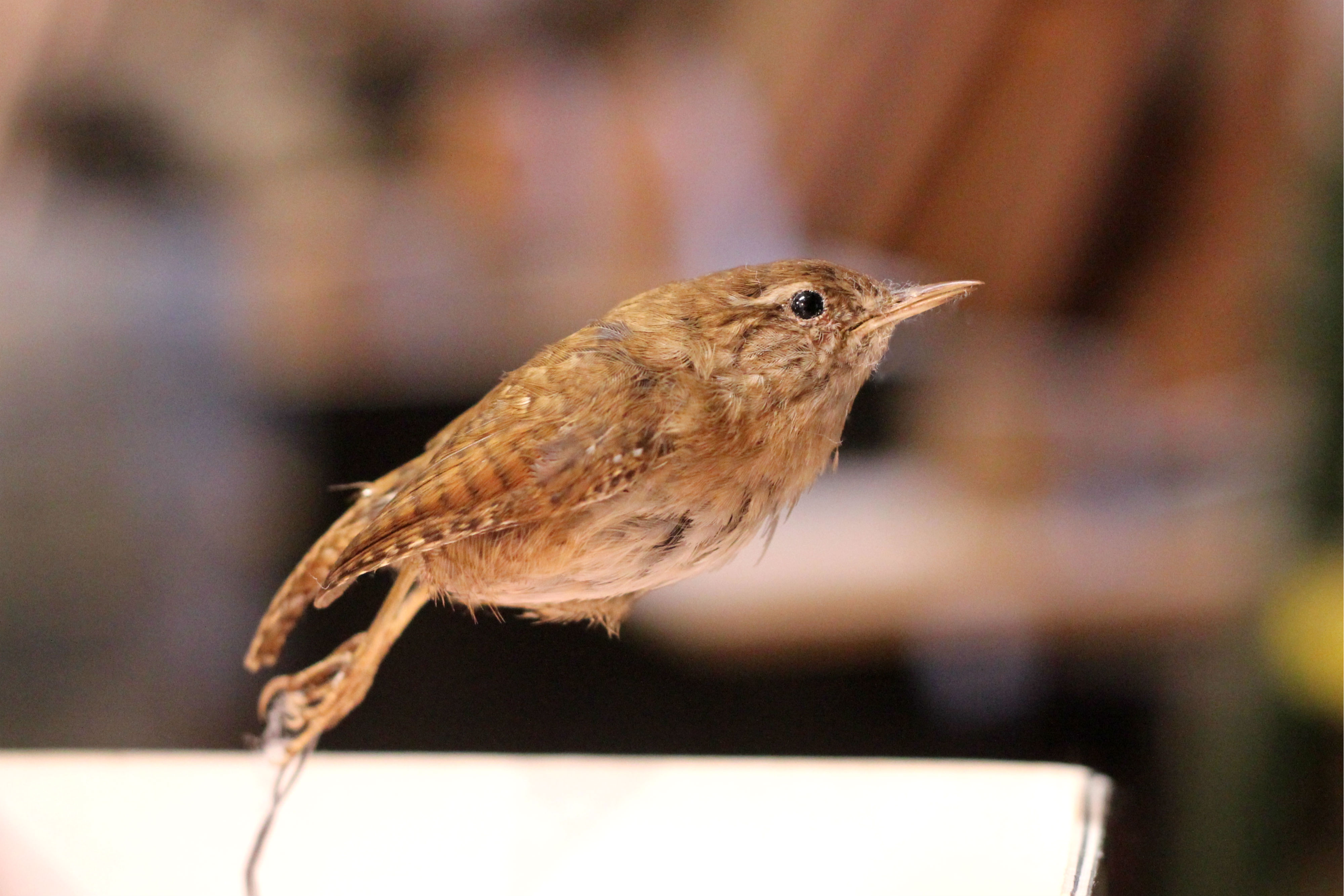
St. Stephen’s Day, Dec. 26, once carried a strange, grim pageant in parts of Ireland and beyond. Groups of youths hunted a wren, fixed it to a wren bush, or carried it boxed and caged, then went door to door with music, costumes, and ribbons to collect coins for the privilege of seeing it. The wren was treated as a tiny king for the day, a short-lived reversal that echoed older winter misrule. Over the 20th century the practice withered, surviving mainly in memory and folk songs as attitudes toward wildlife, cruelty, and public spectacle changed. The calendar kept the date, but the ritual slipped away in some towns.