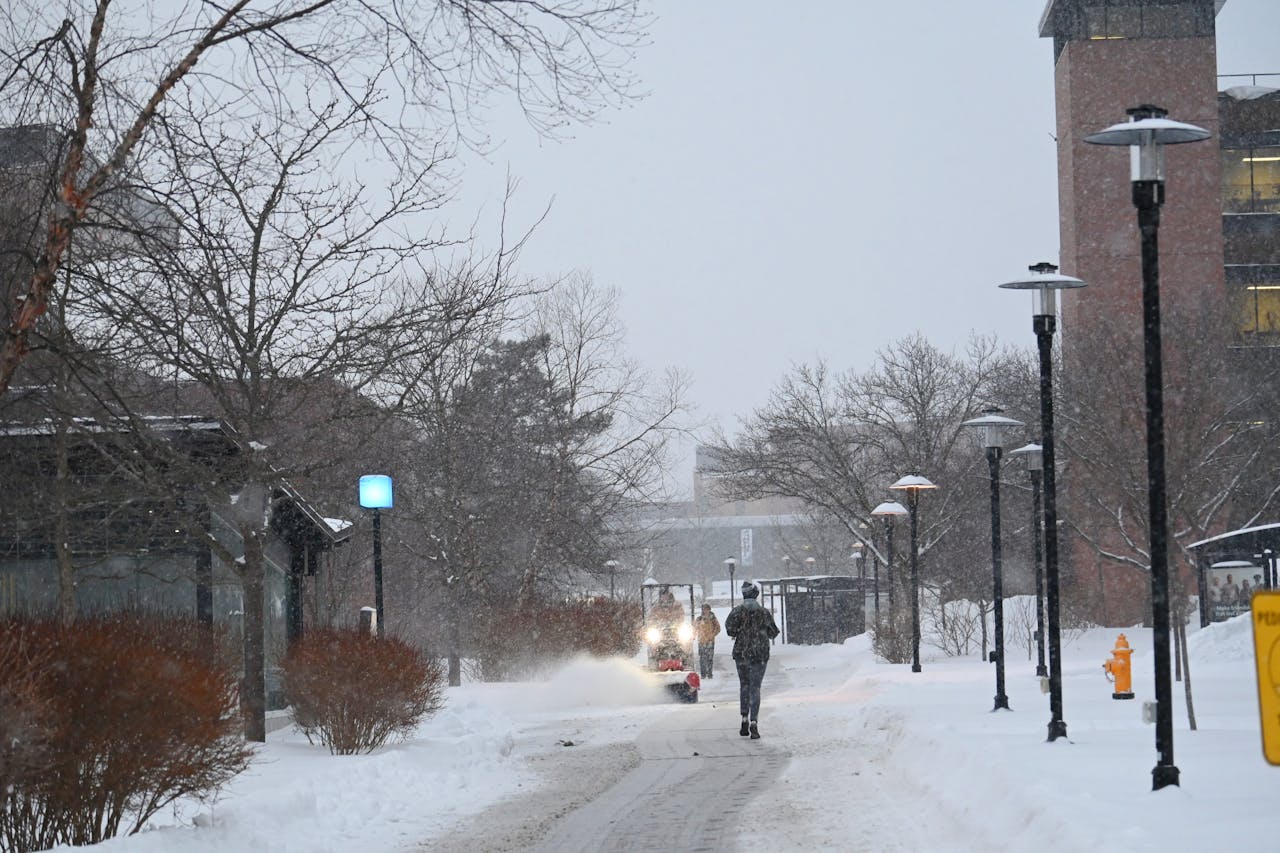
Late Jan. 2026 proved how quickly winter can corner a household. A storm the Weather Channel deemed historic spread snow and ice across 34 states, affecting about 220 million people, closing schools and businesses, and disrupting travel. Many homes had a shovel and maybe a blower, yet plenty were caught off guard: a recent move, a landlord assumption, or a shovel that broke on dense, wet snow. When the path to the door disappears and tires spin in place, panic is easy. A calmer plan helps: clear a narrow lane, protect surfaces, and buy time with quick, low-effort moves until crews and plows catch up before dark sets in.
Make the Call Before Improvising
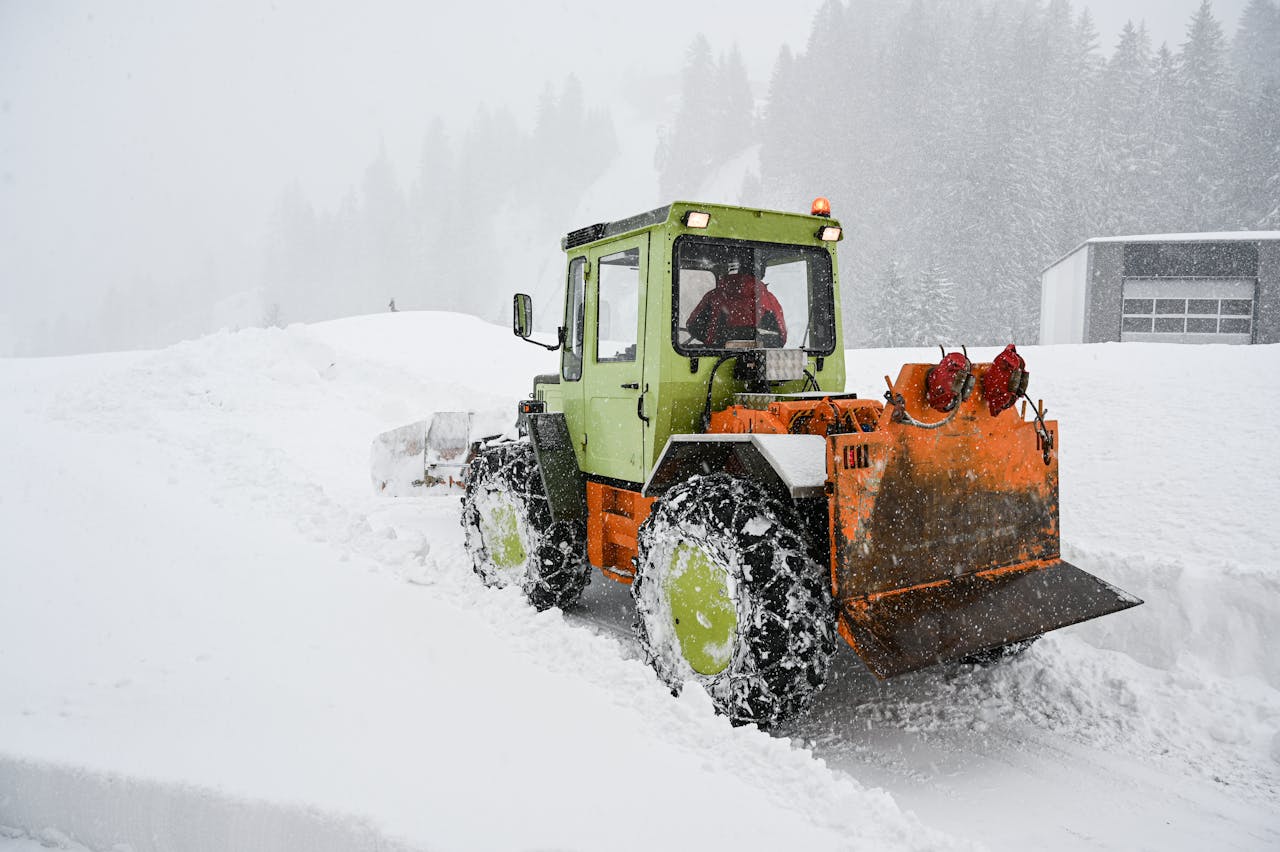
Before improvising, the fastest fix is often a phone call. A neighbor, building manager, or local plow crew can clear in minutes what takes an hour with makeshift tools, and a small payment can be cheaper than a strained back or a slip on refrozen slush. If everyone is booked, the call clarifies timing.
After a big storm, crews fill quickly, so early outreach matters. If help is limited, the ask can stay small: a narrow lane to the door, a cleared patch around the tires, and a clean edge at the street so later sweeping does not feel like digging through a wall. That first path also limits pooling that becomes overnight ice.
Sweep Powder With a Push Broom
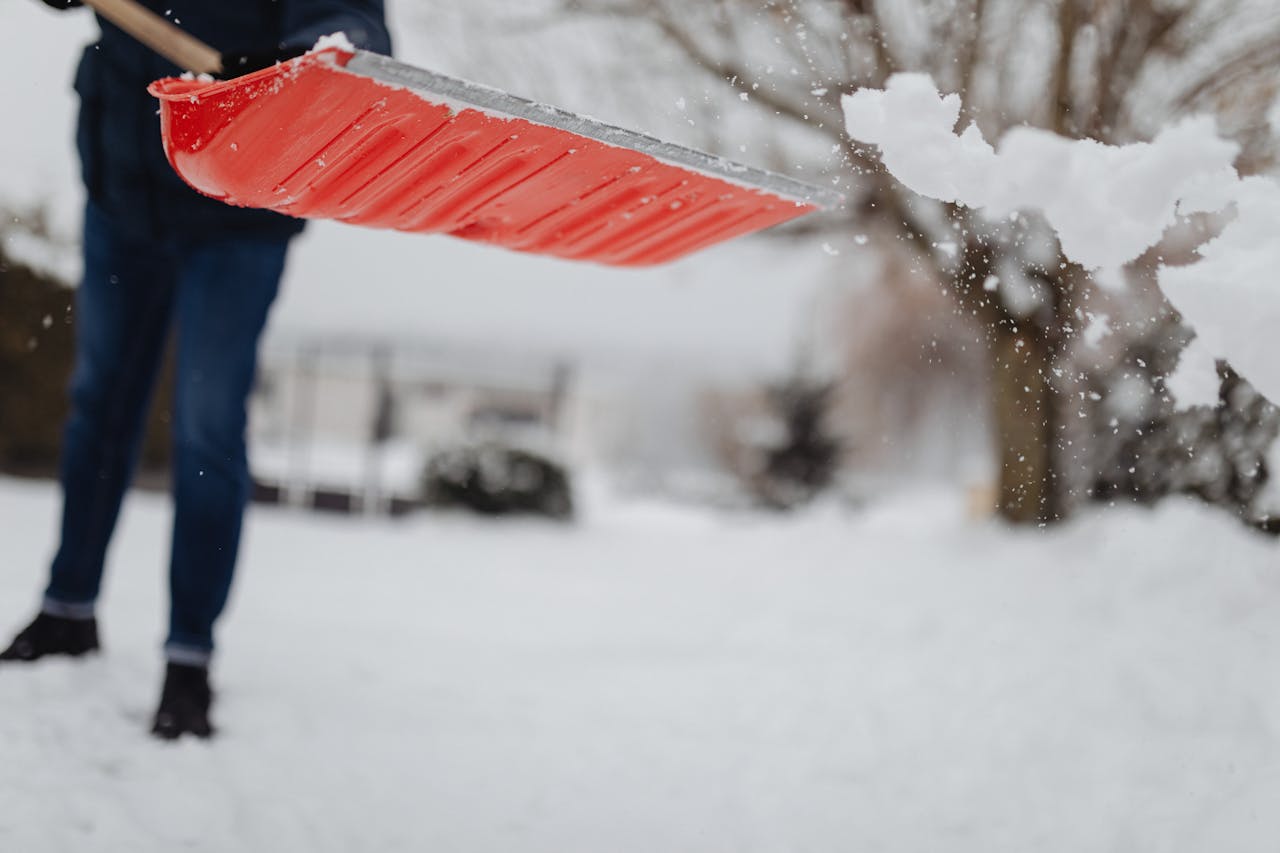
A broom is the classic stand-in for a shovel, and it works best on light, powdery snow. A wide push broom can sweep a sidewalk, porch, or short driveway lane quickly, building one controlled pile instead of scattering slush.
Care matters near vehicles. Softer bristles reduce the chance of scuffed paint, and short strokes help lift snow off windows and wiper wells without grinding gritty ice into the glass. Avoid sweeping loose gravel onto the path, since it turns the next pass into sandpaper.
A clean strip along steps and door seams helps meltwater drain away, lowering the odds of a glazed patch by morning after sunset.
Blow Light Snow Off Hard Surfaces
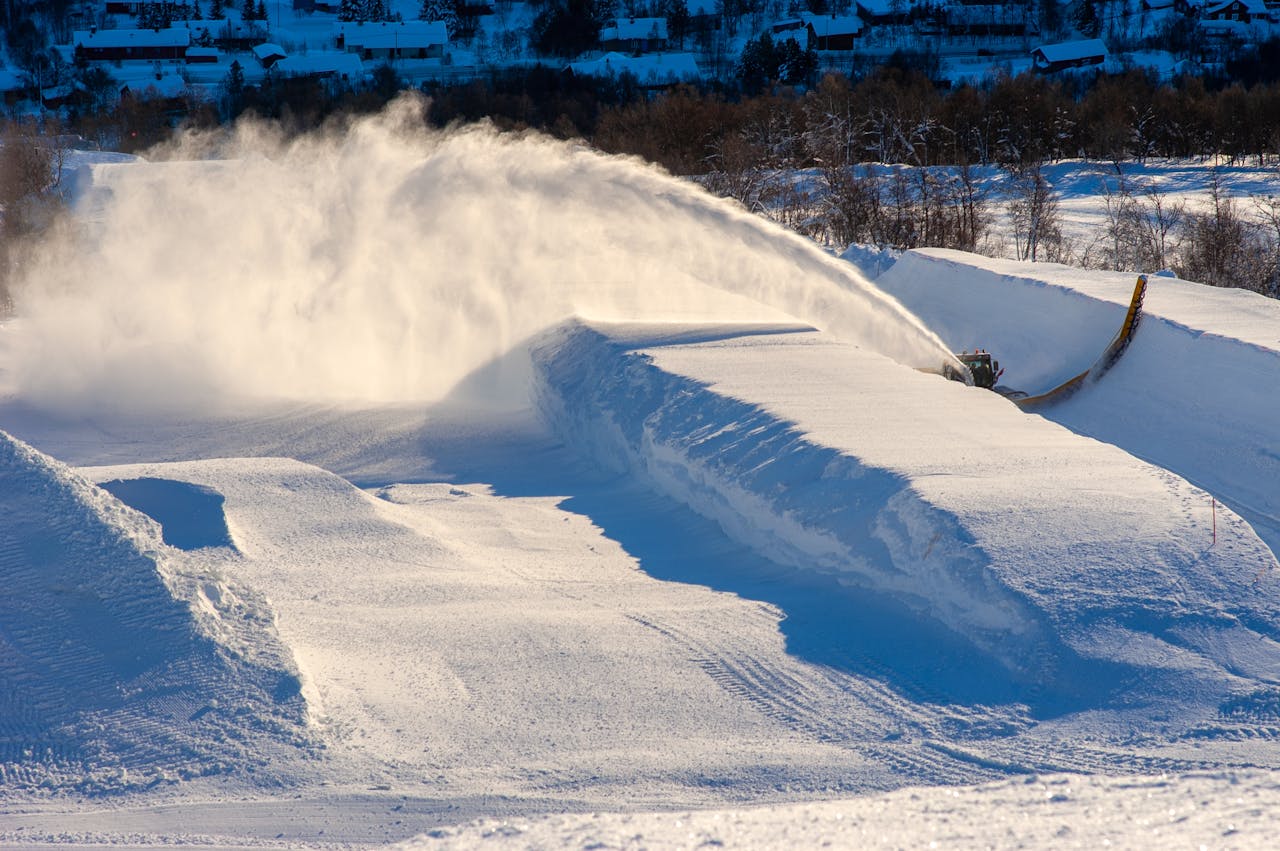
A leaf blower can move fluffy snow off hard surfaces faster than any hand tool, as long as the snow is light. It can clear steps, a short driveway strip, and even a windshield before wipers grind icy grit across the glass.
The trick is angle and control. Keeping the nozzle low pushes snow forward without blasting stones, and working with the wind prevents a cleared lane from refilling. Wet, heavy snow usually wins, so switching to sweeping or calling for help is the safer move when the surface turns slushy.
Cord management and dry gloves help avoid slips near outlets and extension connections during long storms.
Drag Snow Away With a Tarp
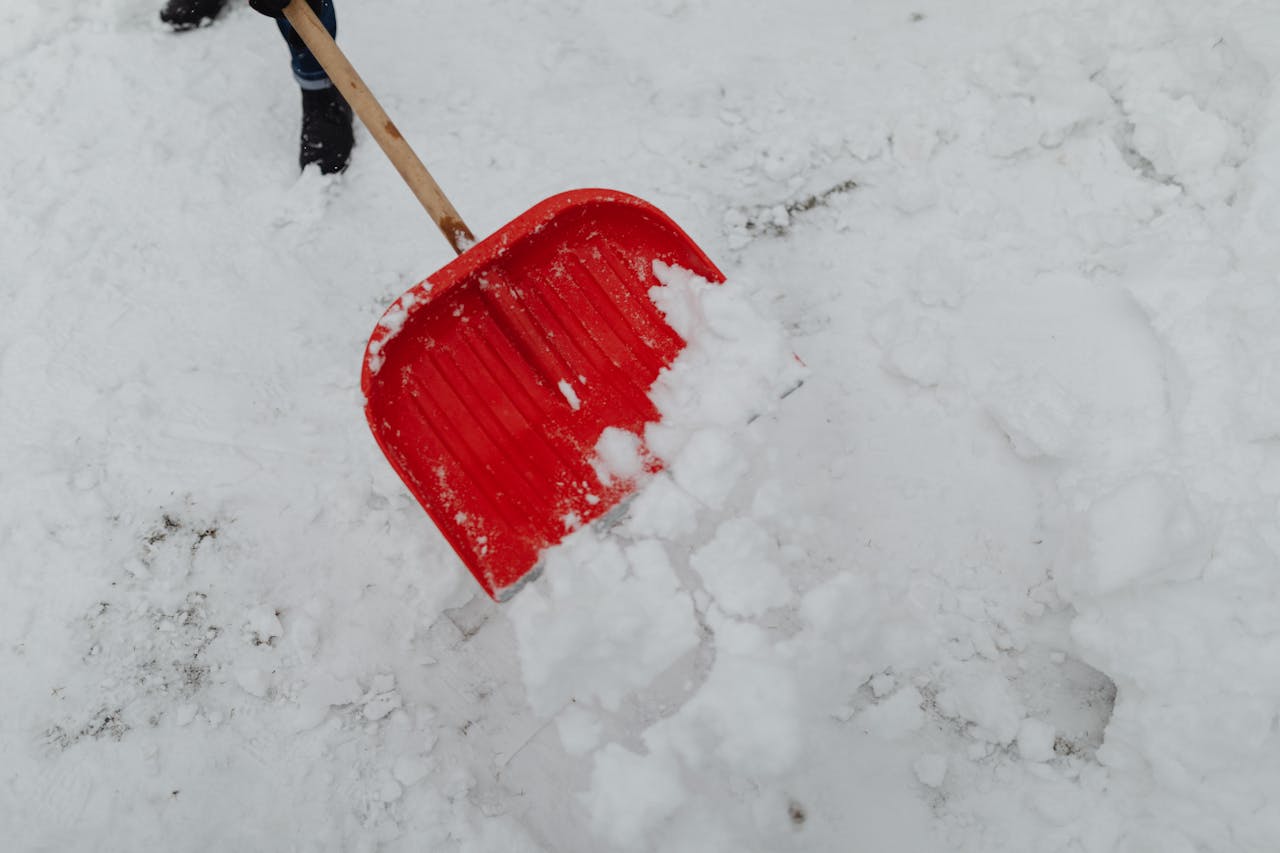
A large tarp can turn snow removal into one drag instead of dozens of scoops. Laid down before snowfall, it keeps snow from bonding to the surface, and after the storm the corners can be gathered and pulled to a dump spot. A thicker tarp slides better and resists ripping.
Even without prep, a tarp still helps shift a ridge away from a door, a garage seam, or a tight parking pad. Pulling in short bursts reduces tearing, and keeping the load shallow prevents snagging on concrete edges or frozen bumps.
Once the bulk is moved, a broom finish leaves less meltwater to refreeze into a hard crust. It is simple, but it saves energy.
Pre-Treat With Salt or Ice Melt
When there is warning time, salt or ice melt can do the hard work before clearing even begins. A light, even spread on sidewalks and driveway edges helps keep snow from bonding, so a broom or blower can finish the job with less effort.
Products differ by temperature range, and overuse can harm nearby grass and concrete, so restraint matters. Sweeping up extra pellets after melting reduces residue and protects paws. On steps and shaded corners, pre-treatment can prevent a thin film that turns into a surprise skating rink after sunset.
If the storm is already active, a small dose at the doorway can still soften packed footprints.
Use Plastic Household Tools for Small Scoops
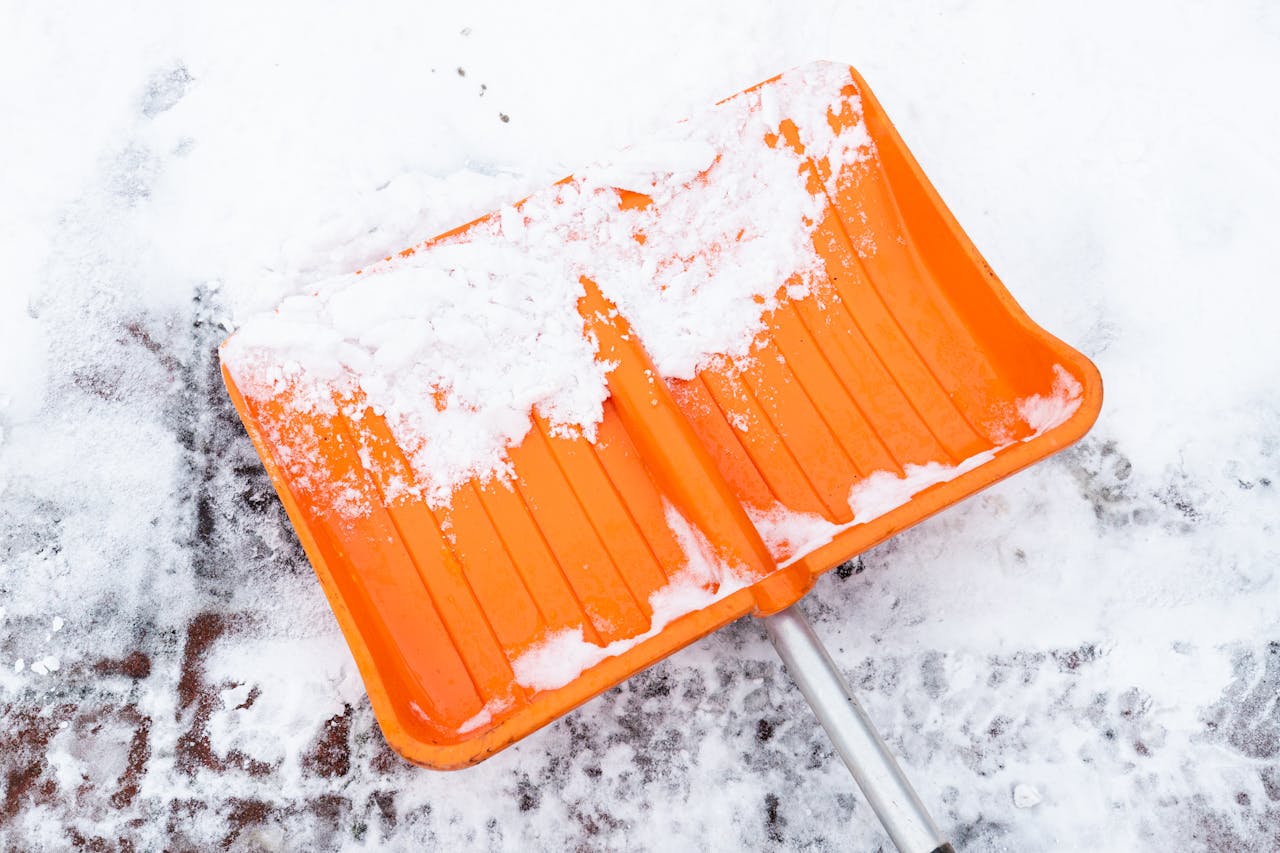
Plastic household tools can stand in for a shovel without gouging pavement. A sturdy dustpan, a storage-bin lid, or even a plastic sled can push and lift small loads from steps and around tires when the goal is just a clean lane. Keeping the edge flat reduces snags on cracks.
Metal edges and boiling water get suggested often, but both can backfire: metal can scratch surfaces and chip concrete, and hot water can refreeze into a harder sheet. Short, repeated pushes toward one pile usually beat one big heave, especially with wet snow.
Once the surface shows, a light sweep clears grit so boots and tires get better footing.
Build Traction for a Quick Exit
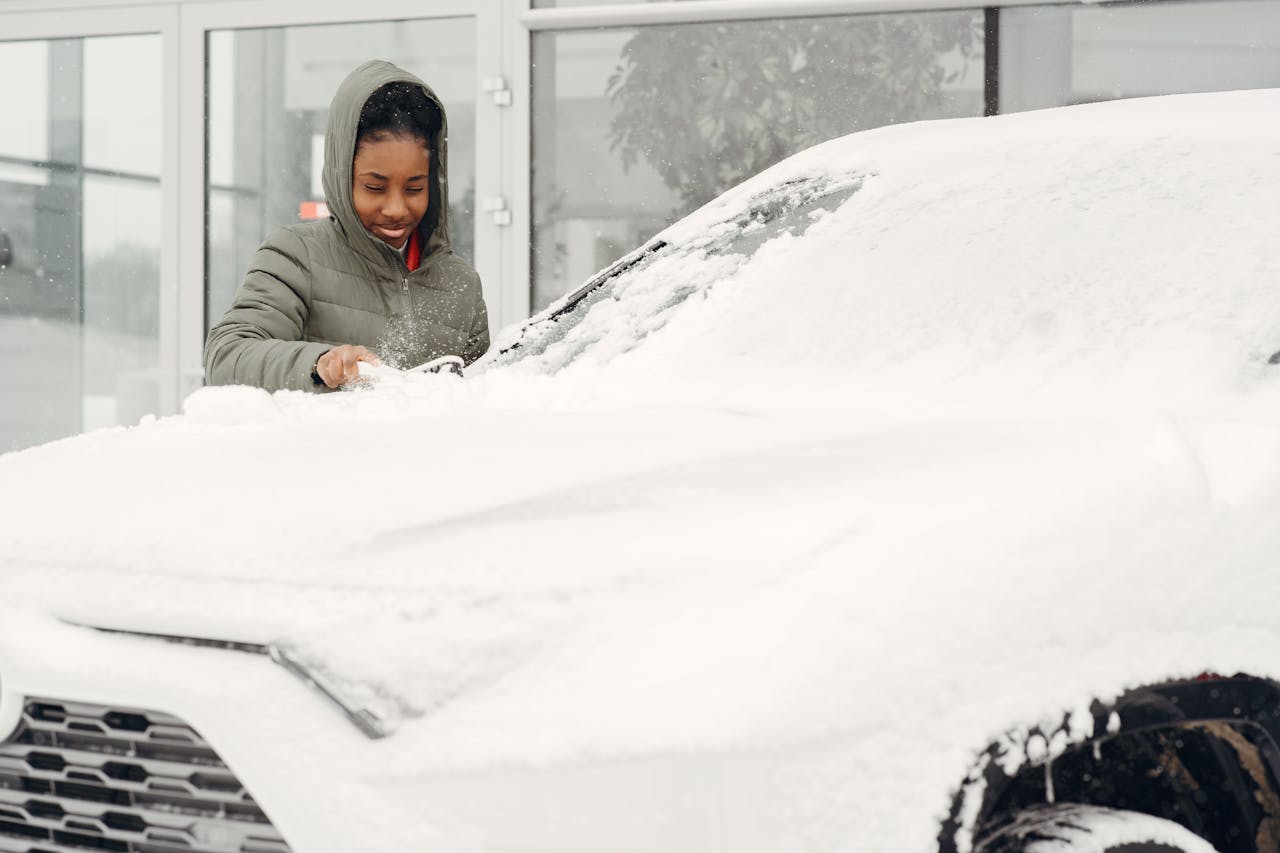
When a vehicle is stuck, clearing snow is only half the problem. The faster win is a short runway: loose snow removed from the tread path, then traction added where the tires first bite. Clearing around the wheel wells also helps prevent rubbing.
Sand, kitty litter, or a small scatter of gravel can grip icy patches, and floor mats can serve as a temporary ramp under drive wheels. Clearing one to two feet ahead of each drive tire is often enough, especially if the packed ridge at the street edge is knocked down.
Gentle throttle and a slow rock forward and back reduce spin, keeping the lane from turning into polished ice.