Cars sell a feeling of control: doors shut, music rises, and the outside world softens to glass and steel. On real roads, that bubble is governed by rules meant to protect strangers who never agreed to anyone’s shortcuts. Phones tempt attention, drinks blur judgment, and simple habits like mounting gadgets or darkening windows can cross legal lines fast. Because traffic laws are written state by state, a behavior that seems normal in one town can earn a citation two exits later. The safest drivers tend to be the ones who treat the cabin like part of the street, not a private living room. Small choices, made repeatedly, are what keep a routine commute from turning into a costly story.
Text Behind the Wheel
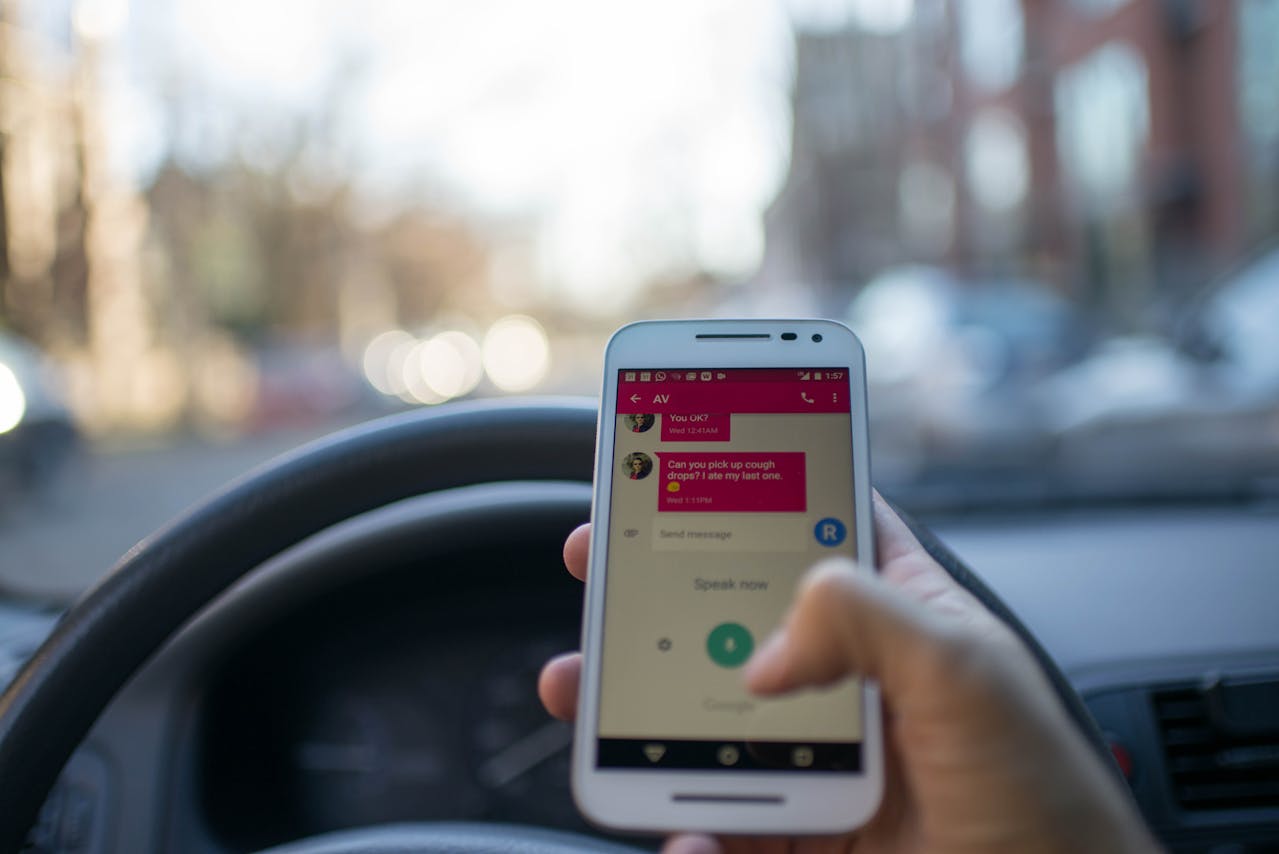
Texting feels quick, but it is illegal for all drivers in 49 states, plus Washington, D.C., and several U.S. territories, and it is treated as a primary distraction offense. Enforcement frames a glowing screen as a moving hazard, so officers can often stop a driver on the phone alone, then document time, location, and device activity like they would any other unsafe act. Even a short reply at 35 mph can mean hundreds of feet traveled with attention split, lanes drifting, and braking delayed, and a crash can turn a simple citation into criminal exposure, civil lawsuits, and steep insurance fallout in mere seconds.
Hold a Phone While Driving
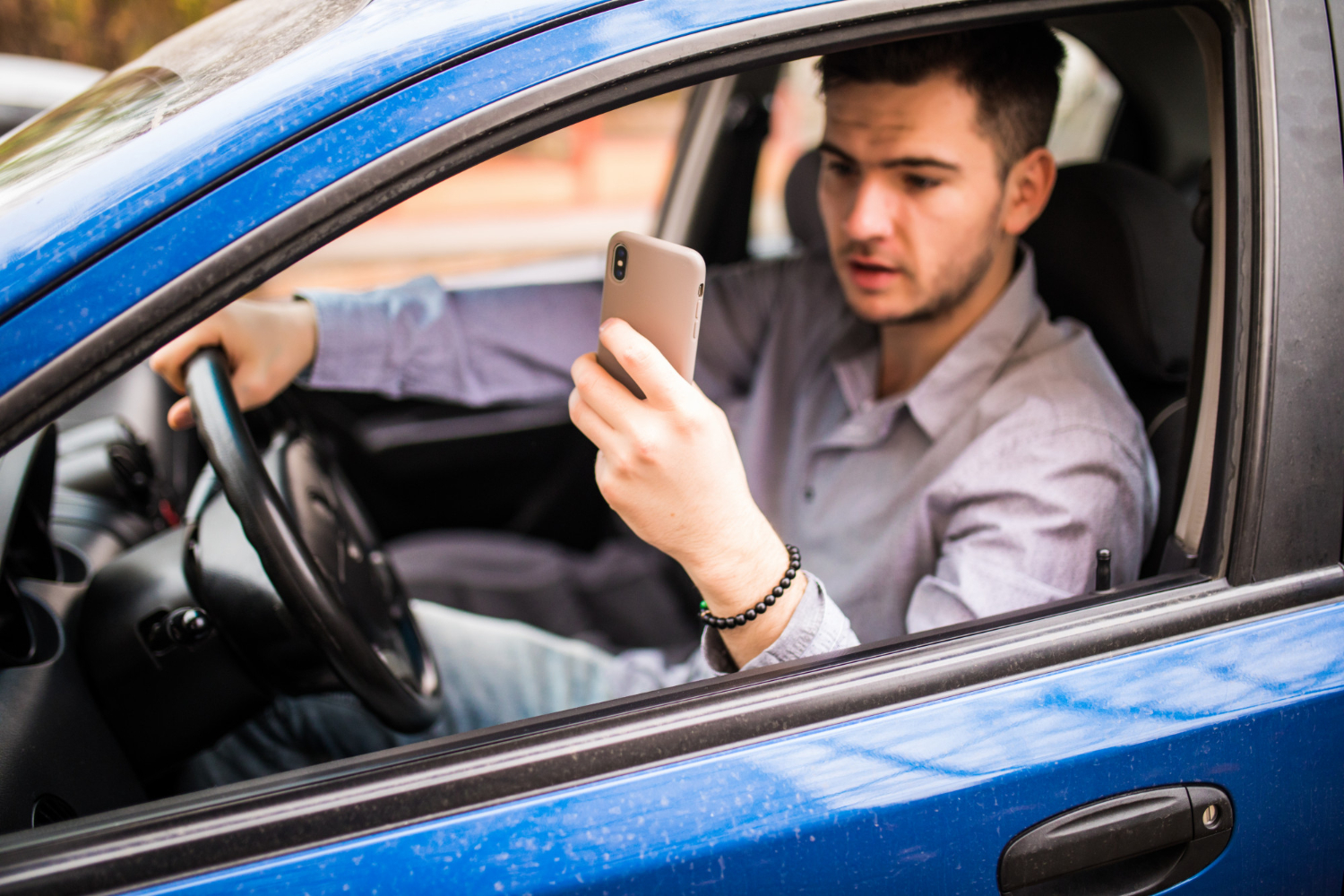
Hands-free rules have spread, and many states now prohibit drivers from holding a phone for calls, scrolling, filming, map tapping, or peeking at notifications, even when the road looks empty. Some laws also apply when a vehicle is stopped in traffic or at a red light, because the risk is the mental shift away from driving, not the speed on the speedometer. A dashboard mount and voice controls are usually the safe harbor, while a phone resting in a hand, balanced in a lap, or pressed to an ear can be enough for a ticket and, after a wreck, a harsher charge even when traffic is crawling near, and lane seems clear
Drink With an Open Container Up Front
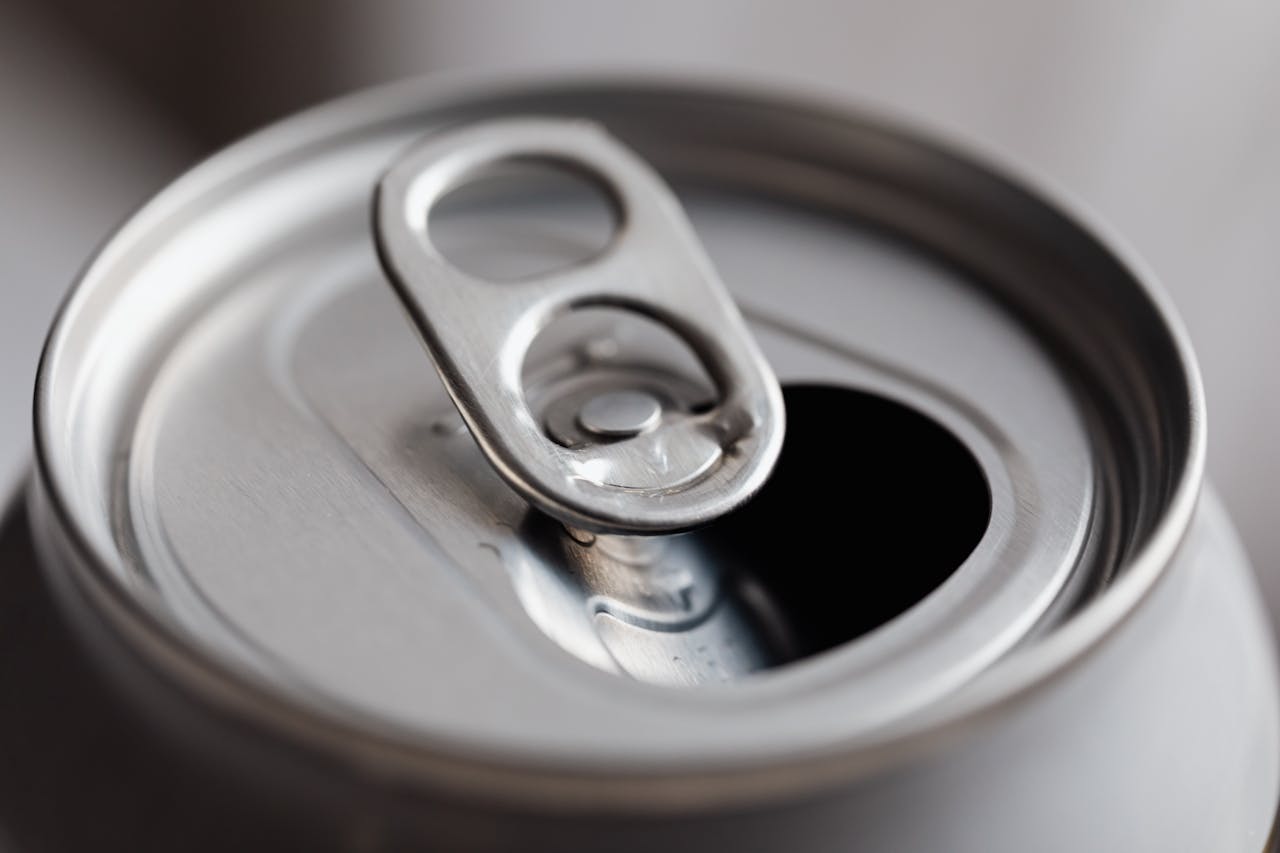
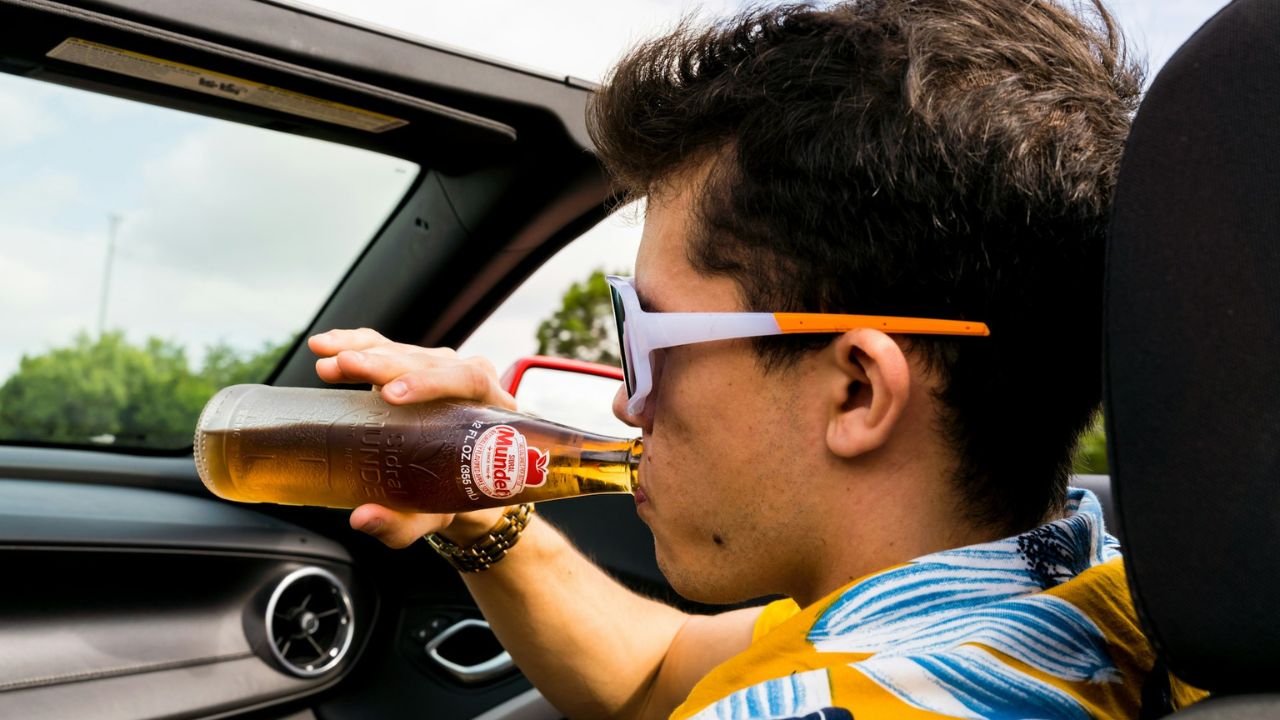
In most states, open-container rules ban possessing or consuming an open alcoholic beverage in the passenger area, not just at the wheel, and the rule often covers every occupant. The logic is accessibility: if it can be reached from a seat, it can become an on-road distraction, an argument about who was drinking, or a shortcut into DUI scrutiny during a routine stop. A previously opened bottle often must ride in the trunk or another area not readily accessible, and pulling onto the shoulder may not protect anyone if the car is still on a public roadway or right-of-way and courts rarely treat it trivial for long.
Light Up Marijuana on the Road

Legal cannabis does not equal legal car use, and many states treat smoking or vaping in a vehicle as a separate offense, even before impairment is tested. Visible smoke, odor, or a lit device can trigger a roadside impairment investigation, and officers may stack charges around open containers, child endangerment, or driving while under the influence. Passengers do not always solve it either, because a moving car can be viewed as a public space, and any in-car consumption can snowball into citations, towing, and court dates fast with kids present, penalties can rise, and the odor can linger as a trace afterwards.
Skip the Seat Belt
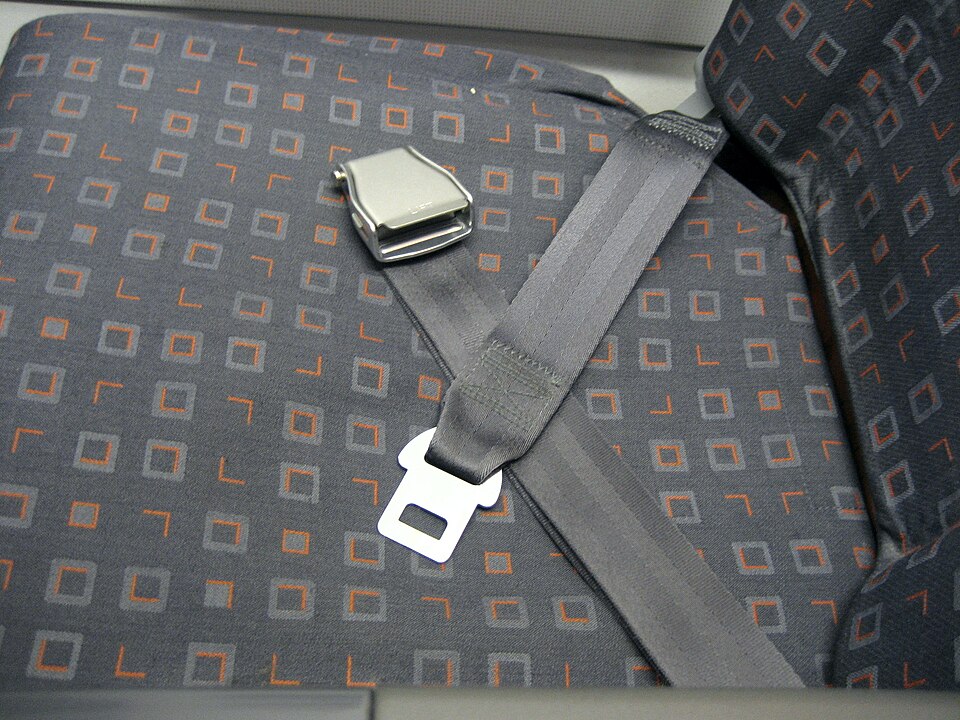
Seat belt rules are enforced with surprising consistency, and many states allow primary enforcement when anyone up front is unbuckled, regardless of whether the driver seems careful. Beyond the fine, an unrestrained body becomes a force multiplier in a crash, injuring other occupants, turning airbags into blunt instruments, and complicating fault and medical claims. Some states extend requirements to rear seats and rideshare passengers, so a short neighborhood hop, a rideshare to dinner, or a quick airport run can still end with a stop and a citation because wrecks seldom announce themselves before they hit hard.
Let a Child Ride Unrestrained
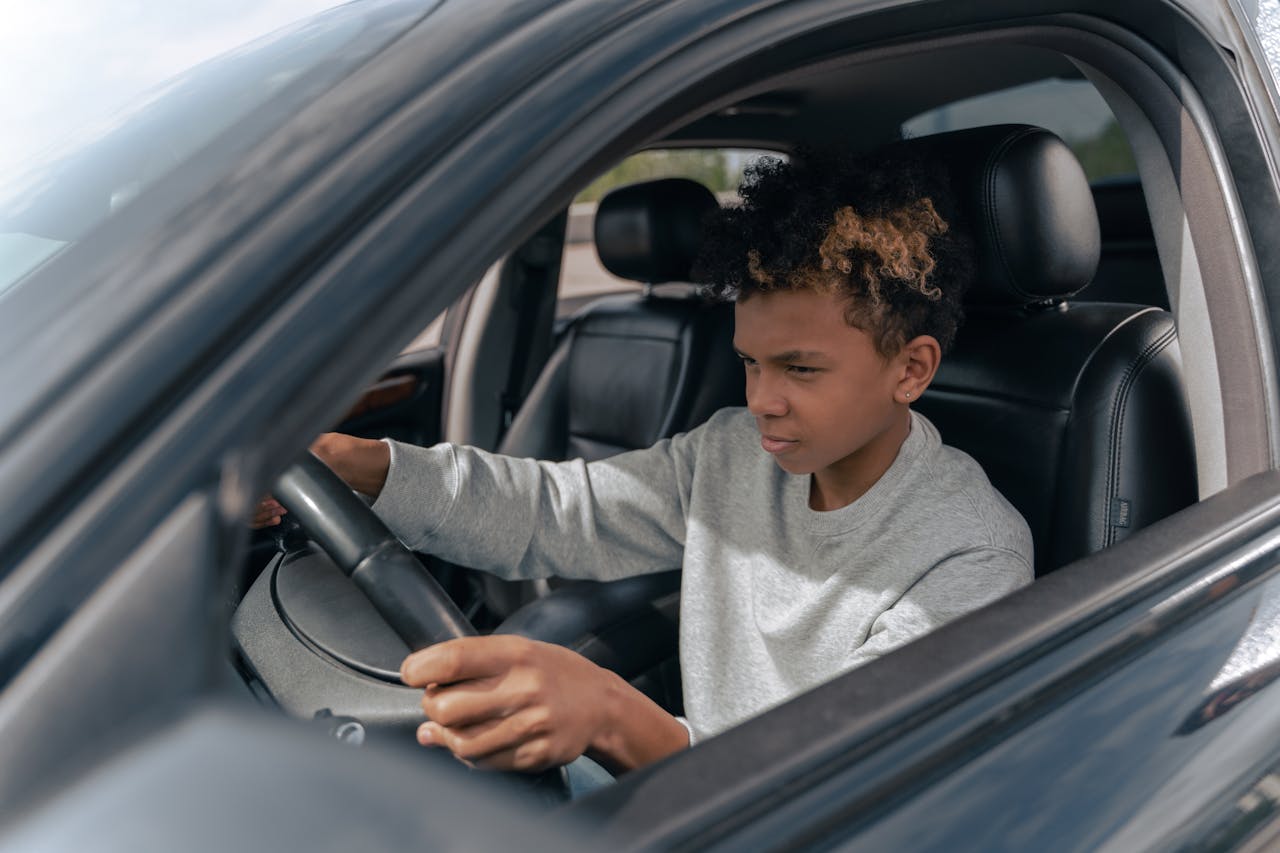
Child restraint laws are strict and often tied to age, height, and weight, which is why quick errands, carpools, and rideshares are where mistakes tend to happen. Across the country, young children generally must ride in an approved car seat or booster, installed correctly, not balanced on a lap, tucked under a loose belt, or placed in the front seat too soon. Violations can bring heavy fines and points, and in a crash, investigators treat improper restraint as a preventable risk that can drive insurance disputes and even neglect allegations especially when a child is hurt and officers document each detail later.
Obscure the License Plate

A tinted cover, decorative frame, mud flap, hitch rack, or bike carrier that blocks a plate can justify a stop even when the driving is flawless, because the vehicle becomes harder to identify. Plates must be readable for law enforcement, tolling, and hit-and-run investigations, and many states also require proper illumination after dark so cameras and drivers can see the numbers clearly. What starts as a style choice or weekend gear, can turn into citations, fix-it orders, or inspection failures, especially if the plate is partly hidden from common angles or the frame covers the state name.
Block the Windshield With Gadgets
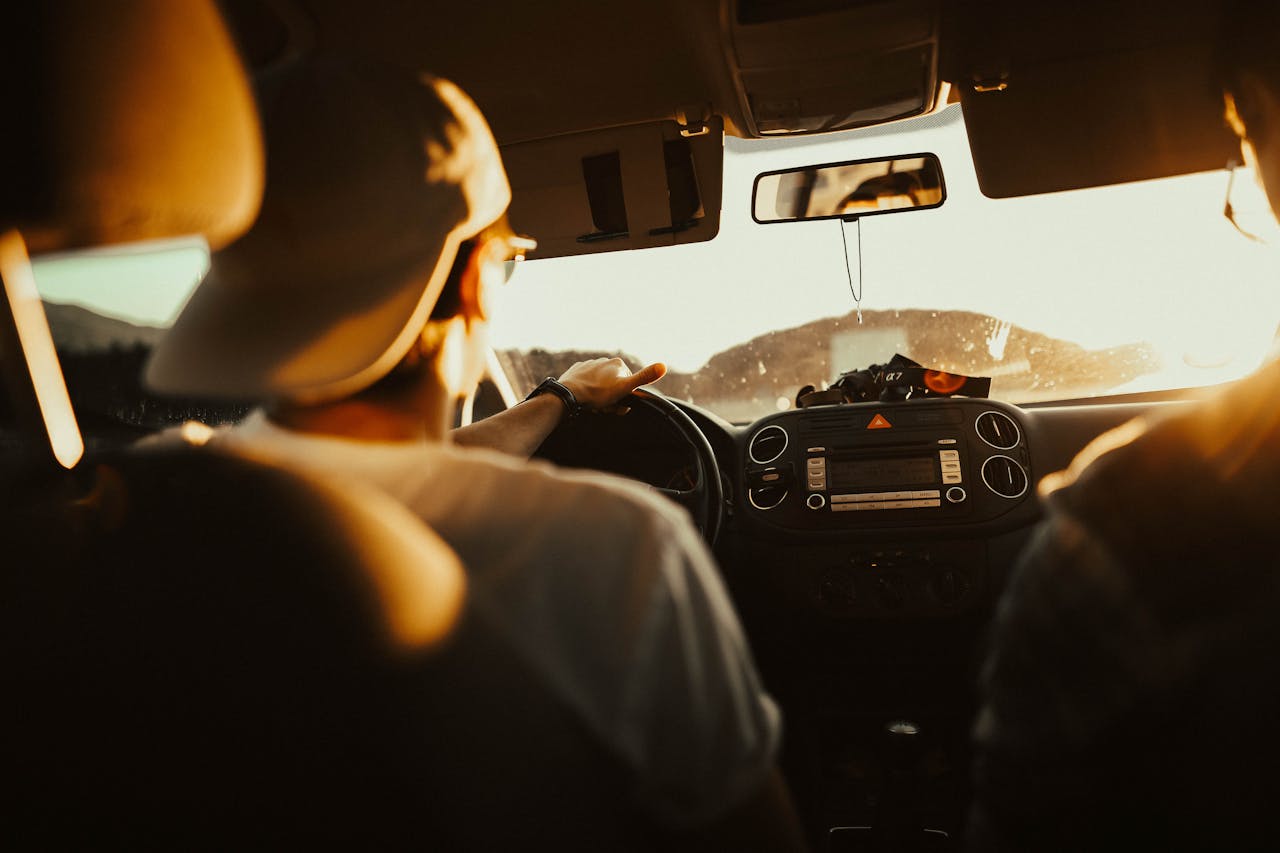
Windshield obstruction rules exist because vision is a safety system, not a luxury, and courts rarely sympathize when an object blocked a critical glance. Many states restrict items that materially block the driver’s view, including oversized GPS mounts, stacked permits, suction-cup accessories, dashboard cameras placed too low, and dangling objects that swing. One small air freshener rarely matters, but a cluttered glass surface can invite a stop, and after a collision it becomes an easy argument that sightlines were compromised and it can also block the view of pedestrians stepping off a curb in a hurry nearby.
Drive With Overly Dark Window Tint

Window tint feels like comfort until a light meter says the film is too dark, and every state sets limits that are enforced at stops, inspections, or roadside checkpoints. Front side windows are commonly regulated, and windshield tint is often restricted to narrow bands, specific percentages, or medical exemptions that must be documented properly. Too-dark tint can lead to fines, fix-it orders, or failed inspections, and officers often cite safety because they cannot see hands, faces, passengers, or seat belt use clearly during a stop and drivers often discover the limits only after a stop or a yearly inspection.
Blast Music Past Noise Limits
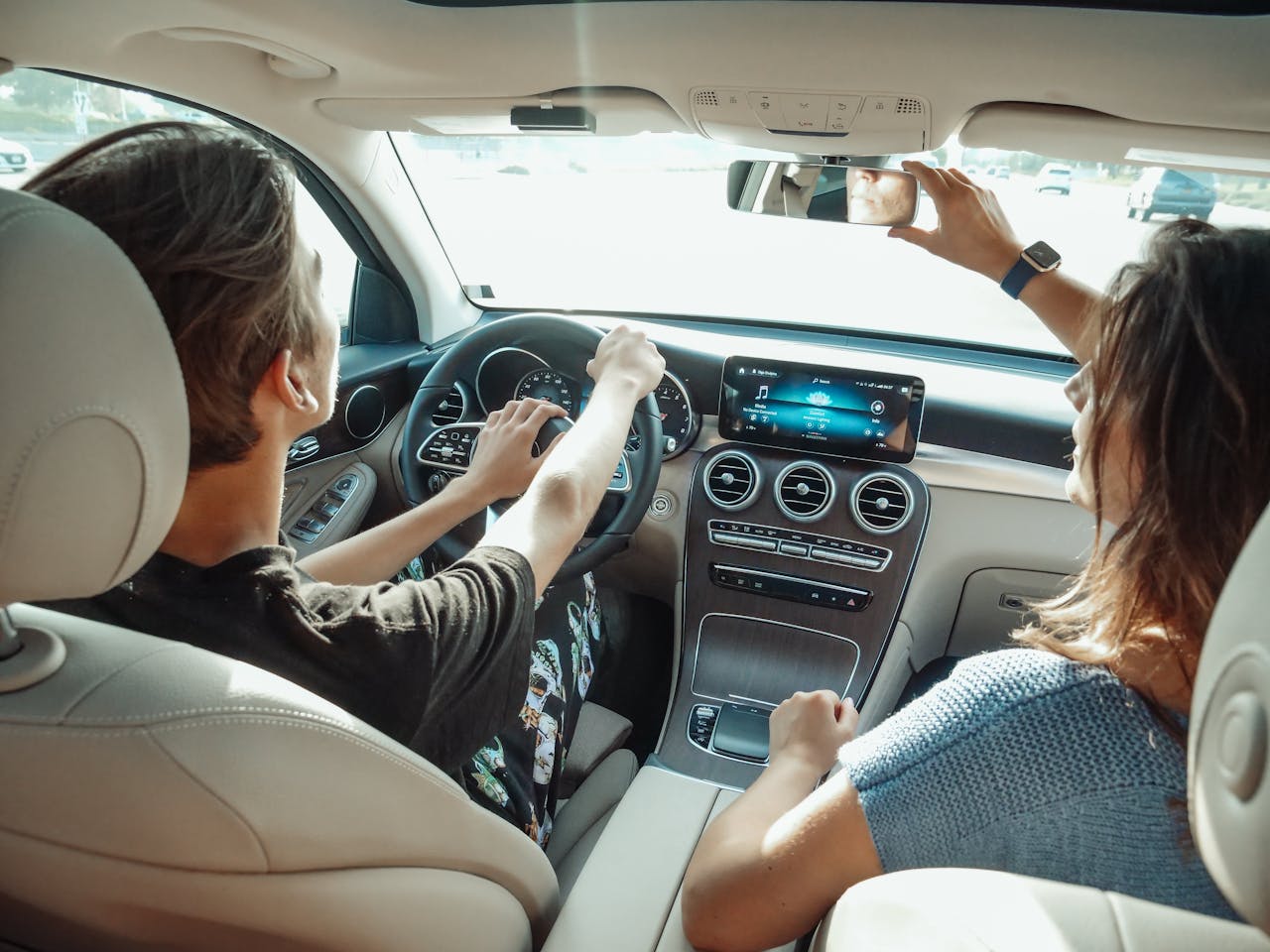
Car audio feels private, but many cities and states enforce noise rules when music is audible from a set distance, heard inside nearby homes, or disruptive in a business district at night. Loud bass also masks sirens, horns, and subtle traffic cues, which turns it into a safety issue, and it can make a driver appear impaired or aggressive to an officer observing the car. A late-night stop for volume often turns into a broader check for lights, plates, and sobriety, so a playlist can unexpectedly become a paperwork problem especially in tourist districts where quiet hours are posted and complaints come fast daily.
Idle for Long Periods in Some Cities
Idling can be ticketed in many states and municipalities, especially near schools, loading zones, hospitals, and dense downtown corridors where exhaust collects and asthma rates are a concern. These rules target pollution and fuel waste, and they often limit engine-on waiting to a few minutes unless weather, defrosting, traffic conditions, or safety creates an exception. Pickup lines are common enforcement spots, so a warm cabin and a running engine while waiting and scrolling can end with a fine posted on a small curbside sign especially around schools where risks posted and officers focus on pickup lines early.
Use a Radar Detector in Virginia or D.C.
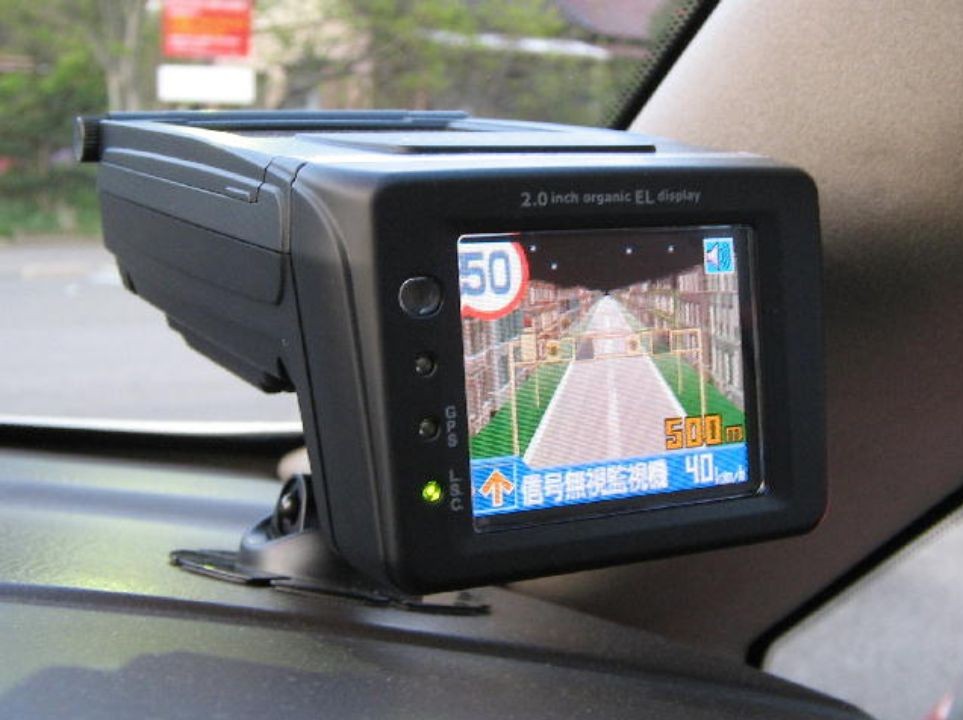
Radar detectors are broadly legal, which makes the border exceptions easy to miss on road trips that cross the Mid-Atlantic, especially for rental cars. Virginia bans using radar detectors on its highways, and Washington, D.C., prohibits using or even possessing one in an automobile, so a device sitting in the console can still be a problem. Crossing into either jurisdiction with the unit plugged in can bring a ticket and device trouble, so the safest habit is to unplug it early and store it out of reach before entry and Washington, D.C., treats it even more strictly, banning possession inside a car not just use.