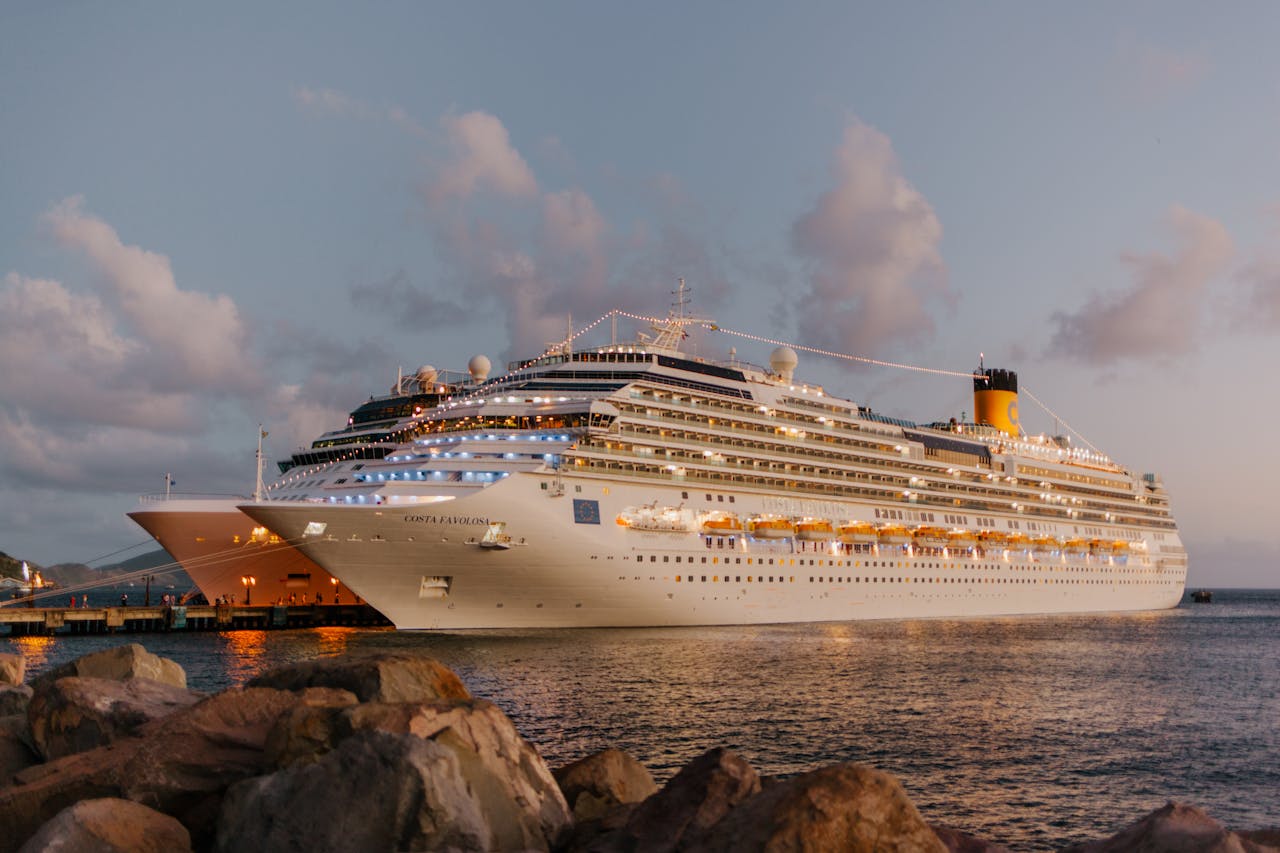
Cruises sell the fantasy of unpacking once while the ocean does the driving, and the day’s decisions shrink to a menu and a sunset. That comfort is real, but so is the way a ship concentrates people, schedules, and spending into a tight loop.
When the pacing feels off, frustrations echo fast: lines at peak hours, loud hallways, short port windows, and fees that appear after the fare feels settled. None of it ruins every voyage, yet the same gripes keep resurfacing because they hit the moments travelers imagined would feel effortless. The talk gets loud when the trade-offs arrive without warning, right after embarkation.
Crowds That Never Quite Disappear
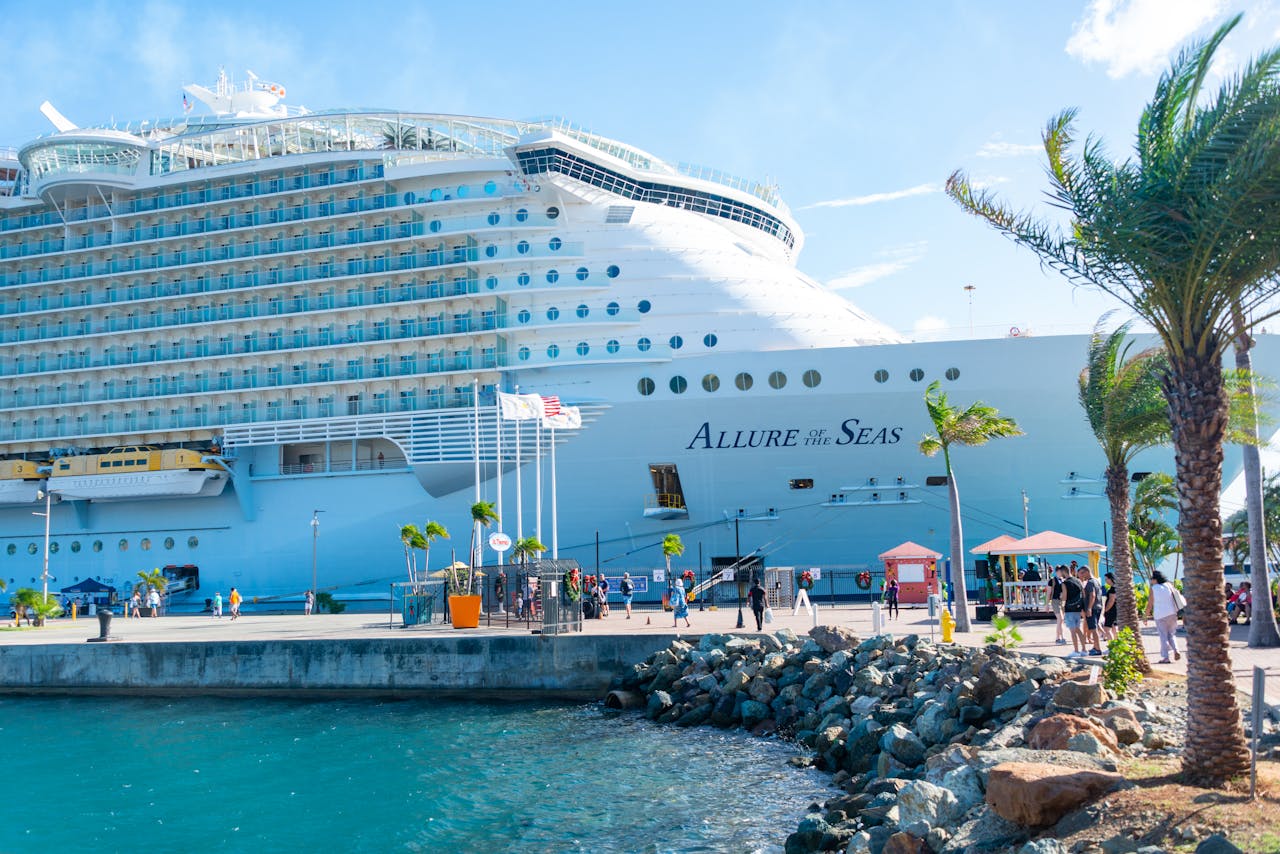
Even on mega-ships built for flow, crowds still bunch up in familiar places: elevators at shift change, the buffet at breakfast, security lines when a shore day begins, and narrow corridors outside theaters right before a headline show. Waiting becomes the hidden activity, and the minutes add up fast when dining runs on reservation grids, pool loungers get claimed early, and announcements send thousands pivoting in the same direction at once.
On holiday sailings, the constant shoulder-to-shoulder energy can make the ship feel like a popular venue that never closes, even when the ocean is empty just beyond the railings.
Surprise Costs That Keep Sneaking In
The advertised fare can look tidy until the onboard math starts working, because the quote can miss the small daily charges that follow the trip from check-in to the last breakfast, often before the first sailaway photo is snapped. Daily gratuities may be added automatically, and costs stack through small choices: cocktails, bottled water, specialty coffee, Wi-Fi, specialty dining, room service, photos, spa appointments, laundry, and shore excursions that can rival the price of a short land vacation.
By disembarkation, the surprise is less about any single splurge than the sense that budgeting stayed in the foreground.
Port Days That Feel Too Short
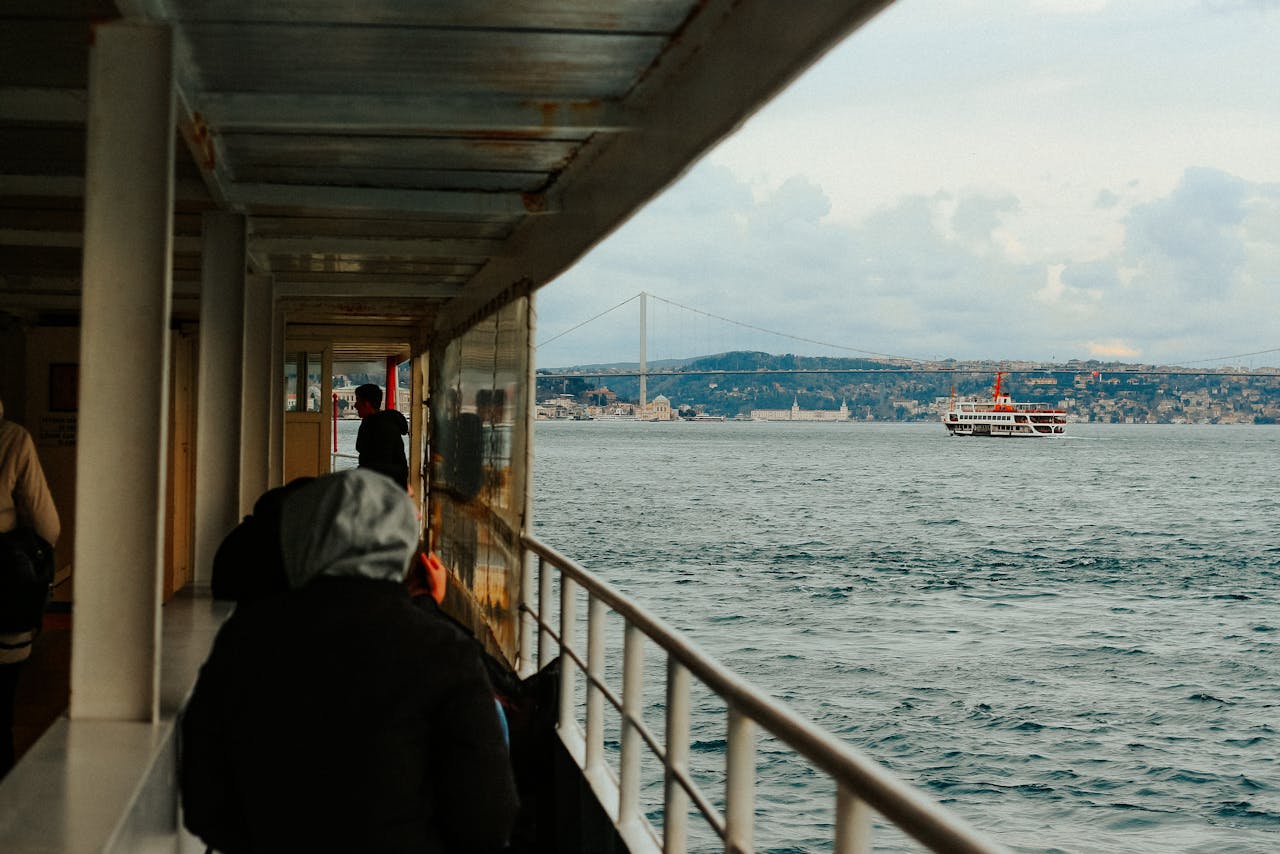
Ports often look generous on paper, but the usable hours can shrink fast once tenders, security checks, and bus loading begin to eat into the morning, often before lunch even arrives and thousands funnel toward the same famous corners at once. Many ships dock far from the postcard center, and tours move on the ship’s clock, not local rhythm, so a late gangway clearance can turn a dream stop into a rushed loop of photos, souvenirs, and hurried meals.
With all-aboard times hovering in the background, travelers can leave feeling as if they watched a highlight reel instead of meeting a place, and the quieter streets never got a chance.
Cabins That Feel Small and Sound Big
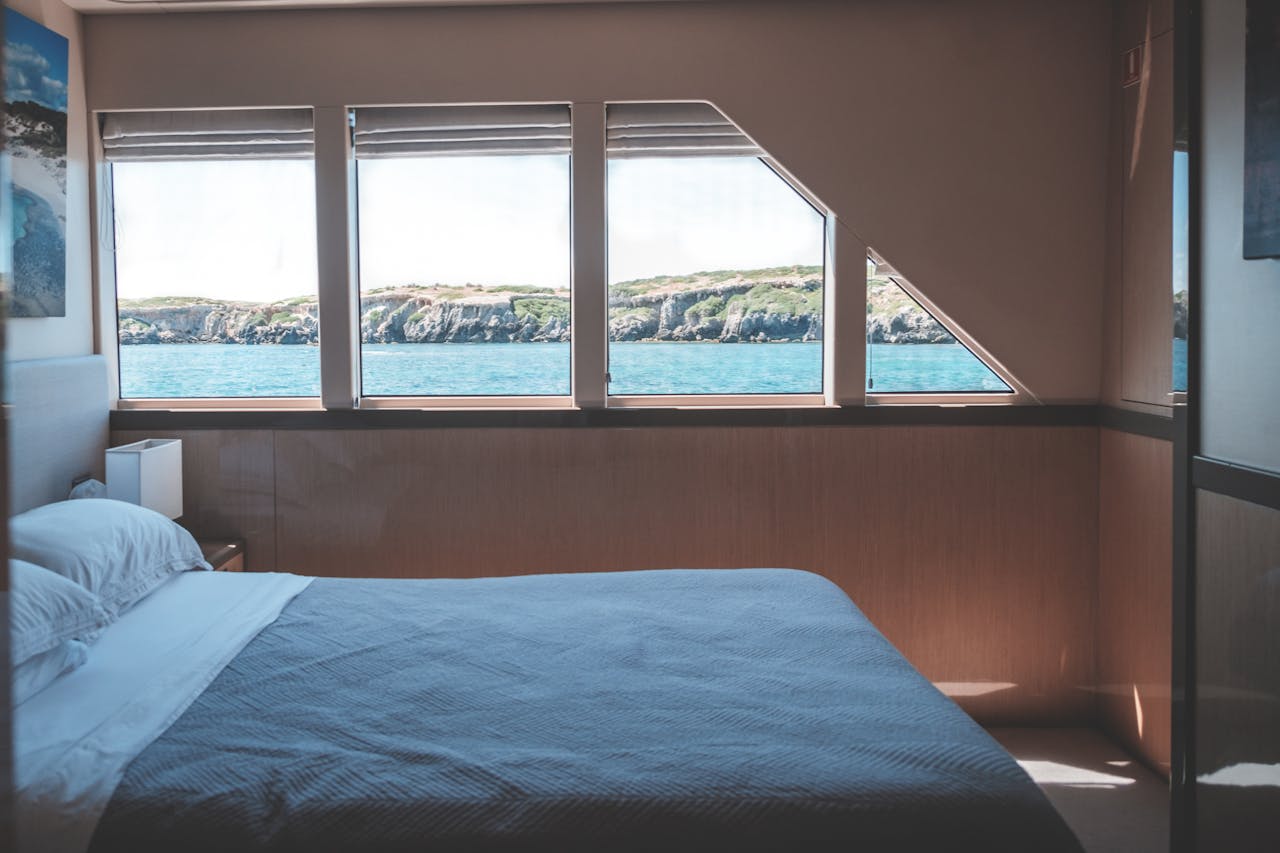
Cruise cabins are efficient by design, but they can feel tight once luggage, damp swimsuits, and formal-night outfits start competing for the same narrow closet especially in lower-cost categories where each inch is planned like a puzzle. Bathrooms are compact, storage is clever but finite, and interior rooms lack natural light, while sound travels with door slams, rolling carts at dawn, hallway chatter after midnight, and bass from deck parties.
For travelers who count on quiet downtime between activities, the ship can feel less like a retreat and more like shared living on a moving schedule, where rest depends on timing and luck.
A Schedule That Runs the Vacation
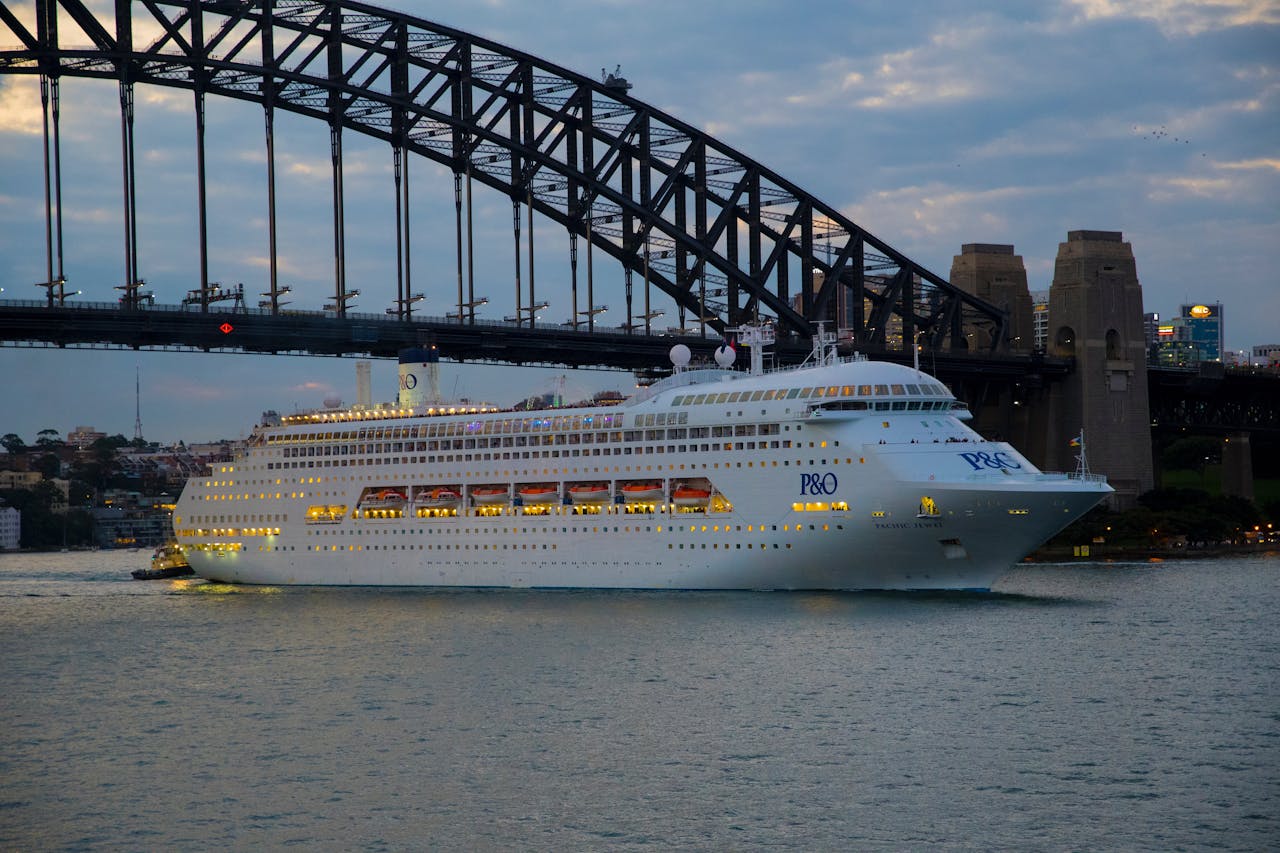
A cruise promises ease, yet the ship still runs on strict rhythms: muster drills, dinner windows, showtimes, tender tickets, and announcements that steer the crowd, and even the clock can shift with time-zone changes midweek. Because thousands share the same limited venues, time slots and reservations become the real currency, and the day can tilt toward hurrying to beat the next surge at the buffet, the pool, the elevators, or the coffee bar.
For travelers who like unplanned wandering and slow meals, that structure can feel like being managed more than being on holiday, with every choice circling back to all-aboard time.
Seas That Refuse to Cooperate

Even calm itineraries can meet rough seas, and motion turns the ship into a reminder that it is still a vehicle, not a floating resort, with sway that can interrupt sleep and vibration that carries through lower decks. Some travelers feel queasy despite patches or pills, and weather can reshape plans fast: winds close outdoor decks, swell cancels tender ports, and reroutes swap a long-awaited stop for an unplanned day at sea.
When the ocean pushes back, the promise of a neatly mapped week can blur into improvisation, and the mood shifts from anticipation to endurance, especially for first-time cruisers or anyone prone to motion.
Health Worries in Close Quarters
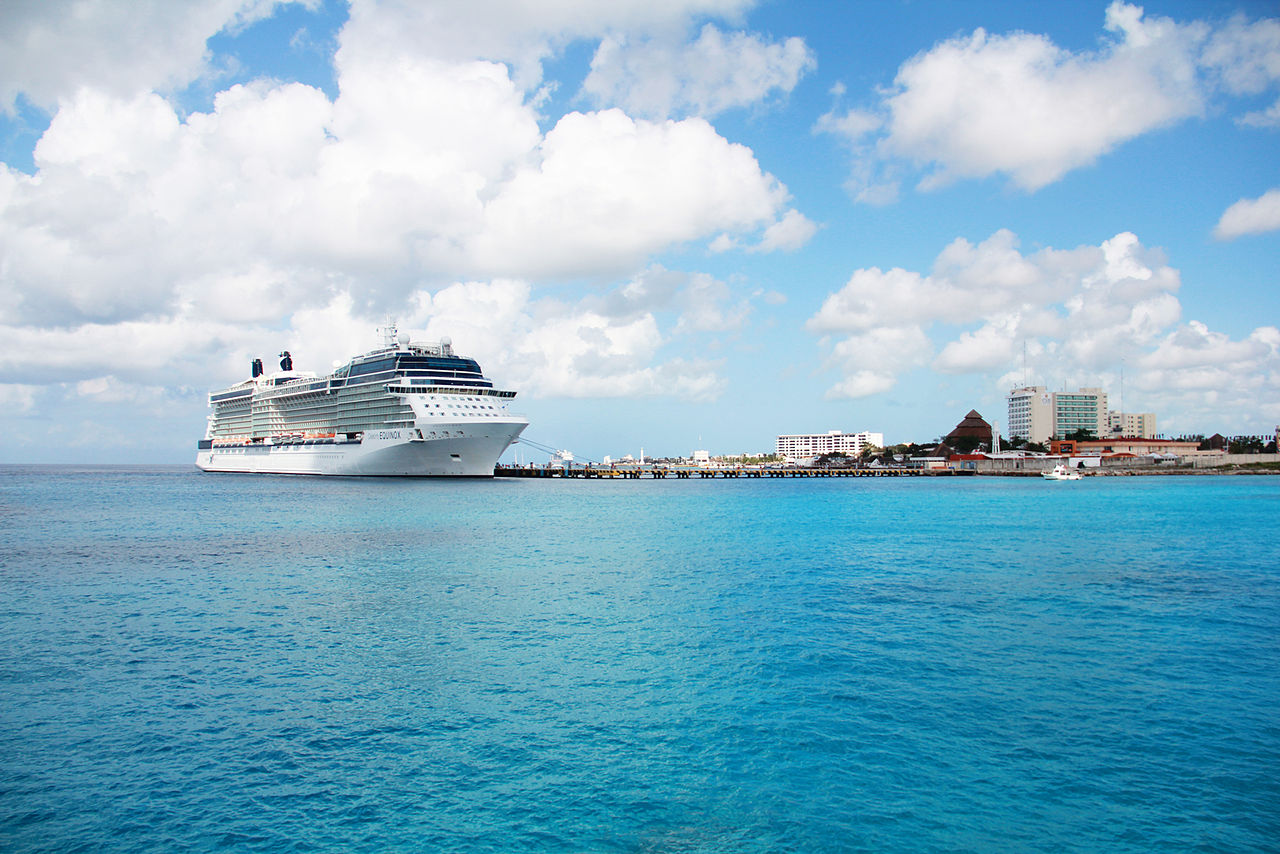
Ships are social by nature, which also means germs travel efficiently through crowded dining rooms, buffet utensils, shared railings, and busy kids’ areas, especially during peak season. Most sailings stay routine, yet stomach bugs and respiratory colds can spread fast, and a small issue can feel bigger when the nearest clinic is a shipboard medical center and isolation rules limit plans.
Care is available, but it can be billed at private-care prices, and the mix of close quarters, unfamiliar protocols, and paperwork leaves some passengers uneasy when health dips mid-voyage and port days quietly evaporate, even with insurance.