
Everyday conversation is full of tiny echoes from arenas, rinks, tracks, and dusty fairways. Long after the crowds go quiet, the phrases keep traveling, hitching a ride into offices, kitchens, and group chats. Some started as literal instructions, others as colorful commentary from announcers and fans watching a season unfold. They carry the same feeling as a close game: breath held, clock ticking, hope stubbornly alive. Sports gave English a clean shorthand for pressure, timing, luck, and grit, and those borrowed words still land with the snap of a well-hit line drive. In ways, they turn daily problems into a contest.
Throw In The Towel

In boxing, a corner team can end a beating by tossing a towel into the ring, a blunt signal that the fighter cannot safely continue. It is less surrender than protection, a coach choosing long-term health over one more round of pride. That practical gesture slid into daily speech as a cleaner way to describe walking away before more damage piles up. The phrase still holds the same mix of relief and disappointment, like a match stopped just as the crowd realizes grit is no longer enough. Even outside the ring, it often implies someone tried hard, lasted longer than expected and finally chose dignity over chaos so.
Down To The Wire
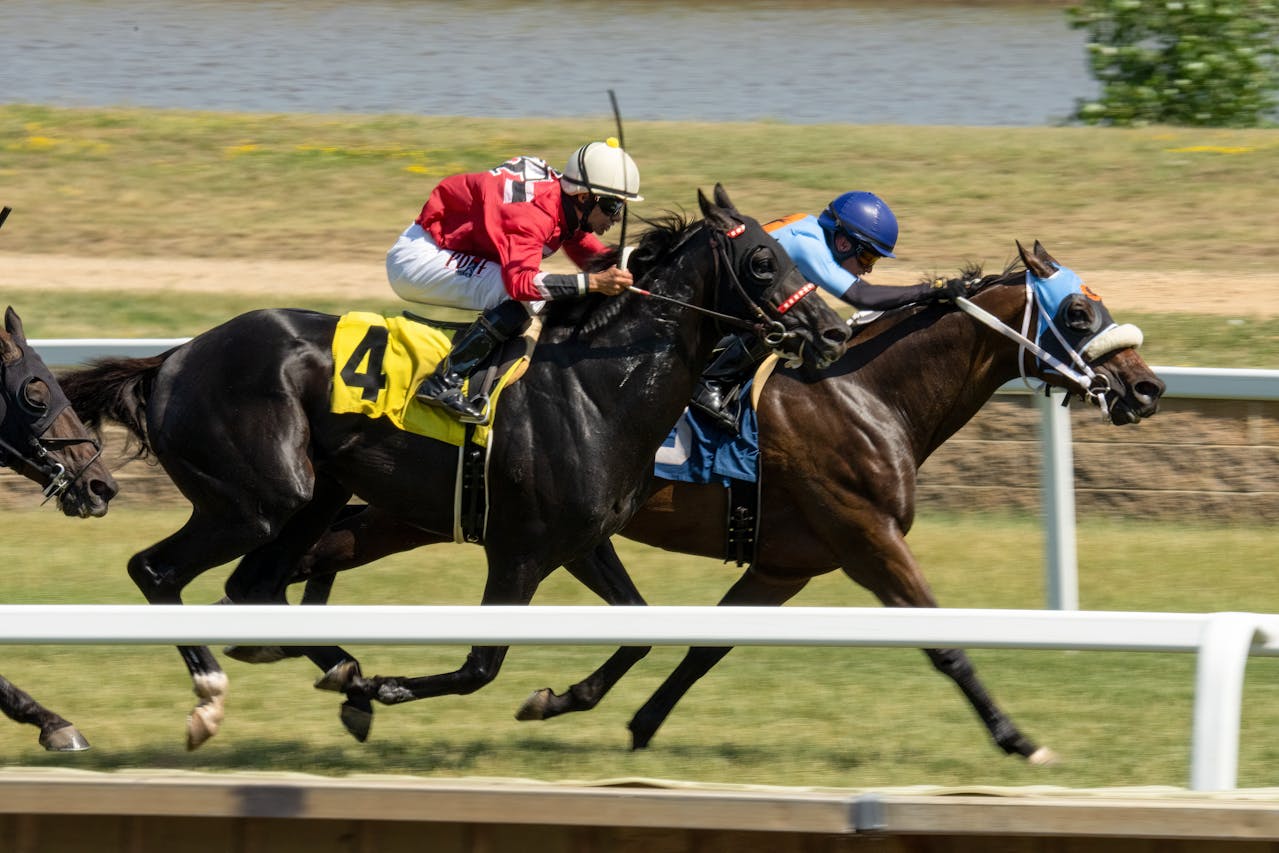
Horse racing once used a literal wire at the finish line, stretched above the track so judges could spot the winning nose in the blur. When two horses charged side by side, the result stayed unknown until they reached that wire and the grandstand finally exhaled. The saying kept that suspense and left the track behind, describing anything unsettled until the final minute, from elections to contract talks. It signals a contest so tight that victory is decided by inches, and celebration feels risky until the very end. It hints at discipline, with patience and nerves held steady while the clock narrows and options disappear.
Step Up To The Plate

In baseball, stepping to home plate is the moment a batter leaves the on-deck circle and accepts the next pitch as personal business. The crowd can heckle, the pitcher can stare, but the plate is still where responsibility becomes unavoidable. That simple move became an everyday nudge for anyone facing a hard task, a difficult conversation, or a role that needs courage more than excuses. It frames action as a turn at bat: preparation ends, the count begins, and performance finally matters. The phrase keeps the sport’s quiet truth that teams win when one person stops watching and takes the swing, even with odds stacked.
Out Of Left Field

Baseball gave English a tidy way to describe surprises: something arriving out of left field, far from the main action near home plate. Left field can feel remote, and a sudden throw or play from that corner can catch runners and spectators off guard. The exact origin is debated, but the meaning settled quickly: an idea or event that appears with little warning, changing the whole inning. It still sounds slightly comic, as if the oddest plot twist wandered in from the outfield grass and demanded attention. In daily talk, it softens shock, turning confusion into a story of distance and surprise. All in an instant.
The Ball Is In Someone’s Court

Tennis is a sport of clean turns: once the ball crosses the net, the next move belongs to the player on the other side of the court. That rhythm became a polite way to hand off responsibility without raising a voice. Saying the ball is in someone’s court signals that a choice, reply, or decision is due, and waiting is no longer passive. It carries the image of a player set on the baseline, reading spin and speed, knowing that hesitation turns an easy return into a lost point. In work and relationships, it can be strangely calming, because it names the moment control changes hands, and the next shot cannot be dodged.
Jump The Gun

Track races begin with a starter’s pistol, and the sound is the only permission runners get to explode off the line. Move before the gun, and it is a false start that can cost a heat, a medal, or a whole meet. That rule turned into a warning for everyday life: acting on a rumor, launching too soon, or deciding before the facts are ready. The phrase keeps the sprint’s tension, where impatience feels like speed, but discipline is what actually wins. It evokes athletes frozen in the blocks, listening to silence that lasts only seconds, yet carries months of training, and one tiny twitch can reset everything for everyone.
Par For The Course

In golf, par is the expected number of strokes a skilled player should need on a hole, set against distance, hazards, and the shape of the green. So when something is par for the course, it is not praise or insult; it is simply what the layout tends to deliver. The saying moved into daily speech as a wry shrug for predictable hassles and familiar patterns, the kind that show up like bunkers on the safe side of a fairway. It suggests realism: surprises happen, but some challenges are built into the course. It can sound resigned, but it hints at strategy, because golfers plan around par and keep going anyway scorecard near.
Saved By The Bell

Boxing rounds end with a bell, and that sound can be mercy when a fighter is wobbling and the count is closing in. If the bell rings before a knockout is sealed, the battered boxer gets a break, a stool, and a chance to reset. From that tense moment came a broader phrase for any timely interruption that prevents embarrassment or trouble from landing fully. It still carries the ring’s relief, the instant when danger feels inches away, and time suddenly offers shelter. A popular tale links it to safety bells in coffins, but modern etymology tends to point back to prizefighting, where the bell truly changes the outcome.
Touch Base

Baseball runners stay safe by touching a base, a physical check-in that proves position and keeps the play alive. Coaches drill it as a habit: take the bag, hold it, and make sure the game knows where the runner belongs. In ordinary speech, touch base became a friendly way to describe brief contact meant to confirm details and keep plans moving. The phrase feels casual, but it carries the game’s logic that small, timely connections prevent bigger messes later. It suggests a quick tap, not a long conversation, the verbal equivalent of a runner leaning a hand on the bag before taking off again. Then momentum returns.
Home Stretch

On a racetrack, the home stretch is the final straightaway after the last turn, the run where everything left in the tank gets spent. Crowds rise because the line is finally visible, and the excuses vanish with every stride. From that finishing surge came a phrase for the last stage of any long effort, when progress is real but fatigue is loud. It captures the strange mix of hope and strain: close enough to taste the end, yet far enough that focus still decides the outcome. The saying respects the grind behind it, implying months of steady pace, followed by a final push that looks quick only to those watching outside.
Front Runner

Racing made leadership sound physical. A front-runner was the horse or runner who broke fast, set the pace, and stayed strongest while out in front. That image traveled into politics and business, where being ahead early can bring praise and extra pressure. The phrase suggests momentum, but it also hints at vulnerability, because the leader becomes the target everyone measures against. It captures a truth of competition: leading feels good, until the pack starts saving energy for the final move. In racing, the front-runner hears the hoofbeats behind, and that tension is what the phrase still carries. Often it is temporary.