
The 1960s moved fast on the surface, but most American teens still lived inside a tight web of expectations. School hallways, front porches, and neighborhood sidewalks all carried a quiet code: look proper, speak carefully, and avoid drawing the wrong kind of attention.
Some rules were printed in handbooks, others were enforced by raised eyebrows and whispered gossip. A skirt hem, a haircut, or a blunt opinion could turn into a lesson about reputation. For many families, fitting in felt like safety, even when it squeezed the joy out of growing up. That pressure followed them from school to the dinner table and back again.
Dress Codes Were Moral Codes
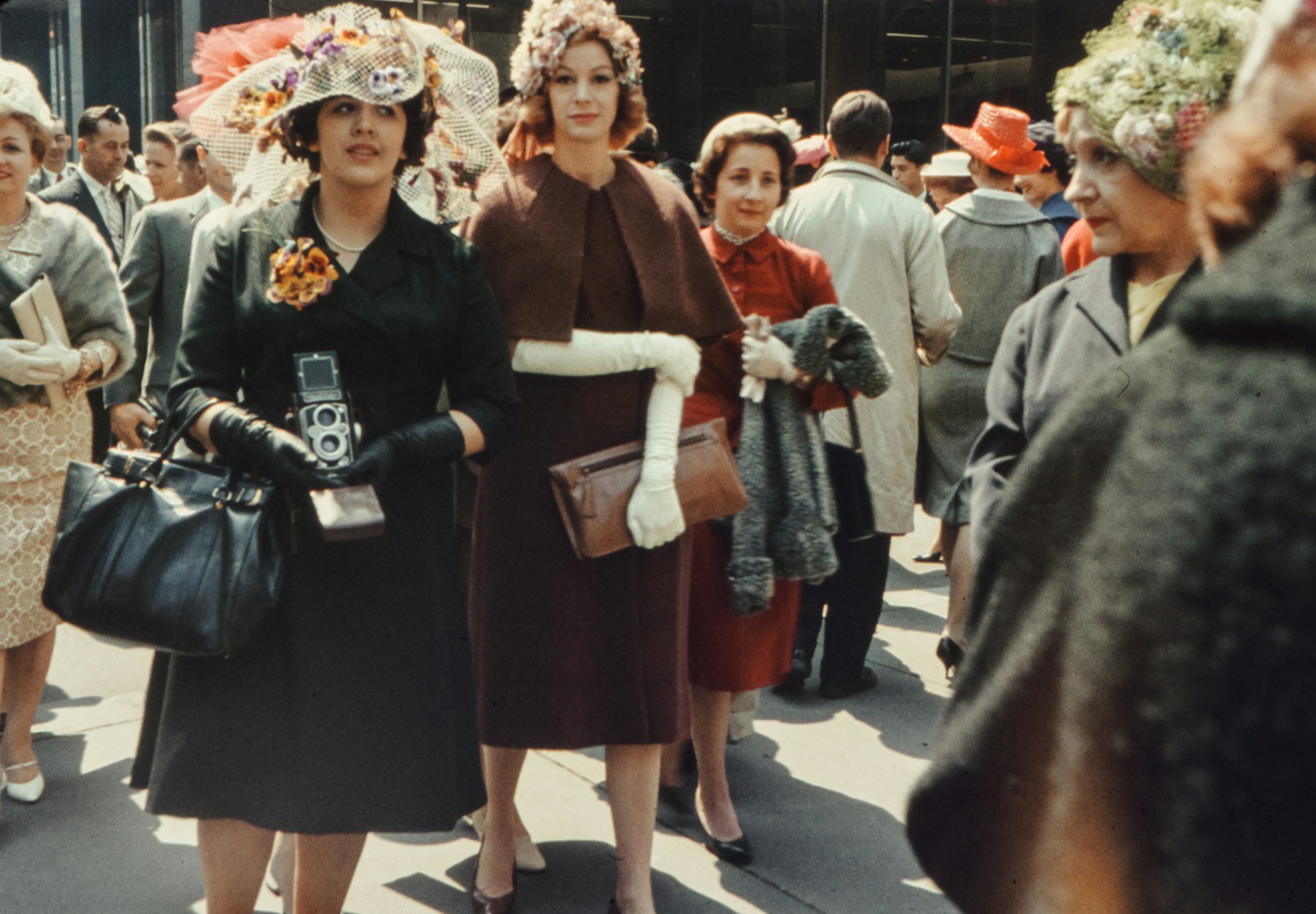
In many schools, clothing was treated like a character test. Boys were expected to look tidy in slacks, belts, and collared shirts, and a rumpled look could invite side-eye from adults who saw it as careless. Even for a school dance, the outfit was supposed to say respectable before it said stylish, too.
Girls faced even tighter scrutiny. Skirt lengths were watched, sometimes measured, and a top that felt too modern could spark a quick lecture about propriety. Parents, teachers, and neighbors acted as unofficial fashion police. What seemed like fashion was really a public signal: respectability first, individuality second.
Adults Were Addressed Formally
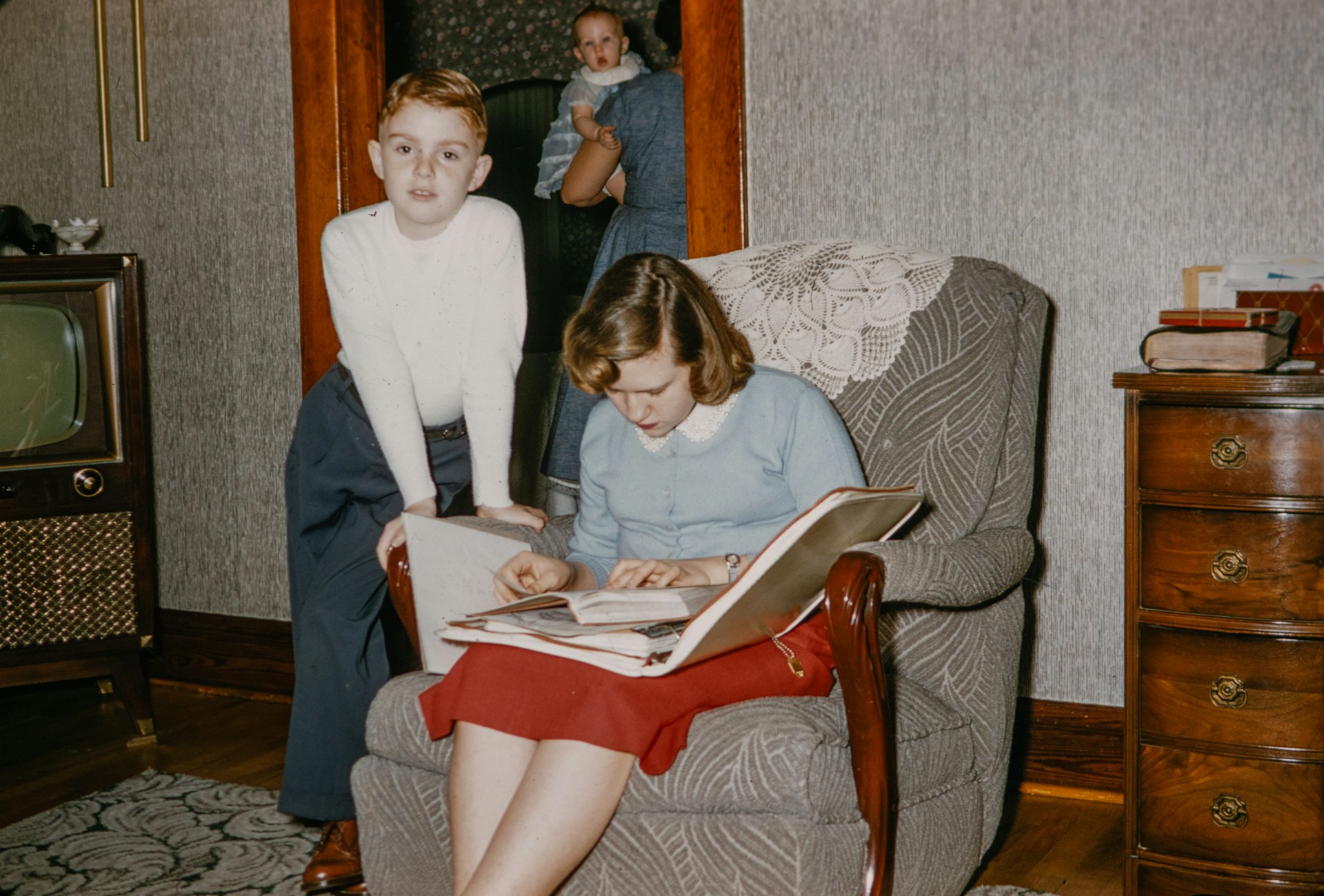
Respect in the 1960s often meant formality, not conversation. Teens were taught to address adults as sir or ma’am, and first names could feel unthinkably familiar outside close family friends. When an older person entered a room, a greeting, a seat offer, or at least a quiet pause was expected.
That etiquette came with a clear hierarchy. Wisdom and authority were assumed to arrive with age, so pushback rarely landed well at home or at school. Questioning a decision could be read as rude, even when the question was fair. For many teens, being polite also meant swallowing disagreement and keeping boundaries unspoken, quietly.
Three: Dating Came With Chaperones

Teen romance in the 1960s usually came with an audience. Group outings, double dates, and supervised dances were framed as wholesome, and a chaperone might be a parent, sibling, or neighbor. A boy picking up a girl was expected to meet her parents first, then follow their rules. Even a simple movie date had a script.
Curfews and public behavior were tied to reputation. Holding hands could draw stares in the wrong place, and anything more affectionate risked gossip. The tight oversight reflected an era that treated dating as a preview of marriage, not a space to learn, experiment, and make small mistakes. Privacy was rare.
Pants Were Off-Limits for Girls
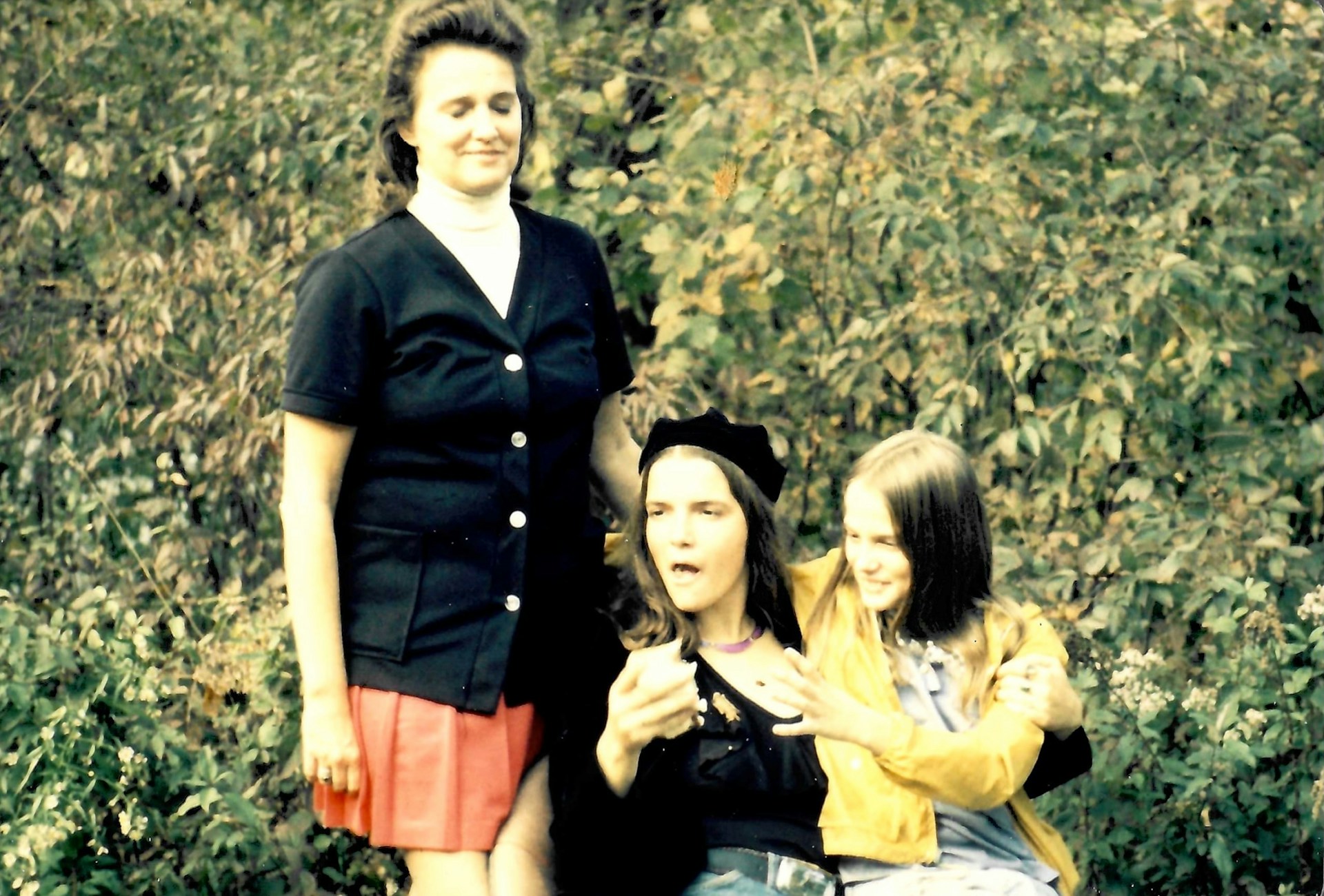
For 1960s schoolgirls, pants were treated as off-limits, even in cold weather. Dresses and skirts signaled femininity, and rules about fabric, fit, and length could be as specific as a uniform. A girl arriving in slacks might be sent home, not because the outfit disrupted class, but because it disrupted tradition. Even gym days could feel awkward.
The expectation carried a deeper message about roles. Looking ladylike was framed as part of being well behaved, and comfort was rarely the priority. It also taught girls that public approval could hinge on a small wardrobe choice, a quiet pressure that shaped confidence and self-image.
Curfews Were Carved in Stone

Curfews in the 1960s were treated like household law. Being late by a few minutes could bring a stern talk, a grounding, or a worried call to another parent. Teens were expected to share exact plans, check in, and stick to the route, because wandering looked suspicious, not adventurous. Without quick updates, a missed time snowballed.
The rule was less about clocks and more about community judgment. Parents feared that a teenager out too late reflected poorly on the family, and neighbors often felt entitled to comment. Independence existed, but it came with strings, and those strings were pulled hard when reputations felt at stake.
Talking Back Was Not Tolerated

Authority in the 1960s expected quiet compliance. Teachers, parents, coaches, and even neighbors could correct a teen, and the polite response was to listen, nod, and accept it. A disagreement, even carefully phrased, might be labeled talking back, as if having a different view was the same as being disrespectful.
That dynamic shaped how teens handled conflict. Many learned to keep opinions for private moments, or to communicate through hints instead of direct words. It also made fairness hard to negotiate, because the rules of the room often mattered more than the facts. In some homes, silence often counted as maturity.
Manners Were a Daily Test
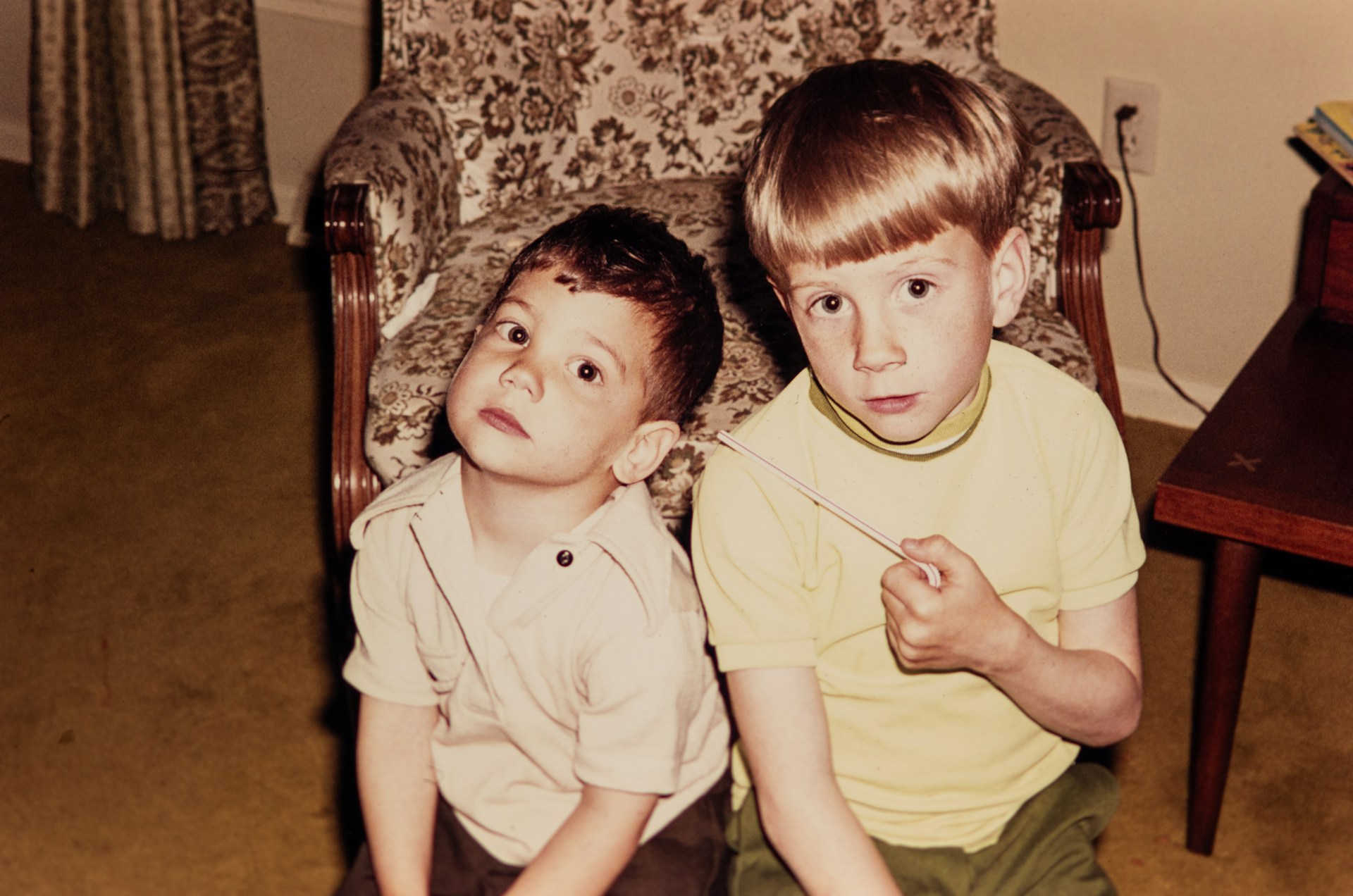
Good manners were a daily expectation at home, not a personality trait. Teens were coached to say please and thanks, to write polite notes, and to handle introductions smoothly. Table rules mattered too: elbows off, small bites, and no loud talk, because a meal was also a performance.
Adults treated a slip as a reflection on the whole household. A careless tone could spark correction, and parents took pride in children who seemed well raised in public. Conformity was praised, and politeness worked like a shield against judgment. Courtesy still matters, but the old standard leaned on appearing proper, even when it felt stiff.
Church Attendance Was Expected

For many families, Sunday morning was usually not a choice. Teens were expected to attend church, dress appropriately, and participate in youth groups, even when interest was thin. Skipping without a clear reason could be read as rebellion, because faith, family duty, and social standing were woven together in many towns.
Religious life also shaped friendships and dating. Church calendars influenced weekend plans, and certain behavior was judged through a moral lens that reached well beyond the sanctuary. The expectation offered community for some teens, but it also left little room for doubt, difference, or quiet questions.
Hair and Grooming Had Rules

Hair in the 1960s was treated as a public statement. Boys were often expected to keep it short, neat, and conservative, and a longer style could earn discipline or suspicion at school. Schools enforced grooming like a dress code. Girls faced their own standard: tidy hair, modest makeup, and a polished look that signaled self-control.
Grooming rules worked as social boundaries. A teen who pushed the look too far risked being labeled dramatic, careless, or trying too hard. What seems like a small choice now could decide whether a student was seen as respectable or rebellious, especially in communities that prized sameness.
Speech Stayed Controlled

Public speech in the 1960s came with guardrails. Swearing, loud voices, or emotional outbursts were corrected, and teens learned to keep tone measured in front of adults. Girls were often pushed to be demure and quiet, while boys were expected to stay calm and composed, even when frustrated.
Conversation had its own no-go zones. Politics, money, sex, and even religion could be treated as improper teen territory, especially around older relatives. The goal was decorum, not debate, so many young people practiced self-editing for safety. That restraint could look polite, while still leaving honest thoughts unsaid for years.
Living Together Before Marriage Was Taboo

In the 1960s, an unmarried couple living together was still widely seen as scandalous. Cohabitation outside marriage clashed with religious teaching, family reputation, and community expectations, so it was rare and often kept secret. Even rumors could carry consequences, because gossip traveled fast and forgiveness moved slowly.
The rule shaped how young relationships progressed. Marriage was treated as the only acceptable doorway to sharing a home, even for couples who already felt committed. Changing attitudes later opened more paths, but in that era, the social cost of breaking the norm could feel too heavy to risk.
Girls Were Steered Toward Household Skills

Home economics classes sent a clear signal about the future. Many girls were taught cooking, sewing, cleaning, and budgeting because adulthood was imagined as marriage, motherhood, and running a household. Boys were more likely steered toward shop class or technical electives, reinforcing the idea that domestic work was not their lane.
The expectation shaped identity early. A girl who preferred science or sports could still be judged on whether she seemed properly feminine and capable at home. Skills are valuable for everyone, but the 1960s framing often narrowed girls’ ambitions, turning potential into a checklist of roles.
Privacy Was Limited At Home
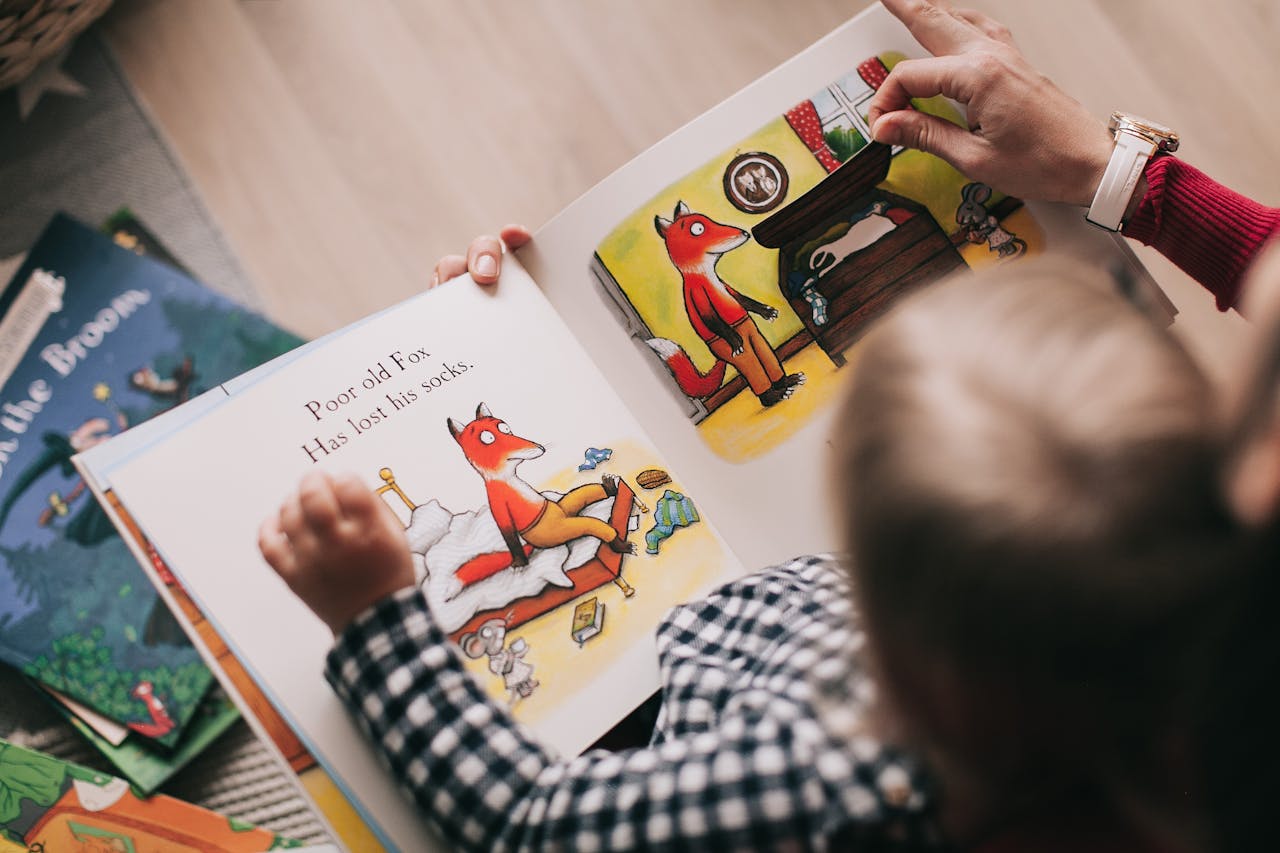
Teen privacy in many 1960s homes was limited by design. Parents might listen to phone calls on shared lines, expect bedroom doors to stay open, and know friends by name because the neighborhood was tightly knit. Plans were tracked, questions were constant, and secrecy was treated as a warning sign, not a normal part of growing up.
Supervision was framed as care, but it could feel like surveillance. Diaries, notes, and schedules were sometimes considered family business, not personal property. Over time, ideas about healthy independence shifted, yet the older rule left many teens feeling watched even in their own rooms.