Grocery prices keep climbing, yet some nights takeout wins on plain math.
The hidden costs live in the gaps: herbs that wilt after one recipe, sauces bought once, and produce that softens before another plan appears. Add a detour for one missing item and the energy of a hot oven, and a simple dinner can balloon. Restaurants spread prep, heat, and ingredients across many orders, so pickup can beat a cart built for a single craving. The payoff is quieter too: less waste, fewer half-used containers, and a fridge that feels manageable in the morning. It is thrift disguised as convenience, especially when schedules shift midweek.
Rotisserie Chicken Dinner With Two Sides
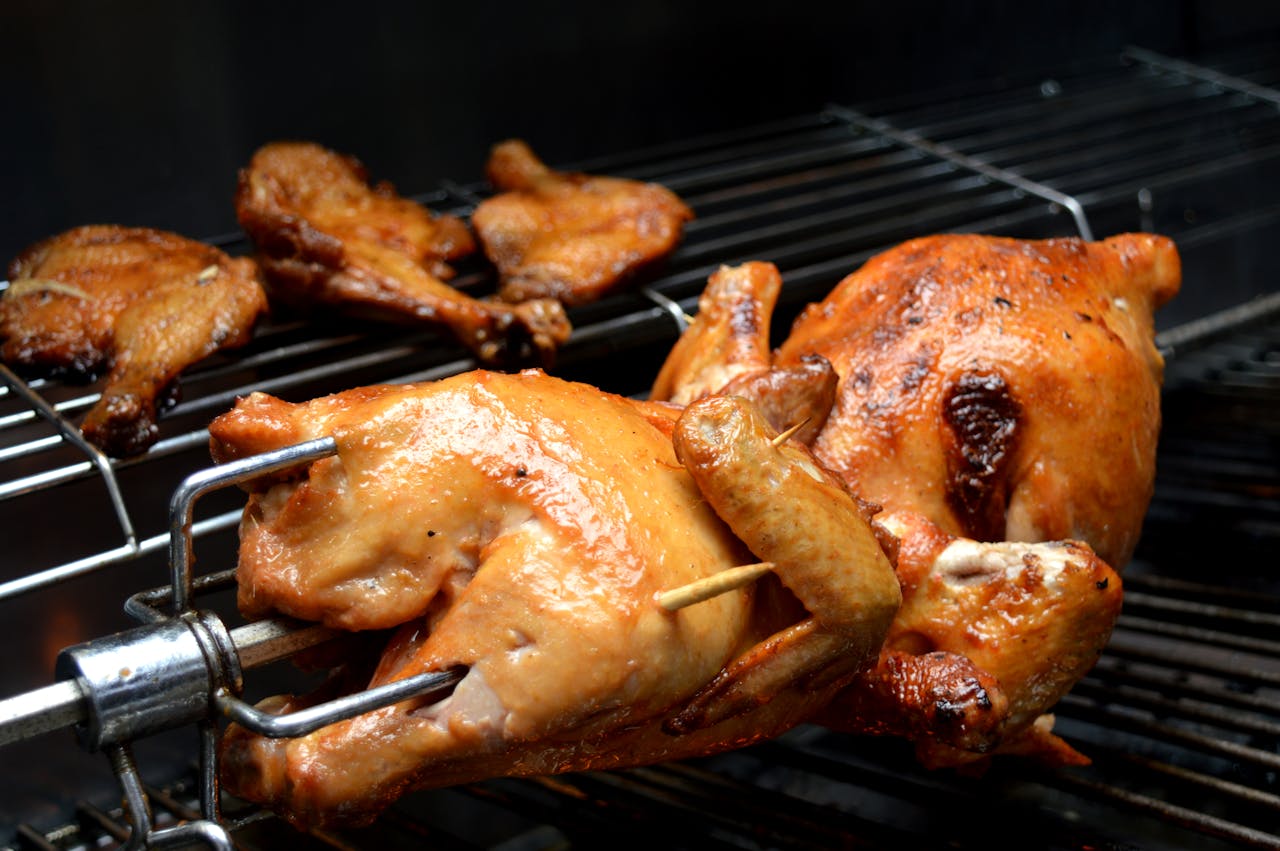
A supermarket rotisserie chicken at $6 to $9 plus two deli sides at $4 to $6 each often totals $15 to $21. The sides are seasoned and portioned, so there is no second shopping list hiding behind the main dish. Leftovers can become lunch without extra work.
Roasting at home can drift toward $25 to $35 once lemons, herbs, butter, a starch, and a vegetable are tallied. Add gravy ingredients or a last-minute spice run, and the total climbs again, while the oven runs longer.
For one-night plans, the ready-made route saves money by skipping half-used produce and leftovers that never get eaten. Cleanup stays light, which helps the week move.
Pad Thai That Does Not Require A Pantry Reset
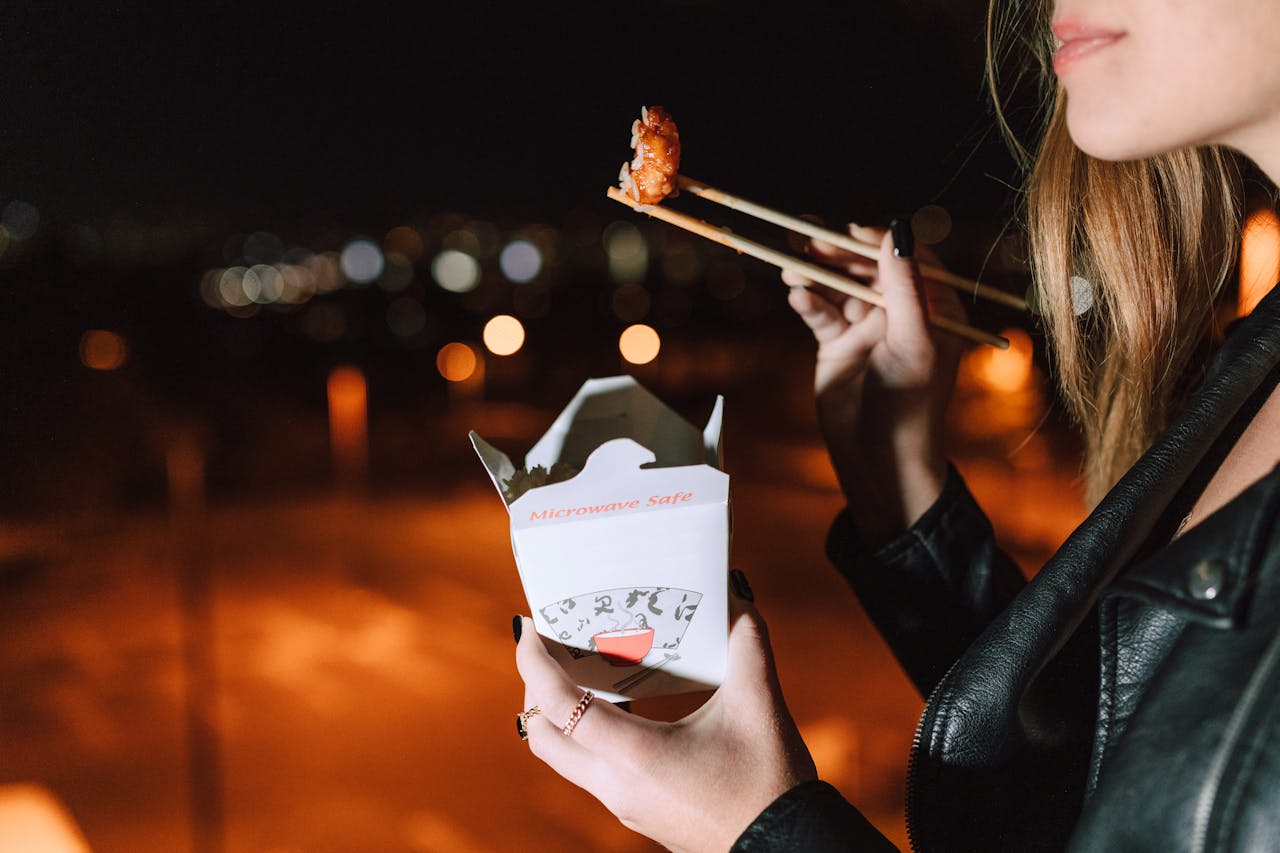
Pad thai at home can start as a craving and end as a pantry overhaul. Tamarind paste, fish sauce, rice noodles, peanuts, bean sprouts, and limes rarely come in one-meal sizes, so the first receipt can hit $25 to $40. Eggs and scallions push it higher.
A Thai kitchen selling $12 to $16 portions spreads those bottles and aromatics across dozens of orders. Pickup keeps the cost tied to the meal, not to jars that linger, and it avoids the trial batch that lands too sweet or too sharp.
The savings shows up later: fewer odd noodles, fewer open sauces, and less waste when plans change midweek. Cleanup is simpler after the sauce cooks down.
Sushi Rolls Where The Fish Is The Hidden Cost
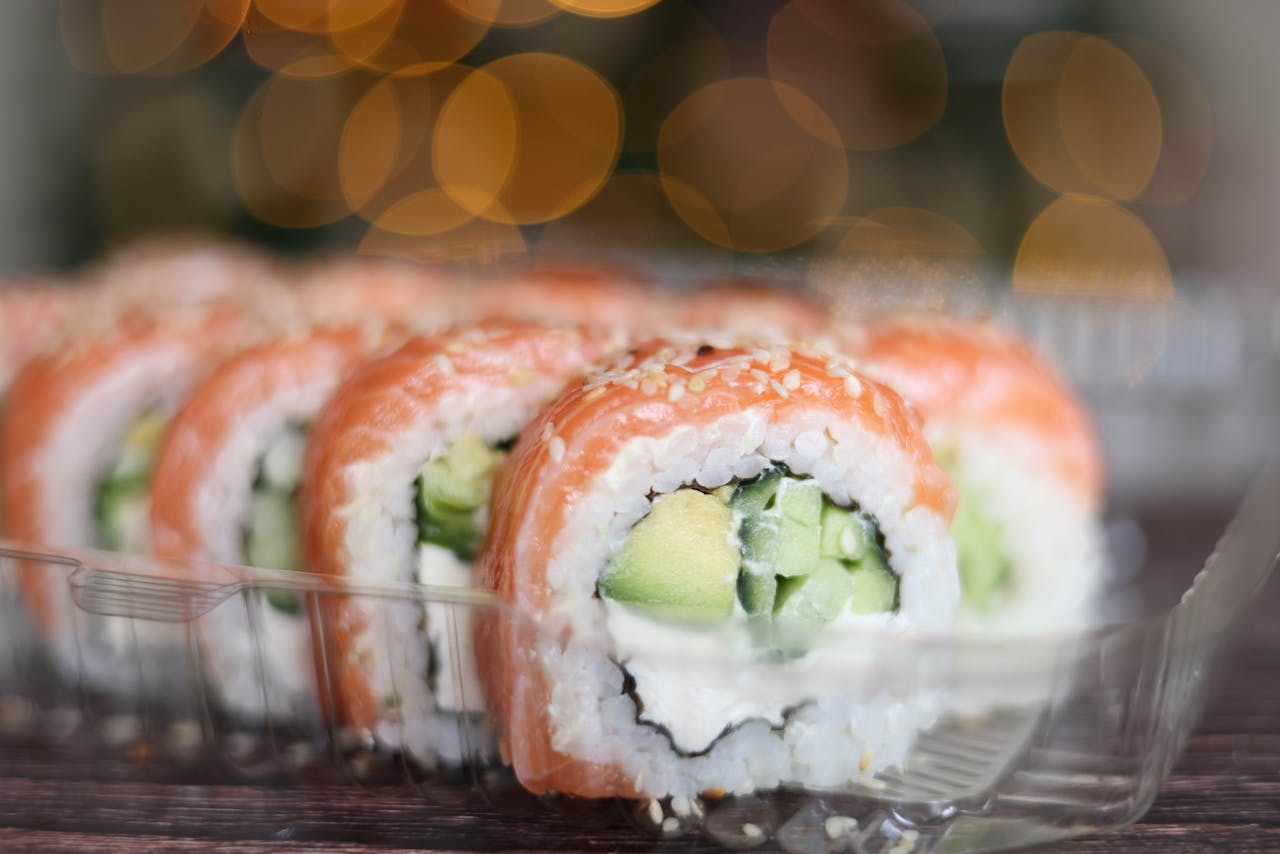
Sushi at home looks simple until the cart fills with nori, sushi rice, vinegar, soy sauce, and fish that needs careful sourcing and timing. Even a modest run can reach $35 to $60 once avocado, cucumber, and knife or mat add-ons enter the picture.
A shop selling two rolls and miso soup for $18 to $30 is spreading prep, sourcing, and waste across many customers. Pickup also removes the risk of buying more seafood than the night can safely use.
First-time rice often takes a few tries, and extra batches quietly raise the bill. Takeout wins when the alternative is nori that dries out and rice that goes stale before another sushi night.
Pizza Night That Outsmarts Cheese Inflation
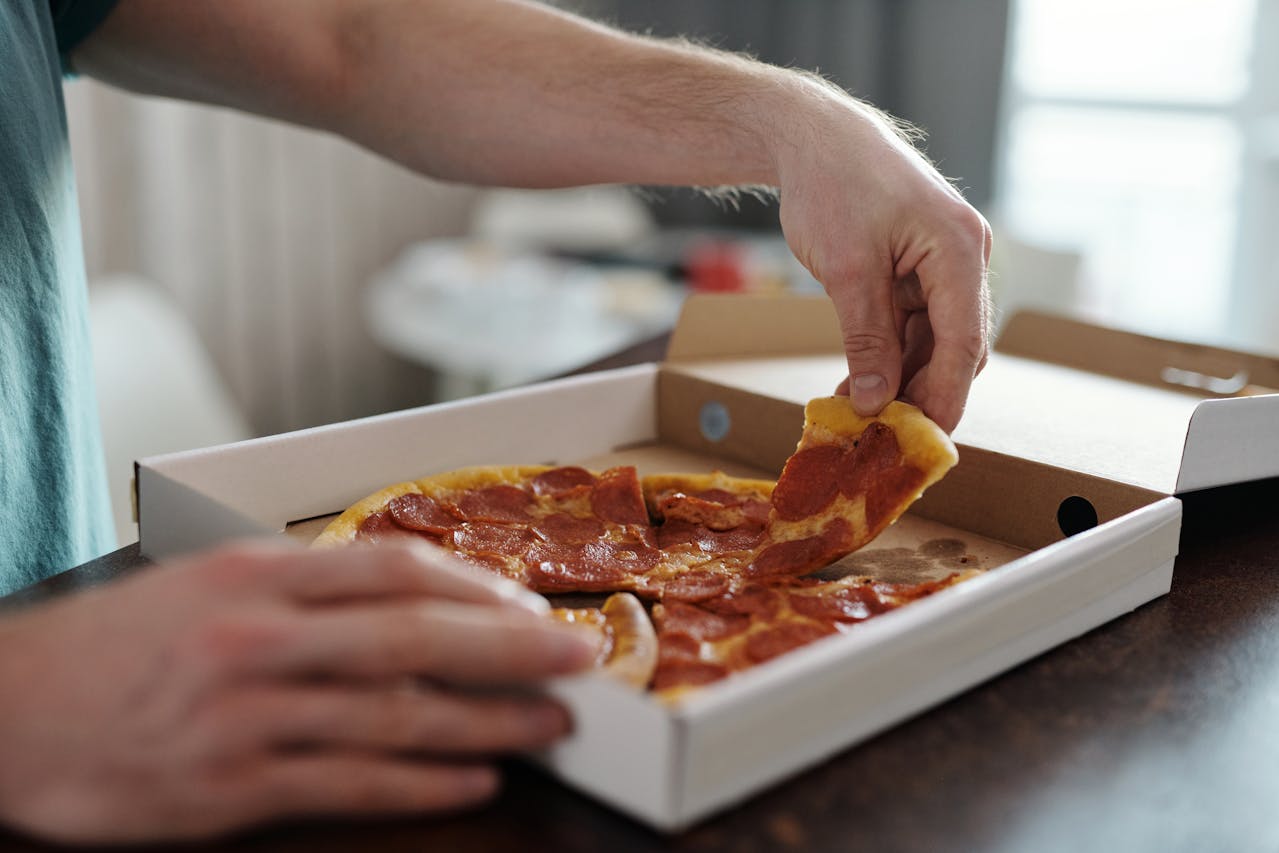
A pickup pizza deal can land a large pie at $12 to $18, feeding a household without buying separate toppings and a full bag of cheese. It stays predictable, especially when the fridge is already crowded with half-finished plans. No waste follows.
A home pizza can trigger a $30 to $45 run once flour, yeast, olive oil, sauce, cheese, and meat are tallied. Parchment, cornmeal, and extra toppings inflate the receipt, and a soft crust can tempt a second attempt.
If dough making is not routine, takeout often wins by avoiding leftover cheese and sauces that do not match the next week’s meals. Cleanup is quick, and the kitchen stays calm.
Pho Or Ramen When Broth Becomes A Project
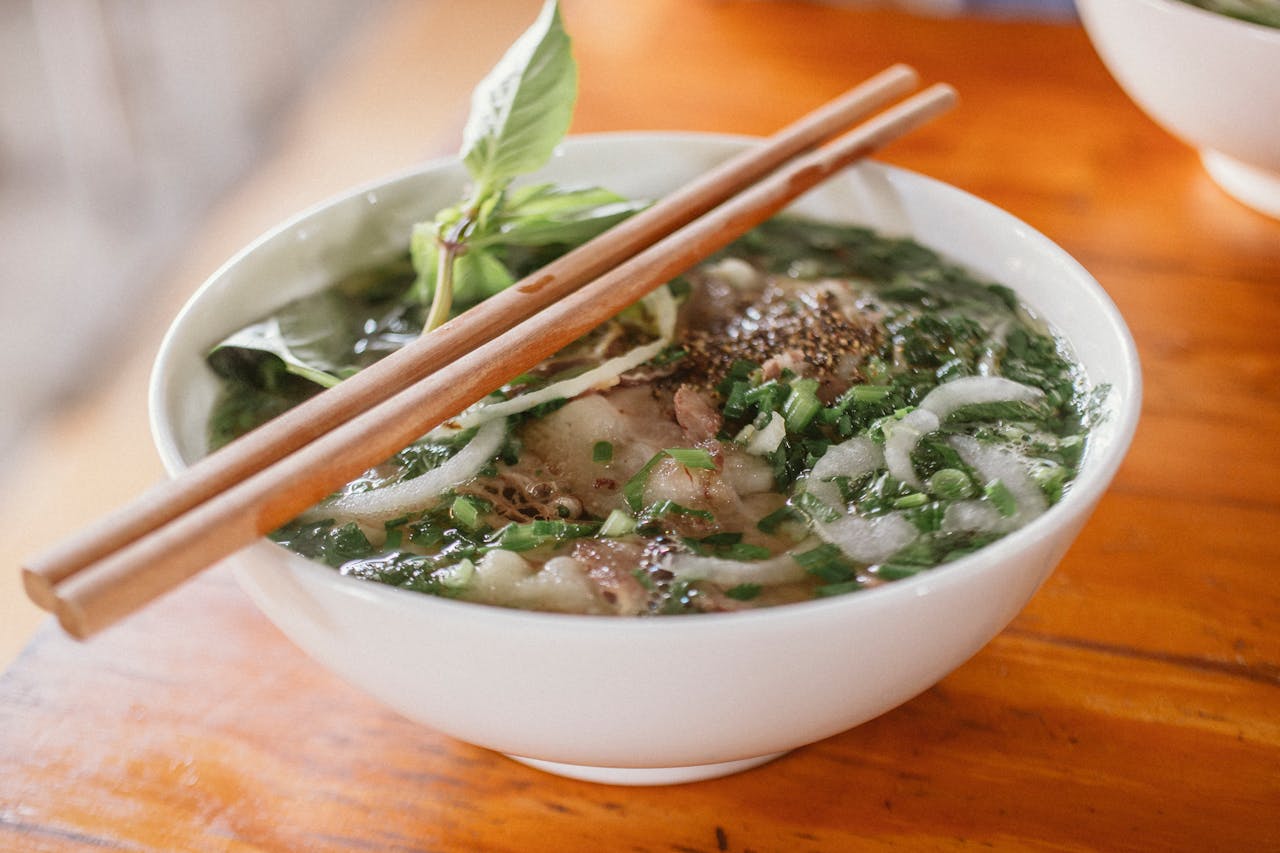
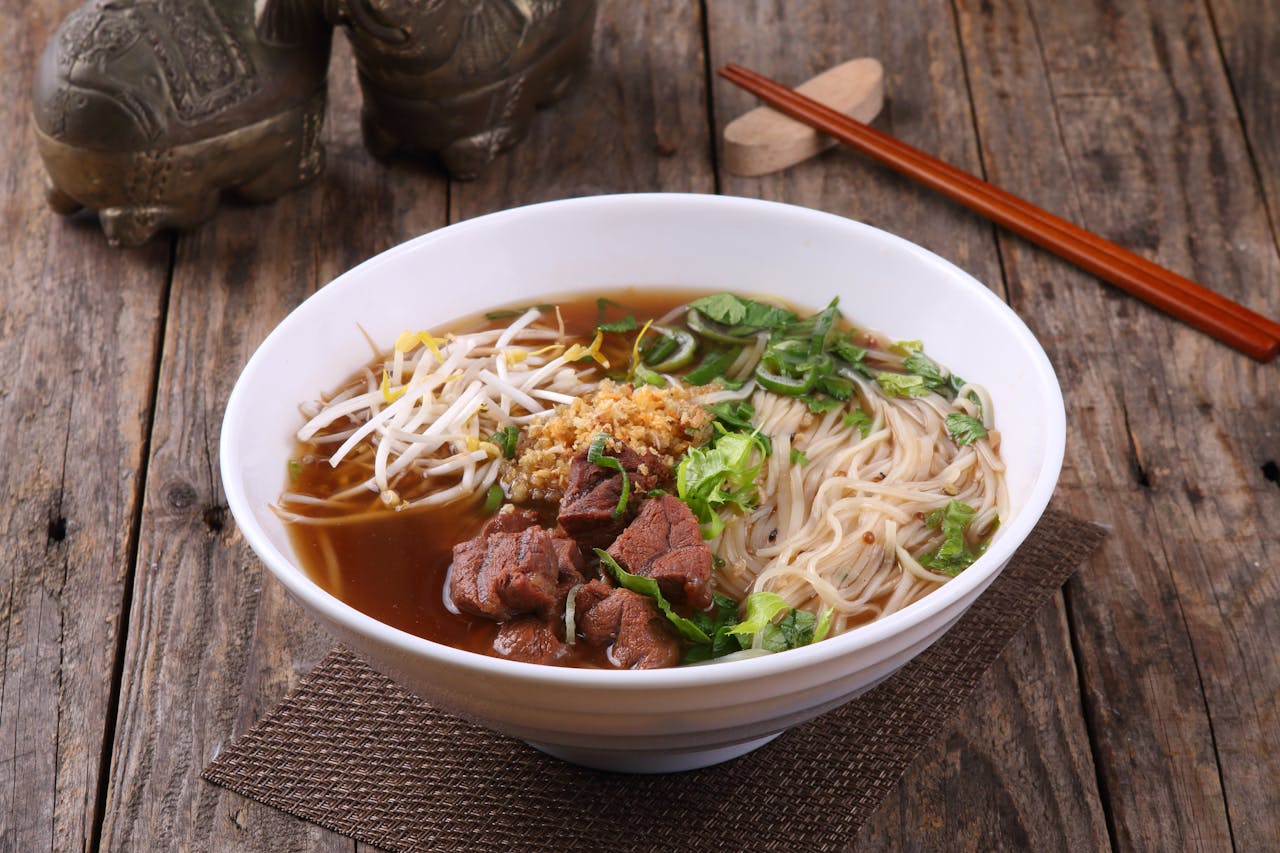
Pho or ramen at home turns broth into a project. Bones, onions, ginger, herbs, noodles, eggs, and toppings can push a modest batch to $25 to $45, even before the long simmer starts. The stove runs for hours, and energy costs tag on.
A restaurant bowl at $13 to $18 looks easier to justify when the spice blend and cook time are shared across many servings. Pickup also avoids cooling, storing, and reheating a stockpot’s worth of liquid in a crowded fridge.
For occasional cravings, takeout keeps the flavor deep without a counter full of garnishes that fade by day two. It prevents leftover herbs and extra noodles from turning into quiet waste.
Butter Chicken With Rice Without Buying Ten Spices
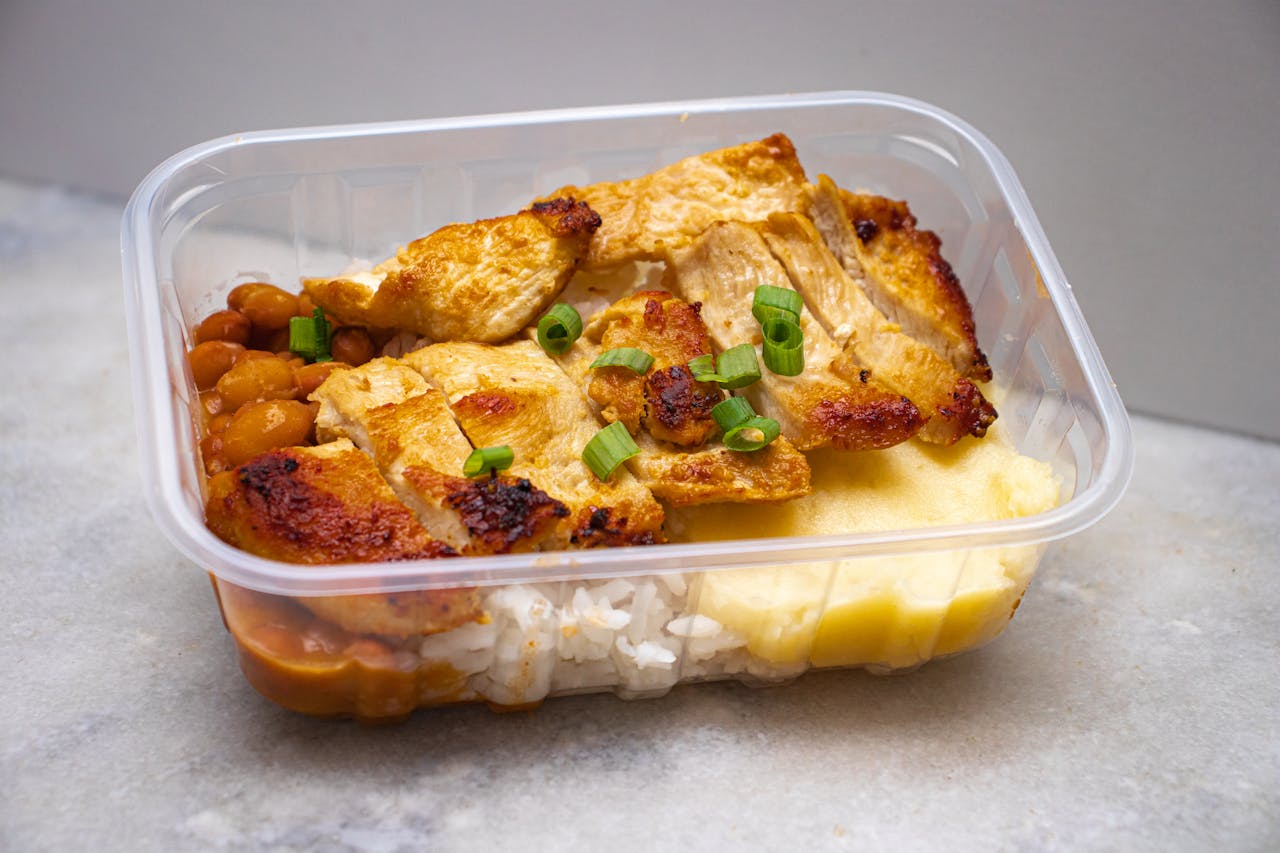
Butter chicken at home can quietly become a spice run. Garam masala, turmeric, cumin, chili powder, kasuri methi, plus ginger, garlic, cream, and butter can push the first attempt to $30 to $55.
Restaurants hold those flavors in volume, so a pickup family tray around $28 to $40 can cover four servings with rice or naan. Skipping delivery fees keeps the math honest. The cost stays tied to food, not to jars used twice and forgotten.
Takeout also dodges the dairy problem: leftover cream and tomato puree that rarely match another meal. When curry night is occasional, pickup is often the cleaner budget choice, and cleanup stays simple.
Barbecue Pulled Pork Without The All-Day Cook
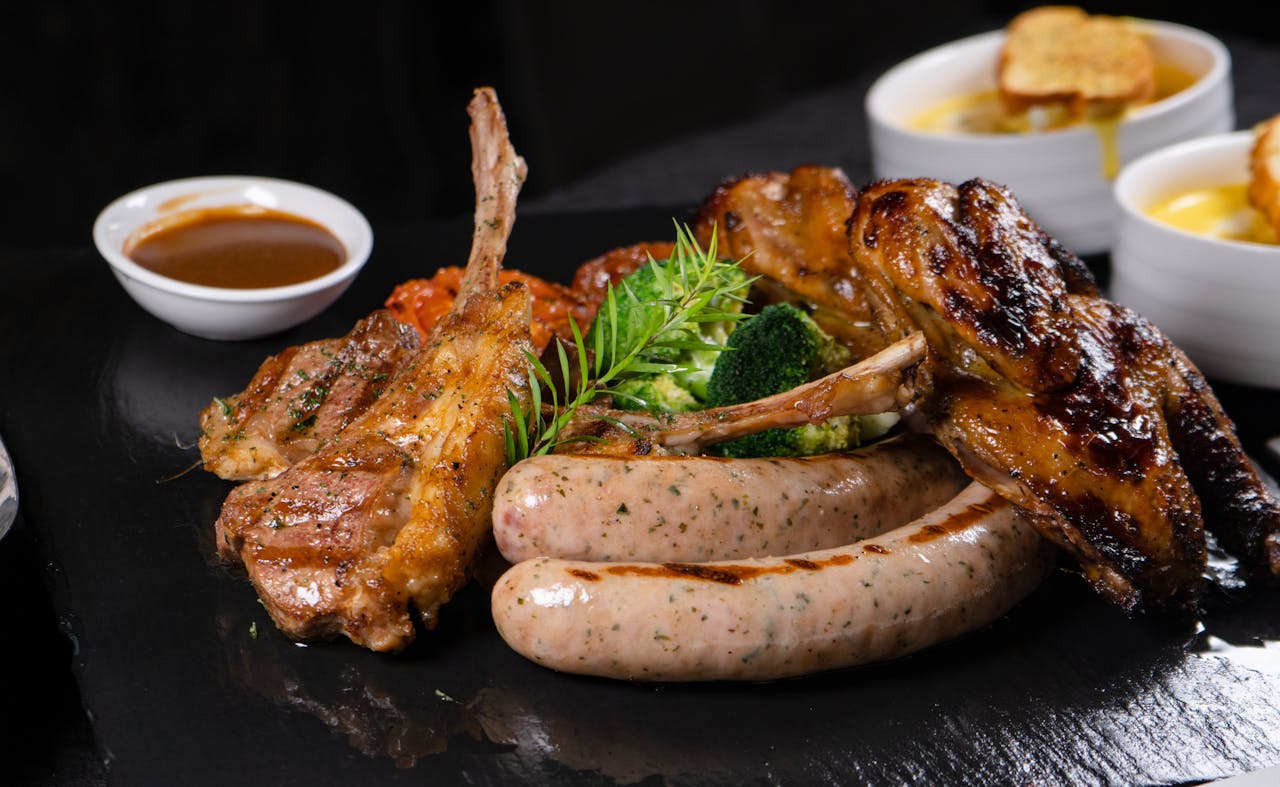
Pulled pork sounds thrifty until the full day is priced in. A shoulder at $12 to $20 still needs a rub, sauce, buns, and sides, plus fuel that holds steady heat for hours.
By the time brown sugar, spices, charcoal or pellets, and a slaw kit are added, the total can drift to $35 to $55. A thermometer upgrade adds cost fast, and weather swings can mean more fuel and less predictable results.
A smokehouse platter at $14 to $20 buys consistent bark and tenderness without all-day attention. Pickup also prevents a mountain of leftovers that starts exciting and ends dry, ignored, and eventually tossed. The kitchen avoids grease, smoke, and foil.
Gyros That Avoid Buying A Whole Tub Of Yogurt
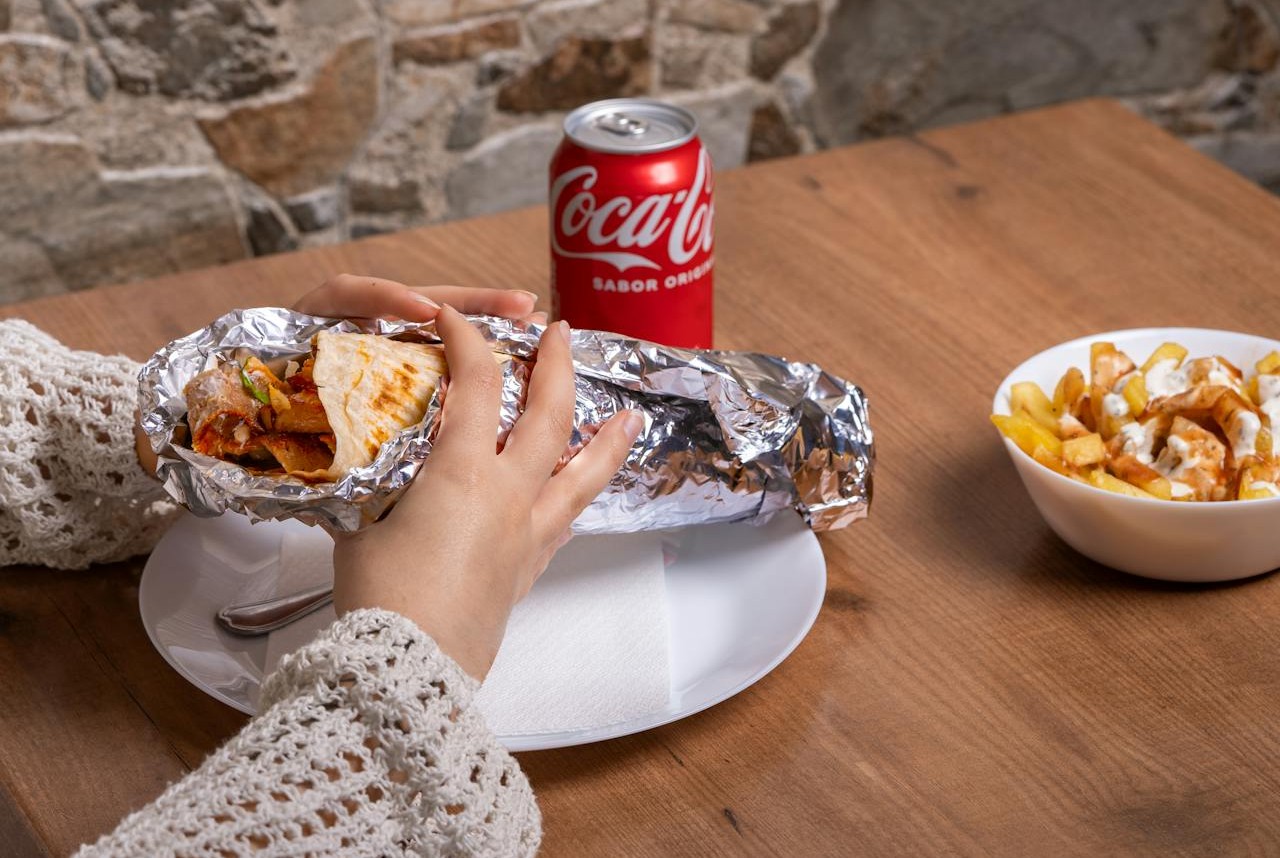
Gyros at home look easy, but the shopping list is wide. Pita, yogurt, cucumbers, garlic, tomatoes, onions, and seasoned meat can land at $25 to $40 when bought in normal package sizes. Add feta, fries, and a sauce bottle, and the total climbs again.
Tzatziki is the quiet budget trap: yogurt comes in big tubs, herbs come in bunches, and extra pita stales fast. Smaller households often watch half the produce soften before a second gyro night happens.
A $12 to $16 gyro combo includes sides and keeps portions tight. Pickup wins by avoiding open containers and ingredients that never match another meal. Flavor stays bright, and cleanup is quick.
Burrito Bowls When Ingredients Multiply Too Fast
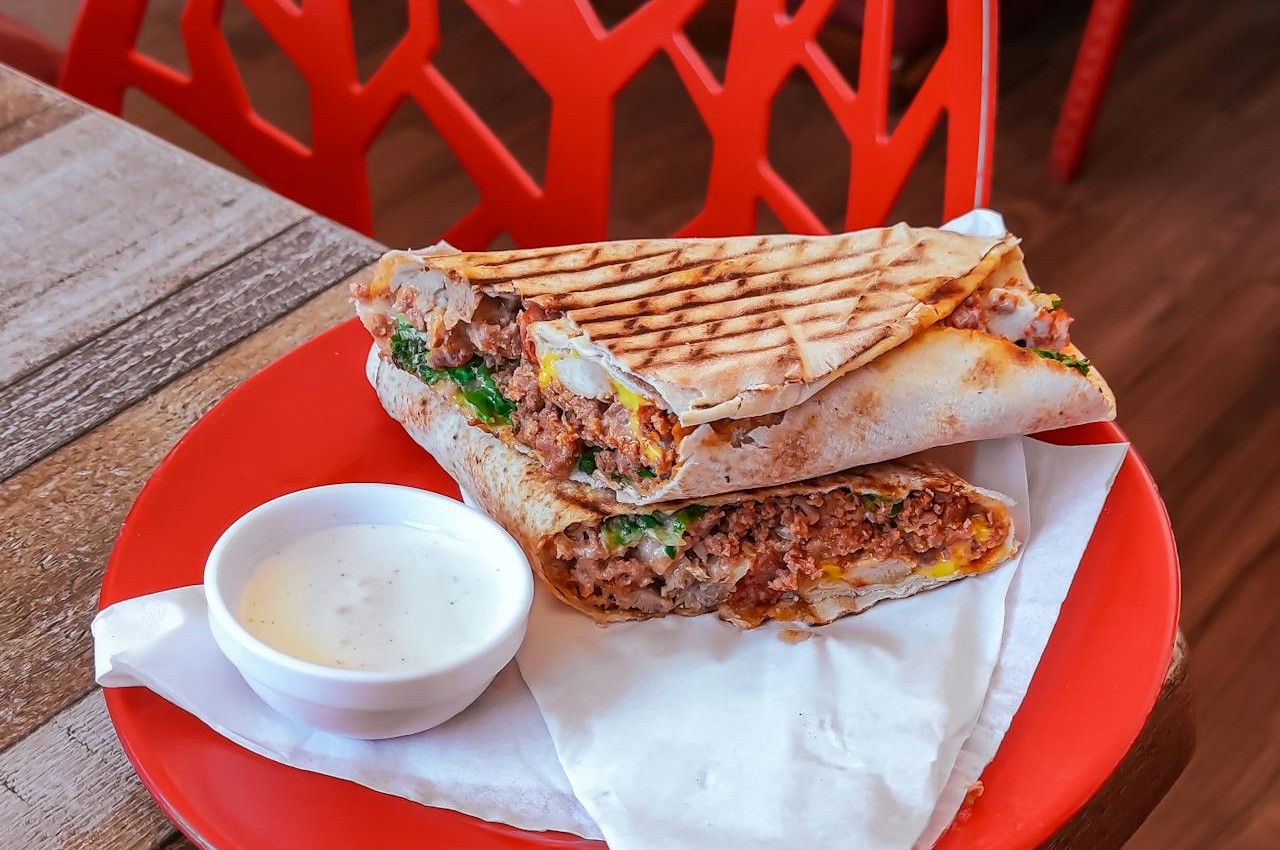
Burrito bowls at home start inexpensive, then multiply. Rice, beans, salsa, cheese, sour cream, cilantro, and limes are the base, and extras like chips and guacamole raise the receipt fast.
A single run can land at $25 to $45 once protein and toppings are added, and the fridge fills with open containers that lose freshness on different schedules. Shredded lettuce and grated cheese linger until tossed. Half a bunch of cilantro is a familiar casualty.
Fast-casual bowls at $10 to $13 can undercut that total on pickup, especially with rewards. Skipping delivery fees keeps the math honest and reduces waste, with nothing left to chase later.