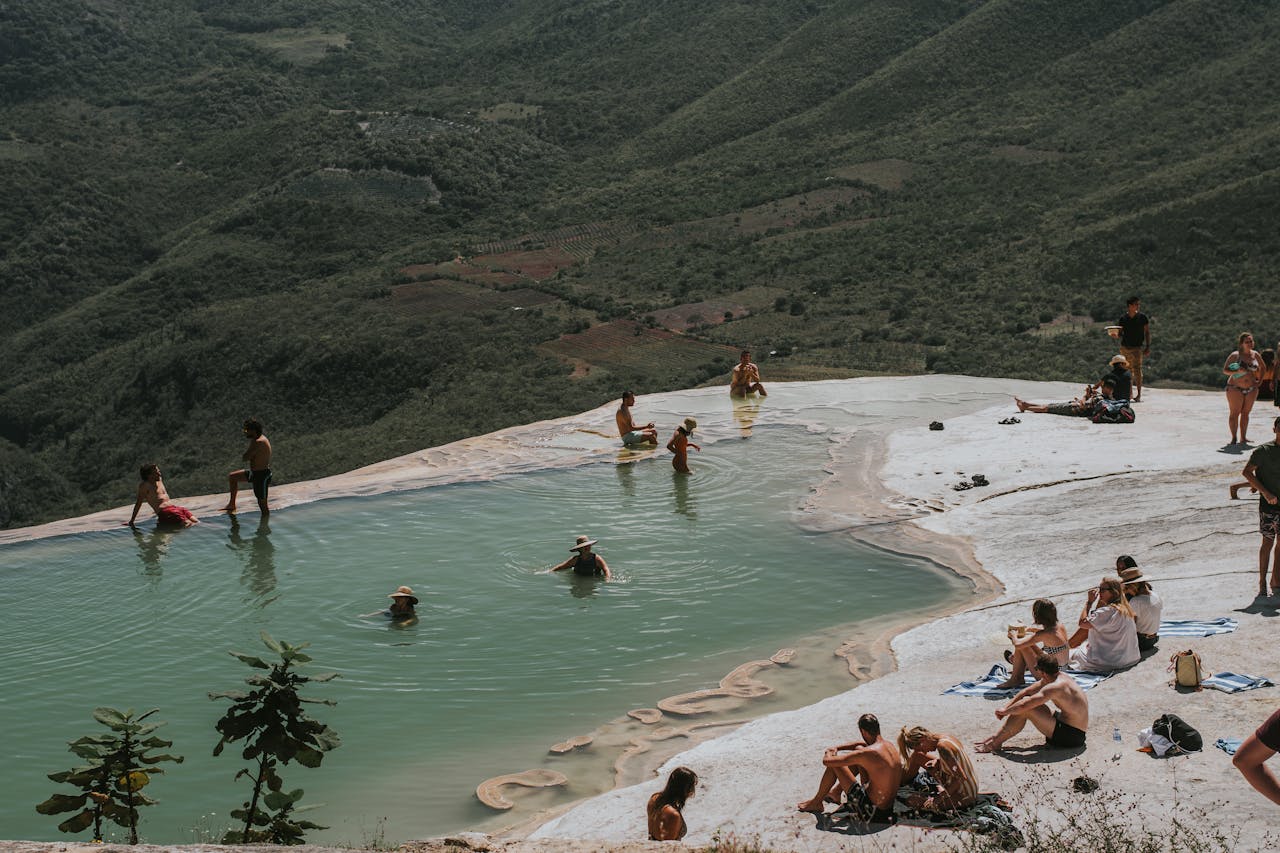
Across Japan, Finland, South Korea, Iceland, and Turkey, bathhouse culture keeps finding new admirers because it offers something many trips now fail to deliver: unhurried time with other people. The appeal is not only the heat, steam, or mineral water. It is the small choreography around them, the shower stool, the sauna bench, the cotton wrap, the quiet pause between rooms. That is also where awkwardness begins. Travelers often adore the ritual right up to the moment they realize the room already had rules, and everyone else seemed to know them, often before a single word was spoken. In bathhouses, manners matter.
The Onsen Reset
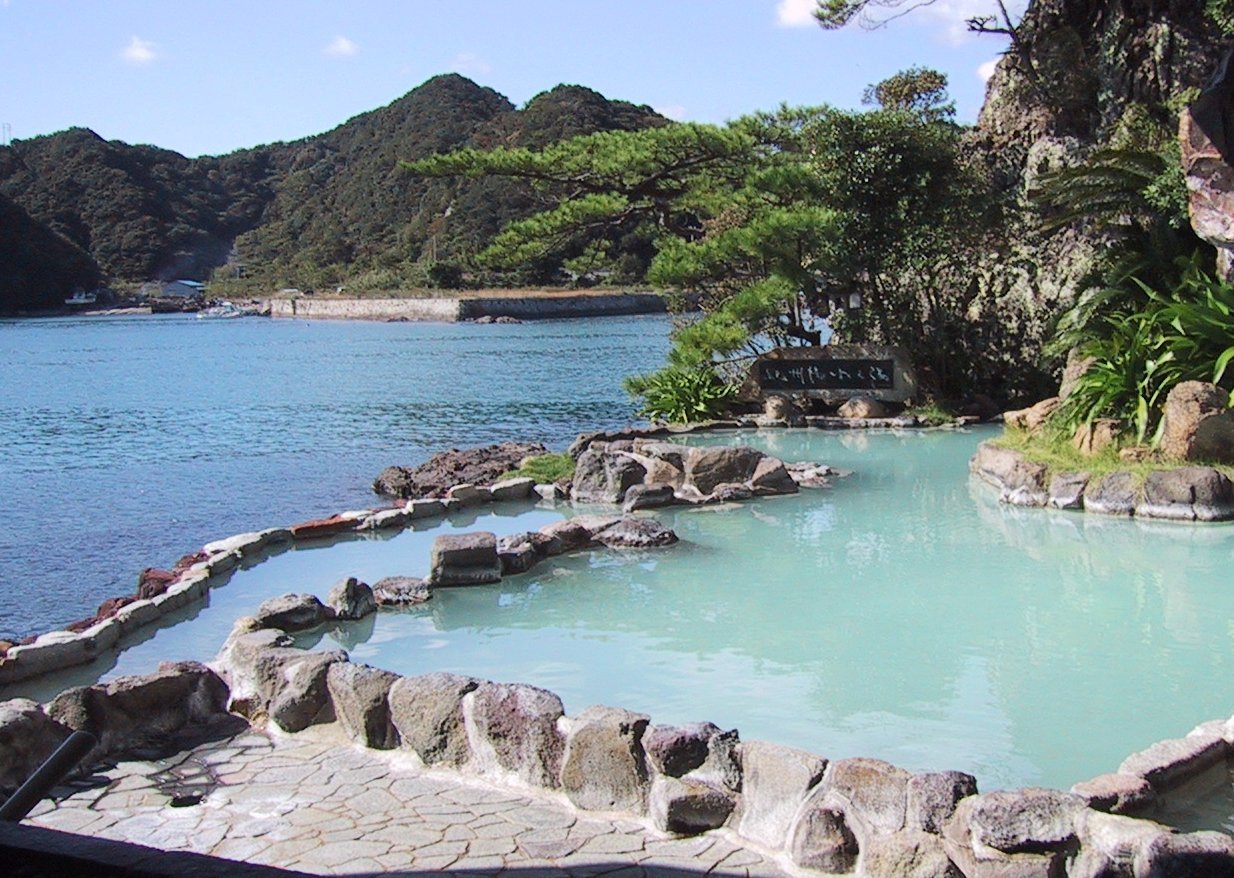
Japanese onsen keep drawing travelers because the experience feels stripped back in the best way: wash, soak, cool off, breathe, repeat. Official guidance makes clear that many facilities remain strict about tattoos, nudity, and keeping towels, hair, and splashing out of the bath.
The awkward moment usually comes when a guest treats the water like a pool instead of a shared ritual. An onsen room can look relaxed, but it is carefully ordered. The stool shower comes first, the voice drops lower, and the small towel stays out of the water. A traveler who misses that rhythm changes the mood for everyone else. Everyone notices.
Urban Sauna Nights in Finland
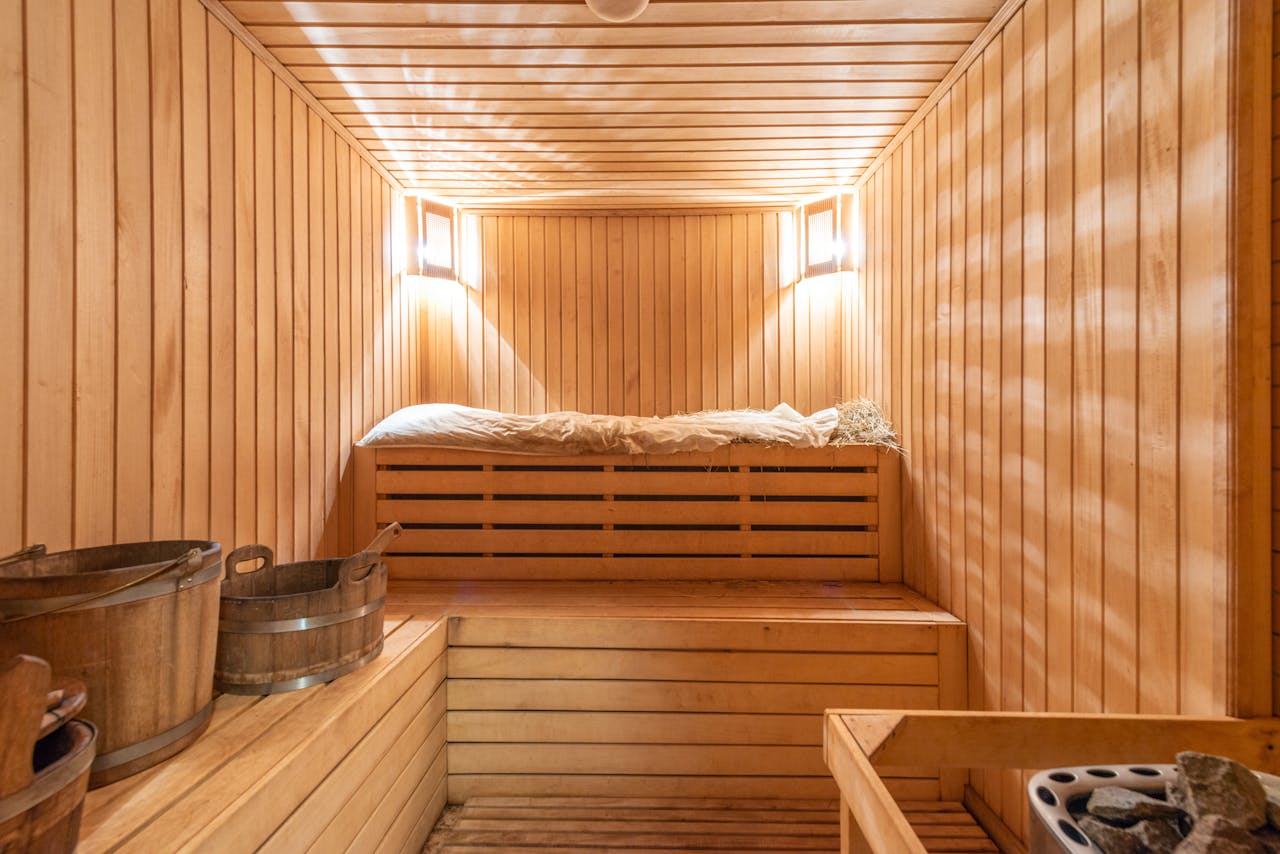
In Finland, the newer public-sauna boom works because it makes an old custom feel both local and contemporary. Official tourism pages lean into that mix, pairing sleek urban saunas with a tradition built around slowing down, cooling off, and returning to the heat without hurry.
The awkwardness usually starts when travelers assume every sauna follows the same clothing code. Some public spaces are mixed and use swimsuits, while other settings follow different customs. Trouble also arrives with rushed behavior: barging in, fidgeting through five minutes, then leaving as if the point were only to endure heat. The room notices it fast.
Jjimjilbang As an All-Day Hangout
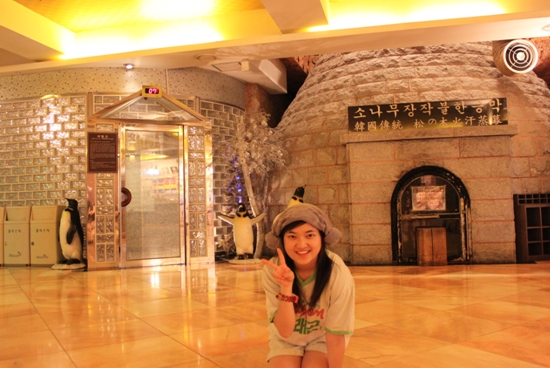
Korean jjimjilbang culture appeals to travelers who want a bathhouse to feel social, long-form, and a little playful. Official tourism material highlights the details people remember most: the rolled towel, boiled eggs, sweet rice punch, themed rooms, and charcoal-kiln spaces where some rooms call for socks and cotton gloves.
The awkward part comes when guests mistake the place for a casual lounge and stop reading the room. A jjimjilbang may feel relaxed, but it still runs on sequence, shared space, and temperature awareness. Moving carelessly into the hottest room or ignoring house gear can turn novelty into discomfort fast.
Geothermal Pooling in Iceland
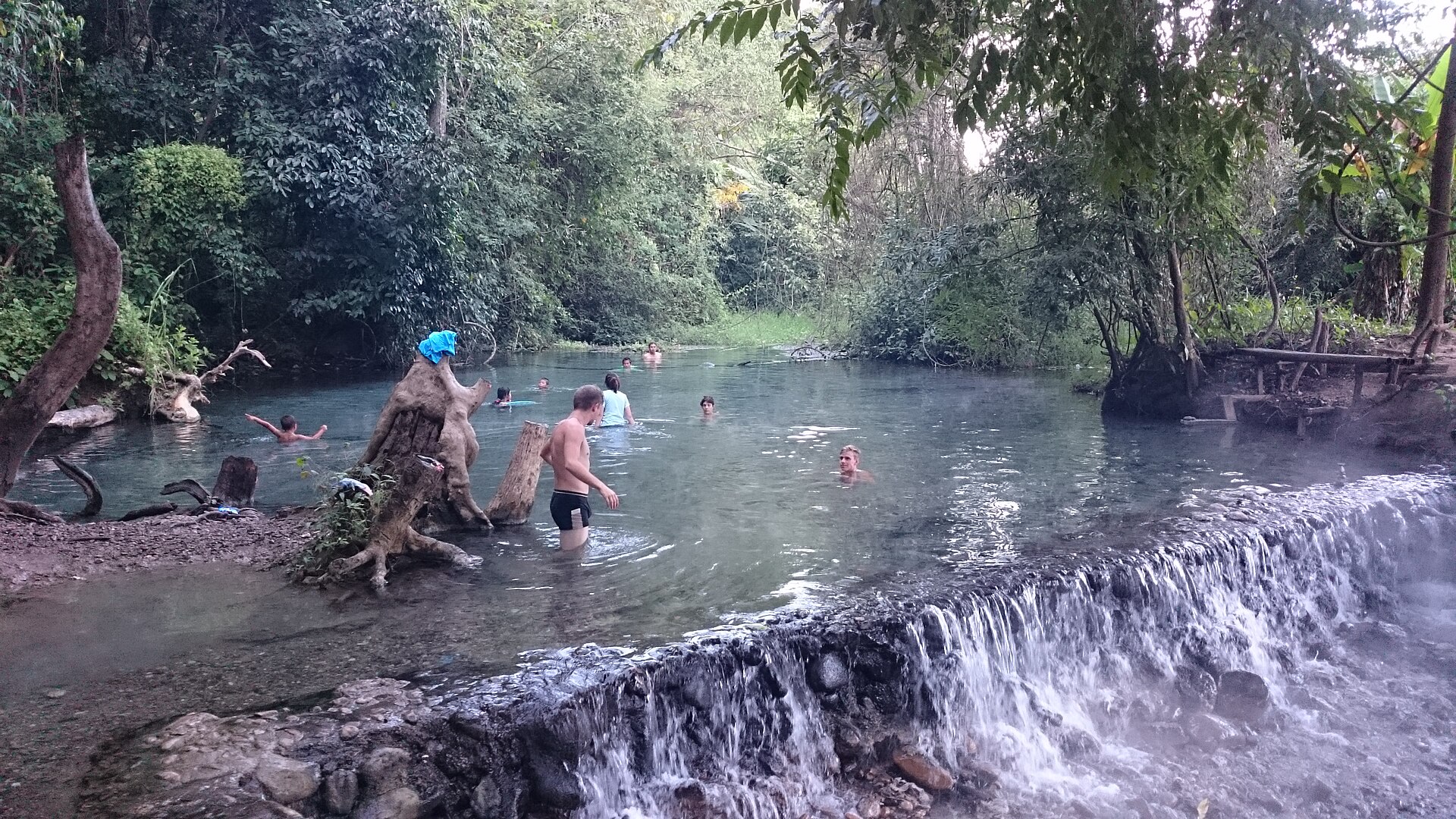
Iceland’s geothermal pool culture keeps winning travelers over because it feels communal rather than ceremonial. Reykjavík treats its pools as everyday social spaces, and local guidance treats the pre-swim shower as part of the culture itself. Guests wash thoroughly without swimwear before entering, and many facilities also ban cameras and phones in changing and pool areas.
That is where visitors can go wrong. The bath may look easygoing, but the etiquette is enforced with real clarity. A traveler who dodges the shower routine, or acts as if the locker room were content space, stands out immediately, and rarely in a good way.
Historic Hammams With Modern Spa Appeal
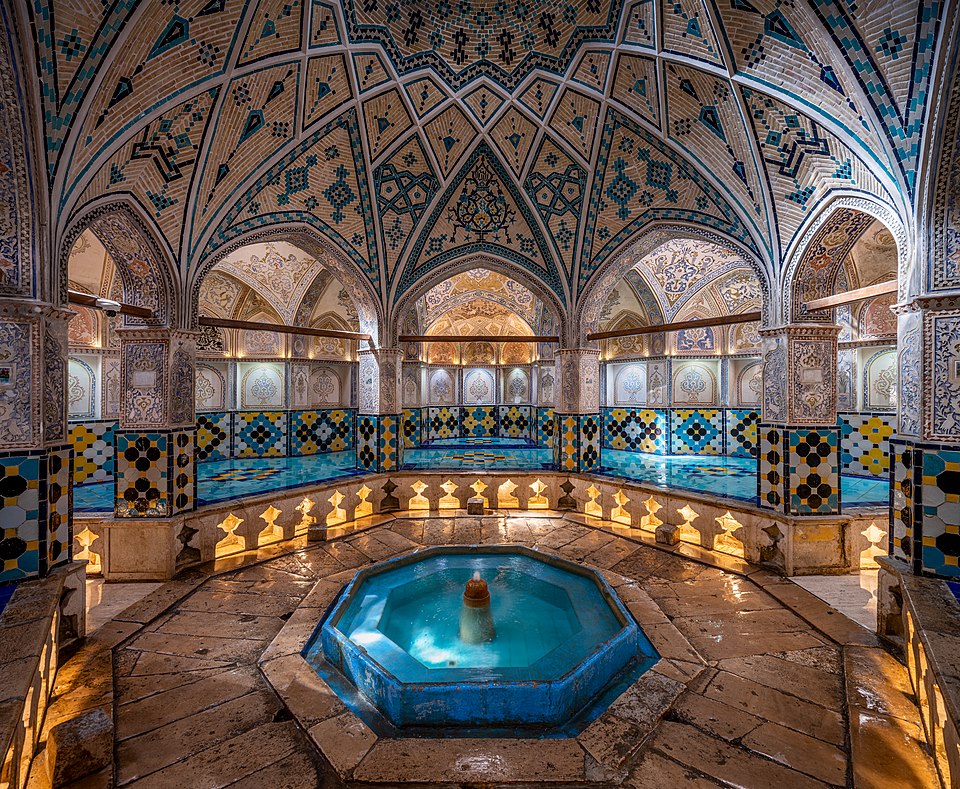
Traditional hammams attract travelers who want heritage with their wellness, not just another spa. Official Turkish guides describe a ritual of steam, kese exfoliation, foam massage, and water cleansing in marble rooms. They also note practical choices at arrival, from self-service entry to scrub packages, with separate sections or times.
Awkwardness appears when a guest books the experience for atmosphere alone and misses the social contract underneath it. A hammam is tactile, public, and procedural. Someone expecting privacy, or reacting with surprise to the brisk rhythm of treatment, can throw off the attendant and the room.