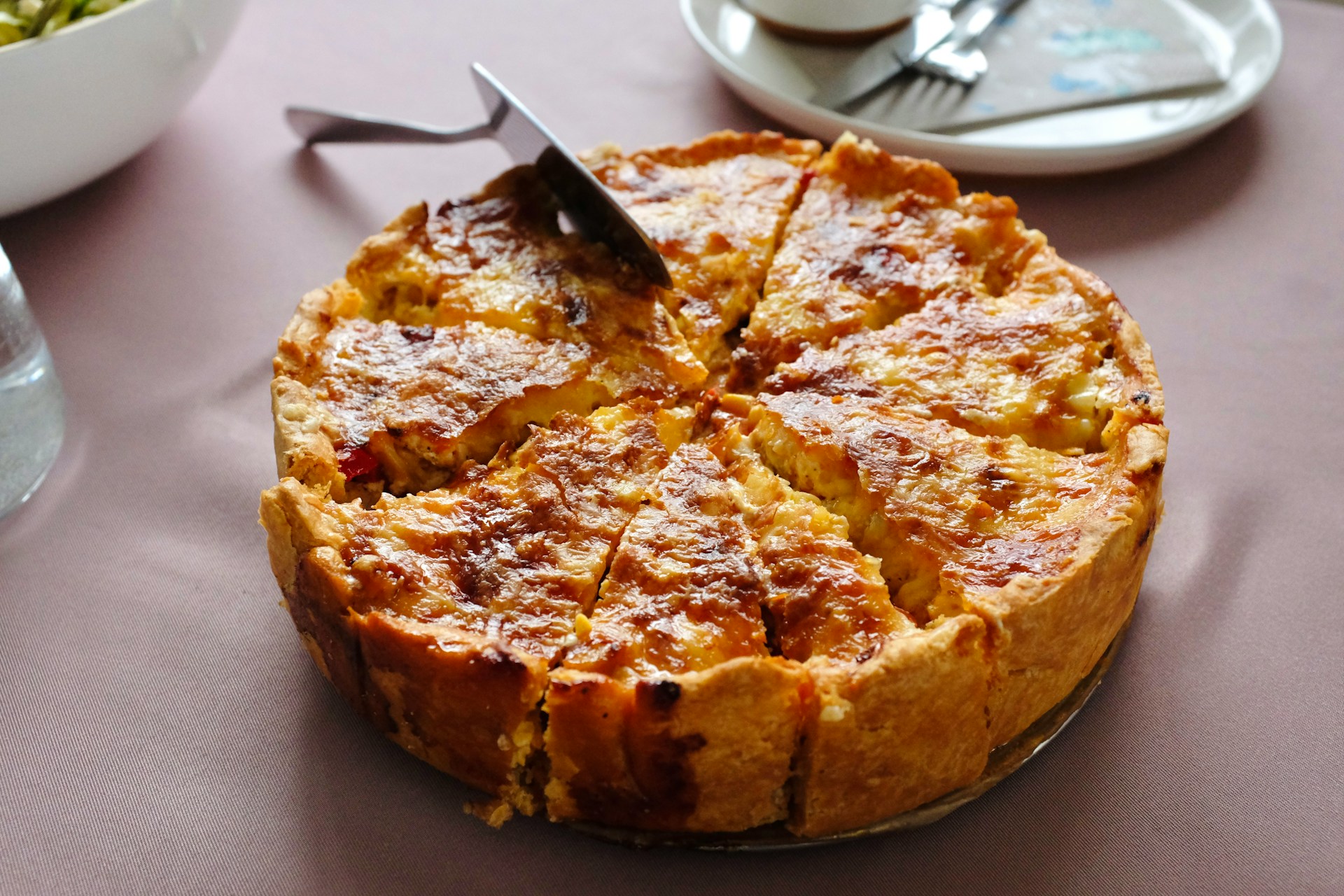
In some homes, childhood food felt normal in the way air feels normal. The fridge held plain yogurt, berries in odd months, and bread that came warm from a bakery bag. Dinner showed up on real plates, with vegetables that were fresh more often than not.
Nothing about it screamed luxury, yet it hinted at steady resources and a belief that taste and health mattered. It also suggested time: someone planned meals, read labels, and shopped beyond the cheapest aisle. Years later, those dishes explain why certain flavors feel like comfort, and why convenience can still feel like a compromise. Food became a marker of belonging.
Grilled Salmon On A Weeknight
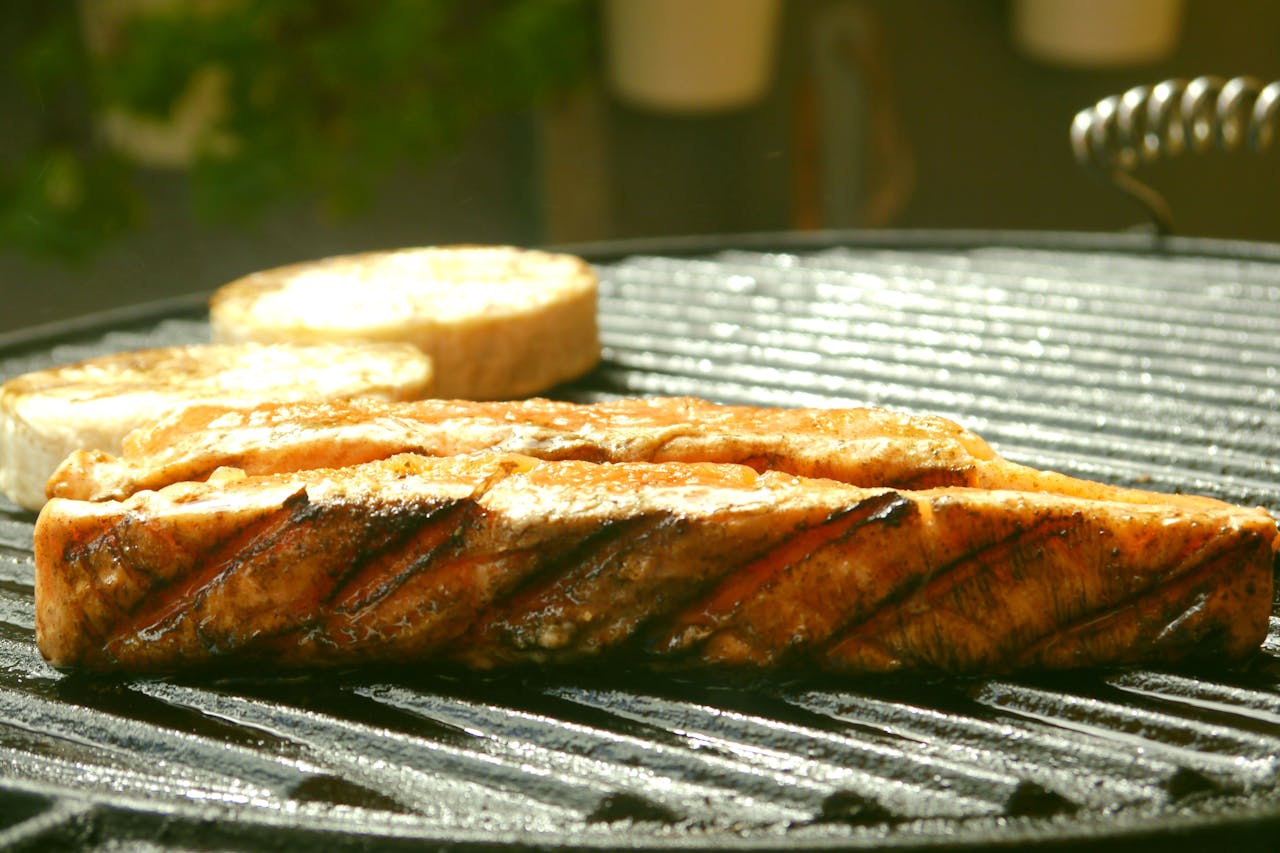
Salmon at home, on a random weeknight, carried a different message than fish sticks ever could. Fresh fillets meant a store that stocked seafood, plus the budget to buy it without turning dinner into an event. It hinted at parents who treated food choices as part of doing well, not just getting full.
It also reflected early health awareness: protein that felt modern, paired with lemon, greens, and a side that came from the produce bin, not a can. Even when prices rose, the meal still appeared, which taught kids that quality ingredients belonged in ordinary routines. That expectation tends to stick. It follows them too.
Quiche For Brunch
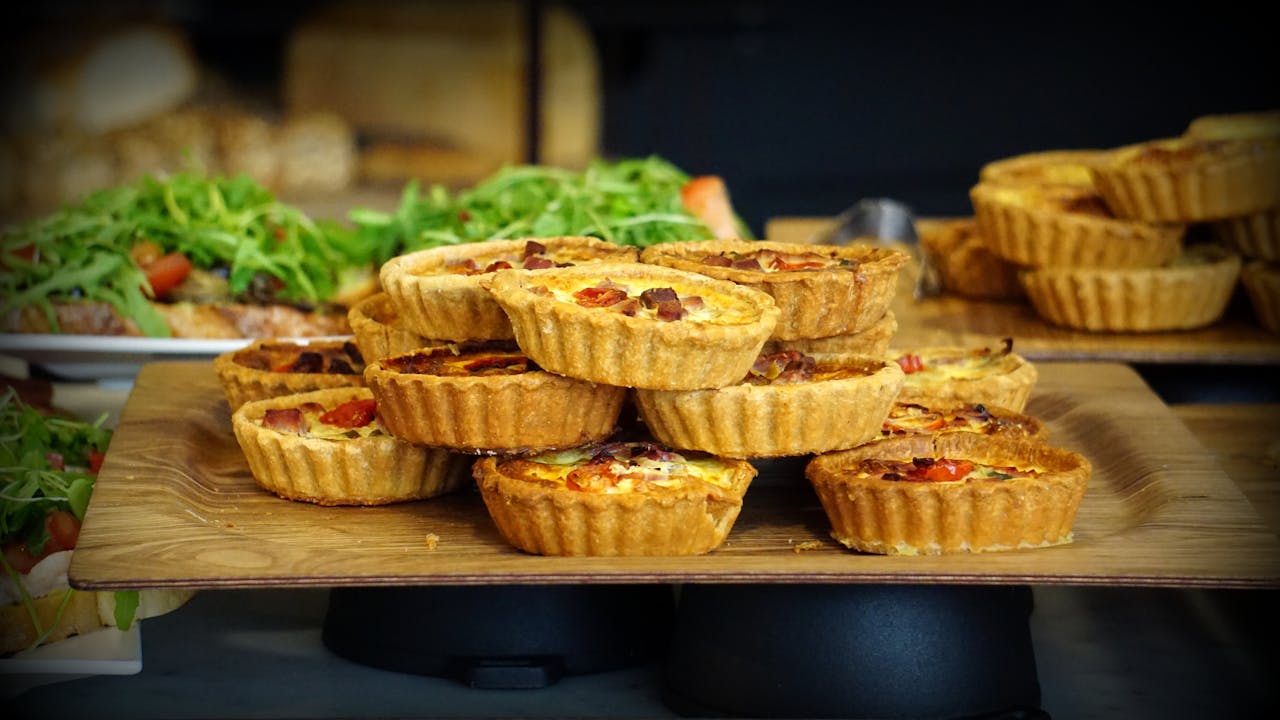
Quiche showed up like a quiet flex at weekend brunch, especially when guests were expected. A flaky crust, eggs whisked with cream, and neatly arranged vegetables signaled planning, not panic cooking. It was the kind of dish that looked effortless only because someone practiced.
It also suggested a household comfortable with cookbooks, hosting, and a certain kind of casual sophistication. Making it meant blind-baking, timing the filling, and serving slices that held their shape. Kids learned that entertaining came with standards, and that home cooking could be curated, not merely practical. The lesson lingered well past childhood.
Whole Wheat Or Multigrain Bread As The Default
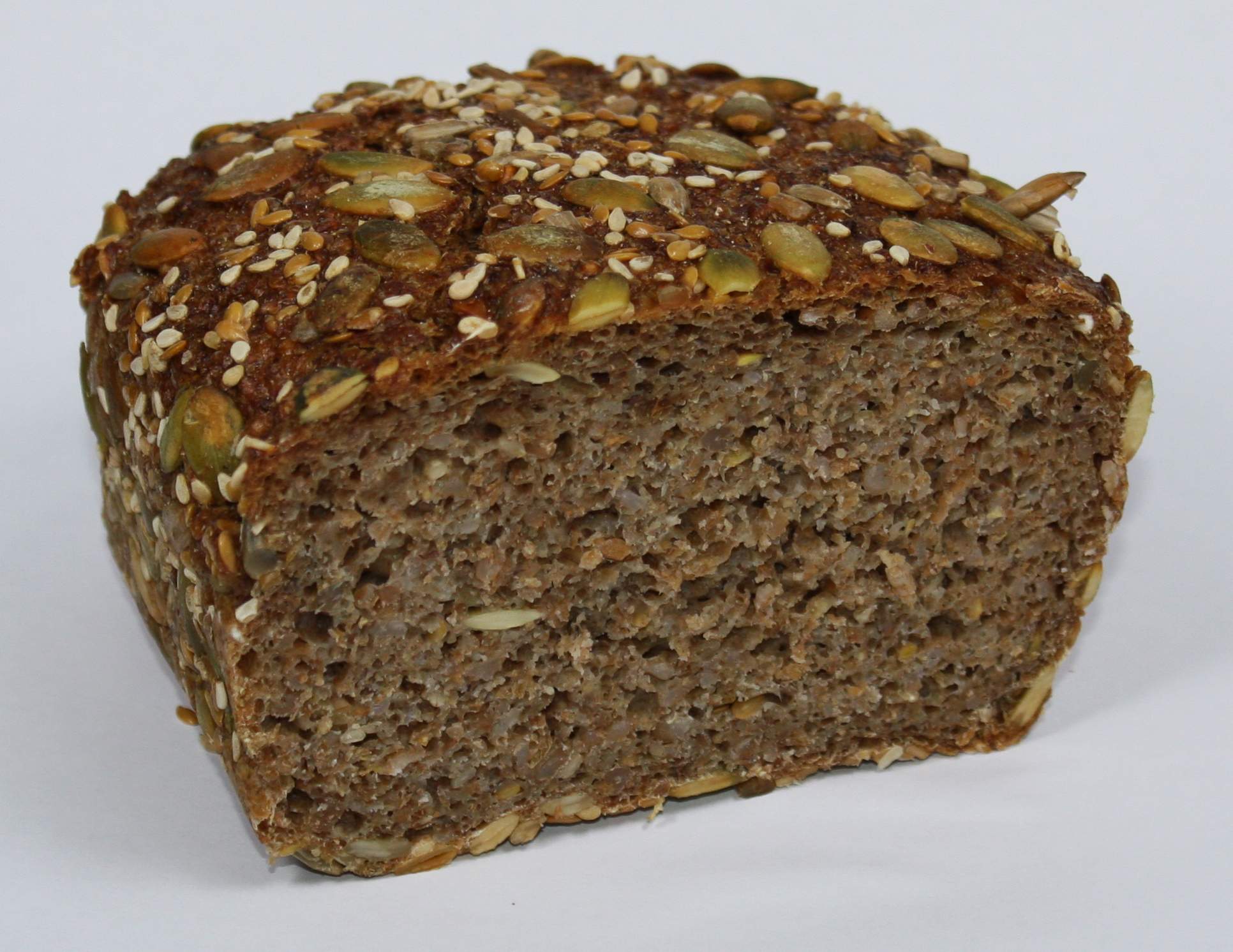
In many homes, white bread was the default because it was cheap, soft, and kid-friendly. In others, the everyday loaf was whole wheat or multigrain, darker and denser, sometimes from a co-op or bakery. Lunch sandwiches came on seeded slices, and the pantry always seemed to have healthy crackers nearby.
That choice often tracked with education and early nutrition messaging about fiber and whole grains, even when the taste was not a child’s favorite. It implied a family willing to pay more, and to read labels with real intent. Kids absorbed a subtle rule: health could outrank immediate pleasure, and that tradeoff was normal.
Fresh Berries Outside Of Summer
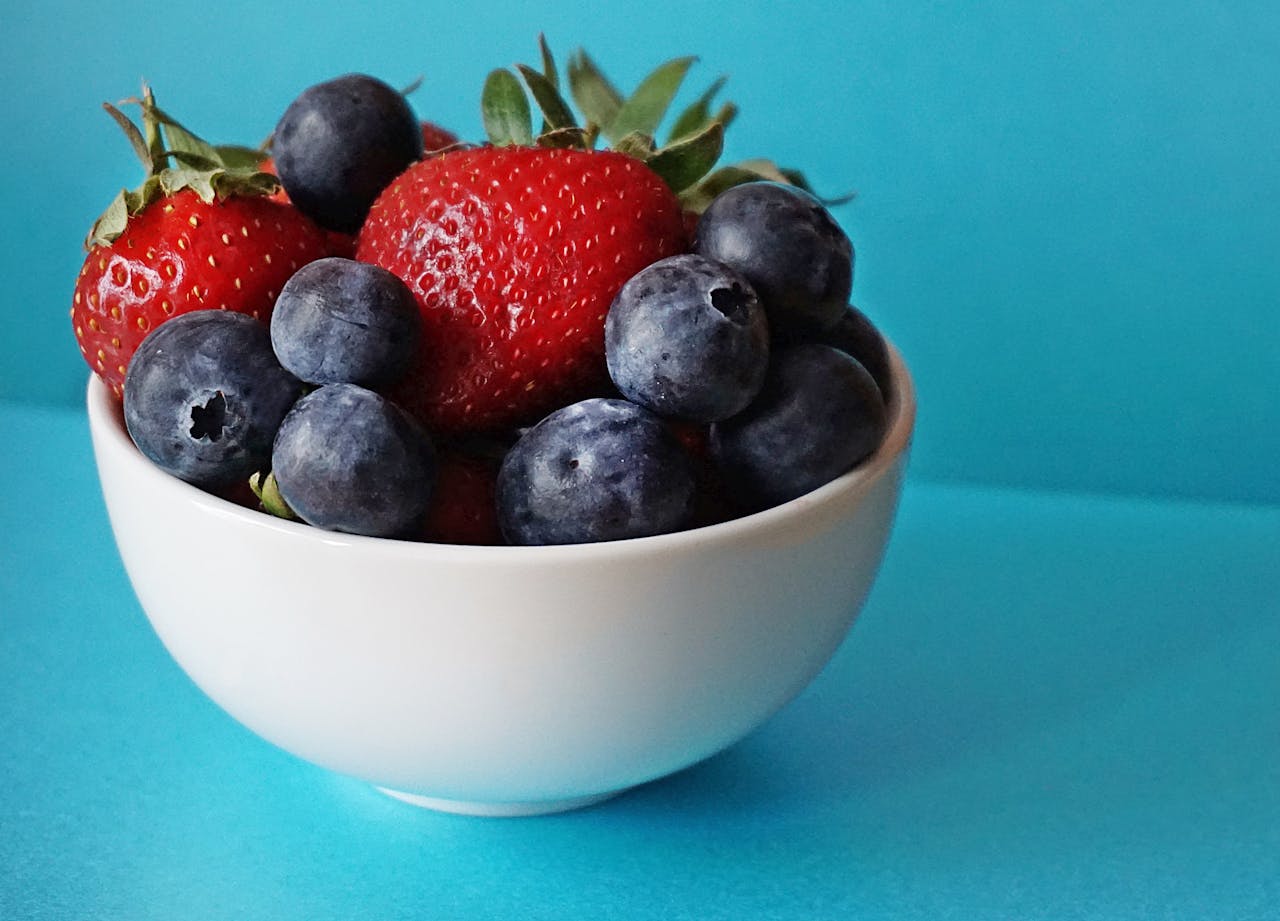
Fresh berries in winter felt like a small miracle that some kids never questioned. Strawberries in December or blueberries in early spring meant imported produce, higher prices, and a grocery run that allowed for extras. A little carton in a lunch bag could signal more than sweetness.
It also revealed a mindset where seasons did not dictate the snack drawer. If the store had it, the household could buy it, and no one had to negotiate over cost. That convenience shaped expectations about availability, and made waiting for summer fruit feel unnecessary. Later, out-of-season sounded like a choice, not a limit. A quiet kind of power.
Stir-Fry With Vegetables You’d Never Heard Of
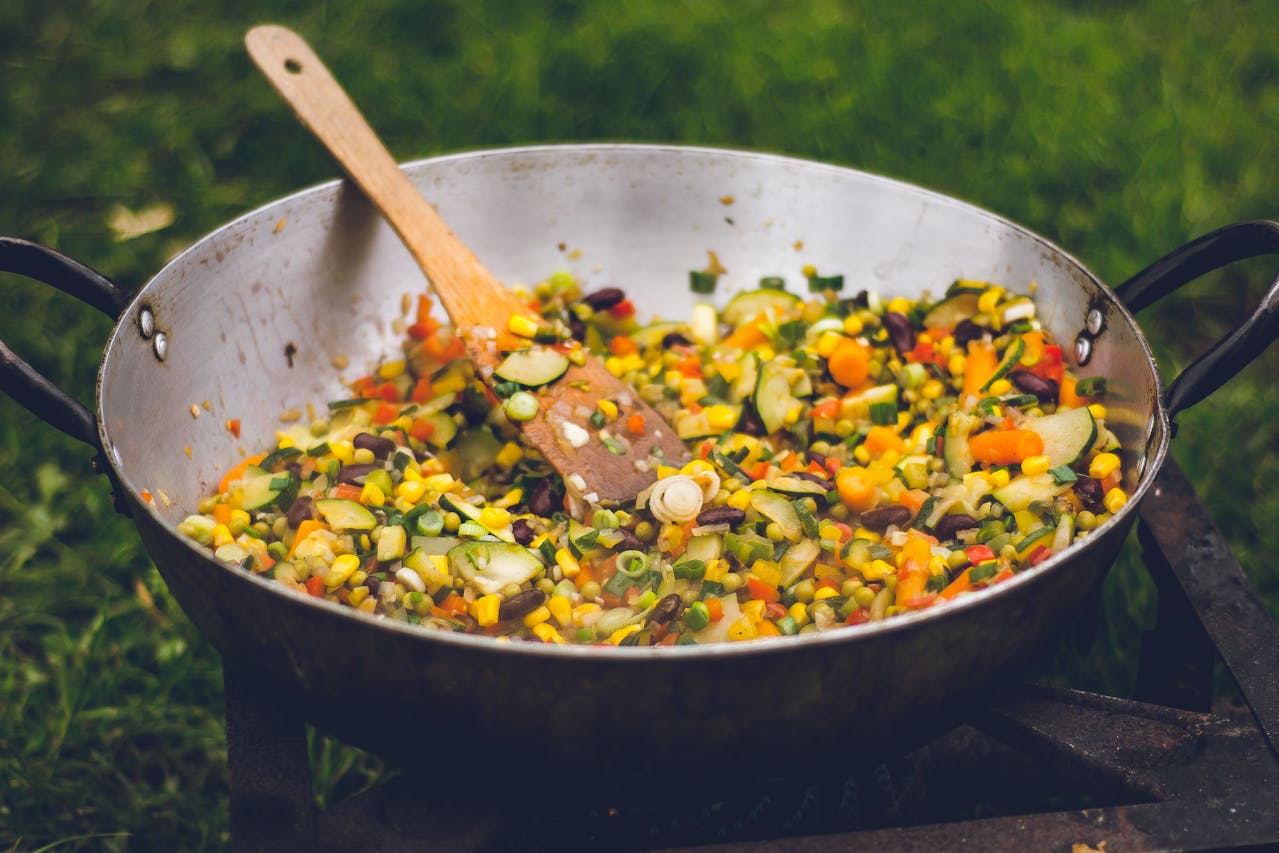
Stir-fry night could be a quick meal, but the ingredient list mattered. Bok choy, snow peas, water chestnuts, or ginger in a fresh knob suggested a kitchen built for experimenting, not just repeating familiar staples. Sesame oil and soy sauce in the pantry hinted at comfort borrowing from other cuisines.
It often reflected cookbooks, travel, or friends who swapped recipes and access to stores that carried those foods. The meal treated dinner as education: flavors from elsewhere, rice on the stove, and a calm explanation of what each vegetable was. Kids learned that curiosity was expected, and broad taste was a kind of preparedness.
Greek Yogurt Before It Was Trendy
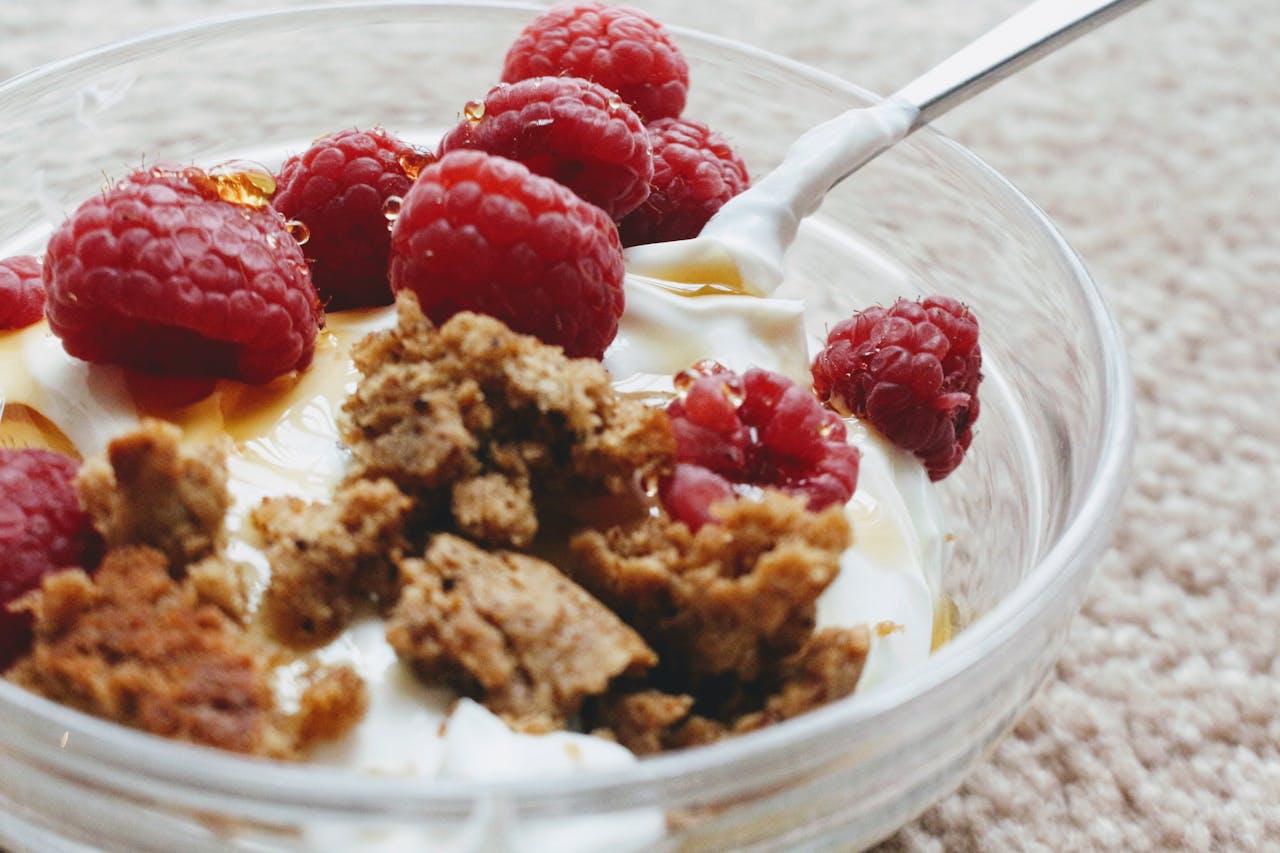
Plain yogurt, sometimes Greek-style before the label was everywhere, could feel oddly serious in a lunchbox. Instead of neon flavors, there was a spoonful of tart dairy topped with honey, granola, or fruit added at home. Next to pudding cups and snack cakes, it marked a different set of rules.
The choice hinted at parents who read ingredients, worried about sugar, and spent extra for foods that seemed better, even if they were less fun. It also required effort: packing toppings, washing containers, and making it taste right. Kids learned to associate restraint with care, and to prefer subtler flavors that carried into adulthood.
Pasta With Homemade Sauce Instead Of A Jar
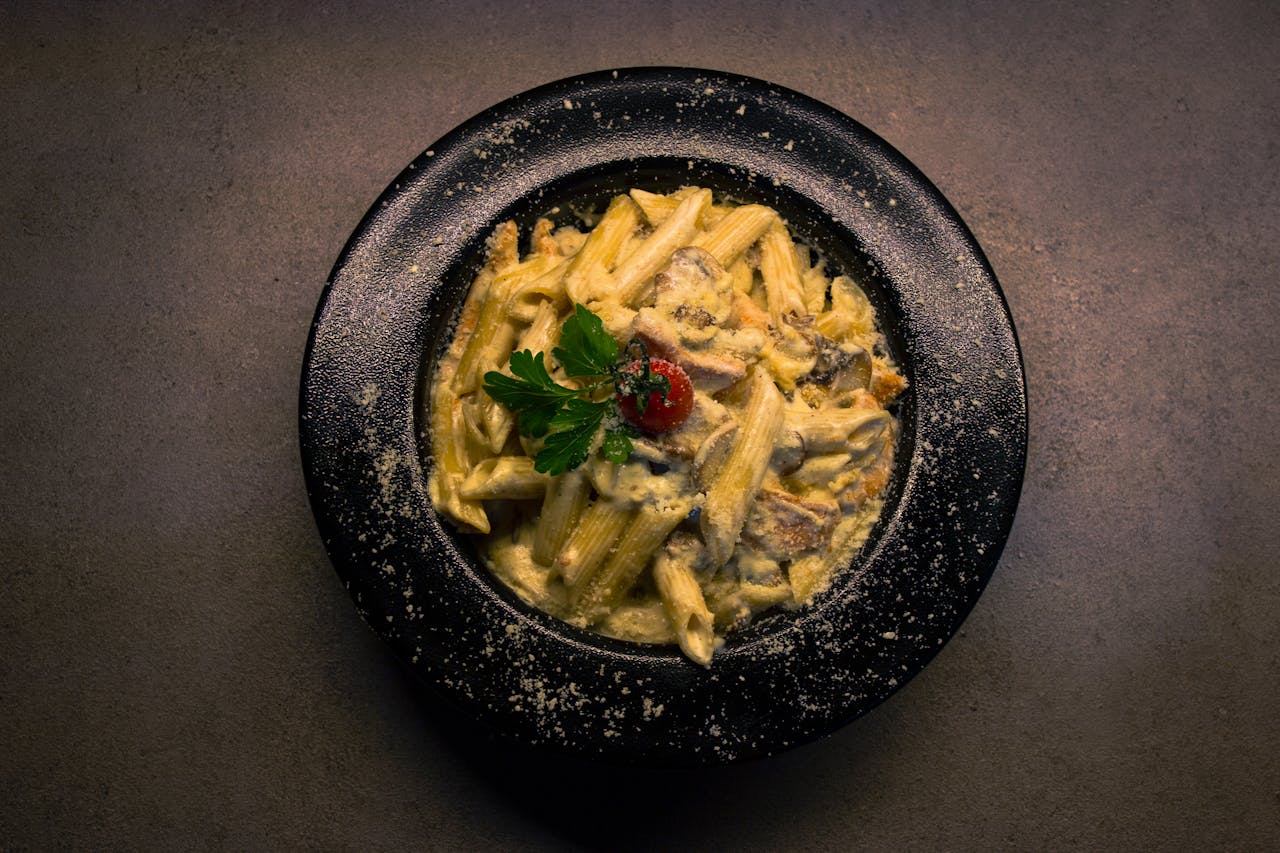
Jarred sauce is convenient, but a simmering pot of tomatoes, garlic, and herbs set a different mood. Homemade marinara meant time at home, pantry basics bought on purpose, and someone who believed dinner deserved a ritual. The kitchen smelled like basil and onions hours ahead.
It also showed food literacy: tasting, adjusting salt, and knowing flavor could deepen with time. In many households, time was the tightest budget, so shortcuts were necessary. Here, the shortcut stayed on the shelf, and leftovers were saved carefully. Kids learned that patience could be delicious, and that homemade carried status. That idea lasts.
Sparkling Water As A Normal Beverage

Sparkling water in the fridge, sometimes in glass bottles with lemon wedges nearby, sent a subtle signal. It replaced soda as the everyday fizzy option, framing sweetness as occasional rather than automatic. Bringing a bottle to the table made an ordinary meal feel slightly polished.
The habit often came with health messaging and a touch of European aspiration, whether from travel, magazines, or dinner parties. It also cost more than tap water, which made it a quiet indicator of comfort. Kids grew up treating plain carbonation as normal, then felt surprised in other homes where cola was stocked like milk. The contrast stayed.