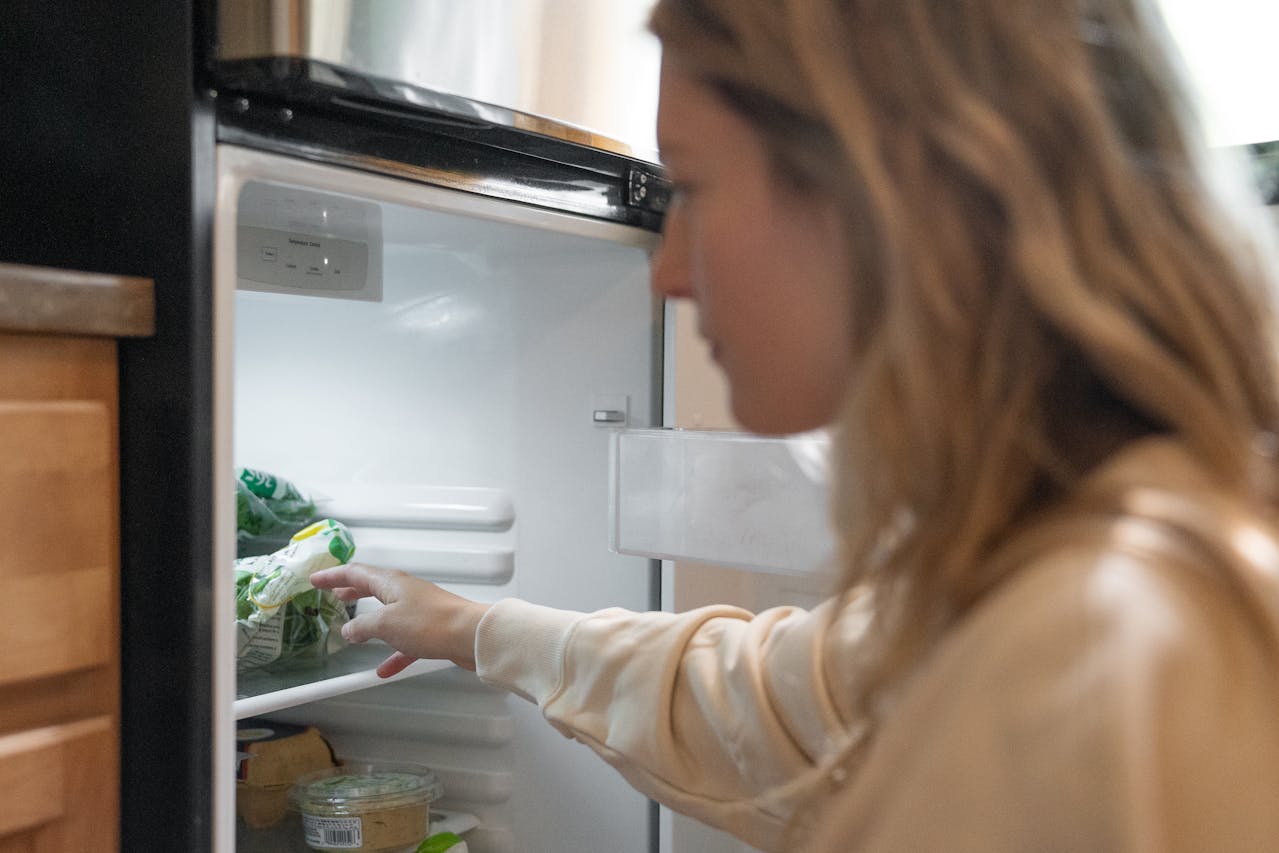
A refrigerator can look calm on the outside while quietly collecting risk on the inside. Half-used jars, forgotten cartons, and well-meant leftovers turn into clutter, and clutter hides spoilage. Food experts tend to focus less on perfection and more on patterns: anything opened long ago, stored loosely, or kept without a clear plan becomes the first suspect. The goal is a fridge that smells neutral, opens without surprises, and supports weeknight cooking instead of sabotaging it. A quick purge clears space, sharpens meal prep, and makes the safest choice feel simple, not wasteful. Labels and dates do most of the work.
Forgotten Leftovers in Unmarked Containers
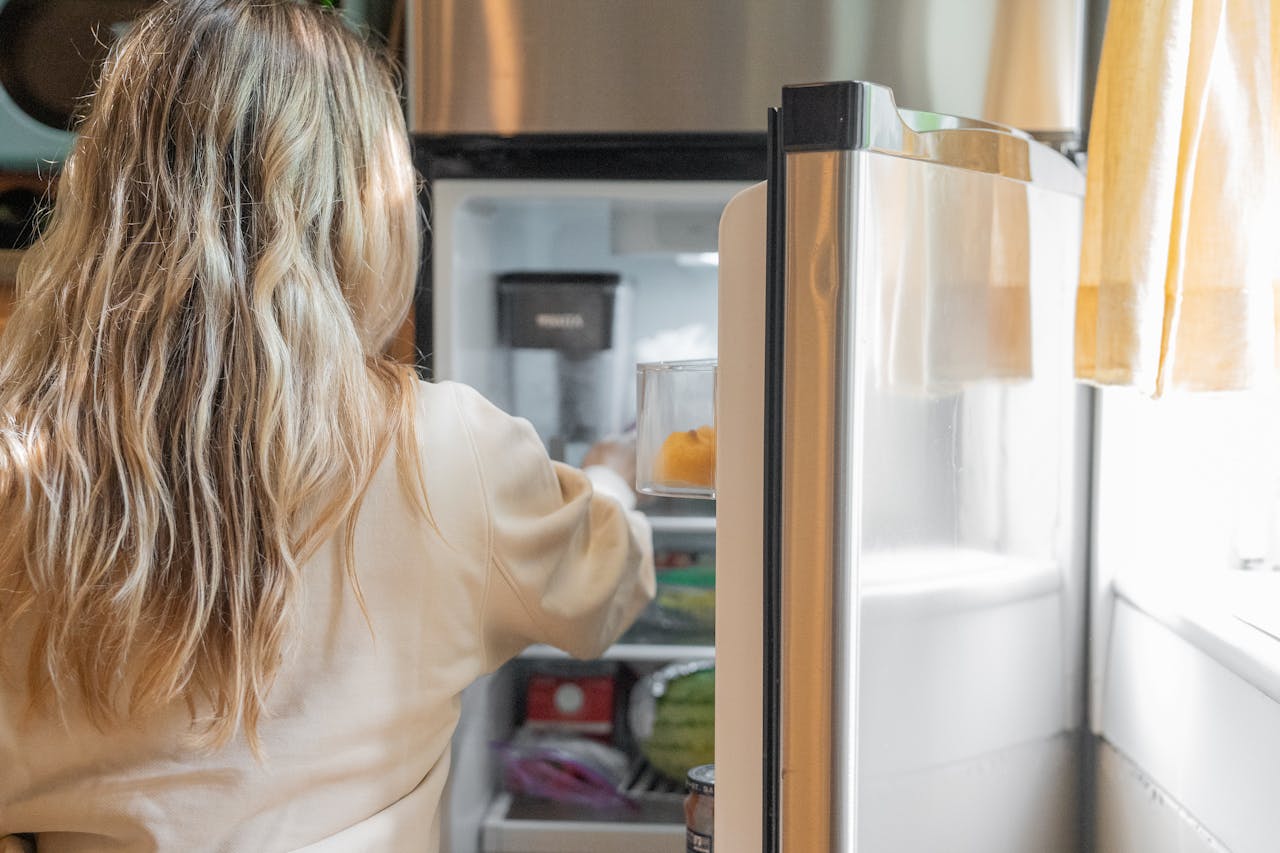
Takeout boxes and storage tubs stack up in the back until time does the deciding. Food experts treat cooked leftovers as a short-window item, and anything past three to four days is usually out, especially if it cooled slowly on the counter or has been opened and re-closed for snacks. Moisture on the lid, a dull gray color, or a fridge odor that appears after the door swings open are quiet clues. When the contents cannot be named with confidence, the safest move is tossing it and resetting the shelf. Freezer space is the better backup: portion, cool fast, label, and reheat once. A scan keeps the cycle from restarting.
Open Jars of Salsa, Pesto, or Pasta Sauce
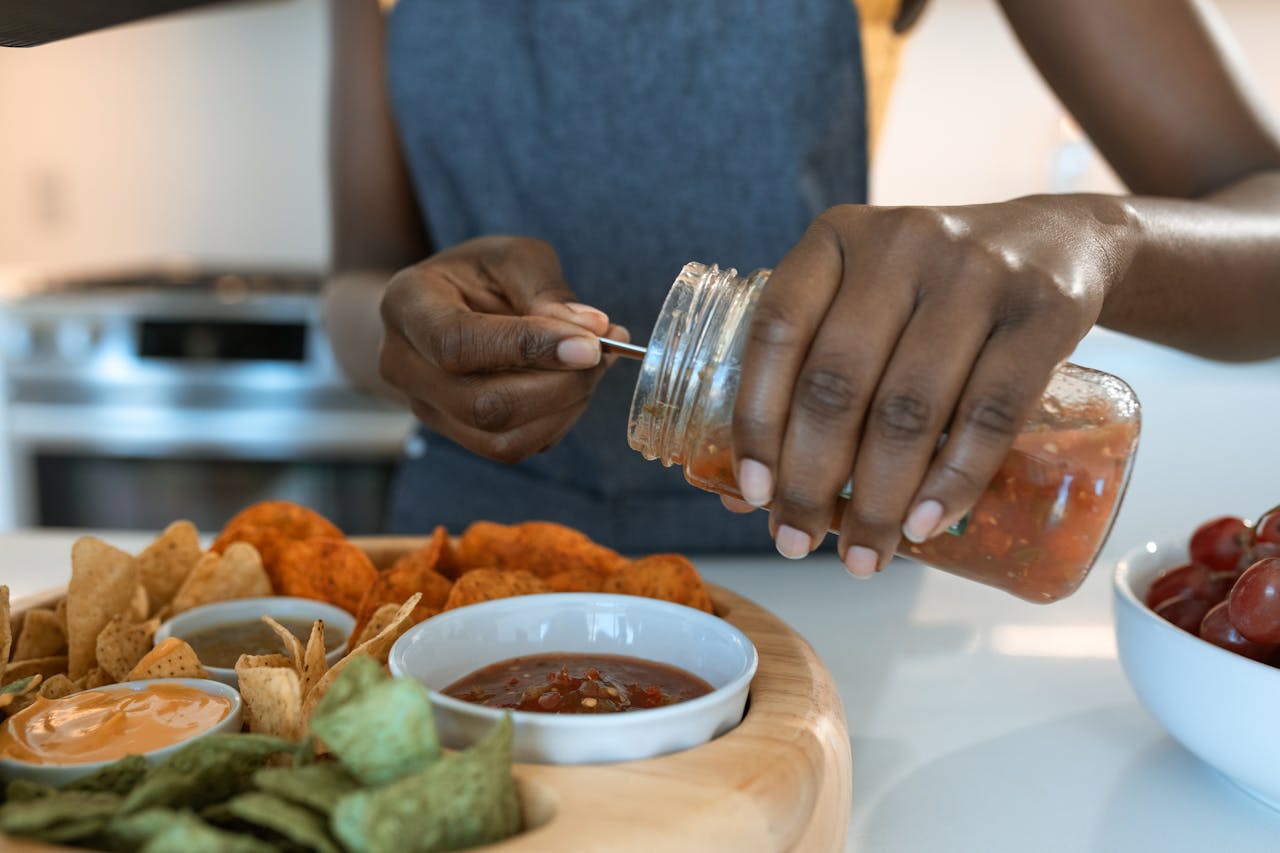
Once a jar is opened, the date printed for an unopened product stops being the main guide. Recipe developer Marissa Stevens notes that air and repeated spoon dips can speed spoilage, even when the surface looks fine. A rim crusted with sauce, tiny bubbles, or a sharp fermented smell can signal trouble well before dramatic mold appears. Food experts treat most opened sauces as use-soon foods, often within one to two weeks depending on ingredients and salt. A clean utensil, a quick wipe of the rim, and an open-date note on the lid keep jars from turning into quiet hazards. Extra sauce freezes well in portions for later.
Condiments Past Their Prime
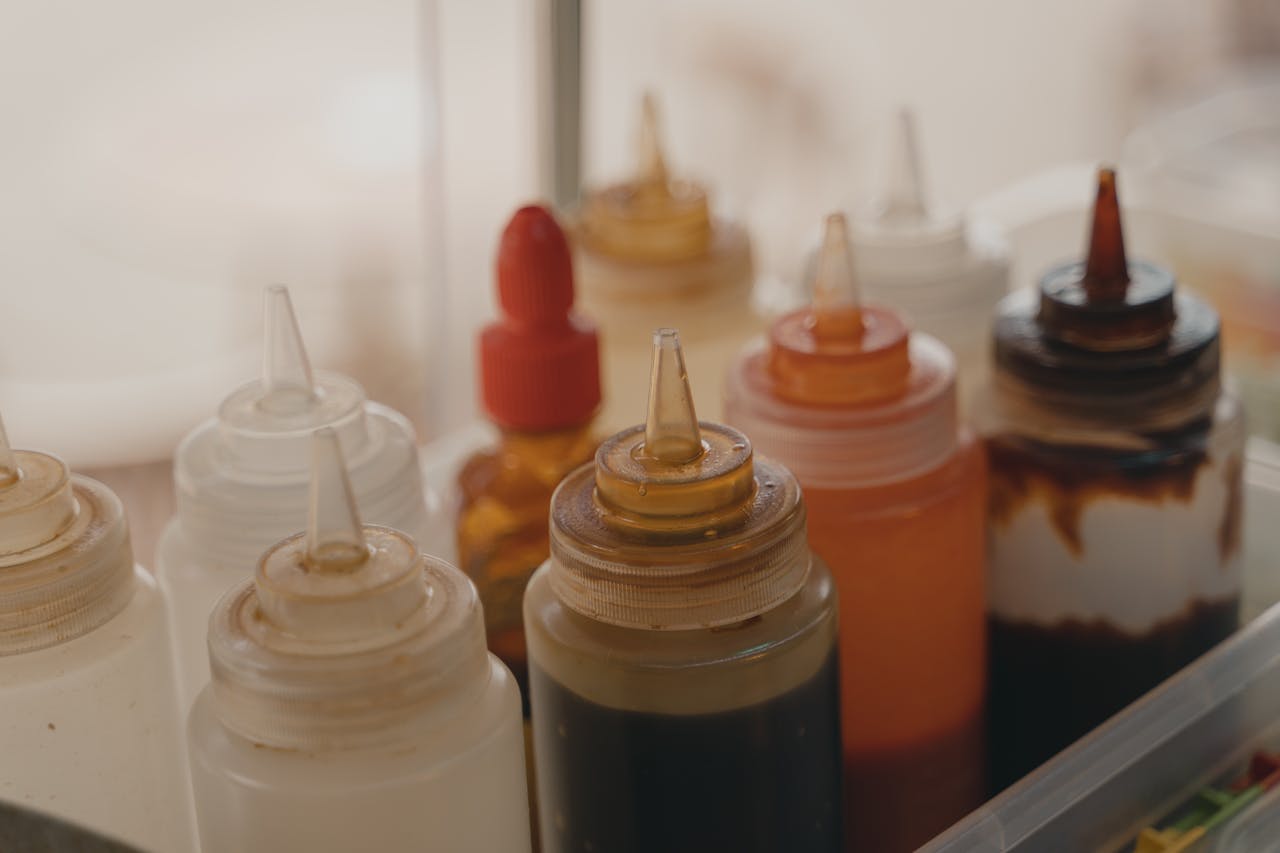
Condiment doors turn into a museum of half-used bottles, and older ones rarely earn their spot back. Food organizer advice often frames it as visibility: clearing expired or dubious condiments makes the fridge easier to shop from, which cuts down on duplicate purchases. Food safety educator Clinton warns that surface mold is not a cosmetic issue. When mold appears, microscopic growth can spread through the product, even if only a corner looks affected. Any bottle that is past its date, smells off, or shows mold belongs in the trash. Sticky caps, separated layers, and crusted necks signal a bottle that has lingered.
One-Off Ingredients Bought for a Single Recipe

Many fridges hold a small collection of good-intention ingredients bought for one specific dish. Professional organizer Juliana Meidl points out that if something was used once and has not been touched since, it is often dead weight. A stray bunch of herbs, a specialty paste, or a half cup of an unfamiliar dressing base steals space and attention. Letting these remnants go restores clarity, and clarity makes weeknight decisions easier. Keeping only items with an actual plan helps the fridge work like a tool instead of a guessing game. If the ingredient is limp, weeping, or separated, the plan has passed, and so should it.
Takeout Food Older Than Three Days
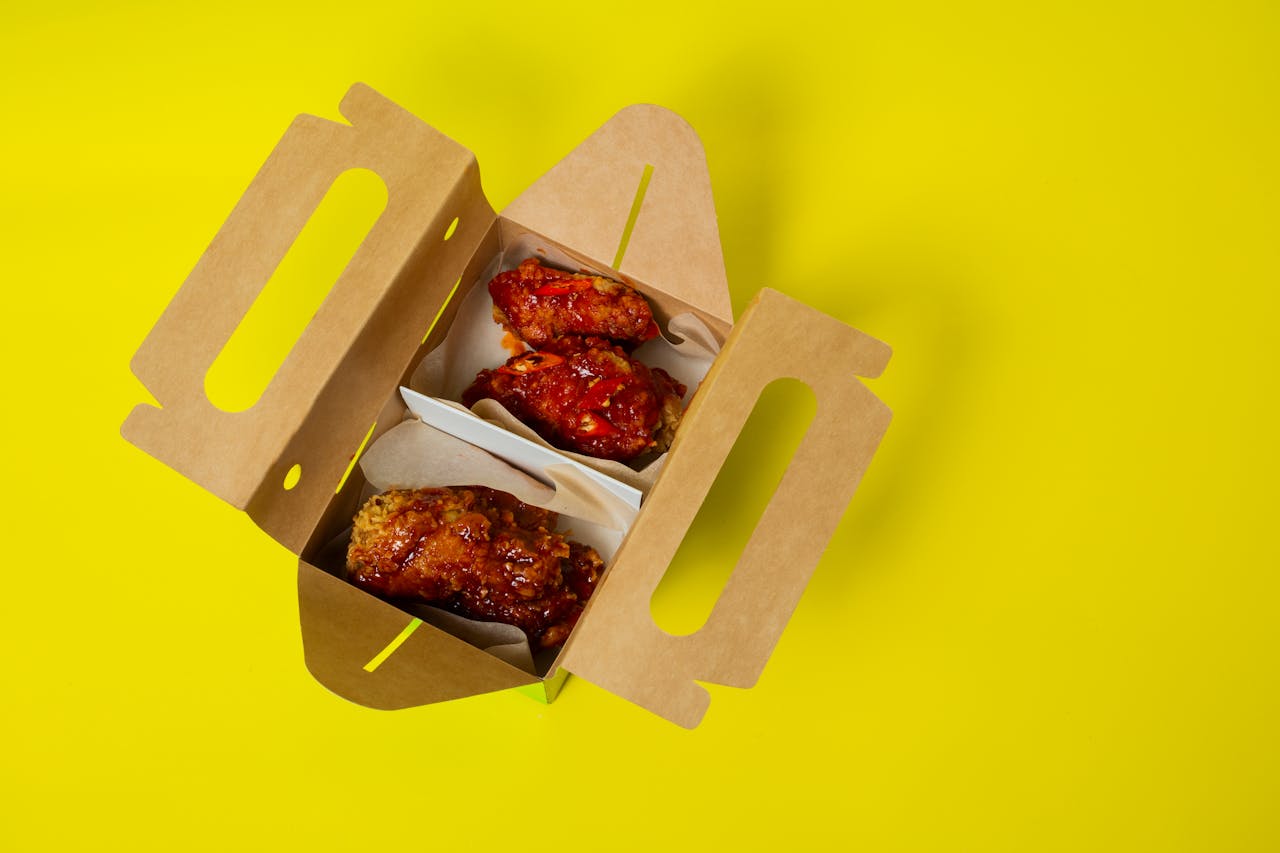
Takeout feels protected once it lands in the refrigerator, but the clock often started earlier. Food safety educator Clinton notes that meals can sit in the temperature danger zone before chilling, so restaurant leftovers should be tossed if they are not eaten within three days. Paper boxes and flimsy lids invite drying and contamination compared with airtight containers. Organizer Juliana Meidl adds that unused sauces and packets belong in the bin, not the drawer, because they pile up and hide what matters. Transfer to a clean container, date it, and move on when the deadline passes. Reheating cannot erase earlier time.
Cooked Rice, Grains, and Pasta Over Four Days Old

Cooked starches seem harmless, which is exactly why they linger. Marissa Stevens emphasizes that cooked rice does not keep as long as many people assume, and she recommends discarding it after three to four days or freezing it. The same timeline applies to cooked grains and pasta. Clinton explains that these foods can harbor Bacillus cereus, a toxin-forming bacterium that is not reliably destroyed by reheating. If a container has been warmed, cooled, and warmed again, the risk rises fast. Freezing on day one or two is the safer bet. Cool fast in shallow containers, reheat once, and stop after day four. Freezing buys time.
Deli Meats and Hot Dogs Past Four to Five Days
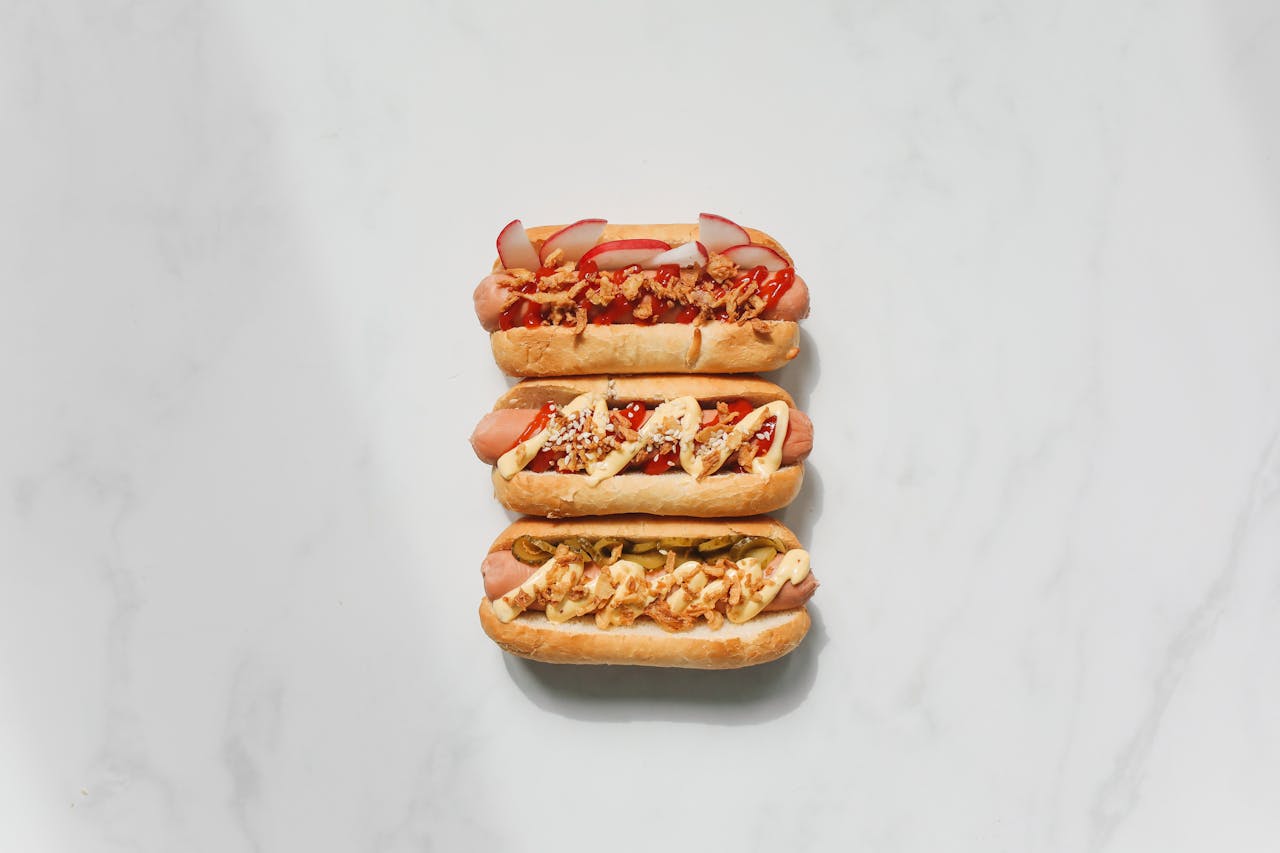
Deli meats and hot dogs can look fine while still carrying serious risk, which is why experts keep their window tight. Clinton notes that these foods are susceptible to contamination with listeria, so they should be eaten within about four to five days once opened. The deli drawer is the easiest place for time to disappear, especially when packages get shuffled under produce bags. Any slime, sour odor, discoloration, or sticky film is a clear signal to discard it. When in doubt, replacing a small pack is cheaper than a ruined week. Buying smaller amounts helps, but the clock still wins. A date on packaging keeps it honest.
Soft Cheeses With Any Sign of Mold
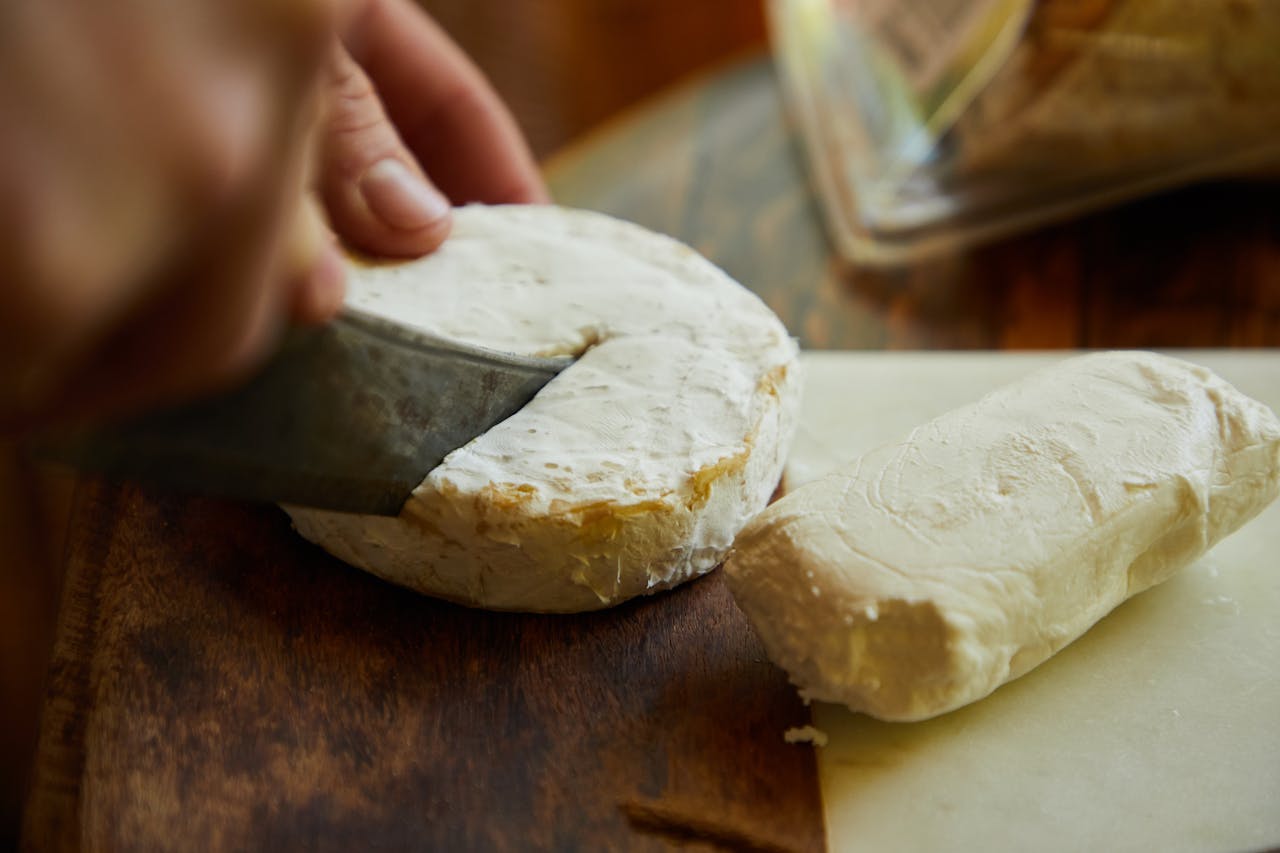
Soft cheeses hold moisture, and moisture lets mold and bacteria travel fast through the whole product. Clinton points out that cream cheese, brie, mozzarella, and ricotta do not behave like hard cheddar, where a clean cut might save the block. With soft cheese, even a small fuzzy spot can mean deeper contamination below the surface. The safest move is discarding the entire container, not shaving off the visible area. Keeping portions small and sealing them tightly reduces waste without stretching safety. Because microbes move quickly, experts avoid double-dipping knives from cheese into jam or butter, which spreads mold.
Fresh Seafood Sitting for Days
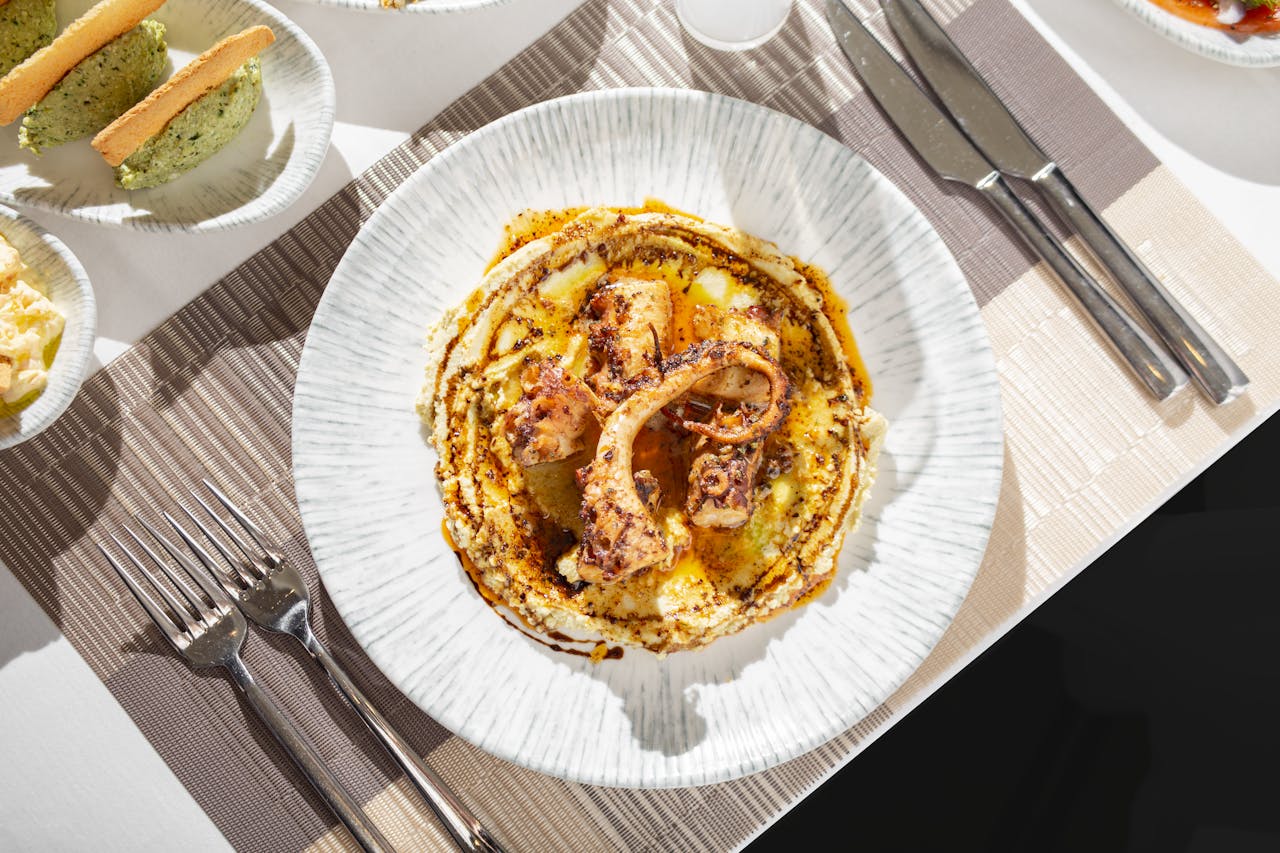
Fish bought with meal-prep ambition often ends up waiting while schedules change. Marissa Stevens warns that seafood can develop a foul smell that perfumes the whole fridge, and eating it after it has sat for days can cause illness. Food experts recommend cooking fresh seafood the same day, or the next day at the latest, rather than treating it like a flexible protein. If the packaging is swollen, the flesh looks dull, or the odor reads sharp and ammonia-like, it is past the point of negotiation. Freezing on purchase day is the safest backup. Store it on the lowest shelf to prevent drips and keep the coldest air around it.
Expired Milk and Questionable Dairy
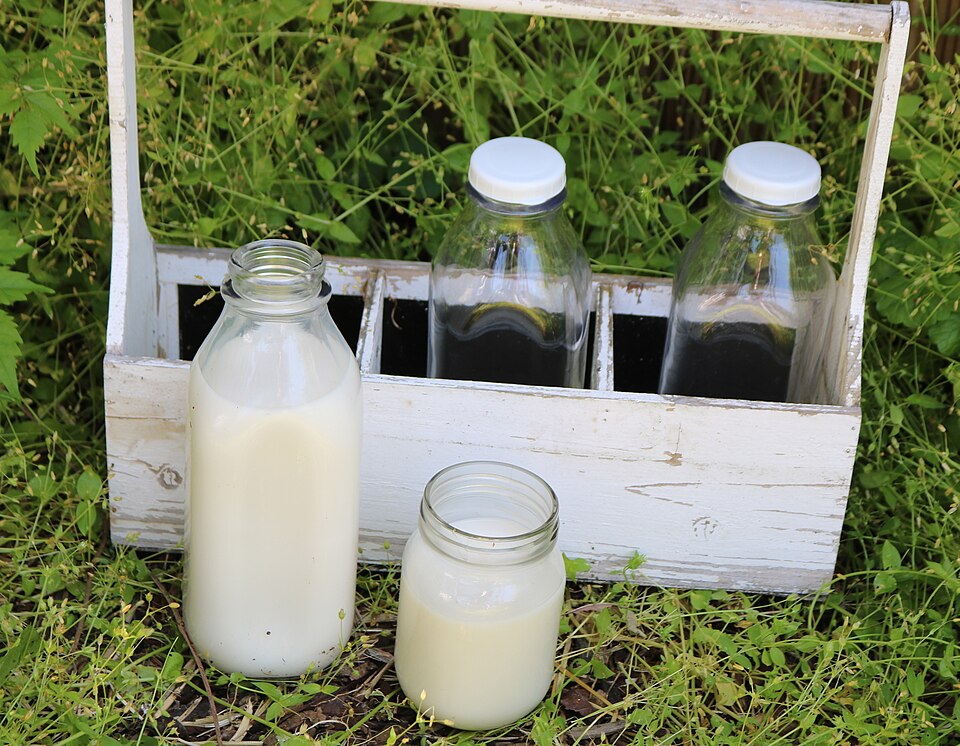
Milk tends to be treated like a basic staple, which is why an expired carton can sit unnoticed behind taller bottles. Clinton cautions that dairy can become unsafe before obvious cues, like a sour smell, show up. Once the date has passed, the safest choice is discarding it, opened or unopened, rather than trying to rescue it with coffee or cereal. Lumpy texture, thickened edges, or a cap that releases pressure are additional warning signs. Keeping only what will be used within the week reduces both waste and risk. Buying smaller cartons and placing new milk behind old keeps rotation honest, so the oldest gets used first.