Remote villages once entered travel stories as places where rhythms still held: rituals, narrow lanes, homes that did not perform for anyone. As tourism spreads into remote corners, many of those communities are welcoming fresh income while also facing a sharper question about what is being opened there.
The tension is rarely about guests alone. It grows when space becomes public scenery, when customs are treated like attractions, and when residents start feeling that daily life is being edited to suit the visitor gaze. In village after village, the backlash sounds less like hostility and more like a demand to stay recognizable to themselves.
Hallstatt, Austria

Hallstatt looks almost too composed to be real, which is part of the problem. The Austrian village has about 800 residents, yet reports say pre-pandemic peaks reached roughly 10,000 visitors a day, enough to push officials toward caps on tour buses and cars and open talk of cutting numbers back. That scale changed the mood of the place for locals.
The local backlash grew visible when residents protested in 2023 and pressed for daily limits. What frustrates many people there is not admiration itself, but the way a working village keeps getting treated like a fast photo stop, where the scenery matters more than the people still living inside it.
Saksun, Faroe Islands
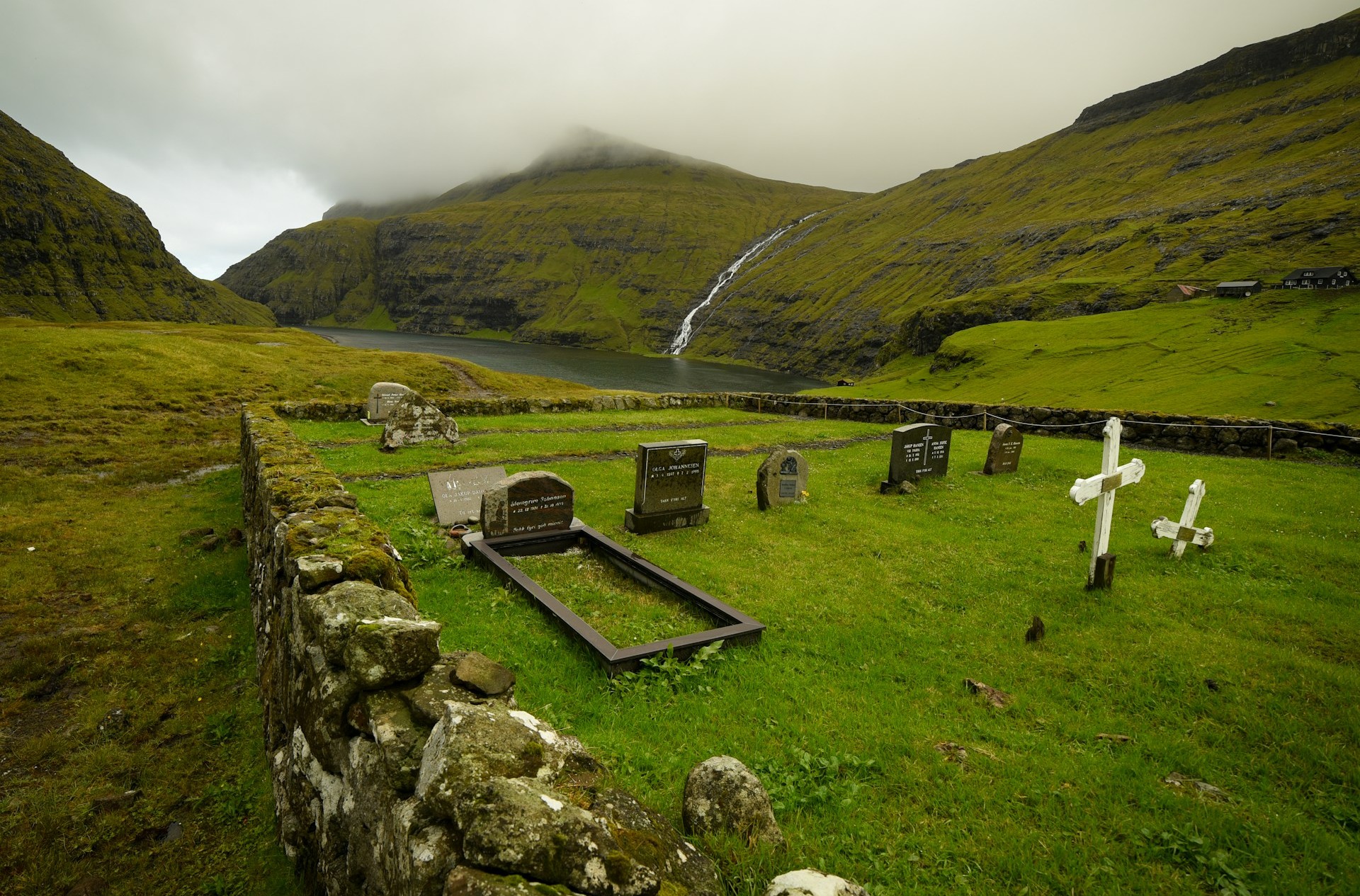
Saksun is tiny even by Faroe Islands standards, which helps explain why the pressure feels personal so quickly. Visit Faroe Islands says the village had 11 inhabitants in 2023, yet it has become one of the country’s most photographed places, prized for its lagoon, turf roofs, and stillness, even in bad weather.
That stillness has been harder to protect. Researchers in 2025 described locals posting sharp signs after tourists trampled grass needed for sheep, turning the backlash into something more concrete than annoyance. In Saksun, the argument is really about land, privacy, and the refusal to let a village be mistaken for open land. It stays.
Shirakawa-go, Japan
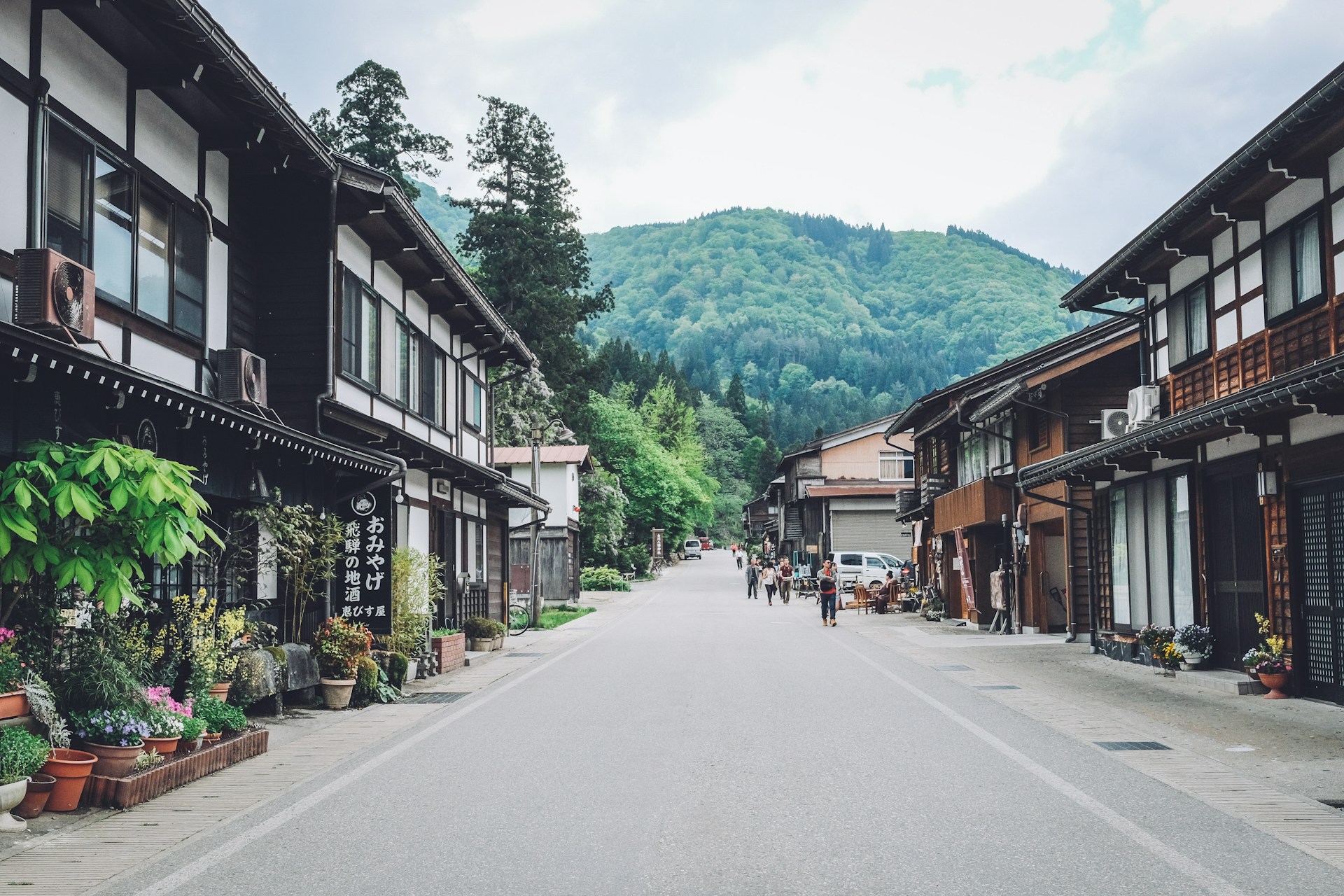
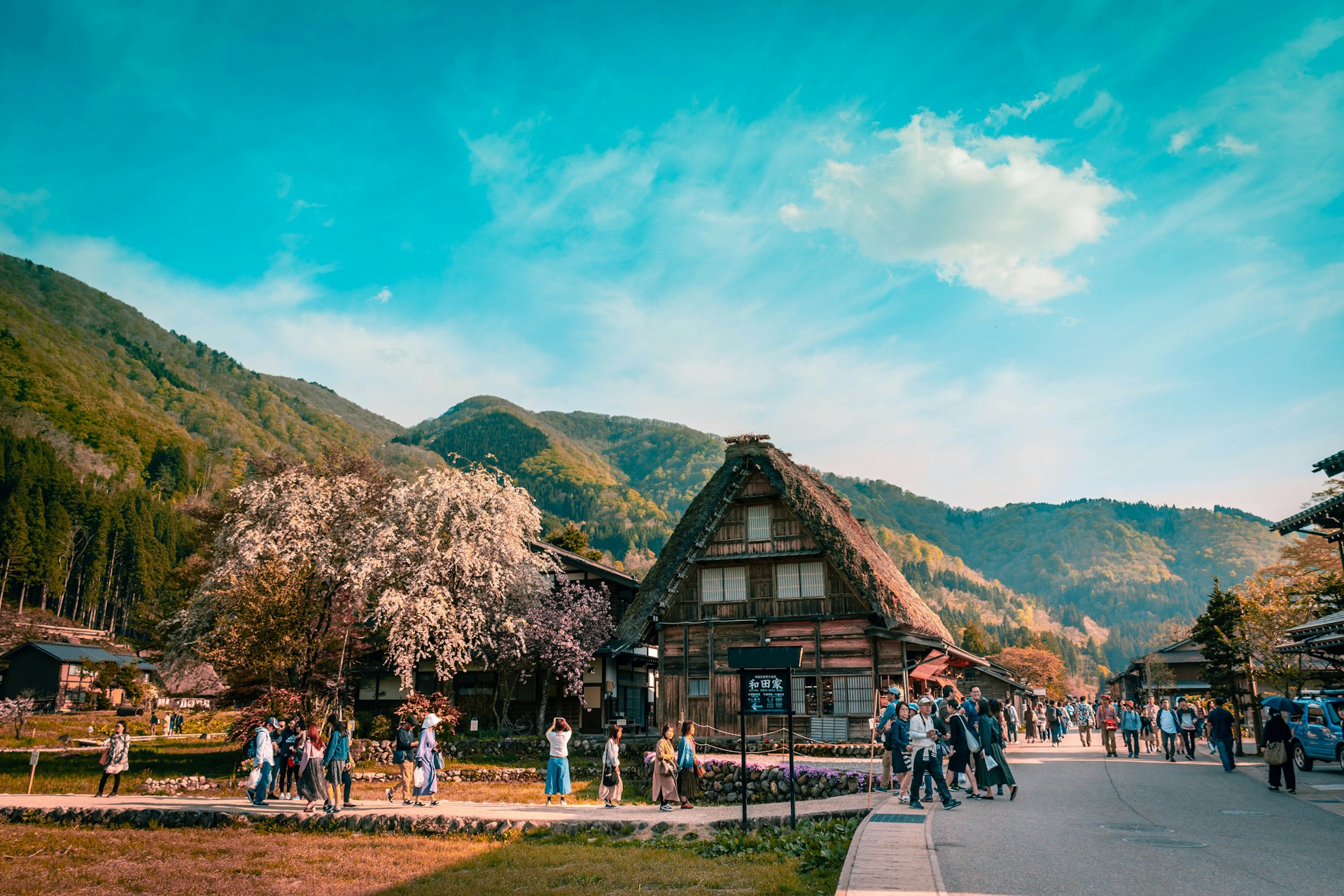
Shirakawa-go carries the weight of being both a living village and a global symbol of rural Japan. The village’s own responsible tourism page says about 1,500 residents share the place with roughly 2.15 million visitors, a scale that puts daily life under constant observational pressure through most of the year.
Local frustration has become easier to measure as well as feel. Reporting on a 2024 village survey said 59.4% of respondents held a negative impression of foreign tourists, suggesting the strain now reaches beyond crowding alone. Heritage can stay carefully preserved on paper while ordinary patience wears thinner each season at home.
Binibeca Vell, Menorca, Spain
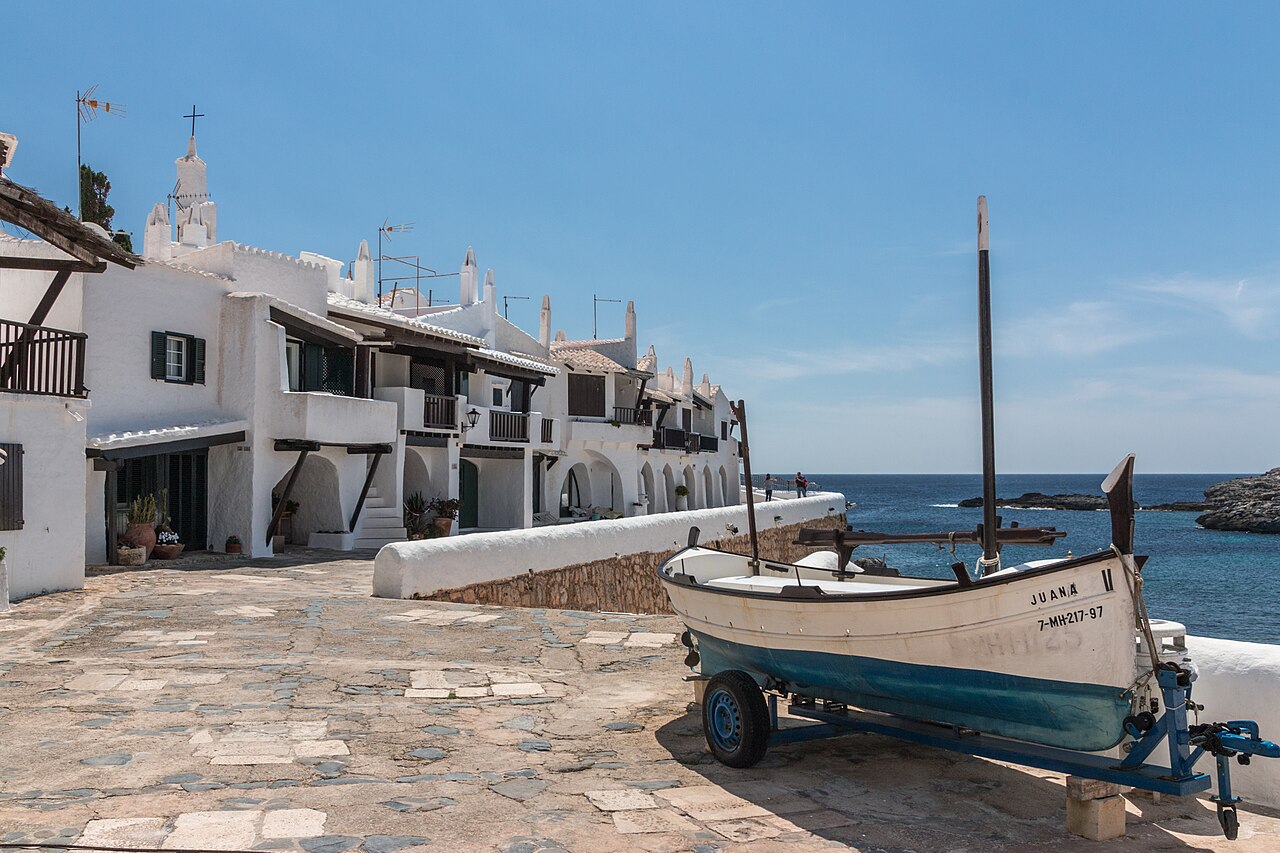
Binibeca Vell looks built for postcards, which is exactly why many residents say daily life has become harder there. Reporting in 2024 said the Menorcan village was handling around 800,000 visitors a year and preparing for as many as 1 million, numbers that would test far larger places than this one each summer.
Homeowners responded by restricting access hours and warning that fuller closure could follow if noise, rubbish, and trespass continued. The cultural backlash is sharp because the central complaint is simple: the whitewashed lanes are not a theme set. They are somebody’s home, and residents are tired of having to repeat that so often.
Iseltwald, Switzerland
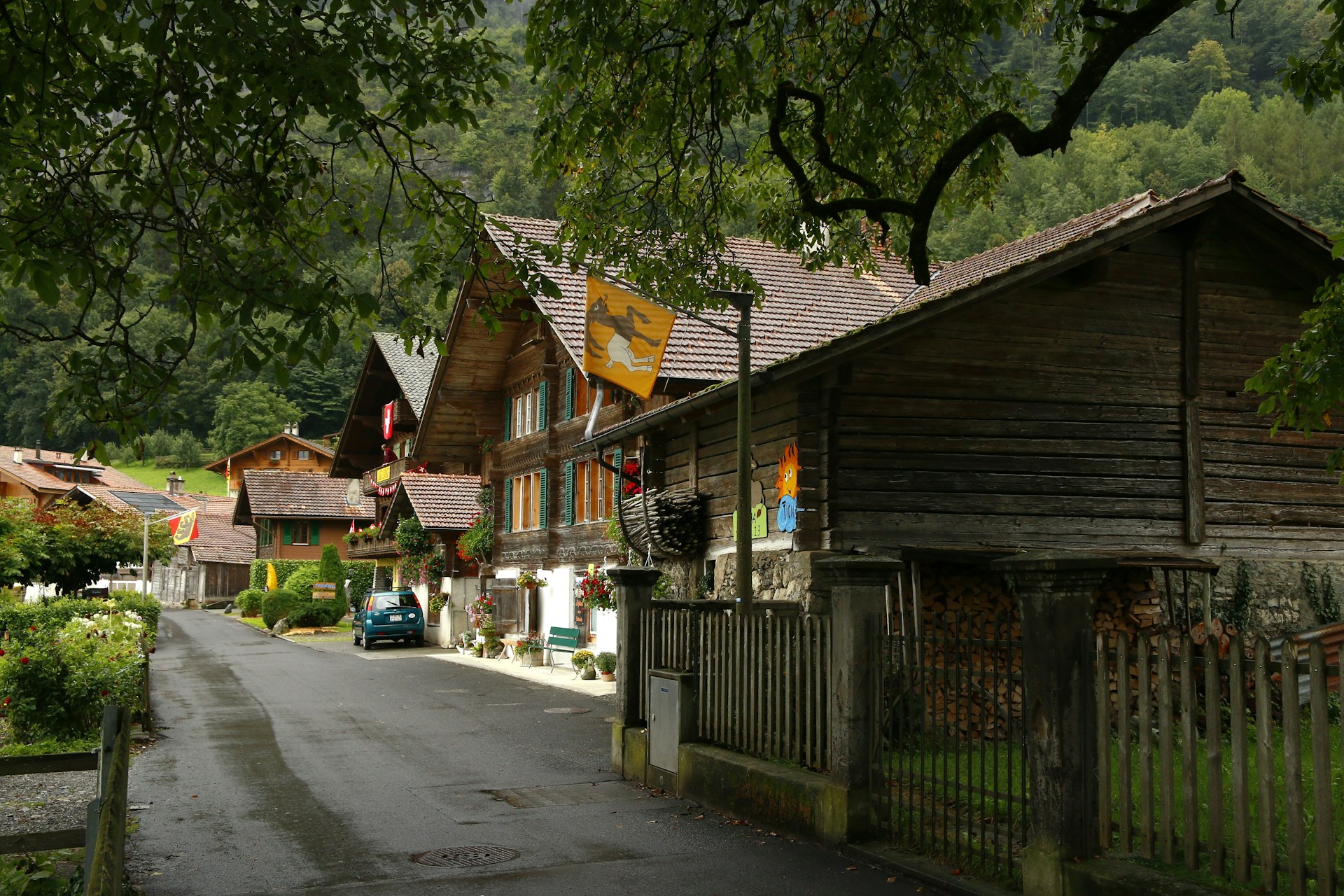
Iseltwald’s tourism boom did not arrive gradually. It surged after a lakeside dock appeared in the Korean drama Crash Landing on You, and AP reported in 2025 that the Swiss village of 406 residents now sees about 1,000 visitors a day, enough to force constant attention to toilets, rubbish, and staffing seasonally.
The village installed a 5 Swiss franc turnstile at the dock, but money was never the real story. Officials said the revenue mostly covers maintenance, while the deeper irritation comes from visitors ignoring the line between public and private space. For locals, the backlash is about boundaries, not simply head counts alone. It shows.
Inner Baduy Villages, Indonesia
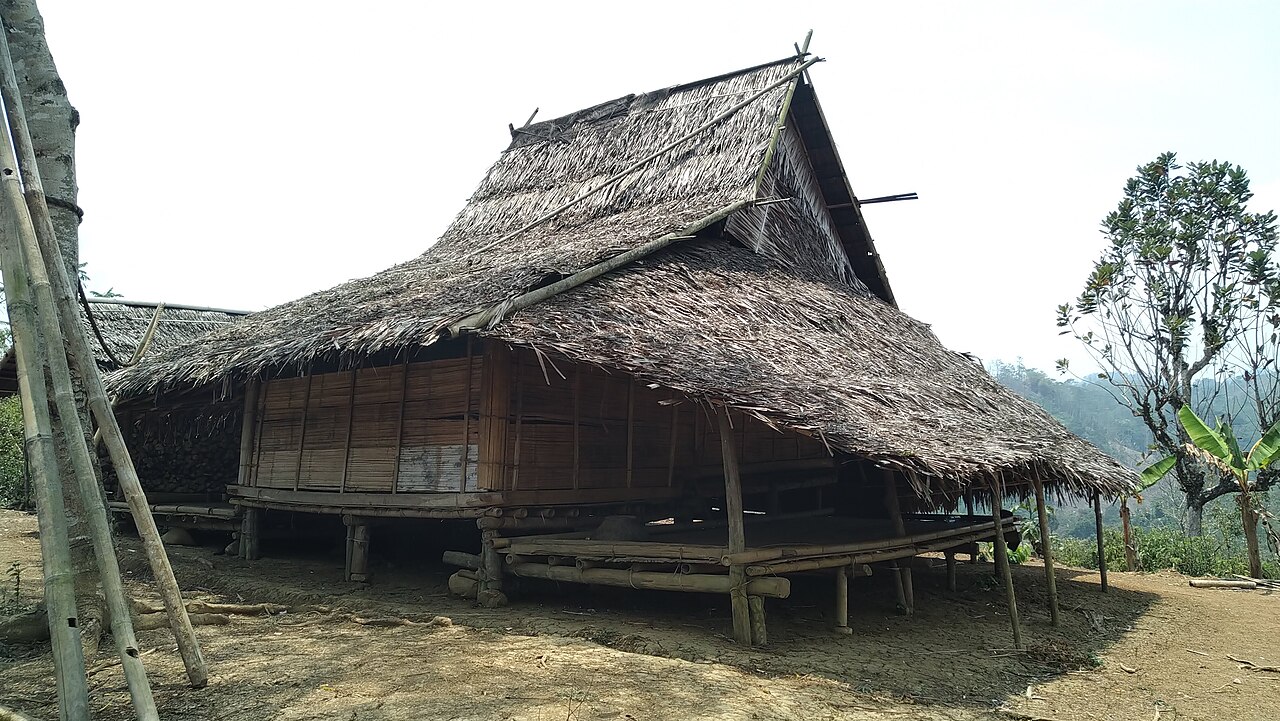
Tourism around Indonesia’s Baduy communities has long been framed as respectful, but that boundary tightened again in Oct. 2025. Antara reported that customary authorities barred foreign tourists from Inner Baduy hamlets and nearby Gajeboh, allowing visits only in Outer Baduy areas with local guides.
The reasoning was direct and culturally specific. Leaders said many visitors did not understand Baduy rules, including restrictions tied to photography and sacred areas. The backlash there is not about image fatigue or crowd management alone. It is about protecting a moral order that local authorities believe should not be opened on ordinary tourist terms.
Sissu, Himachal Pradesh, India
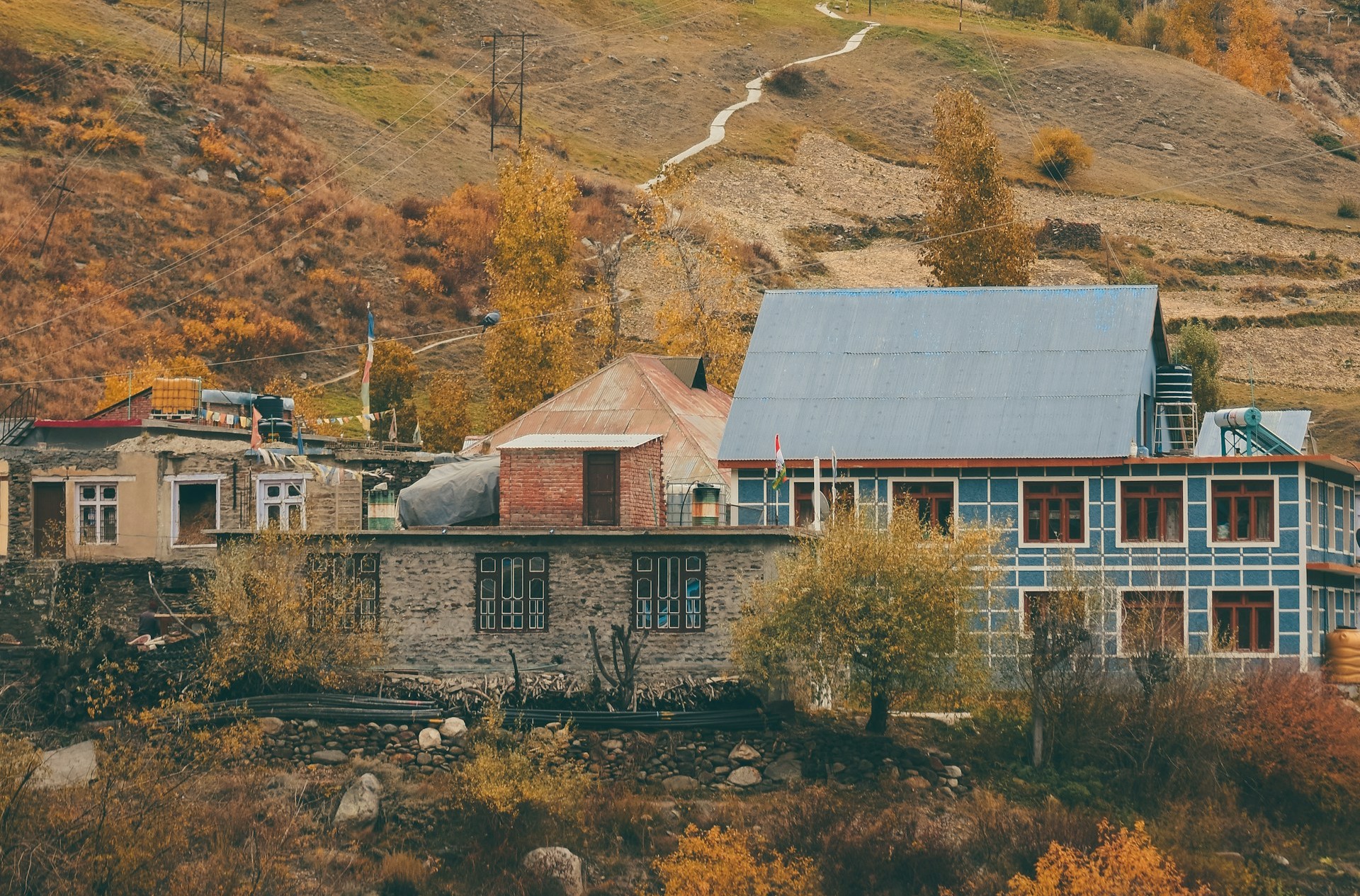
Sissu’s response to tourism was temporary, but it said something lasting about local limits. Reporting in early 2026 said village leaders halted tourism for 40 days, closing hotels, homestays, and markets during Halda and related winter observances so rituals could proceed without outsider disruption or festival noise.
That decision drew a clear line many destinations hesitate to draw. Instead of stretching every festival into a visitor product, the village treated sacred time as more important than seasonal business. The backlash was not loud or theatrical. It was a reminder that some traditions only remain whole when the audience steps away.
Bibury, England
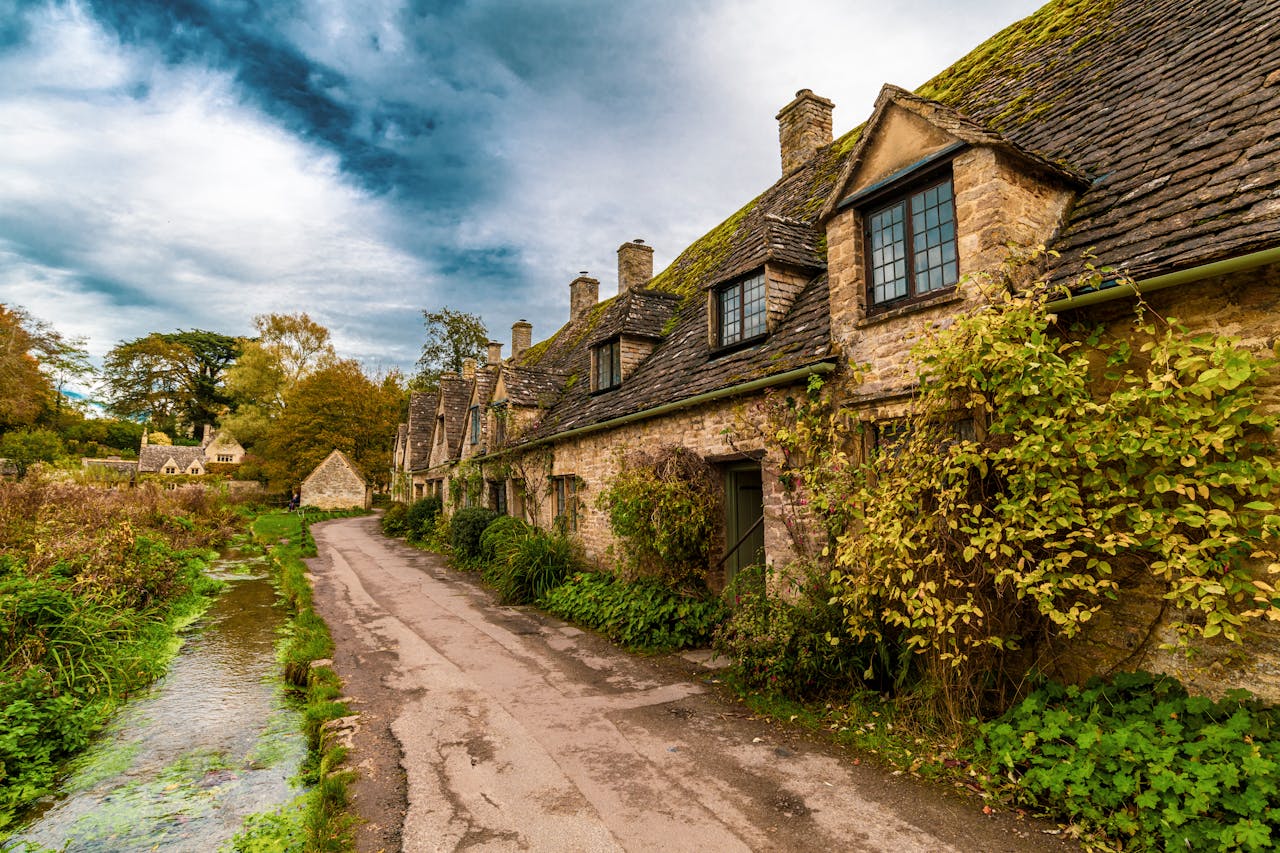
Bibury has become a warning about what viral village fame can do to a place built for stillness. Gloucestershire County Council said residents raised repeated concerns about coach traffic, congestion, and safety, and officials moved toward tighter controls on stopping and parking in and around the village center.
What unsettles people there is broader than transport management. Once a village becomes known mainly through quick images and bus drop-offs, the daily rhythm that made it appealing starts to fray in plain sight. In Bibury, the backlash is really a defense of scale, quiet, and the right to live somewhere that still feels lived in now.
Vlkolinec, Slovakia
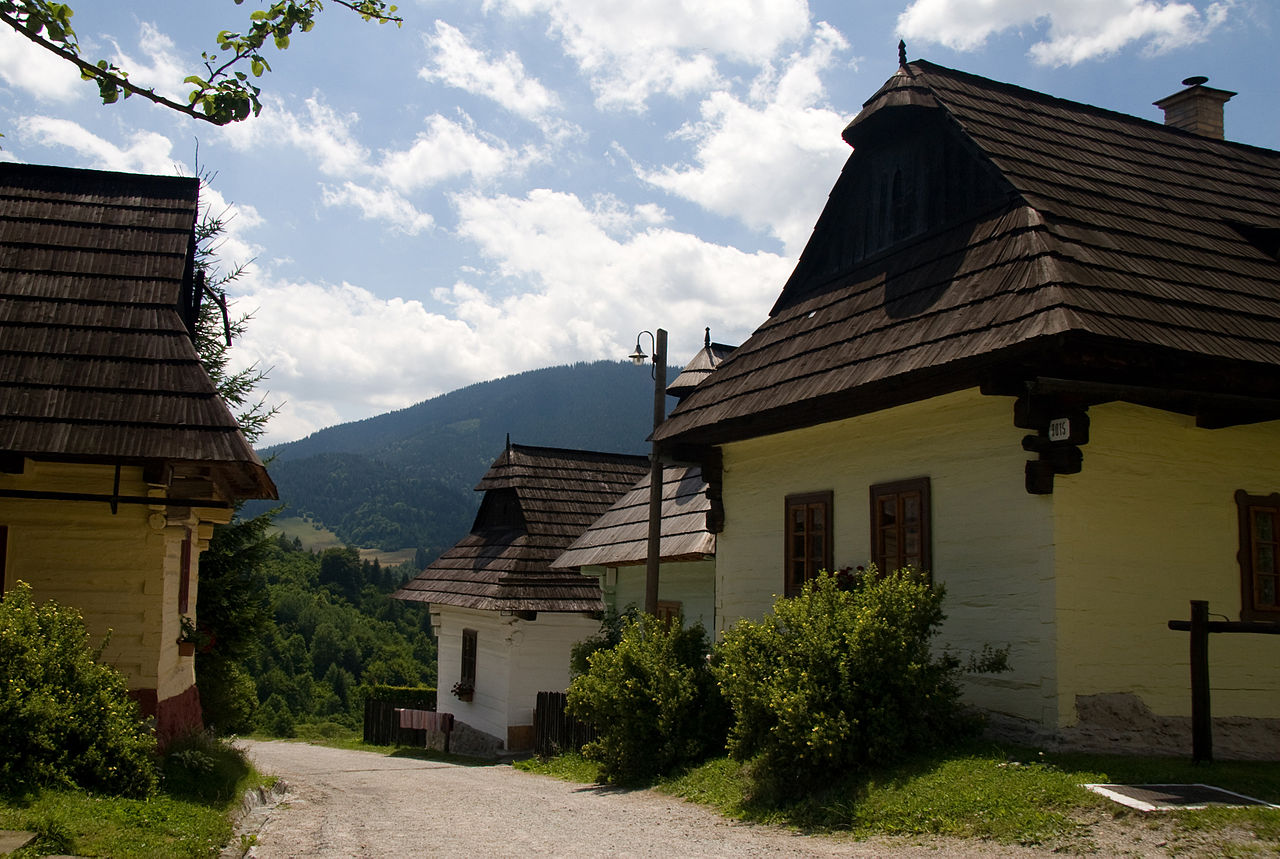
Vlkolinec shows how heritage status can bring recognition and pressure at the same time. Reporting in early 2026 said the Slovak village receives up to 100,000 visitors a year even though fewer than 20 permanent residents remain among its painted wooden houses in the Carpathians today.
Some locals now want the UNESCO status itself revoked, which is a remarkable form of backlash and a revealing one. Their complaint is that tourists enter gardens, peer into homes, and turn daily life into an exhibit, while preservation rules make adaptation harder. The village is being admired, but many residents no longer feel protected there. The wear is real.