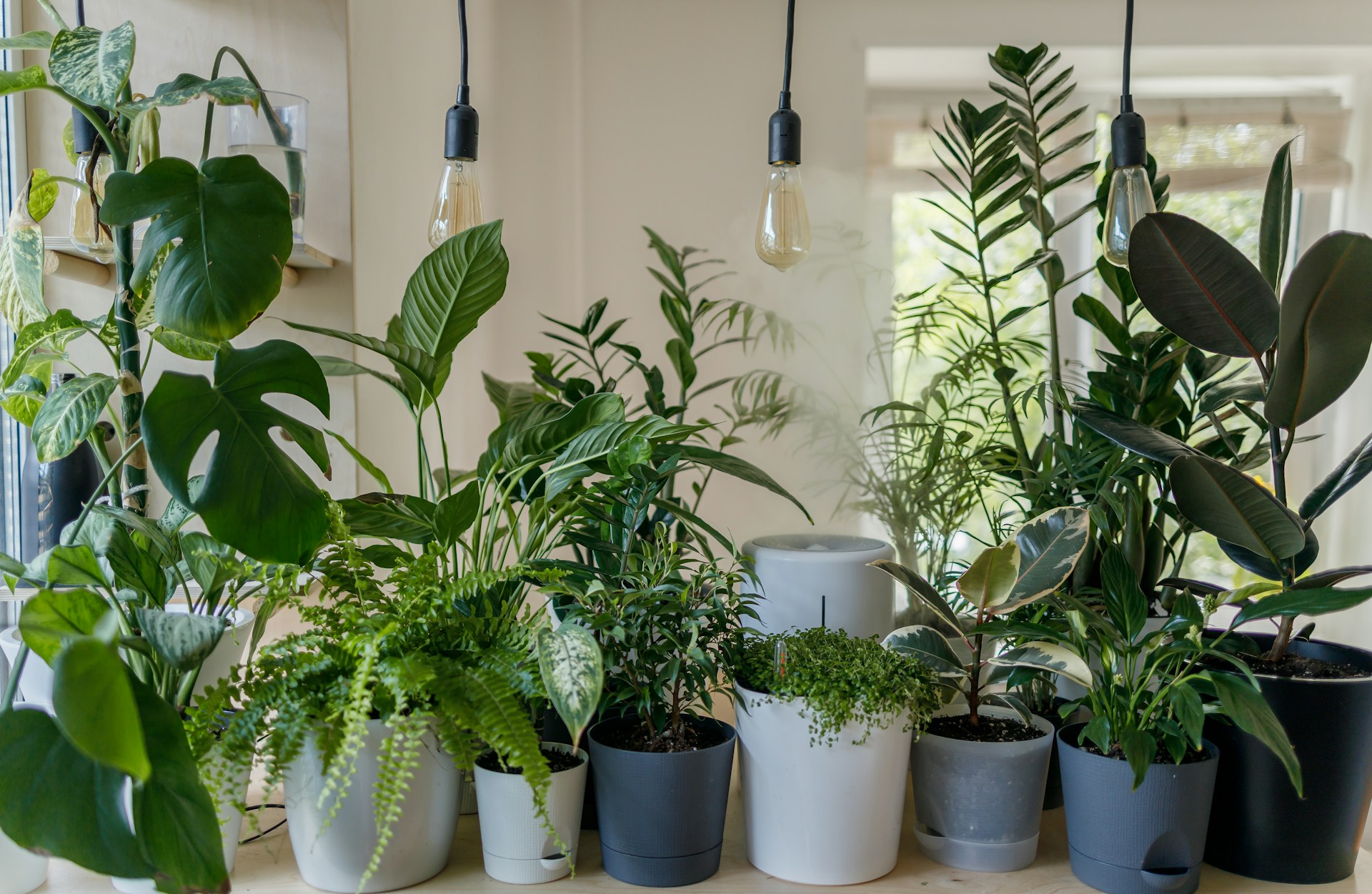
Houseplants rarely fail overnight. They drift when light is misaligned, because light drives growth, color, and how quickly soil dries. Too little light brings stretching and smaller leaves; too much can bleach color and crisped edges. The useful part is that these clues show early, long before a plant looks unhealthy. A brighter window, a sheer curtain, or a shift in distance can reset the next wave of growth. New growth is the report card: tighter spacing, deeper green, and leaves that sit relaxed instead of reaching. Small tweaks work. Winter makes the need clearer as days shorten indoors, too.
Leaning Toward One Side
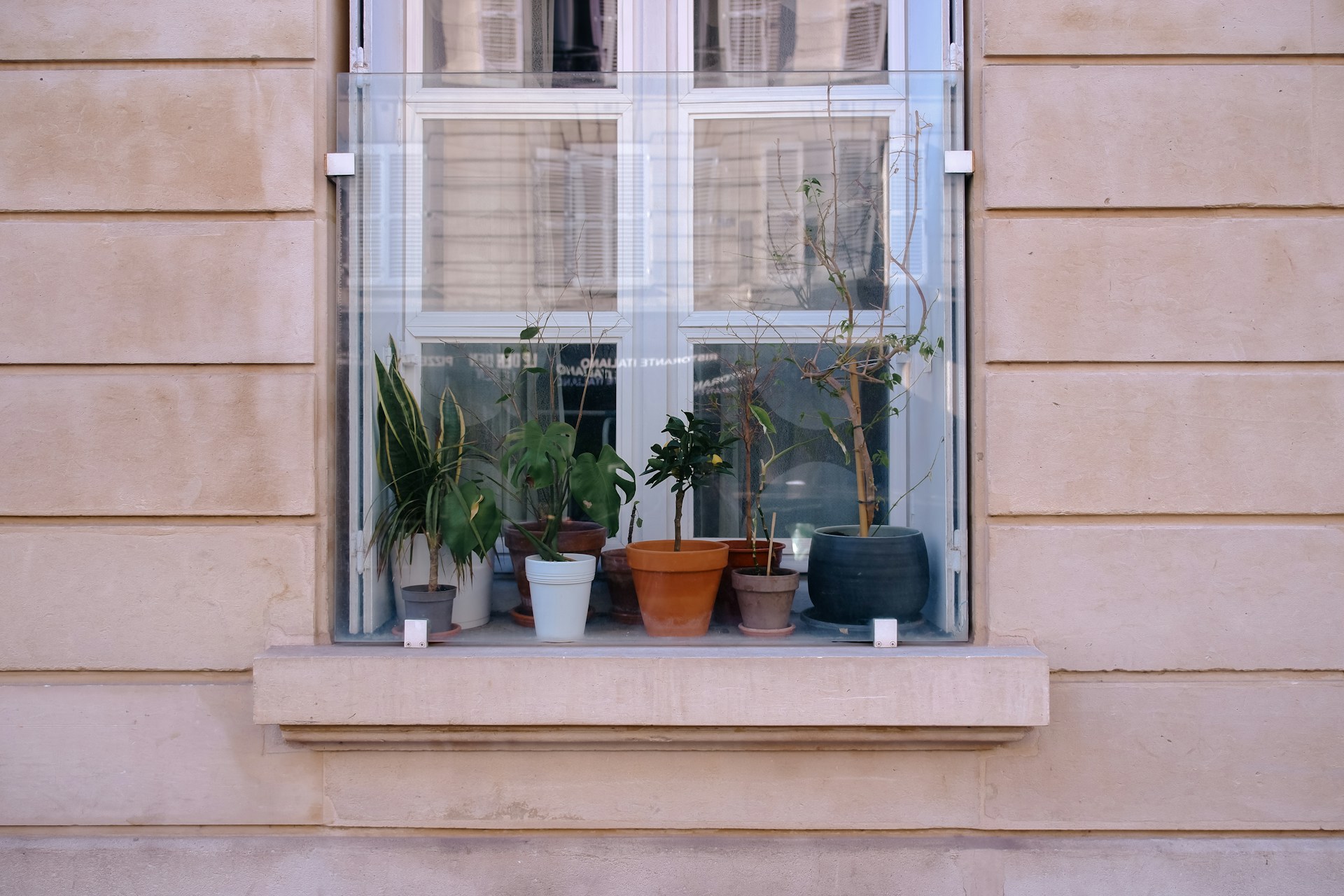
Repeated leaning toward a window is a sign the light is too weak or too one-sided; rotation can improve symmetry, but a quick return to the same tilt means the plant is reaching, not strengthening. A move to within 12 to 24 inches of the brightest filtered window, plus a quarter-turn each week, usually produces straighter new stems and leaf spacing that looks even from every side. If stakes are needed to keep it upright, an east window or a south window softened by a sheer is often enough, and the next two to three leaves will show whether the change worked quickly without extra watering at all.
Leggy Stems And Wide Gaps
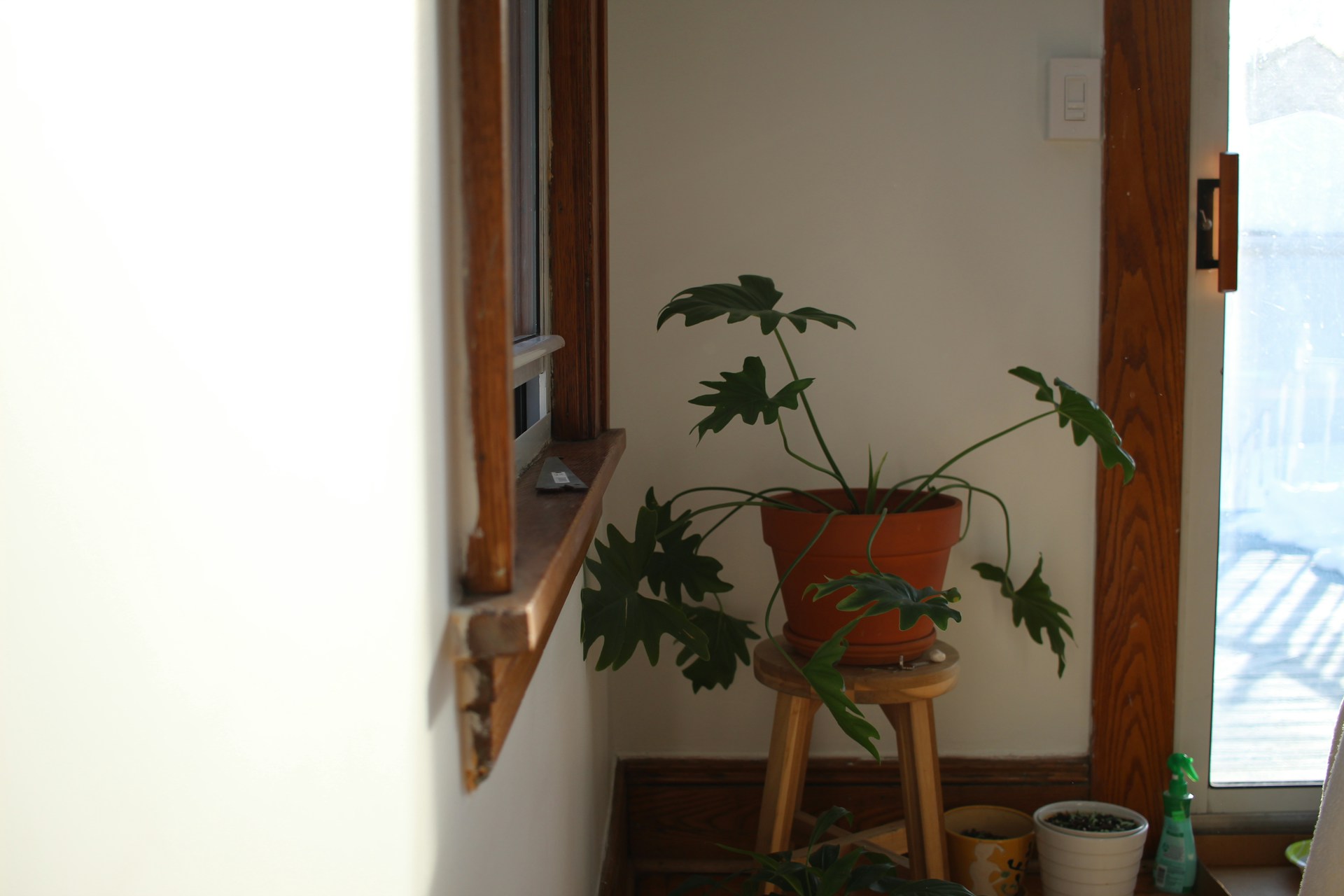
Long, floppy stems with wide gaps between leaves point to low light, especially in vines, herbs, and many succulents grown indoors. Internodes stretch as the plant searches for brightness, so the middle looks bare and the top becomes heavy even when watering is consistent. Brighter indirect daylight or a grow light on a 10 to 12 hour timer tightens spacing on the next nodes; pinching tips and trimming stretched sections encourages branching, and rooted cuttings can be replanted to thicken the pot. Keeping the light source close enough to matter, yet not so close that leaves feel warm, helps the fix hold.
New Leaves Keep Getting Smaller
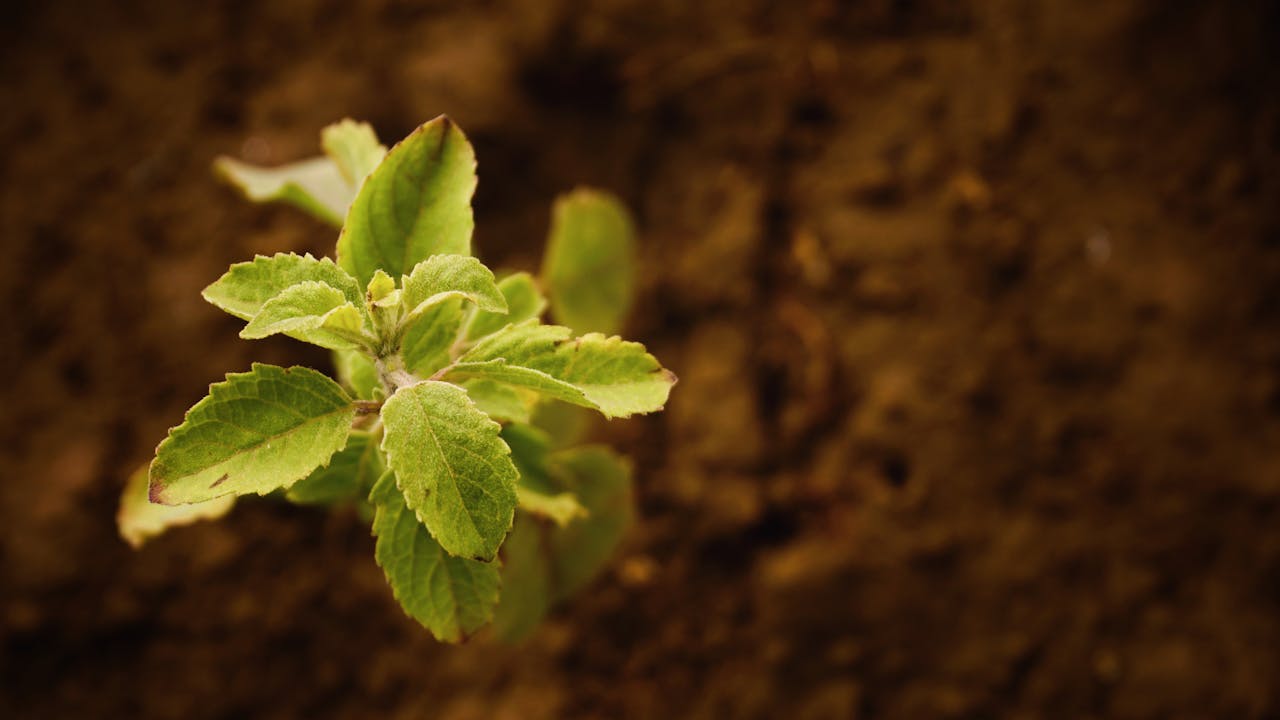
When new leaves arrive smaller than older ones, the plant is often short on energy, and light is a common reason. The canopy can look thin, petioles may lengthen, and leaf texture can feel less firm even if watering and feeding stay steady. A brighter, consistent spot, such as near an east window or a few feet back from a bright south window with a sheer, often increases leaf size within 3 to 6 weeks; a grow light set 8 to 12 inches above the canopy can do the same, and if smaller leaves also show up with leaning or stretched stems, the message is clear: more usable daylight is needed, not extra water or fertilizer.
Growth Pauses During Spring And Summer
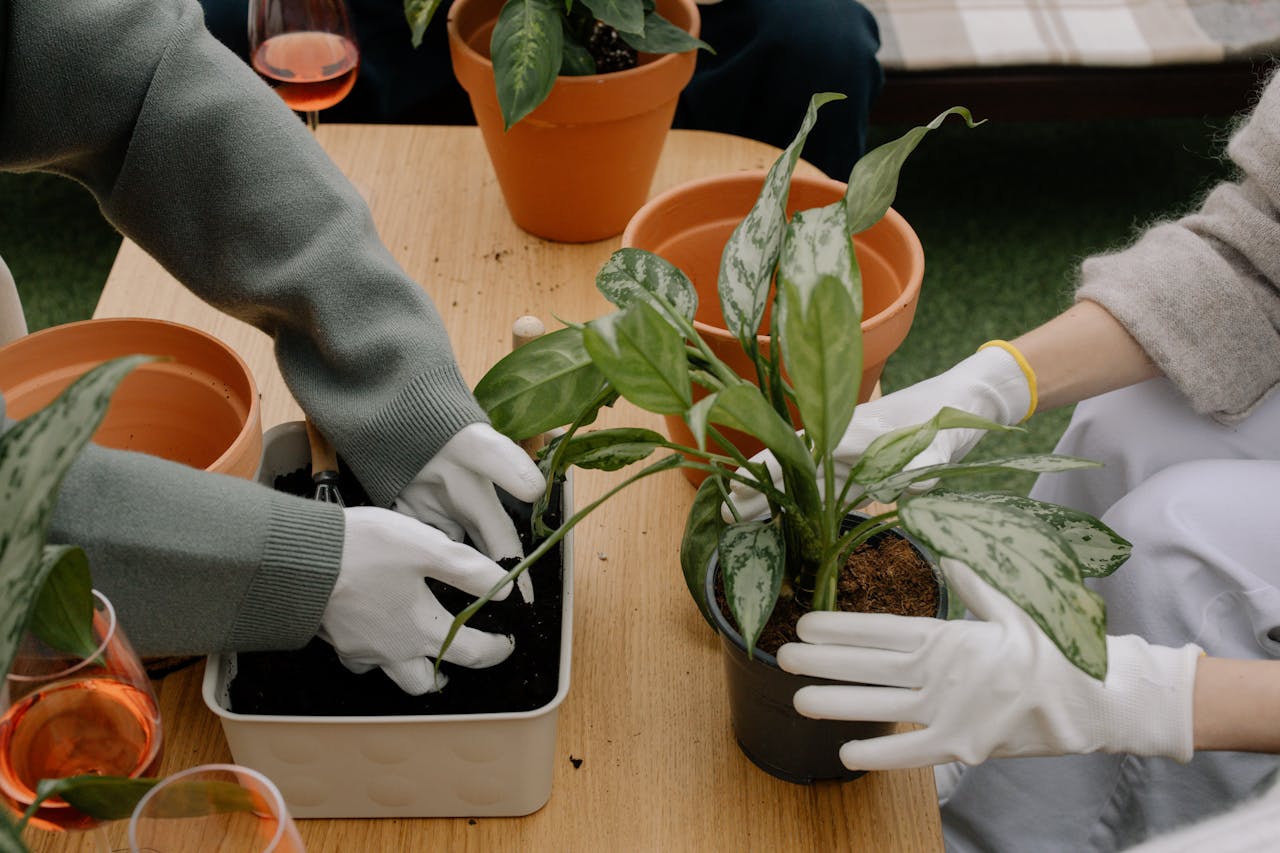
A long pause in spring and summer growth often means the plant is underlit, assuming temperature and moisture are reasonable. In dim spots, soil stays wet longer, stems stay softer, and older leaves can drop early because the plant is stuck maintaining what it has. Moving closer to a brighter window or adding a gentle grow light on a timer often restarts growth within weeks, and the next leaves usually arrive thicker, darker, and spaced closer together; drying time is a helpful clue, because a pot that stays damp for many days often signals that light is part of the slowdown even in warm rooms.
Flowers Never Arrive Or Quickly Drop
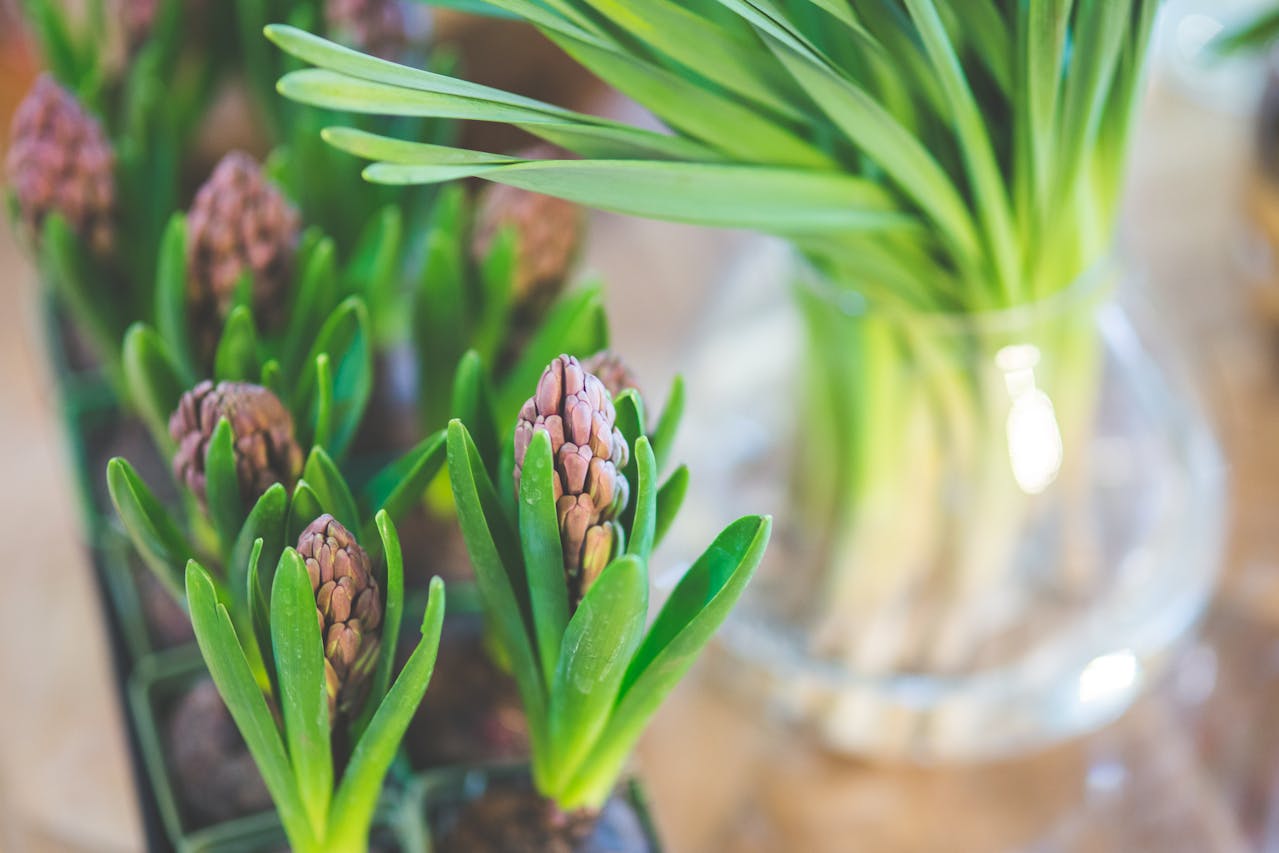
A plant can look healthy yet refuse to bloom when light stays below the level needed to set buds and carry flowers through. Buds may form and then stall or drop, and the cycle can repeat with little progress even when watering feels careful. Brighter filtered light and a steady day length, often helped by a timer in winter, usually improves bud strength and bloom timing; morning sun suits many bloomers, while intense late-day sun can be too much, and a flower stalk that leans hard toward one side signals uneven light; gentle weekly rotation and dust-free leaves help the plant use what it gets.
Variegation Fades Toward Solid Green
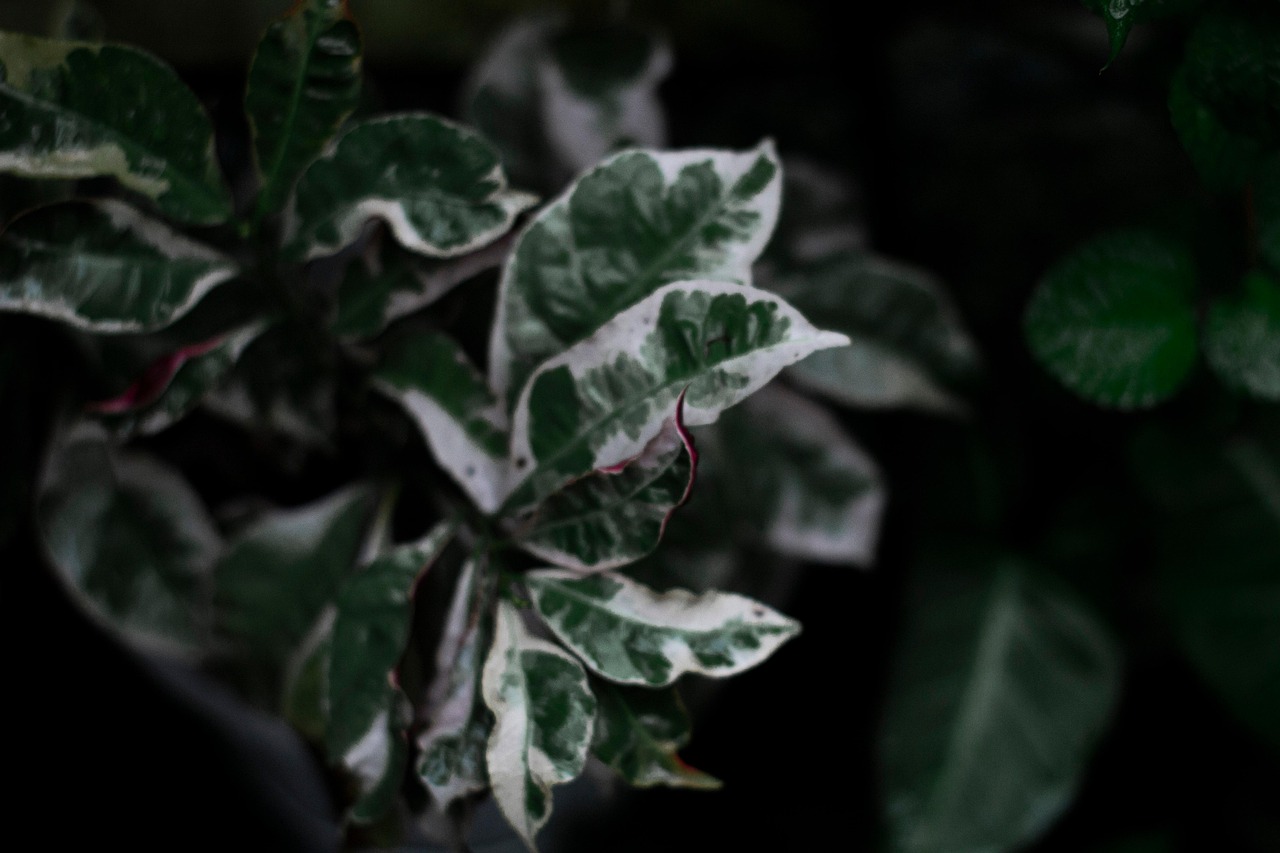
Variegated plants often turn greener in low light because green tissue captures more energy than pale sections. New leaves may show weaker striping or speckling, and growth may stretch at the same time, making the plant look loose and plain. Brighter, steady indirect light usually brings stronger patterning back on future leaves, though older leaves will not change; transition gradually, since pale patches can mark in sudden sun, keep the plant near a bright window with a sheer, and if a stem starts producing solid green leaves, trim back to the last leaf that still shows pattern for better balance.
Lower Leaves Yellow And Let Go
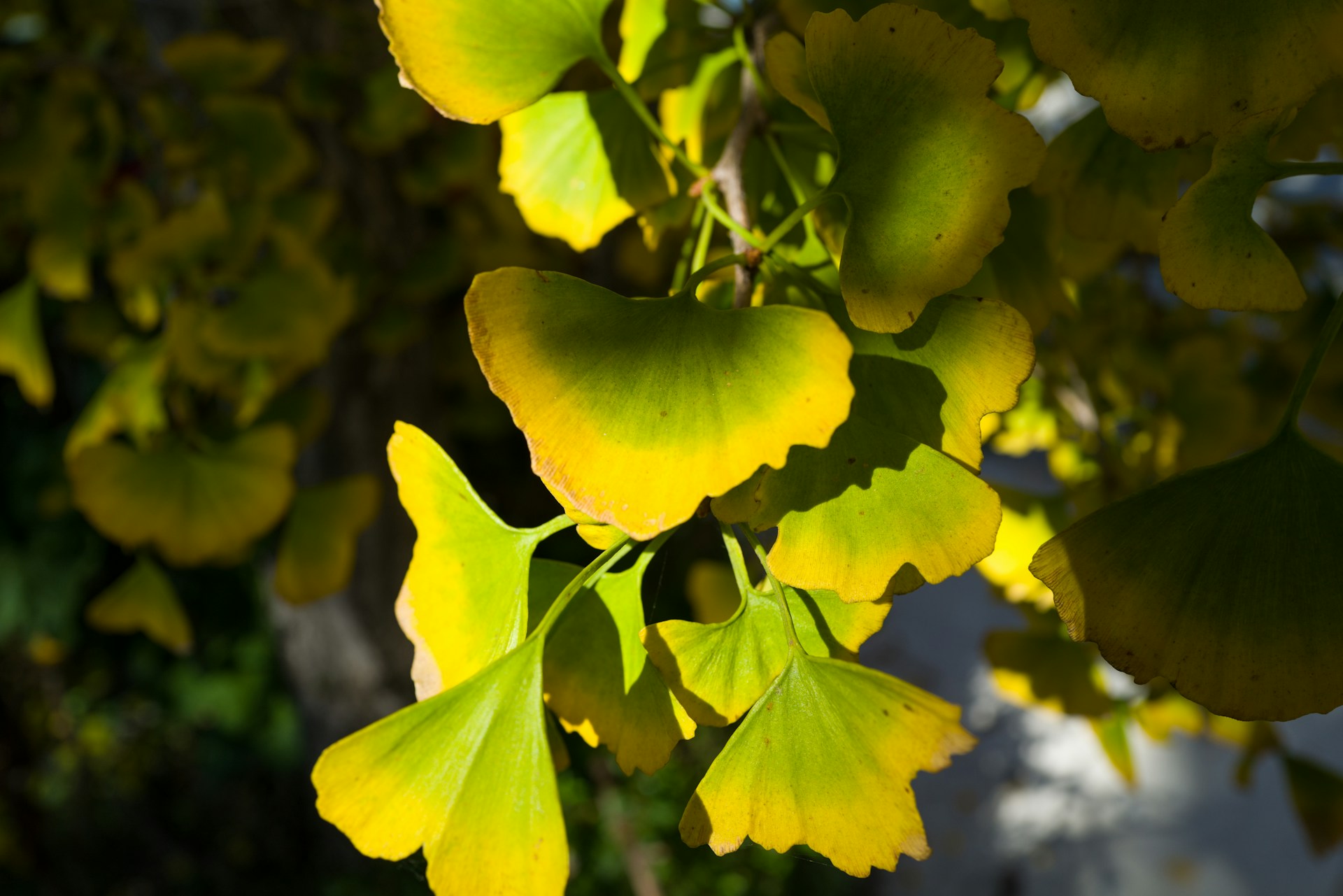
Lower leaves that yellow and drop while the top keeps growing can be a light problem, not just normal aging. In dim rooms, a plant prioritizes the parts nearest brightness and releases shaded lower foliage to conserve energy, leaving bare stems below. A brighter position plus regular rotation often slows the drop and supports fuller growth from top to bottom; corner placements with one-sided daylight are common culprits, and a move just 2 to 3 feet closer to a window can change the pattern. When leaf loss pairs with stretching and smaller new leaves, light is usually the first lever to adjust, not extra water.
New Growth Looks Pale Or Thin
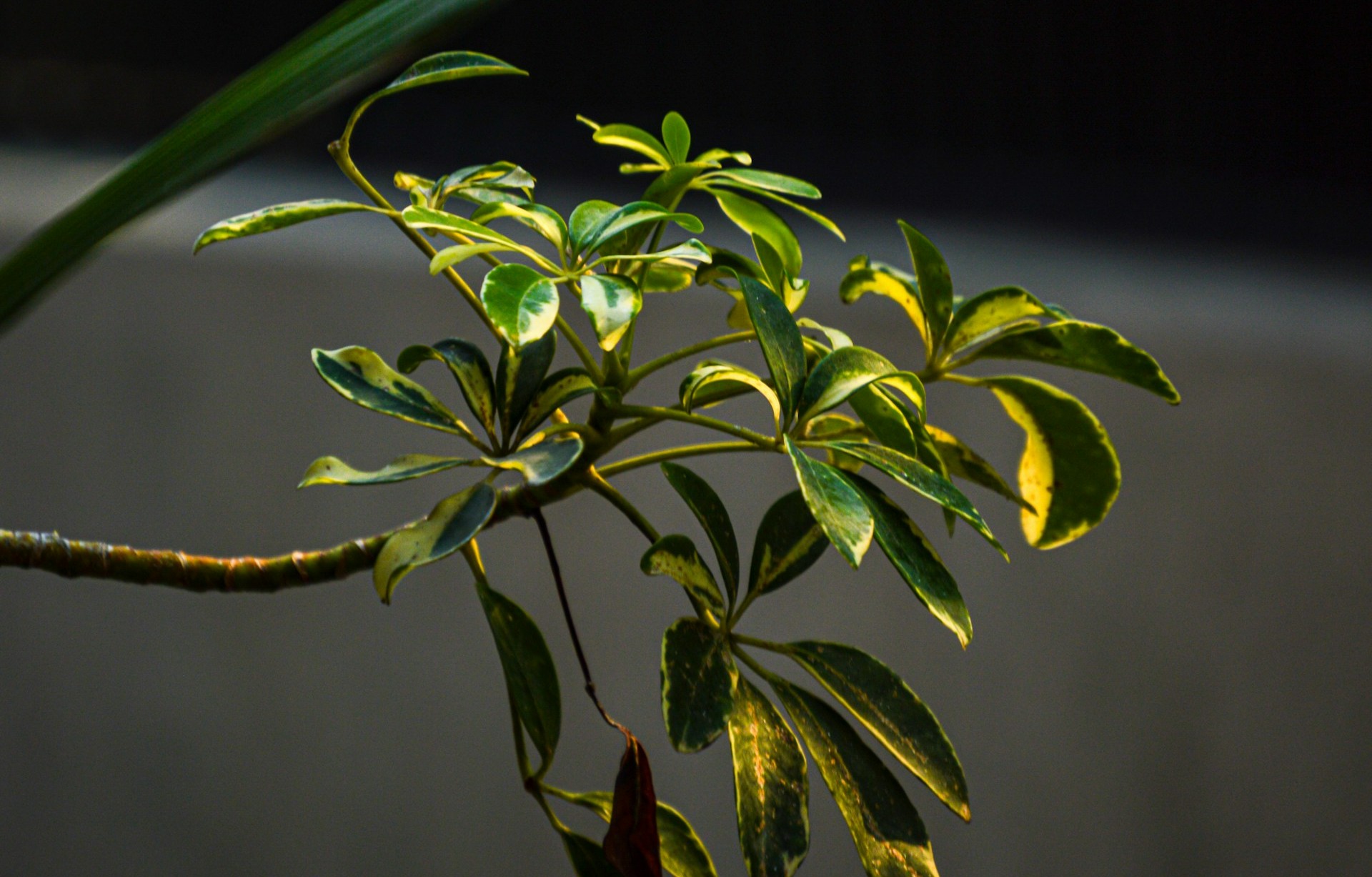
Fresh leaves that come in pale, thin, or slightly translucent can mean the plant is not getting enough light to build strong pigment and sturdy tissue. The look can resemble a feeding issue, but pale new growth paired with soft stems and slow expansion usually points back to lighting. Brighter morning light or stronger indirect daylight often deepens color on the next leaves and firms structure within a few weeks; if paling shows mainly on the most exposed leaves near glass, the situation may be reversed, and shifting the plant back or filtering sun can restore richer color without slowing growth.
Leaves Cup Upward Like A Bowl
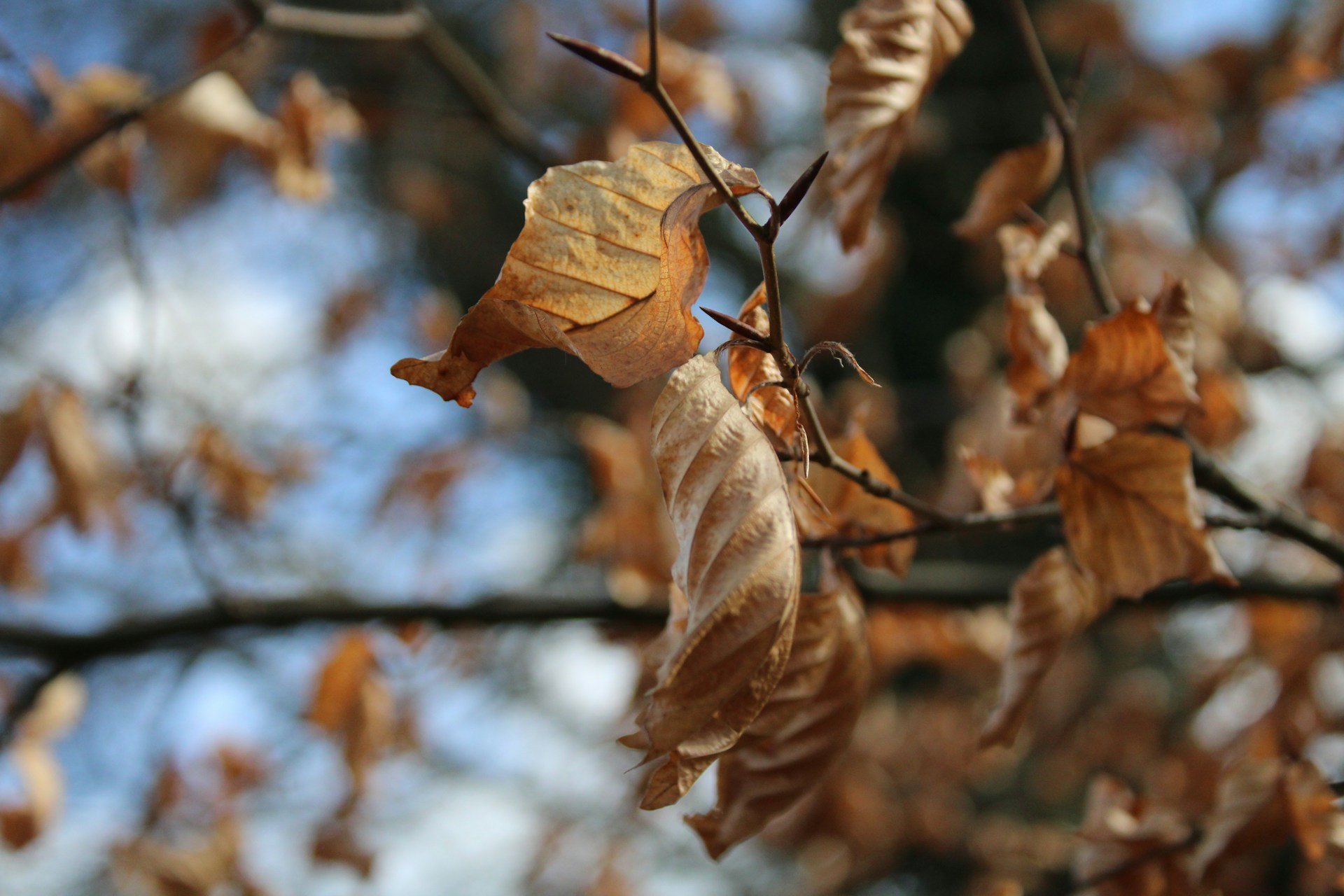
Leaves that lift and cup upward can signal the plant is trying to catch more usable light, especially in darker rooms where ceiling bulbs look bright but do little for growth. This posture often holds steady through the day and may include subtle twisting toward one side, rather than a simple evening movement that resets by morning. Brighter indirect daylight or a grow light placed above the canopy often relaxes leaves back to a flatter angle within one to two weeks; if rotation does not change the posture, overall intensity is still low, and moving the plant closer to a window usually works better than adding more water.
Papery Brown Patches On The Bright Side
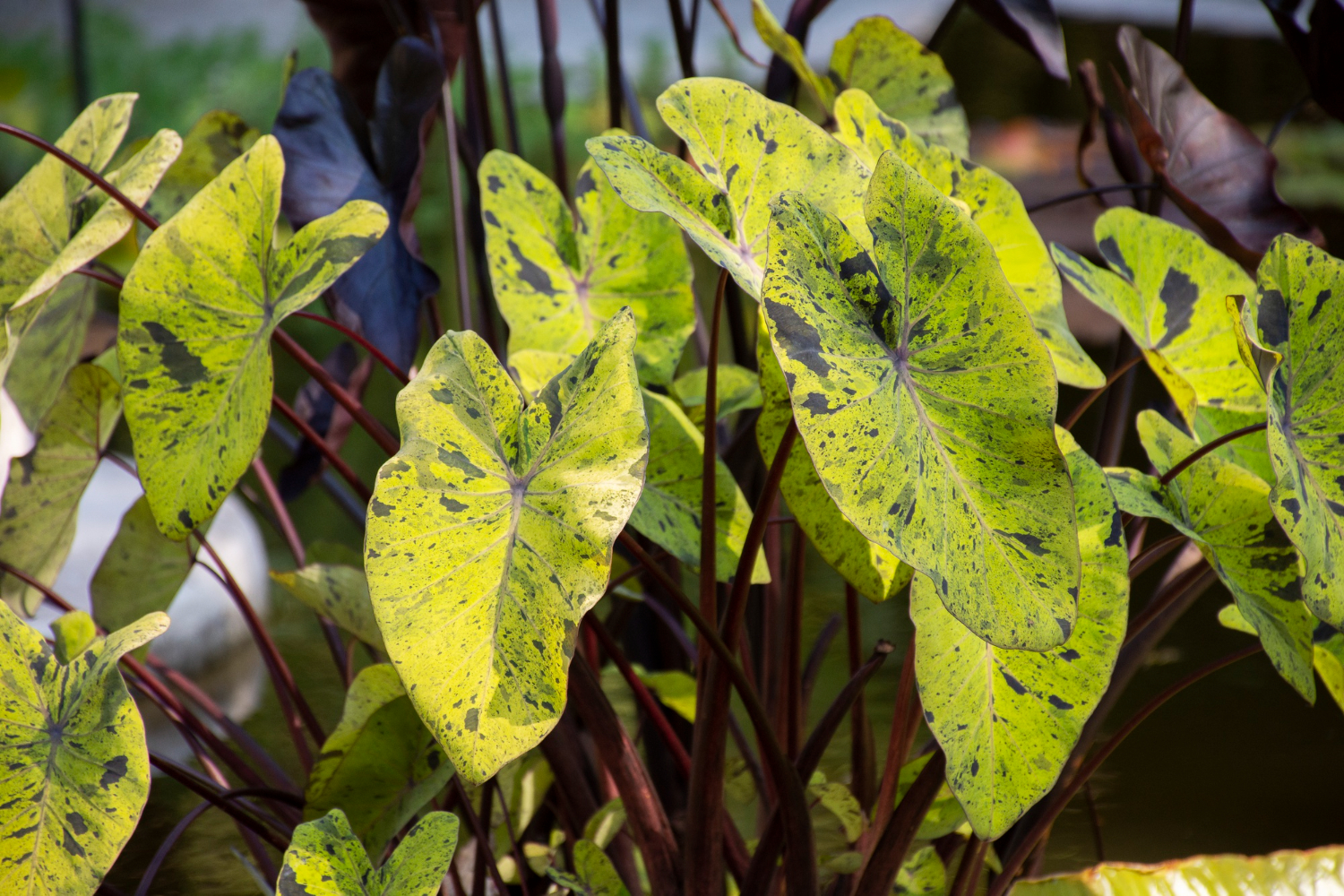
Irregular brown, papery patches that appear on the window-facing side often mean the plant received more direct sun and heat than it prefers. This commonly follows a quick move from a dim corner to a bright sill, because sunlight through glass can be intense even on cool days. The marked tissue will not return to normal, so the goal is protecting new leaves by moving the plant a few feet back or adding a sheer curtain; thin-leaf tropicals are especially sensitive. Morning sun is usually gentler than late-day sun, and a slower transition over a week or two keeps the next leaves clean and even overall.
Overall Color Looks Washed Out
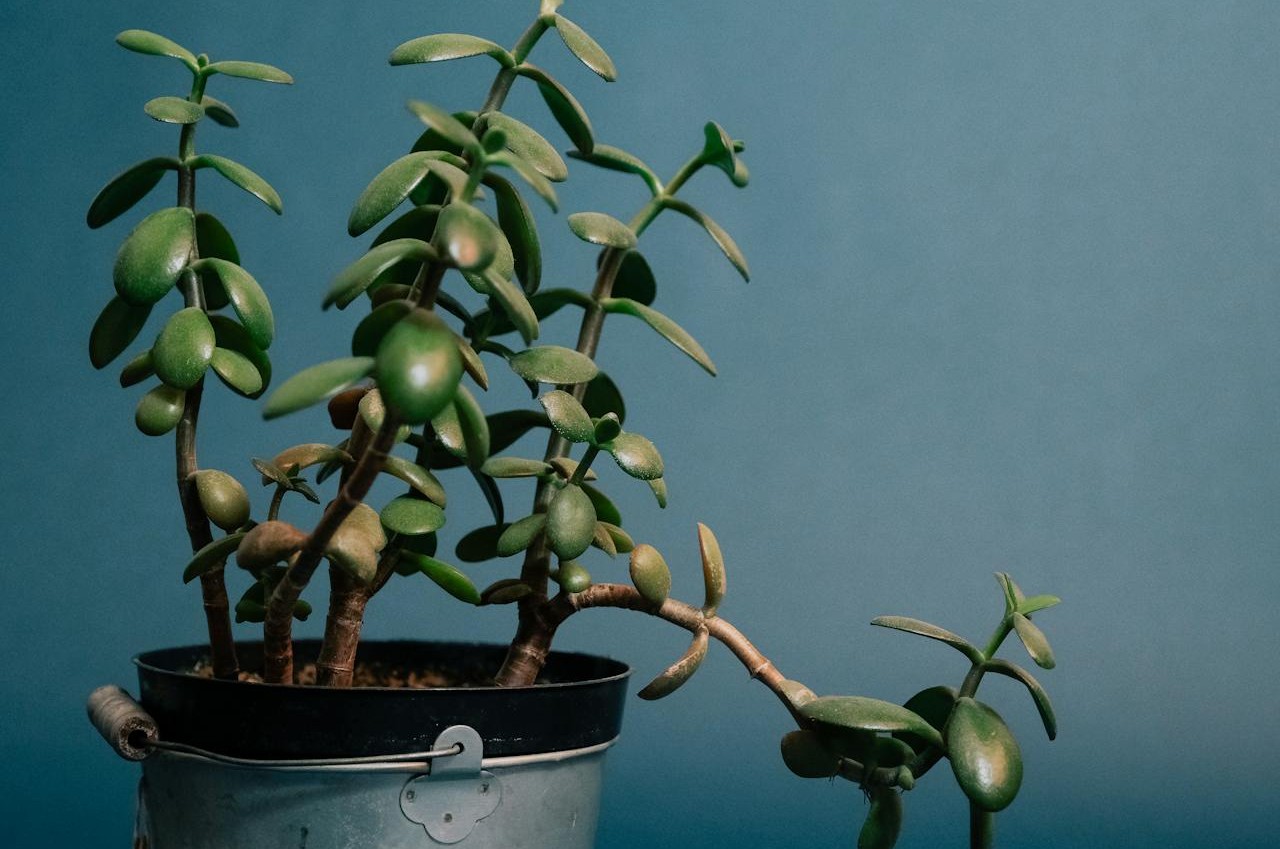
When leaf color looks washed out or silvery, too much light can be the cause even without obvious brown patches. The most exposed leaves fade first, and the surface can look dull compared with shaded leaves below. Moving to bright indirect light often restores richer color on new growth within a few weeks, especially for shade-tolerant plants, and a sheer curtain can help; faster drying soil and midday droop are supporting clues, because intense light warms the pot and speeds evaporation, and if the air near the window feels warmer around noon, a little more distance from the glass often fixes it.
Edges Turn Crispy Near Hot Glass
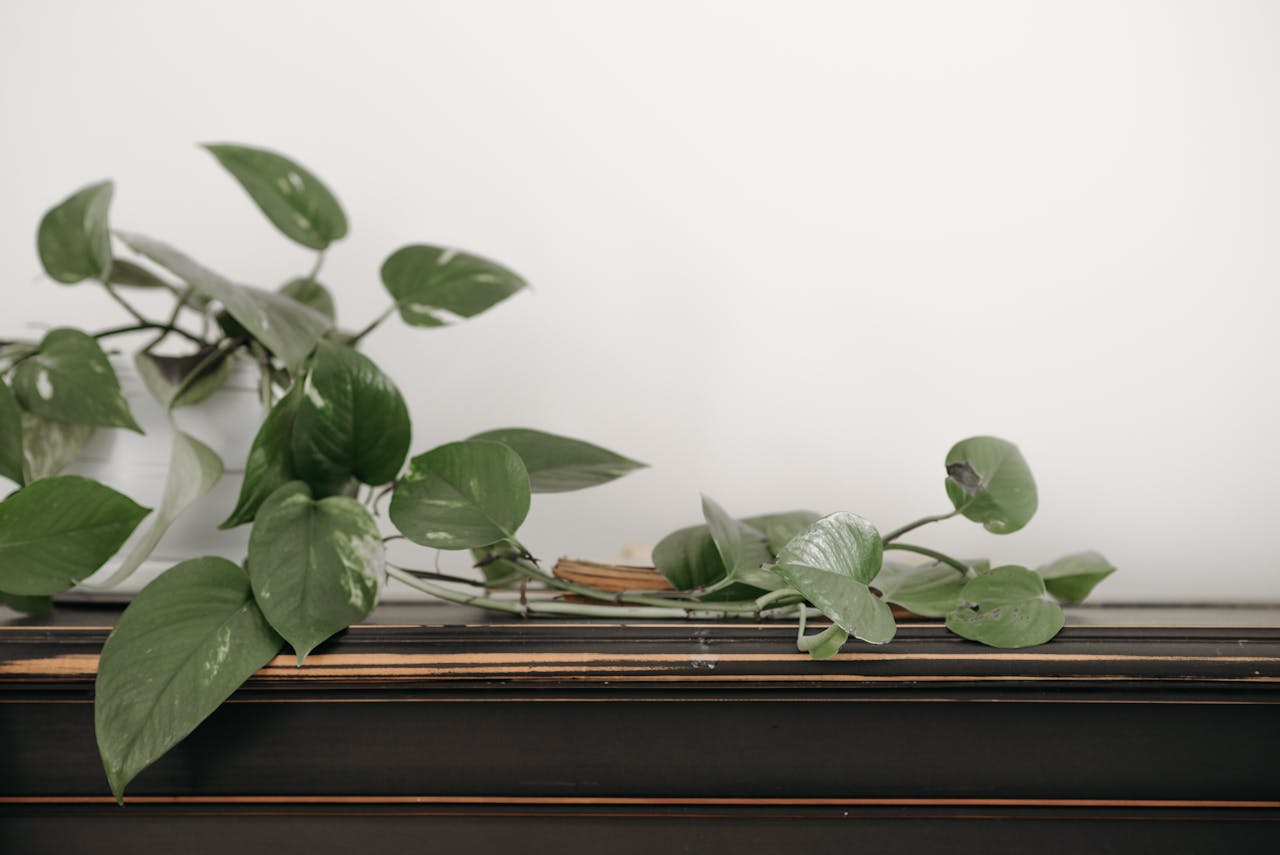
Crispy edges are often blamed on dry air, but strong window heat can create the same symptom in a repeatable pattern. Near south or west glass, midday warmth builds, moisture leaves the leaf margin quickly, and thin-leaf plants struggle to keep edges smooth even with steady watering. The crisping often appears more on the bright side, which helps separate it from whole-room dryness; moving the plant back from the pane, filtering light, keeping it away from heater or AC airflow, and grouping plants together usually improves the next leaves without changing the watering routine for calmer, smoother margins.
Leaves Curl Or Fold By Afternoon
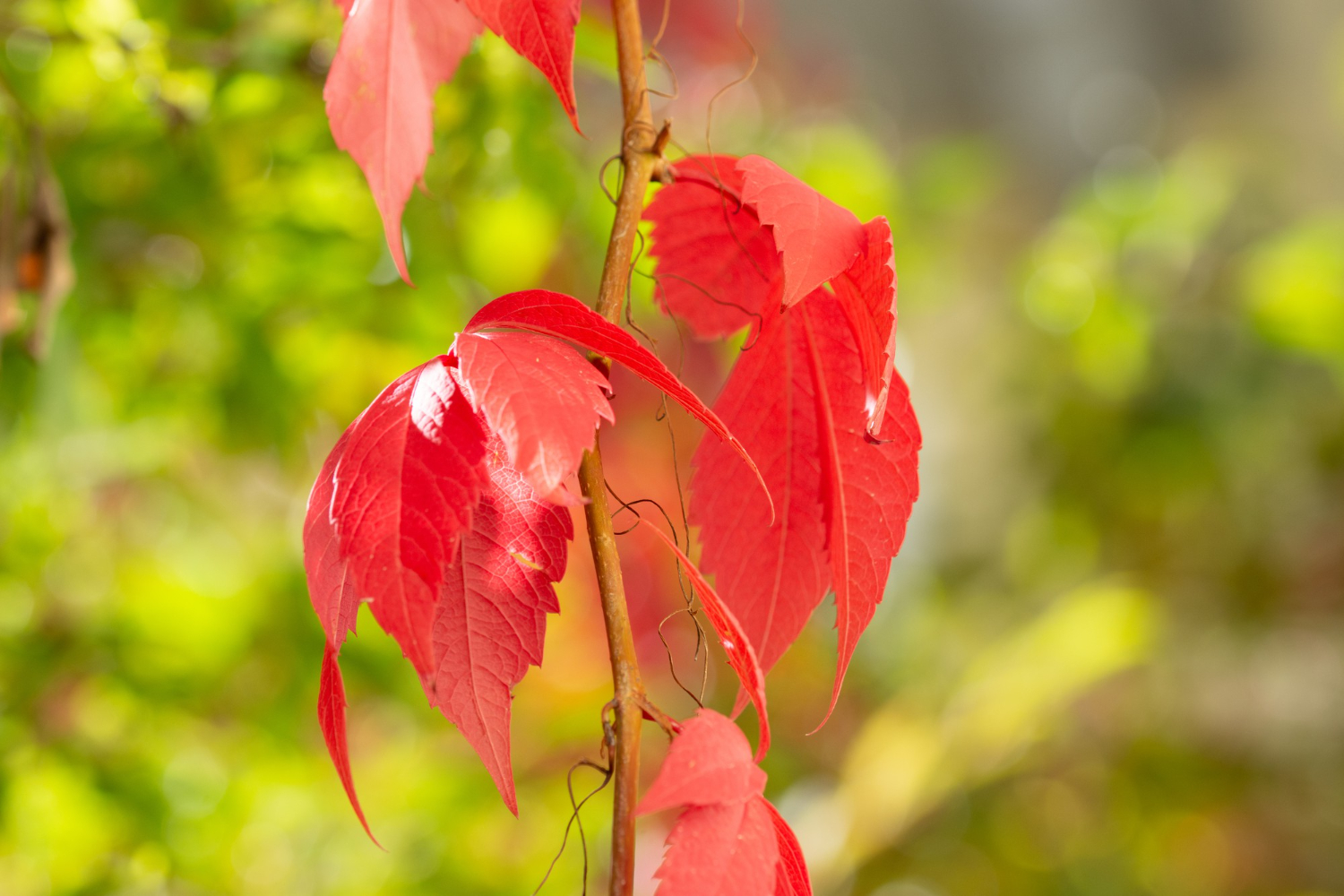
Leaf curling that shows up by afternoon can be a response to overly intense light and heat, even when mornings look fine. Leaves may roll inward or cup downward to reduce exposed surface area, and the pot may dry faster, leaving the plant looking tired later in the day. Shifting out of direct sun, especially late-day sun, often eases curling within a week while keeping growth steady; bright indirect light supports photosynthesis without pushing that tight posture, uneven curling on the window side is a strong clue, and a sheer curtain or a few extra feet of distance usually settles it quickly.
Red Or Purple Tint Appears Suddenly
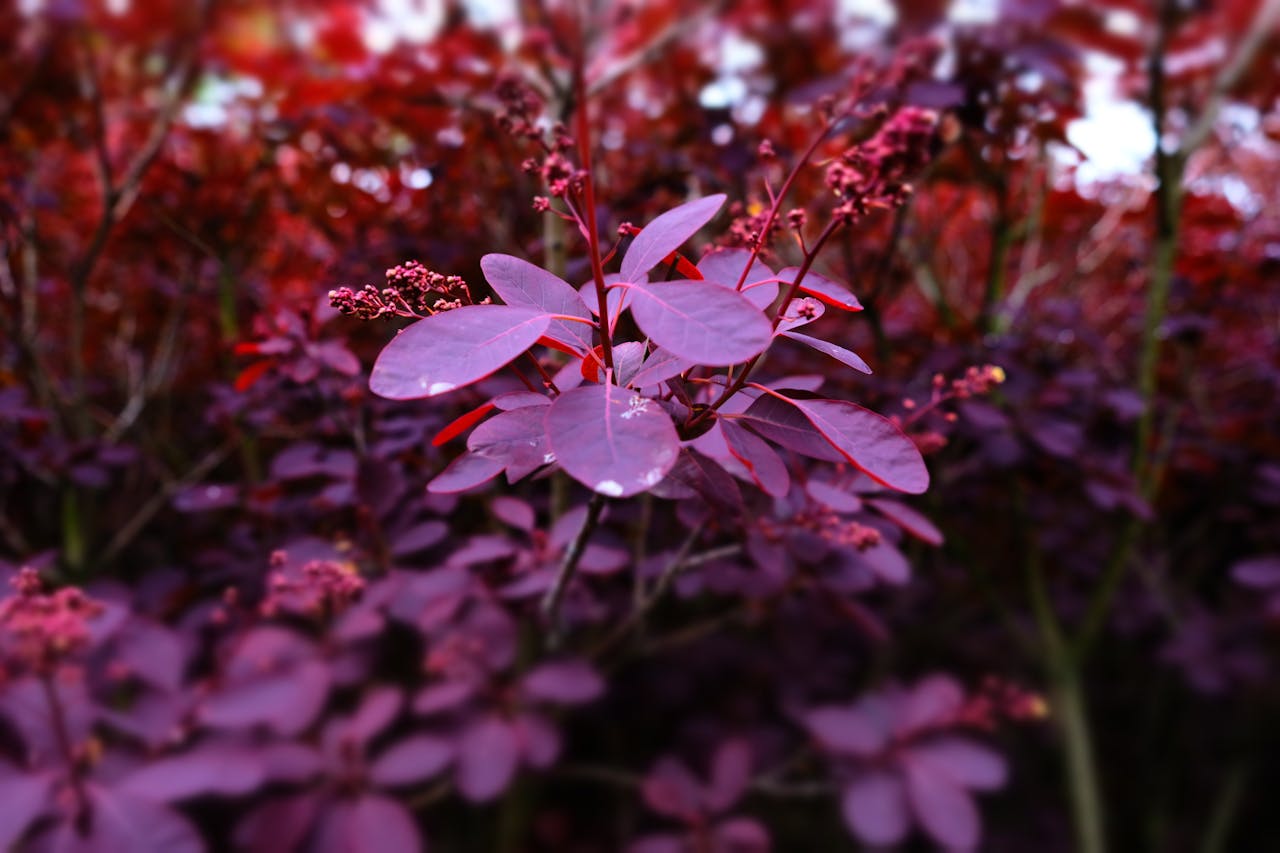
A sudden red or purple tint can appear after a jump in light, because pigments build up to shield leaf tissue. Some plants color up nicely, but if the tint arrives with smaller leaves, slower growth, or a tight, rigid look, the light is likely above the comfort range. Backing the plant away from the window, filtering sun with a sheer, or raising a grow light a few inches often restores steadier growth while keeping some color; stepping intensity down over 3 to 5 days tends to work better than a single dramatic move, and the goal is regular leaf expansion with a relaxed posture from morning to night.