Everyday objects look settled, as if they have always belonged to drawers, pockets, and kitchen counters. Many began somewhere stranger: a missile lab, an oil field, a choir loft, or a failed experiment that refused to die. Invention rarely moves in a straight line; it drifts through mistakes, side hustles, and sudden bursts of need, until the world assigns a new purpose. Sometimes even the color, the scent, or the snap of a seal traces back to a single lucky detail. These origin stories make the ordinary feel quietly electric. It is proof that convenience often arrives as an accident, then lingers for decades. Quietly.
Post-it Notes
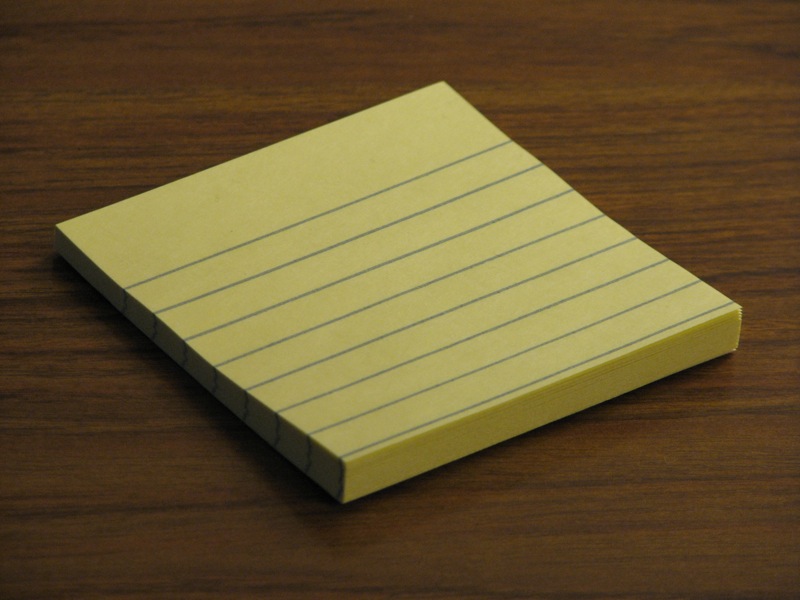
The Post-it note began as a celebrated failure inside 3M, the kind that gets politely filed away because it is not what anyone ordered. In 1968, chemist Spencer Silver chased a stronger adhesive and landed on a weak, reusable one; years later Art Fry used it to anchor bookmarks in his church choir hymnal and to tag papers without tearing, a tiny hack that finally made the glue feel necessary. The first pads were canary-yellow simply because that was the scrap paper nearby, and the gentle stickiness turned reminders into moveable, re-readable messages that could follow a thought from desk to meeting to fridge door.
Bubble Wrap
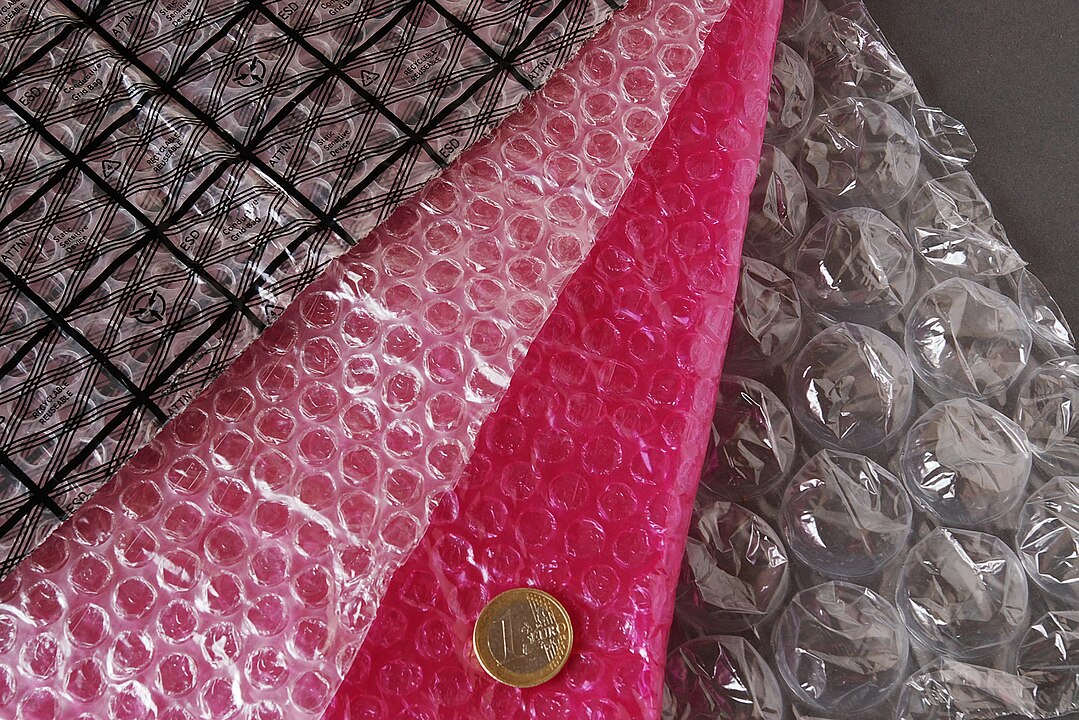
Bubble wrap was never meant to cushion a single package. In 1957, engineers Alfred Fielding and Marc Chavannes heat-sealed two plastic shower curtains and trapped air bubbles between them, hoping the bumpy sheet would sell as futuristic wallpaper, then pitched it again as greenhouse insulation when taste refused to cooperate. Only after the company that became Sealed Air leaned into packaging did the idea click, and the same trapped air that looked odd on a wall turned into a cheap, flexible armor for fragile goods, plus a strangely satisfying, stress-soothing pop that echoes like tiny fireworks in quiet rooms. At work.
Velcro
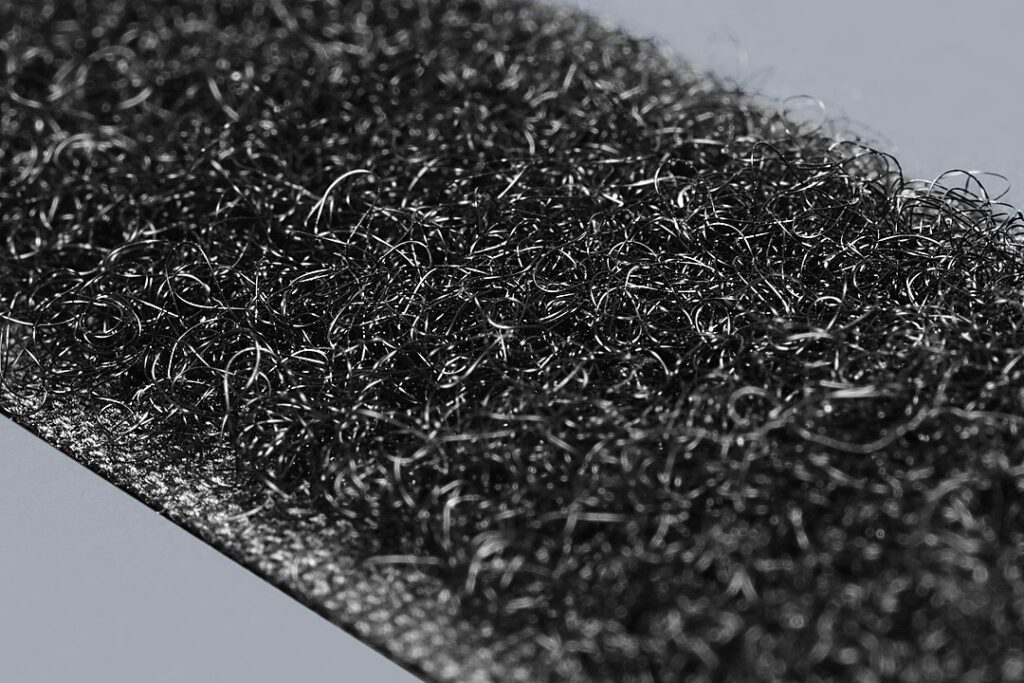
Velcro began as a stubborn plant doing what burrs do best: hitchhiking, clinging with quiet confidence to anything that brushed past. After a 1948 walk in the Alps, Swiss engineer George de Mestral studied the burrs stuck to his clothes and his dog’s fur and found tiny hooks gripping loops, then spent years engineering a man-made version in nylon that could be produced at scale. What looked like a simple rip-and-stick trick became a serious closure for clothing and equipment, and its signature sound still carries the memory of those burrs refusing to be ignored, even when pockets and cuffs would rather stay smooth.
Super Glue
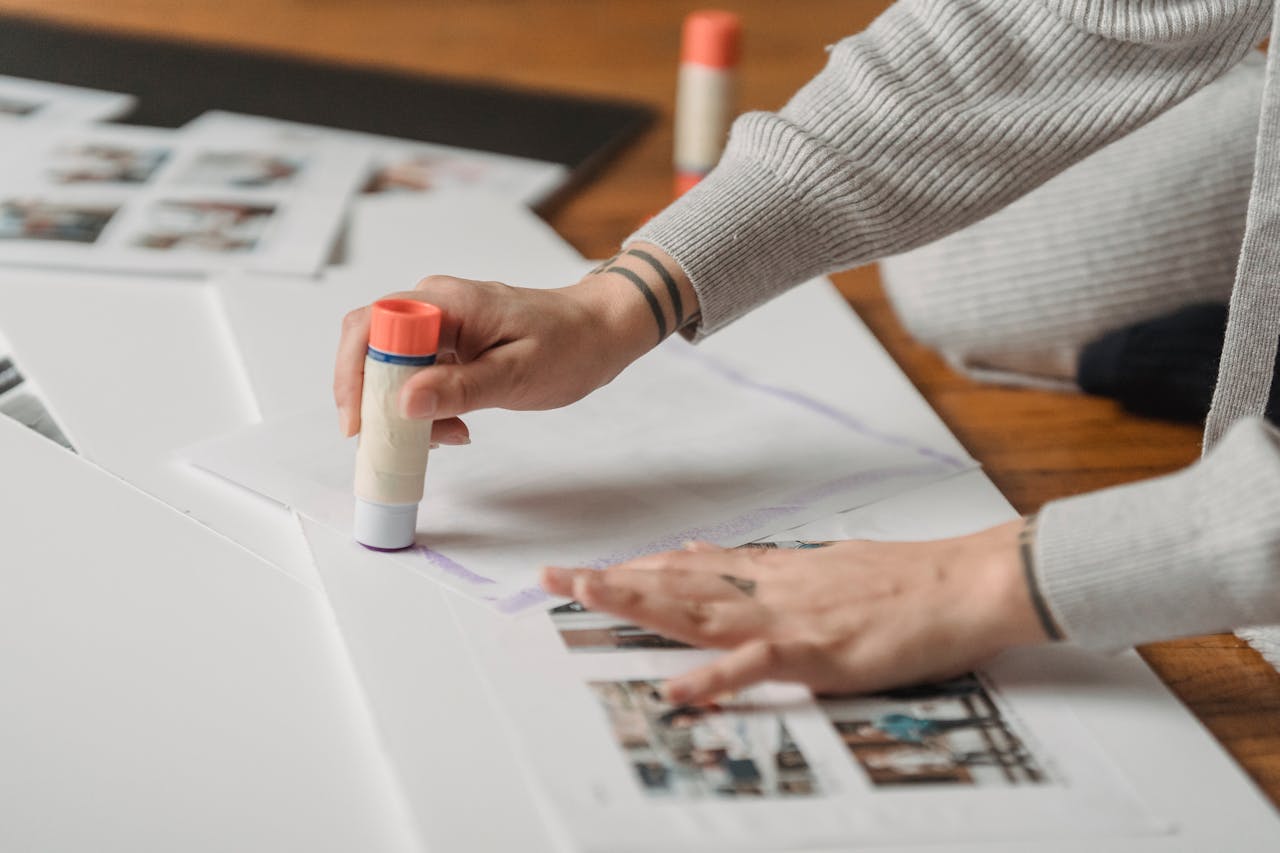
Super Glue came from a material scientists initially considered a menace. In 1942, while searching for clear plastics for wartime optics, Harry Coover’s team encountered cyanoacrylate, a compound that grabbed skin and instruments so aggressively that it kept ruining experiments, so it was pushed aside. By the 1950s the same chemistry reappeared, its instant bonding recast as a feature, and by 1958 it was sold commercially, turning a once-unwelcome lab nuisance into the tiny tube that can rescue broken ceramics, cracked toys, and loose trim with startling finality, in a blink, with a sharp scent that hints at speed.
Microwave Oven
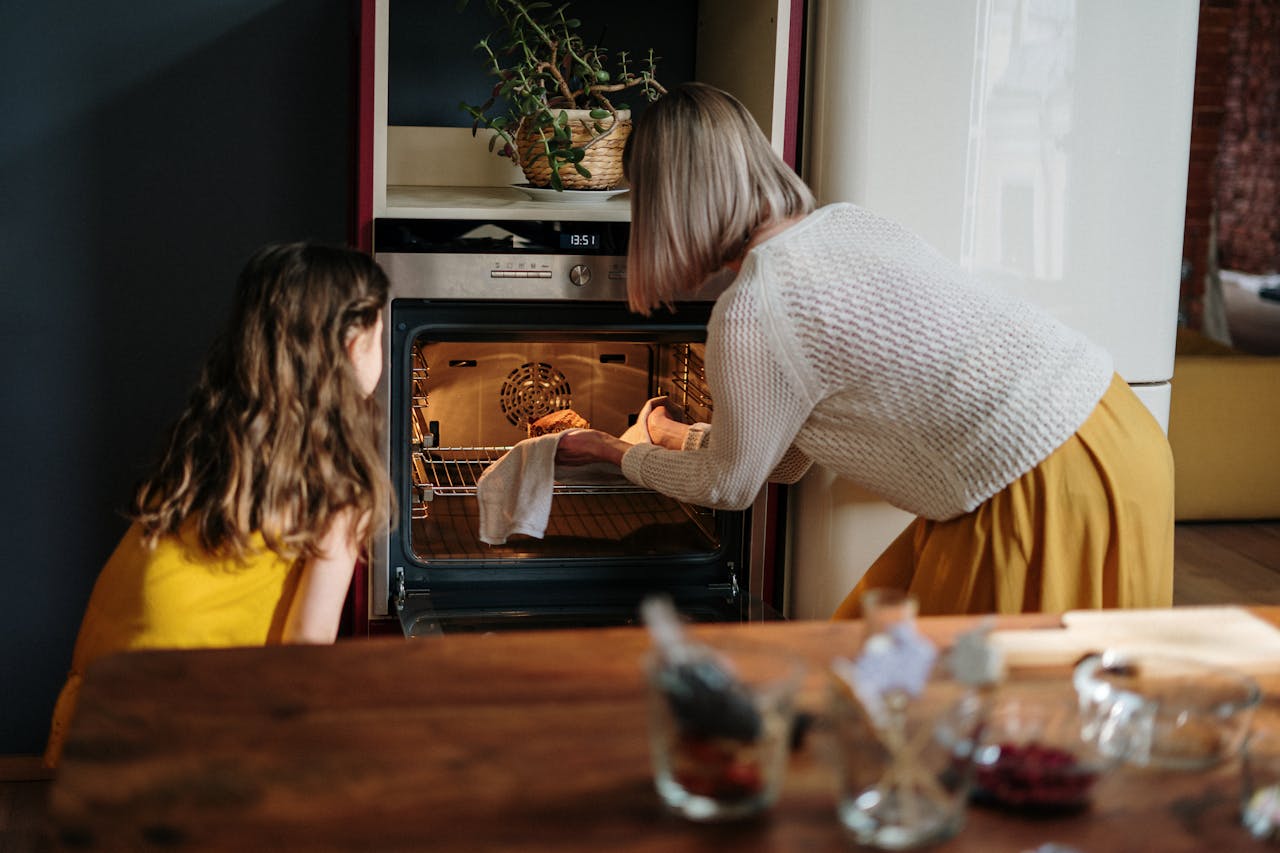
The microwave oven owes its existence to radar research and an inconvenient melted snack. In 1945, Raytheon engineer Percy Spencer noticed a candy bar in his pocket had softened near an active magnetron, then tested popcorn and an egg to confirm that microwaves could heat food quickly from the inside out. The first ovens were tall, heavy machines meant for restaurants and ships, yet the core trick scaled down and spread, until a humming box on the counter could revive yesterday’s rice, soften butter on command, and make time feel a little less strict for families juggling late shifts, school nights, and tight budgets.
Play-Doh
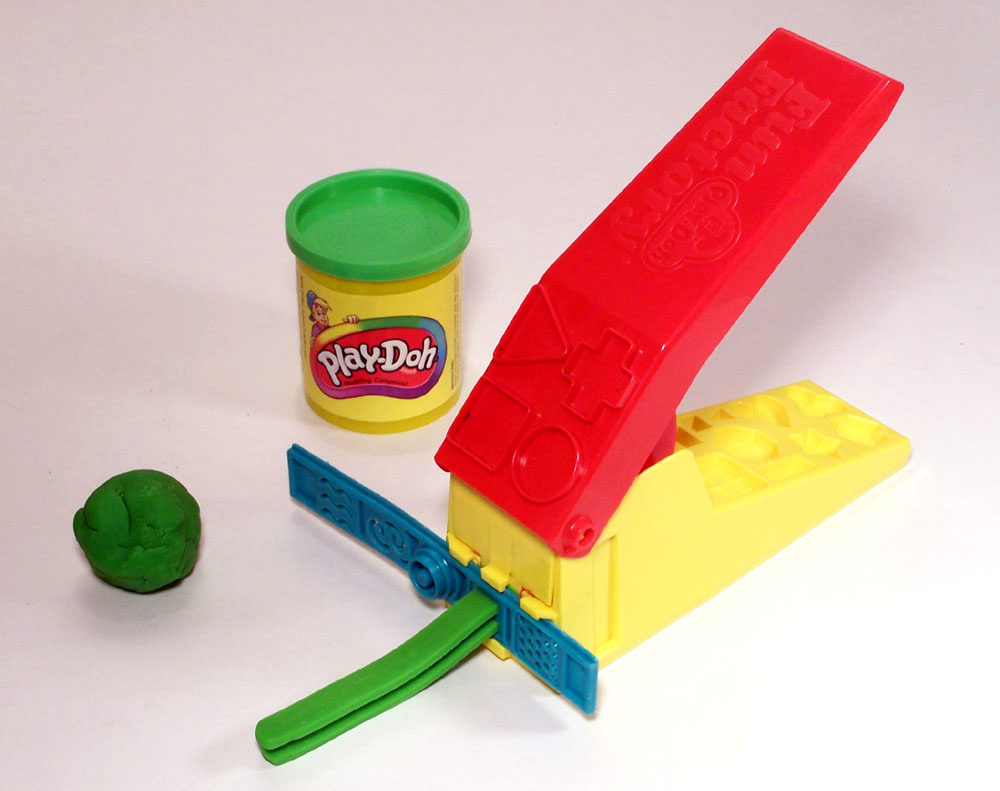
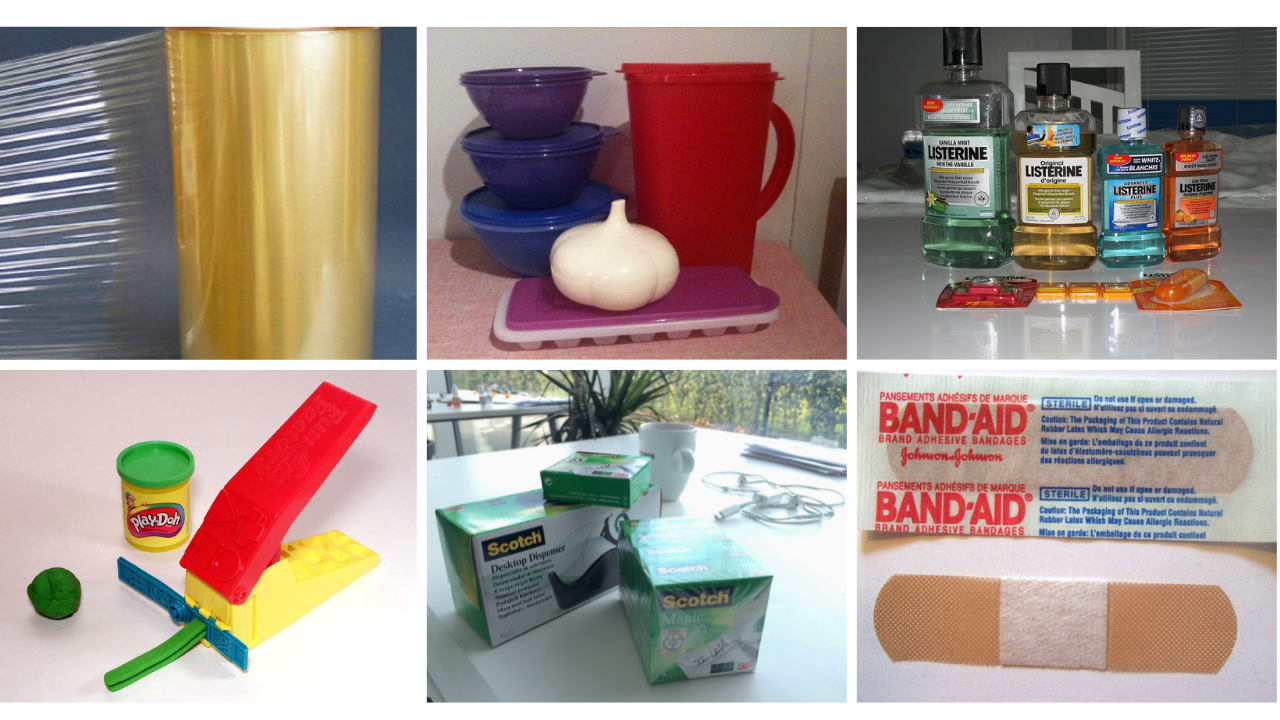
Play-Doh began as a cleaner, not a toy, and its first job was soot, the gritty kind that settled into wallpaper like bad weather. In the 1930s, the Kutol Company sold a soft putty that could be rolled and pressed to lift coal dust without smearing, a lifesaver for living rooms warmed by furnaces that left fingerprints on every pale surface. When postwar homes shifted to cleaner heat and washable walls, the product faced extinction, then reemerged in the 1950s as a school craft material, trading grime for color and turning a near-obsolete paste into a ritual of imagination with its familiar scent sealed in a small can.
WD-40
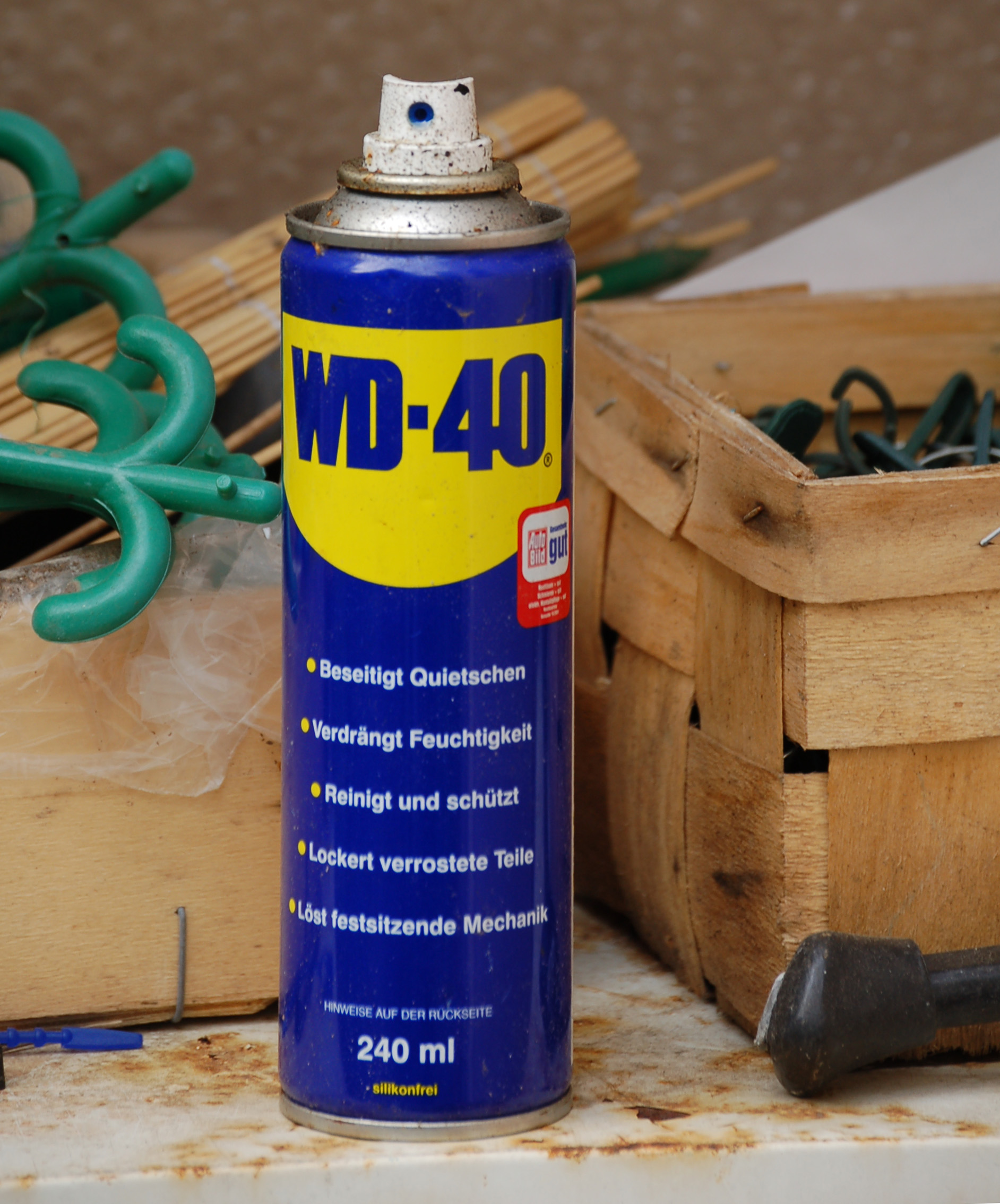
WD-40 sounds like a slogan, but it is an experiment count frozen in time, stamped on every can like a small brag. In 1953, Rocket Chemical Company tried to create a water-displacing rust preventer for the Atlas missile program, and the winning blend arrived only after 39 misses, earning the name Water Displacement, 40th formula. Word spread through borrowed cans and shop talk, and what protected metal skins in a high-stakes space race slid into garages and kitchens, loosening locks, silencing hinges, chasing moisture, and making seized parts feel negotiable again with a smell that signals work is about to happen.
Scotch Tape
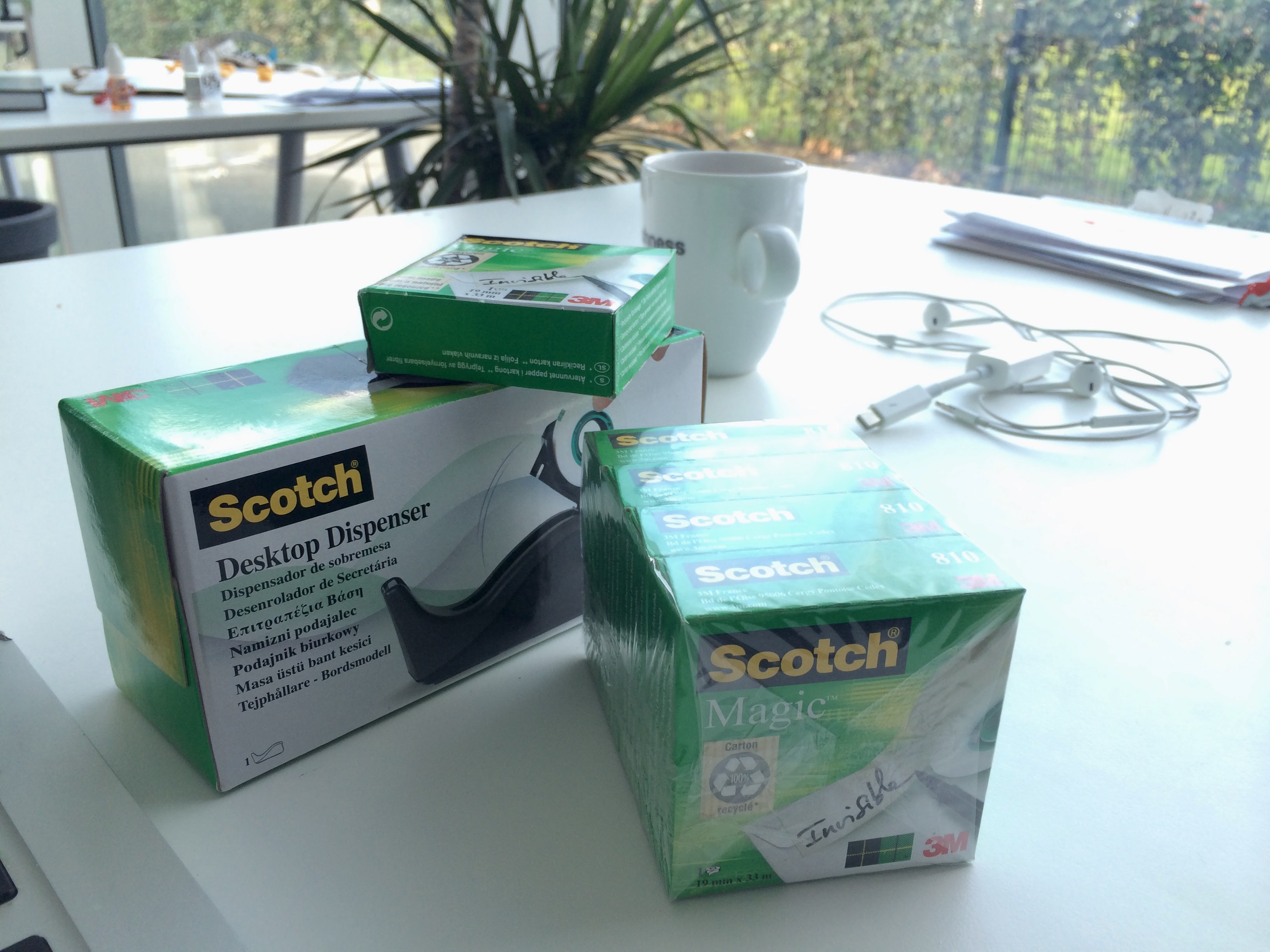
Scotch tape was born from the fussy beauty of two-tone car paint. Around 1930, 3M engineer Richard Drew watched auto-body workers struggle with masking materials that either leaked paint or tore off fresh layers, and he set out to create a dependable, clean-peeling tape. An early version had adhesive mostly at the edges, prompting complaints that the bosses were being “Scotch” with the glue, and the insult stuck; soon the clear strip moved from the paint shop to the pantry, sealing packages, repairing paper, and stretching usefulness through hard times when thrift was a daily skill and small fixes mattered, day after day.
Tea Bags
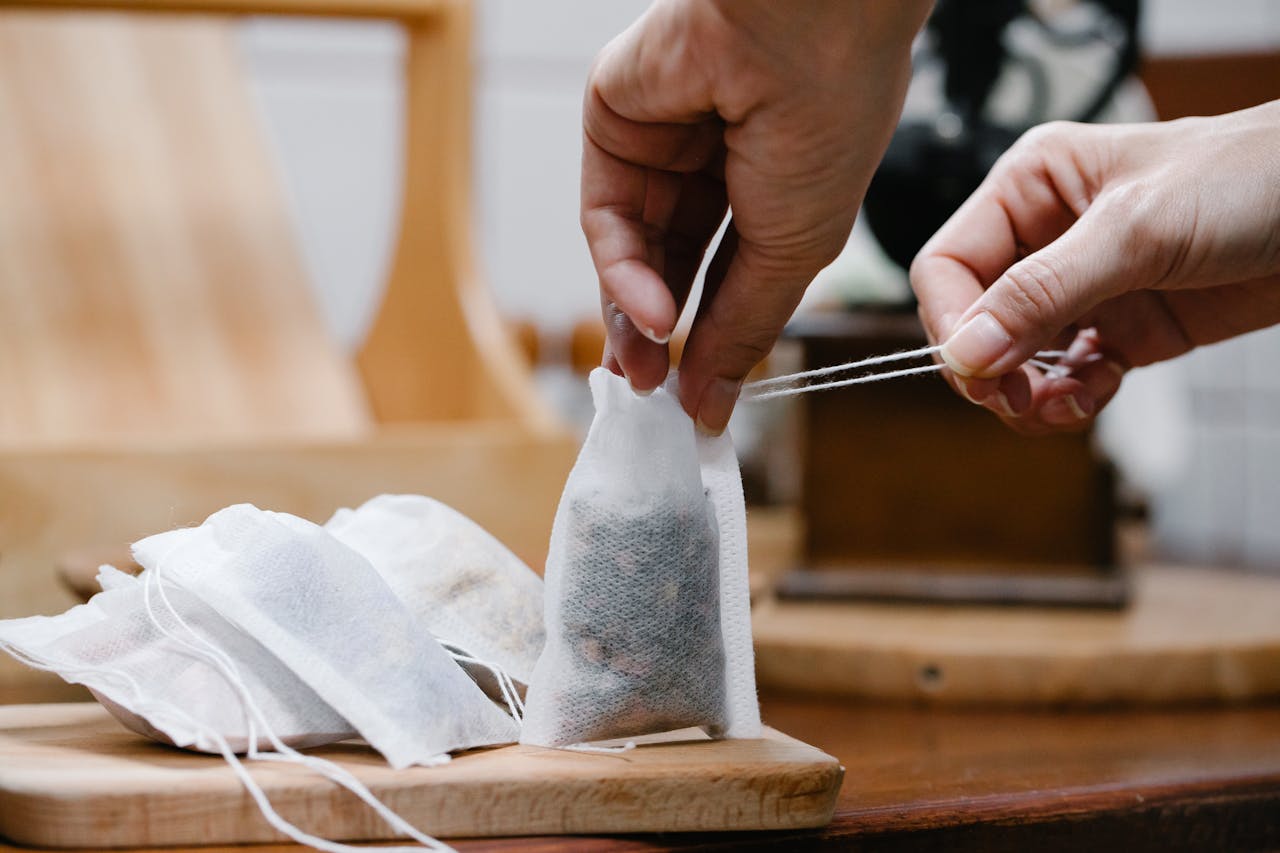
Tea bags took over by accident, the way good shortcuts often do, slipping into routine before anyone asks permission. In the early 1900s, New York tea merchant Thomas Sullivan sent samples in small silk sachets, expecting customers to empty the leaves into a pot, but some dunked the whole bag and found the brew worked just fine. Convenience beat ceremony, materials evolved from silk to paper, and the habit spread from trains to break rooms, letting hot water turn amber without loose leaves to strain, spill, or fish from the bottom of a cup, making tea feel portable and polite on rushed mornings and long nights. Too.
Band-Aid
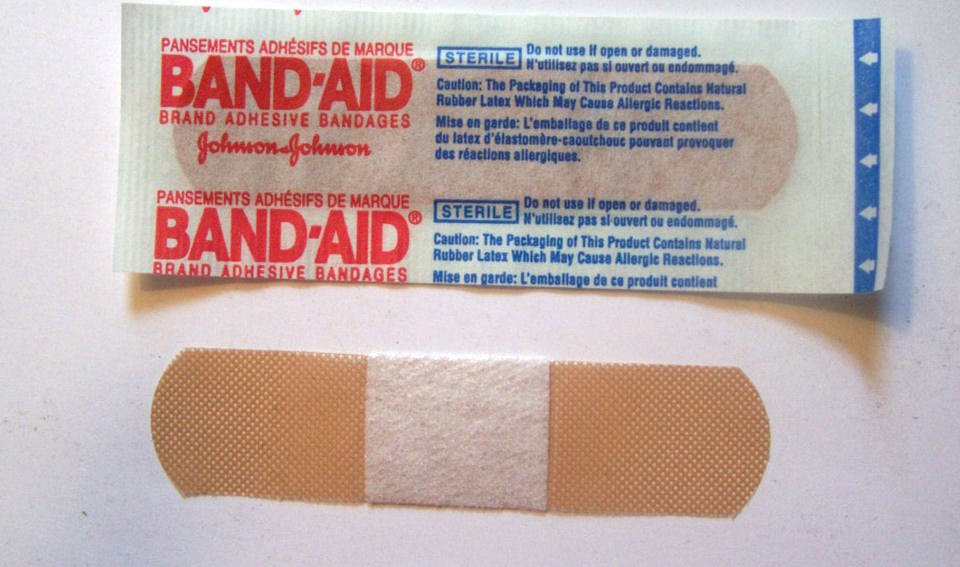
The Band-Aid began as a kitchen problem solved with office ingenuity. In 1920, Johnson & Johnson employee Earle Dickson noticed his wife, Josephine, kept cutting her fingers while cooking, and gauze plus tape would not stay clean or in place, so he fixed small pads of gauze onto adhesive tape and covered the strip with fabric. What started as a homemade roll she could apply alone became a mass-produced comfort, making minor scrapes feel manageable and turning first aid into something that could live in a pocket, ready before panic had time to arrive in school nurses’ drawers, glove boxes, and weekend hiking kits.
Vaseline
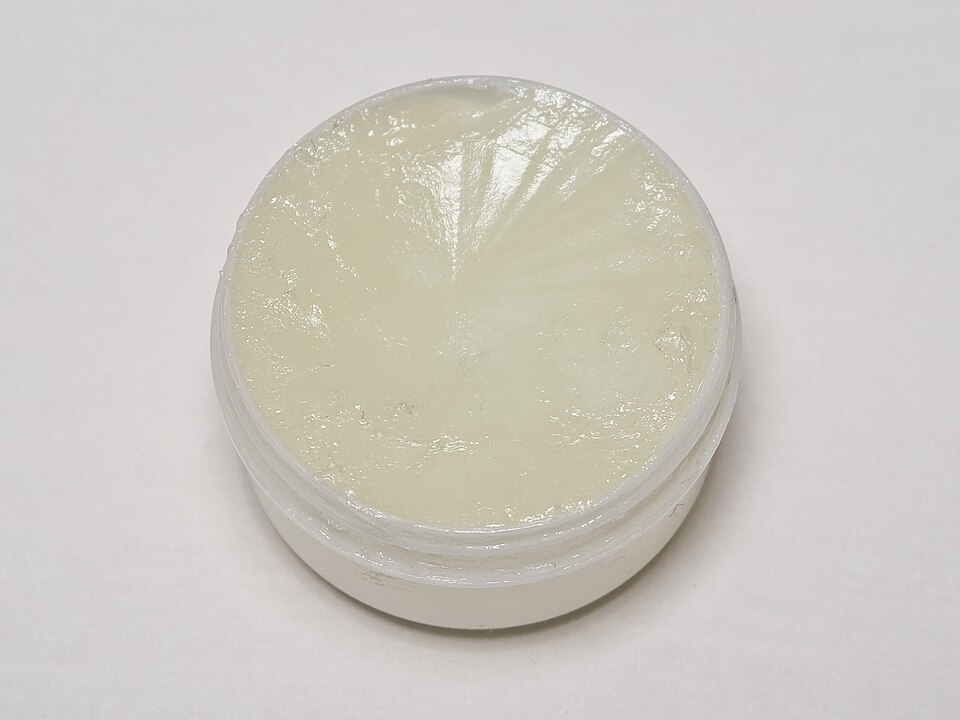
Vaseline rose out of the oil boom’s messiest byproduct, discovered in a landscape of rigs, mud, and improvisation. In 1859, chemist Robert Chesebrough visited Pennsylvania oil fields and heard workers talk about rod wax, a goo that clogged drills but seemed to soothe cuts and burns, so he refined it into petroleum jelly and began selling it under the name Vaseline. The jar’s glossy simplicity hides that rough beginning, when nuisance sludge became a household salve, and the product’s survival depended on relentless demonstrations that turned skepticism into trust, one small scrape at a time from city streets to fairs.
Listerine
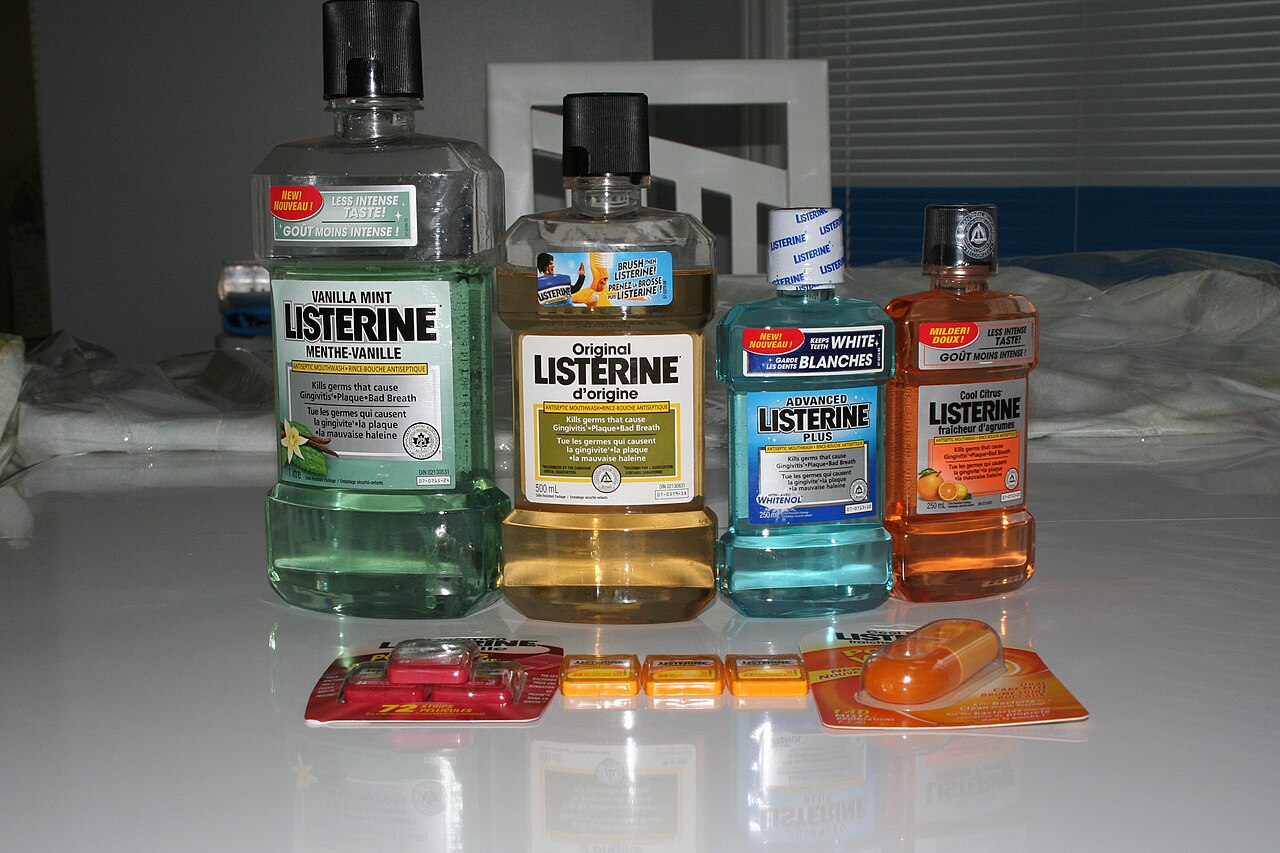
Listerine started as something closer to a surgical tool than a bathroom staple, born in an era when infection control still felt new and urgent. In 1879, Dr. Joseph Lawrence formulated an antiseptic mixture and named it after Joseph Lister, the pioneer associated with antiseptic surgery, and it was marketed for a range of disinfecting uses long before it became a mouthwash. Over time the same sharp, medicinal burn found a daily role in dental hygiene, and campaigns helped tie the rinse to breath and manners, moving it from clinics into homes as a liquid badge of cleanliness after coffee, spicy meals, and onion lunches.
Tupperware
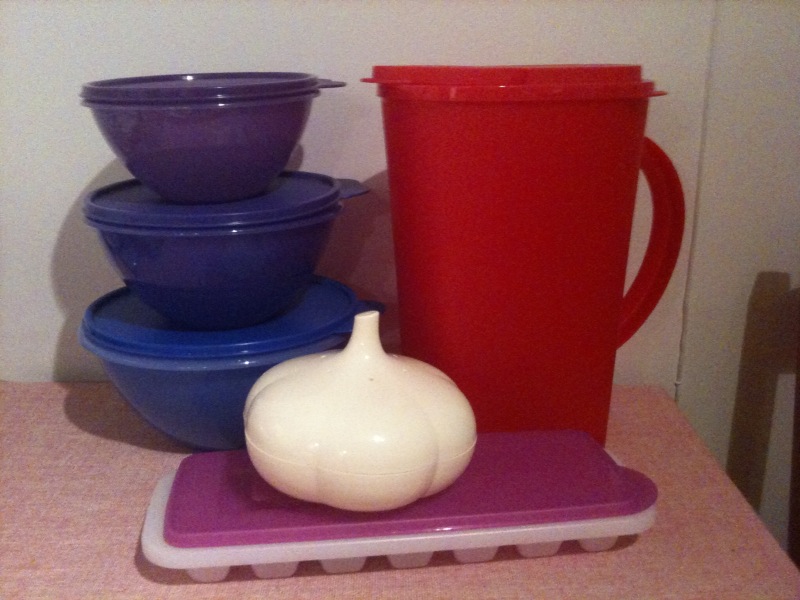
Tupperware’s real invention was not plastic, but a seal that behaved like a promise, tight enough to travel and simple enough to teach. In the 1940s, Earl Tupper worked with polyethylene and designed an airtight lid that “burped” excess air before locking down, keeping food fresher and odors contained, then launched the products widely after World War II. What made it explode was the party-plan sales approach, where living rooms became showrooms and a host’s hands explained the seal better than any ad, turning storage into social theater and the snap of a lid into a sound linked to potlucks and pride for many households.
Plastic Wrap
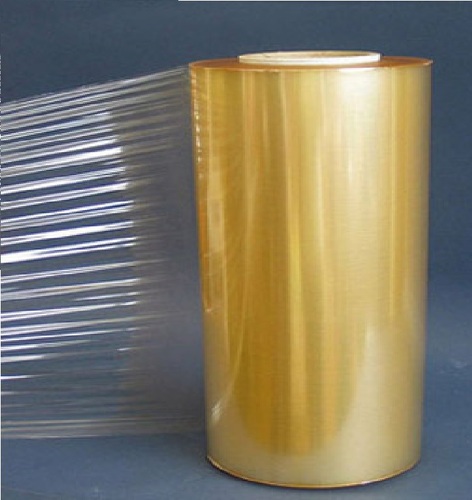
Plastic wrap owes its clingy convenience to chemistry that once felt more industrial than domestic. In 1933, researchers at Dow noticed a stubborn residue that would not wash clean from glassware, traced it to a new vinylidene chloride polymer, and soon had a material prized for strength and moisture resistance; during World War II it helped protect equipment from corrosion. After the war, that same barrier logic moved into kitchens, where a thin clear film could seal bowls, slow staleness, and keep odors from wandering, turning an industrial accident into the quiet guardian of leftovers and packed lunches overnight.