12 Myths About Ancient Civilizations That Just Aren’t True

Juan Carlos Fonseca Mata, CC BY-SA 4.0/Wikimedia Commons
Many things we think we know about ancient civilizations are just myths. Here are 12 that history has completely debunked.

History often feels like a storybook, filled with dramatic images and legendary tales. But many so-called facts about ancient civilizations come from misinterpretations, pop culture, or outdated sources. From horned Viking helmets to misunderstood calendars, these myths have shaped how we view the past. It’s time to separate fiction from fact. Here are 12 widely believed ideas about ancient societies that simply aren’t true.

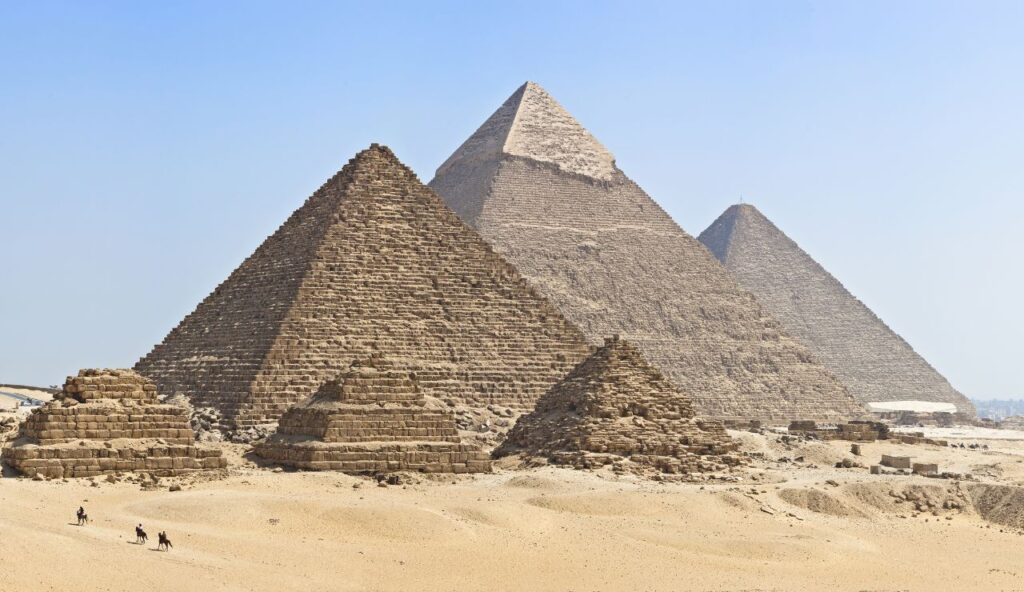
1. The Pyramids Were Built by Slaves
KennyOMG, CC BY-SA 4.0/Wikimedia Commons

Hollywood helped popularize this idea, but archaeologists have found strong evidence to challenge it. The builders of the Egyptian pyramids were skilled laborers who worked in rotating teams. Graves discovered nearby that they were well-fed and respected. These workers lived in organized communities and likely received payment or other civic benefits. Pyramid construction was a national effort, not the result of slavery.

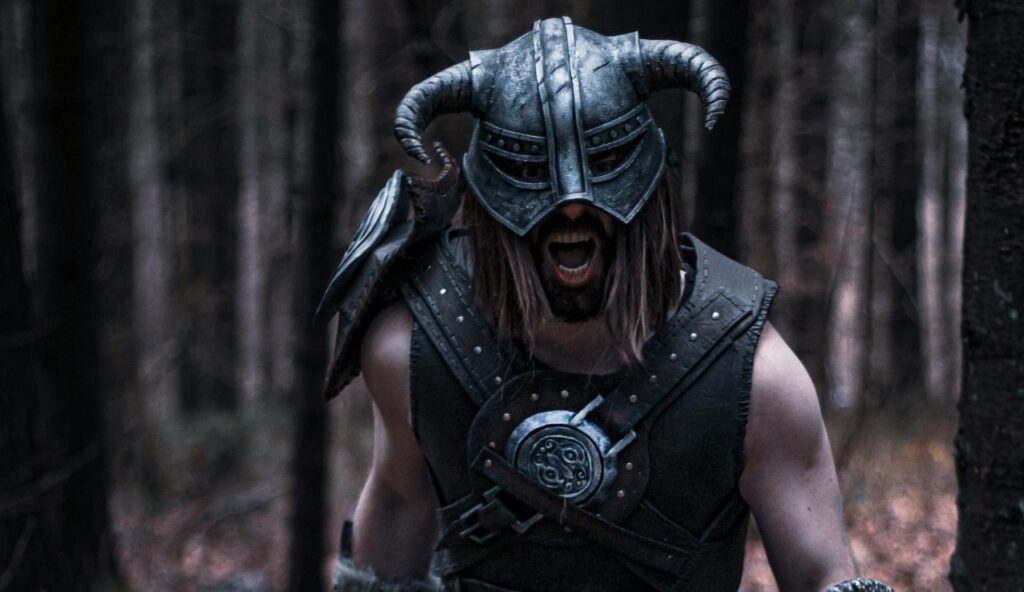
2. Vikings Wore Horned Helmets
Valiantsin Konan/pexels

The image of horned Viking helmets came from costume designers in the 1800s, not real history. Actual Viking helmets were simple, practical, and designed for protection in battle. Horns would have made fighting more difficult by catching weapons or obstructing movement. No archaeological evidence supports the horned design. The myth endures because it looks dramatic, not because it reflects historical truth.

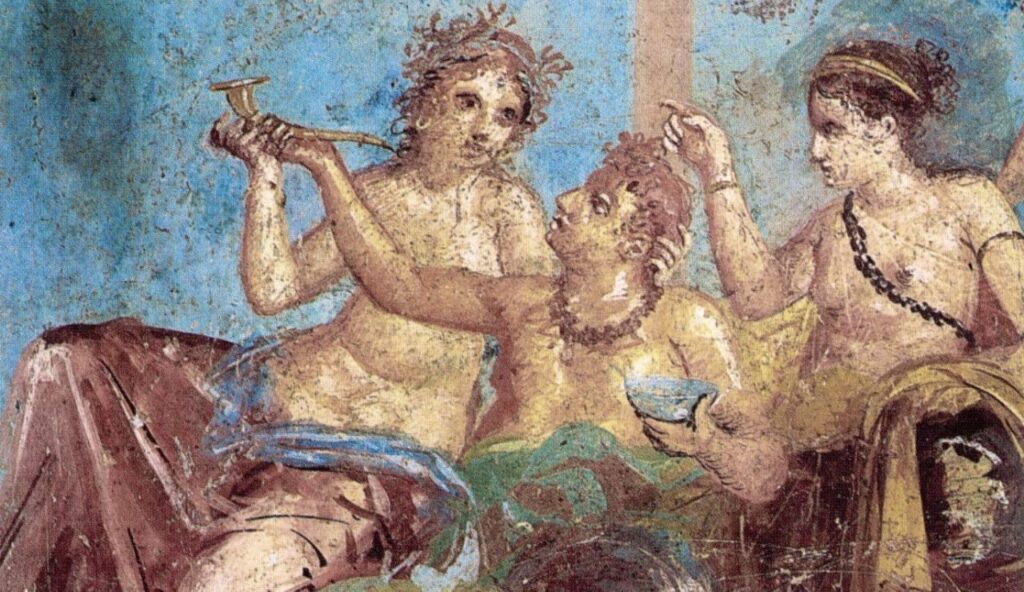
3. Romans Always Ate While Lying Down
WolfgangRieger/Wikimedia Commons

Elite Romans sometimes reclined during banquets, but that was not the norm for everyone. Most people in ancient Rome ate sitting at simple tables or while standing. The image of widespread reclining meals was reserved for the wealthy during special events. It became a symbol of status, not a cultural standard. Everyday Roman meals were far more ordinary than this myth suggests.

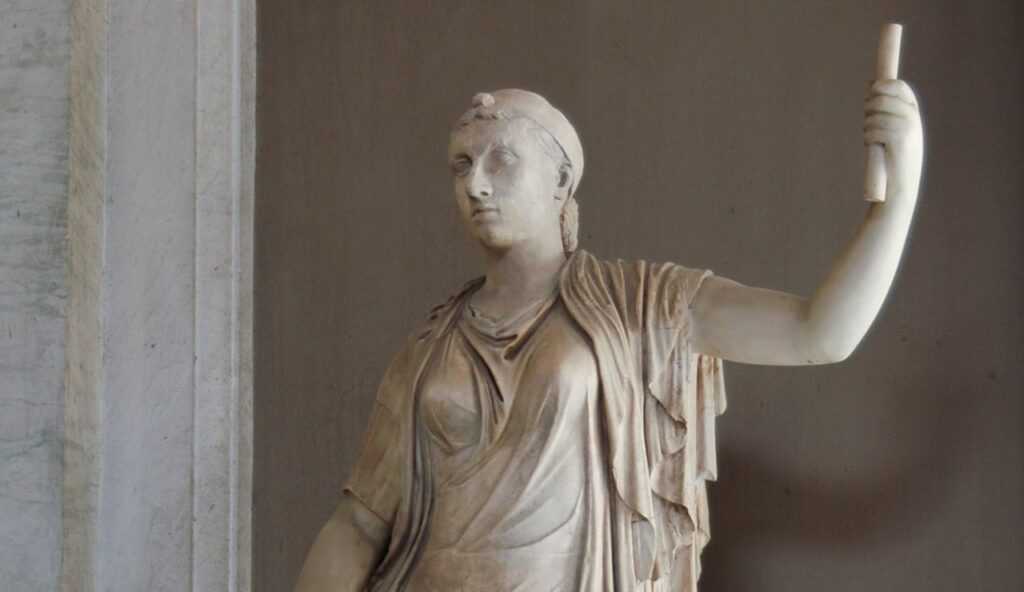
4. Cleopatra Was Egyptian
Public Domain/Wikimedia Commons

Cleopatra ruled Egypt, but her ancestry traced back to Greek origins. She belonged to the Ptolemaic dynasty, which descended from one of Alexander the Great’s generals. Although she embraced Egyptian customs and spoke the native language, she was culturally and ethnically Macedonian Greek. Her political role in Egypt has often overshadowed the reality of her heritage, which adds complexity to her story.

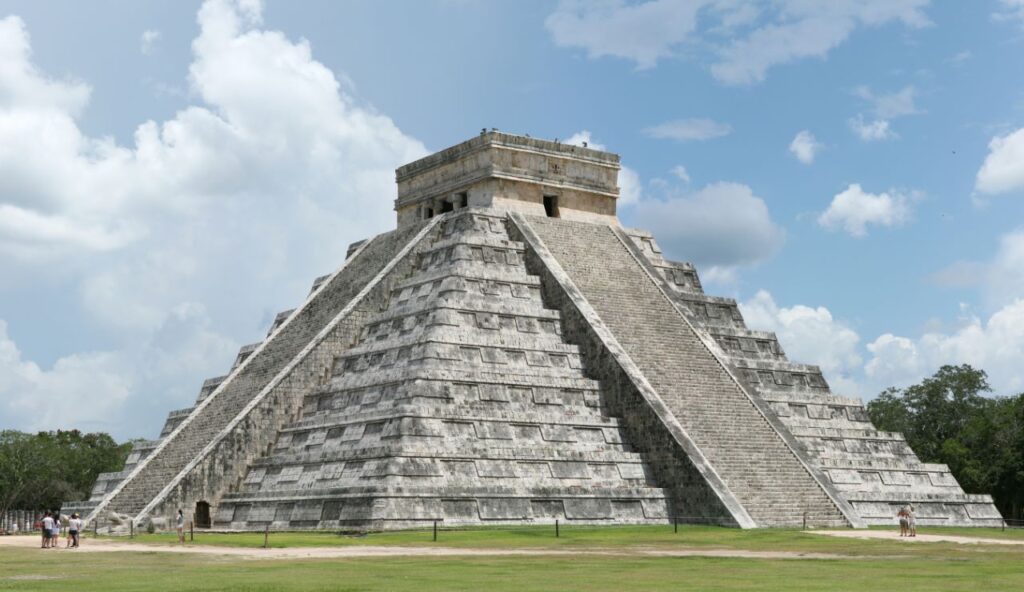
5. Mayans Predicted the End of the World
Daniel Schwen, CC BY-SA 4.0/Wikimedia Commons

The 2012 apocalypse theory was based on a misunderstanding of the Mayan calendar. The calendar used cycles called baktuns, and 2012 marked the end of one cycle, not the end of time. The Mayans did not predict global destruction. Instead, the calendar simply rolled over to begin a new era. Modern fears and misinterpretations, not ancient belief, created the doomsday narrative.

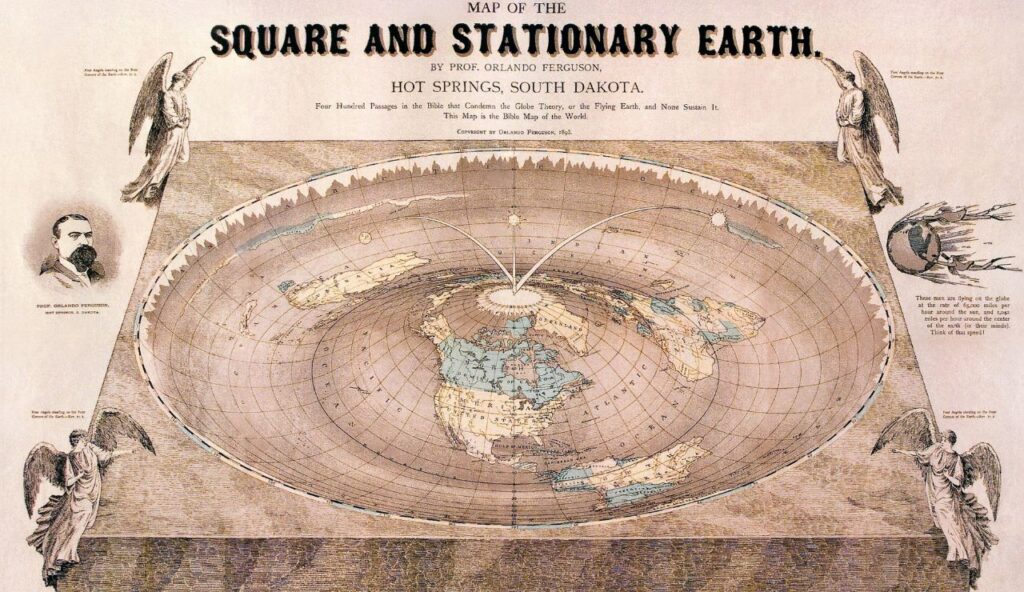
6. Ancient People Believed the Earth Was Flat
Orlando Ferguson/Wikimedia Commons

Many ancient civilizations understood that the Earth was round. Greek scholars like Eratosthenes even calculated its circumference with surprising accuracy. Sailors noticed that ships disappeared over the horizon, which supported a spherical Earth. The idea that ancient people widely believed in a flat Earth is a later myth that grew during the Middle Ages. It was not the common view in ancient times.

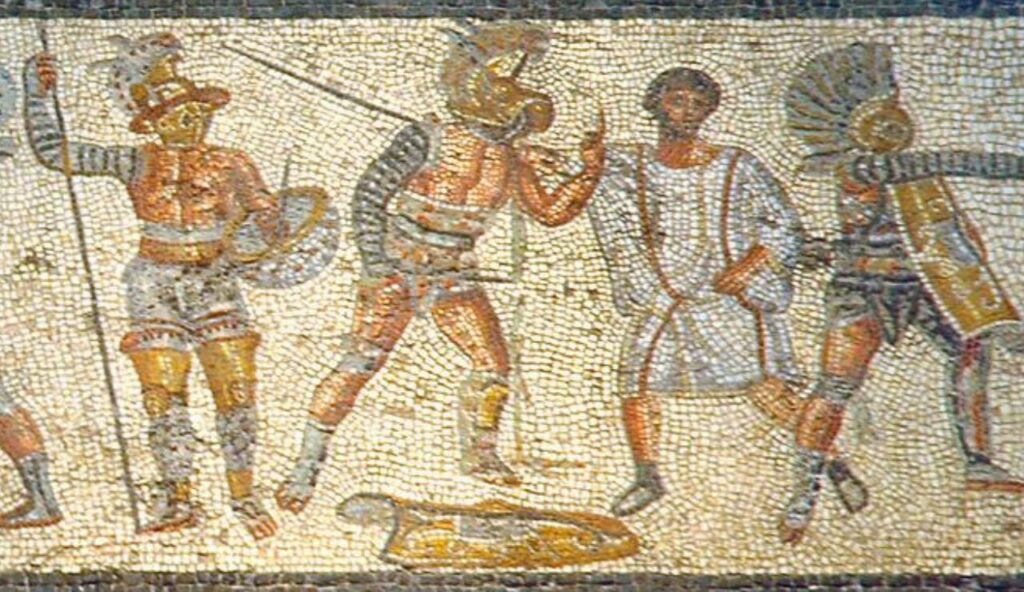
7. Gladiators Fought to the Death Every Time
Public Domain/Wikimedia Commons

Gladiator battles in ancient Rome were brutal, but most did not end in death. Fighters were expensive to train and often became celebrities. Many matches ended with a winner being declared, not with a fatal blow. The idea that every battle was to the death comes from exaggerated stories and entertainment, not from the records of how the arena actually operated.

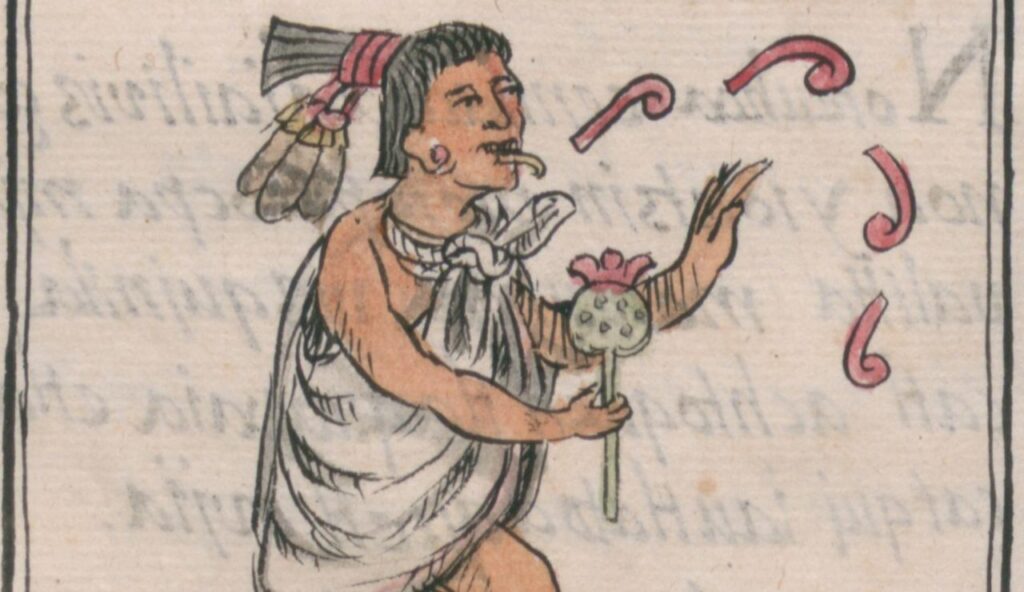
8. The Aztecs Had No Written Language
Public Domain/Wikimedia Commons

Although the Aztecs did not use an alphabet like ours, they had a rich system of written communication. They used pictographs and symbols to record history, laws, tribute, and religious stories. These codices were made of bark or deerskin and illustrated important events. Spanish conquest destroyed much of this writing, but surviving examples show that the Aztecs had a sophisticated way to preserve knowledge.

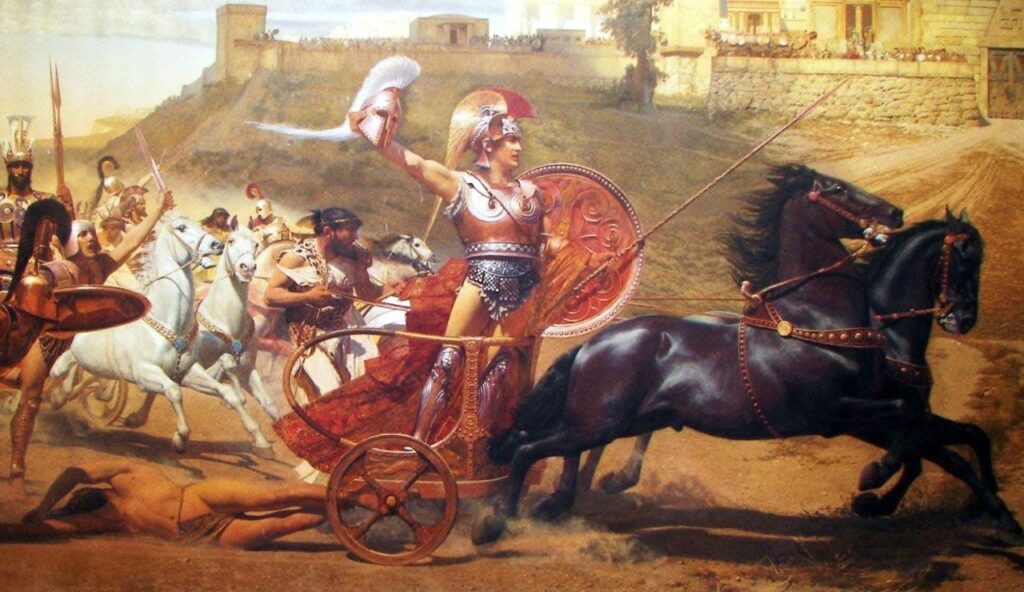
9. The Trojan War Was Pure Myth
Public Domain/Wikimedia Commons

For centuries, scholars debated whether the Trojan War was just a legend. Then archaeologists discovered ruins in modern day Turkey that matched Homer’s descriptions of Troy. While the details in the Iliad are poetic and exaggerated, they may be based on real events. The war likely happened on a smaller scale, involving rival powers in the Aegean region. Myth and reality often overlap in ancient stories.

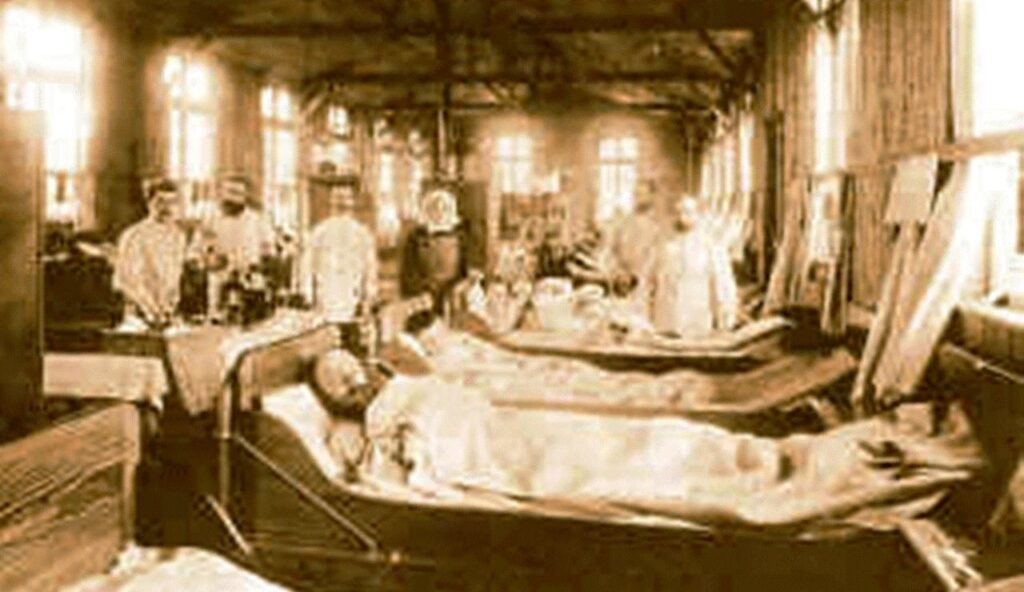
10. Ancient People Died Young Because of Poor Health
Public Domain/Wikimedia Commons

It’s true that average life expectancy was lower in ancient times, but that statistic is skewed by high infant mortality rates. Many people lived into their 50s or even older if they survived childhood. Archaeological remains show older adults with worn joints, healed bones, and dental work. Life was hard, but not everyone died young. Longevity was possible with a bit of luck and resilience.

11. Hieroglyphs Were Just Decorative
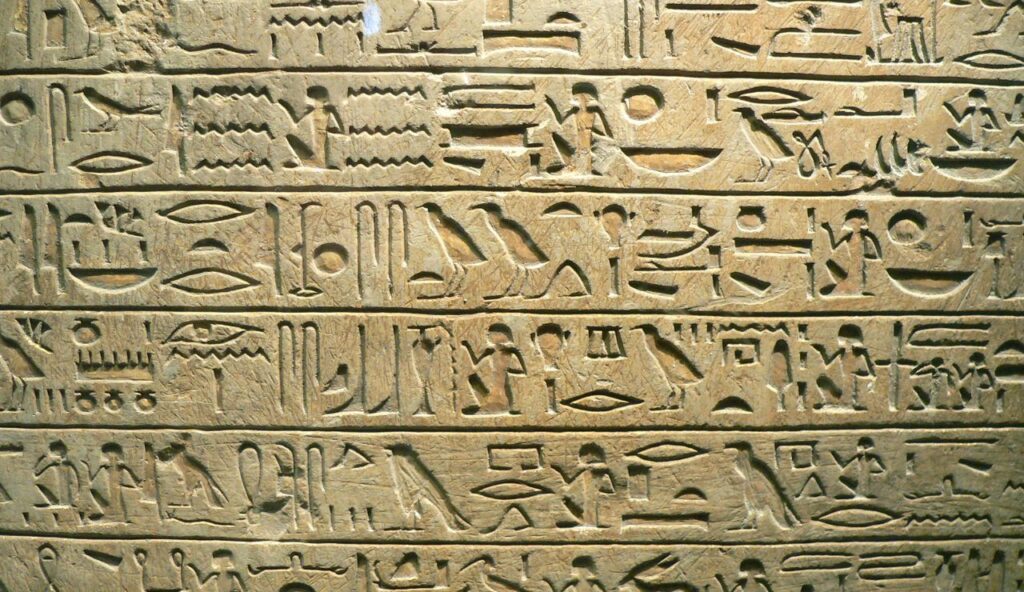
CC BY-SA 3.0/Wikimedia Commons

For a long time, people assumed Egyptian hieroglyphs were purely symbolic or decorative. In reality, they formed a complex writing system with grammar, structure, and phonetic elements. It took centuries to decode them, especially since the meaning was lost for so long. The Rosetta Stone finally unlocked their secrets, proving that hieroglyphs conveyed full ideas and recorded both history and culture.

12. Ancient Civilizations Lacked Medical Knowledge
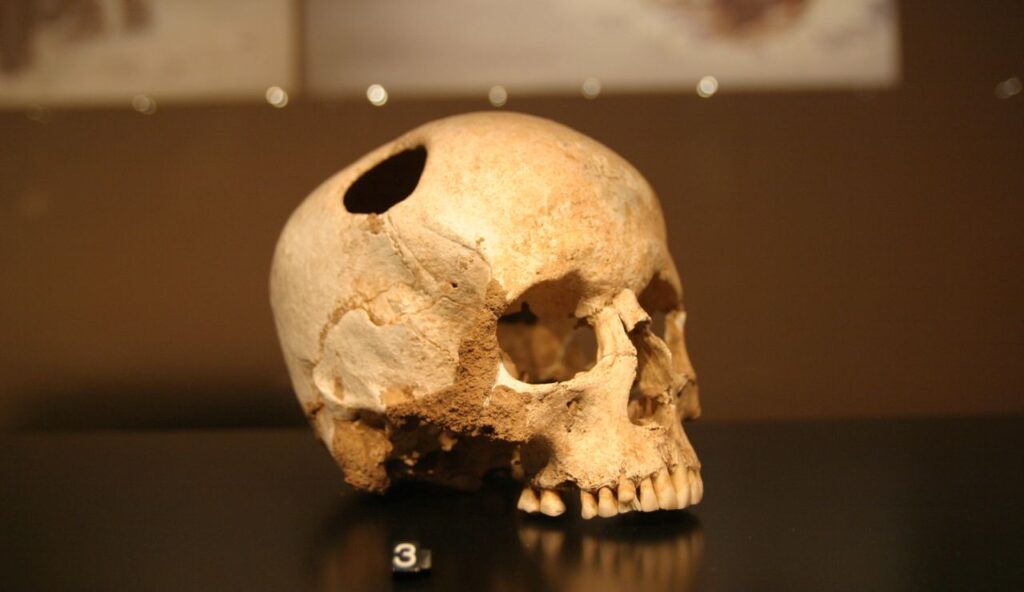
Rama, CC BY-SA 3.0/Wikimedia Commons

Ancient medicine was not modern science, but it was far from clueless. Egyptians used surgical tools and knew how to stitch wounds. Ancient Indians practiced dentistry, and Chinese physicians developed acupuncture. Greeks diagnosed illnesses by observation. While some treatments were flawed, others were surprisingly advanced. Ancient healers relied on observation, trial, and error, which formed the roots of today’s medical practices.

0 Shares:
Leave a Reply

Your email address will not be published. Required fields are marked *

You May Also Like
7. Gift Math And Adjusted Timelines
Read More

10 Souvenirs That Replaced Postcards, and Why They Took Over

# 10 Souvenirs That Replaced Postcards, and Why They Took Over Postcards used to be the official proof that someone had gone somewhere else, even for a weekend. One photo, a rushed note, and a stamp did the job. As phones made updates instant and mailing got fussier, the postcard shifted from habit to novelty. Shops did not stop selling memories, they just changed the format. People started picking objects that stayed in daily circulation: something to wear, use, taste, or display. These souvenirs carried place and personality without requiring neat handwriting or a correct address. The result is a quieter kind of storytelling, where the trip keeps resurfacing in kitchens, pockets, and routines long after the suitcase is zipped away. Even the smallest keepsake can outlast paper. ## Fridge Magnets Postcards showed up late, then got buried, no stamp, no address, no delivery gamble saving the moment. Fridge magnets solved that by living in plain sight, pinning grocery lists and kid art under the same skyline, ferry silhouette, or metro line diagram, so the memory stayed active instead of archived. Shops moved past generic landmark photos into neighborhood slogans, food sketches, and mini maps, because one glance could bring back market chatter and platform noise; they pack flat, survive rentals and moves, and invite multiples, turning a single fridge door into a casual, constantly updated timeline of places that still matter. ## Travel Stickers And Decals Stickers turned souvenirs into something that traveled again. Instead of mailing a postcard to one person, a decal could live on a laptop, water bottle, bike frame, or scuffed suitcase, building a layered map of routes through station codes, park crests, bookstore logos, and hand drawn mascots that sparked conversation in cafés and airport lines. Because they are waterproof, cheap, and sold in sets, they became easy gifts and easy trades, and wear looks honest, not ruined; each scratch and overlap shows what came after, making the object feel like a passport with a growing, visible history that never needs framing. ## Enamel Pins And Patches Enamel pins and patches gave the postcard image weight and texture, turning a skyline or mascot into something that could be worn. A tiny badge of a mountain ridge, museum logo, or neighborhood diner sat on a jacket or backpack for years, acting like a quiet signal in transit stations and coffee lines, not a message begging for postage. Shops leaned into limited runs, artist collaborations, and city only series, so the souvenir felt chosen, not generic; extras were gifted, swapped, or used to cover a tear, and the metal or thread handled rain and repeat trips with ease while a pinboard at home kept the timeline intact. ## Keychains And Bag Charms Keychains and bag charms replaced the postcard rack impulse with something that had a job to do. Keys get grabbed every morning, and charms ride on zipper pulls and backpacks, so a metal tag or leather fob kept the trip in circulation, stamped with coordinates, an arrival year, or a street sign shape that felt like a postmark without the paper. Many versions doubled as bottle openers or tiny tools, so the souvenir earned its space, and pocket wear became part of the story, turning scratches and softened edges into proof that the memory moved through real weekdays, rentals, and commutes, not just a perfect weekend photo. ## Tote Bags, Tees, And Caps Apparel made souvenirs feel less like clutter and more like identity. A tote from an art bookstore, a tee from a surf town, or a cap from a ballpark got worn again and again, carrying the place into errands, classes, and casual nights out, and sometimes turning into the default travel uniform on the next flight. Shops shifted from generic landmark photos to sharper typography, neighborhood slang, and local brand logos that signaled taste as much as geography; the best pieces were soft, well cut, and easy to pack, so gifting one felt practical, and the souvenir kept earning attention without taking up shelf space or needing a frame. ## Mugs And Local Drinkware Mugs turned travel into a daily ritual instead of a mailed update, because morning coffee landed in ceramics printed with a neighborhood map, a museum crest, or a local roaster logo and the memory resurfaced when the kettle clicked off. Cafés and galleries pushed limited designs, handmade glazes, and seasonal runs, so the purchase felt closer to a small piece of art than a generic souvenir. Tumblers, pint glasses, and tea cups also solved storage: they stack, survive moves, and look better with use, and they show up at dinners and chats, letting one shelf hold years of trips without becoming a dusty pile of paper. ## Snacks, Spices, And Pantry Finds Edible souvenirs did what postcards tried to do, but faster, because a jar of chili crisp, a regional spice blend, or a bag of saltwater taffy could be opened the night someone got home and turn storytelling into tasting. Markets and airports helped by selling sealed sweets, vacuum packed coffee, and sturdy tins built for carry ons, so the food survived long routes and still felt tied to the place where it was found. It also dodged clutter: once shared at an office desk or family table, it disappeared, yet the flavor lingered, and people often remembered a street, a song, or a shopkeeper’s grin more clearly than any glossy photo. ## Ornaments And Tiny Home Decor Ornaments became postcards with a return date, because a hand painted bauble from a night market or a miniature landmark for the tree reappeared every December and unboxing it felt like rereading a message from an older self. Outside the holidays, tiny home décor did the same work: coasters, tea towels, ceramic tiles, and matchboxes that lived on counters, ready to be noticed during ordinary mornings. These pieces asked for no postage and no framing, only a place in the house, and they resurfaced at the right moments, when guests arrived, when winter gatherings started, or when a quiet afternoon made nostalgia feel welcome. ## Art Prints, Zines, And Pocket Books Small prints and zines gave the postcard a smarter cousin, because instead of the same sunset photo, travelers brought home risograph posters, line drawings of street corners, and pocket guides written by locals, sometimes signed or numbered, which made the memory feel chosen, not grabbed. The message lived in the taste of the selection, not the handwriting, and the paper felt worth keeping because it had a point of view. Unframed pages fit clip rails, journals, or gallery walls, and buying from an artist table or neighborhood bookshop let the souvenir support the place directly, keeping the trip alive through design, not postage. ## Tattoos As Travel Keepsakes For some travelers, the replacement became permanent, and that permanence was the appeal. A tiny wave, coordinates, or a symbol developed with a local artist could not be lost in a move or tossed in a cleanout, and booking an appointment made the souvenir feel like commissioning art, not grabbing merch near the register. It also solved the postcard problem cleanly: no postage, no delay, no single recipient, just a story carried forward on skin, whether it is a port city anchor or a mountain contour line, quiet until a sleeve rolled up or a wrist turned and the place appeared again, right on time in conversation or solitude. The postcard never really lost its charm; it lost its role. Modern souvenirs win because they do not ask for extra steps, and they refuse to stay hidden. A magnet gets touched, a mug gets lifted, a spice blend gets passed across the table, and a pin rides through another trip. That repetition is the secret. Instead of proving travel happened, these objects let the memory keep happening, in small flashes that feel honest. In the end, the best keepsake is the one that blends into daily life and still pulls a place back into focus, without fanfare. **Excerpt (130 characters):** Postcards faded, but magnets, mugs, stickers, snacks, and small art brought travel home, letting memories live in real life still.