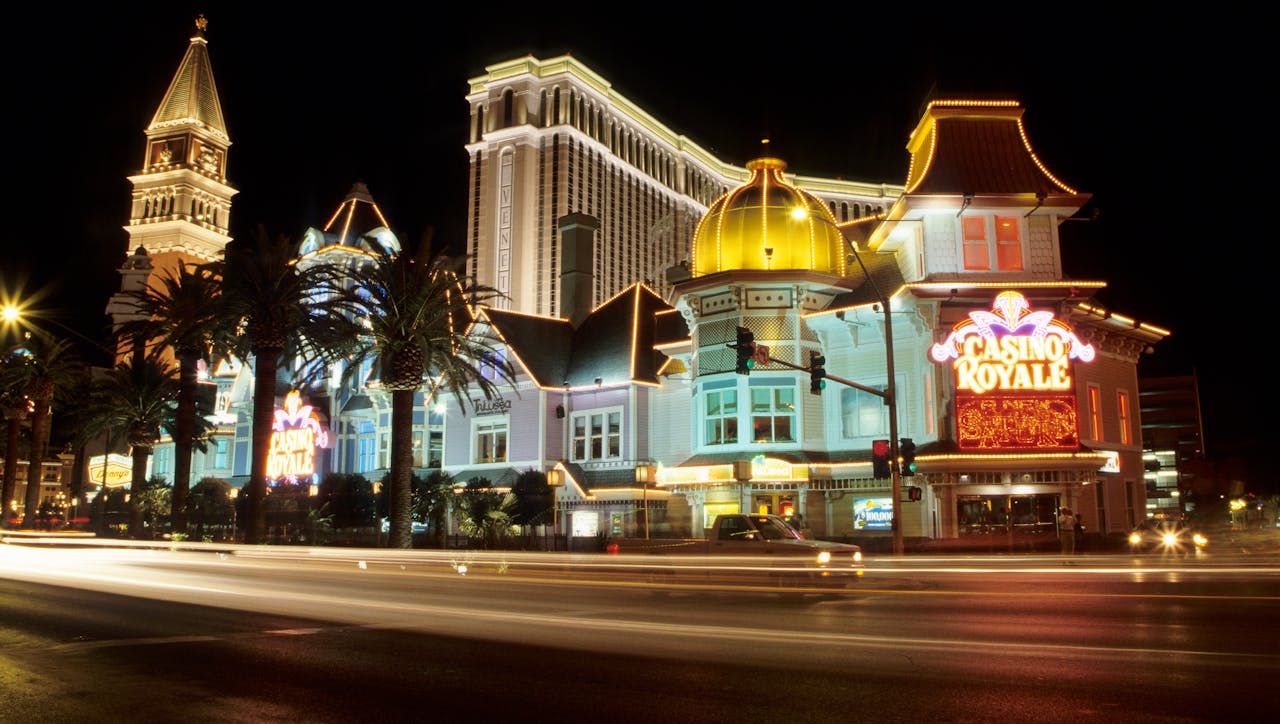
Las Vegas still shines from a distance, all neon promise and late-night possibility, yet many American travelers leave feeling oddly unimpressed. The Las Vegas Strip can feel like a repeat performance, with familiar brands, familiar prices, and fewer moments that seem rooted in a real place. Crowds, queues, and constant upsells can turn a short getaway into a checklist of logistics. As travel tastes lean toward calmer, more personal trips, the city’s loudest thrills do not land the same way they once did. What remains is a destination that can be fun, but harder to love for visitors chasing surprise, value, and magic again today.
It Feels Thin on Local Texture
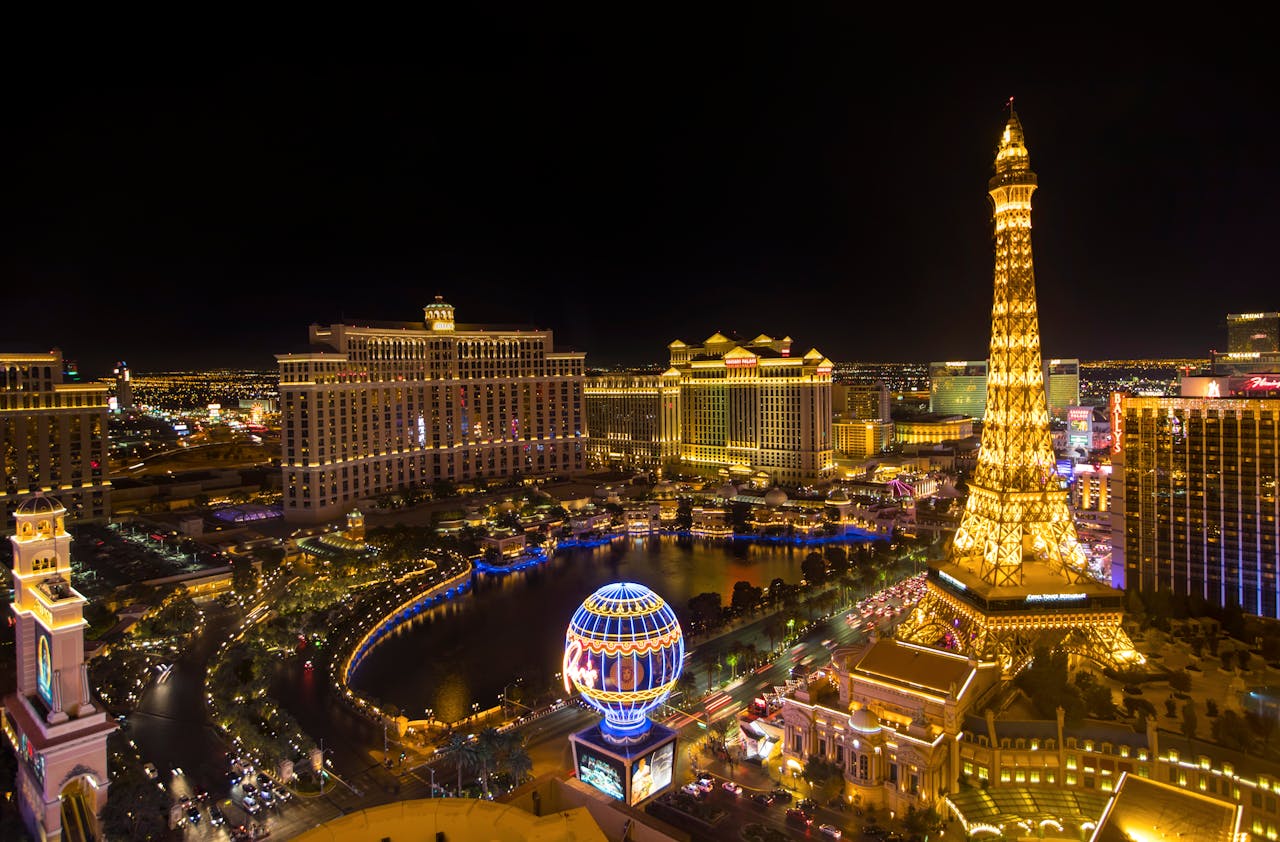
Las Vegas was designed to feel untethered, more stage set than hometown, and that can leave repeat visitors restless. Downtown, the Arts District, and older corners hold real stories, but many itineraries never get past the Strip, so the trip stays inside a bubble.
When the main memories are casinos, lobbies, and familiar retail corridors, each visit can echo the last. Travelers who want local character, food traditions, and street-level history often have to plan hard, then commute between islands of authenticity. If that effort is missing, the city can feel like a brand experience, not a living place with a desert backdrop.
Wellness Travel Is Pulling People Elsewhere
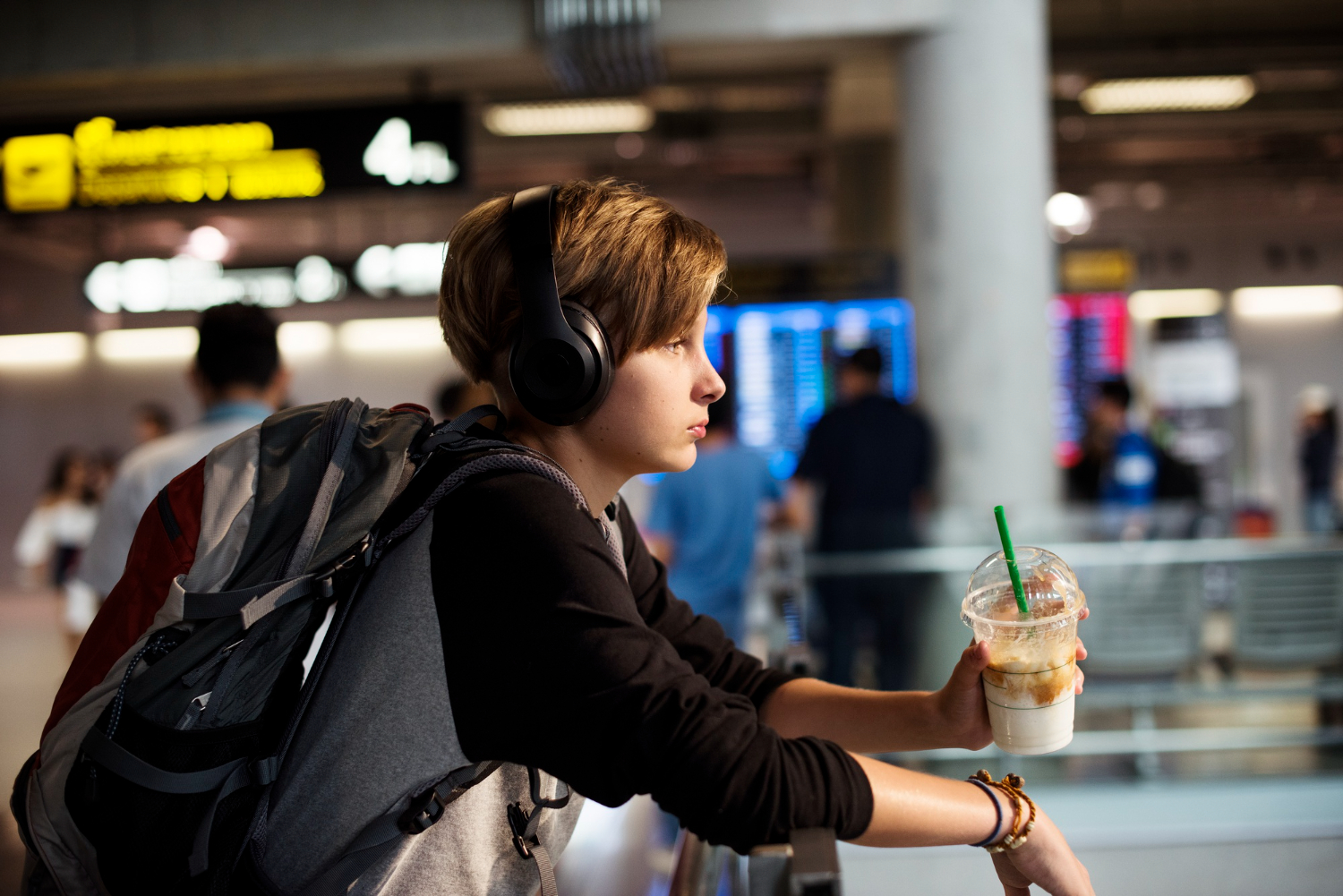
More Americans are building vacations around feeling better, not staying out later. That means daylight, movement, and quiet, the kind found on trails, coastlines, and small towns that encourage early mornings. Even travelers who enjoy nightlife often want a reset baked into the itinerary.
Las Vegas can deliver spas and pools, but the overall tempo is still loud, crowded, and designed to keep people indoors. Desert escapes like Red Rock Canyon or Valley of Fire State Park are close yet they take planning, a car, and time away from the Strip machine. For visitors watching stress and sleep, that trade-off can make Vegas feel like the wrong fit.
Casinos No Longer Feel Like the Center of the Story
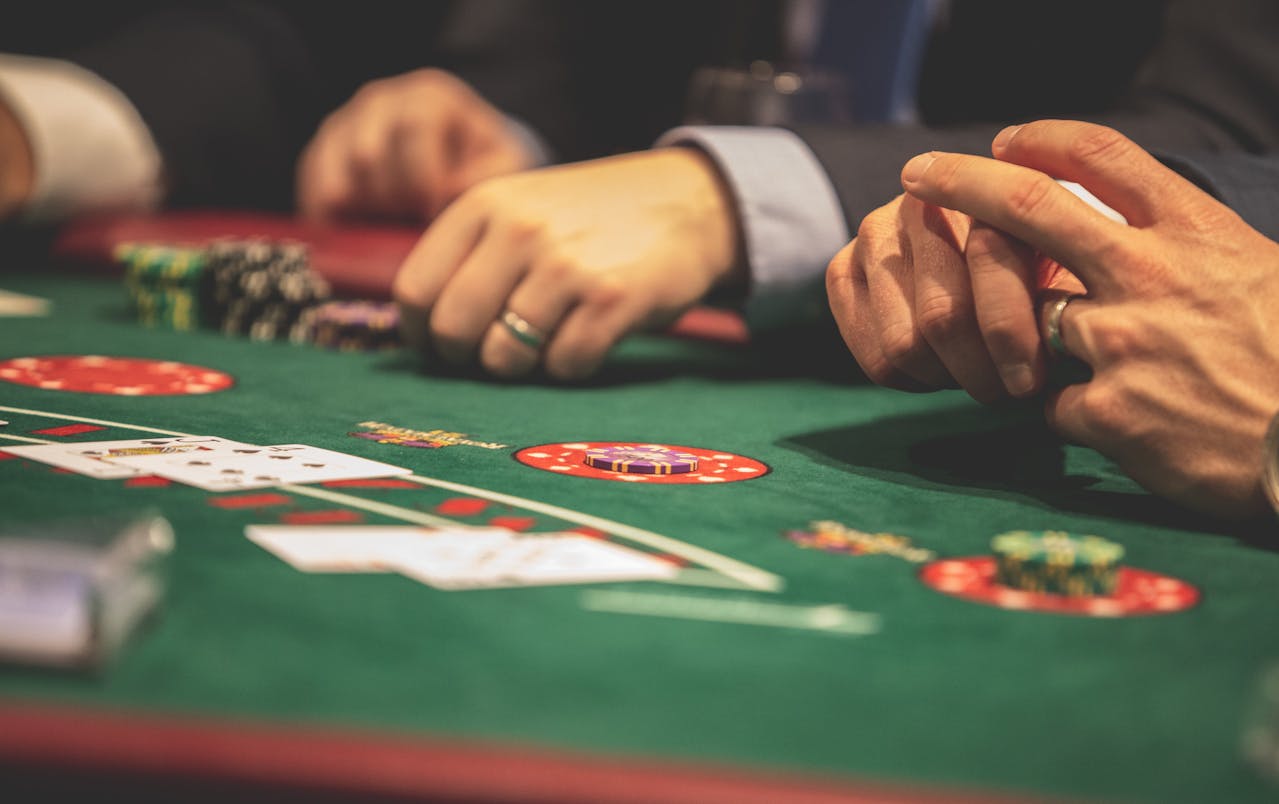
For decades, casinos were the engine and the lure, and almost everything else circled around them. Now gambling is easy to access from home, and younger travelers are less likely to treat a casino floor as the main event. Even casual players notice that the vibe has shifted from playful to managed.
Vegas still has resorts, but the old rush of being there to play has softened. Higher minimum bets, fewer freebies, and more rules can make the experience feel less welcoming for newcomers. When similar games live on phones, the trip needs stronger reasons: standout food, unusual art, or moments that cannot be recreated at home.
The Distance Feels Harder to Justify
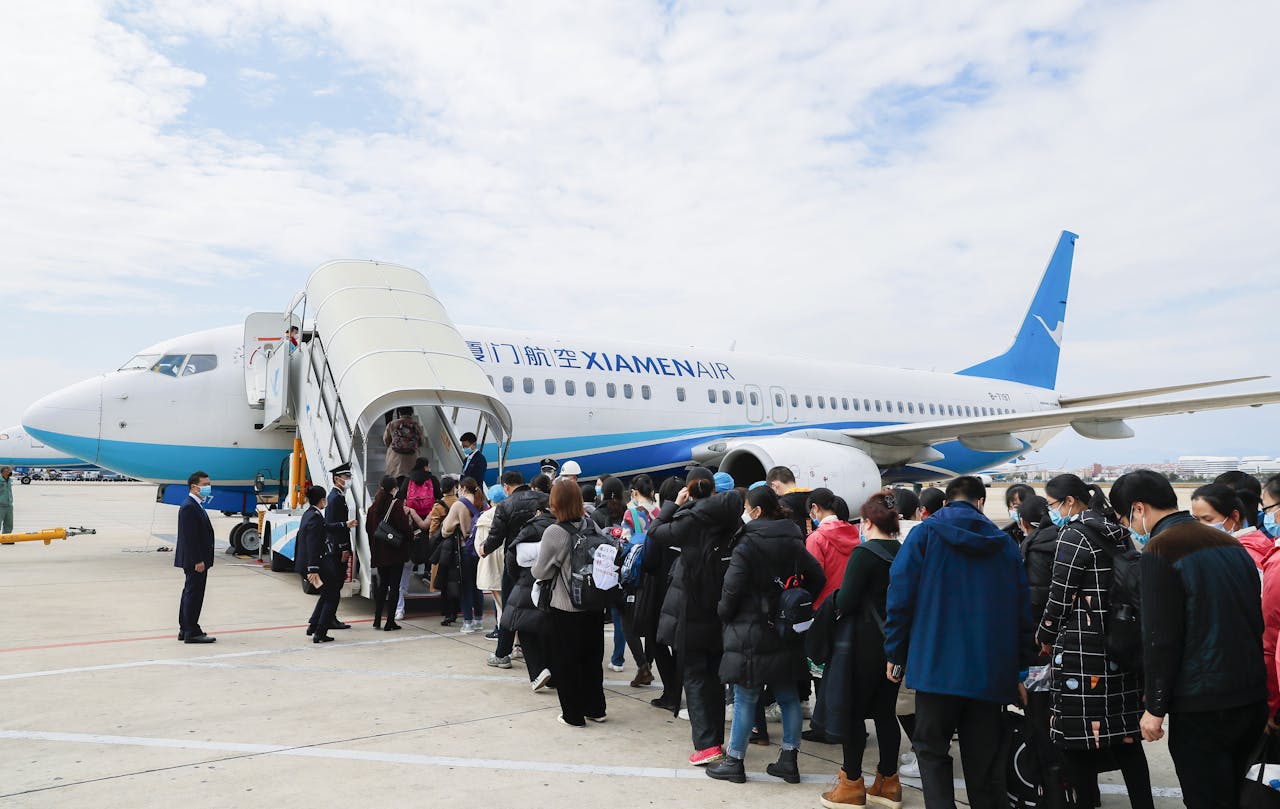
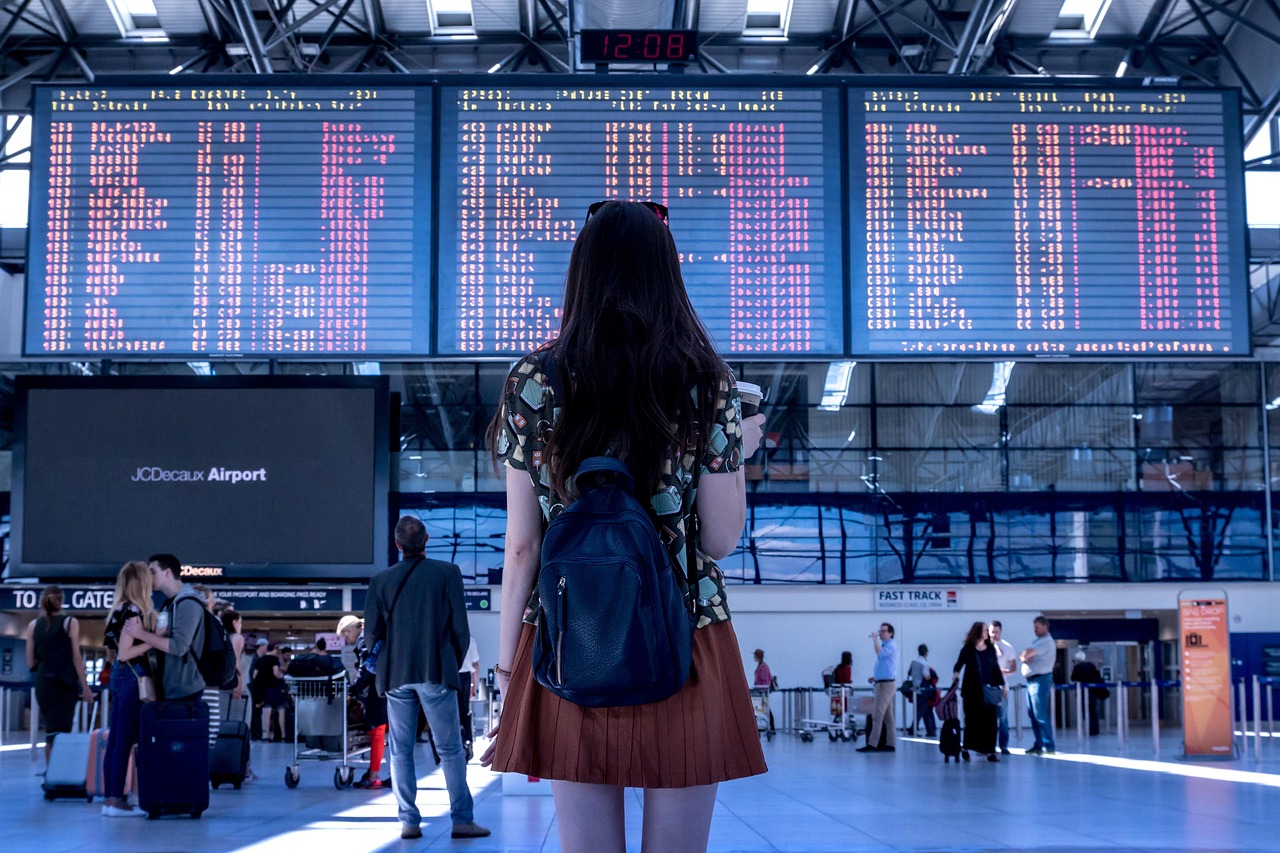
Vegas works best with time to settle in, but modern schedules keep squeezing vacations. For many East Coast and Midwest travelers, flight time, time-zone shift, and airports can chew up a three- or four-day break. When fares jump on popular weekends, the quick trip starts feeling complicated.
That math pushes people toward closer cities, beaches, or mountain towns where the fun starts faster and ends with less fatigue. If the payoff is a crowded Strip that still demands reservations and waits, the distance feels heavier. Vegas can reward a longer stay, but short getaways increasingly favor places that ask less of the calendar.
The Experience Can Feel Corporate and Pre-Packaged

A lot of the Strip now feels owned and operated by the same handful of giants, and the sameness shows. Check-in kiosks, app prompts, and branding can make the trip efficient, but not necessarily memorable. Even dining and nightlife can feel like a pre-sold product than a discovery.
Many visitors miss the offbeat, human-scale Vegas where a weird lounge, a friendly bartender, or a quirky shop became the story. With higher rents and tighter control over resort space, independent moments can get pushed to the margins. When everything looks designed for volume and upgrades, small surprises get harder to find, and spontaneity fades.
Entertainment Is Everywhere Now
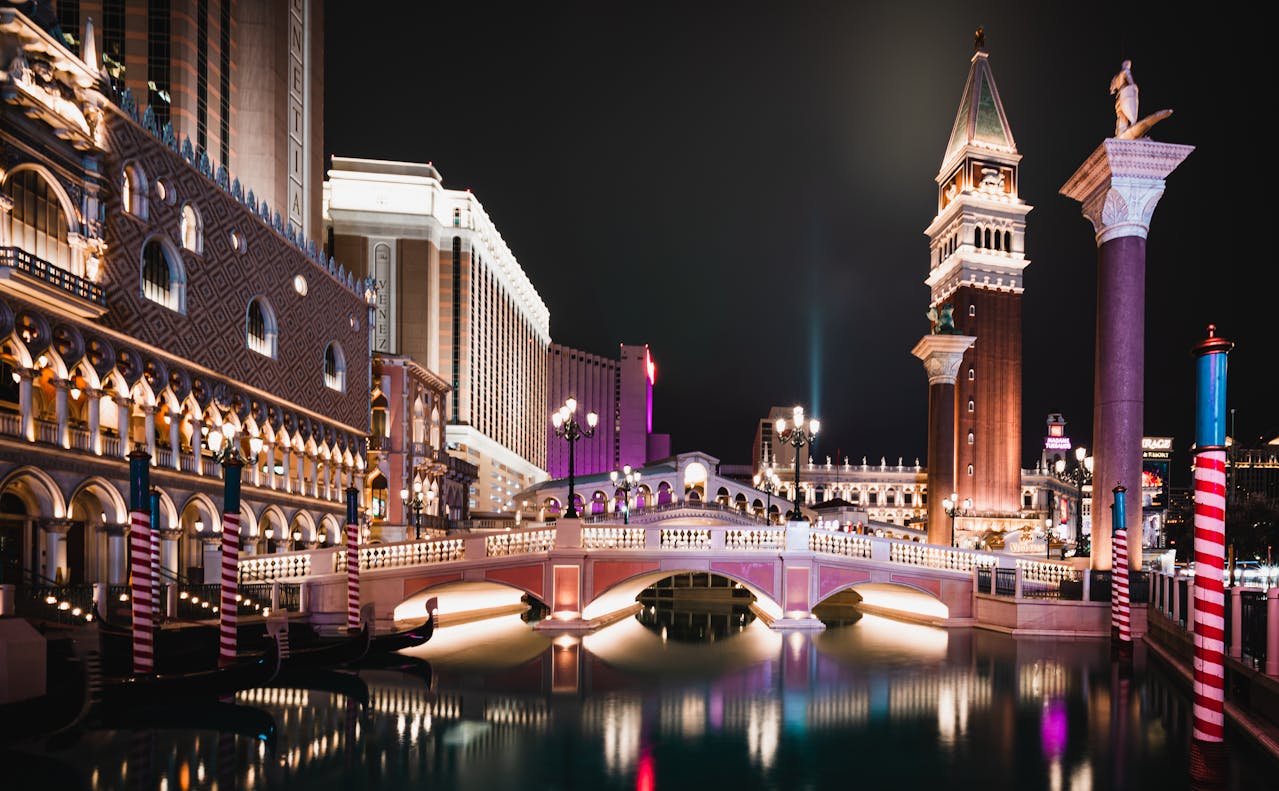
Las Vegas built its legend on being the place where major acts and headline shows clustered in one corridor. That monopoly is gone. Tours hit dozens of cities, arenas book the same names, and smaller towns stage festivals that feel more personal.
Streaming and social media also changed the payoff. A famous show is no longer a rare sight, it is a clip on a phone by midnight. Fans can find similar energy closer to home, with less planning and fewer fees. Residencies still matter, but they rarely justify the flight on their own. When entertainment is everywhere, Vegas has to compete on atmosphere and value, and it does not always win.
Nature-Centered Trips Keep Winning the Mood

A growing slice of American travel is about breathing room, long views, and afternoons that do not feel scheduled. Forests, waves, desert parks, and small towns deliver that softness, plus photos that feel earned instead of staged. Remote work nudged trips toward slower stays that center the outdoors.
Las Vegas is built to keep attention pinned indoors, with bright lights and constant prompts to spend and stay. In peak summer, intense heat pushes more time inside, shrinking the window for casual wandering. For travelers who want mornings outside and nights that end early, the Strip’s stimulation can feel exhausting, not exciting.
Costs and Fees Keep Breaking the Spell

Sticker shock is the complaint that turns a fun trip into a grumble. Resort fees, parking charges, and pricey basics can make visitors feel nickel-and-dimed before any show starts. Even careful planners can get surprised at checkout. Tourism voices have urged a pause on resort fees because travelers no longer see Vegas as a bargain.
That value feeling shapes loyalty more than any headline act. Las Vegas logged about 38.5 million visitors in 2025, down roughly 7.5% from 2024, a reminder that perception can move demand. When budgets tighten, many pick places where the total price is clearer.