Recycling feels simple until the bin turns into a guessing game. One wrong item can jam sorting lines, ruin a paper bale, or send a whole load to the landfill. At the same time, plenty of everyday castoffs are recyclable if they travel through the right channel, and many are hiding in plain sight: a greasy pizza box, a worn sock, a dead pen. The difference is rarely effort; it is logistics. Some materials belong in curbside pickup, while others need a drop box, a mail-back label, or an e-waste counter. Once those routes are familiar, clutter starts to feel like a set of choices instead of a pile of guilt, and the trash can stops growing so quickly.
Pizza Boxes With a Little Grease

Cardboard from takeout nights looks suspicious, but many recycling programs accept pizza boxes when loose food is scraped out, the box is flattened, any foil liner is removed, and the cardboard is not soaked through. Light oil staining usually does not stop the fibers from being pulped, yet puddled sauce, ranch cups, and crust crumbs can contaminate a whole paper batch and trigger rejection at the mill. When only the bottom is messy, tearing off the greasy panel and recycling the clean lid keeps good material moving, while the worst part goes to trash or compost, and the bin stays fresher through the week in warm weather.
Windowed Envelopes and Junk Mail

Mail seems recyclable until the plastic window appears, but many mills can screen out that thin film during pulping, so windowed envelopes often belong with mixed paper rather than the trash. Flyers, magazines, catalogs, and office paper usually travel the same route, and staples or stamp glue are handled in the cleaning step, which is built to remove small contaminants. The bigger problems are padded mailers, laminated postcards, and glossy promos with plastic coatings that behave like packaging, so keeping those out, and tossing loose plastic inserts separately, protects the paper stream and prevents rejected loads at the dock.
Old Eyeglasses and Sunglasses
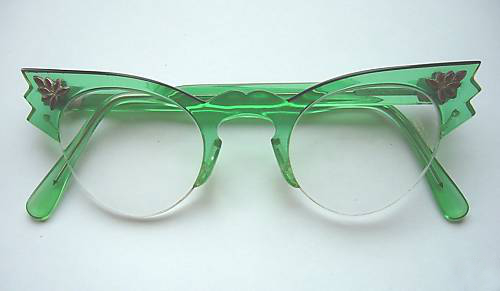
A forgotten pair of frames can still matter long after the prescription is outdated, especially when the lenses are intact and the hinges still close cleanly. Collection programs often clean, sort, and redistribute usable eyeglasses through partners serving communities with limited access to vision care, and many accept sunglasses and reading glasses, too. Even bent arms and scratched lenses can be harvested for parts, which keeps mixed materials out of the landfill; curbside pickup is a bad fit because frames are small and slippery, so a dedicated drop box is what makes reuse actually happen at scale, with less breakage overall.
Rechargeable Batteries From Gadgets
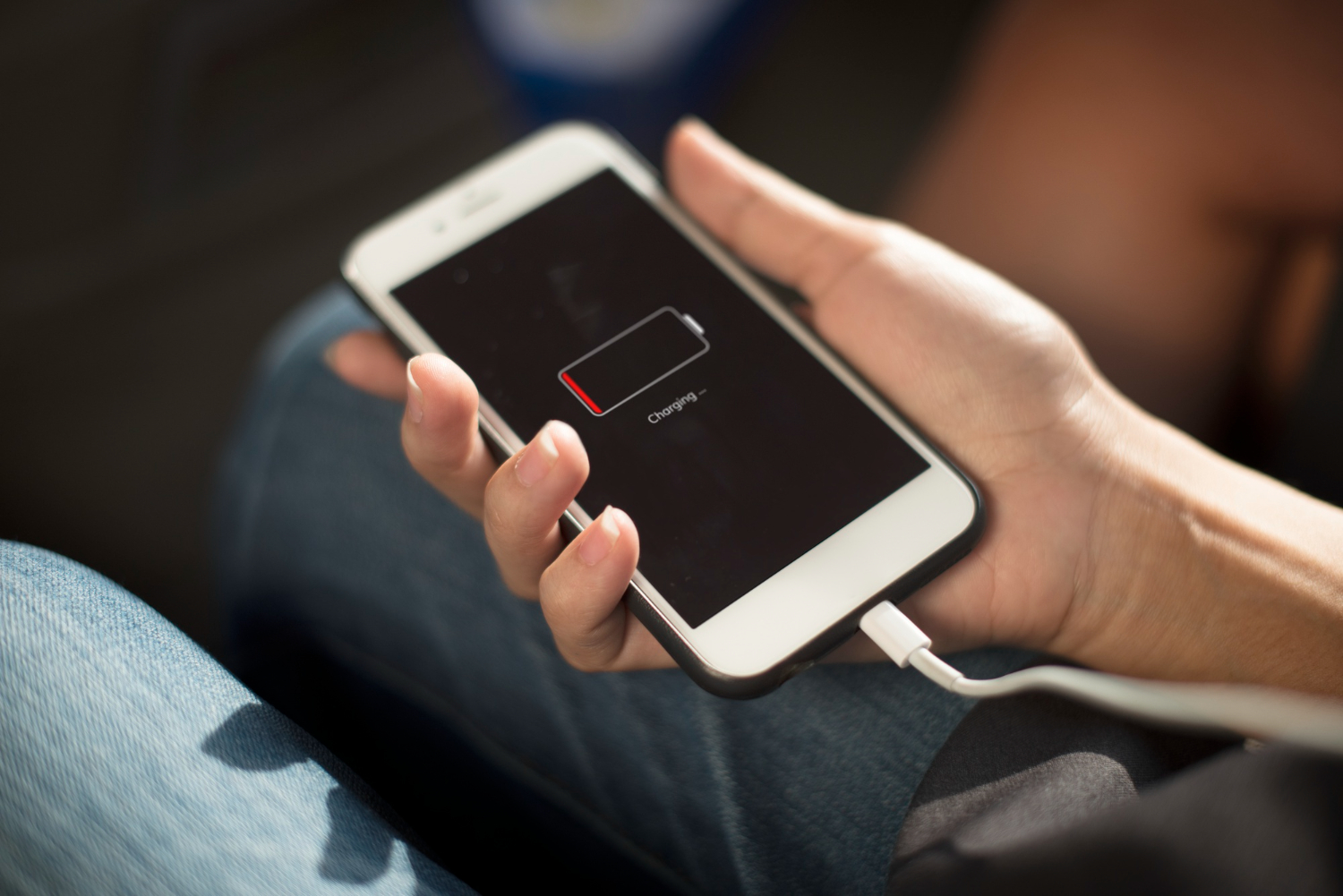
Rechargeable batteries belong nowhere near curbside bins because they can spark fires in trucks, balers, and sorting facilities, even when they look harmless and fully drained. Dedicated programs accept common rechargeables, including lithium-ion packs from phones, tools, and power banks, plus NiMH and NiCad cells from older devices, and many sites post drop-off limits. Taping exposed terminals and storing batteries in a nonmetal container reduces the risk of shorts during transport, and some drop-offs require each battery to be bagged separately; swollen packs should go only to sites that explicitly accept damaged batteries.
Single-Use Batteries, Too
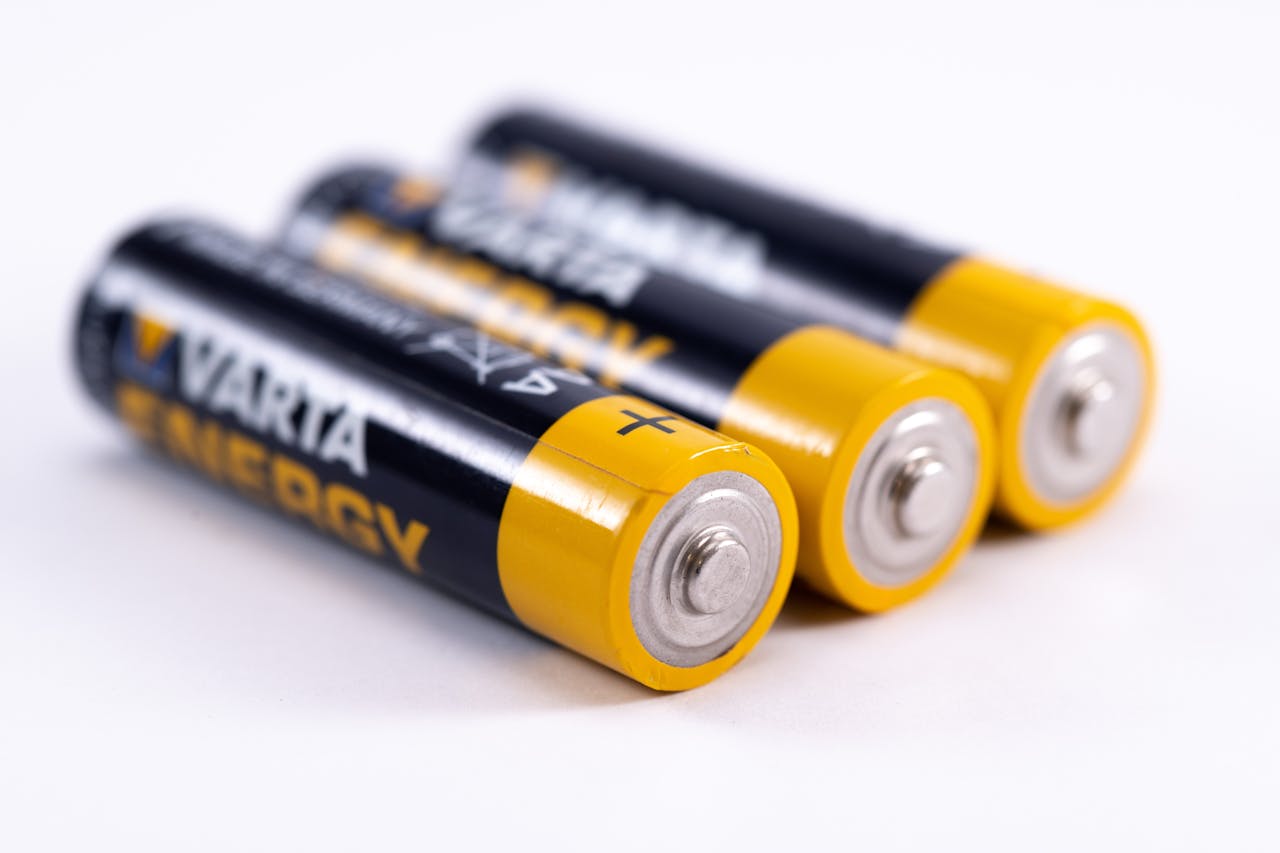
Disposable batteries create whiplash because rules vary by city and by chemistry, and many curbside programs still treat them as trash even when recycling options exist nearby. Some battery networks accept certain single-use batteries through participating retail partners, but they need to stay out of paper and plastic carts because small cells slip through screens and end up as debris. Coin cells and 9-volts are tiny troublemakers because terminals can touch and short, so taping them or bagging them separately helps, and keeping them in a dry jar reduces leaks; one drop-off turns a slow-growing hazard into recovered metals.
Retired Cellphones With Hidden Metals

A dead smartphone is a compact stash of copper, precious metals, and engineered plastics, and it is too valuable to sit in a drawer for years while the battery slowly degrades. Many collection programs route working devices toward refurbishment and send the rest to material recovery, which reduces mining pressure and keeps problematic components out of landfills and incinerators. Chargers, cases, and cables may have different rules, so retailer e-waste counters and community collection days tend to be the simplest option; wiping data, removing the SIM card, and separating the battery when requested make the handoff faster.
Toothpaste Tubes and Oral Care Plastics

Bathroom packaging is notorious because tubes, caps, and toothbrushes mix materials and small parts that curbside systems do not sort well, even when the plastic symbol looks promising. Mail-back and drop-off programs exist for oral care waste, including toothpaste tubes and caps, toothbrushes, floss containers, and many pump-style items, depending on the partner and local availability. A quick rinse and thorough dry keep odors down and prevent sticky buildup that discourages follow-through; once a pouch fills under the sink, one label can clear weeks of tiny plastic that would otherwise drift into trash without a second thought.
Coffee Capsules and Pods
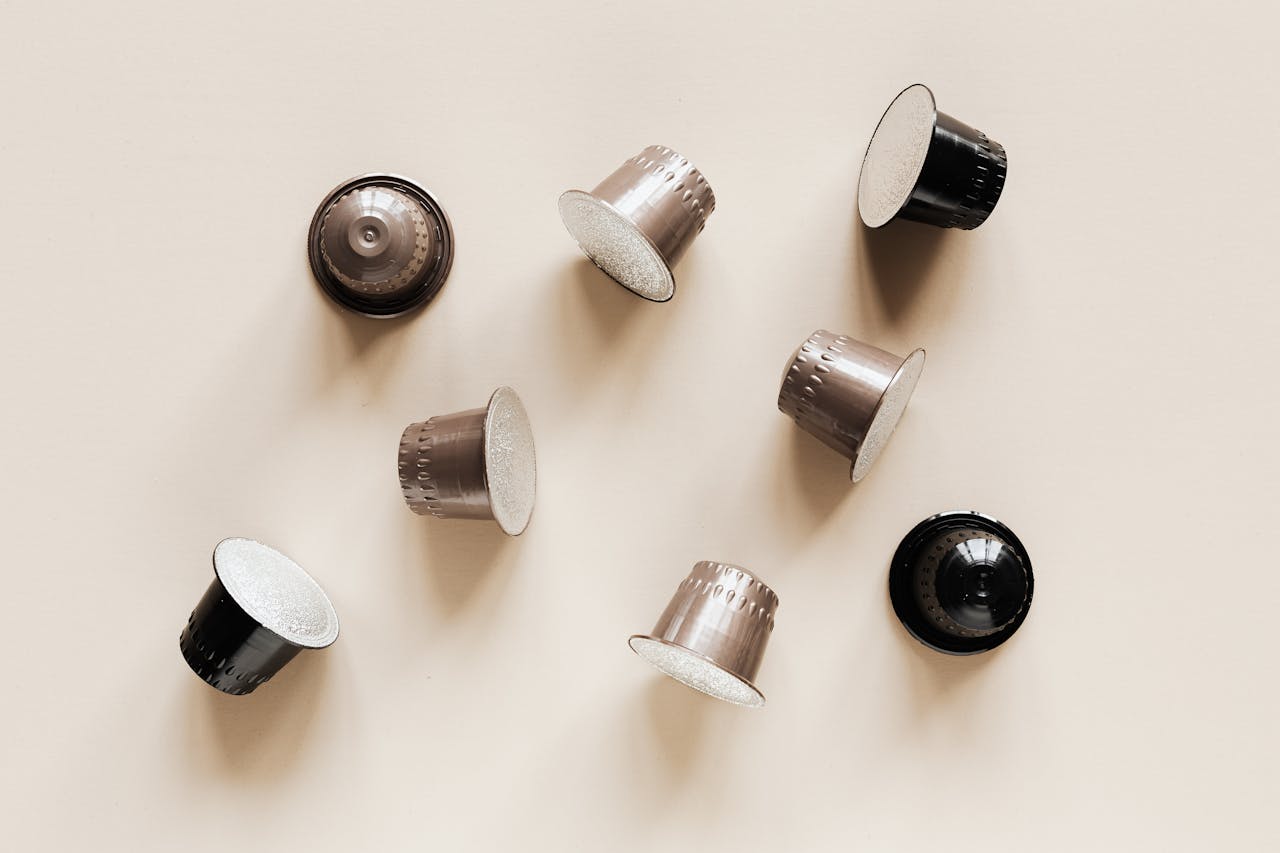
Single-serve coffee pods are a recycling headache because they combine metal or plastic, filters, and wet grounds, and they are small enough to slip through sorting screens and jam equipment. Many brands run take-back systems that separate the parts and recover aluminum or plastics, keeping the messy bit out of curbside machinery and out of paper bales that can be ruined by coffee sludge. Letting pods drain, then storing them in a sealed container until drop-off day prevents mold and the sour smell that clings to bins, and keeps grounds from leaking into other recyclables; the convenience stays, but the waste gets an exit route.
Pens, Markers, and Highlighters
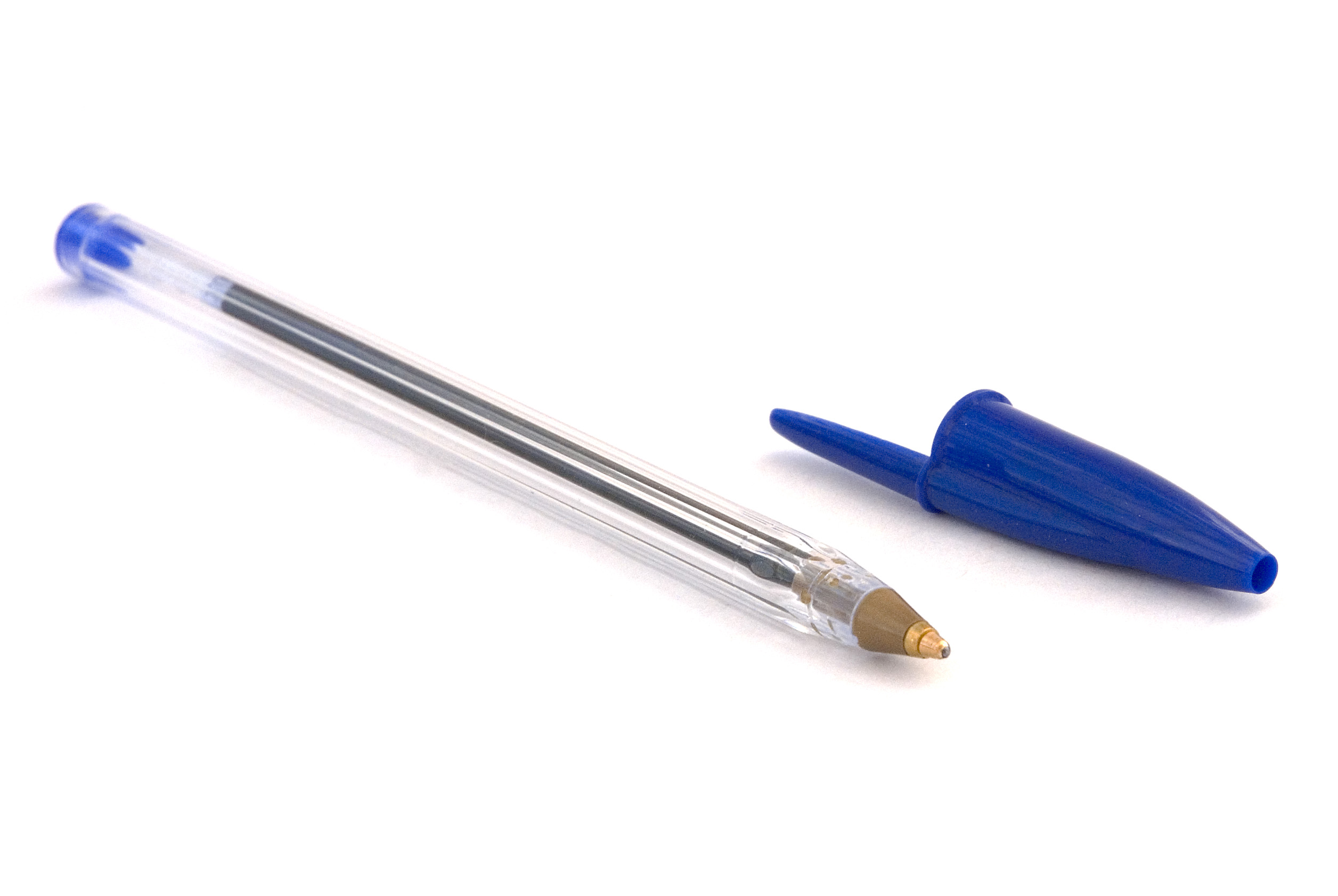
A dried-out pen feels like pure trash, yet writing tools are recyclable through specialized channels that can handle mixed plastics, springs, felt tips, and the stubborn residue of ink. Store and brand programs collect pens, markers, highlighters, and mechanical pencils, then process them into plastic feedstock that curbside systems cannot sort, because the items are too small and too varied. Keeping a jar labeled Dead Pens turns the habit into something tidy rather than annoying, and prevents desk drawers from becoming graveyards; when the jar fills, one errand clears months of tiny waste and makes a workspace feel lighter.
Broken Crayons and Stubby Bits

Crayons multiply in drawers, classrooms, and diaper bags, then snap into stubs that never quite get thrown away because each one feels too small to matter. Reuse and recycling efforts collect broken crayons, sort them by type, and remold them into fresh shapes that are easier for small hands to grip and harder to snap, extending the material’s life. Some partners accept crayons alongside other hard-to-recycle items, which keeps the process simple; a bag of mismatched fragments can return as a set that looks new, and it keeps wax out of landfills while saving the next art session, wrappers and all, from running short fast.
String Lights After the Holidays

Holiday string lights often fail one bulb at a time, then sit in storage because they feel awkward to toss, and troubleshooting every strand becomes its own gloomy project. They count as e-waste, and specialized recycling can recover copper and other metals while handling hazardous components responsibly, which curbside systems are not designed to do. What matters is keeping cords out of curbside recycling, where they tangle in sorting equipment and force shutdowns that cost time and money; coiling strands, securing them with a tie, and bagging them before drop-off keeps workers safer and the handoff cleaner for everyone.
Torn Socks, Worn T-Shirts, and Old Towels

Textiles are tossed fast, but many regions accept clothing, shoes, and linens for reuse and fiber recycling, including items too worn to donate for everyday wear. Clean, dry fabrics can be sorted into secondhand channels, wiping rags, insulation, or recycled fiber, depending on condition and local partners, and that sorting is easier when items are not damp. Bagging helps prevent moisture and mildew from contaminating the load, which protects workers and improves quality; a small bag of lonely socks and frayed towels can shrink household trash while feeding steady demand for industrial rags, padding, and reclaimed fiber each month.
Empty Beauty and Personal Care Packaging

The bathroom cabinet hides tricky packaging: sample sachets, pump tops, blister packs, and mixed-material containers that curbside carts cannot separate, even when labels look confident. Brand-funded programs and specialty recyclers collect these odds and ends through mail-back labels or partner drop-offs, then sort components into streams that actually exist, instead of forcing everything into one bin. Keeping a small box for empties prevents the end-of-month purge from turning rushed and wasteful; popping off caps, locking pumps, and giving containers a rinse keeps shipments clean and stops plastics from becoming permanent trash.