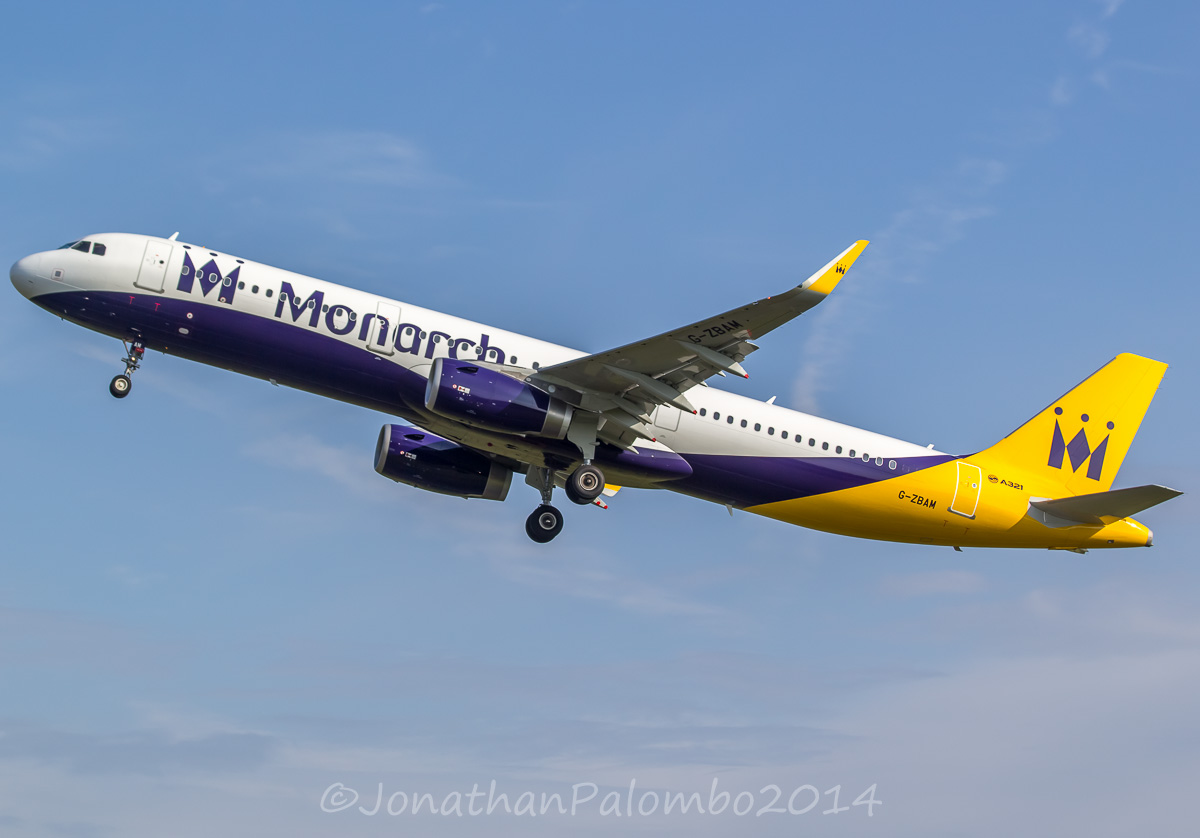
Air travel rarely ends at the ticket price. Once the itinerary looks settled, checkout blooms with add-ons: a roomier seat, a boarding lane that promises calm, a bundle that hints at flexibility. Some extras genuinely reduce friction on the right trip. Others deliver a small convenience at a cost that quietly outpaces the benefit, especially on short hops or lightly packed itineraries. The pressure is emotional as much as financial. Airlines know uncertainty sells, so the buttons are often designed to feel like preparedness. A clearer approach is to treat each offer like a contract, asking what problem it solves and when it fails. That quick reality check keeps comfort purchases intentional and regrets rare.
Extra-Legroom Seats on Short Flights
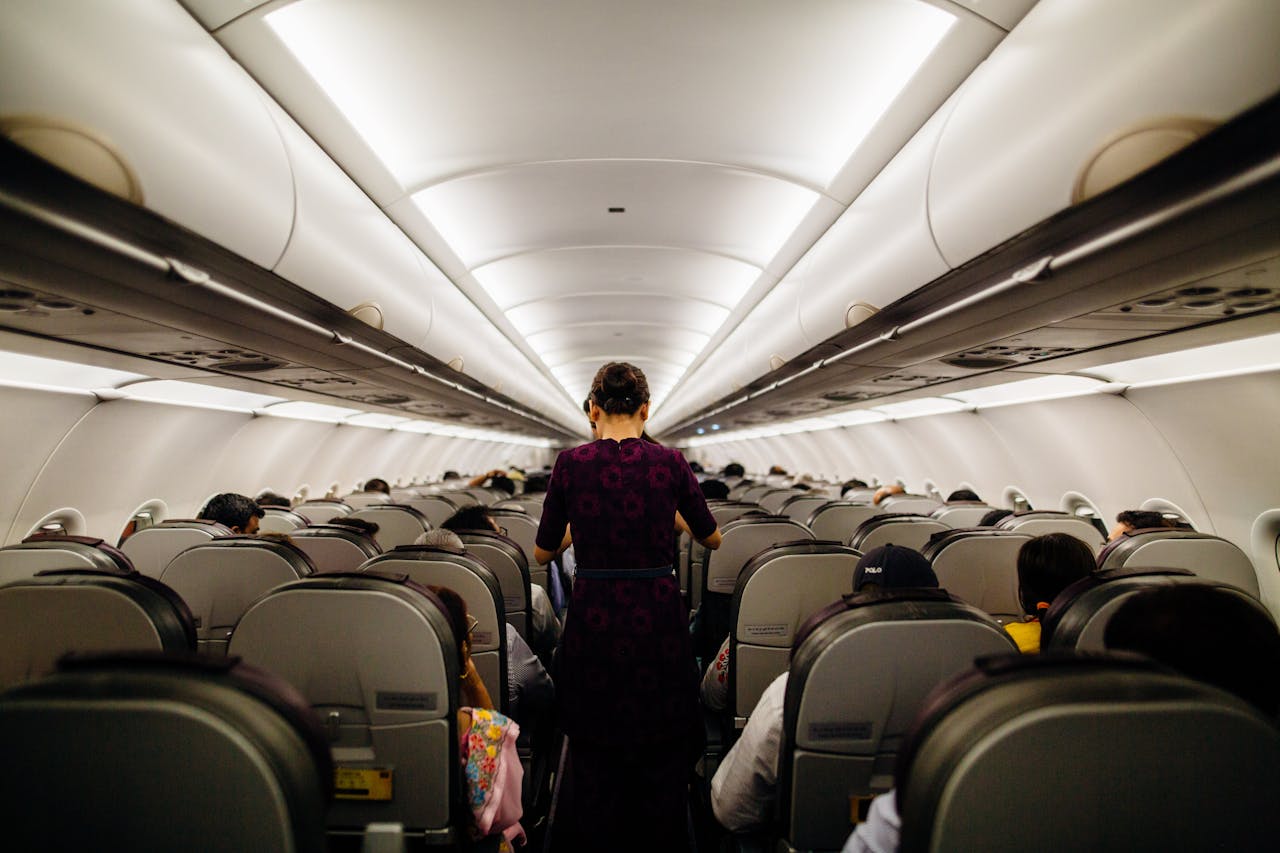
Extra-legroom rows can feel like a win, until the route clocks in at 58 minutes and the add-on costs more than the base fare, especially when the extra inches are modest. The payoff swings by aircraft type and seat pitch, and the fine print can sting: tray tables tucked into hard armrests, a seat that feels narrower, limited under-seat storage, or exit-row rules that keep bags out of reach. On long segments it can protect knees and patience, but on short hops an aisle seat near mid-cabin, a timed boarding group, and a pre-flight stretch at the gate often deliver nearly the same comfort, without paying premium-seat money at all.
Preferred Seats That Are Just Closer to the Front

Preferred seating often sounds like a better seat, yet it can be the same standard economy chair with a shorter walk to the exit. Pitch and width may be identical, with the perk mostly limited to earlier drink service, a quicker deplane, and a slightly better shot at overhead space, benefits that fade with checked bags, long taxi times, or a gate that parks far from the terminal. When the fee approaches true extra-legroom pricing, it reads like a convenience tax, on flights with connection slack, and the smarter comfort play is picking an aisle for easier bathroom runs or a window for sleep, not paying extra for a front-half label.
Priority Boarding When Carry-Ons Are Light
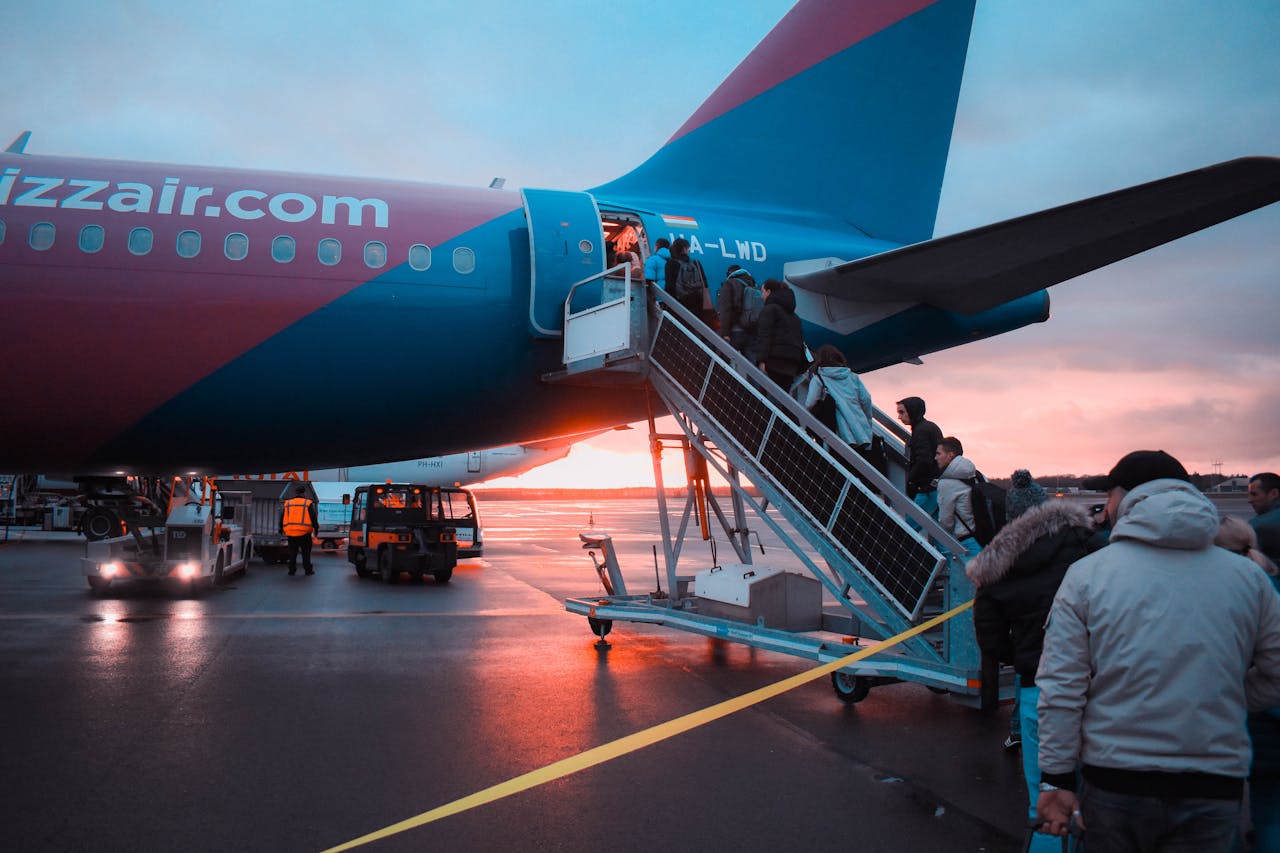
Priority boarding is marketed as calm and control, but it often buys a place in line rather than meaningful time saved. When a traveler has only a personal item, the benefit shrinks fast, and even with a carry-on it can vanish if groups are called in quick waves, bins are plentiful, or agents start tagging rollers for gate-check the moment the line forms. It also locks people into standing on the jet bridge longer, and the plane still leaves when it leaves, so the fee hurts most when it costs more than seat selection, while the same money can cover a checked bag, true legroom, or a buffer for a close connection on busy days.
Early Seat Selection That Still Feels Like a Lottery
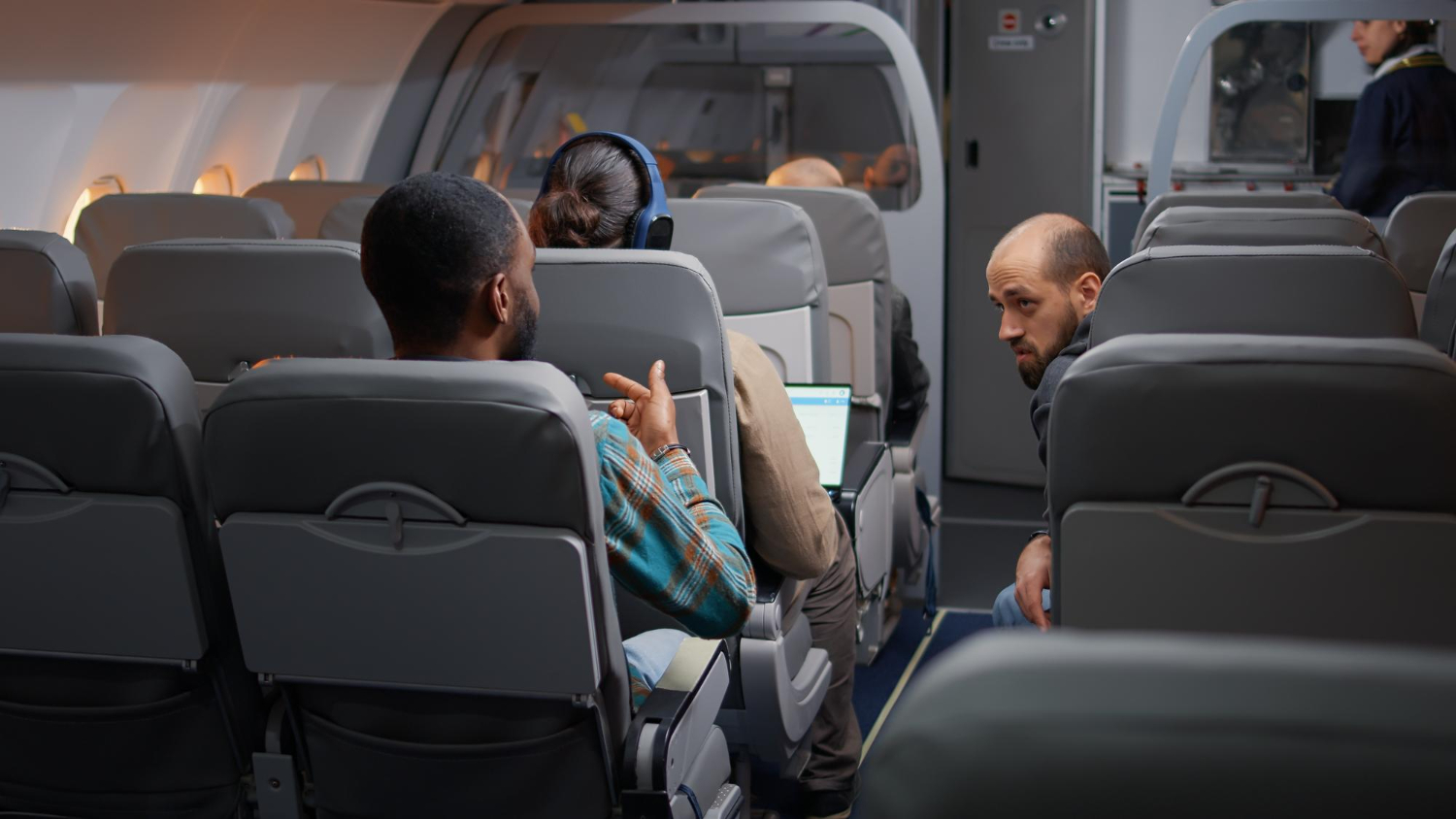
Paying to pick a seat early can feel responsible, then the seat map reveals the catch: the desirable spots are priced up, and the leftovers look nearly identical. The fee buys certainty more than comfort, especially on aircraft where seat quality barely varies, and the best rows vanish quickly to elites, families, and last-minute bidders, leaving a cluster of middles near high-traffic areas. Even then, equipment swaps and shuffles can trigger reseating, so a solo flyer can pay extra and still land beside the lavatory or a galley line, while waiting keeps the budget intact and preserves flexibility to move if the cabin opens up.
Faster Security Lanes That Do Not Exist at the Airport
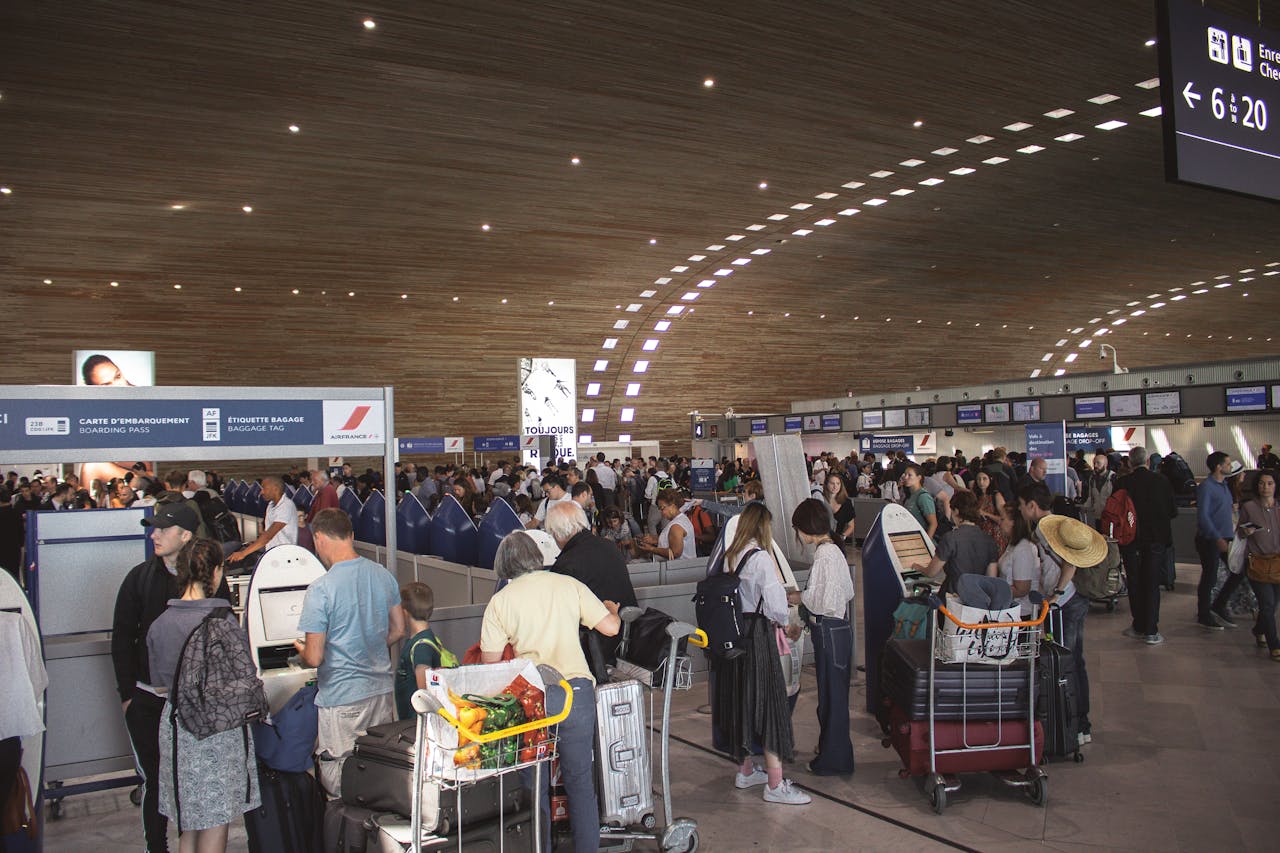
Fast-track security is a classic checkout temptation, especially around holidays, but the value depends on the airport, terminal, and time of day. Some facilities have no separate lane, the lane closes outside peak hours, or the entry is hidden behind stanchions with a small sign, then merges into the same belt at the X-ray, so the purchase becomes a detour instead of a shortcut. Even when it is open, a calm arrival and a tidy bag often beat the line: liquids in one pouch, electronics easy to pull, pockets emptied before the belt, and documents ready, making the upgrade feel like a fee paid for nerves, not speed in many terminals.
Same-Day Change Perks on Itineraries That Are Already Stable
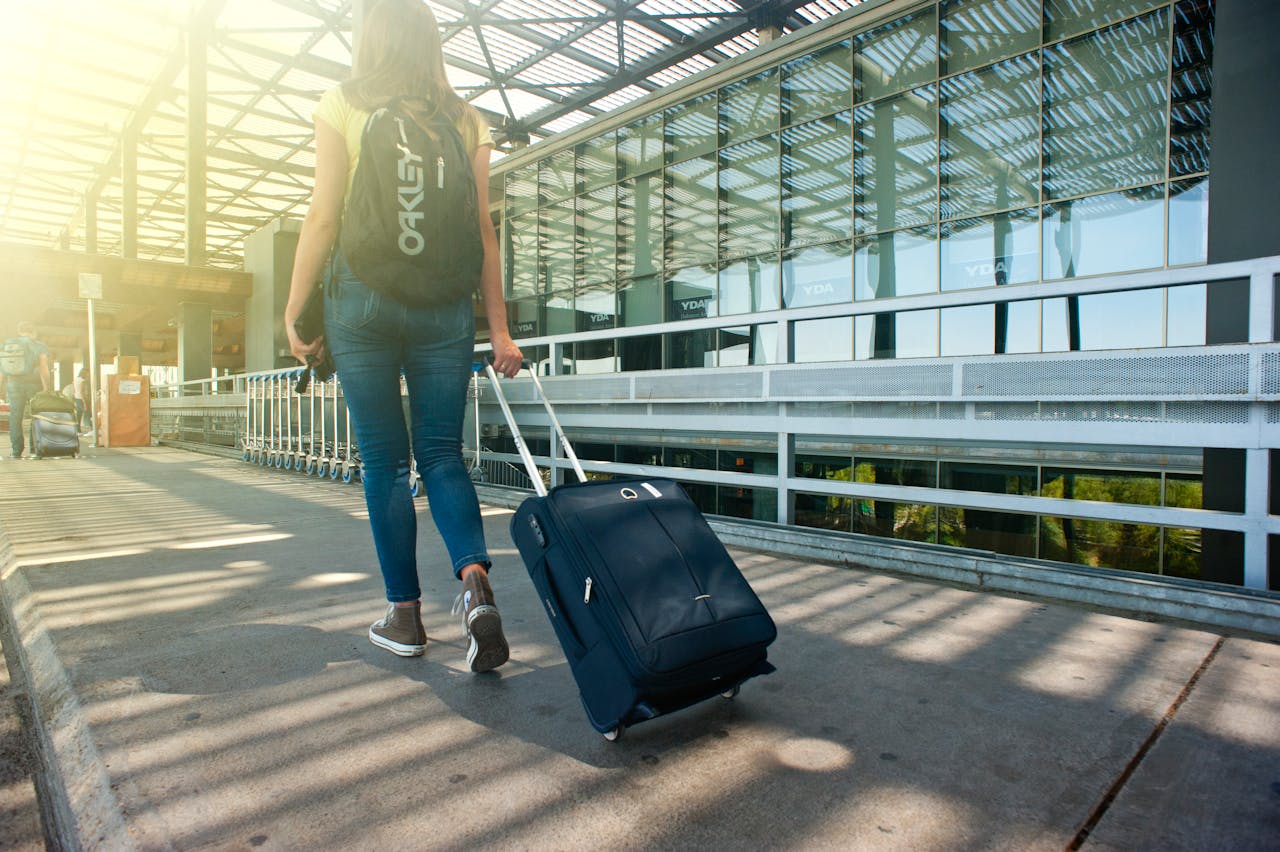
Same-day change options sound like freedom, but they can be pricey insurance on a trip that is unlikely to shift, and the rules tend to be narrow. On many routes there are only one or two later flights, and standby seats evaporate during conferences, school breaks, and weather hiccups, so the perk can turn theoretical right when it is needed, with fare differences still owed and eligibility tied to the same calendar day. When everything runs smoothly, the fee just disappears, and better value often comes from choosing a fare that already allows changes or padding the schedule so a small delay does not become a crisis later.
Seat-Blocking Offers in Lightly Booked Cabins
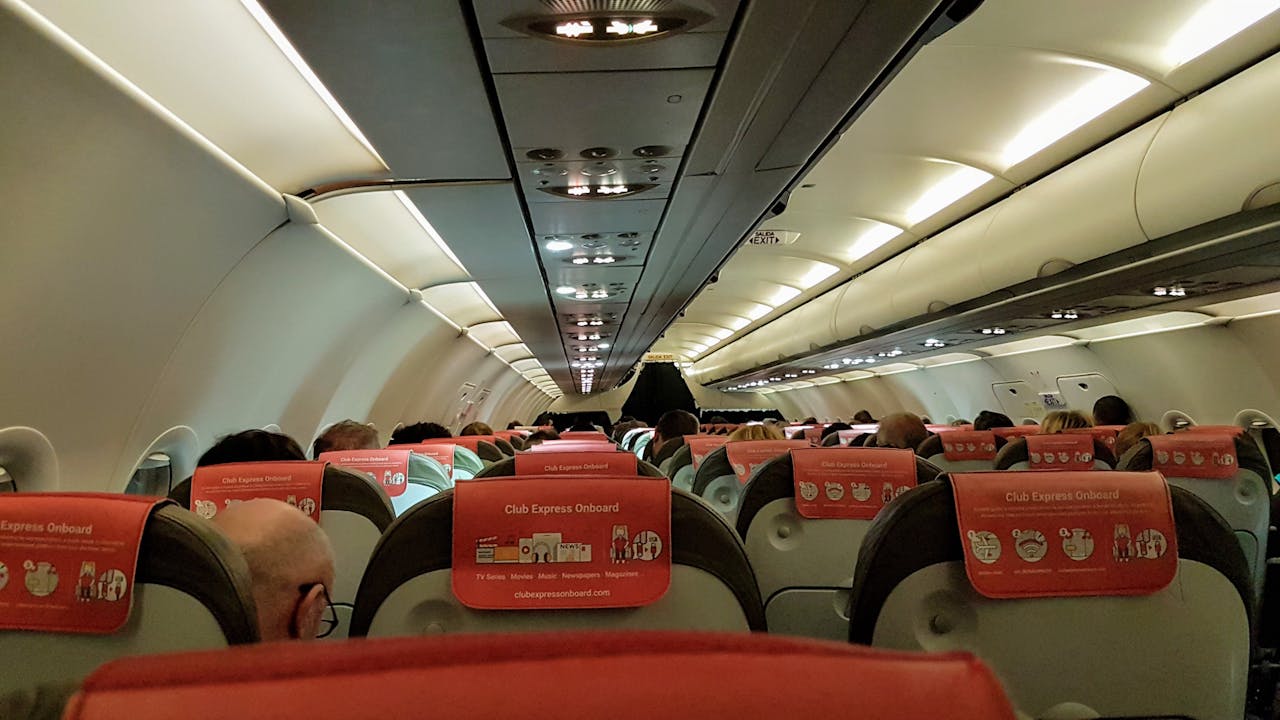
Some airlines sell extra space by offering an empty adjacent seat or a product that mimics elbow room. The catch appears once the plane is lightly booked: open rows may already exist, families may swap seats, and last-minute reassignments happen for balance, upgrades, or crew needs, making a paid block feel redundant or even reversible. On sold-out flights it can help, but those are also the days the price spikes, and policies vary on whether the empty seat stays truly empty, so the add-on starts resembling a forecast: occasionally useful, often overpriced, and never a sure thing, especially when the cabin fills at the last minute.
Inflight Wi-Fi Passes for Flights With Patchy Coverage

Inflight Wi-Fi is pitched as productivity, yet the experience varies by aircraft, altitude, and route, even within the same airline. A paid pass can still mean slow speeds, dropped connections, and dead zones over oceans or remote regions, and some systems struggle with multi-factor logins, VPNs, and large uploads, while plans may block streaming and video calls anyway, turning the session into troubleshooting. Refunds are rarely quick when service sputters, so offline documents, downloaded entertainment, and a charged power bank often deliver steadier peace, with Wi-Fi earning its price only when a truly live task cannot wait.
Lounge Day Passes During Peak Travel Windows
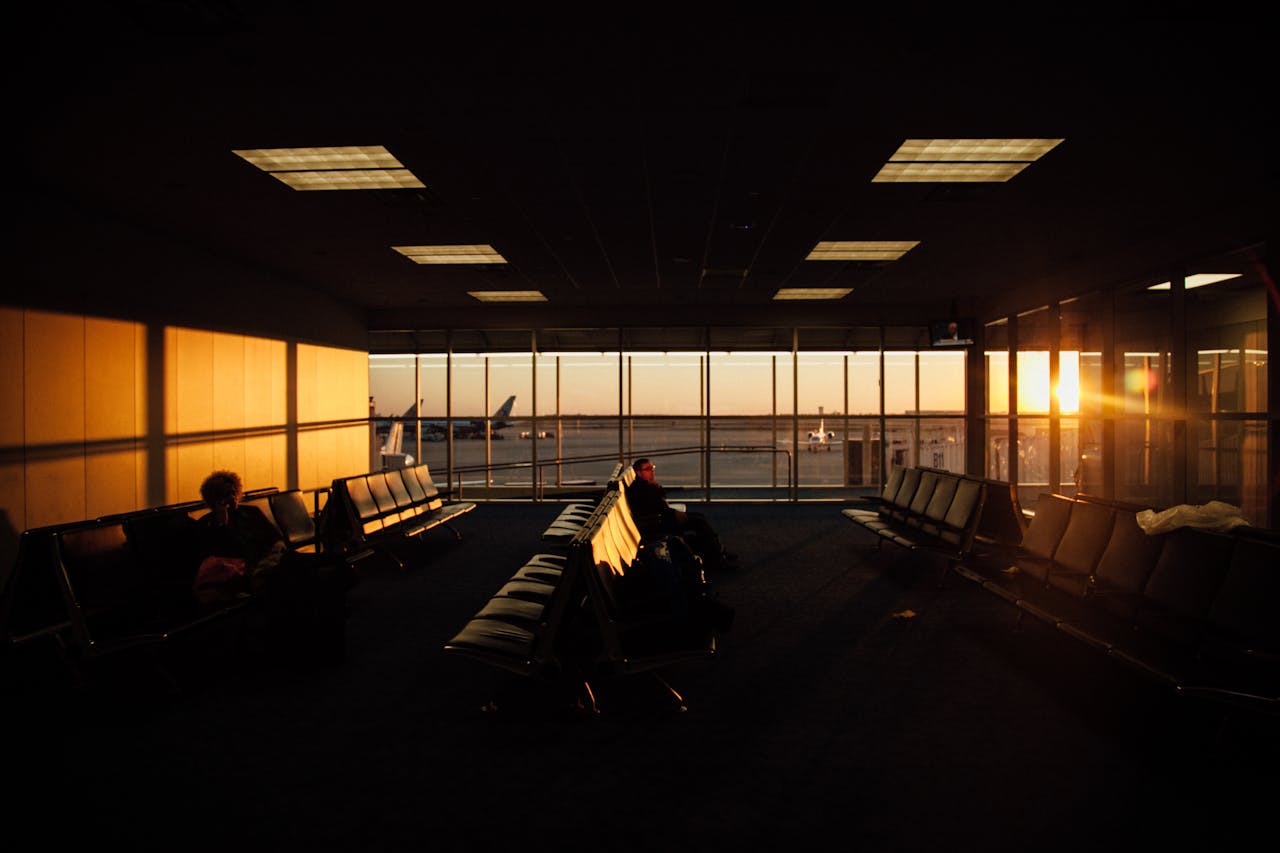
A lounge day pass promises quiet, snacks, and a charger within reach, but peak travel can turn lounges into the same terminal scramble with better upholstery. Capacity limits, check-in lines, and crowded buffets erase the perk, and some locations pause day-pass entry when things fill up, while others offer limited seating, no showers, and food that is more snack tray than meal. When the layover is short, the math gets worse because time is spent walking, waiting, and finding a chair, and lounge access only feels worth it during long delays, early departures, or work-heavy connections that need real focus and a quiet corner.
Meal Upgrades That Replace Real Food With a Mediocre Box
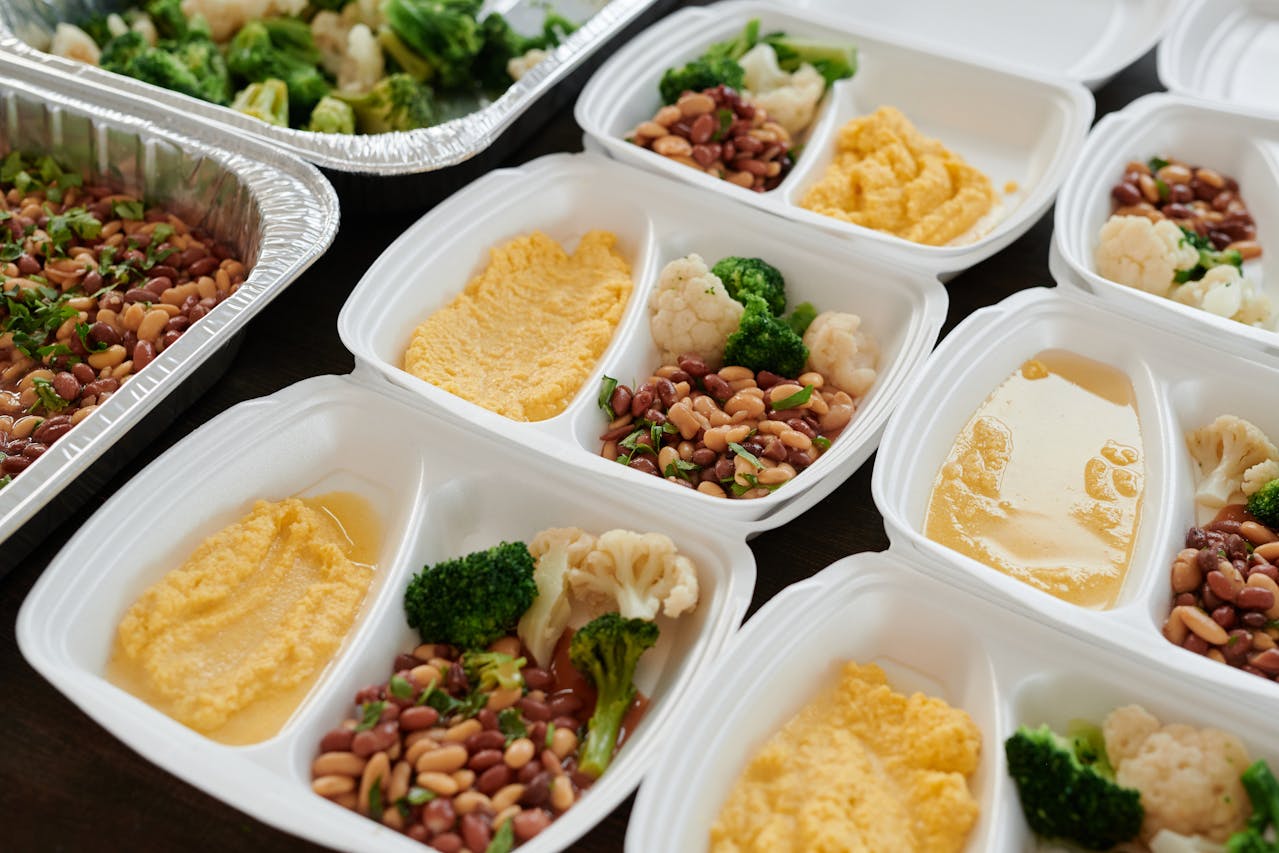
Premium meals and snack boxes sound like a small luxury, yet they can be pricey for what arrives: a shelf-stable tray, a roll, and a drink that costs far less on the ground. Timing is another problem; service can be delayed or cut for turbulence, and some routes offer only a rushed handoff, leaving food lukewarm, choices limited, and dietary needs treated like an afterthought unless pre-ordered days ahead. Because the charge is rarely refunded when service is skipped, the fee feels worst when it replaces a deliberate airport meal or a packed favorite, since food is one comfort that can be planned cleanly and enjoyed on schedule.
Paid Customer Support Add-Ons

Some booking paths sell paid support as an upgrade: priority phone lines, chat help, or a concierge-style service that promises faster fixes. The pitch is peace of mind, but it can overlap with standard airline channels, airport desk agents, and card perks, and when a storm or system outage hits, even premium queues crawl while everyone hunts the same limited seats. In practice, third-party helpers usually cannot bend airline rules, waive fare differences, or conjure inventory, so the upgrade can collapse into polite script-reading and links to self-serve tools, while flexible timing and backup routing still do the heavy lifting.