
The Rock and Roll Hall of Fame has shaped how the world remembers modern music, yet many artists who transformed genres or influenced generations remain outside its doors. Their omission is rarely about popularity alone; it often reflects shifting tastes, institutional blind spots, or the difficulty of measuring cultural reach. These musicians built legacies through touring grit, inventive songwriting, studio breakthroughs, and the kind of longevity that keeps songs alive far past commercial cycles. Their continued absence highlights how complicated the idea of recognition can be when the music endures regardless of who gets the plaque.
Bryan Adams
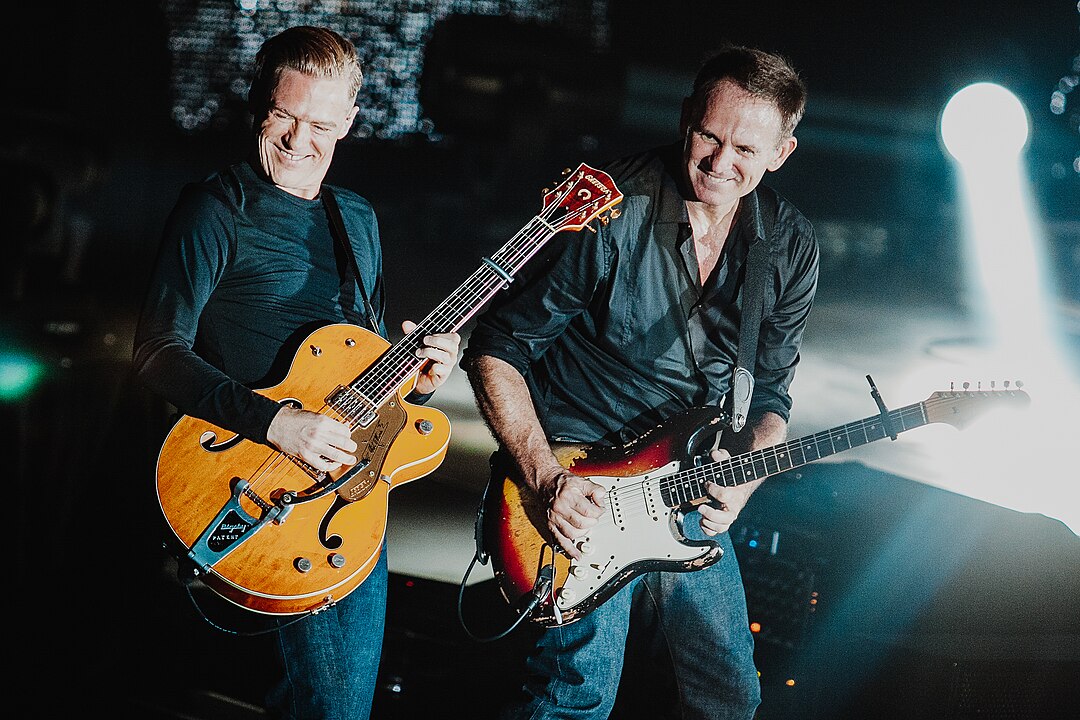
Bryan Adams shaped mainstream rock with a catalog that blended grit, melody, and emotional immediacy, yet the Hall has kept him waiting despite decades of eligibility. Reckless and Waking Up the Neighbours delivered global anthems like Summer of ’69, Run to You, and the record-shattering ballad (Everything I Do) I Do It for You, songs that still anchor radio playlists across continents. His collaborations with icons, international influence, and role as a defining Canadian rocker underscore a career of durability and reach that makes his omission feel increasingly disconnected from his real imprint on popular music.
Boston
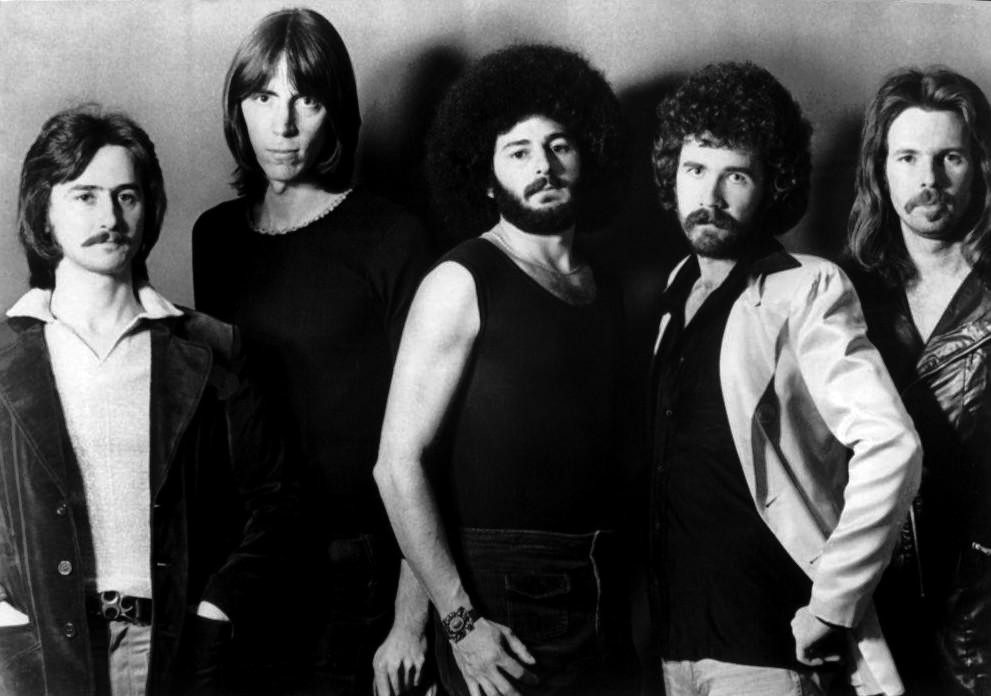
Boston’s 1976 debut reshaped the sound of arena rock with its polished layers, soaring melodies, and Tom Scholz’s meticulous engineering, yet the group remains unrecognized by the Hall. More Than a Feeling became a template for FM radio rock, pairing technical precision with emotional clarity that resonated across generations. While internal tensions and sporadic releases slowed their output, the magnitude of that debut album—still one of the highest-selling first records ever—cemented a legacy that continues to influence guitar tone, production style, and the aspirational spirit of countless rock bands who view Boston as a sonic benchmark.
Gordon Lightfoot

Gordon Lightfoot’s absence from the Hall feels especially striking given how deeply his storytelling shaped the folk-rock movement. His evocative writing on Sundown, If You Could Read My Mind, and The Wreck of the Edmund Fitzgerald blended personal reflection with sweeping narrative, creating songs that traveled far beyond Canadian radio and entered global memory. Major artists across decades covered his work, drawn to the emotional clarity and melodic steadiness that defined his voice. His influence threads through singer-songwriters who prize subtlety over spectacle, proving his impact extends well beyond the regional themes often associated with his catalog.
Jethro Tull

Jethro Tull’s fusion of hard rock, English folk, and progressive experimentation built an unmistakable musical identity, yet the Hall has shown little enthusiasm for honoring them. Ian Anderson’s flute-driven performances, shifting time signatures, and theatrical vocal delivery gave albums like Aqualung and Thick as a Brick a scope few contemporaries attempted. Their commercial success, expansive tours, and fearless approach to reinvention helped push progressive rock into new territory. For many listeners and musicians, Tull represents the adventurous spirit of rock’s evolution, making their ongoing exclusion feel like a holdover from old biases against prog’s complexity.
Blue Öyster Cult
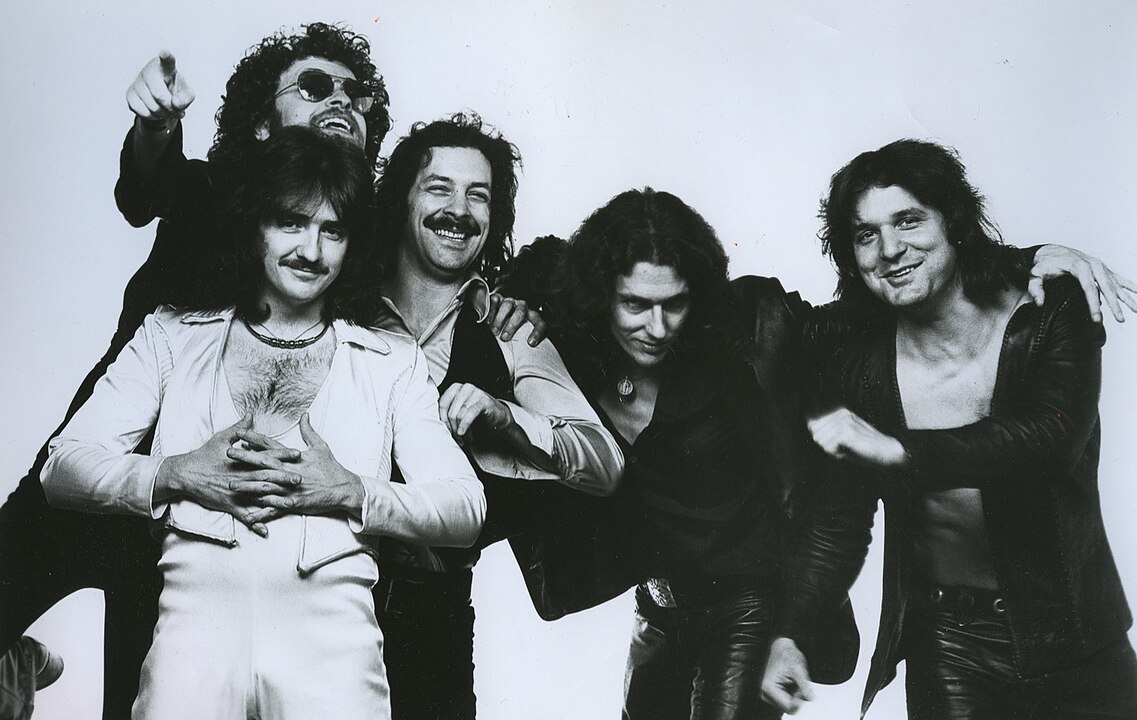
Blue Öyster Cult carved out a distinctive place in rock by mixing heavy riffs, enigmatic lyrics, and imagery that flirted with science fiction and mysticism, yet institutional recognition still eludes them. Songs like (Don’t Fear) The Reaper, Burnin’ for You, and Godzilla merged accessibility with conceptual flair, creating a sound that influenced metal, hard rock, and even alt-rock acts that admired their moodier edges. Their dedicated touring base, decades of consistent output, and willingness to experiment show a band that expanded rock’s thematic boundaries, and their absence from the Hall leaves a noticeable gap in the lineage of heavier music.
Alice in Chains
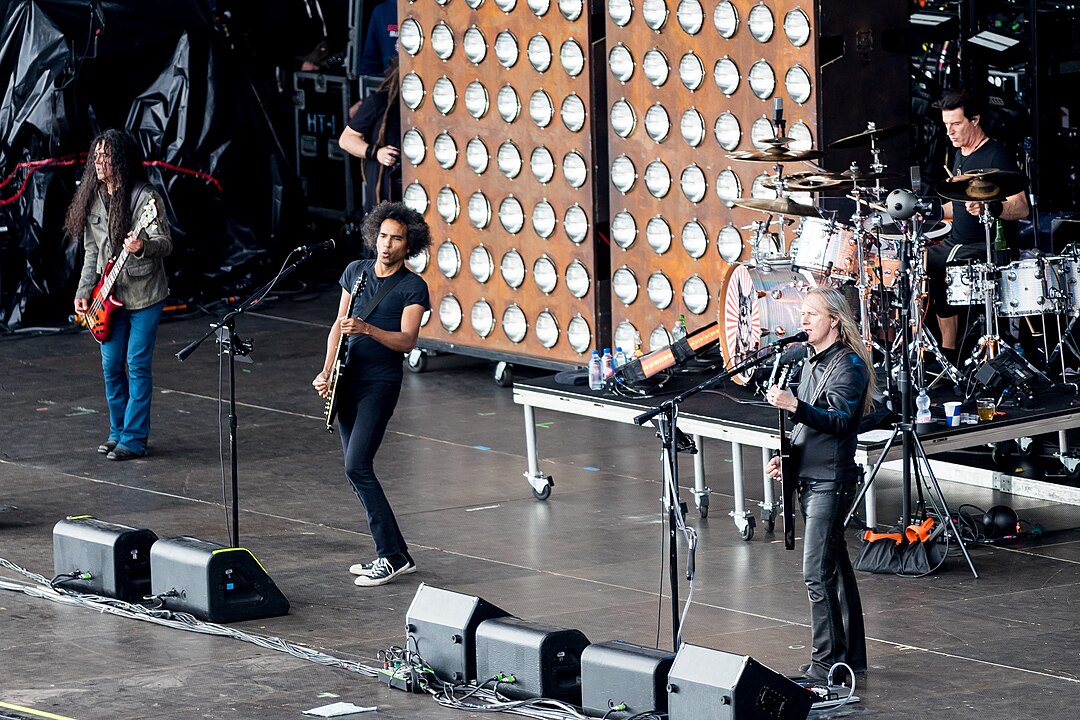
Alice in Chains stands as one of the most haunting and technically distinctive groups of the 1990s, yet they remain the only major Seattle-era titan left outside the Hall. Layne Staley and Jerry Cantrell’s harmonies built an atmosphere of tension and vulnerability that set them apart from peers, blending grunge, metal, and melodic rock into something uniquely brooding. Albums like Dirt and Jar of Flies explore grief, addiction, and inner conflict with a level of emotional weight that continues to influence heavy music. Their ongoing omission minimizes a central voice in one of rock’s most impactful cultural movements.
King Crimson
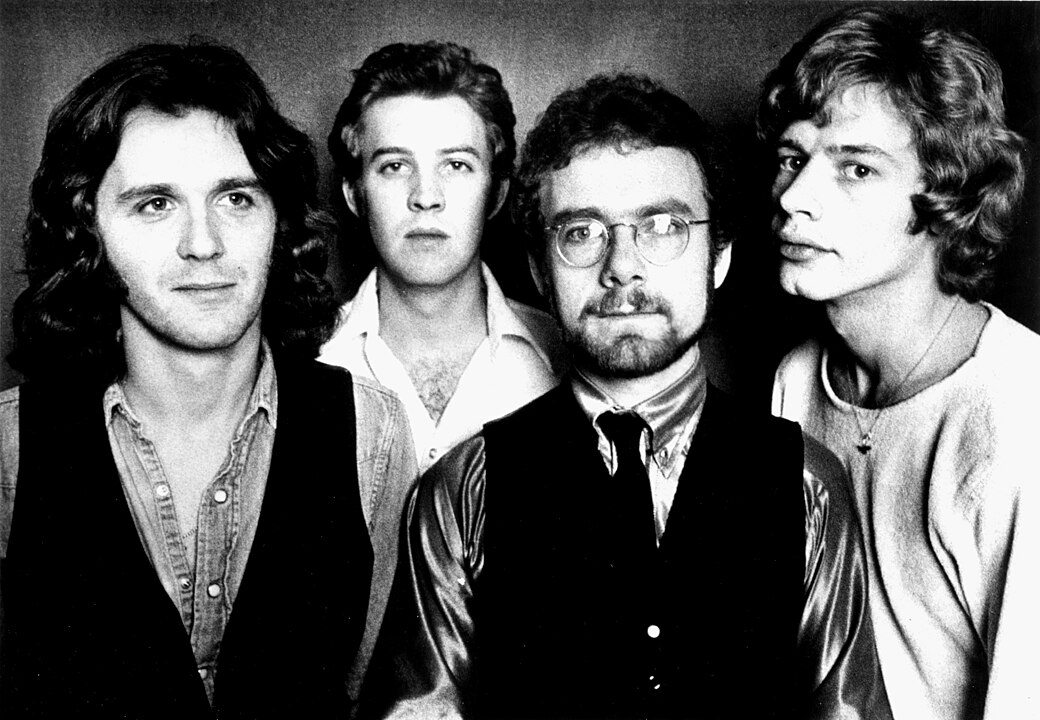
King Crimson’s absence exemplifies the Hall’s complicated relationship with progressive rock, especially given how their 1969 debut reshaped what rock composition could achieve. Robert Fripp’s leadership pushed the band through constant reinvention, merging jazz, classical, experimental structures, and fierce improvisation into albums that challenged both listeners and musicians. Their influence extends across metal, post-punk, ambient music, and avant-garde scenes, proving their reach far exceeds traditional commercial metrics. For musicians who view creativity as exploration, King Crimson remains a touchstone, and their continued exclusion underscores how institutions often struggle to honor innovation that resists simple categorization.
Jim Croce
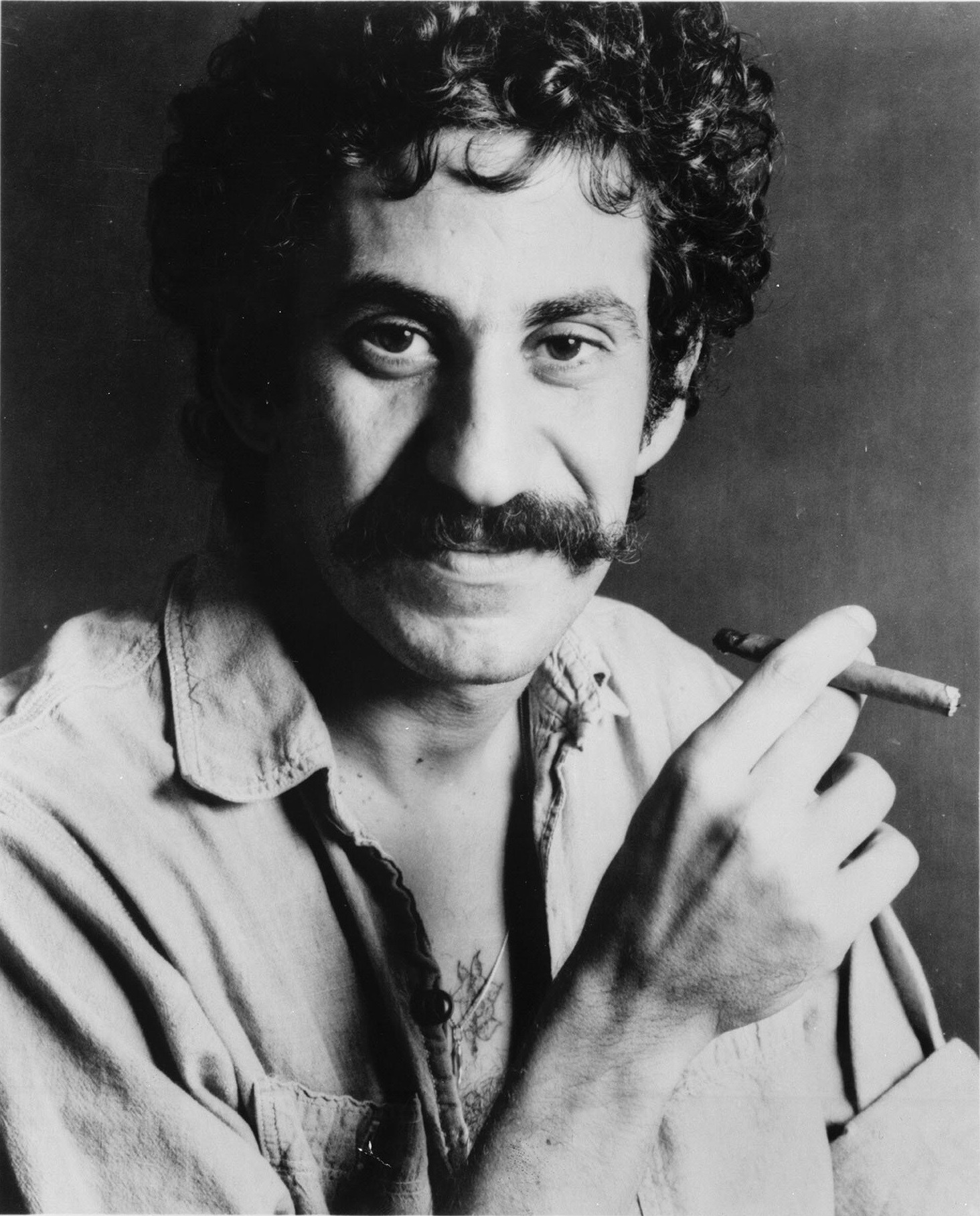
Jim Croce’s career ended too soon, yet his songwriting left a lasting emotional mark that continues to ripple through modern folk and acoustic music. In just a few years, he produced songs like Time in a Bottle, Operator, and Bad, Bad Leroy Brown, each shaped by vivid imagery, gentle humor, and a deep understanding of ordinary people’s struggles. His ability to create characters with warmth and precision placed him among the era’s most relatable storytellers. Even without decades of output, his influence endures through artists who value sincerity and narrative detail, which makes his omission feel particularly unjust.
Weird Al Yankovic

Weird Al Yankovic has built a career that mirrors pop history itself, parodying trends while demonstrating serious musical skill, yet the Hall still treats him as an outsider. His meticulous recreations of style and production show an understanding of genre mechanics that rivals the artists he imitates, and his longevity proves his cultural relevance extends far beyond novelty. With multiple Grammy wins and a fan base spanning generations, he shaped how people engage with pop music, offering commentary wrapped in humor and precision. His exclusion highlights the Hall’s reluctance to honor unconventional contributions to rock’s larger ecosystem.
The Smiths
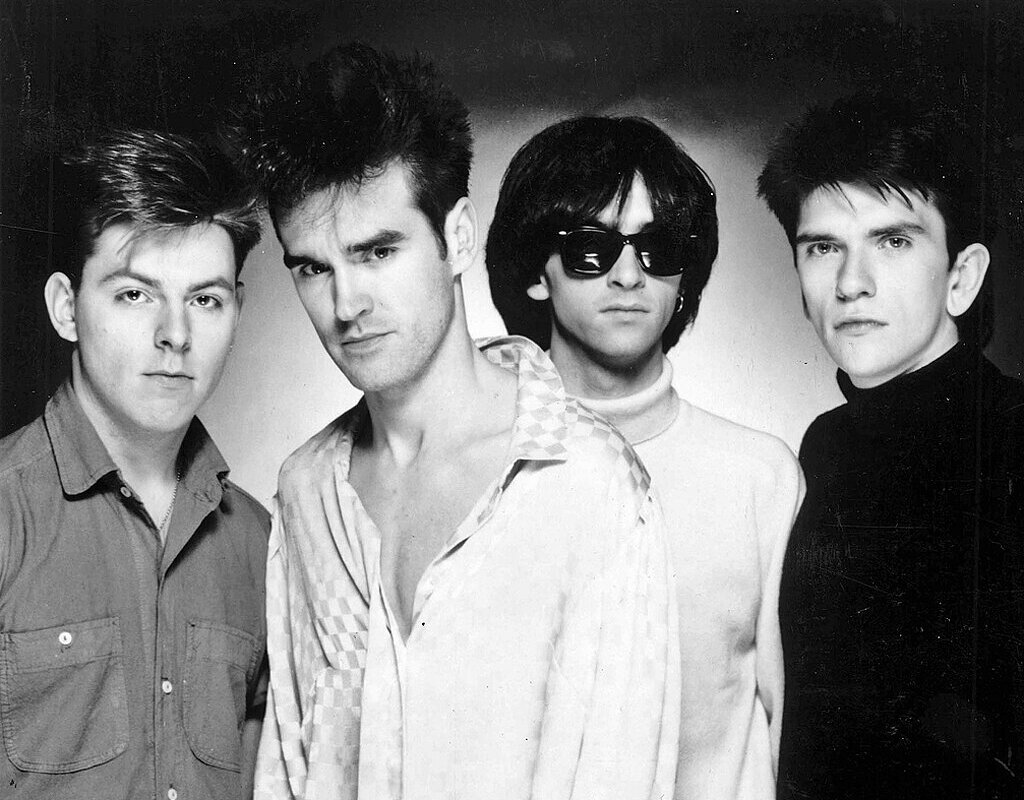
The Smiths remain one of the most influential alternative bands of the 1980s, yet their complex legacy has not translated into Hall induction. Johnny Marr’s bright, arpeggiated guitar work and Morrissey’s introspective lyricism built songs that felt intimate, literary, and distinctly modern, shaping a generation of indie musicians. Albums like The Queen Is Dead and Meat Is Murder set emotional and aesthetic standards that countless bands still follow. Their breakup and unpredictable public personas may complicate their narrative, but their influence on songwriting, style, and indie identity is undeniable, making their exclusion increasingly difficult to justify.
Iron Maiden

Iron Maiden helped define the global identity of heavy metal through distinctive imagery, operatic vocals, and relentless energy, yet they remain outside the Hall despite vocal public support. Bruce Dickinson’s soaring delivery, twin-guitar harmonies, and ambitious storytelling created albums that shaped metal’s evolution from underground movement to worldwide phenomenon. Their touring power remains unmatched, with generations of fans treating their concerts as rites of passage. Maiden’s impact spans musicianship, visual design, and the global spread of metal culture, and their exclusion underscores how slowly institutions acknowledge genres that thrive outside mainstream radio.
Phish

Phish’s approach to improvisation, community-building, and live experimentation reshaped what a rock band could be, yet the Hall has hesitated to recognize their cultural footprint. Their concerts function as evolving conversations, blending rock, jazz, funk, and unexpected detours into extended improvisational journeys that draw fans across state lines. The band helped establish a touring-centric ecosystem, influencing festival culture and the modern jam-band circuit. Their music thrives outside conventional commercial structures, which may complicate institutional recognition, but the loyalty and creativity they inspire make their absence a noteworthy blind spot in documenting American live-music traditions.
Daft Punk

Daft Punk transformed electronic music from club-scene niche into global pop force, yet the Hall has lagged in acknowledging their influence. The duo’s masked personas, intricate sampling, and lush production on albums like Discovery and Random Access Memories bridged rock, disco, funk, and electronic experimentation. They inspired producers, DJs, and bands who saw in their work a new model for blending nostalgia with futurism. Their visual storytelling, impact on festival culture, and contributions to modern pop demonstrate a reach far deeper than chart placements alone, making their continued omission part of a broader delay in honoring electronic innovators.
The Replacements
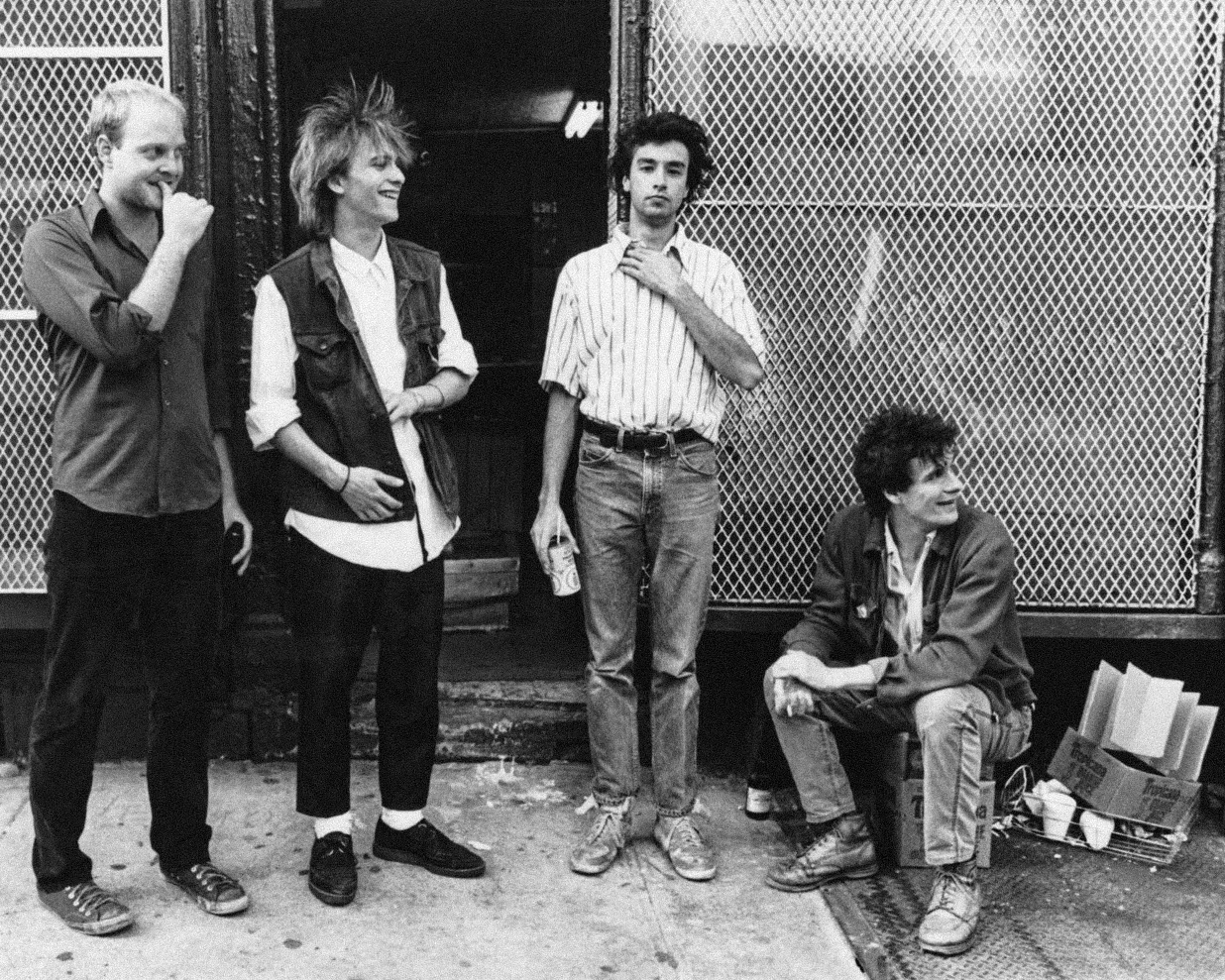
The Replacements blended punk grit with melodic sensitivity, creating a foundation for the indie and alternative movements that followed, yet they remain overlooked by the Hall. Paul Westerberg’s songwriting balanced raw emotion with off-kilter humor, producing albums that felt unvarnished but deeply human. Their unpredictable live shows earned a reputation that became part of their mythology, reinforcing their status as underdogs who influenced countless bands seeking authenticity over polish. While commercial success eluded them, their impact on songcraft and indie ethos continues to resonate, making their absence a common point of frustration among music historians.
Motörhead
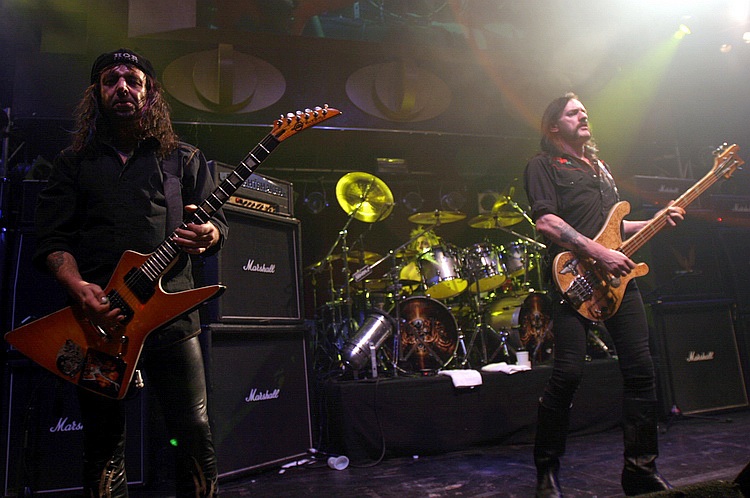
Motörhead stands as a bridge between punk, metal, and hard rock, yet their absence from the Hall persists even as their legacy only grows clearer. Lemmy Kilmister’s gravel-edged voice, relentless bass drive, and uncompromising attitude shaped decades of heavy music, influencing bands far beyond the metal sphere. Ace of Spades became an anthem for raw energy and rebellion, while their nonstop touring built a global audience that respected their authenticity. Their unwavering commitment to loud, fast, and fearless music reshaped rock’s possibilities, and their omission remains one of the most debated gaps in Hall recognition.