The ’90s mall was a climate-controlled town square where boredom could turn into a plan in five minutes. Teens drifted past glossy window displays, met under skylights, and used fountains and escalators as landmarks. Arcades pulsed in side corridors, trading a few quarters for a shot at status, while music stores and video shops fed the soundtrack. A Saturday felt bigger inside those doors: cinnamon on the air, movie posters in the lobby, and the steady hum of people with nowhere urgent to be. For many suburbs, it was supervised freedom with room to roam, a place to be seen, and a place to belong. Parents circled the lot at 9 p.m., but the evening still felt like ownership.
Food Courts Worked Like Community Plazas
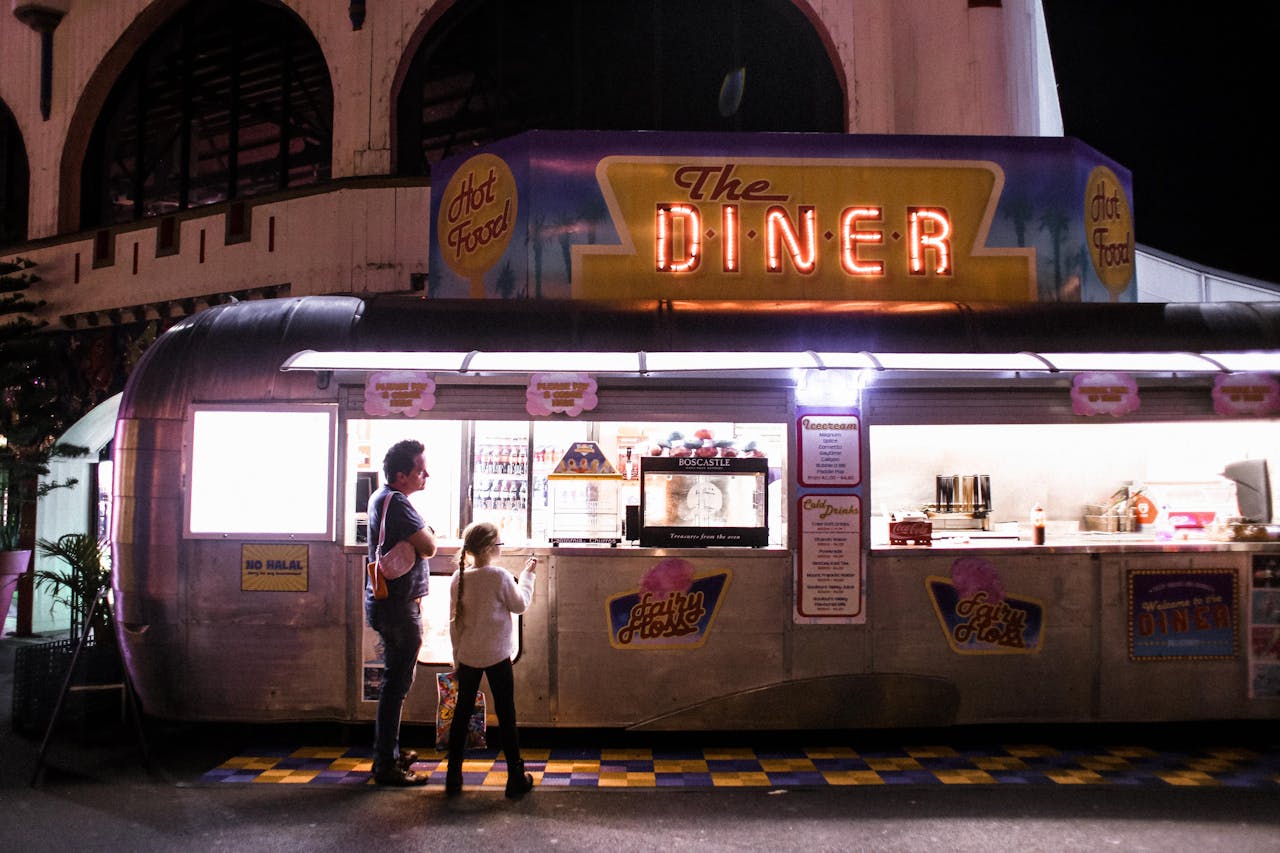
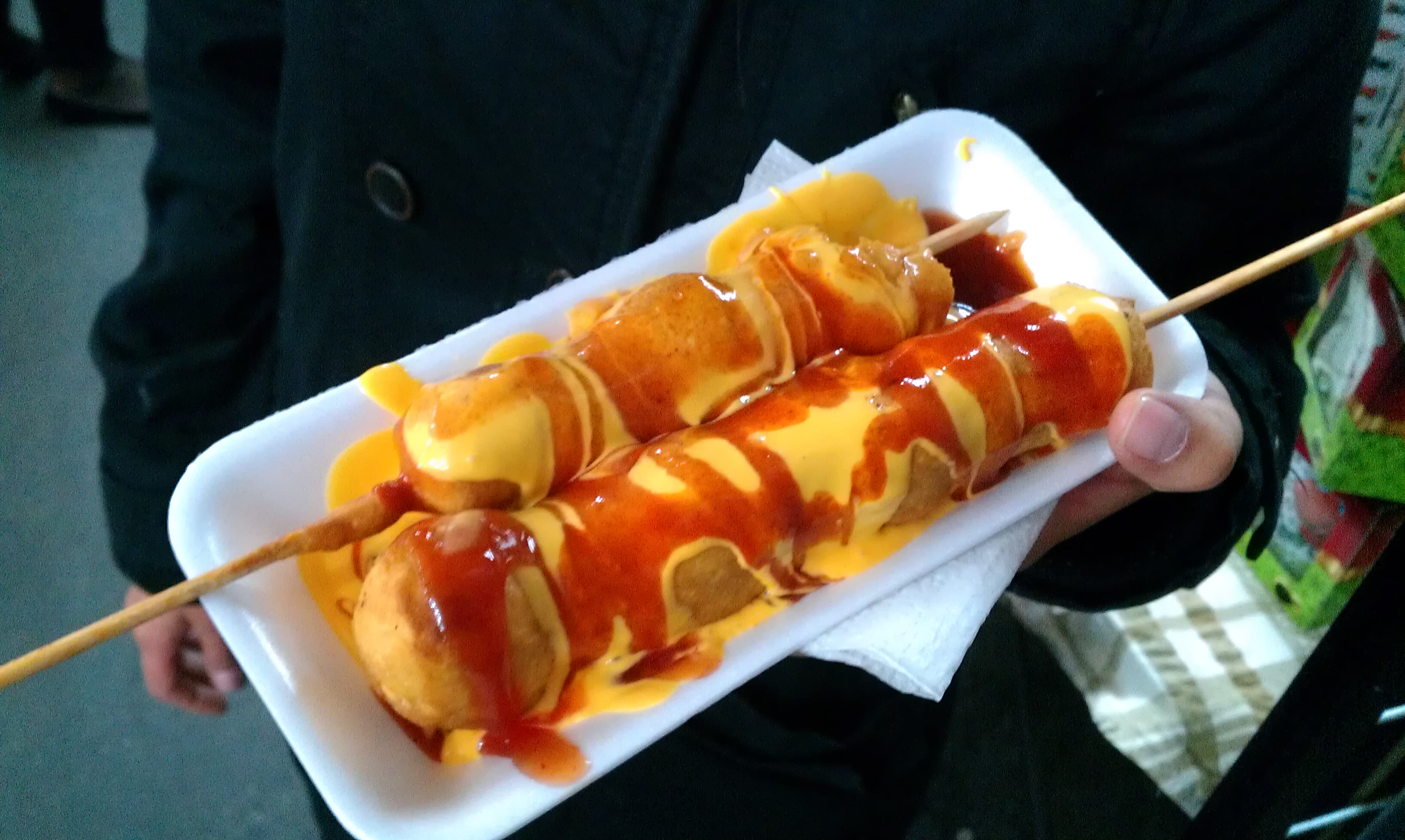
Food courts stitched the mall together like a public square, a grid of bright menus, plastic trays, and the steady hiss of the soda fountain. Friends could hold a table for hours with a shared order of fries, a slice of pizza, or a paper cup of frozen lemonade, watching the corridor like it was live TV and clocking who had new sneakers or a fresh haircut. Birthday balloons drifted past, toddlers chased coins near the fountain, and teens traded gossip, homework complaints, and weekend plans while strangers slid in to borrow napkins, so even a slow afternoon felt busy, warm, and safe. Winter storms outside became background noise.
Arcade Tokens Became Social Currency
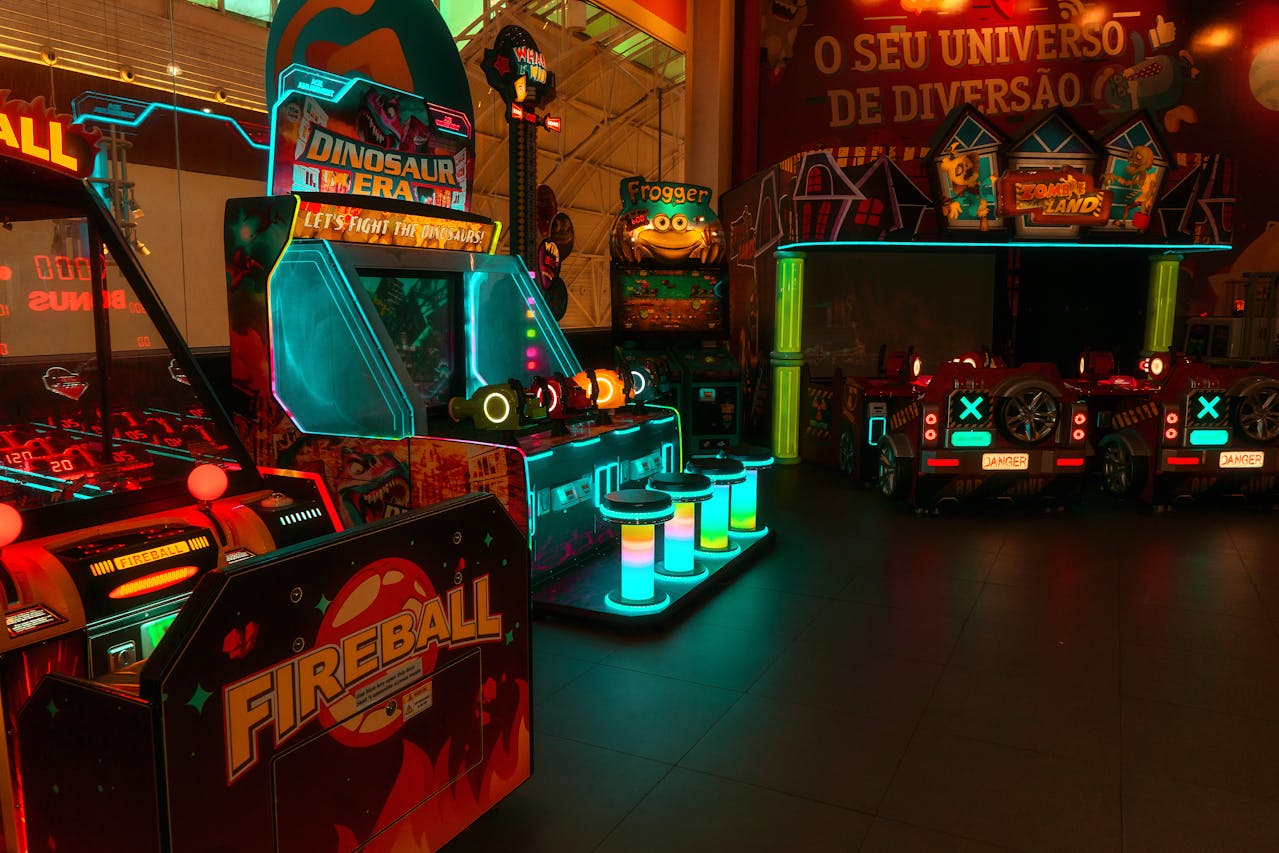
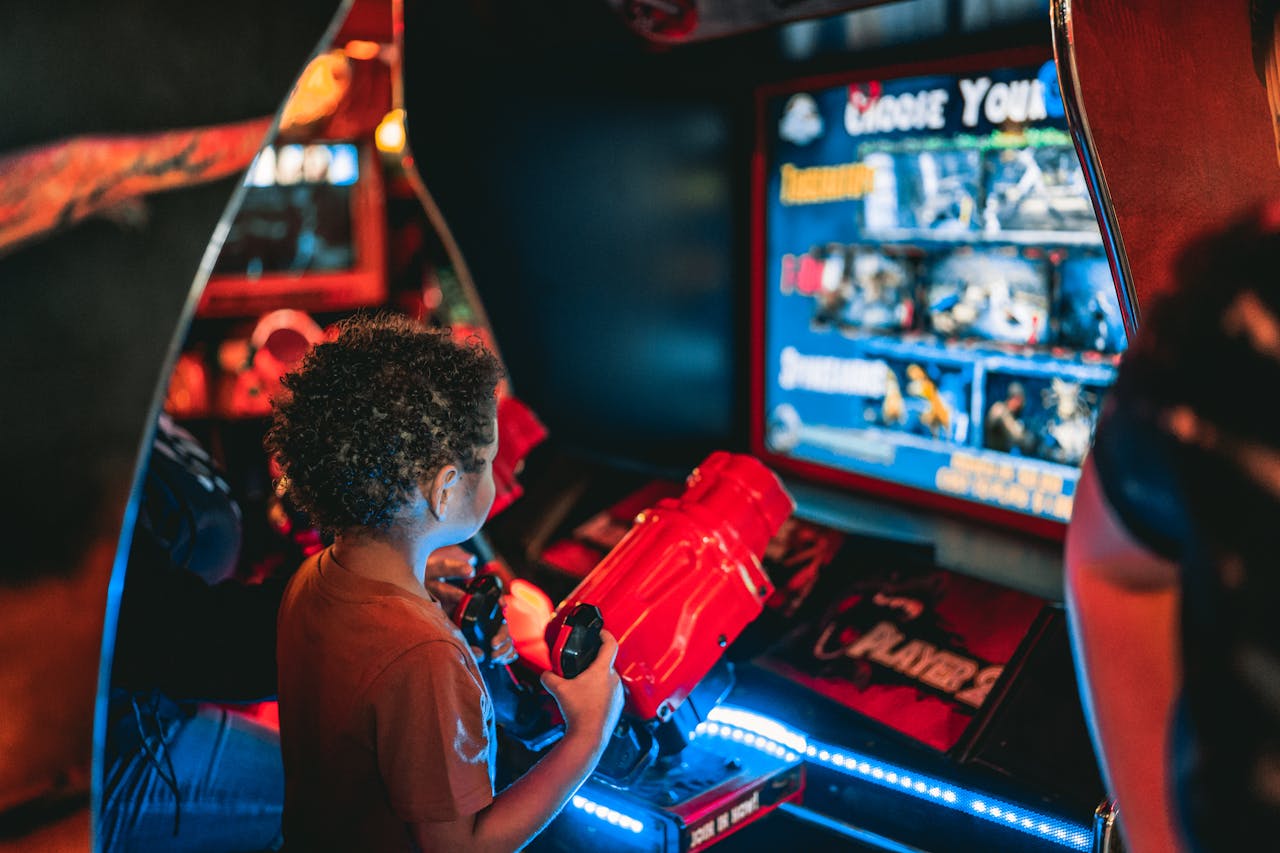
Arcades made status feel fair and immediate: tokens in a pocket, initials on the leaderboard, and a crowd forming after school and on slow summer nights when someone started a winning streak. Quarters lined the cabinet edge to call next, winners stayed on, and rivalries grew over fighters, racers, pinball, and rhythm games that thumped through the room while screens flashed in quick, electric loops. The change machine, the sticky carpet, and the prize counter glow turned persistence into a sport, so even a last-life loss could end in laughter, strategy tips from strangers, and a rematch promised for Saturday. before closing time.
Neon Lighting Made Ordinary Time Feel Cinematic
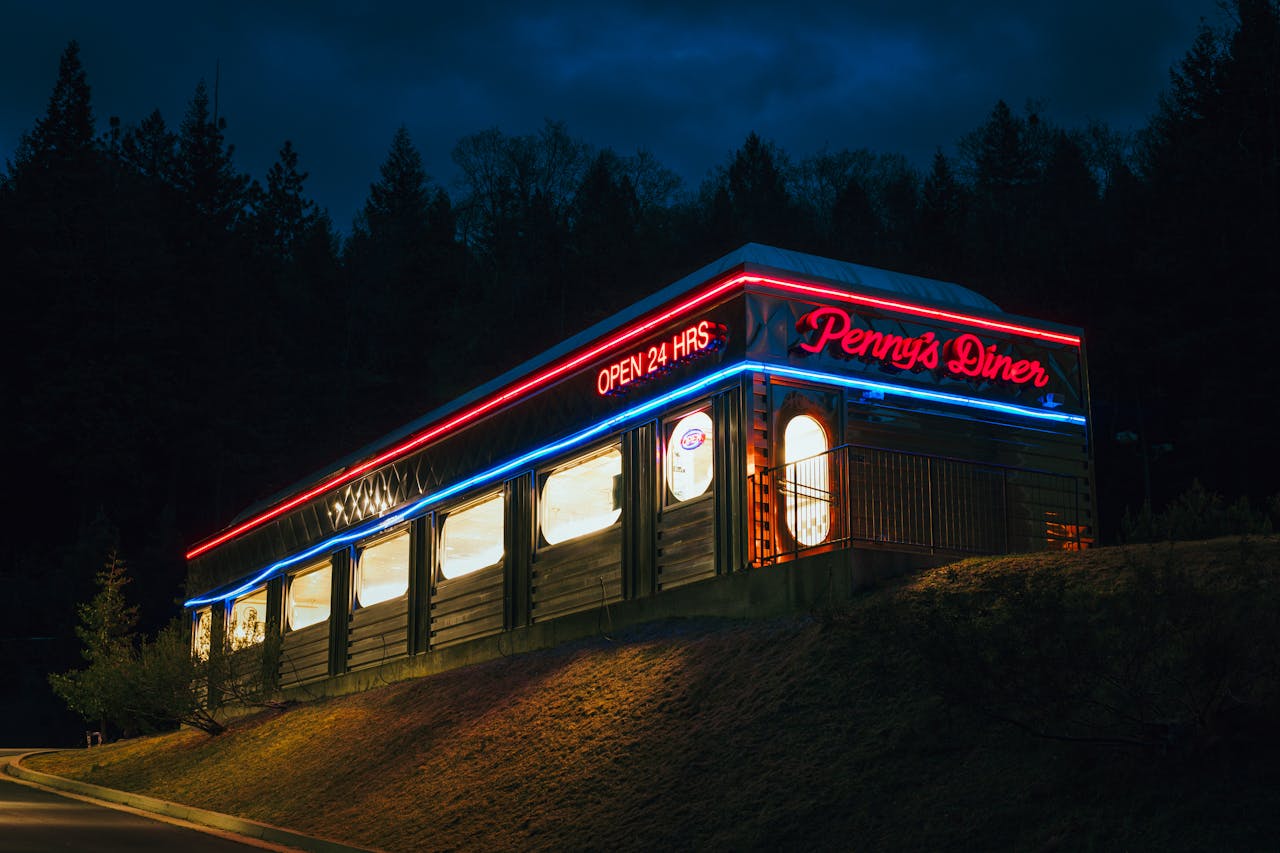
Neon signs, backlit directory maps, and the bluish CRT glow softened every corner, turning a slow lap past storefronts into something that felt cinematic. Reflections multiplied in glass, chrome railings, and polished tile, so even awkward pauses looked cooler, and every fountain toss or escalator ride had a built-in backdrop for first dates, friend drama, or simple people-watching. Outside could be July heat or a February sleet storm, but inside stayed bright and steady, and the mix of popcorn, perfume, and new fabric made the air feel curated, like the building ran its own climate and mood until the doors finally locked. at last.
Music Stores Played the Decade Out Loud
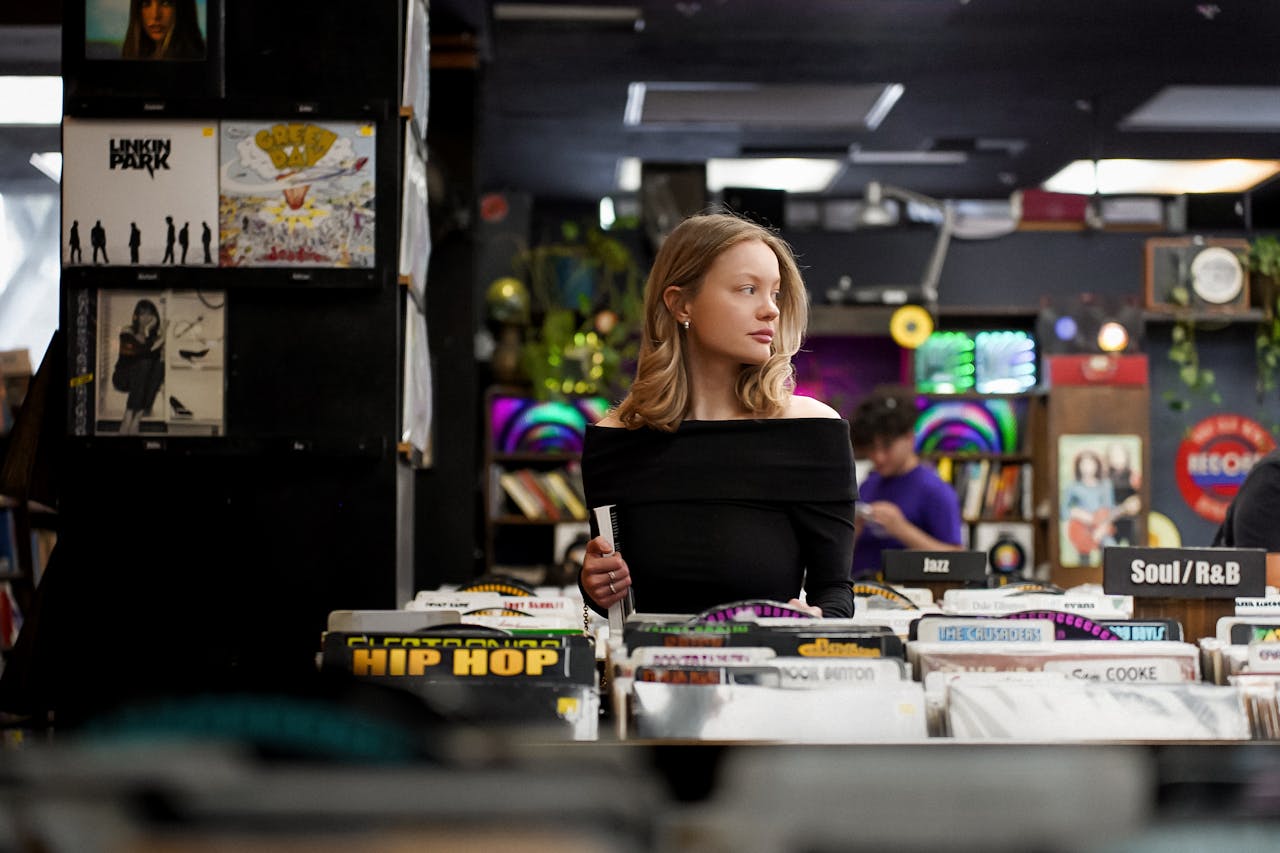
Music stores were cultural dispatch stations, blasting new releases while rows of CDs and cassettes offered a quick way to claim a mood. Friends debated bands at listening stations, flipped through racks by genre, and judged cover art like it was a personality test, then pooled cash for one album everyone promised to copy onto a blank tape. Posters for tours and movie soundtracks crowded the walls, staff recommendations carried real weight, and walking out with a bag felt like leaving with a new identity for the rest of the week, ready for bus rides, homework, and late-night calls until the next drop hit the shelves on Friday.
Multiplexes Anchored the Whole Night
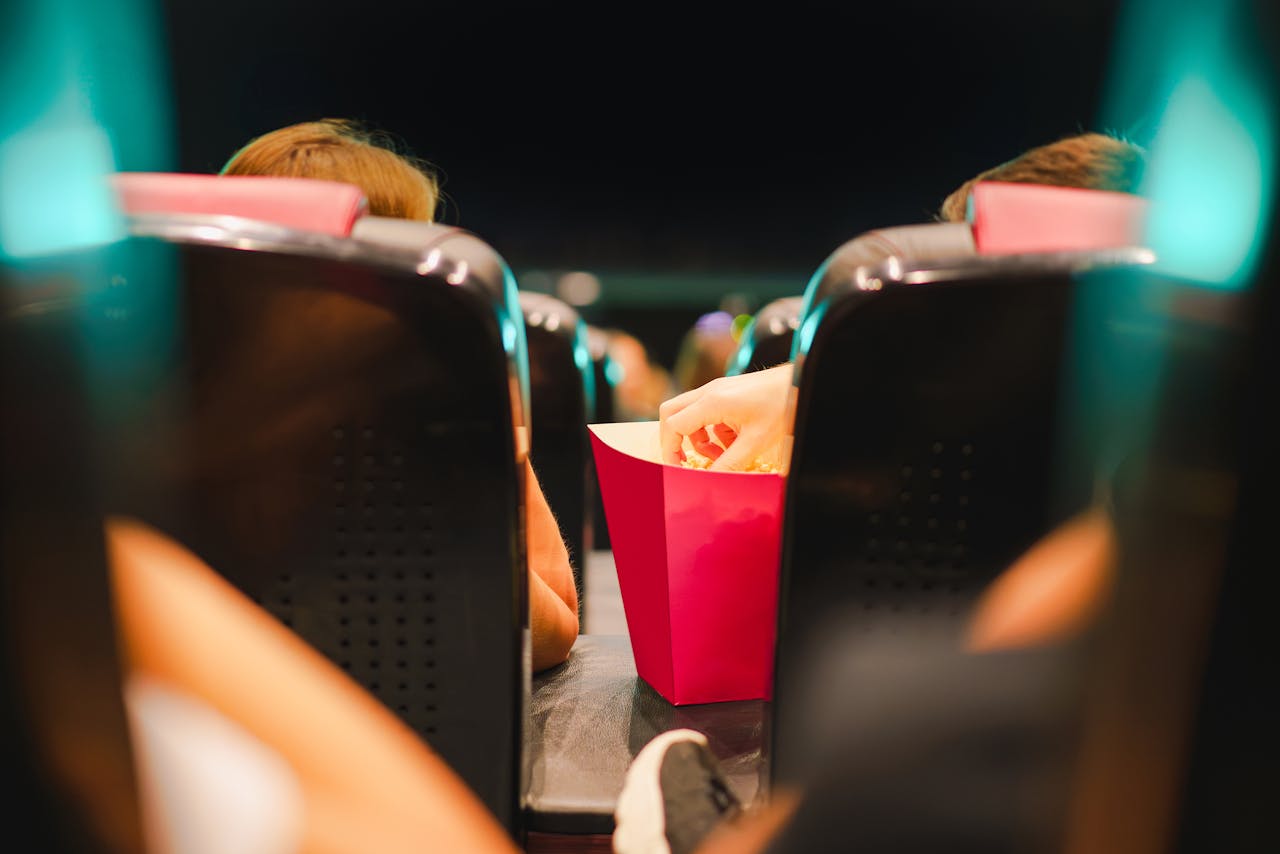
The multiplex turned a simple plan into a whole night, with showtimes on the marquee, glass poster cases glowing in the lobby, and the smell of butter hitting before the doors opened. Lines were social by default: friends compared trailers, strangers argued about sequels, and someone always volunteered to hold seats while others sprinted for snacks, laughing at the sticky floors and the too-cold air. After the credits, groups spilled back into the mall for a slow walk, replaying scenes near the fountain or the arcade, so even a mediocre movie still landed like an event, timed to closing announcements and pickup loop outside. later.
Photo Booths Turned Moments Into Proof
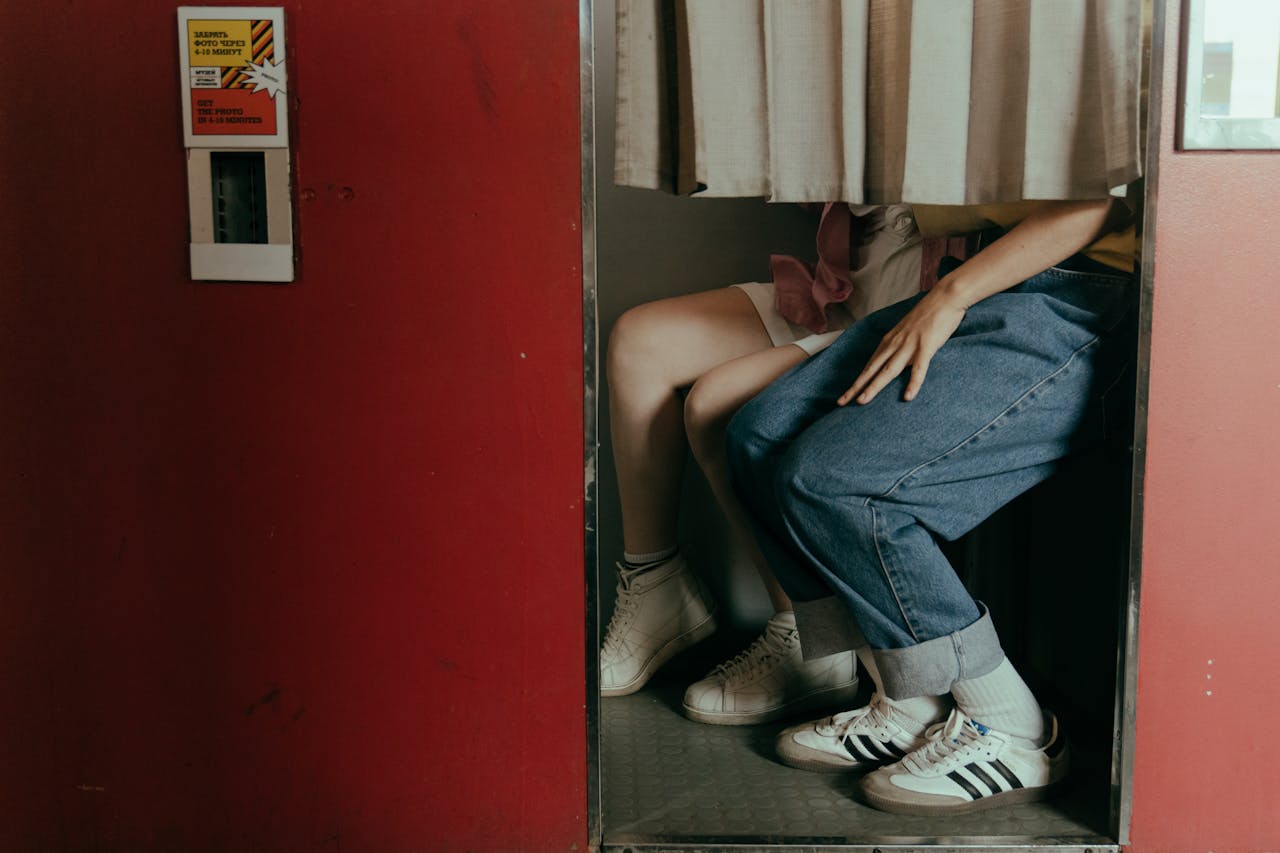
Photo booths offered privacy and instant proof, four frames of goofy faces that printed warm and glossy into a strip worth guarding. Friends crammed in shoulder to shoulder, tugged the curtain closed, fixed hair in the tiny mirror, and timed their expressions to the flash, turning nerves into jokes in a few seconds. Those strips ended up taped to bedroom mirrors, tucked into wallets, and traded like collectibles at school, so an ordinary Saturday gained a timestamp, a shared story, and a small artifact that survived locker cleanouts, moving bedrooms, and changing friend groups even when the mall faded from the routine later on.
Escalators Made Every Move a Parade
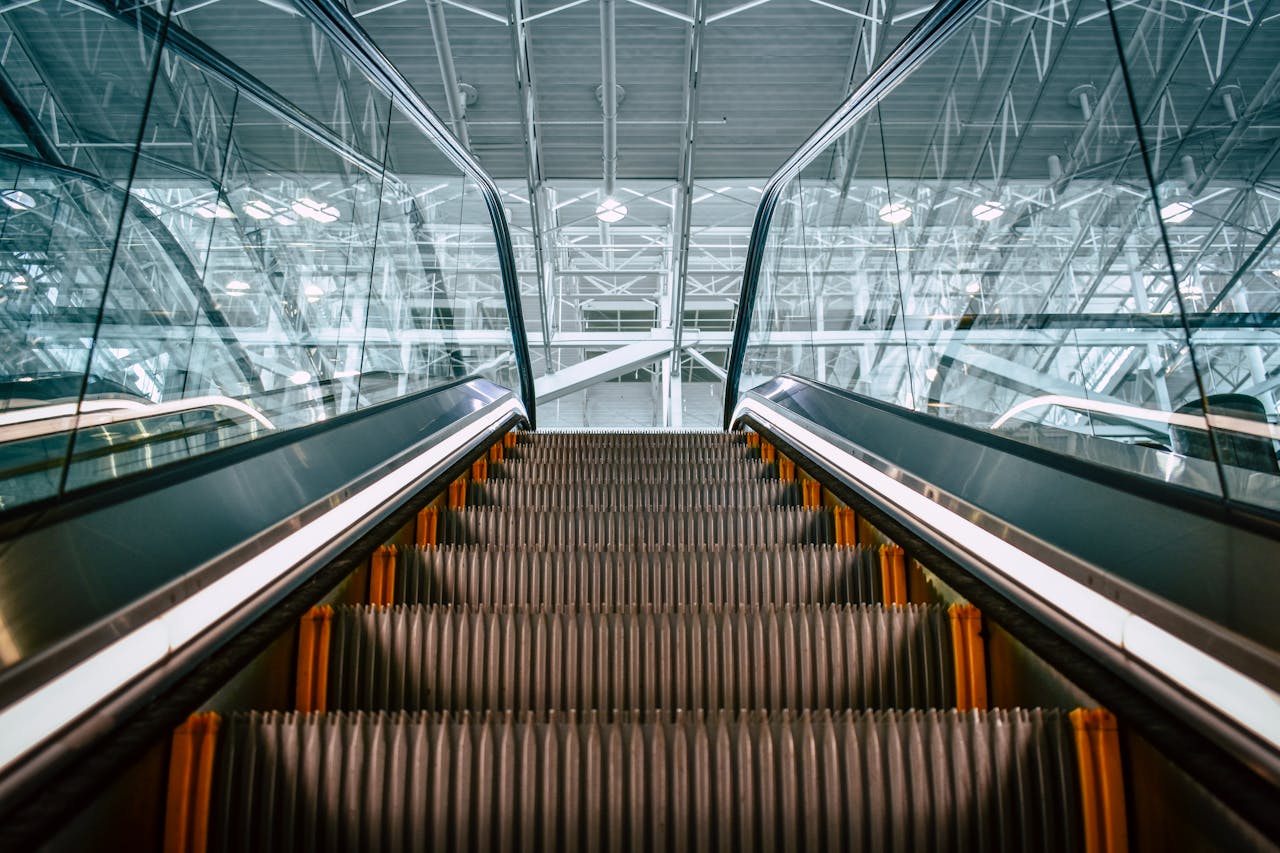
Escalators turned movement into a slow parade through the atrium, giving everyone a clean view of the crowd, the fountain, and the arcade lights below. One ride up could spark a wave across the railing, a quick scan for familiar faces, and a plan change mid-step when someone spotted a new display, a crush near the food court, or a friend hauling shopping bags like trophies. Handrails hummed under palms, shoes clicked on metal steps, and the rise bought a few extra seconds to rehearse hellos and goodbyes, so the mall felt bigger than its footprint, with social life stacked on levels in plain sight until it was time to step off.
Late Hours Created Safe Independence

Late hours gave teens a pocket of freedom that still felt protected by bright lights, steady foot traffic, and the quiet presence of security. Parents could drop off a group and trust the predictable geography of bathrooms, food, and fixed meeting points, and the mall’s rules were clear enough that everyone knew what not to do. Inside that boundary, kids practiced independence in small steps: budgeting for snacks, navigating boredom, deciding who to follow, and learning how to handle small conflicts in public, all while the air stayed cool, the doors kept sliding open, and the pickup time hovered at 9 p.m. on the dot most nights.
Shared Rituals Made Weekends Feel Bigger
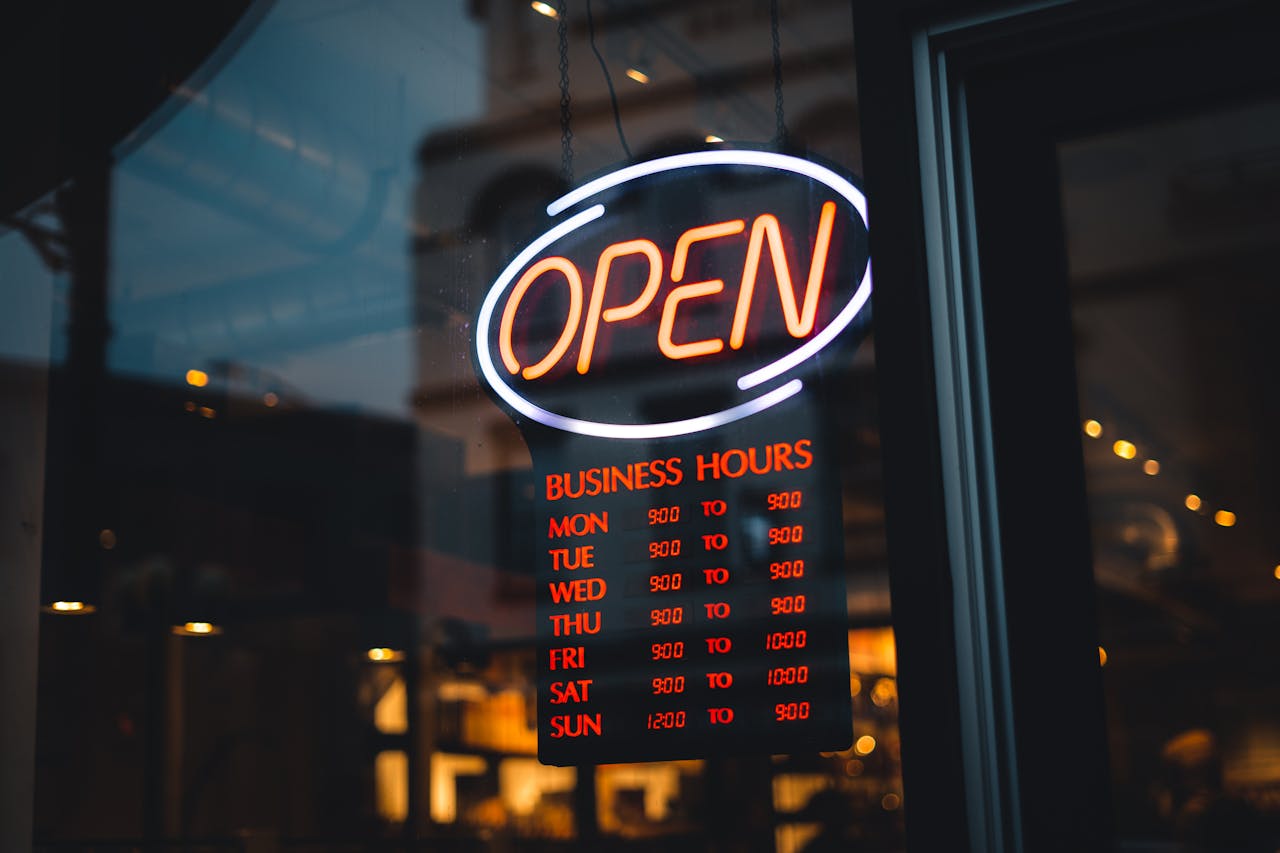
Weekends ran on rituals: a lap past the same windows, a snack stop, and one last arcade round before the closing announcements started to echo. Familiar employees nodded like unofficial hosts, and seasonal decorations marked time from back-to-school banners to holiday garlands, Santa setups, and summer sale signs that shouted in red. Repetition was the point; it turned random hangouts into traditions that stacked across the school year, with inside jokes tied to specific benches, specific songs overhead, the exact spot where friends regrouped, and the comfort of knowing the same loop would be waiting next Friday after school ended.
Stores Let Teens Try On Identity
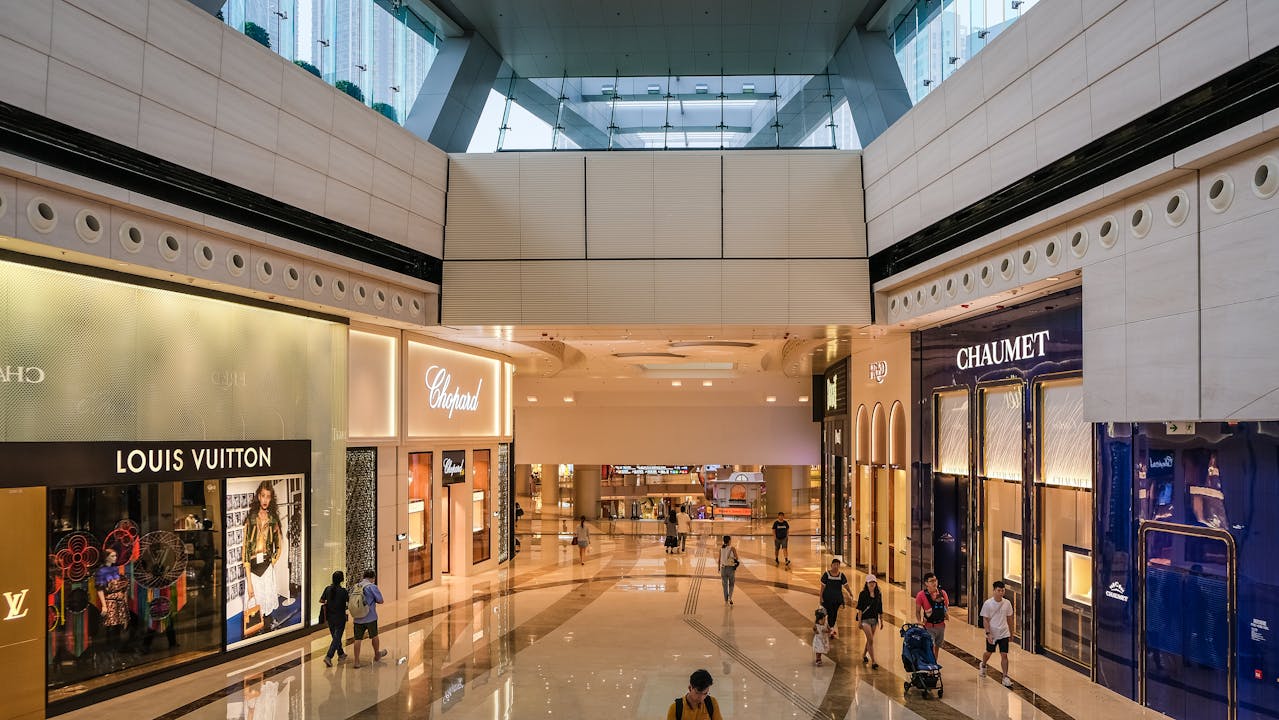
Clothing chains and novelty shops made experimenting feel low-stakes, with mirrors everywhere, bright fitting-room lights, and friends acting as a loud, honest focus group. Someone tried on sunglasses, tested a perfume, or held up a graphic tee just to spark a reaction, then circled back for a second look when the crowd thinned and confidence returned. Even window-shopping shaped taste, because trends were visible and touchable, and choices got debated in real time, from whether a jacket looked too grown-up to which bag felt cool enough for Monday, all while budgets stayed small and the pressure to buy stayed optional for once.
Meeting Spots Required Real Commitment
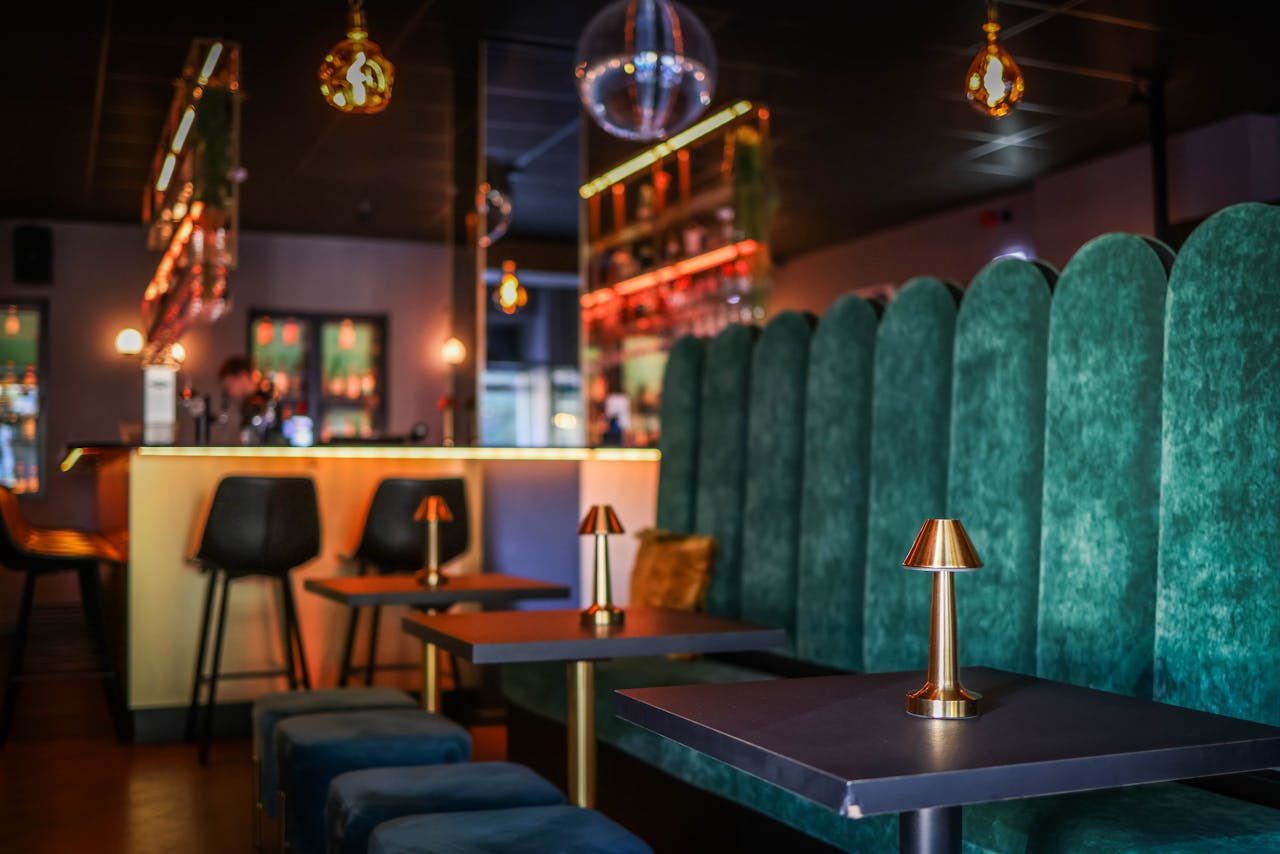
Without constant texting, plans depended on exact times and landmarks: the fountain, the arcade entrance, the bookstore’s front table, or the bench by the directory map near the pay phones. Waiting meant scanning faces, feeding a few coins into a phone to call home, and accepting that being late had consequences in real time, not in a string of unread messages. That friction made hangouts feel earned, and it taught reliability in a sneaky way, because the people who showed up became the people trusted with secrets, spare change, rides home, and the next plan scribbled on a receipt before everyone scattered to catch a ride home.
High Scores Rewarded Persistence
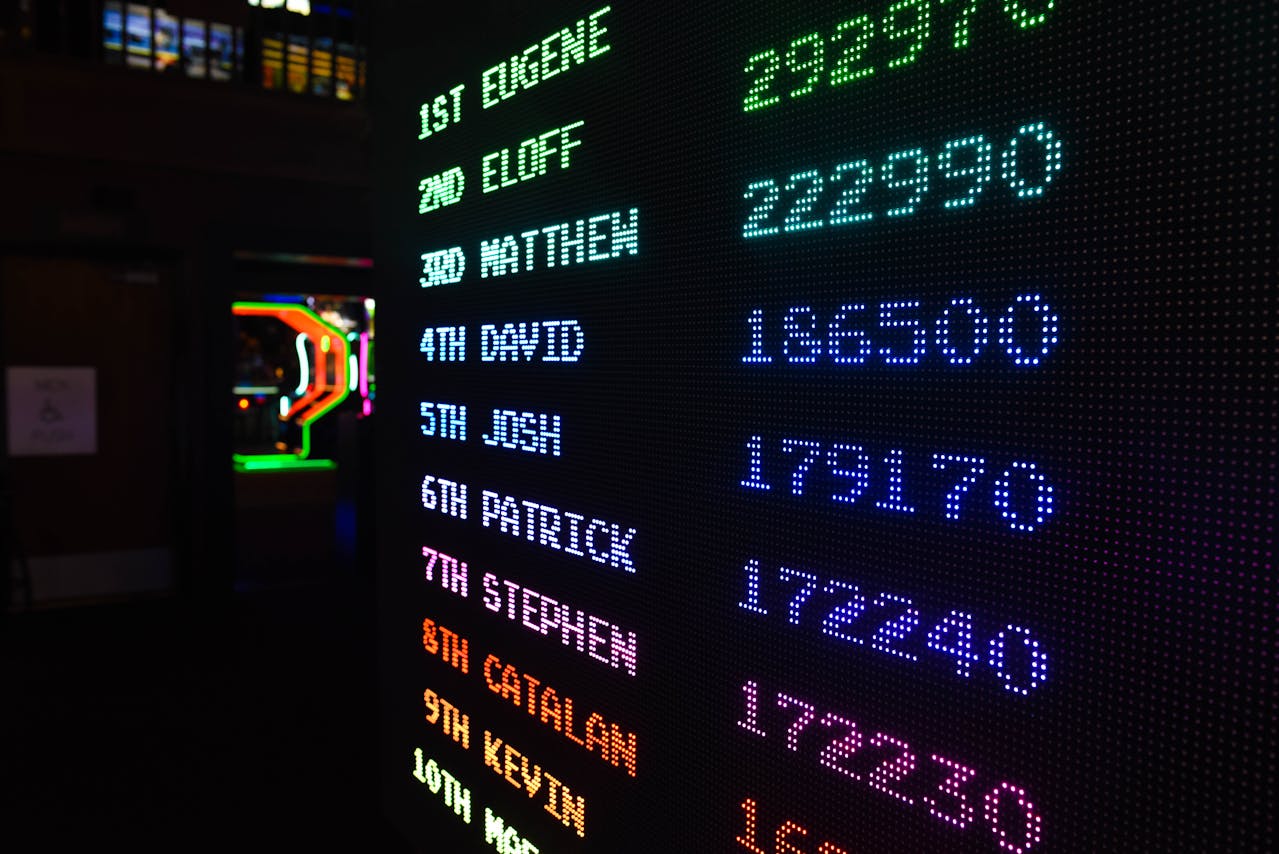
High scores and ticket prizes offered a simple ladder anyone could climb, no matter the outfit, the clique, or the size of a wallet, and the rules were visible for everyone to see. Practice mattered, whether it meant mastering a combo, timing a racing line, nudging a pinball save, or learning the claw machine’s stubborn rhythm by watching other hands fail first. The rewards were cheap, but they felt personal, and a cheering onlooker could make a stranger’s win feel communal, especially when ticket strings piled up, stuffed animals hung behind glass, and the next player stepped up with quiet determination to chase one more game.