
Travel can feel fluent until a familiar-looking word lands wrong in seconds, and a simple errand turns into a small social puzzle.
Menus, street signs, and quick greetings hide false friends that sound safe but mean something else. Add jet lag, background noise, and autocorrect, and even confident speakers can drift into a phrase that makes a cashier pause.
Most mistakes pass quickly, yet a few sound too intimate, too formal, or oddly blunt. A calm pause, a quick correction, and respect for local cues usually brings the conversation back to normal, often with a smile that says the effort mattered, too, in the first place.
Embarazada Is Not Embarrassed in Spanish

Embarazada means pregnant in Spanish, not embarrassed, and the mistake spreads because it looks like an easy confession after a clumsy moment.
It often pops out at check-in, at a clinic reception, or while ordering in a crowded bar, and the listener may switch from casual politeness to careful concern in an instant. Nearby people may glance over, trying to understand what just changed.
Spanish has safer choices: estoy avergonzado or tengo vergüenza. A quick perdón, then the actual request, keeps the exchange moving. If extra clarity is needed, no, solo vergüenza usually settles it on the spot without making a show of it.
French Préservatif Can Land Very Wrong

In France, préservatif usually refers to a condom, so using it to ask about preservatives can swing a grocery question into awkward territory.
It tends to happen while scanning jam, bread, or sauces for additives, and the clerk may pause with a look that is polite but cautious. In a small shop, that pause can feel louder than the words, especially near the register.
Using conservateurs or additifs keeps the meaning clear. Pointing at the label and saying sans conservateurs works too. When speech feels shaky, writing the word on a phone or reading the ingredient line aloud can rescue the moment and keep things relaxed for everyone.
In German, Gift Does Not Mean a Present

In German, Gift signals a toxic substance, not a present, and it appears on labels where guessing is the one habit that can backfire.
English speakers sometimes smile at the familiar spelling in a pharmacy or garden shop, then notice the clerk’s tone sharpen as they clarify what it means. The humor fades when the word sits next to warning icons, dosage notes, or a child-safety cap.
Geschenk is the word for a present. Treating Gift and Gefahr as safety signals encourages slower choices around cleaners, pesticides, and medicines. A quick translation app check is worth it when a label looks deceptively friendly at first glance.
Portuguese Excitado Can Sound Too Intimate

In Brazilian Portuguese, excitado often carries an intimate meaning, so using it to say excited about a concert, a match, or Carnival can misfire.
The slip is common because it resembles English and comes out during quick small talk with a driver or bartender. A grin, a teasing reply, or a polite pause can signal the meaning shifted, even though the speaker only meant enthusiasm.
Animado or empolgado fits happy anticipation. Adding the reason, like empolgado com o show, keeps the message grounded. If the wrong word already escaped, a simple correction and moving on is usually enough, and the conversation returns to normal quickly.
Pants vs. Trousers in the UK Can Surprise
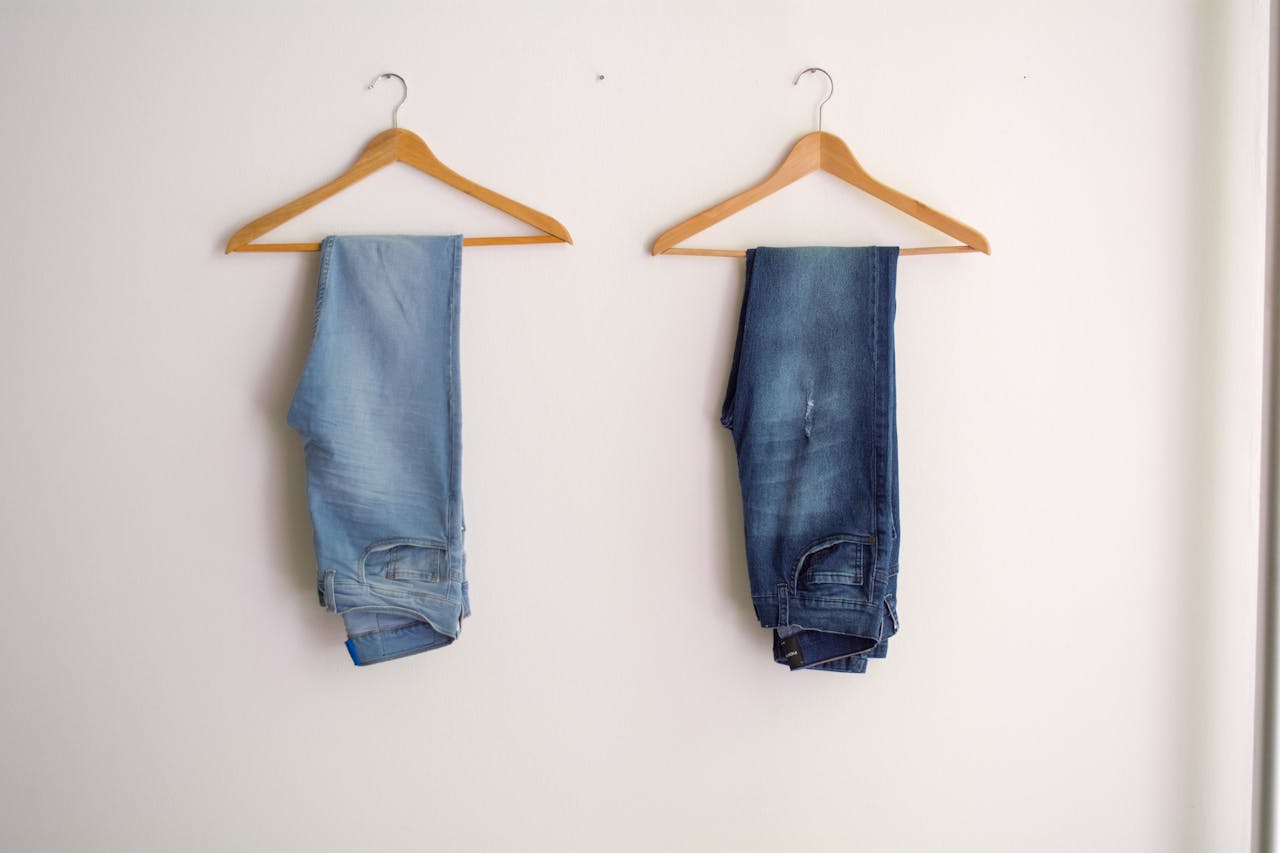
In the UK and Ireland, pants usually means underwear, so an American asking for pants can trigger a brief, awkward translation moment.
It can happen in a small boutique, at a school office, or in a host family’s kitchen, where everyone stays polite while the word lands more personal than intended. The discomfort comes from surprise, not judgment, and it fades if nobody over-explains.
Trousers is the safer word for outerwear, and jeans is an easy backup. In stores, asking for trousers in a specific size keeps the clerk focused on fit and fabric. A quick sorry and a calm restatement usually restores the normal rhythm right away.
Italian Caldo and Freddo Get Swapped

Italian learners often swap caldo and freddo when speaking fast, and that tiny flip can change a request into its opposite.
Saying ho caldo while shivering at a bus stop sounds like a complaint about heat, so a helpful local may suggest opening a window or removing a scarf. On a night train or in a chilly rental, the speaker may only want warmth, a blanket, or the heater adjusted.
Ho freddo is the phrase for feeling cold, and fa freddo qui describes the room. Adding per favore plus a noun like una coperta or il riscaldamento points straight to the fix. Once the intent is clear, most people respond quickly, often with a smile.
Mandarin Tones Change Meaning Fast

In Mandarin, tone is part of the word, so a familiar syllable can become a different word when pitch rises, falls, or stays flat.
Learners often flatten tones when tired or rushed, and a tea order or direction question can drift into confusion in a loud market or station. The listener may reply with a gentle correction, repeated slowly, while the speaker tries to match the rhythm.
Slowing down helps more than speaking louder. Pointing to the item, showing characters on a phone, or confirming with context turns the exchange practical again. Most locals recognize the effort, and the interaction returns to friendly efficiency.
Japanese Thanks Levels Can Clash

In Japan, gratitude has registers, and a casual arigato can sound slightly out of tune in formal settings, even when intent is warm.
At a ryokan, a department store, or a quiet hotel desk, staff often uses arigato gozaimasu, so a shorter reply can feel abrupt. The mismatch is subtle, but it can create a tiny pause that makes the speaker suddenly aware of the room’s formality.
Echoing the longer form, adding a small nod, and keeping the voice low signals respect without forcing perfect fluency. When attention is needed, sumimasen works as a gentle opener. Matching the setting matters more than flawless pronunciation in that moment.
Russian Magazin Is a Store, Not a Magazine
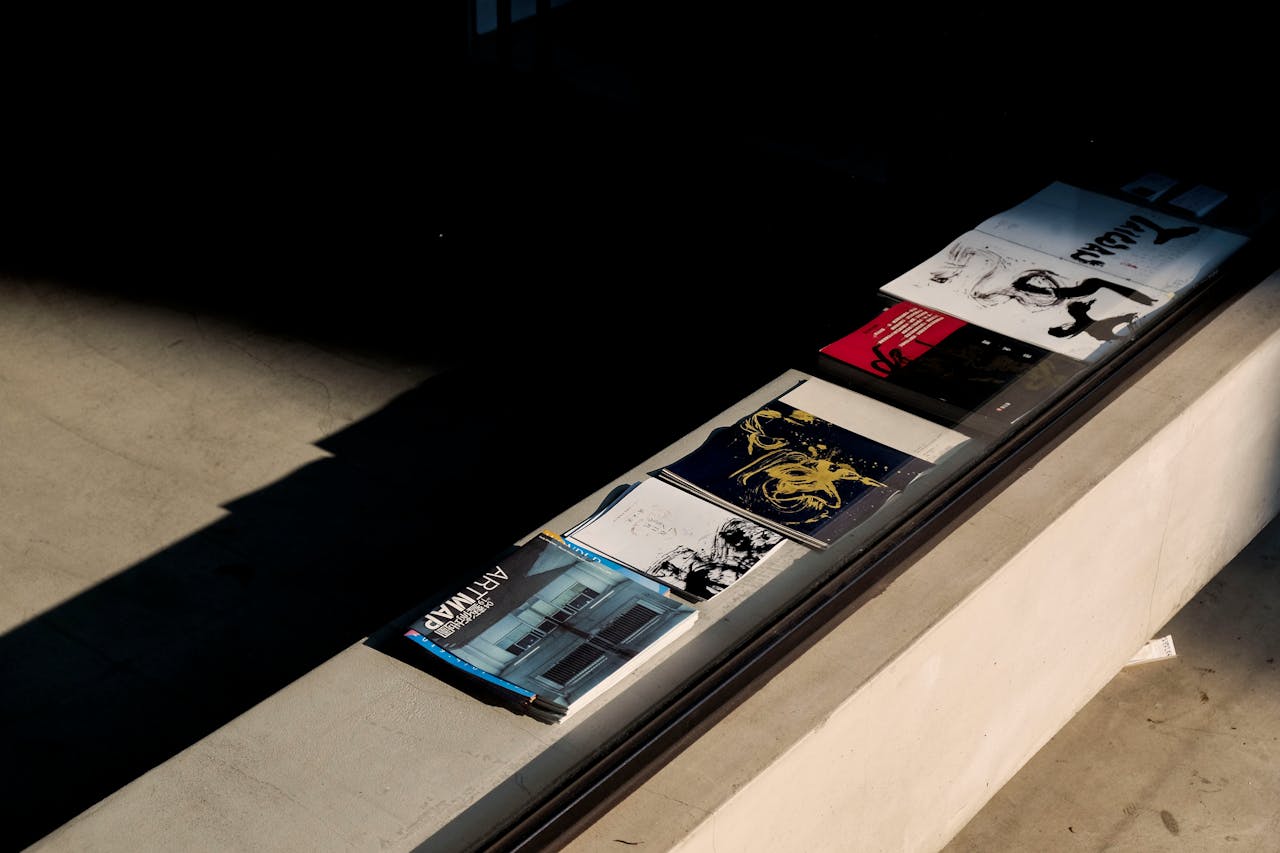
In Russian, magazin means store, not a magazine, and the similarity can send visitors walking confidently into the wrong doorway.
It often happens near metro stations, where a traveler expects glossy covers and crossword booklets but finds groceries, cosmetics, or household goods. The cashier may watch with curiosity as the person scans shelves for reading material that will never appear.
Zhurnal is the word for a magazine. Asking at a kiosk, bookstore, or newsstand saves time, and pointing to the kind of cover needed helps when pronunciation slips. Once the words separate in memory, the mistake rarely repeats on the same trip.
Scandinavian Fart Signs Are About Speed

In Swedish and Norwegian, fart means speed, so road signs can look like a prank to English speakers for a split second.
The laugh is understandable, yet on a quiet bus or at a roadside stop it can embarrass companions, since locals are reading a normal safety message. Words like fartgräns and fartkamera appear in plain sight, and nobody nearby is thinking about English.
Treating it like any other traffic term keeps the moment respectful. If the trivia feels irresistible, sharing it later over coffee works better than turning it into a public joke. A small shift in timing can keep the humor from landing on strangers by accident.
Dutch Eventueel Does Not Mean Eventual

In Dutch, eventueel often means possibly or if needed, not eventual, and that small difference can scramble a schedule. It appears in emails, too.
A host may say a late checkout, bike rental, or extra bed is eventueel available, and an English speaker can hear it as a sure thing for the next morning. Then comes confusion when the plan never materializes, even though no one meant to mislead.
Listening for zeker or afgesproken helps separate a firm commitment from an option. Repeating the arrangement back with a time, or asking for a clear yes or no, turns polite uncertainty into a plan that holds. It also saves face on both sides.
Inshallah Can Signal Hope, Not a Guarantee

In many Arabic-speaking settings, inshallah means God willing, and it can signal hope rather than a promise.
A visitor may hear it as a confirmed pickup time or delivery plan, even when the speaker is leaving room for traffic, family duties, or shifting conditions. The phrase can sound reassuring, so the misunderstanding often appears later, when timing slips and nobody feels sure how to ask.
A gentle follow-up keeps warmth intact. Asking for a time window, the next step, or a message in writing turns goodwill into clarity. It respects the phrase while making space for practical details that keep a trip running smoothly.
Language mistakes abroad are rarely about intelligence. They are usually about speed, fatigue, and the false comfort of a familiar-looking word.