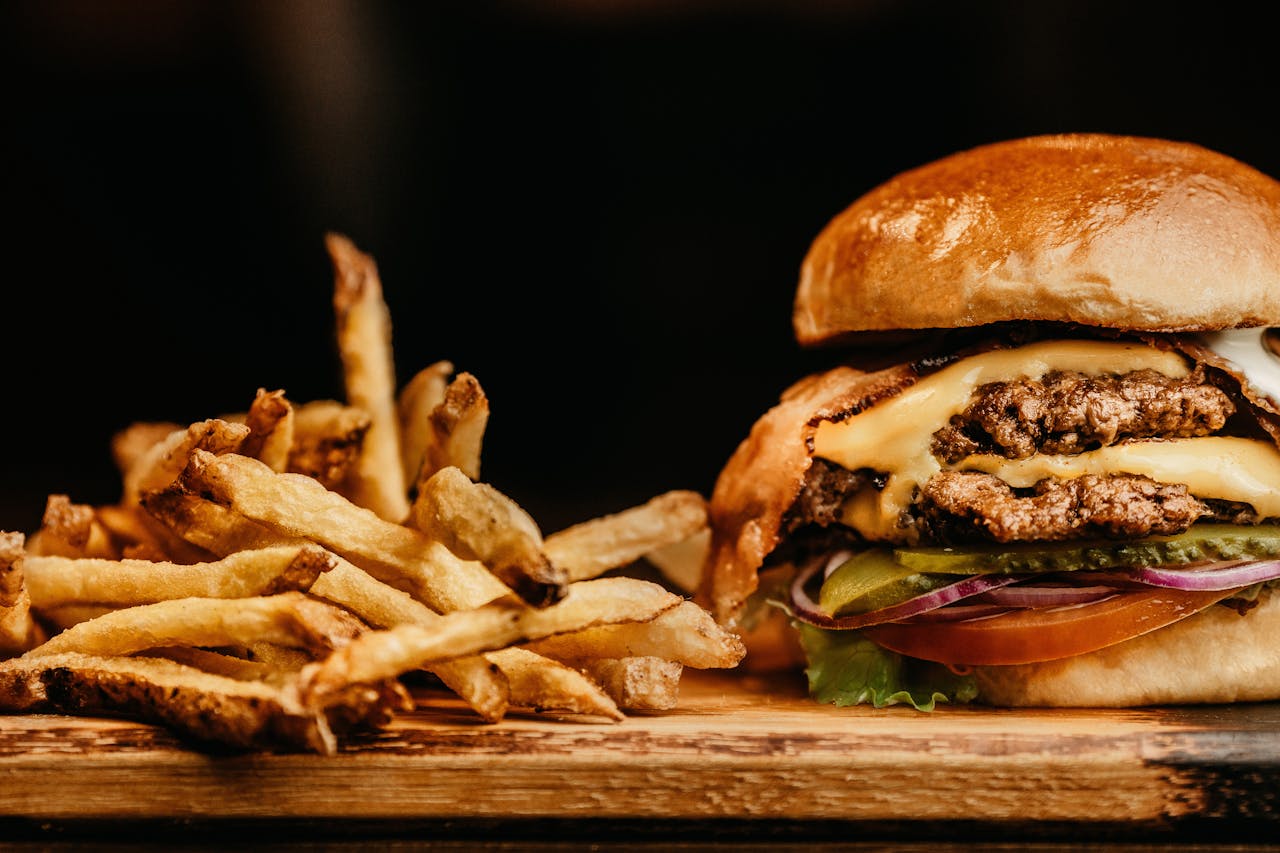
Some foods have a short window where they feel alive. Steam lifts, crust crackles, sauces cling, and the first bite matches the promise in the aroma. Then time steps in: starch firms, fried coatings soften, herbs fade, and yesterday’s brightness turns muted. Leftovers can be comforting, but some dishes rely on contrast, hot against cool, crisp against tender, creamy against sharp. When that balance slips, nothing turns unsafe, just flatter. Takeout boxes and plastic tubs trap moisture and dull fragrance. A reheated plate can satisfy hunger, yet it rarely delivers the thrill of the first serving, when heat and timing do half the work.
French Fries
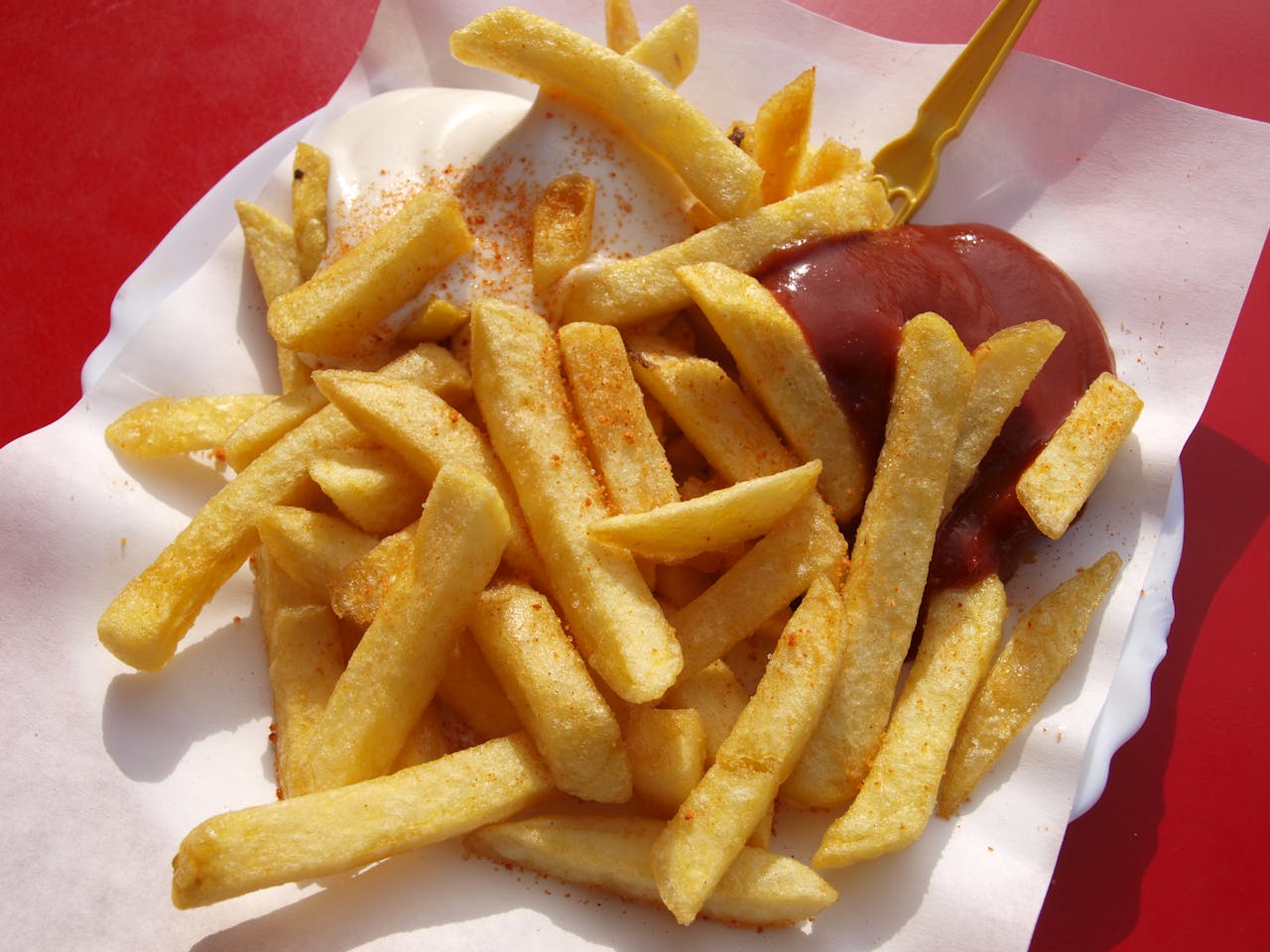
French fries are built for a short stretch of perfection: a brittle shell, a fluffy center, and salt that sticks while the surface is still hot. After cooling, steam turns into trapped moisture, the crunch collapses, and the potato firms as starches set, especially in a closed container or the fridge, so the bite shifts from light to waxy and faintly stale. A hot oven or air fryer can revive some snap, but the middle often turns dry before the outside recovers, and ketchup, mayo, or gravy soak in fast, pulling everything toward soggy and leaving a portion that tastes fine yet feels oddly tired, even when the salt is refreshed.
Pizza Slices

Fresh pizza works because everything is in sync: a blistered crust, cheese that still stretches, and toppings that taste sharper while heat lifts their aromas. In a closed box or fridge container, steam softens the base, the underside loses its snap, the cheese sets into a rubbery layer, and the sauce can tilt sweeter as it cools, while herbs and chili fade and any fresh greens wilt. A reheat helps, yet it often creates a split personality, crisp at the rim but tough in the center, with separated oil that dulls basil, pepperoni spice, and garlic, so the bite feels like warmed parts rather than one coherent slice.
Fried Chicken
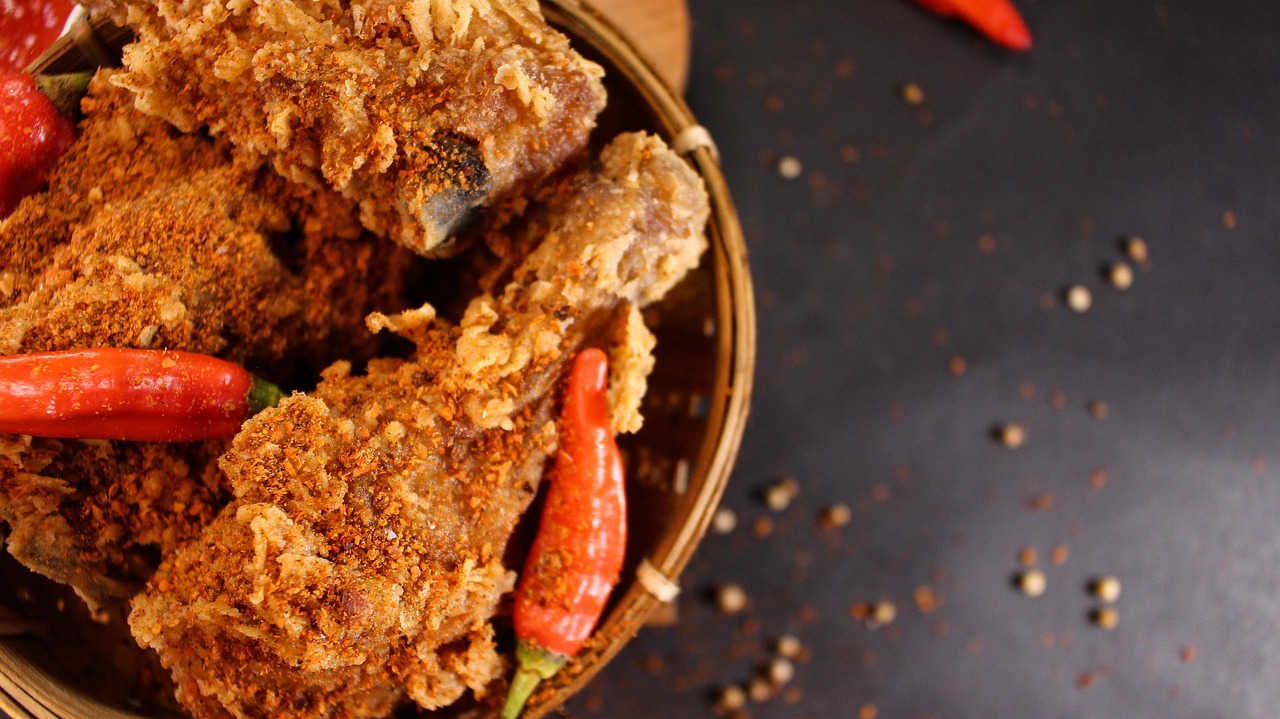
Great fried chicken is a clean contrast: crackly crust outside, juicy meat inside, and spices that bloom in hot fat the second the box is opened. Once it cools, the coating drinks the meat’s steam, turns soft, and starts tasting heavier, especially when pieces sit under foil, in a closed clamshell, or with hot honey, buffalo sauce, or pickles leaking moisture onto the crust. Dry heat can bring back some crunch, but breast meat tends to dry out before the crust truly snaps again, and the skin tightens into chewiness; dark meat holds on longer, yet the peak is still that first hot, shattery bite with the spice still loud.
Tempura
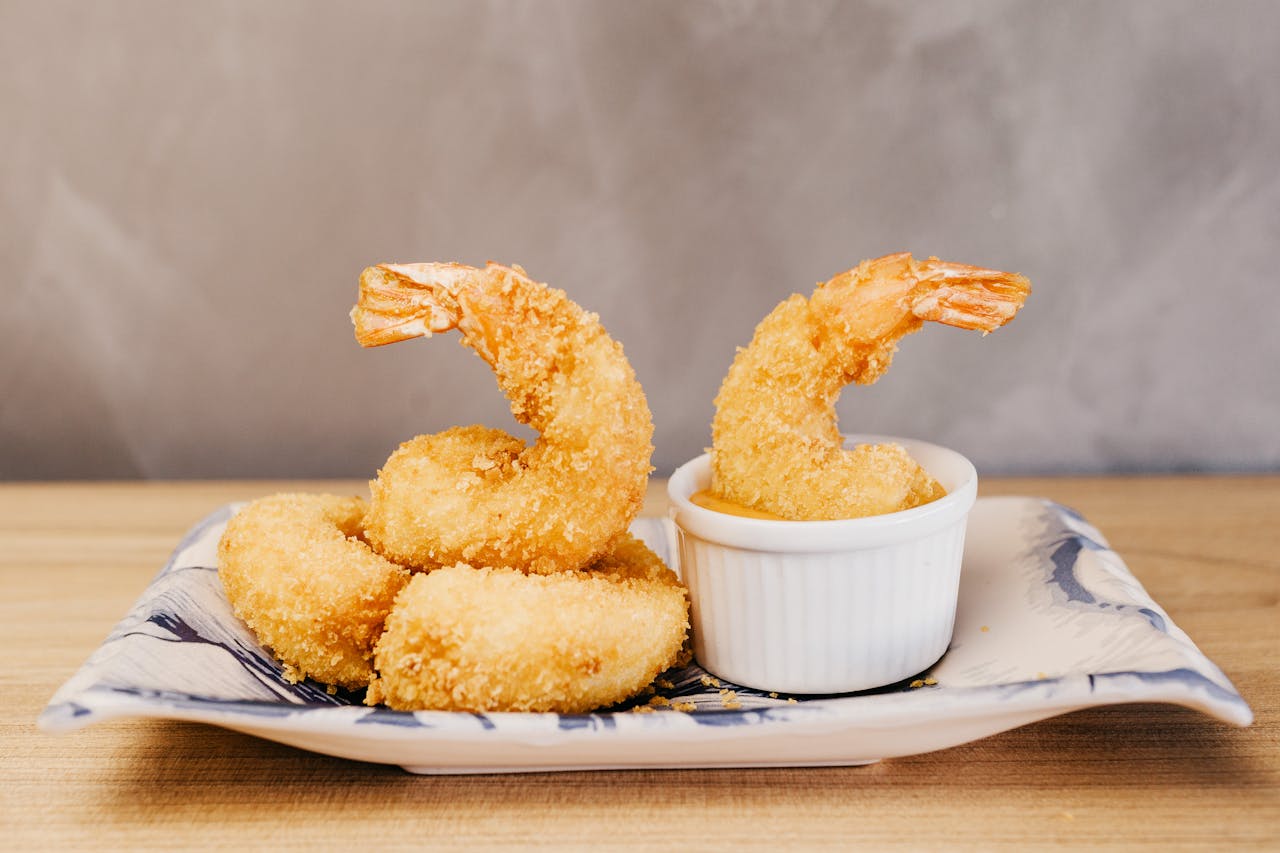
Tempura shines because the batter is light and airy, mixed cold, fried fast, and served as soon as it leaves the oil, before humidity has a chance to move in. That is why tempura counters send pieces one by one onto paper, while home batches go downhill the moment they stack: sweet potato sweats, shiso wilts, shrimp loses its delicate spring, and the crisp shell turns slack and slightly oily, more coating than crunch. Dipping sauce that once glazed the surface starts soaking through, and even a careful reheat rarely brings back that featherlight crackle, so the same ingredients taste fine but feel like a different dish.
Sushi And Sashimi
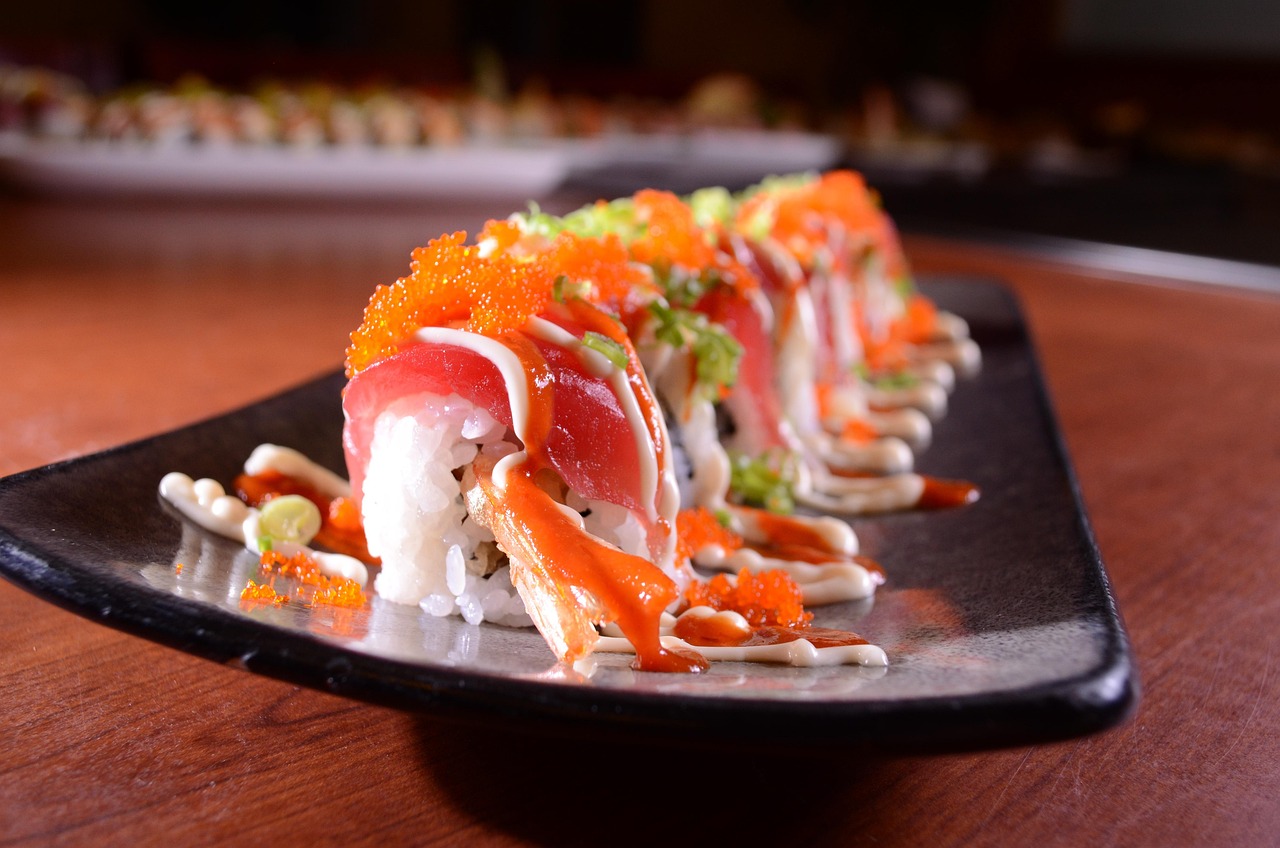
Sushi depends on timing. Rice is seasoned to taste bright at room temperature, and fish stays glossy when it is cut cleanly and kept properly chilled. After a night in the fridge, the rice hardens and turns chalky as starch sets, the vinegar note goes muted, nori loses its snap from condensation, and flavors flatten as soy and moisture seep in, while ginger dries and wasabi heat softens. Sashimi holds up a bit better, but oxidation dulls surface sweetness and turns the texture slightly tacky, and rolls with avocado, cucumber, or tempura bits slide into a cold, soft sameness that feels more like packing than craft.
Ramen And Noodle Soups
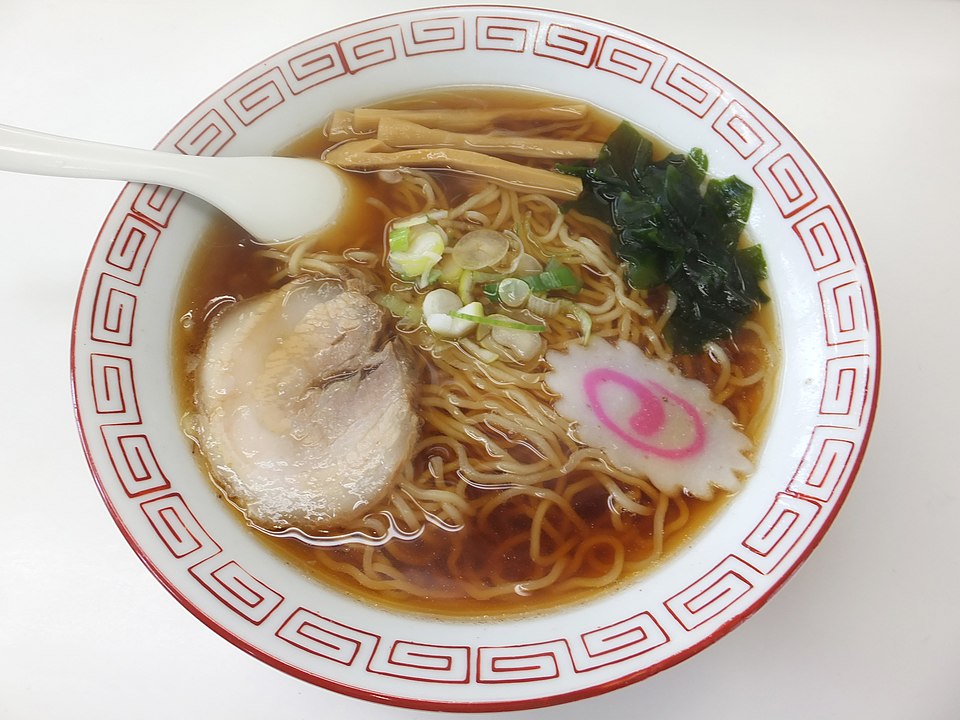
Noodle soups are designed for the moment the broth hits the bowl, when steam carries garlic, ginger, and spice into the air and the noodles still bounce. Given time, noodles keep drinking liquid, swelling and turning soft, so the texture shifts from lively to limp, even if the broth started clear and careful. Toppings blur too: herbs wilt, bean sprouts sag, mushrooms turn spongy, fats congeal into pale coins, and lime, chili, and scallion lose their pop; even pork, egg, and seaweed taste quieter after reheating, and next-day ramen or pho lands as a warmer, flatter stew with fewer clean edges with the perfume mostly gone.
Grilled Cheese
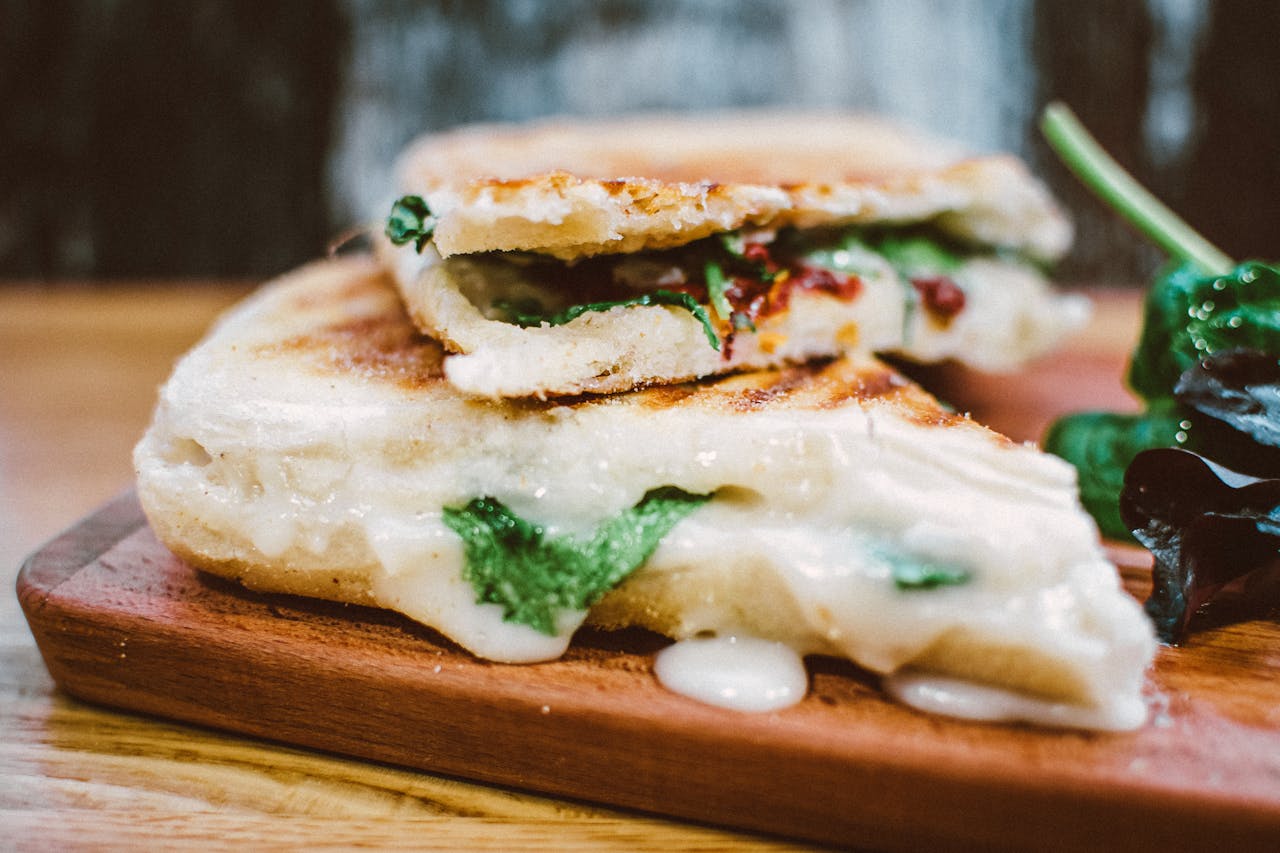
Grilled cheese is a countdown disguised as lunch. Fresh off the pan, the bread is crisp, the cheese is molten, and the edge-to-center contrast carries the whole sandwich, especially when a browned corner meets a stretchy middle. After cooling, trapped steam softens the slices, butter migrates into the crumb, and the cheese tightens into a rubbery sheet, so the bite turns chewy and a little greasy, even with good cheddar, gruyère, or sourdough. Reheating can brown the outside again, but microwaves make it soggier, and pan reheats tend to over-toast before the center loosens, leaving comfort without the snap that made it sing.
Soft-Boiled Eggs
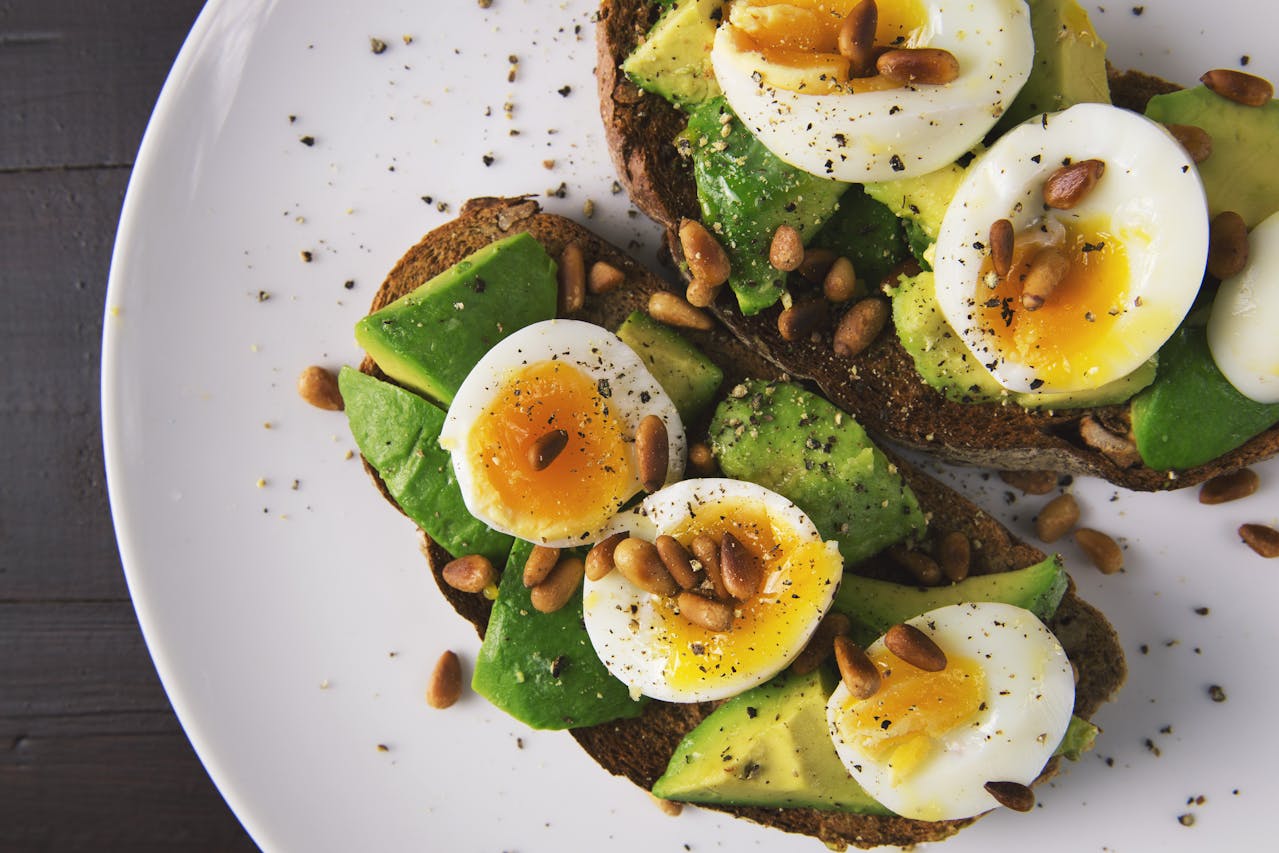
Soft-boiled and poached eggs are loved for a yolk that flows like sauce and a white that stays tender, turning toast, noodles, and greens into something richer the moment the knife breaks through. That balance is fragile: chilling sets the yolk into a jammy plug, and reheating pushes the white toward rubber before the center loosens, so the texture flips from silky to bouncy, sometimes with a faint sulfur edge. Marinated ramen eggs handle the fridge better, yet even they lose the warm spill that makes eggs Benedict and late-night ramen feel luxurious, leaving a tidy leftover that tastes fine and feels restrained.
Pancakes And Waffles
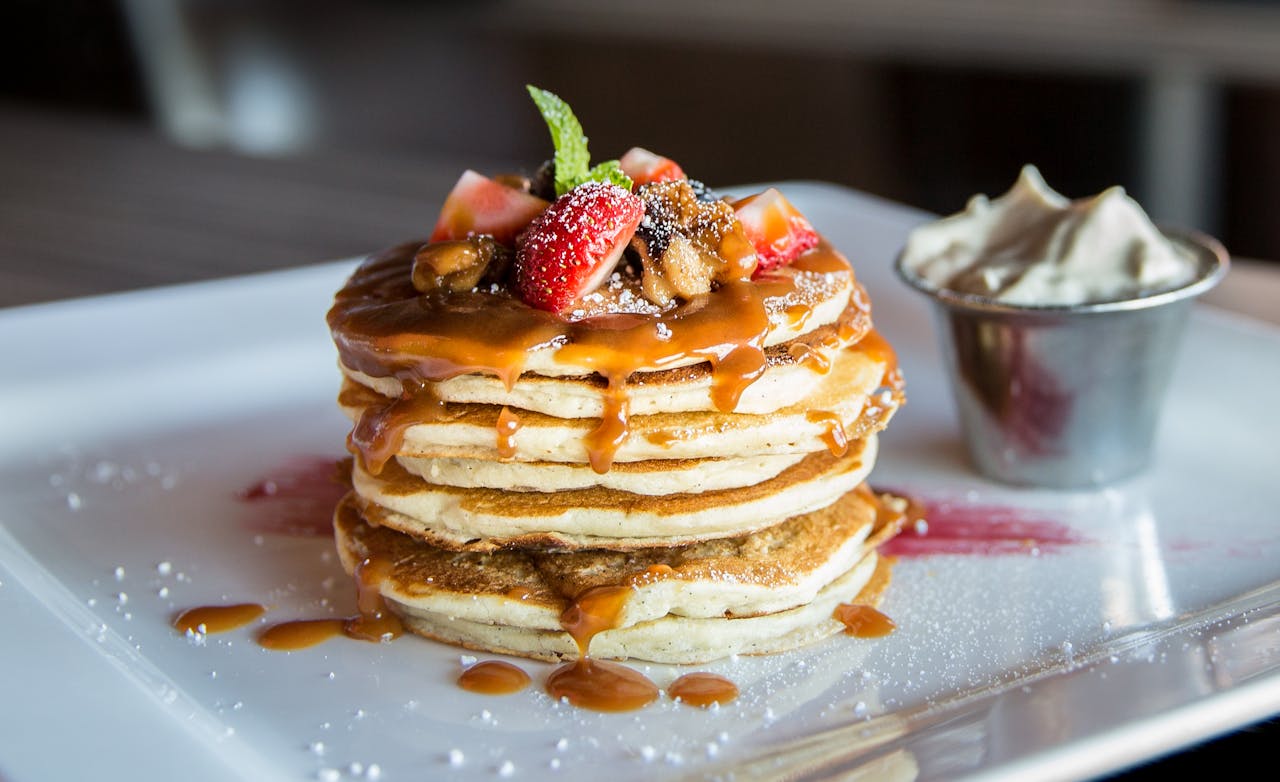
Pancakes and waffles taste best while they are still warm enough for butter to melt and perfume the surface, and for syrup to soak in without turning everything soggy. After sitting, steam softens the exterior and the crumb firms as starch sets, so a fluffy stack starts reading like plain bread, and the sweetness feels quieter as vanilla and browned butter fade. Reheating makes them serviceable, but waffles rarely regain their crisp grids for berries and whipped cream, pancakes can dry at the rim, and the plate loses that fresh-off-the-griddle lift that makes brunch feel like a reward even with extra syrup poured over.
Doughnuts
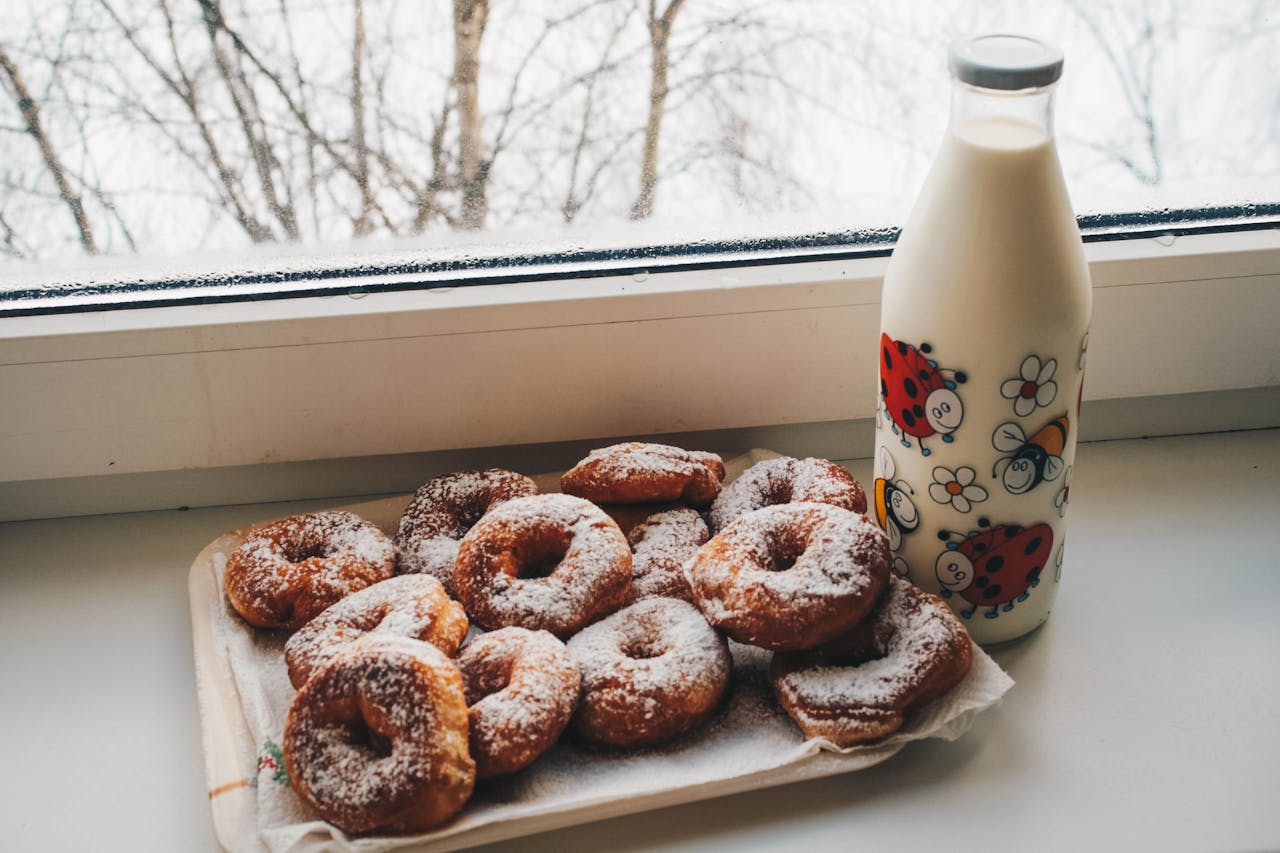
Doughnuts live on freshness. A yeast ring should be tender and airy, with a glaze that cracks lightly instead of smearing, and cinnamon or nutmeg that still smells like a bakery case. By the next day, yeast doughnuts dry out, cake doughnuts go crumbly, and glazes sweat into a sticky coat that tastes sweeter but less interesting, while the frying perfume disappears and chocolate icings turn waxy. Filled ones fare worse as jam or custard seeps into the crumb and blunts every bite into one flat note, and microwaving can soften them for a minute while amplifying greasiness, so coffee ends up doing most of the work on the side.
Popcorn

Popcorn seems sturdy, but it is basically a humidity sponge. Fresh, it is crisp and aromatic, and salt or chili powder clings while the kernels are still warm and dry. Leave it out, and it absorbs moisture from the air, turning chewy and dull in a surprisingly short time, especially on rainy days or near a simmering kitchen, while buttery batches pick up a stale oil note. Sealed containers slow the slide, yet butter fades, caramel coatings turn tacky, spices stop popping, and the corn flavor grows papery, so a bowl that felt like a small celebration starts tasting like packing material with salt on it by the next evening.
Leafy Salads
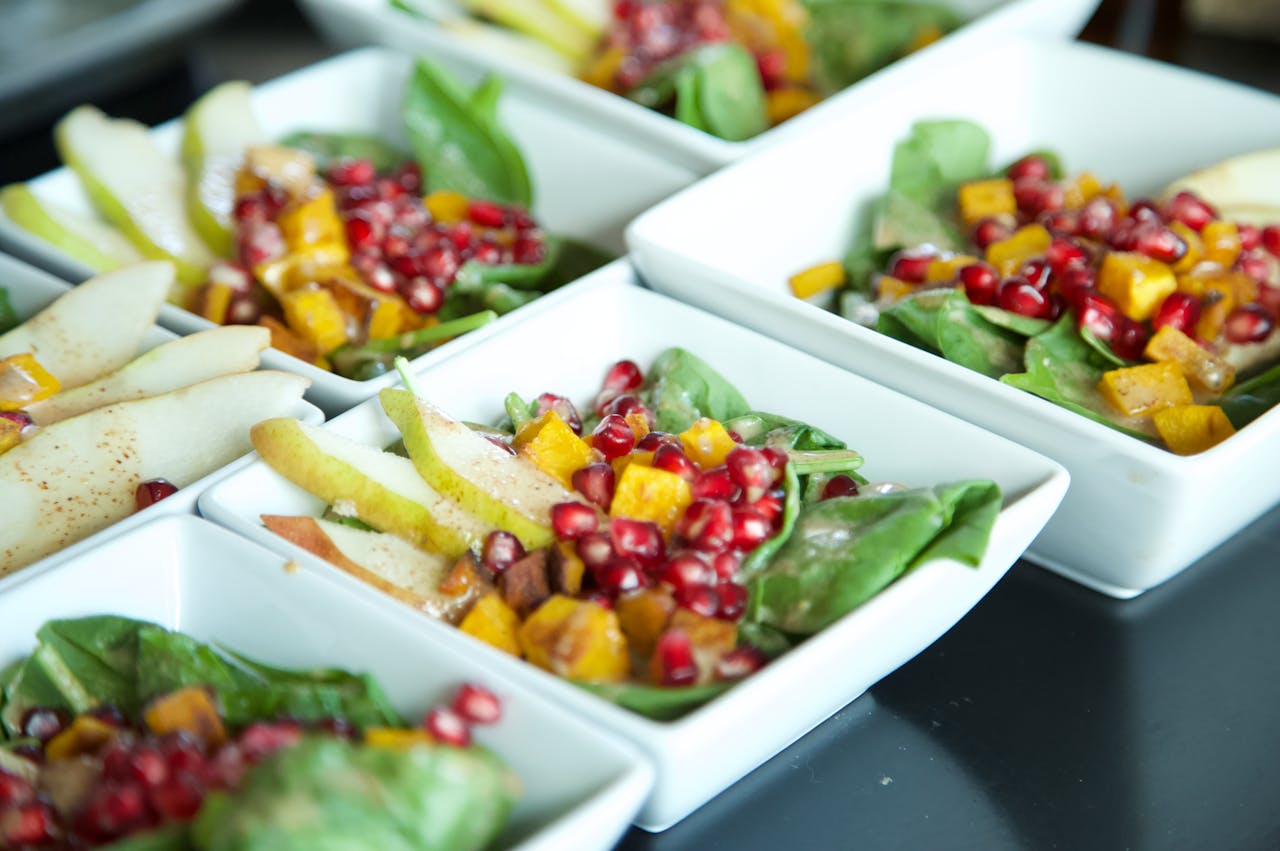
Leafy salads fall apart because dressing keeps working after the first toss. Salt and acid start breaking down the leaves, while watery vegetables like cucumbers and tomatoes release juice, pool at the bottom, and turn everything slick. Crunchy add-ons such as croutons, nuts, or fried shallots go soft, cheeses sweat, and herbs lose their bright edge, so the bowl tastes flatter even if the produce was great at lunch. Hardier greens like kale last longer, but spring mix, arugula, and romaine wilt fast, and once the container fills with moisture, the next-day salad reads as limp greens wearing dressing rather than a crisp, fresh meal.