The founding generation did more than sever ties with a distant king. It built legal guardrails meant to outlast the moment, rules that still decide who may speak, worship, vote, own property, or demand a fair hearing. Many ideas drafted in crowded halls and wartime camps now surface inside court rulings, contracts, phone searches, and ballots. Tracing those lines makes the Revolution feel less like distant legend and more like a working agreement, still shaping power, protection, money, and trust in specific, enforceable ways.
First Amendment: Speech, Faith, and Dissent

Ratified in 1791, the First Amendment protects speech, religion, press, assembly, and petition, transforming dissent from suspected betrayal into a civic right. Every protest permit, investigative report, and sharp criticism of officials relies on its protection. Courts continue to test its boundaries through campaign finance rules, online moderation, and protest limits near government buildings. Yet the core principle remains intact: the state does not own public conversation. That limit was drawn by people who remembered censorship, religious control, and punishment for speaking out.
Second Amendment: Guns and a Free State

Written with fresh memory of British disarmament and standing armies, the Second Amendment protects the right to keep and bear arms in connection with preserving a free state. Today it drives debates over licensing, background checks, public carry, and weapon restrictions. Judges interpret its brief language against modern firearms far removed from muskets. Every ruling weighs individual defense, public safety, militia history, and the founding fear that concentrated armed power can threaten liberty as easily as it can protect it.
Fourth Amendment: Warrants in the Digital Age

The Fourth Amendment rejected general warrants by demanding reason, specificity, and judicial approval before searches or seizures. That rule now governs traffic stops, home raids, phone searches, location tracking, and digital surveillance. Courts adapt its language to cloud data, encrypted devices, and aerial monitoring, requiring authorities to justify intrusion. Each time evidence is excluded for crossing the line, the same Revolutionary concern resurfaces: unchecked power to search invites abuse, even when technology changes faster than the text.
Fifth Amendment: Due Process and Pleading the Fifth

The Fifth Amendment bundles due process, grand jury review for serious crimes, protection from double jeopardy, and the right against self-incrimination. It shapes police questioning, plea negotiations, and courtroom procedure through the familiar Miranda warning. Its takings clause also governs when property may be seized for public use, requiring compensation. Together, these rules insist that punishment and development follow orderly steps. Government power must proceed through fairness, not pressure, surprise, or forced confession.
Sixth Amendment: Fair Trials as a Baseline

The Sixth Amendment grew from anger at distant and secret trials under British rule. It guarantees a speedy, public proceeding, an impartial local jury, notice of charges, confrontation of witnesses, and access to counsel. Modern public defender systems, open courtrooms, and cross-examination all rest on this foundation. When cases collapse due to delay or denial of counsel, courts are enforcing a Revolutionary conclusion: justice loses legitimacy when it hides, stalls, or tilts the field toward the state.
Eighth Amendment: Drawing the Line on Cruelty
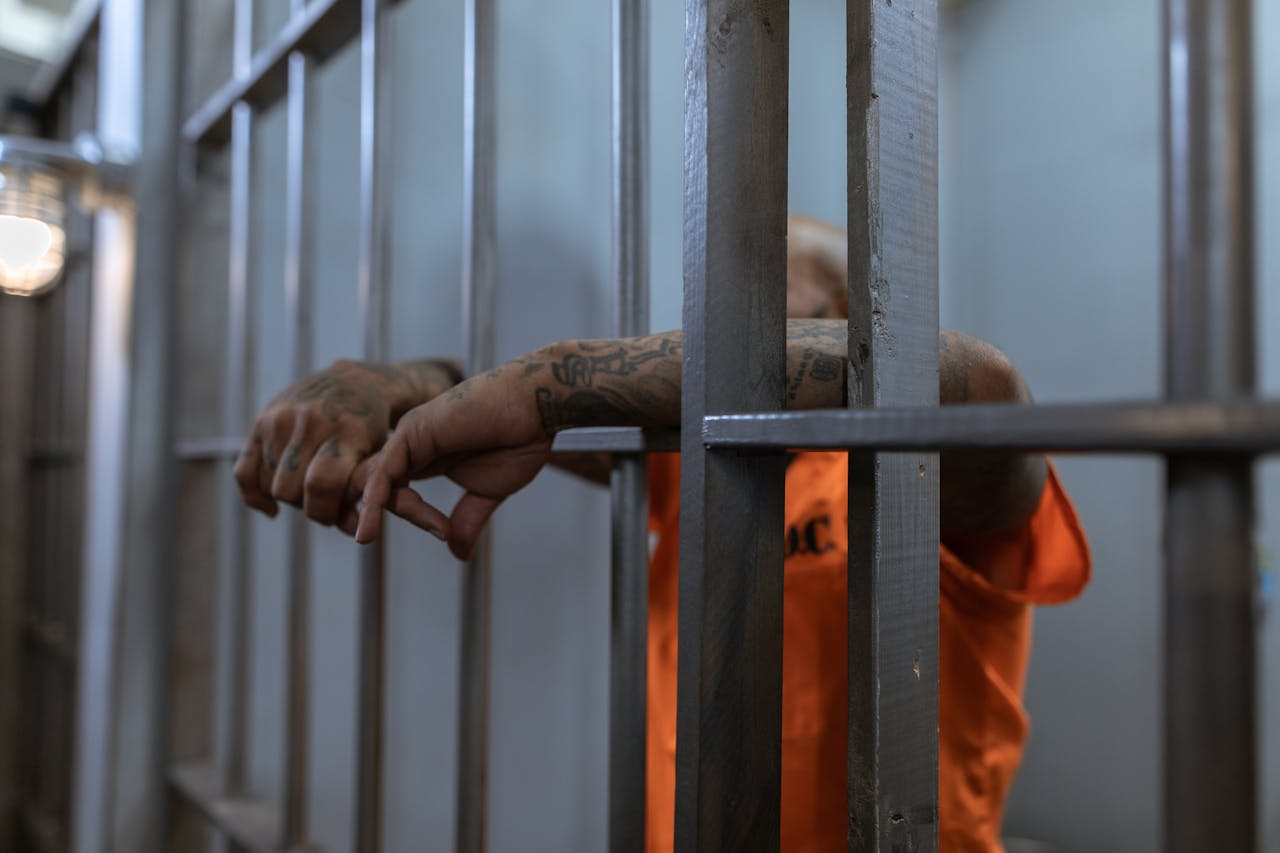
The Eighth Amendment bars excessive bail, excessive fines, and cruel or unusual punishment, directly answering imperial practices viewed as degrading. Today it anchors challenges to overcrowded prisons, harsh sentencing, abusive jail conditions, and municipal fines that trap low-income residents. Judges evaluate punishment against evolving standards of decency, not frozen tradition. Each ruling asks whether a free society can justify penalties that break bodies or dignity. The amendment’s force lies in refusing to normalize suffering as routine governance.
Commerce Clause: One Market, National Reach

The Commerce Clause gave Congress authority over trade among states and abroad, correcting economic chaos under the Articles of Confederation. It later supported railroad safety rules, labor protections, civil rights laws, and modern consumer standards. Current disputes over healthcare mandates, online marketplaces, environmental rules, and transportation fees still turn on its scope. The framers chose integration over fragmentation, deciding that a functioning republic required one national market rather than competing regional barriers.
Supremacy Clause: Federal Law on Top
Article VI’s Supremacy Clause establishes that valid federal law overrides conflicting state rules. This principle now governs clashes over voting rights, environmental regulation, immigration cooperation, and civil protections. Courts invoking supremacy are enforcing a founding choice to prevent legal fragmentation. States retain power, but not veto authority over national commitments. The clause reflects a balance struck early on: local control matters, yet some obligations must remain uniform to keep the union from unraveling into rival systems.
Electoral College: Old Compromise, New Consequences

The Electoral College emerged from compromise and skepticism toward direct national voting. It still filters every presidential election, shaping campaign strategy and elevating swing states over populous strongholds. On rare occasions, it produces presidents who lose the popular vote, renewing debate about legitimacy. Legal fights over electors, state control, and interstate compacts orbit its structure. A mechanism designed for 13 states continues to influence turnout, messaging, and the perceived fairness of modern elections.
Patent and Copyright Clause: Engine of Innovation

The Patent and Copyright Clause authorizes Congress to grant temporary exclusive rights to creators in order to promote progress. That short passage now supports vast systems governing books, films, software, designs, and medicine. Streaming royalties, licensing disputes, and drug development timelines all trace back to this authority. Its built-in tension remains deliberate: reward innovation without allowing permanent control. The framers treated creativity as a public good best advanced through limited monopoly, not endless ownership.
Contracts Clause: Protecting Promises from Politics

The Contracts Clause restricts states from undoing existing agreements, reflecting fear that legislatures might erase debts or obligations after elections. Though narrowed over time, it still affects cases involving rent control, pension changes, foreclosure rules, and emergency moratoriums. Courts balance public need against reliance interests, weighing stability against flexibility. The clause reflects a Revolutionary belief that trust in promises underpins economic life, and that shifting political winds should not casually rewrite binding commitments.
Northwest Ordinance: Blueprint for New States

The Northwest Ordinance of 1787 outlined how territories would become states, guaranteed civil liberties, promoted public education, and barred slavery in the Northwest Territory. Its framework shaped westward expansion and reinforced the principle that new states enter on equal footing. Modern echoes appear in disputes over federal lands, territorial status, and representation for D.C. and Puerto Rico. Early decisions about growth and governance continue to influence who holds full voice and power within the union.