11 Weird Laws About Tourist Behavior in Europe

Rome’s Spanish Steps No-Sitting Rule
Martijn Stoof/Pexels
From selfie bottlenecks to beach noise limits, Europe’s tourist rules protect beauty, sleep, and shared space in surprising ways.

Europe’s most visited streets come with quiet rules that locals rarely need explained, but visitors can miss in the rush of sightseeing. Some ordinances protect ancient stone, some protect sleep, and others simply keep narrow places moving when crowds swell. The surprising part is how specific they can get, from footwear to sound to where a snack is allowed. Taken together, they reveal a simple truth: a great trip is not only about seeing beauty, but about leaving it undisturbed.

Portofino’s No-Waiting Selfie Zones
Portofino’s No-Waiting Selfie Zones
Rachel Claire/Pexels

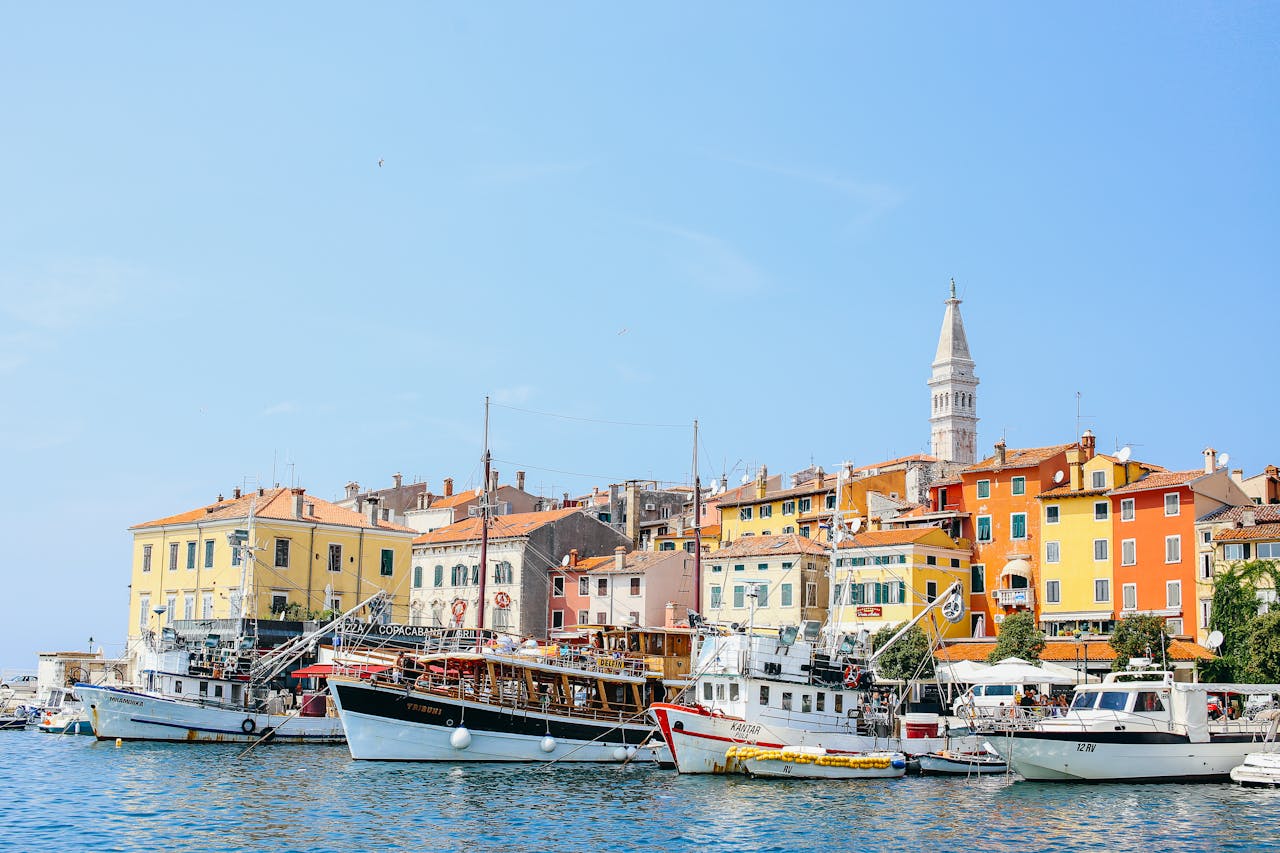
Portofino’s waterfront lanes are so tight that a few paused selfie sessions can back up the whole quay when tour groups arrive together and boats unload passengers nearby in quick bursts. To keep the promenade moving, the town marked summer no-waiting zones in its busiest photo spots, and officers can fine visitors for lingering and blocking foot traffic, with reports often citing penalties around €270. The idea is simple: photos are welcome, but the village still needs clear space for ferries, scooters, strollers, emergency access, and the everyday deliveries that keep cafés and shops running.

Portugal’s Beach Speaker Limits
Portugal’s Beach Speaker Limits
Tiana/Pexels

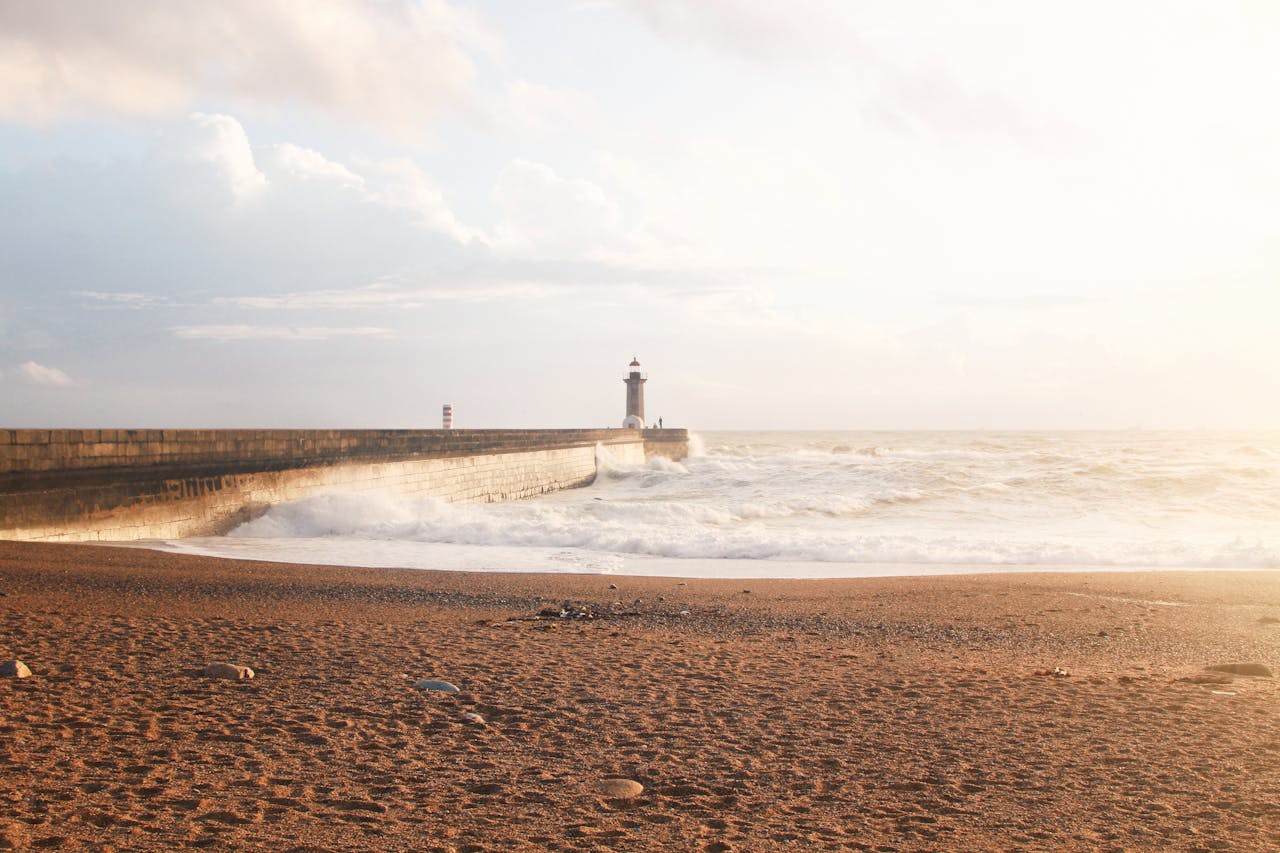
Portugal’s beaches trade on quiet, and that quiet disappears fast when speakers turn a public shoreline into someone’s private playlist that carries far beyond one umbrella and into nearby cafés and homes. The National Maritime Authority has warned that disruptive noise and sound equipment that disturb others can bring steep administrative penalties, with published ranges that can reach about €36,000 for groups and lower tiers for individuals. It is a boundary meant to keep the ocean audible, protect families and residents nearby, and stop one loud setup from dictating the mood of an entire stretch of sand.

Venice’s Canal-Side Picnic Restrictions
Venice’s Canal-Side Picnic Restrictions
Ola Noland/Pexels

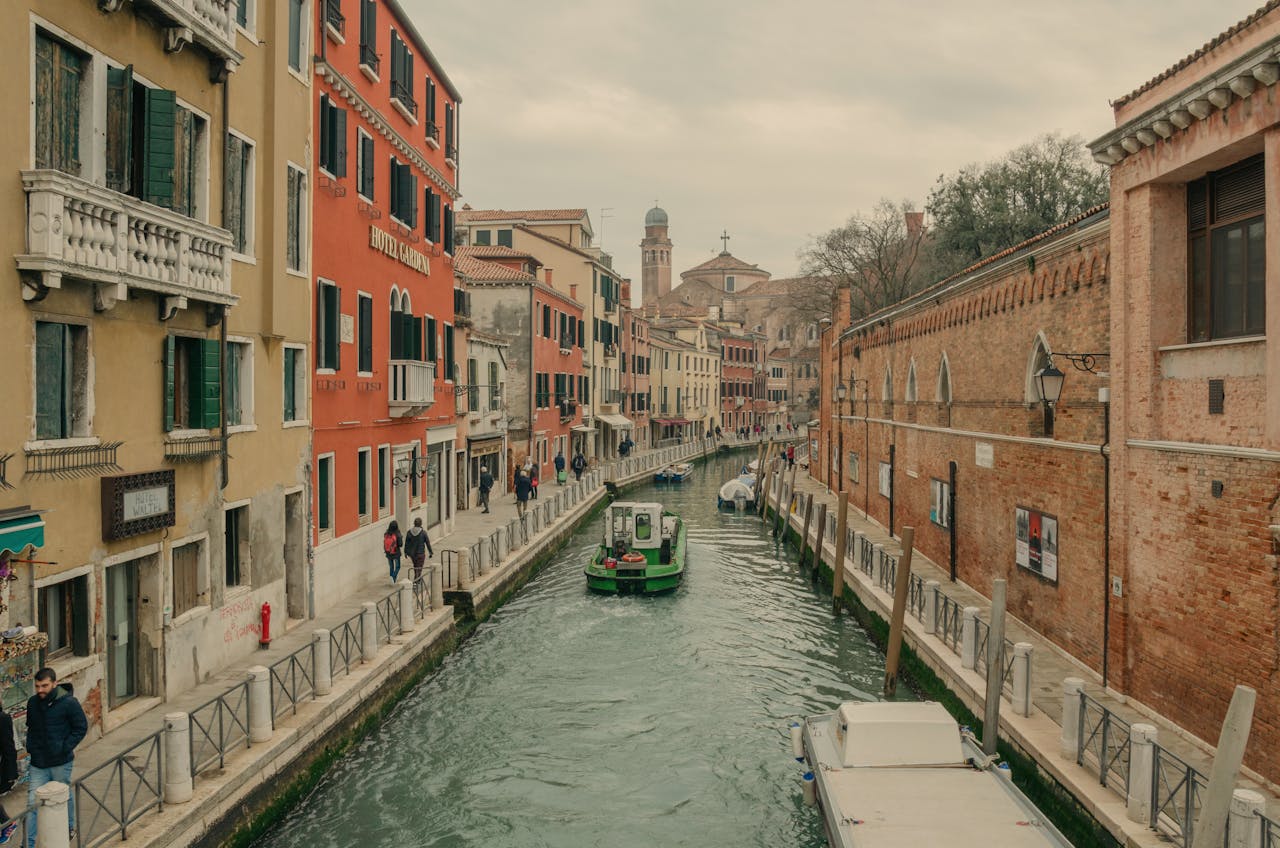
Venice restricts picnicking and sitting on the ground to eat or drink in sensitive areas near major landmarks, where narrow walkways, bridges, and fragile stone leave little room for spills, crumbs, and clutter. The city has enforced these rules after episodes where visitors treated canal edges like campsites, including cooking with portable stoves near the Rialto and lingering with takeout on steps and ledges. It is less about judging lunch and more about keeping a dense corridor passable, clean, and safe, so residents can move through their own neighborhood without weaving around a tourist picnic line.

Rome’s Spanish Steps No-Sitting Rule
Rome’s Spanish Steps No-Sitting Rule
Pits Riccardo/Pexels

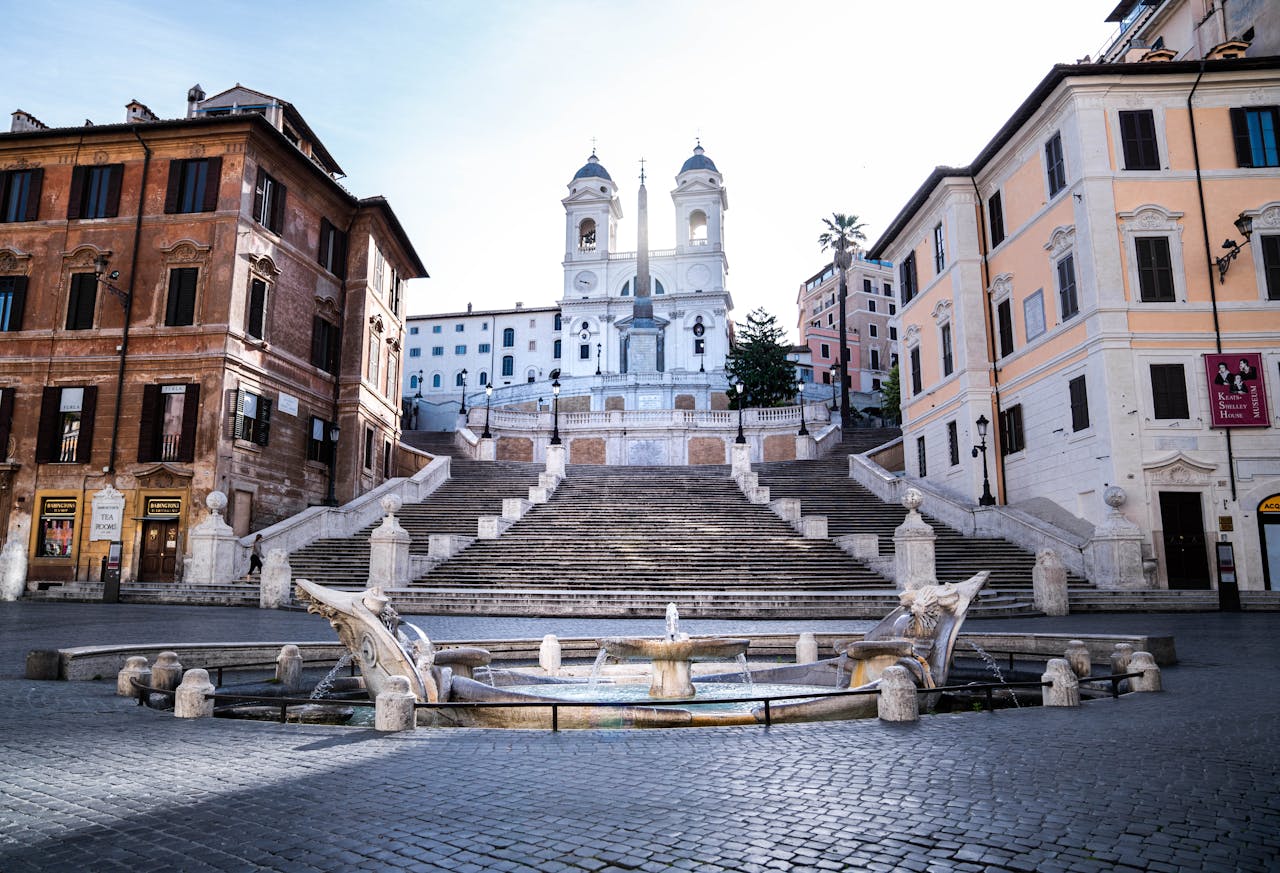
Rome treats the Spanish Steps as a protected monument, so sitting there and eating or drinking on the steps is prohibited to limit wear, stains, and litter in one of the city’s most crowded corners. Fines are widely reported as high as €400, and enforcement tends to rise during peak months when the steps become a natural waiting room for tours, meetups, and sunset photos. The rule can feel strict, yet the math is obvious: thousands of quick breaks every day grind down travertine, and cleaning sticky spills from carved stone is far harder than asking people to rest a few meters away on nearby benches or plazas.

Rome’s Fountain Cooling-Off Fines

Rome’s Fountain Cooling-Off Fines
RUNZE YUAN/Pexels

Rome fines visitors who enter or dip feet in landmark fountains, including Trevi, because the city sees it as harm to heritage rather than harmless relief when summer heat makes the water look inviting. Penalties are commonly reported around €500, and repeat behavior can bring added consequences, especially at heavily monitored sites where staff intervene quickly. The practical reasons are immediate: sunscreen and grit foul the water, maintenance shifts from care to cleanup, and one person’s splash can spark a copycat wave that crowds the basin and turns a monument into a backdrop for attention-seeking posts.

Cinque Terre’s Flip-Flop Trail Rule
Cinque Terre’s Flip-Flop Trail Rule
Frans van Heerden/Pexels

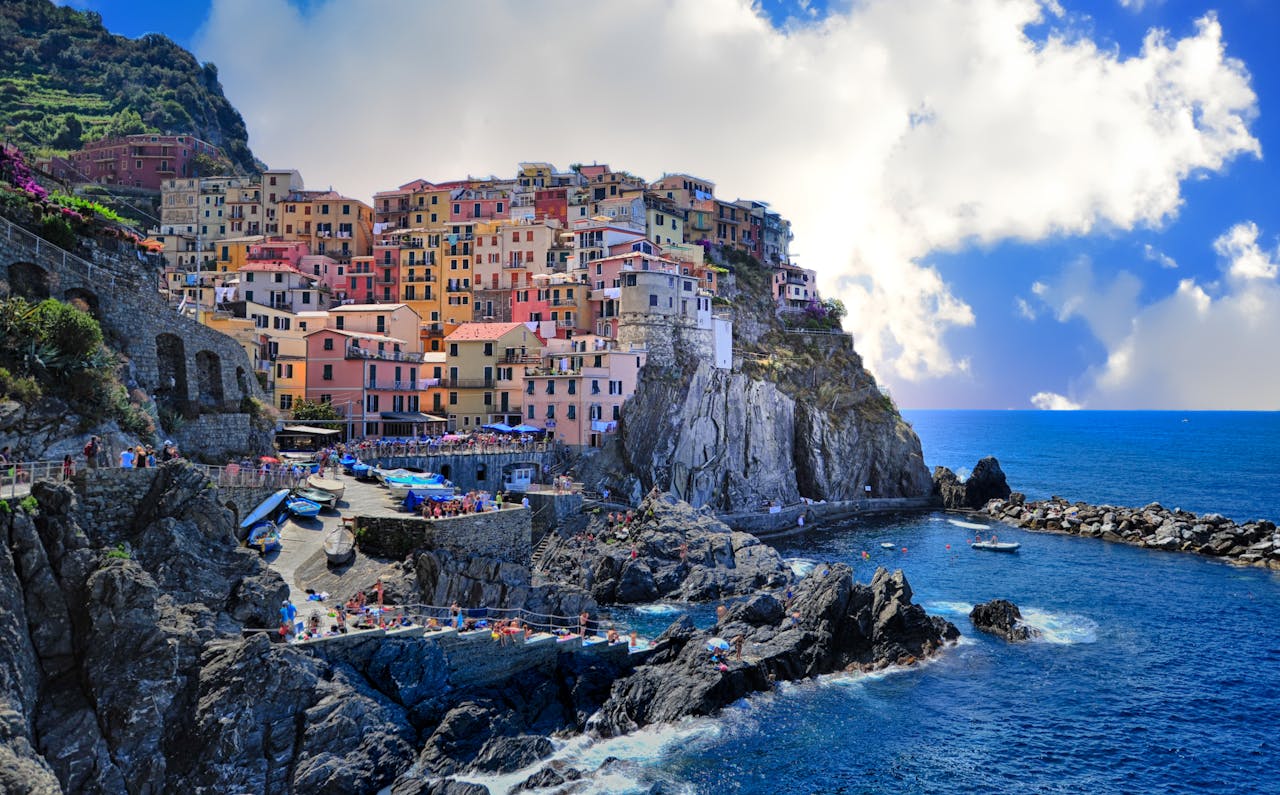
Cinque Terre warns that open or smooth-soled footwear, including flip-flops, is not allowed on certain hiking paths, and checks can happen during busy periods when the trails are packed and the margins are slim. Reported fines range from €50 up to €2,500, because the park treats footwear as a safety requirement on steep, uneven sections with loose rock, sudden steps, and slick shade. A slip on a narrow ledge can trigger rescues and temporary closures that ripple through the whole area, so the rule protects hikers, local responders, and the small villages below that depend on predictable access.

Greece’s High-Heel Ban at Ancient Sites
Greece’s High-Heel Ban at Ancient Sites
Nikolaos D. Nomikos/Pexels

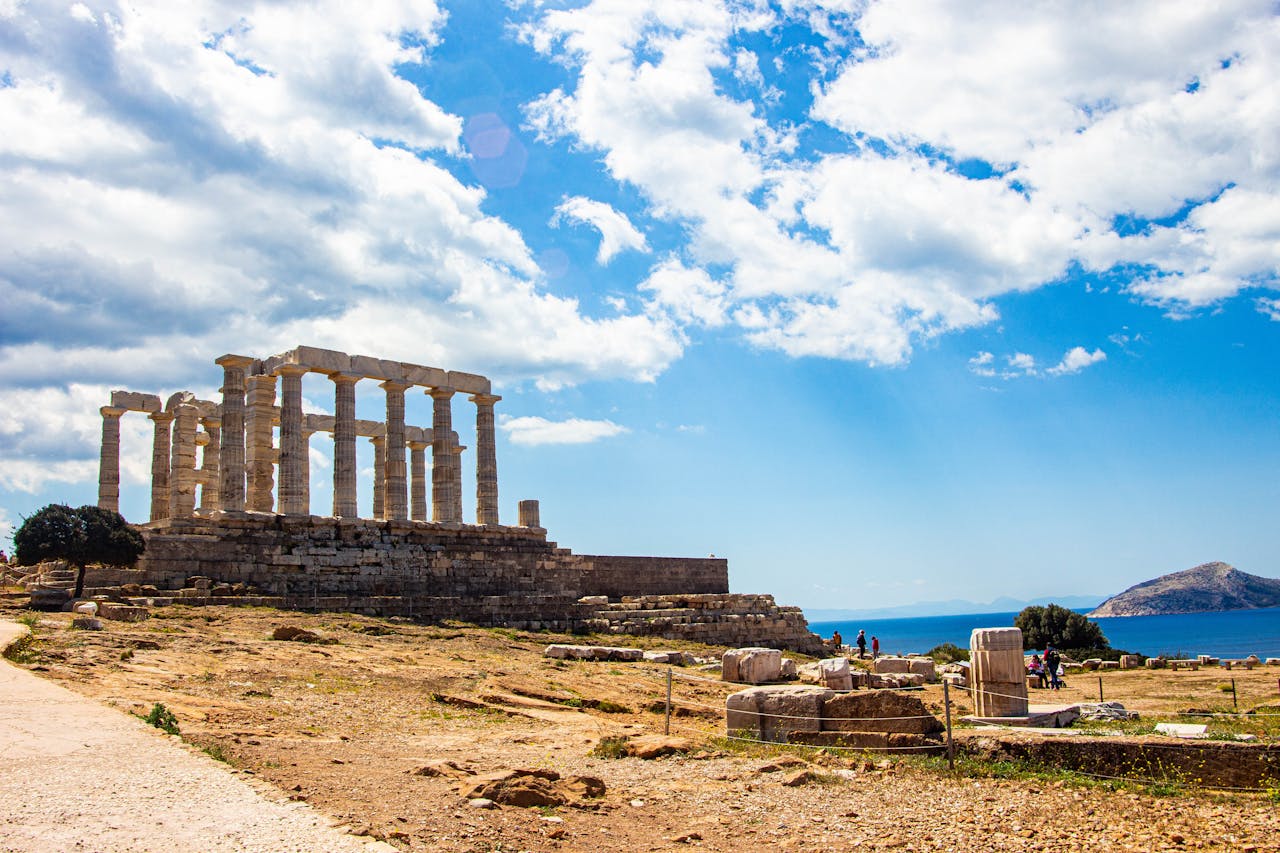
Greece banned high heels at major archaeological sites in 2009, including places like the Acropolis, to stop sharp tips from gouging marble and worn stone that cannot be replaced once chipped. The rule also reduces falls on slick surfaces, which matters when crowds move through tight paths, uneven steps, and sun-polished slabs that can surprise even careful walkers. It sounds picky until the impact is imagined at scale: thousands of pointed steps, day after day, would leave permanent scars on surfaces that have already survived centuries, and the damage would be slow, quiet, and impossible to undo.

Florence’s Sidewalk Snacking Limits
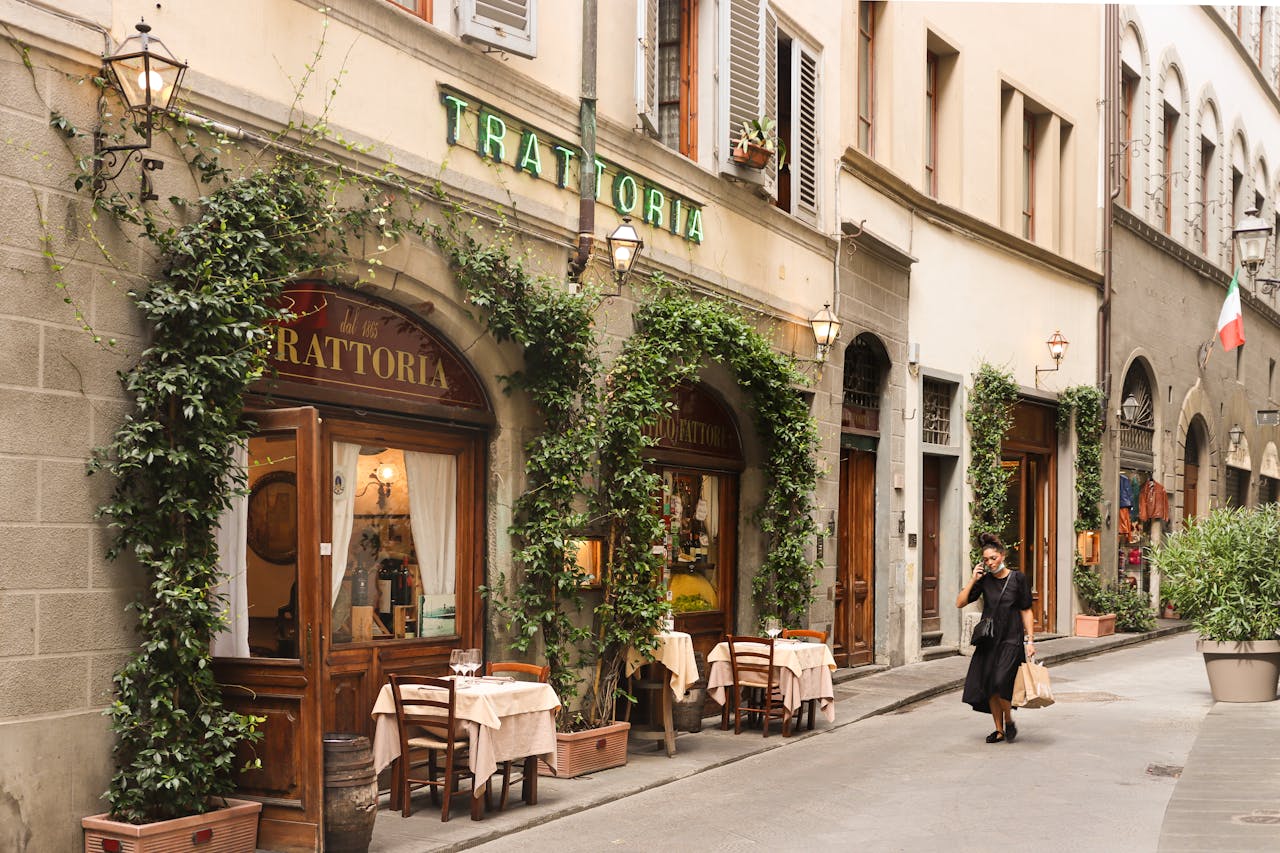
Florence’s Sidewalk Snacking Limits
Oleksandra Zelena/Pexels

Florence restricts eating while stopped on sidewalks, doorsteps, and certain lanes in the historic center during busy hours, aiming to reduce litter and keep narrow passages moving in streets designed long before modern crowds. Fines have been reported up to €500, especially in spots where takeout clusters block entrances, press into doorways, and leave grease marks and wrappers on stone ledges. It is not anti-street-food; it is a practical push to eat without turning alleys into sticky bottlenecks, so the city stays comfortable for residents and visitors who need to pass through without shoulder-to-shoulder stalls.

Prague’s Night Pub-Crawl Restriction
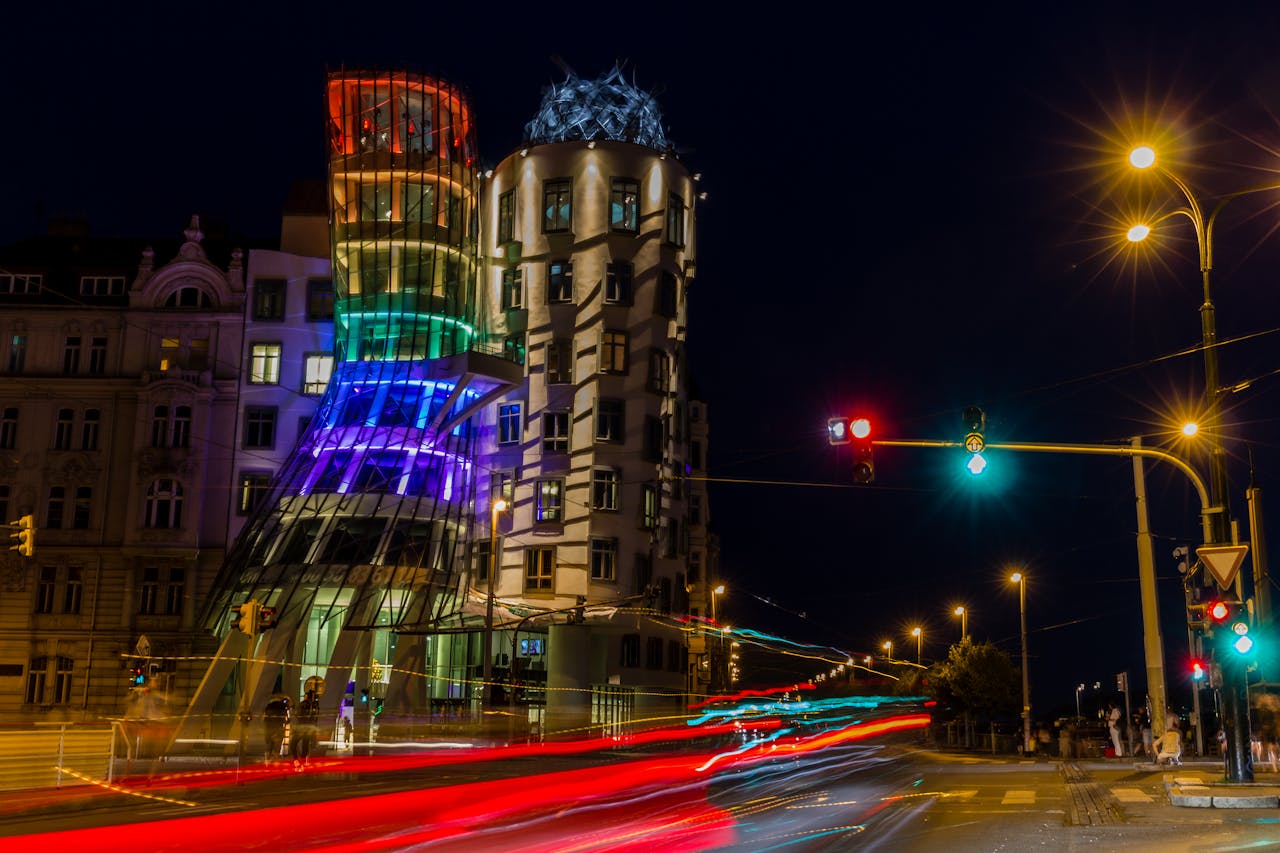
Prague’s Night Pub-Crawl Restriction
Ignacio Palés/Pexels

Prague approved restrictions on organized pub crawls run by agencies during late hours, often described as 10 p.m. to 6 a.m., after years of resident complaints about noise rolling through the old center like an echo chamber. Reports cite substantial penalties for operators, including figures around 100,000 koruna, while normal nightlife and individual bar-hopping remain legal and easy to enjoy. The aim is to reduce chanting, shouting, and stop-and-go crowds outside bedroom windows, so the city stays lively without turning historic lanes into a nightly obstacle course for people trying to sleep.

Dubrovnik’s No-Swimwear-in-Town Rule
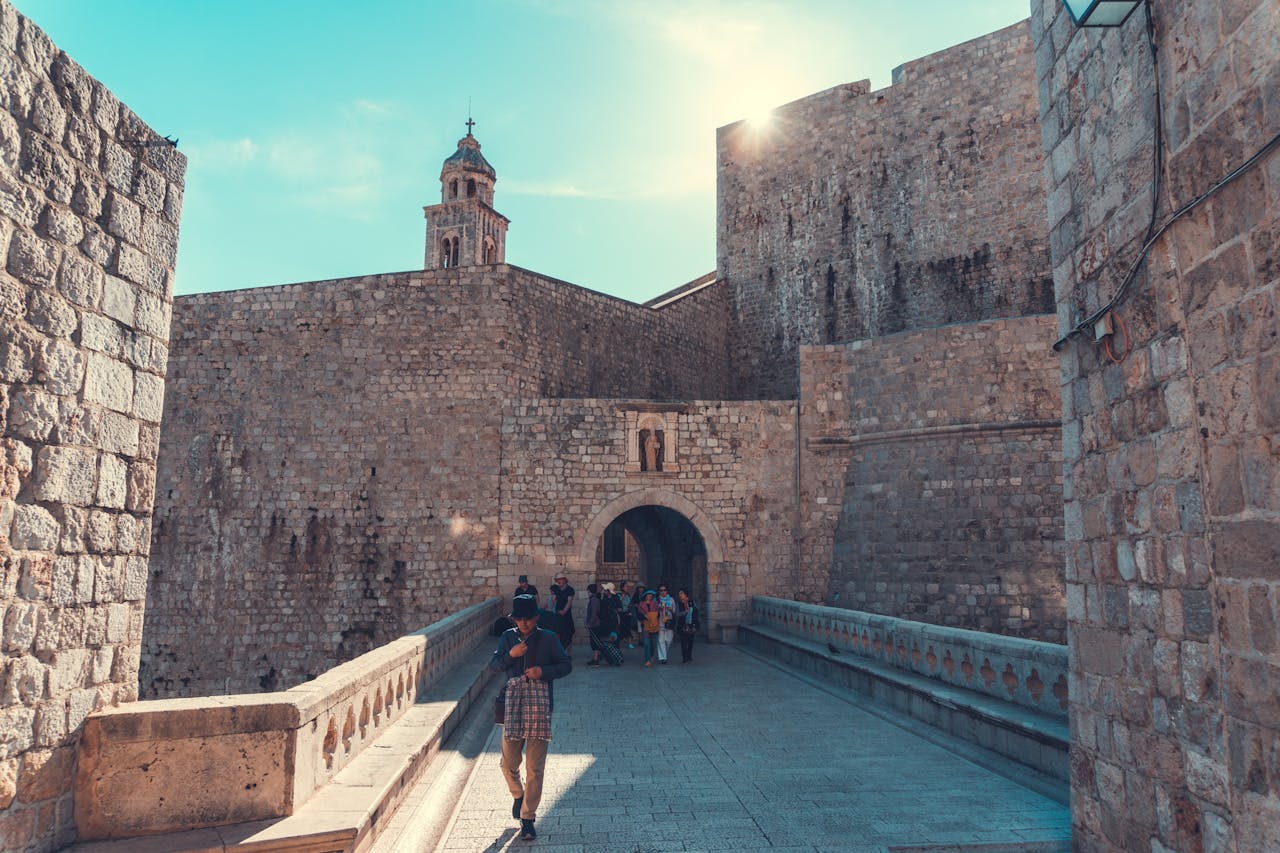
Dubrovnik’s No-Swimwear-in-Town Rule
Nicolas Postiglioni/Pexels

Dubrovnik warns against walking through the Old Town in swimwear, drawing a clear line between beach dress and the streets of a working historic center that includes churches, museums, and family-run restaurants. Fines can be used when visitors treat the city like a boardwalk, especially near entrances where signage is posted and crowds funnel in from the waterfront in summer. The expectation is straightforward: cover up for town, then head back to the sea, so public spaces feel respectful for residents, staff, and other travelers who did not come to eat dinner next to someone in a bathing suit.

Amsterdam’s Red Light District No-Photo Norm
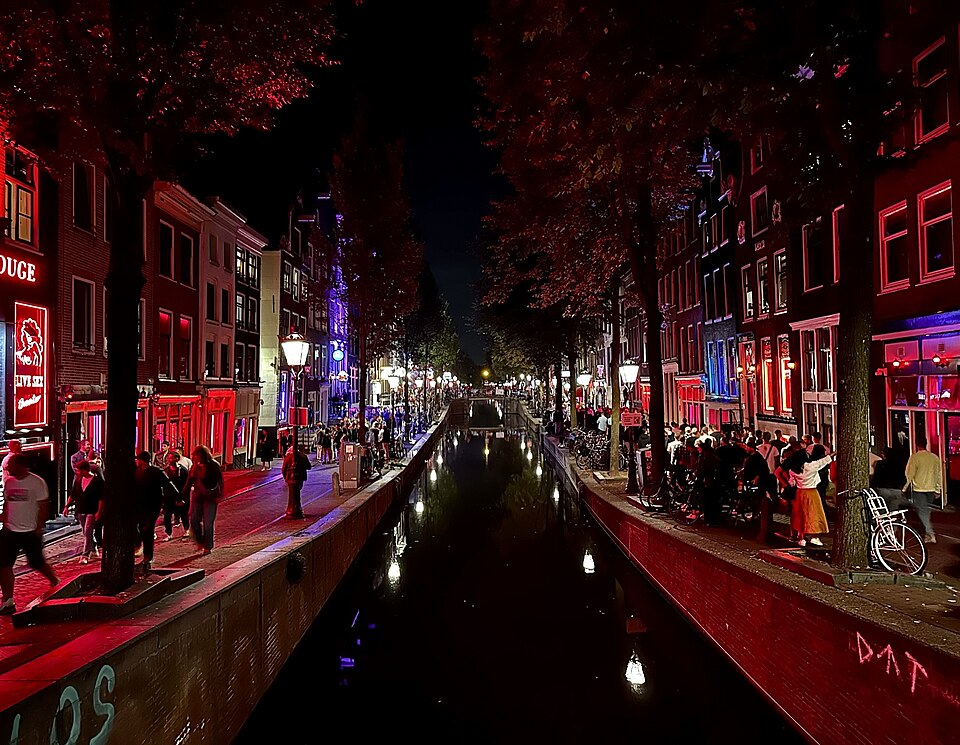
Amsterdam’s Red Light District No-Photo Norm
APK, CC BY-SA 4.0 / Wikimedia Commons

Amsterdam’s Red Light District enforces a firm norm against photographing workers in windows, with signs, local reminders, and quick interventions when cameras appear in the crowd on busy nights. The reason is direct: images spread instantly, and one photo can expose identities, invite unwanted attention, and follow a person long after a visitor has left the canals behind and forgotten the moment. It is a rule about dignity and safety in a nightlife zone that draws curiosity, and it asks tourists to enjoy the area without turning anyone into a collectible image for group chats, travel reels, and social feeds.

0 Shares:
You May Also Like
Read More

8 Natural Sites Closing to Protect Fragile Ecosystems

# 8 Natural Sites Closing to Protect Fragile Ecosystems Across the world, some of the most photographed coves, canyons, and beaches are quietly stepping out of the spotlight. Park managers, tribal leaders, and scientists are choosing tide charts and nesting maps over ticket sales, and that shift can feel jarring at first. Yet every locked gate and seasonal rope line carries the same message: fragile places need room to breathe. These closures show how travel is changing, and how saying not now can be the only way to keep a landscape alive for the long haul. ## Komodo National Park, Indonesia Komodo National Park spans volcanic islands, dry hills, and coral reefs that attract photographers from every continent. Heavy footfall on Padar Island and crowded bays have pushed Indonesia to cap daily visitors and restrict access to the steepest viewpoints. Fewer boats and bodies mean less erosion, less trash in the sea, and quieter feeding grounds for manta rays and reef fish. Stricter permits also send a clear signal that this dragon kingdom is not an amusement park but a living laboratory for evolution and resilience. For local guides and boat crews, smaller groups mean slower days yet better odds that work will still exist for their children. for decades. ([The Times of India][1]) ## Maya Bay, Thailand Maya Bay on Koh Phi Phi Leh became a global obsession after a famous film, and the tiny cove nearly collapsed under its own fame. Thailand shut the beach for years to let coral and seagrass recover, and now enforces an annual closure from August to October. Boats must stay outside the bay, swimmers are tightly managed, and daily visitor counts are capped. Blacktip reef sharks have returned in greater numbers, a living reward for treating a postcard view as a patient, not a prop. Closure weeks hand the bay to rangers who measure water clarity and fish counts instead of ticket lines, proof that firm limits keep the reef breathing and local work steady for longer. ([5 Star Marine Phuket][2]) ## Fjadrargljufur Canyon, Iceland Fjadrargljufur Canyon looks like something carved for a fantasy novel, with pale water twisting below moss covered cliffs. Viral music videos turned it into a must see stop, and fragile vegetation quickly gave way under thousands of careless footsteps. Iceland’s environment agency began closing the area during wet months so trails and plants could heal. Rangers add fencing, reroute paths, and keep cars back from the softest ground. Each temporary closure trades a few missed photos for the long slow return of moss, lichen, and calm. Each closure notice becomes a quiet lesson in patience, a reminder that the canyon sits on a narrow edge between fame and loss yet. ([Iceland Review][3]) ## South Stack Cliffs, Wales On Anglesey’s rugged coast near South Stack, a 1.8 mile strip of cliffs has been placed off limits for six months of the year. Unregulated coasteering, rope routes, and sea cliff traverses were scouring soil from ledges where seabirds and rare butterflies rely on thin coastal turf. The new exclusion zone still allows walkers on the main coast path above, while banning high impact adventure lines below. It gives choughs, peregrine falcons, seals, and tiny insects a full breeding season with far fewer surprises from above. Many locals admit the quiet cliffs feel more like a sanctuary, proof that a coastline can stay beautiful without serving as a stage for sports. ([Natural Resources Wales][4]) ## Parker River National Wildlife Refuge, USA On Massachusetts Plum Island, the broad Atlantic beach at Parker River looks like a simple place for summer picnics, yet large sections close each spring. From April into August, most of the sand is reserved for piping plovers and terns that nest just above the tide line. Their eggs and chicks are the color of pebbles and nearly impossible to see, which makes them easy to crush. Roped corridors, closure signs, and volunteer wardens turn a noisy shore into a rare safe nursery for a threatened bird. Human routines bend a little, with picnics shifting to open stretches and boardwalks while the plovers hold the sand for a season. That pause helps broader migration! ([fws.gov][5]) ## Olive Ridley Nesting Beaches, India Along the Odisha coast, nights from November to April belong to Olive Ridley sea turtles that arrive in synchronized waves. To protect these mass nesting events, state authorities have banned visitors from key beaches, including Rushikulya and Gahirmatha, during peak season. Bonfires, loud music, and phone flashes can disorient nesting females and new hatchlings, pushing them inland instead of toward the surf. Quiet, dark sand gives rangers space to count tracks, relocate at risk nests, and shepherd thousands of hatchlings down the glittering tide line. Patrol boats offshore and bamboo barriers on land turn the sand into a maternity ward rather than noisy beach. ([The New Indian Express][6]) ## Bhitarkanika Mangrove Estuaries, India Bhitarkanika National Park, India second largest mangrove forest after the Sundarbans, closes to tourists from May through July each year. The estuary becomes a guarded nursery for saltwater crocodiles that lay dozens of eggs in mounded nests along muddy banks. Boats are banned so females can defend clutches without chasing propellers and camera shutters. Forest teams use the quiet months to count nests, repair boardwalks, and enforce strict rules on plastic waste. When visitors return in August, they step into creeks that have just had time to reset. The pause also lowers risk for visitors and gives staff time to check nests, repair paths, and count crocodiles. ([Bhitarkanika Mangrove Homestay][7]) ## Gros Morne Mountain, Canada High above western Newfoundland, the summit trail on Gros Morne Mountain offers sweeping views of fjords and tundra like barrens, but it shuts from May to late June. Parks staff close the eight kilometer loop to give Arctic hares, ptarmigan, and caribou space to birth and raise young on lingering snowfields. Without steady lines of hikers, animals can move between feeding patches without stress. When the trail reopens, fresh tracks and cropped plants quietly reveal how much life depends on a brief window of undisturbed time. Closure can annoy some hikers. It protects calving grounds from becoming a shortcut to photos and gives wildlife first use of the slopes. ([Facebook][8]) Taken together, these closures sketch a different kind of travel story, one that values what cannot be rebuilt on a construction schedule. A quiet beach, a resting cliff, a snowfield crossed only by hooves say as much about a place as any lively market. When communities choose to pause access so dunes, reefs, and nesting grounds can repair themselves, they are voting for a future in which wild beauty is still something that exists, not only something that can be remembered. Beloved bays, cliffs, and beaches close their gates so reefs, turtles, birds, and quiet shorelines have a real chance to recover. [1]: https://timesofindia.indiatimes.com/life-style/travel/destinations/why-this-famous-national-park-in-indonesia-has-restricted-tourist-entry-suddenly/articleshow/124502268.cms?utm_source=chatgpt.com "Why this famous National Park in Indonesia has restricted ..." [2]: https://5starmarinephuket.com/2025/05/12/maya-bay-is-now-closed-august-1st-2025/?utm_source=chatgpt.com "Maya Bay is Now Closed: August 1st, 2025" [3]: https://www.icelandreview.com/news/fjadrargljufur-canyon-closed-due-to-damaged-vegetation/?srsltid=AfmBOoqoemAqL6uwTwYosjqbDxFJh0k20CjN4fdXFI-5QxPodyn5Somo&utm_source=chatgpt.com "Fjaðrárgljúfur Canyon Closed Due to Damaged Vegetation" [4]: https://naturalresources.wales/about-us/news-and-blogs/news/exclusion-zone-to-prevent-damage-at-protected-site/?lang=en&utm_source=chatgpt.com "Exclusion zone to prevent damage at protected site" [5]: https://www.fws.gov/refuge/parker-river/visit-us/activities/beach-combing?utm_source=chatgpt.com "Beach combing at Parker River National Wildlife Refuge" [6]: https://www.newindianexpress.com/states/odisha/2024/Mar/14/odisha-bans-visitors-from-olive-ridley-nesting-sites?utm_source=chatgpt.com "Odisha bans visitors from Olive Ridley nesting sites" [7]: https://www.bhitarkanikamangroveshomestay.com/2025/09/12/wildlife-season-calendar-crocodile-nesting-park-closure-dates-stay-at-the-best-hotel-in-bhitarkanika/?utm_source=chatgpt.com "Wildlife Season Calendar: Crocodile Nesting, Park Closure ..." [8]: https://www.facebook.com/GrosMorneNP/posts/-annual-gros-morne-mountain-closure-may-1-to-june-27-2025-to-protect-wildlife-du/1103226128508581/?utm_source=chatgpt.com "ANNUAL GROS MORNE MOUNTAIN CLOSURE – MAY 1 ..."