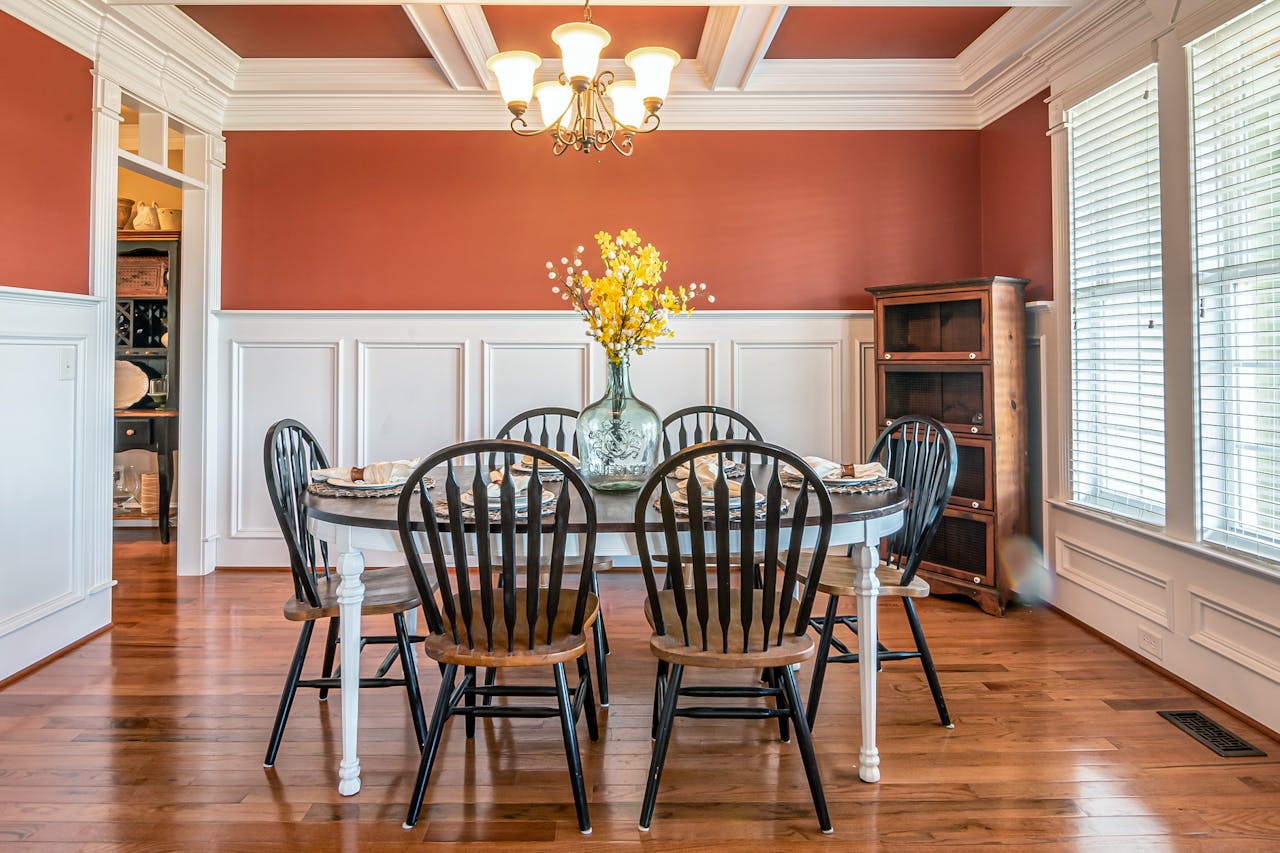
After years of crisp white walls and nearly invisible trim, many homeowners are asking for rooms that feel finished again. Trim is small-scale architecture: it frames openings, hides transitions, and adds shadow that makes paint and light look richer. During the minimal era, baseboards shrank, casings flattened, and ceilings stayed bare so spaces looked clean, but also a little blank. Now the taste is shifting toward warmth, craft, and detail that still feels modern. These trim choices bring character back without overdoing it.
Tall Baseboards That Ground The Room
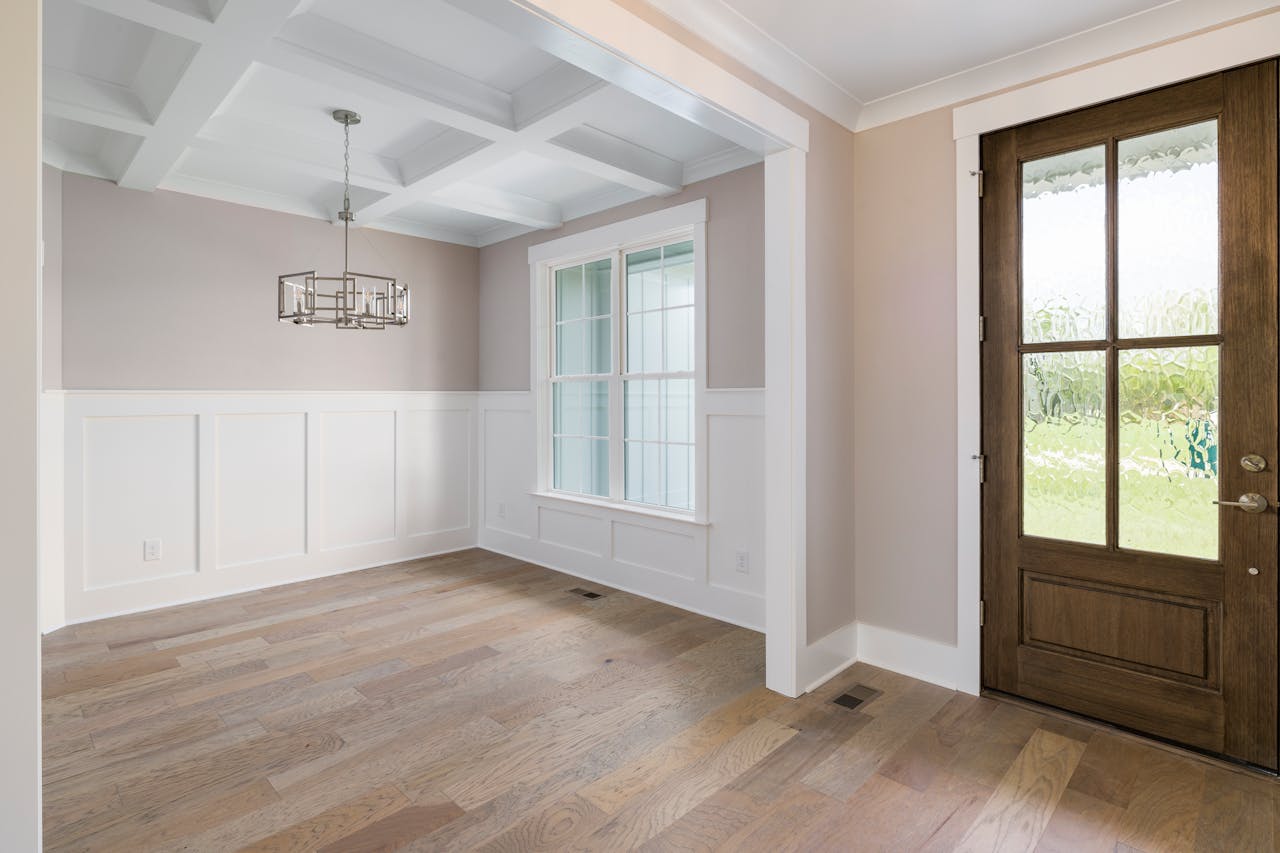
Short baseboards can make a room feel provisional, like the walls never got their final punctuation. Taller boards add weight at the perimeter and create a crisp shadow line that helps floors look intentional and ceilings feel a touch higher. Homeowners like the practical payoff: higher trim hides scuffs, masks uneven drywall edges, and gives paint colors a cleaner stop. A simple profile, scaled up, reads timeless instead of fussy, and furniture suddenly looks better placed against the wall. In many homes, that extra height is felt more than noticed; it quietly signals care and makes even basic rooms feel complete.
Window And Door Casings With Real Presence
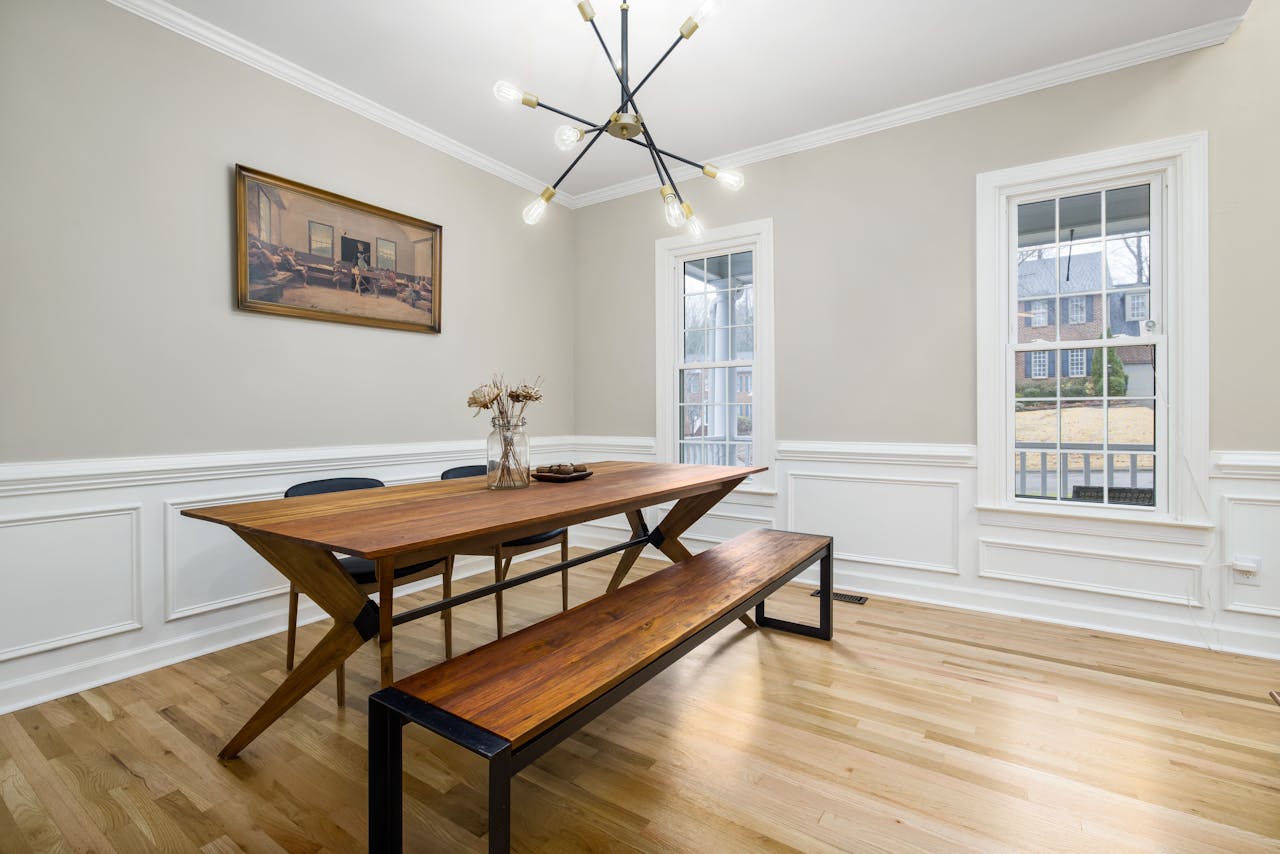
When casings get too thin, windows can look like they were cut straight into drywall. Wider casings bring back a framed effect that adds depth, catches light, and makes openings feel designed rather than accidental. The benefit is not only visual; thicker trim protects corners from bumps, covers settling gaps, and keeps paint lines crisp over time. Many homeowners choose clean, square profiles, just made wider, so the look stays modern while still feeling crafted, room after room. Add a slightly deeper sill or a simple backband, and even a standard window starts to feel like a feature, not a hole in the wall.
Crown Molding That Softens The Ceiling Line
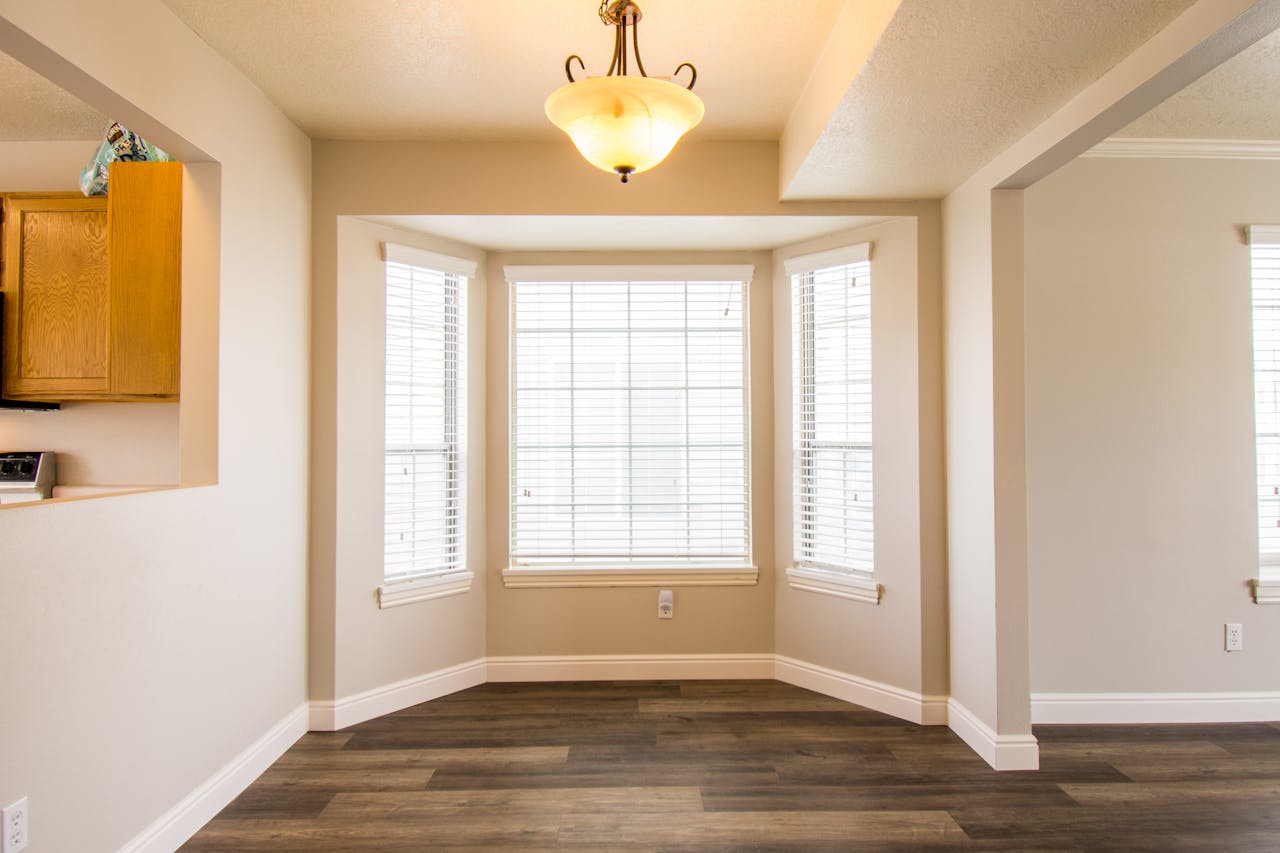
A hard wall-to-ceiling seam can make even a pretty room feel abrupt, especially under direct overhead lighting. Crown molding restores a gentle transition and adds proportion through shadow, which is why it never fully vanished from older American homes. The return is usually restrained: a simple cove, a modest step, or a small profile that reads calm, not ornate. Crown also helps when walls are not perfectly straight, because it hides slight waviness and keeps paint edges tidy. It is a small detail, but it makes the top line of a room feel finished and surprisingly restful. The effect holds from day to night.
Picture Rail Molding For Flexible Art Hanging
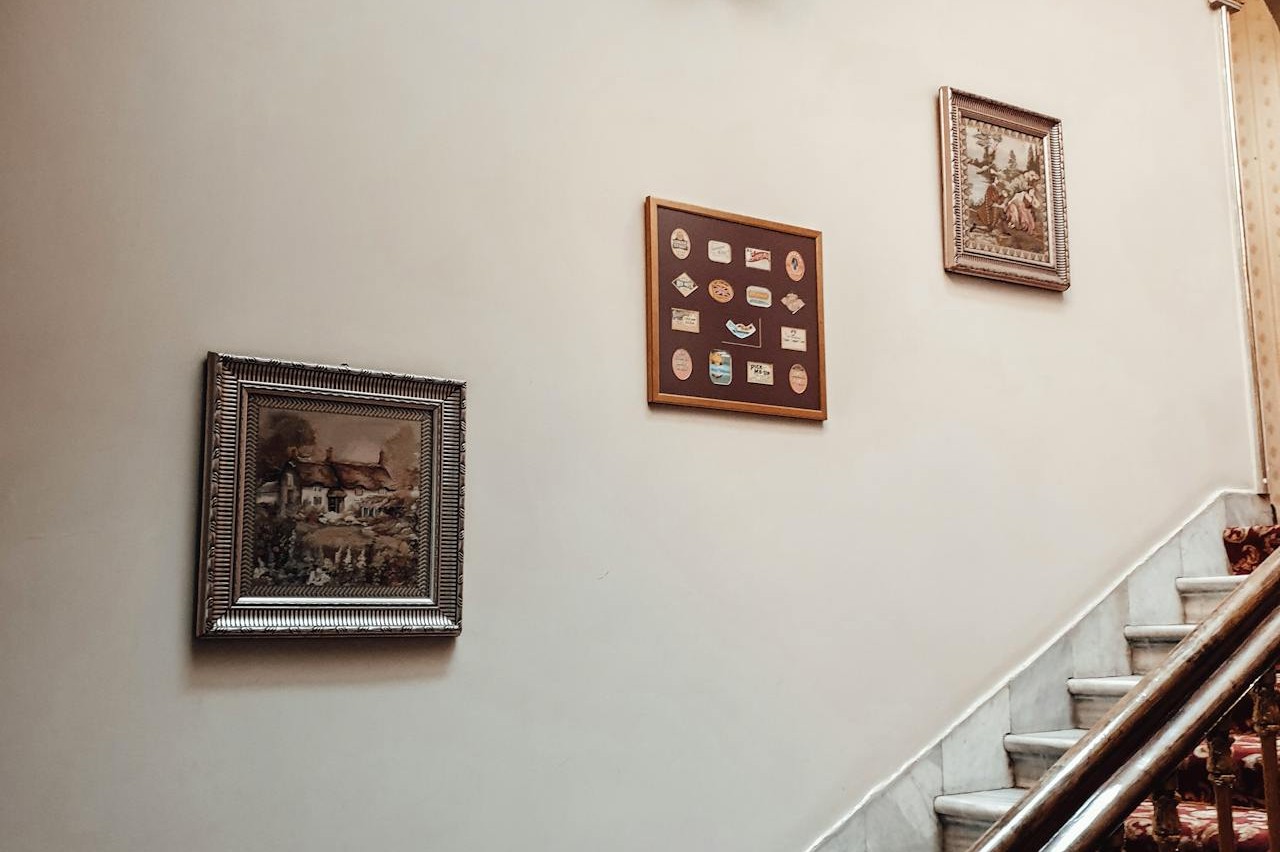
Picture rails began as a practical way to hang art without turning plaster into Swiss cheese, and the idea still holds. Homeowners want them back because a rail adds an architectural line and makes it easy to swap frames without repainting. It breaks up tall walls, gives collections a natural alignment point, and encourages layered groupings that can change over time. Painted to match the wall, it reads subtle, almost like built-in trim, but it adds the kind of lived-in character minimal rooms often miss. In dining rooms and stair halls, the rail also brings scale, so art stops floating and starts feeling anchored.
Chair Rails That Add Structure Without Feeling Formal
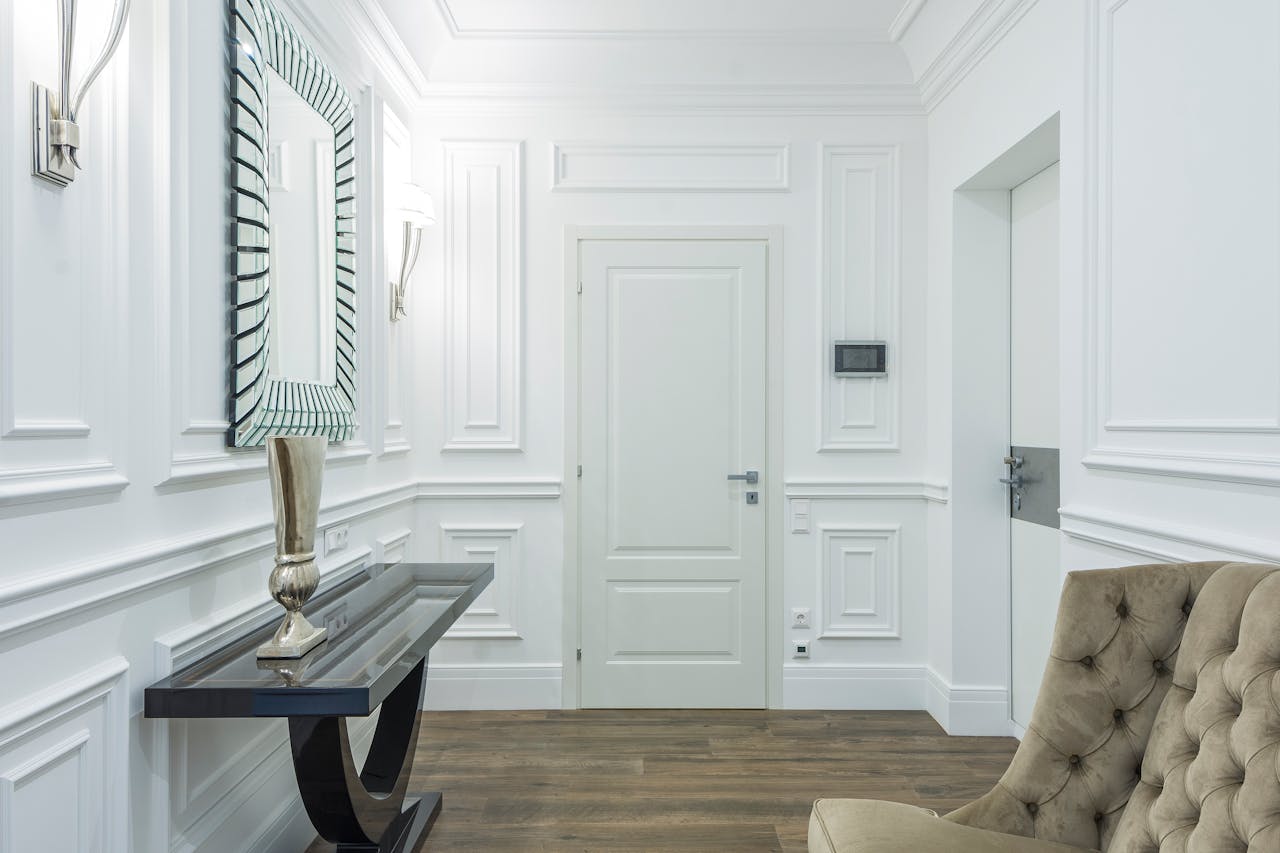
Chair rails were once treated as a dining-room rule, then written off as dated, but they are returning for good reasons. A rail solves two problems at once: tall walls can feel empty, and the lower section takes the most wear from bags, chairs, and daily traffic. It creates a clean break for two-tone paint, wallpaper below, or simple paneling, and it makes the whole wall feel scaled to the room. With a quiet profile, chair rails read tailored rather than formal, especially in hallways, mudrooms, and stair landings. The detail feels familiar, like older homes, but it still works with modern lighting and furniture.
Board And Batten That Adds Quiet Rhythm
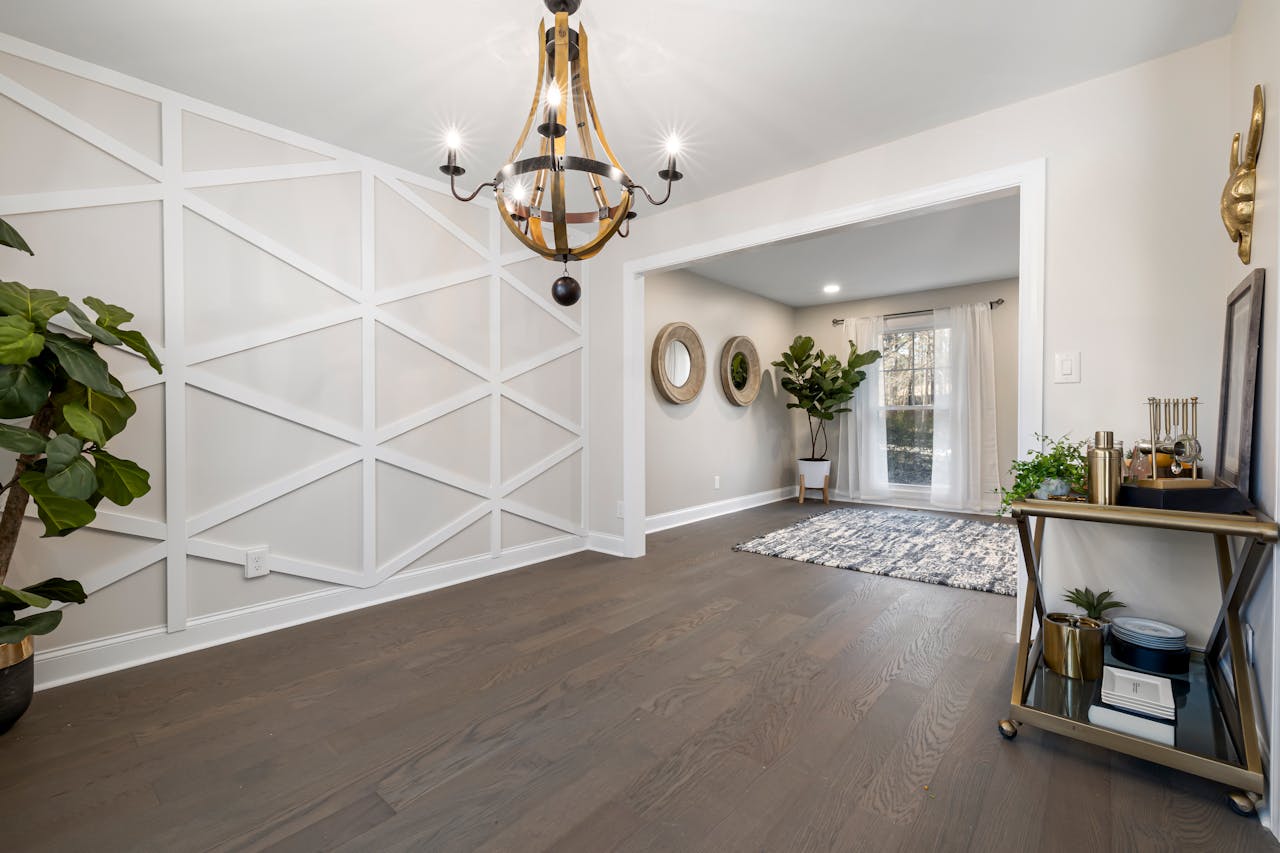
Flat walls can look clean, but in a large room they can also feel like an afterthought. Board and batten brings back quiet rhythm through vertical lines that create depth without demanding bold color or busy pattern. Homeowners like it because it makes a space feel more architectural, and it plays well with both modern pieces and vintage finds. Painted the same color as the wall, it reads as shadow and craft, and it can also hide dents and uneven drywall with grace. Simple battens spaced evenly keep the look calm, and the room gains texture that feels built-in rather than applied. It photographs well, too.
Wainscoting That Makes Rooms Feel Built-In
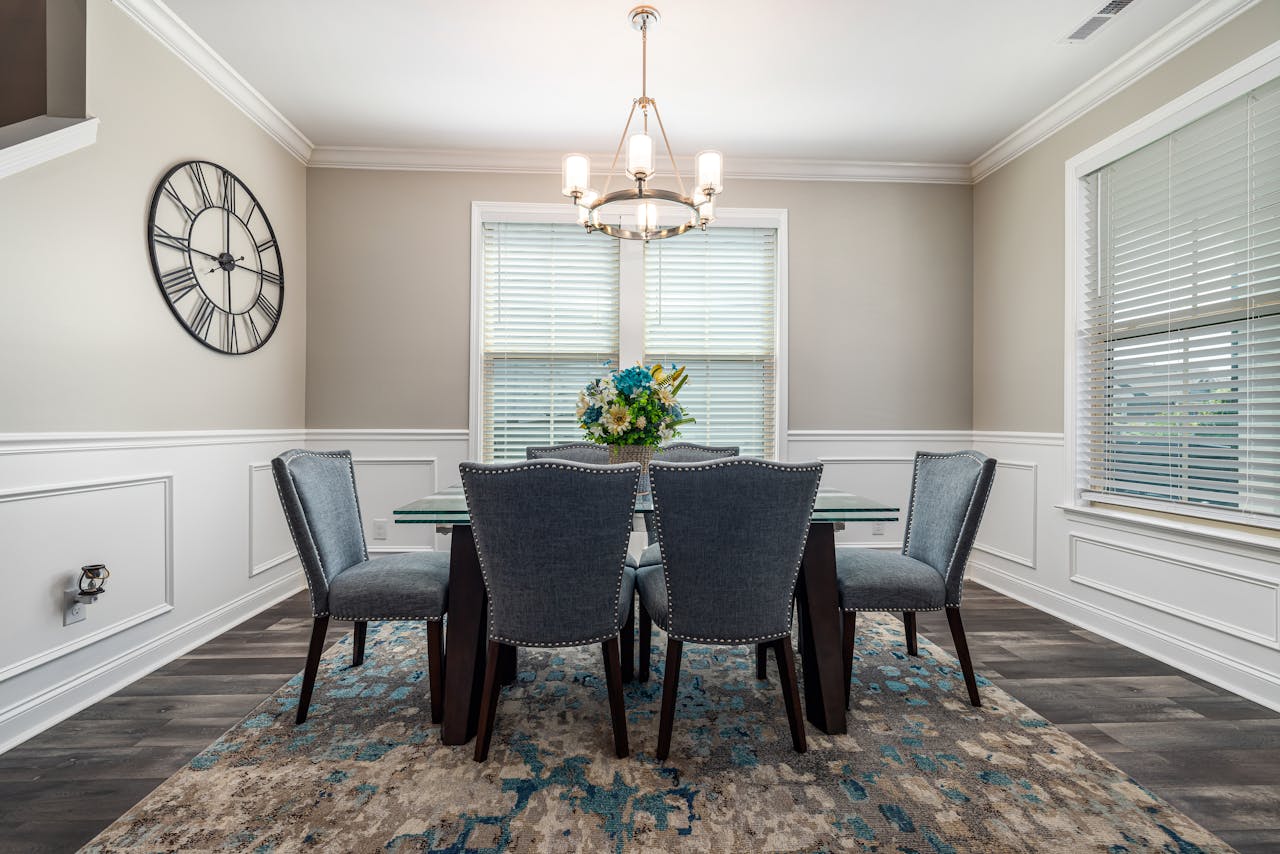
Wainscoting brings back the built-in feeling many people associate with older houses. The lower paneling adds depth and protection, while the upper wall stays open for art, mirrors, and softer paint, so the room does not feel boxed in. It is especially popular in entryways, dining rooms, and stair halls where long surfaces can look plain and scuffed over time. Today’s versions lean simple, like flat panels or beadboard, often painted one color for a clean, updated look that still feels rooted. The payoff is subtle but real: rooms feel finished at human height, not just impressive from a distance.
Ceiling Medallions And Subtle Rosettes
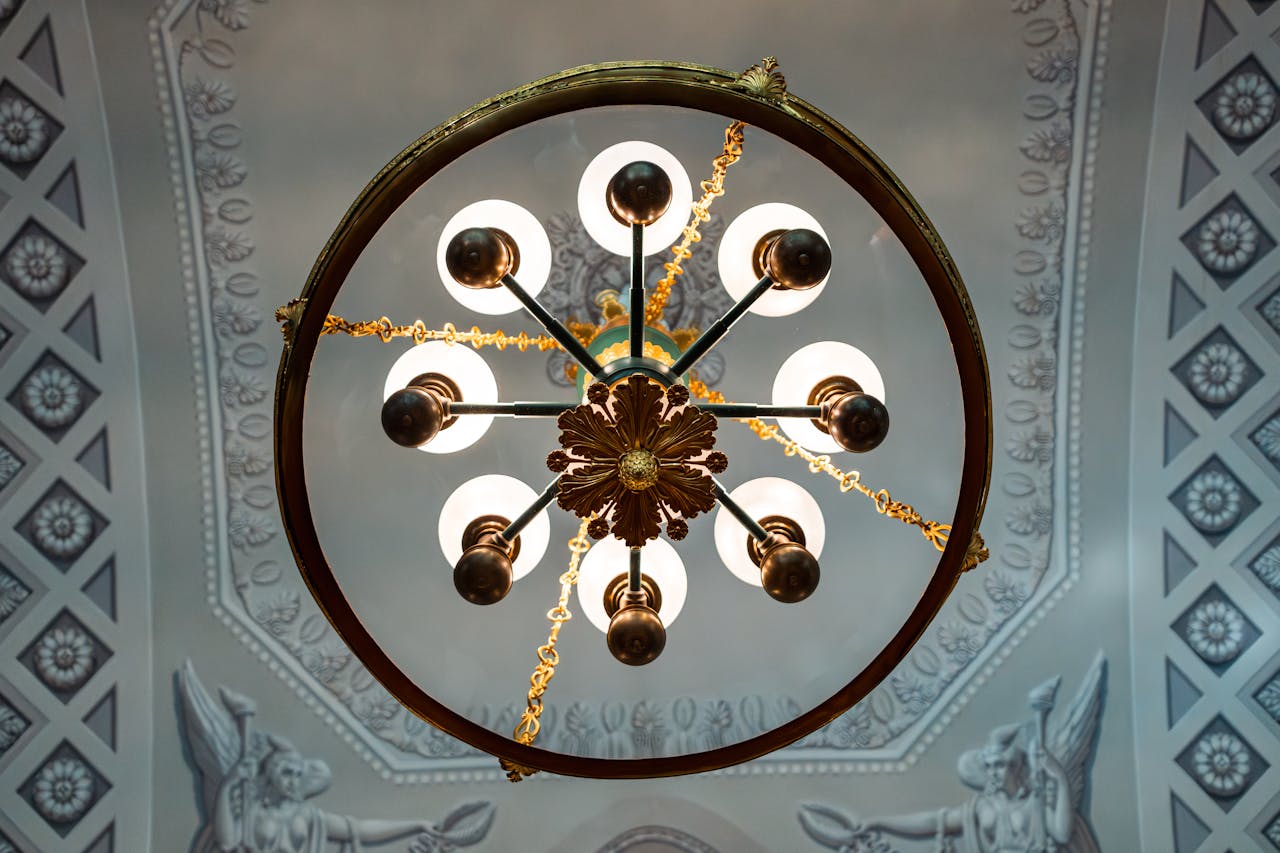
Minimal ceilings can look forgotten, even when the room below is thoughtfully styled. Ceiling medallions and small rosettes are returning because they give a chandelier or pendant a proper landing and can cover marks left by older fixtures. Homeowners tend to choose restrained shapes, like clean rings, gentle petals, or simple geometry, so the detail reads classic, not heavy. Painted to match the ceiling, the medallion adds texture and shadow without pulling focus, and the light looks more intentional. It is an easy way to add craft overhead, where rooms often feel a little too blank after years of simplification.
Plinth Blocks At Doorways For A Clean Finish
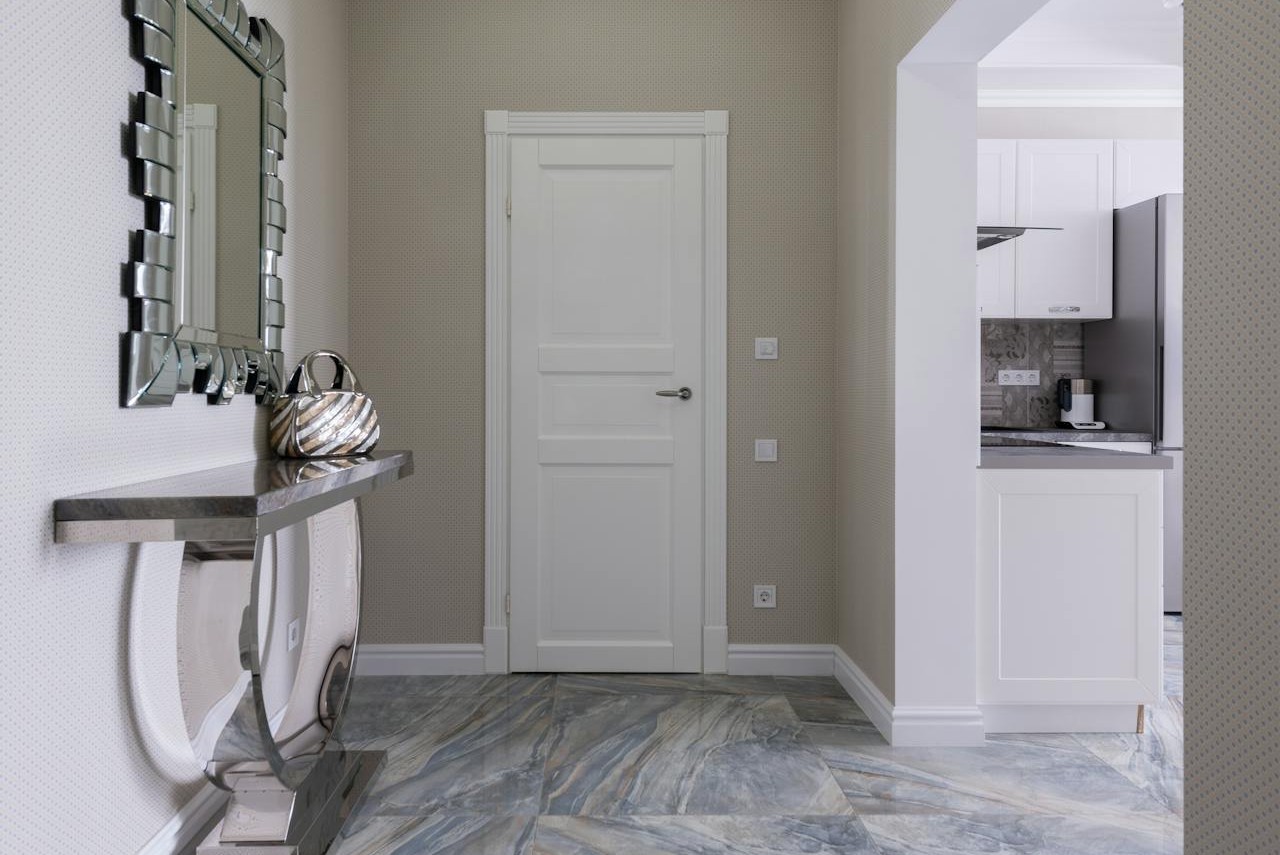
Plinth blocks are small, but they make door trim look sturdier and more deliberate. Set at the base of the casing, they create a clean transition between baseboard and casing, avoiding awkward angles and tiny returns. Homeowners want them back because they simplify carpentry, especially in older houses where floors slope and walls shift, and the result looks calm. Painted to match the trim, plinth blocks fade into the background, yet openings feel better grounded and more finished. They also protect that high-traffic corner from vacuums and shoes, which is why they were common in the first place.
Decorative Corner Blocks That Add Vintage Charm
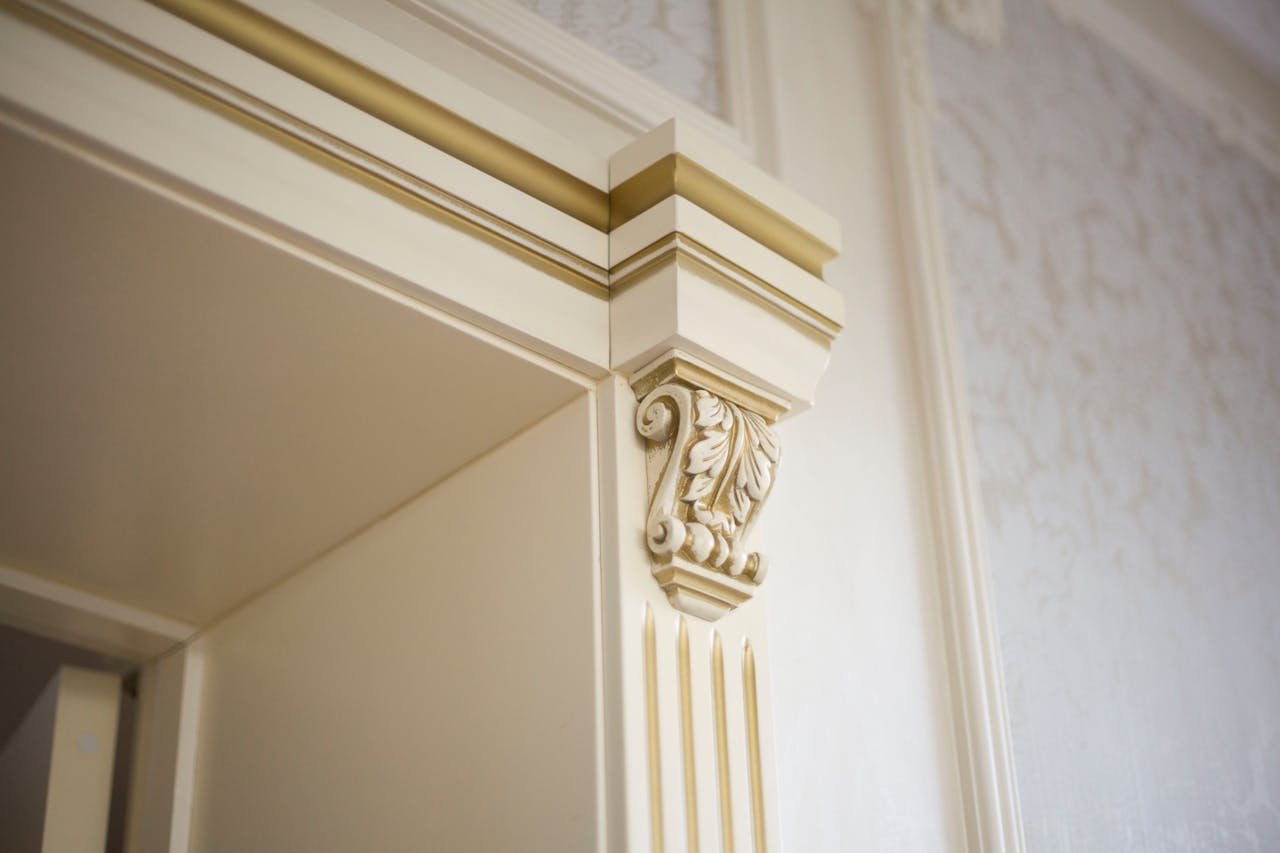
Corner blocks at the tops of door and window casings were common in many older American houses, then faded when trim went thin and flat. They are returning because they add a small note of charm and also make installation cleaner by creating a clear stop point for joints. Homeowners like that the detail nods to Craftsman and Victorian influence without asking for ornate profiles everywhere in the house. In painted trim, corner blocks add a crisp finish that catches light, and the room gains character without feeling busy. Used sparingly, they feel like a quiet signature detail, not a theme. It works.
Layered Casing Profiles That Create Shadow And Depth
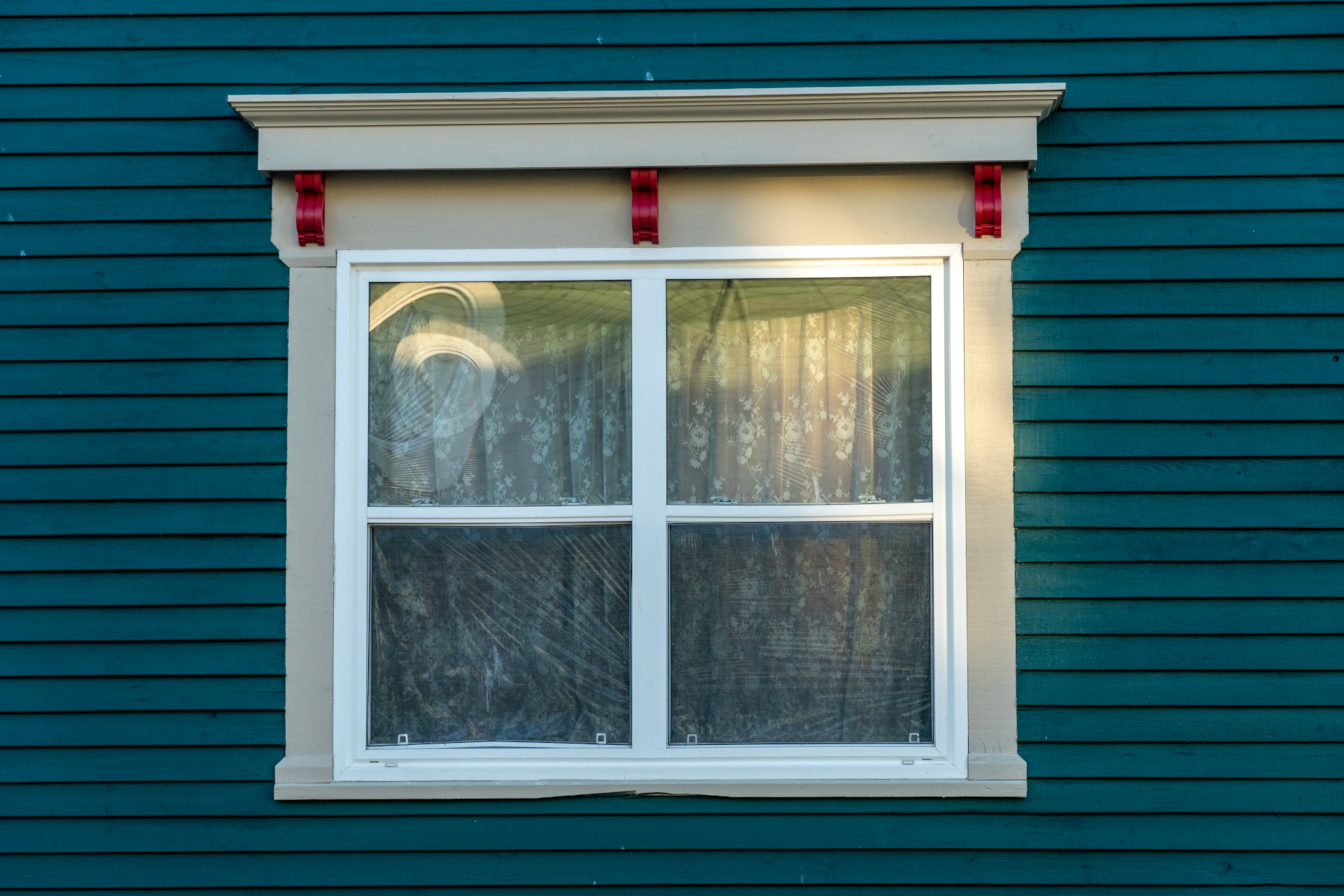
Thin, flat casings can make a room look sharp, but they can also make doors and windows feel underdressed. Layered casing brings back depth by stacking simple profiles, creating shadow lines that read custom without relying on ornate carving. A wider casing paired with a clean backband can turn a plain opening into something architectural, and the change shows best in natural light. Homeowners like this approach because it feels specific to the house, not tied to one trend, and it adds richness without visual noise. Even simple paint looks deeper when those shadows appear at every doorway and window.