Before appliances and utilities, a home ran on muscle, heat, and repetition. Many chores were not about perfection as much as keeping life livable when time and energy were threadbare.
Modern living did not remove housekeeping, but it changed its shape. Hot water arrives on demand, fabrics tolerate mistakes, and food preserves longer without constant attention. Evenings belong to restoration, not recovery.
These older tasks still echo in family stories: soot on a windowsill, stiff linens, and laundry that weighed like mooring rope. Remembering them makes today’s conveniences feel less like laziness and more like hard-won relief.
Washboard Laundry And Hand-Wringing

Wash day once started with hauling water, heating it on a stove, and scrubbing cloth against a ridged washboard until wrists ached. Soap was often strong, sometimes lye-based, so hands stung and rinses multiplied. Wet sheets and denim felt like dead weight, and stains demanded soaking, brushing, and a second round.
Then came wringing, either by hand or through a crank wringer that could snag fabric and pinch fingers. Whites might be boiled or blued to look bright. Everything went on the line, and a sudden shower meant sprinting outside to save it.
By the time the last shirt dried, the day was gone, and the next pile was already waiting.
Tending A Coal Or Wood Stove
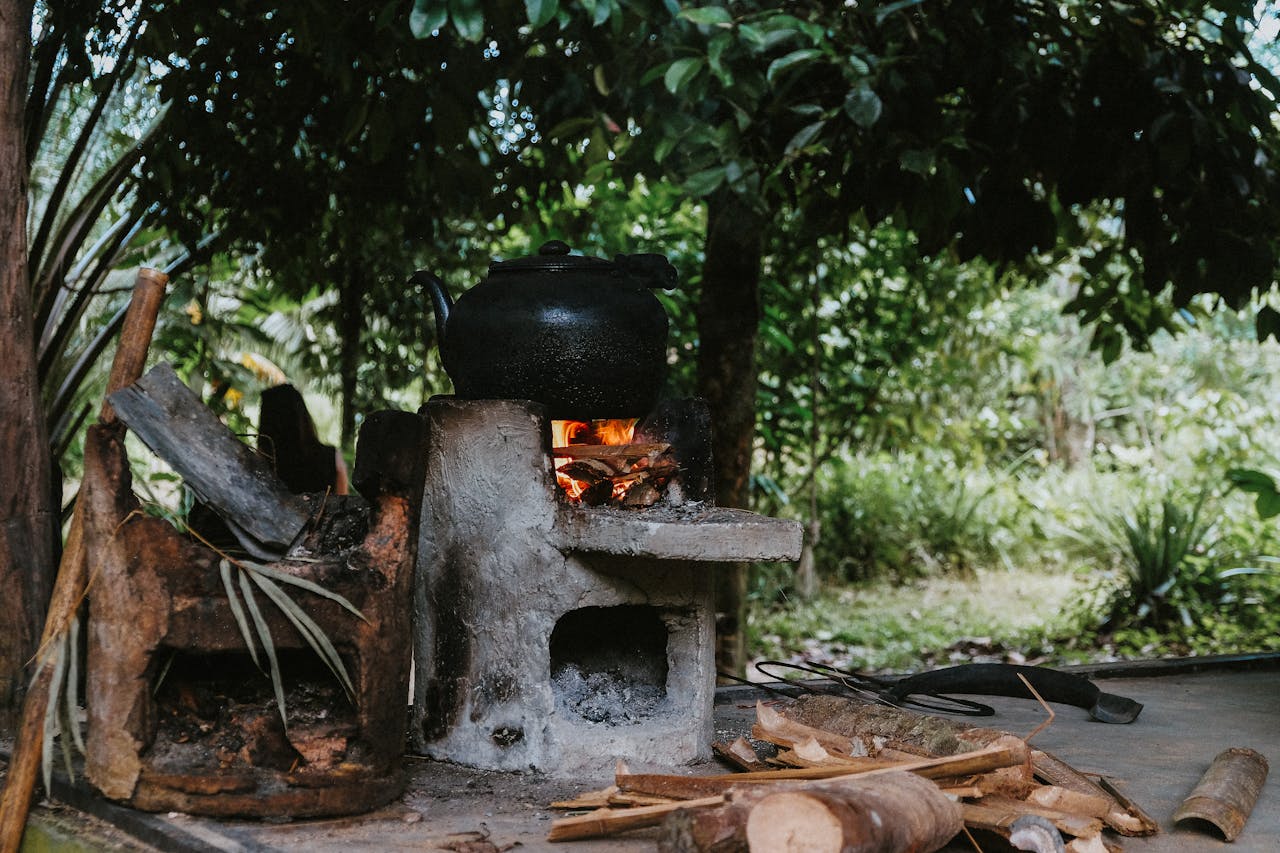
Keeping a coal or wood stove going was a daily job, not background comfort. A pot could boil fast, then stall when the draft shifted. Fuel had to be carried in, kindling kept dry, and the fire rebuilt and banked so the house did not wake up cold. Heat was judged by feel, with dampers and drafts tweaked hour by hour.
Smoke and soot settled on walls, curtains, and pans, so wiping never really ended. Ashes had to be carried out safely, chimneys watched for buildup, and sparks treated with respect. Cooking meant stoking, waiting, and scrubbing black dust from hands.
Modern heat may be boring, but it is cleaner, steadier, and far less demanding.
Beating Rugs And Mattresses Outdoors
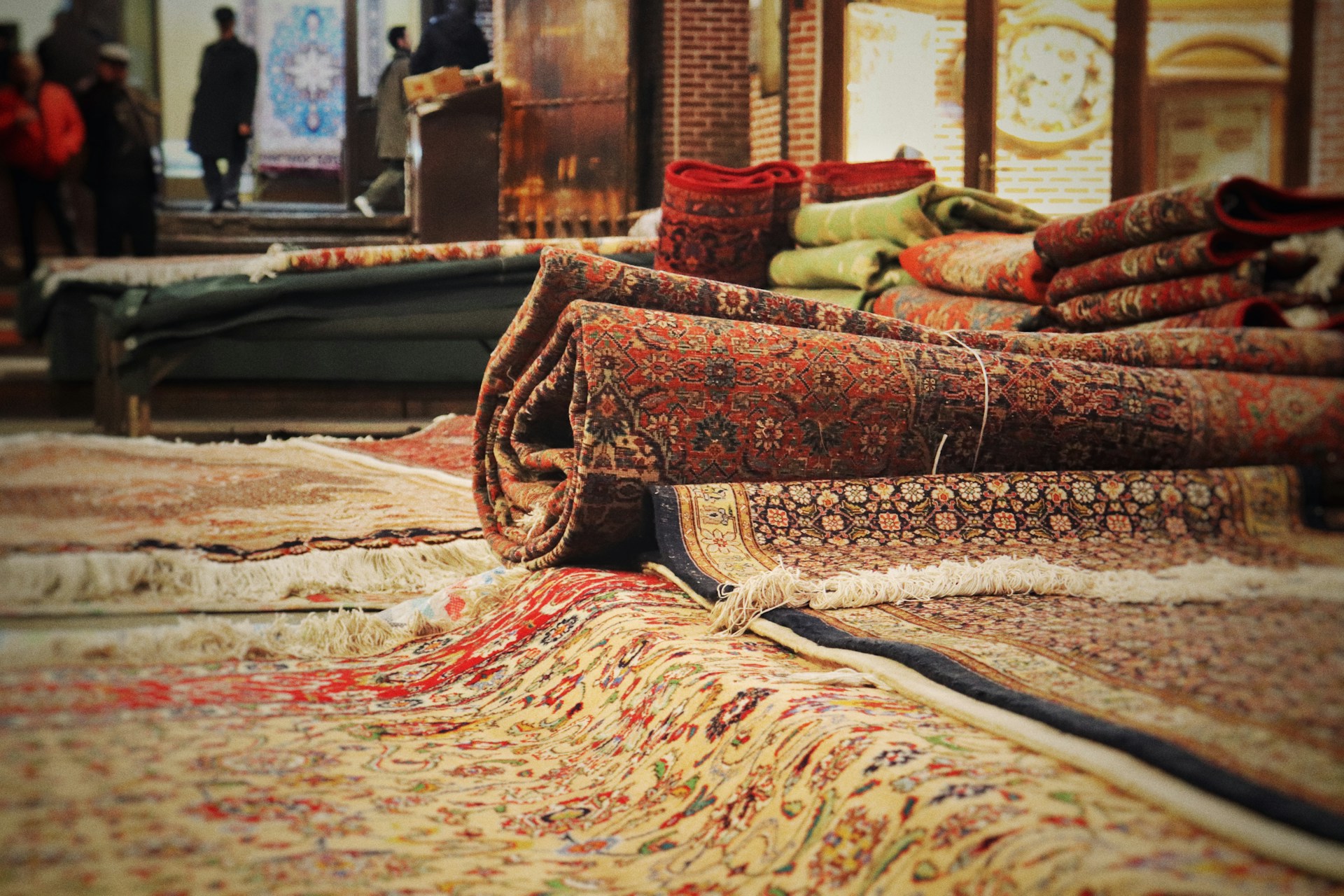
Before vacuums were common, rugs and mattresses were hauled outside and beaten until dust stopped rising. They were draped over a line or railing, flipped, and aired, and the work was loud, physical, and timed around dry weather because damp fabric held grit and mildew.
Each strike released clouds of sand, hair, and lint that clung to skin and throats. Some households misted the fabric to keep dust down, then waited for sun to dry it fully. Mattresses were turned to chase out stale smells, and rugs had to be carried back in without re-dirtying them.
A vacuum is not romantic, but a filter beats breathing yesterday’s dust.
Hand-Waxing And Buffing Floors
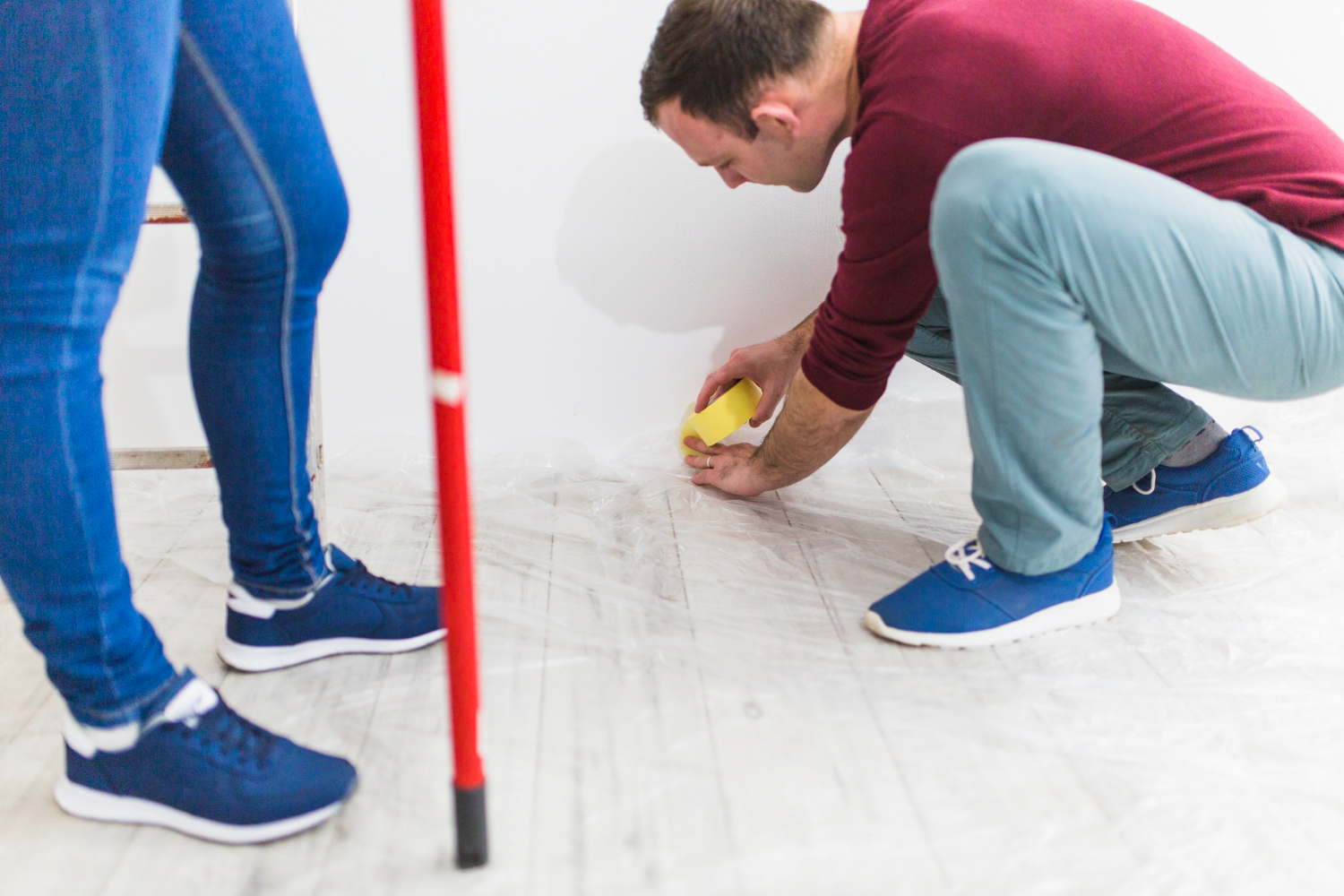
Many floors were waxed, not just mopped, and the shine came from knees and elbow grease. Wax had to be spread thin, left to haze, then buffed until it looked even. Heavy polishers existed, but they still demanded control along baseboards and in corners.
Furniture had to be moved, and fresh wax could not be stepped on, so whole rooms became off-limits. Rugs stayed rolled until the surface set. A missed patch showed in daylight, and buildup near edges needed extra scraping. The smell lingered, and the job had to be repeated before guests or holidays.
Today’s finishes let clean be enough most days, which is the real luxury.
Starching And Ironing Everything Crisp
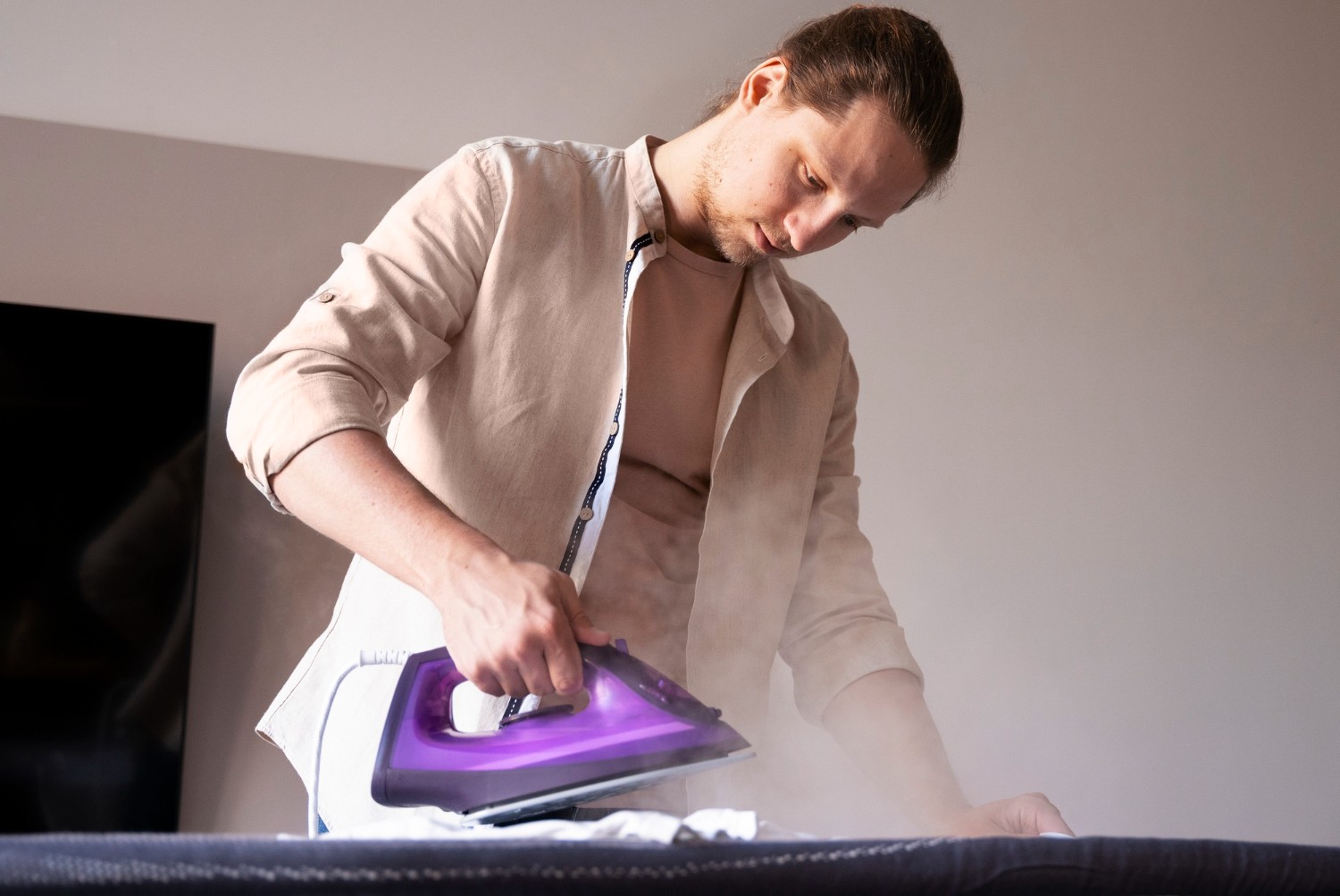
Clothes and linens once demanded crisp structure, which meant starching collars, cuffs, and sometimes sheets. Starch was mixed, brushed or dipped on, then ironed smooth while fabric was still slightly damp. The goal was sharp and even, with no shine marks or scorched edges.
Irons were heavy, and some were heated on a stove, then swapped as they cooled. Laundry became an assembly line of sprinkling, folding, pressing, and reheating. School uniforms and Sunday clothes made it weekly. A rushed pass left puckers or creases that showed all day.
Easier fabrics and looser dress codes rescued hours without lowering standards much.
Polishing Silver And Brass By Hand
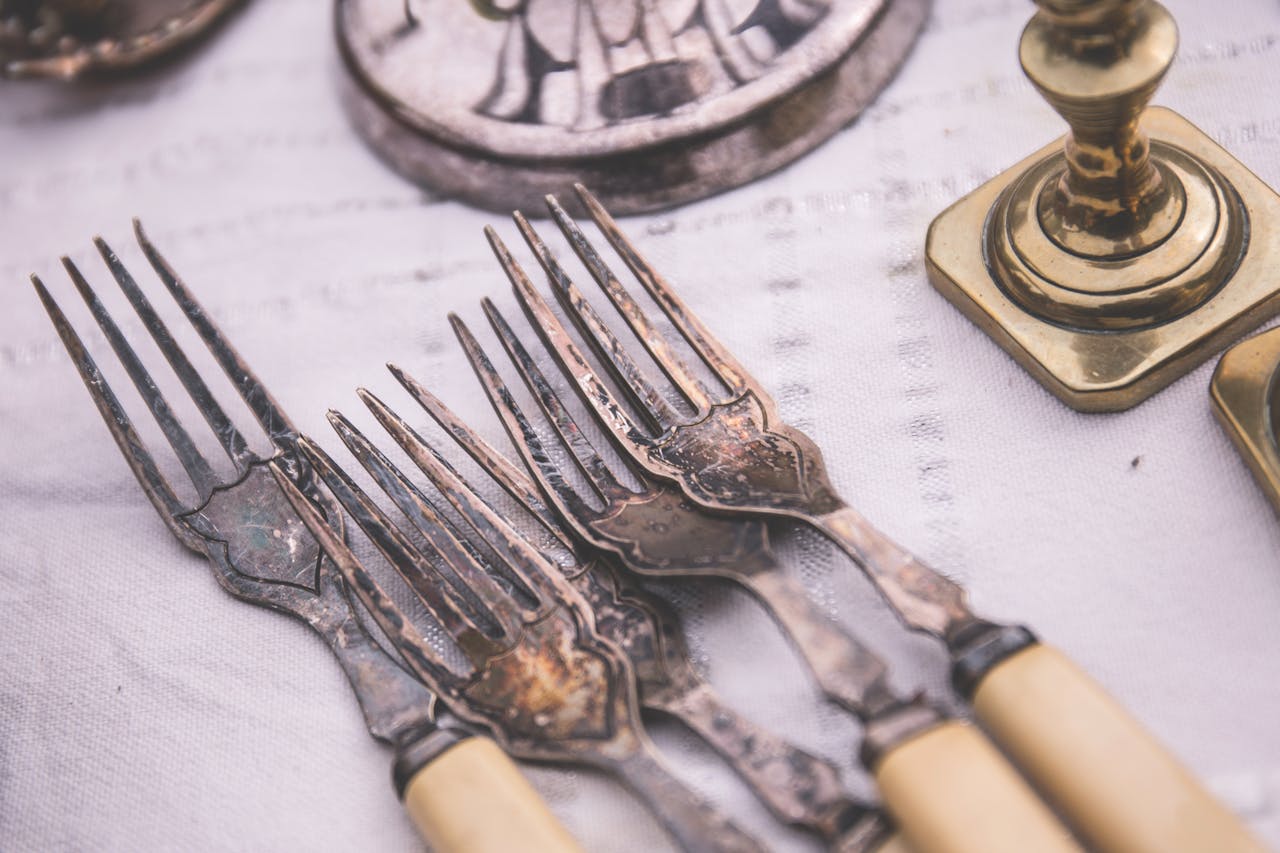
Shiny metal once signaled a well-kept home, but silver and brass tarnished quickly. Trays, candlesticks, and fixtures had to be rubbed with paste, rinsed, and dried until fingerprints disappeared. Ornate edges trapped grime, so every detail demanded time.
Polish smell clung to hands, and cloths turned black, which made the work feel endless and a little thankless. The same pieces needed attention again before holidays and guests, turning hosting into prep labor. Then everything had to be buffed to a dry shine. One missed spot showed under lamplight.
Stainless steel and coated finishes made clean feel like enough, and that is a gift.
Defrosting Freezers And Managing Iceboxes
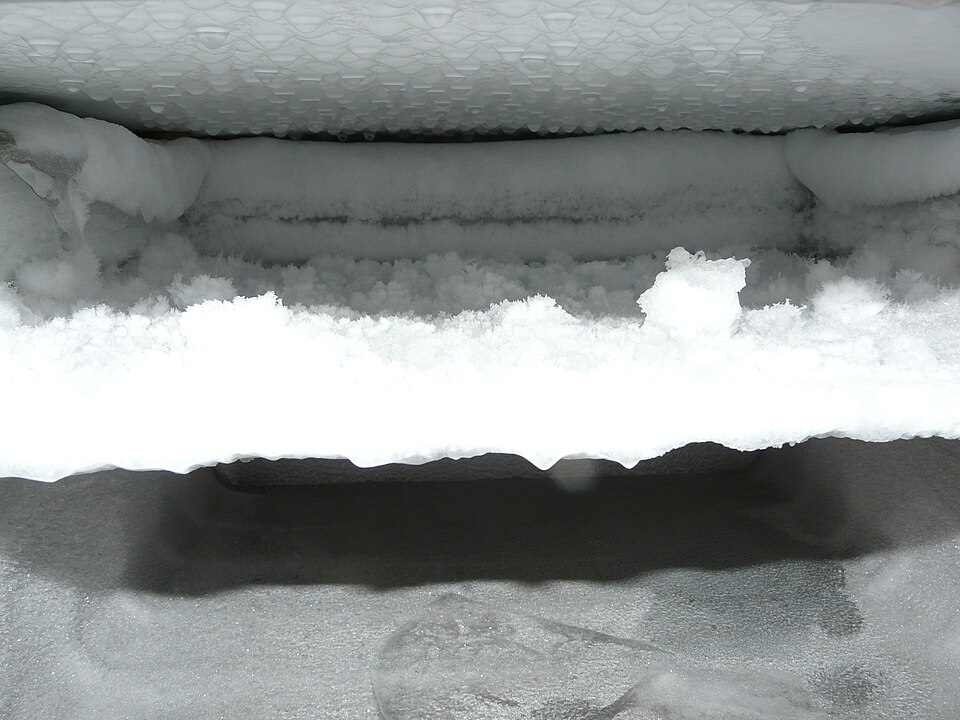
Older refrigerators and freezers often needed manual defrosting, and frost crept in like slow weather. Space shrank, doors stopped sealing well, and the fix was to unplug, empty shelves, and start chipping. Food sat in coolers while the kitchen turned into a wet work zone.
Ice had to be pried loose, meltwater caught in pans, and towels spread before puddles reached the floor. The drip could last for hours, and stubborn sheets of ice refused to release without patience. Afterward, the box still needed a wipe-down before restocking.
Automatic defrost turned that sticky ritual into background maintenance and spared the groceries.
Emptying Chamber Pots And Daily Sanitation
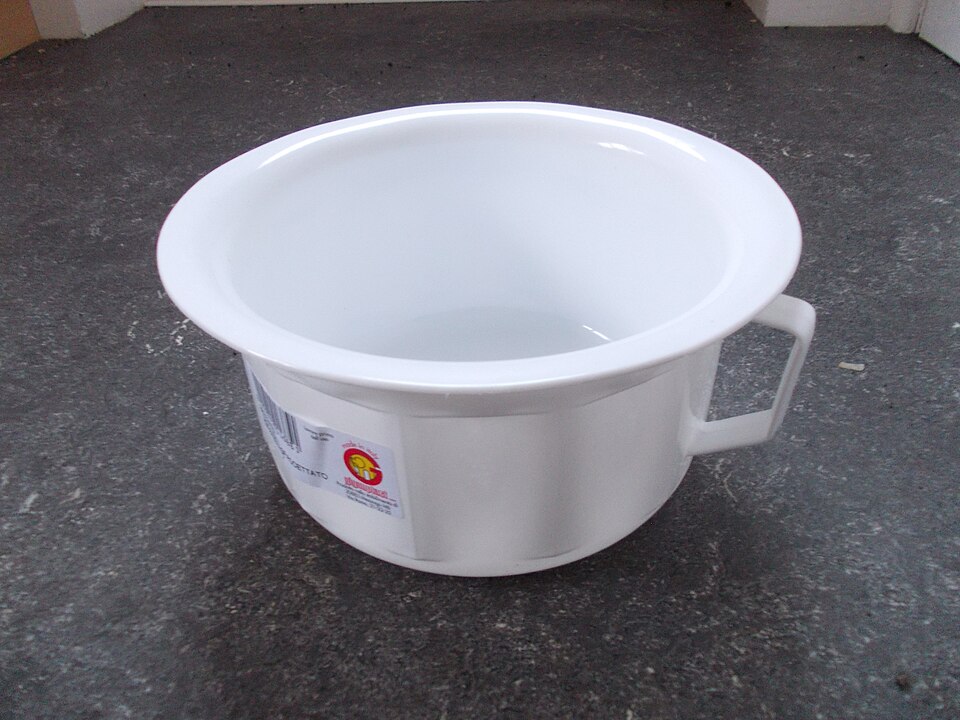
Indoor plumbing was not always a given, so nighttime sanitation often meant a chamber pot under the bed. It had to be emptied each morning, rinsed, and deodorized, sometimes in freezing weather, then carried back for the next night. The task was routine and unavoidable.
In homes using outhouses, care still took time: safe paths in rain, clean surfaces, and basic supplies kept ready. Privacy was limited, night trips were slower, and children often needed help, and the work fell hardest on whoever managed the household. Modern bathrooms brought running water, safer hygiene, and dignity.
It quietly removed one of the heaviest daily routines.