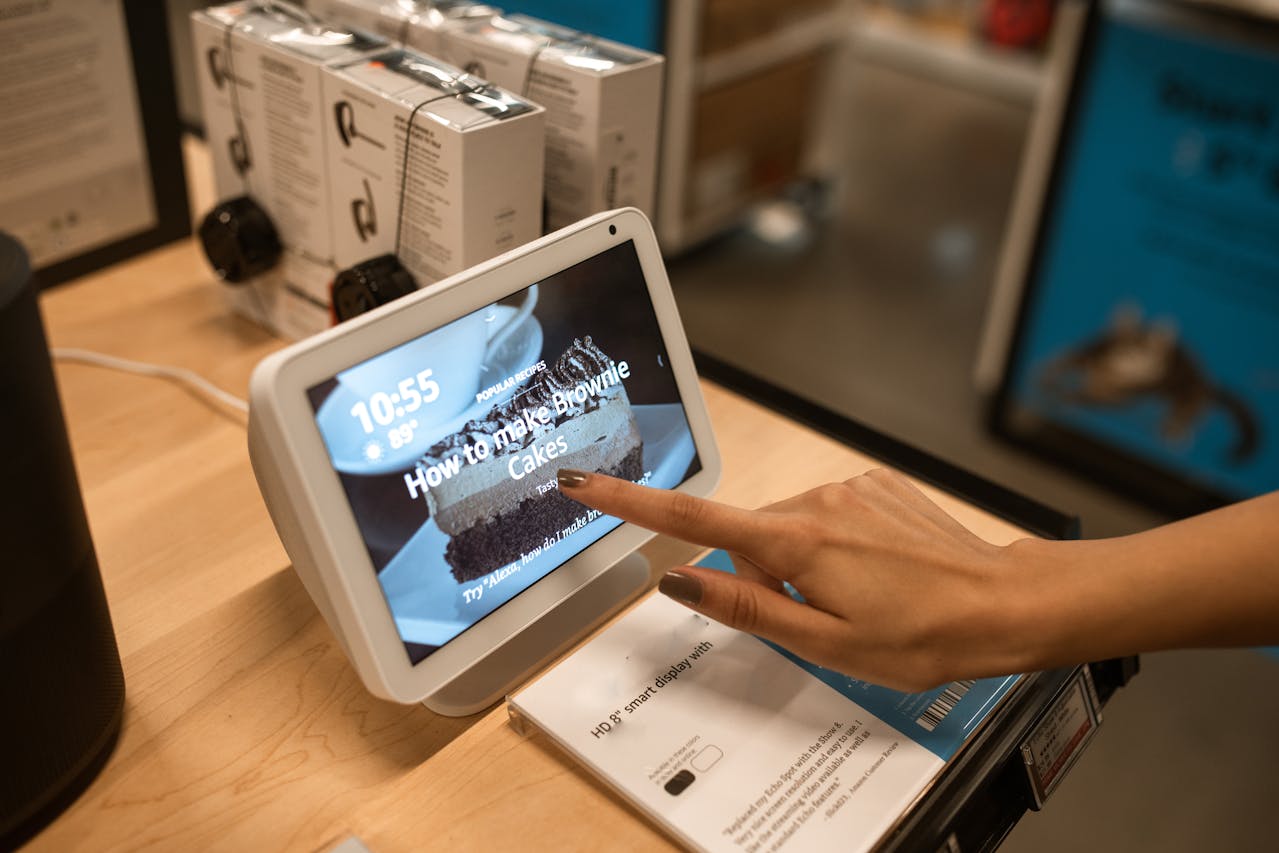
Smart homes can feel like a promise: lights that anticipate evenings, climate that stays steady through monsoon heat, and doors that lock with quiet certainty. Yet buyers have learned that convenience can sour when a brand disappears, an app redesign breaks routines, or a sleek control panel starts to look like a forgotten phone on the wall. The most durable homes keep the bones simple and let technology stay modular, swappable, and politely in the background, ready to evolve without forcing a remodel. In many listings, the smartest choice is the feature that can be replaced in an afternoon, not rewired in a weekend.
In-Wall Control Tablets
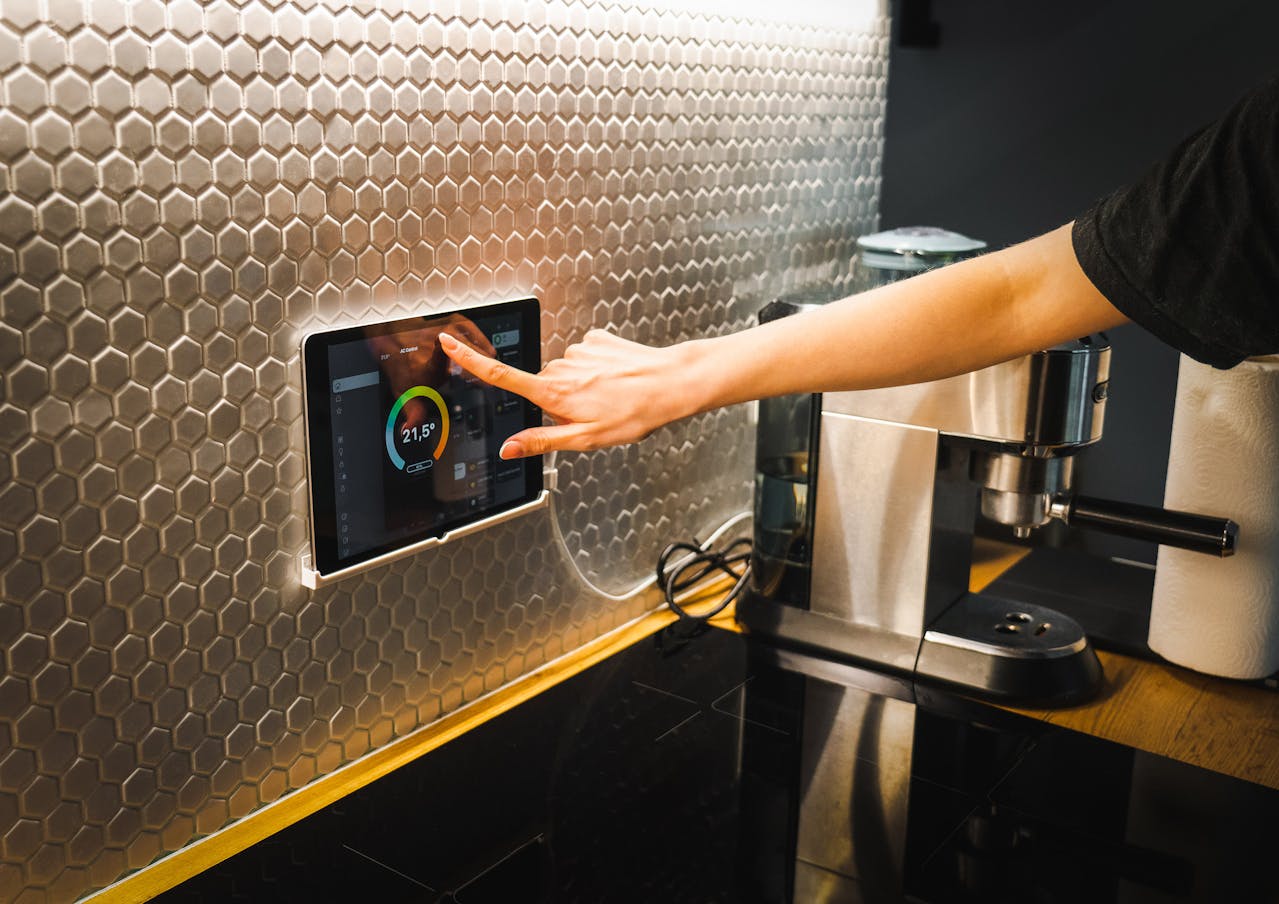
In-wall tablets look futuristic on a showing day, but they age like old smartphones: dimmer screens, laggy touch response, and operating systems that stop receiving security fixes. They also collect fingerprints and kitchen haze, so the glossy rectangle becomes the first thing that looks tired in an otherwise fresh room. When the model is discontinued, replacements rarely match the cutout or mounting plate, leaving a scar in drywall or tile and a hardwired power stub that no longer makes sense; buyers would rather keep controls portable so the tech can be swapped in an afternoon, without a contractor or patchwork paint.
Single-Brand Lighting Hubs
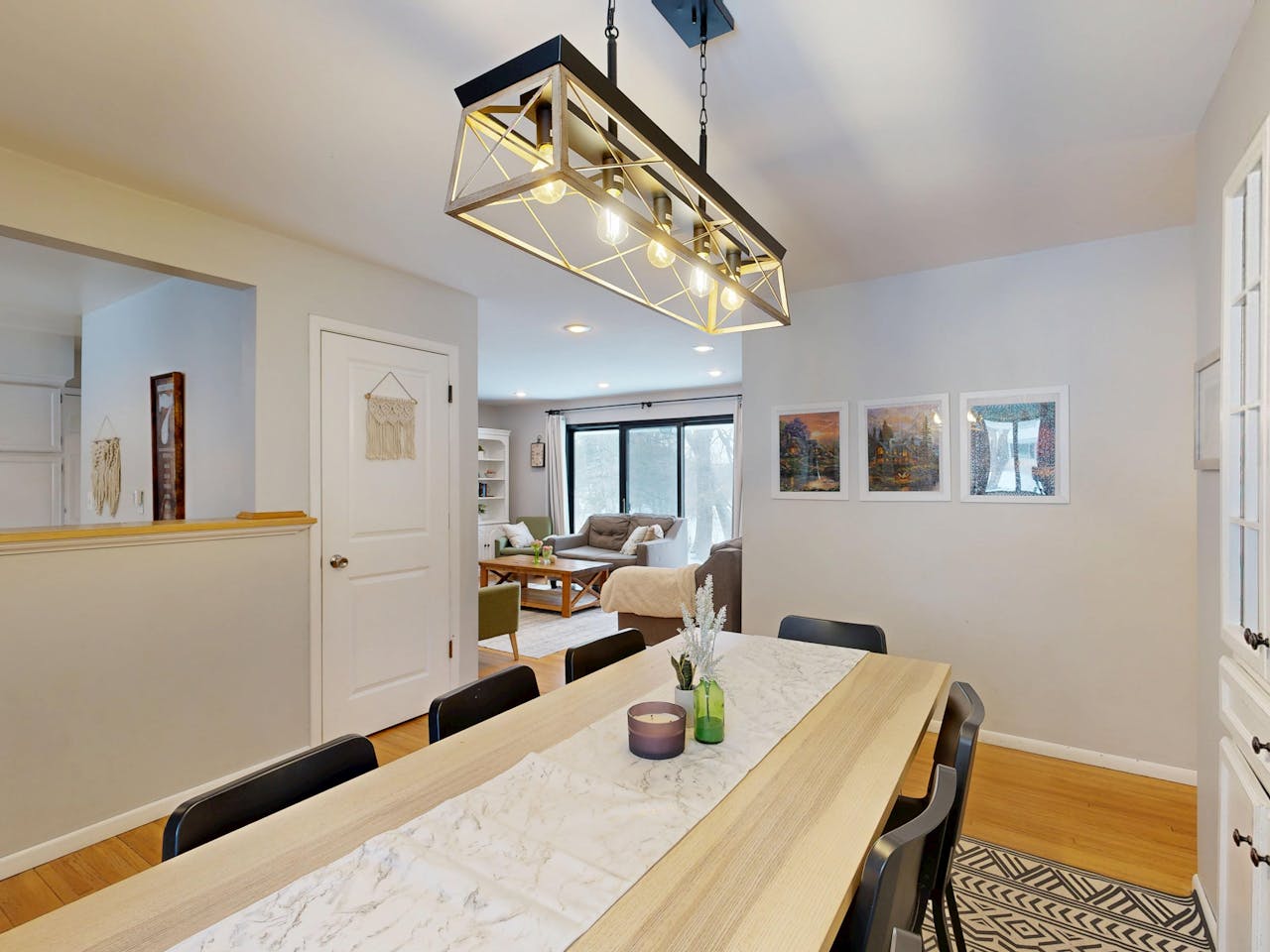
Whole-house lighting systems tied to a single hub can feel elegant for a season, until the brand changes its app, retires a bridge, or shifts features behind a subscription paywall. Then a simple bulb swap becomes a compatibility puzzle, pairing resets eat an evening, and guests are left tapping walls because familiar switch behavior was overwritten by scenes and motion rules. Buyers lean toward smart switches and dimmers that behave like normal wiring first, with automation added as a removable layer, so the home stays intuitive and the lights keep working even if the hub goes silent during an outage or a future remodel.
Cloud-Dependent Security Cameras
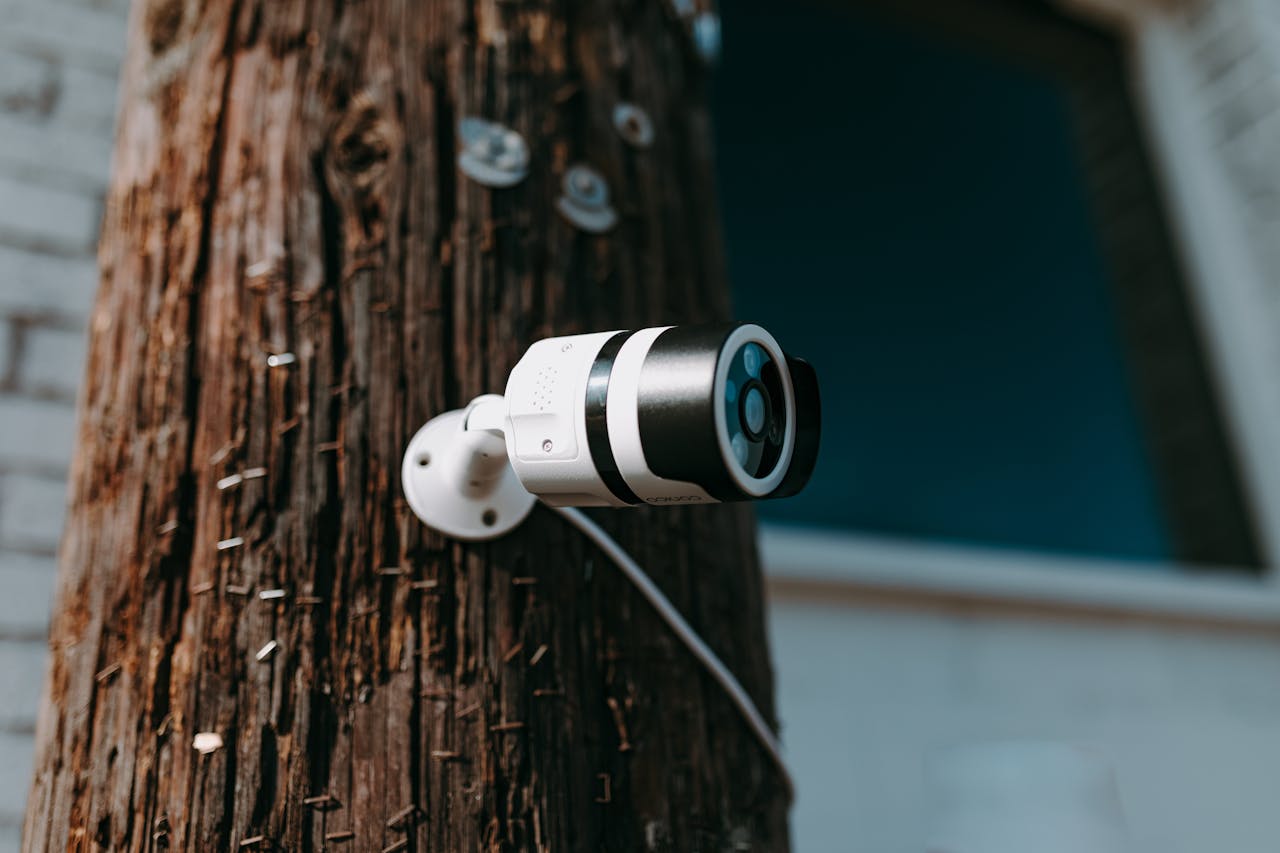
Doorbells and cameras that rely on a vendor’s cloud can look reassuring, but they age badly when the service raises fees, changes retention rules, throttles video quality, or sunsets older hardware. What began as peace of mind turns into notification fatigue and a monthly bill, plus a privacy debate when analytics and face tags are added without clear consent, or when accounts are shared with prior owners or installers. Buyers increasingly favor systems that can record locally, export footage, and keep working in a limited way even if Wi-Fi drops, because security should not hinge on a company’s next update for years.
Built-In Voice Assistant Microphones

Ceiling microphones and always-listening speakers sound like a luxury upgrade, yet they tend to date a home faster than paint colors or cabinet pulls. Rooms echo, HVAC hum triggers false activations, and the assistant ecosystem shifts, so a setup that once answered timers starts missing commands, while privacy expectations tighten and built-in mics feel less like convenience and more like a liability that cannot be easily removed. Buyers prefer plug-in assistants or phone-based control, because it keeps the choice personal, simplifies upgrades, and leaves ceilings clean, not punctuated by tech that screams a specific year.
Proprietary Motorized Blinds

Motorized blinds installed inside trim can impress in a walkthrough, but they often age into a maintenance story once daily use, dust, and summer heat get involved. Motors grow noisy, batteries swell, cords drift out of alignment, and a single failed unit can force an entire window treatment to be replaced because parts are model-specific, warranties are narrow, and installers move on. Buyers accept automation more readily when it is modular, with manual override and standard shades plus replaceable motors, because sunlight control should not require special orders, rewiring, and weeks of waiting just for one window.
Smart Fridges With Big Screens
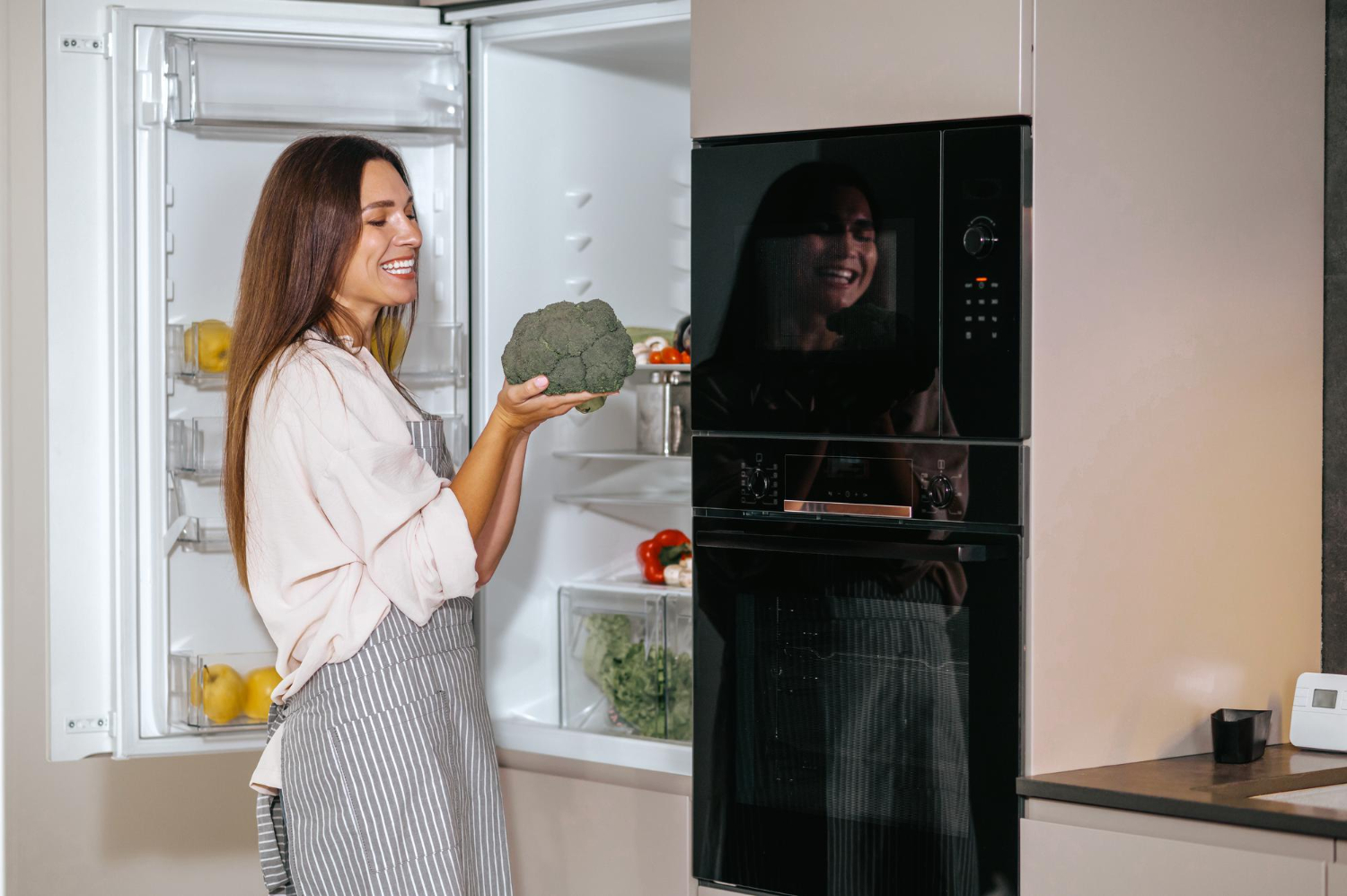
Appliances with giant touchscreens promise grocery lists, recipes, and streaming, but they age faster than the compressor ever will. Glare makes the display hard to read, software updates slow, apps disappear, and the glossy panel becomes a smudged billboard in the busiest room, while repairs can require a specialty technician and an expensive replacement module that costs more than expected. Buyers prefer durable appliances with simple knobs and buttons, letting phones handle the smart layer, because kitchen tech should be replaceable in 5 years without swapping out a working fridge, especially during a move or a remodel.
Subscription-Tied Thermostat Features
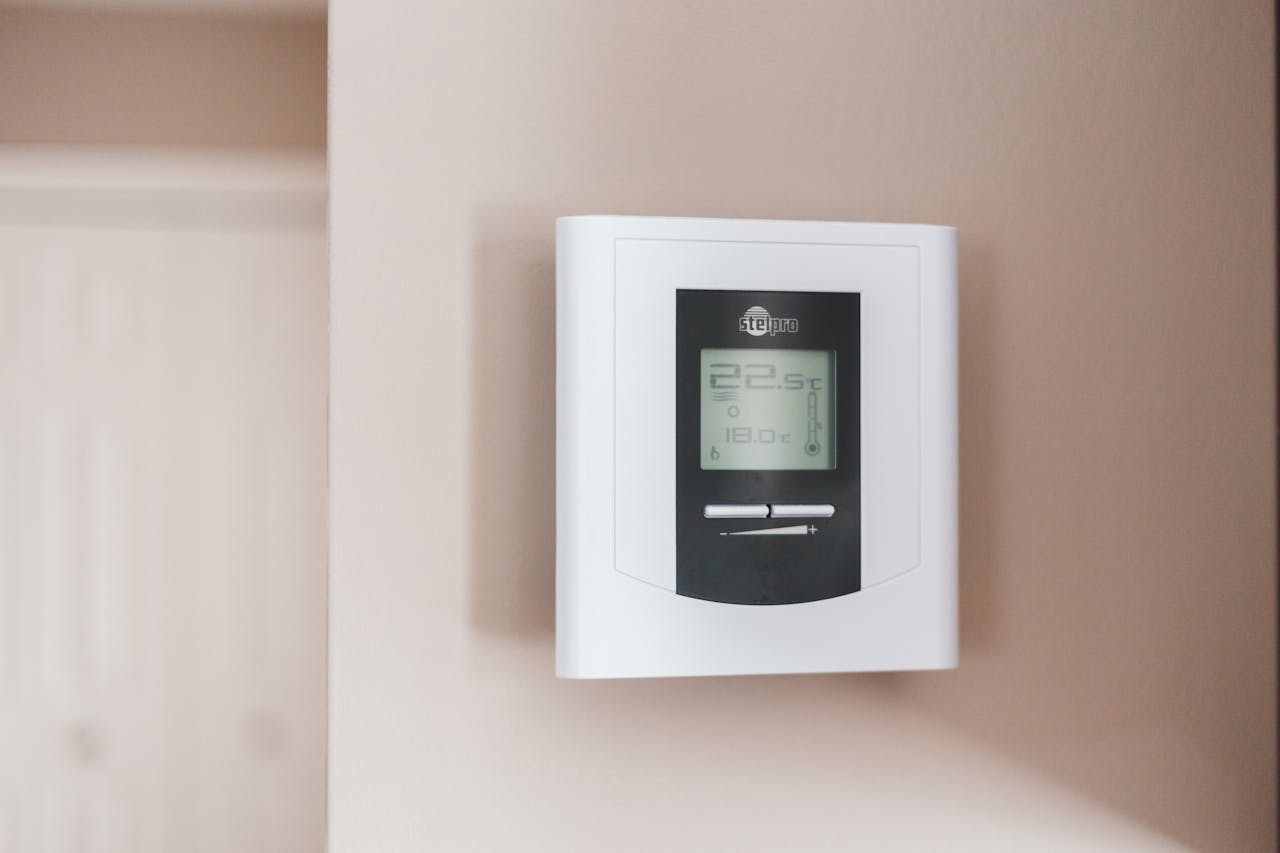
Some thermostats and energy dashboards are sold as upgrades, but they can age into headaches when features move behind subscriptions, utility partnerships, or a permanent account login. New owners inherit forgotten passwords, stale schedules, and sensors labeled for rooms that no longer exist, while a server outage can remove remote access, wipe learning data, and take away the very settings that once made the system feel smart. Buyers favor devices that default to reliable manual control and store schedules locally, because comfort should not depend on terms of service that can change overnight, or add fees.
Built-In Whole-Home Audio Racks
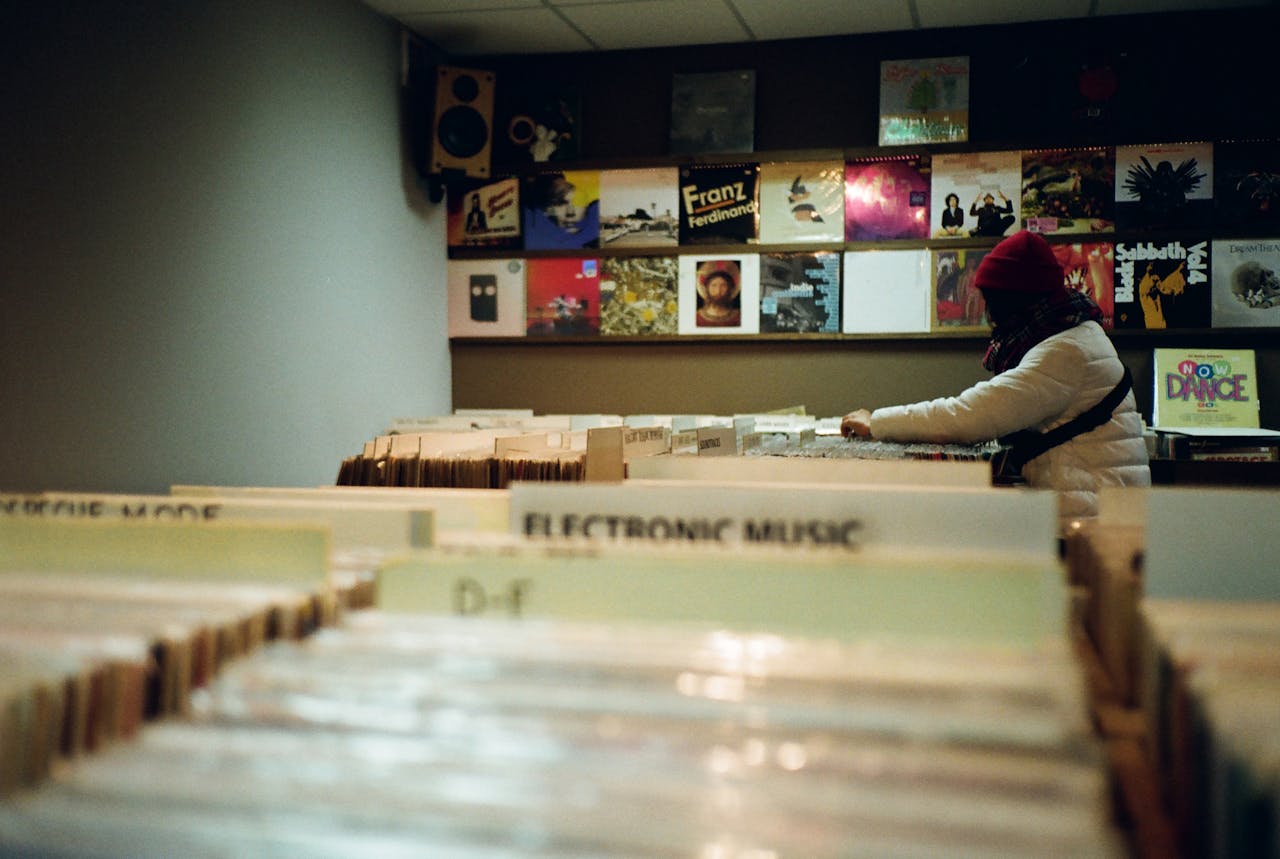
Built-in whole-home audio can feel like a status feature, yet it often locks a house into yesterday’s connectors, codecs, and control systems that predate modern streaming habits. A central rack of amplifiers, keypads, and mystery wiring becomes intimidating during inspections, and repairs can mean chasing a buzz through walls, replacing brittle in-ceiling speakers, or finding a technician who still remembers the brand and has parts. Buyers prefer simple speaker prewires and a few well-placed outlets, because audio gear evolves every few years, while drywall, paint, and ceiling texture should be left alone for decades.
Bathroom Smart Mirrors
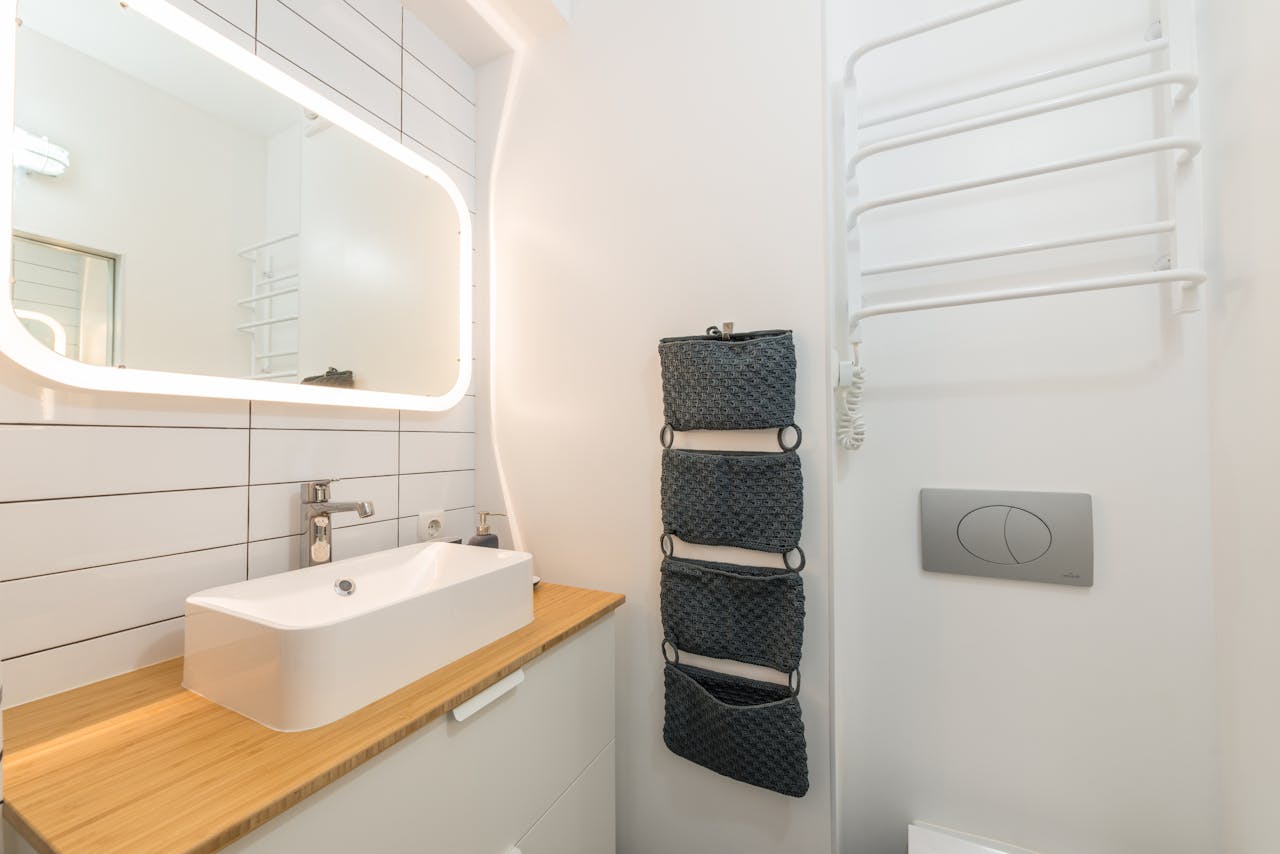
Smart mirrors that show weather, headlines, or skin analysis can sound indulgent, but bathrooms are unforgiving places for electronics and touchscreens. Steam creeps into edges, cleaning chemicals cloud coatings, LEDs fade unevenly, and glare makes the display fussy at 6 a.m., while the companion app may be abandoned long before the tile ever looks dated; when it fails, replacement can mean chasing power leads behind tile. Buyers choose a quality mirror and flattering lighting, then add small, removable tech if desired, because the calm rhythm of a bathroom ages better than a screen’s interface and login prompts.
Biometric Front Door Locks
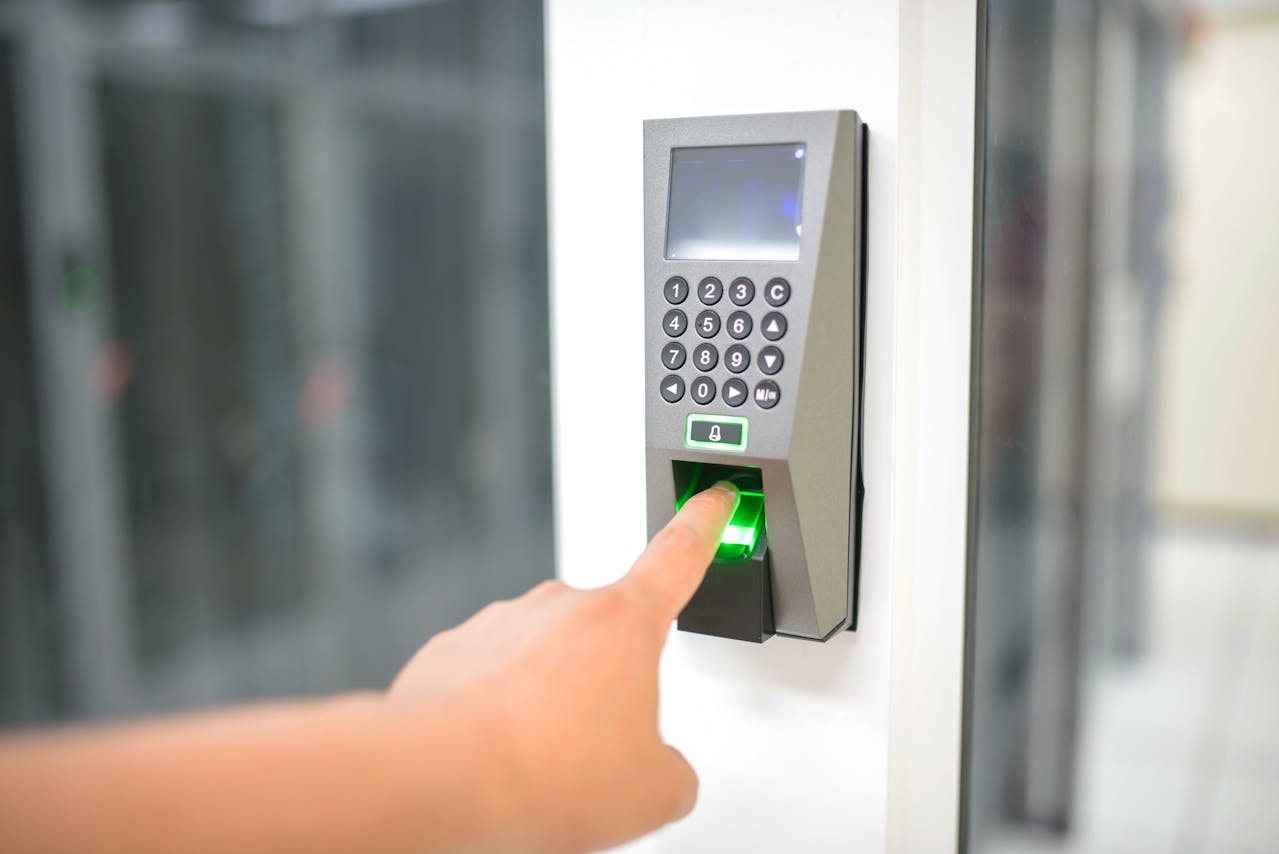
Fingerprint and face-recognition locks are marketed as the end of lost keys, yet they can age into the opposite: finicky access, uncertain privacy, and awkward backup plans. Sensors struggle with dust, wet hands, or small injuries, batteries die at the wrong moment, and firmware that never gets patched can turn a door into a long-term security question; discontinued models may leave entry dependent on a fragile app login. Buyers prefer locks that still take a physical key and a standard keypad, with codes that can be changed in minutes, because entry should stay dependable even when the newest trick stops feeling new.
Cloud-Driven Smart Irrigation

Smart irrigation controllers promise water savings, but they can age poorly when they depend on cloud forecasts, paid integrations, or moisture sensors that drift out of calibration. A yard changes over time, and a system tuned for last year’s landscaping can flood a bed, starve a new sapling, or keep sprinklers running through a rain shower because Wi-Fi hiccupped at the wrong hour, while leaks hide until the water bill tells the story. Buyers trust setups that allow local schedules, clear manual overrides, and standard valves that any plumber can service, because gardens evolve and the controls should evolve with them.
Walls Covered In Automation Keypads
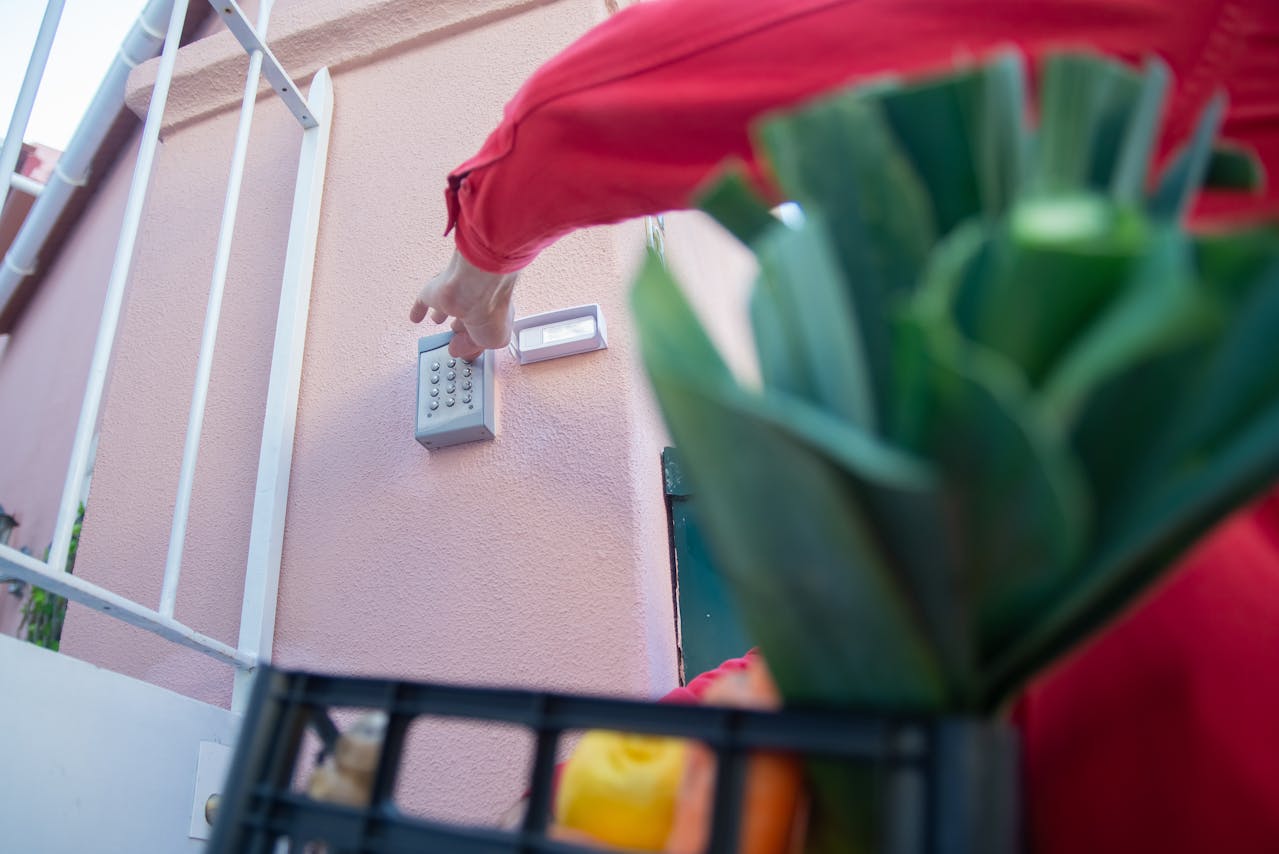
Hardwired keypads for scenes, alarms, and music can make a home feel like a boutique hotel, but they often age into clutter once the novelty wears off. When each room has its own buttons, labels, and backlights, the walls start to look busy, plastics yellow, and the layout reflects a household routine, while replacements are hard to source and rarely match the original finish. A future owner must either learn an aging logic system or pay to rip it out and patch every spot, so buyers prefer fewer, well-placed controls with standards-based wiring behind them, because good design stays quiet even as automation tastes shift.
Proprietary Garage And Gate Access
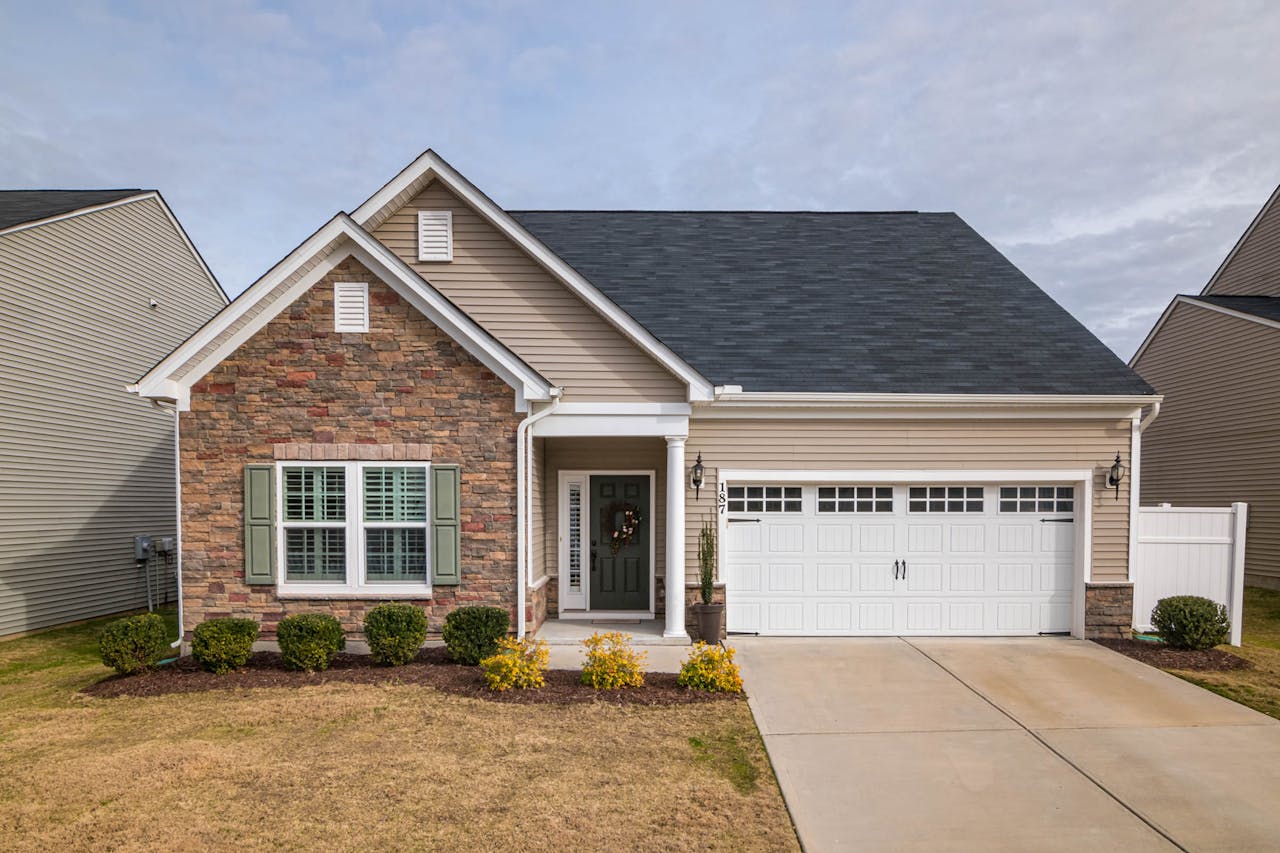
Garage and gate systems that require proprietary remotes, special apps, or cloud approvals can feel secure, but they age into daily friction as households change phones, tenants, and routines. A new handset, a changed router, or a lapsed subscription can strand someone outside, and service calls often involve obscure pairing steps, lockouts, and delivery-access settings that only the original installer remembers. Buyers prefer openers with standard remotes and simple keypad entry, then add smart monitoring as an optional layer, because access should remain boring, reliable, and easy to hand off in an emergency at 2 a.m.