Solo travel can feel like a quiet superpower: one ticket, one plan, and the freedom to change it at will.
It can also make small frictions louder, especially when someone tries to rush a decision or manufacture urgency. Most trips stay joyful, yet predictable scams still orbit stations, nightlife strips, and landmark entrances. For solo women, some hustlers bet on politeness, distraction, and the hope that a traveler will avoid making a scene. The best defense is not fear but pattern recognition, paired with simple routines that keep money, privacy, and movement steady even when jet lag, rain, or a late check-in narrows attention.
The Taxi Swap at Arrivals
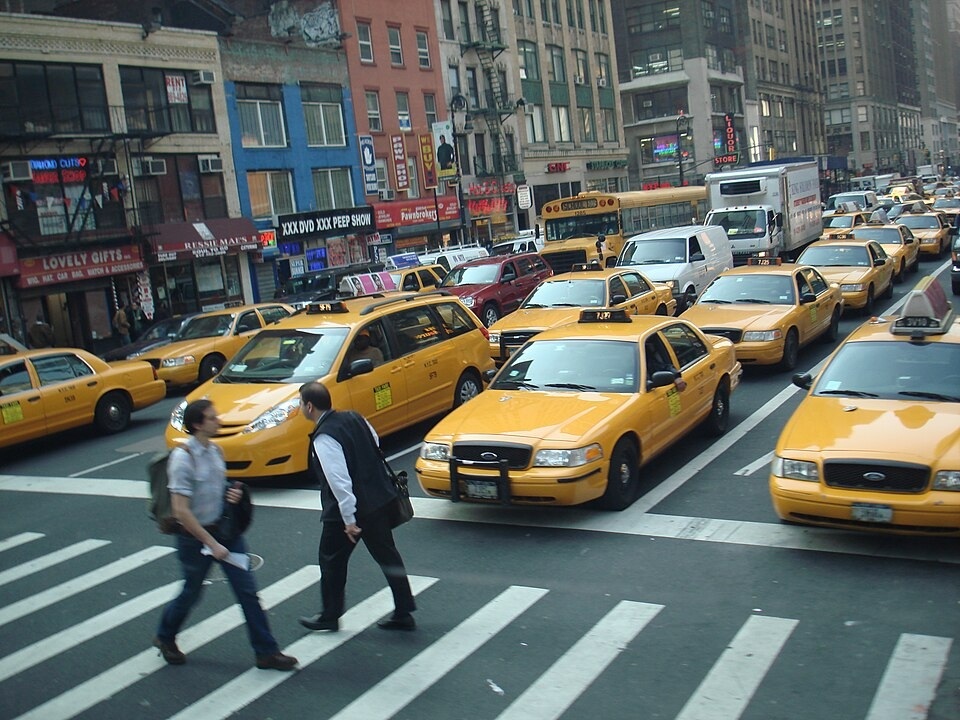
After arrivals, a driver may claim the ride app is down, offer a cheaper fare, and steer a traveler to an unmarked car.
The sidestep is to use the official taxi queue or the app pickup zone, then match the plate and driver name before doors open. In-app payment helps, but so does keeping bags close, sitting in the rear seat, and running navigation on-screen. A quick screenshot of the trip page and a message to a trusted contact cuts down on guesswork. If the driver insists on an ATM stop, pushes cash only, or changes the route without a clear reason, stepping out near staff or bright storefronts resets the situation fast.
The Helpful Stranger at the Ticket Machine
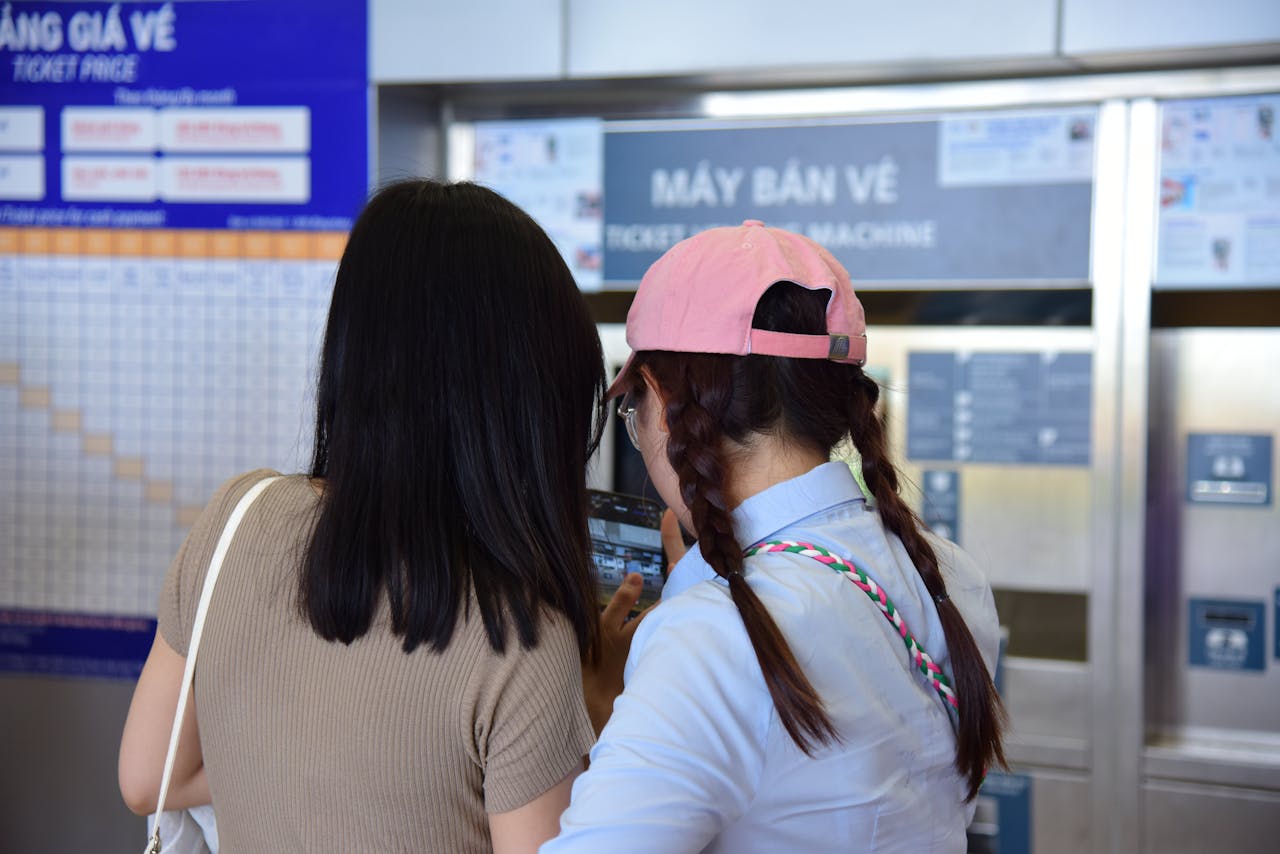
In busy stations, an overly eager helper may hover at the ticket kiosk, offer to translate, then guide the purchase toward pricier options.
The sidestep is to keep cards and cash out of view and ask uniformed staff or the official information desk for help, even if it adds a few minutes. Pre-downloading the local transit app and saving a screenshot of common fares reduces dependence on strangers. When a card is used, covering the keypad and tapping contactless rather than handing anything over keeps control. If someone will not step back, moving to another machine and staying near cameras usually ends the performance.
The Closed Attraction Redirect
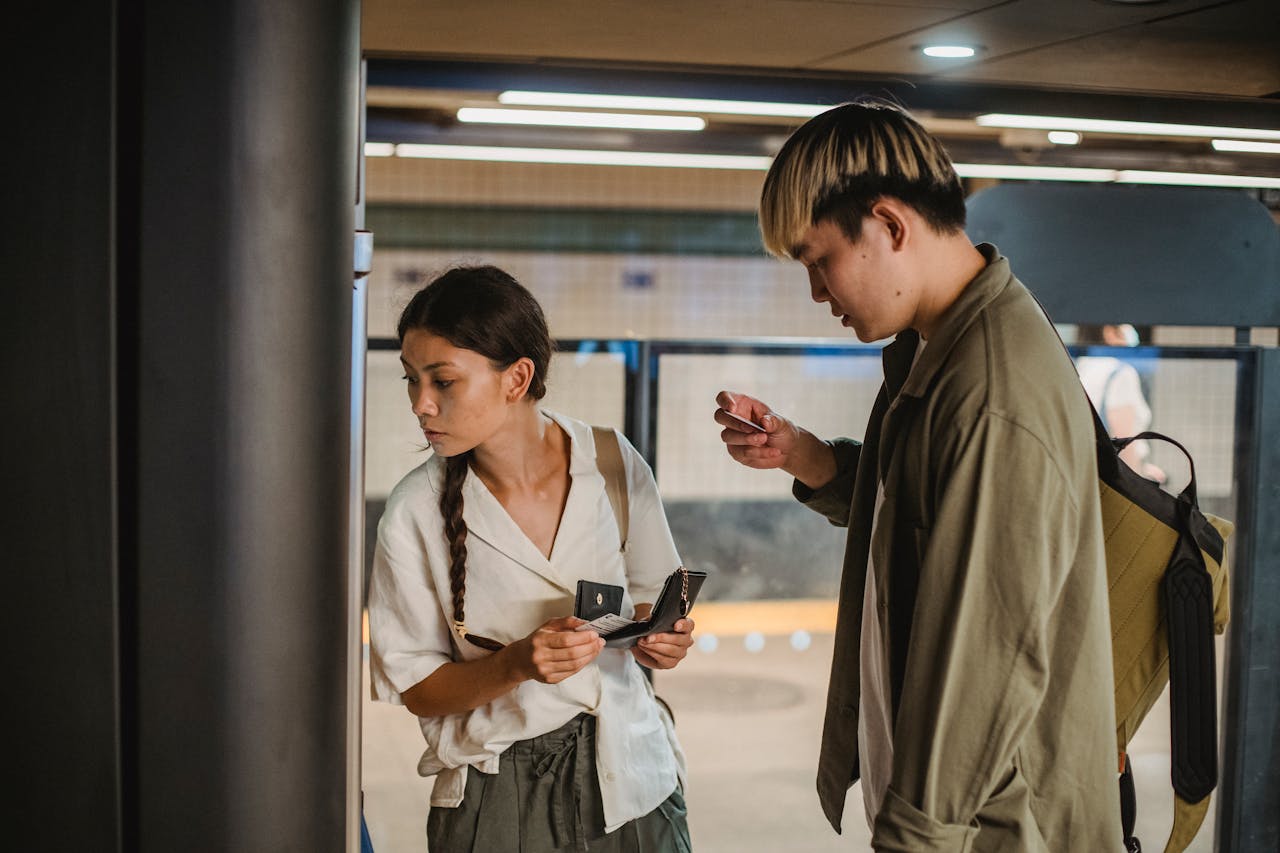
Near major sights, a confident stranger may announce a sudden closure for a holiday, repairs, or a ceremony, then offer a convenient alternative.
The sidestep is to verify hours on the venue’s official site or map listing and keep walking toward the main entrance anyway. Tickets should come only from the official counter or the official app, never from a person outside the gate. Prebooking timed entry helps, but so does a calm pause in a nearby café to check details without pressure. Real closures show clear signage and staff direction; vague warnings whispered on the sidewalk usually lead to commissions and pricey detours.
The Fake Front Desk Call

Late at night, a room phone may ring with someone claiming to be the front desk, insisting a card failed, and asking for numbers to fix it.
The sidestep is to hang up, keep the deadbolt on, and call the hotel’s main number from the official website or app. Any payment issue can be handled at reception with the card in hand, never over the phone. Asking staff to confirm the caller’s name and extension exposes most fakes quickly. No one legitimate needs card details, PINs, or ID photos by phone. If anyone appears at the door unannounced, a polite refusal and a request to meet in the lobby protects privacy without drama.
The Inflated Nightlife Tab
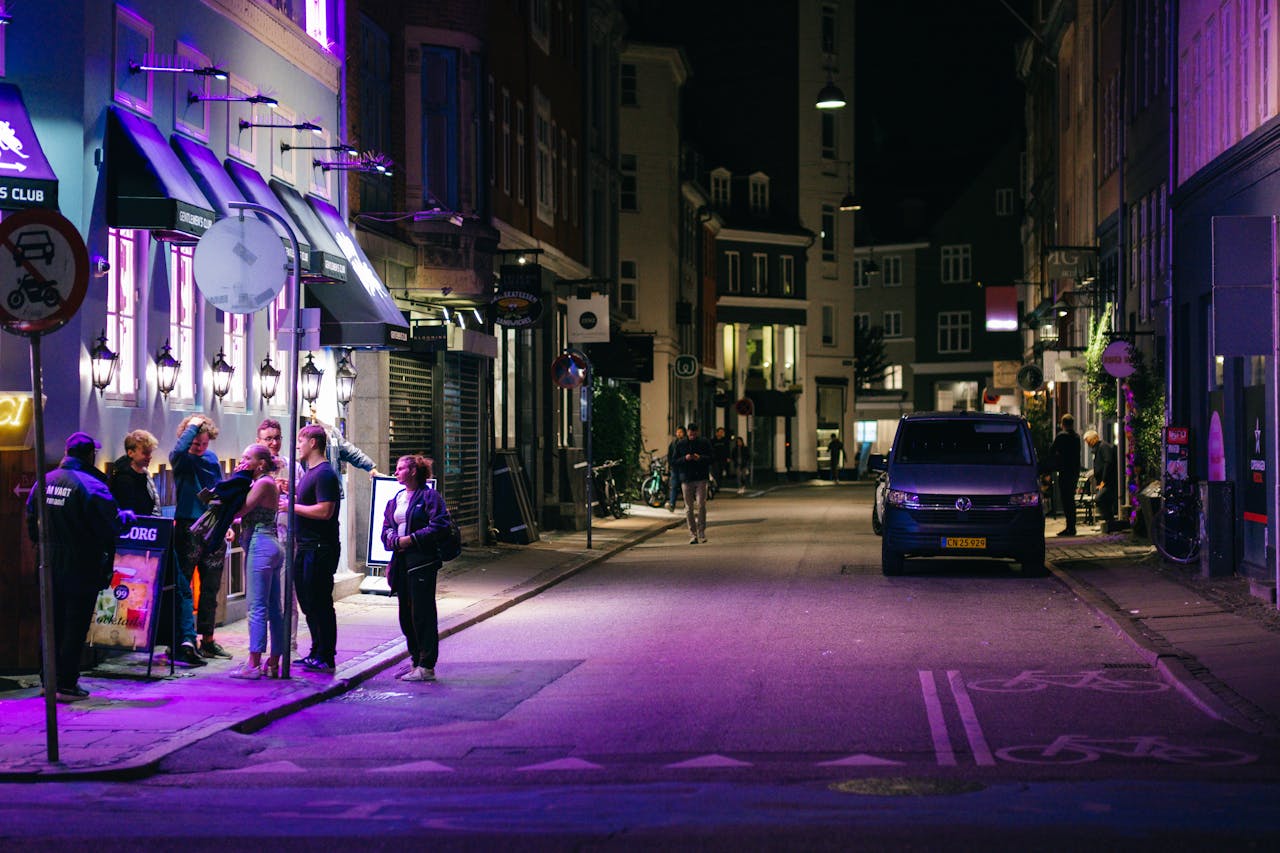
In nightlife zones, a friendly invitation can turn into a tab that grows through surprise fees, extra rounds, or a card taken out of sight.
The sidestep is to choose venues with posted prices, keep the drink in sight from pour to table, and pay with contactless while holding the card. Bank alerts for every charge help catch issues early, and a quick photo of the menu and receipt gives a clean record. One drink at a time helps. If staff refuses an itemized bill, pushes a private back room, or insists on cash at a nearby ATM, leaving calmly and heading toward brighter streets keeps a fun night from becoming an expensive argument.
The Bracelet, Clipboard, and Photo Push

In plazas, someone may press a bracelet onto a wrist, push a clipboard for a donation, or insist on a quick photo, then demand cash.
The sidestep is to keep walking, keep hands free, and keep valuables out of easy reach. A brief No, thanks works better than explanations, which invite negotiation. Avoid pulling out a wallet to prove there is no cash; that is often the goal. If contact happens, stepping into a shop doorway, checking pockets calmly, and re-zipping every compartment breaks the distraction loop. A crossbody bag with the zipper facing inward, plus a phone kept off café tables, makes the routine harder to run.
The Too-Good-To-Be-True Stay

A bargain apartment listing can hide an off-platform payment request, a last-minute address change, or a host who insists on meeting alone for keys.
The sidestep is to keep messages and payments inside the platform, then verify recent reviews and the exact address on a map before arrival, before paying. Sharing only the minimum ID required by local law protects privacy. Screenshots of the listing terms and message thread make disputes easier later. Choosing a lobby handoff or staffed reception reduces pressure, especially after dark. A backup hotel for night one turns a surprise into an inconvenience instead of a scramble.
The Crowd Bump and Bag Dip

In packed markets and subway cars, a staged jostle or loud commotion can cover quiet hands unzipping a bag or lifting a phone.
The sidestep is to wear a crossbody bag with zippers facing inward and keep it in front during boarding and tight squeezes, with a hand resting on the opening. Phones stay safest in a zipped inner pocket, not a back pocket or open tote, and a wrist strap helps on stairs and platforms. Stepping into a doorway to check maps prevents the slow drift that invites crowding. Carrying only one main card during the day, with backups stored deeper, limits damage if something disappears before anyone notices.
The New Friend With the Hidden Angle
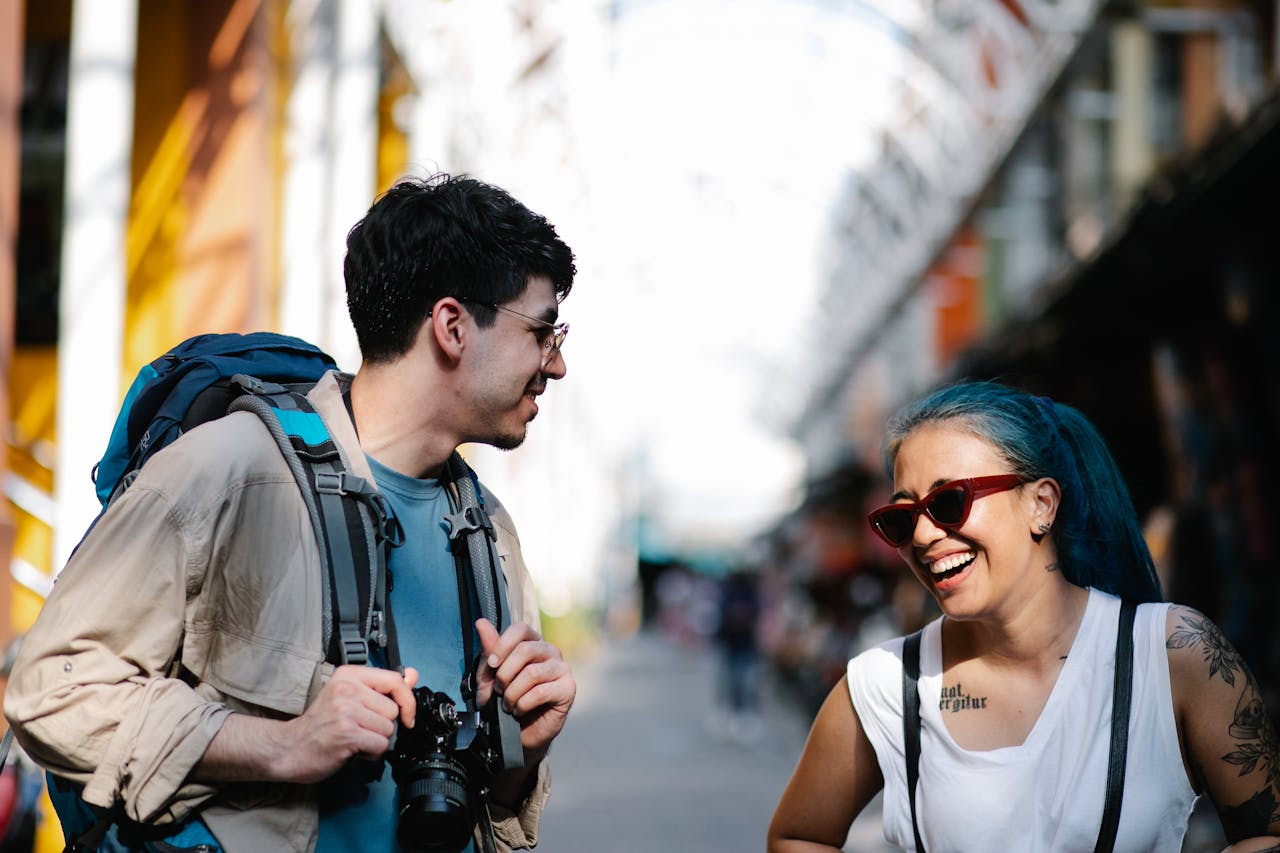
A casual chat at a viewpoint can slide into an invitation to a private gallery, a tailor, or a family tea that comes with pressure to buy.
The sidestep is to treat new connections as pleasant but temporary and keep meetups in public places with easy exits. Exchanging only social handles, not hotel names or evening plans, protects privacy without awkwardness. When a suggestion involves a third location, a sudden time limit, or being guided down side streets, declining with a calm smile and changing direction works. A confident pace, plus a quick check-in message to a friend, keeps the trip centered on choice rather than obligation.