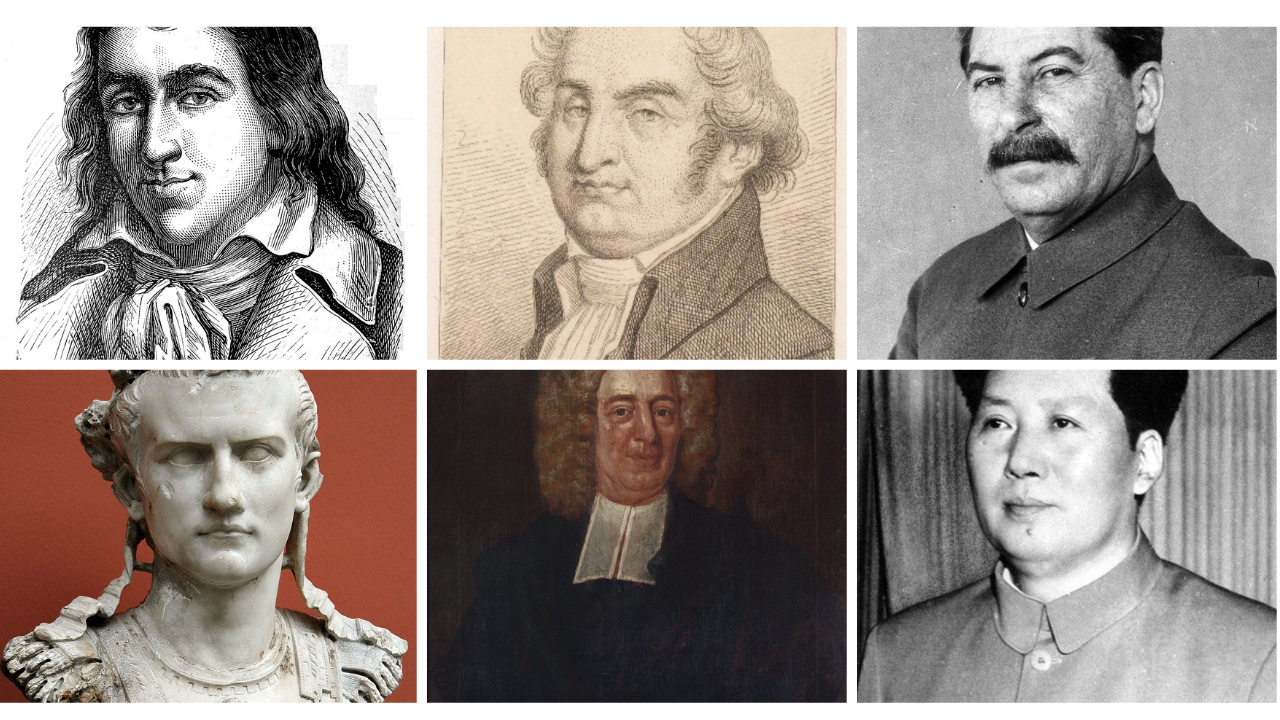
Holidays promise warmth, but history is full of people who heard only noise. Some leaders saw feast days as excuses for disorder, drunkenness, or loyalty to the wrong faith. Others worried that a holiday calendar acted like a rival authority, telling citizens when to gather, spend, and remember. Pushback rarely stayed private. It surfaced as sermons against revelry, laws that kept shops open, and even new calendars built to scrub religion from time. These figures were not all joyless. Many wanted meaning to feel earned, not scheduled, and they feared that ritual could replace conscience. Their resistance shows a stubborn truth: celebrations carry power, and power always attracts critics, especially in the dark stretch of winter.
John Calvin
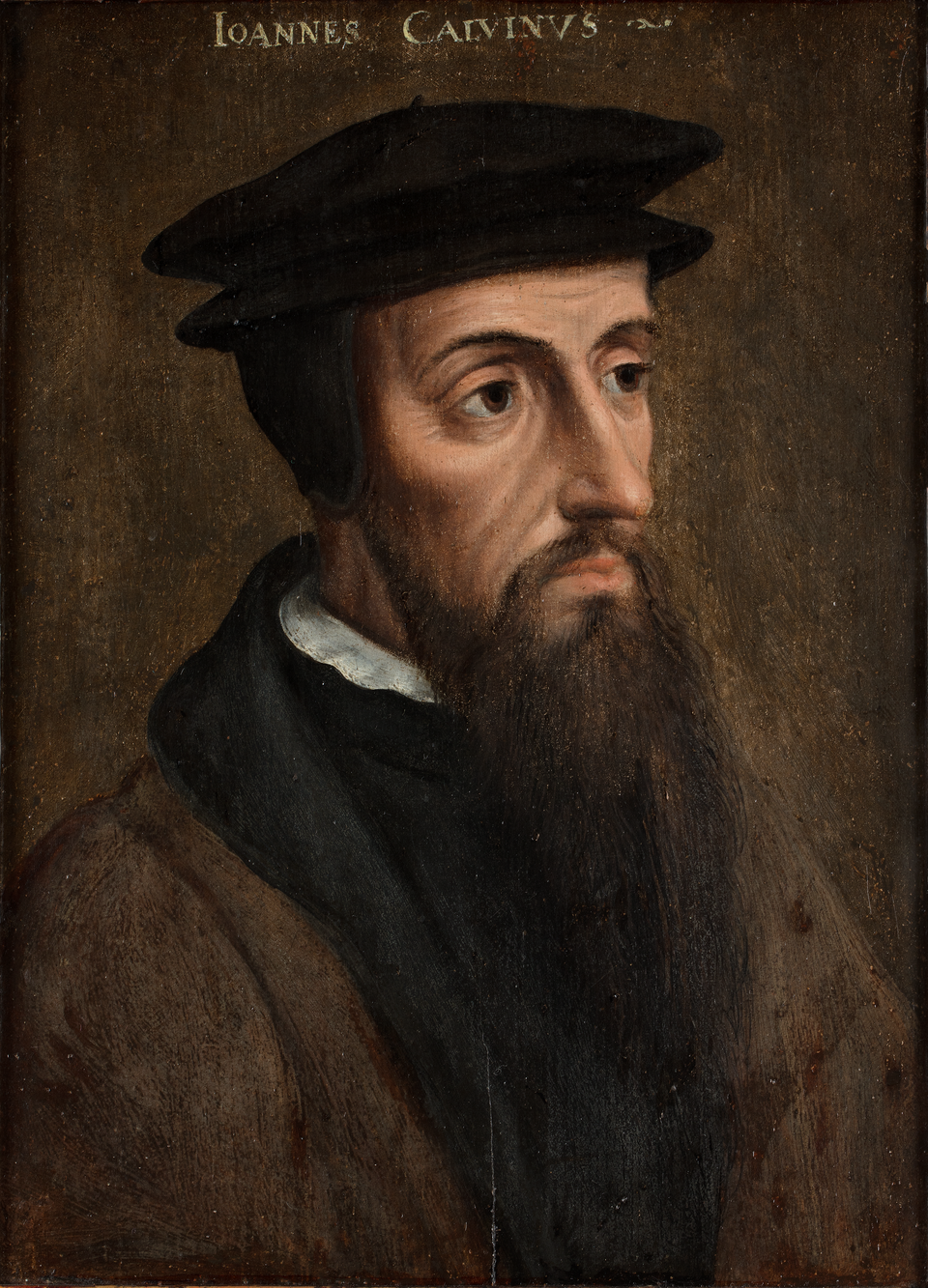
In Calvin’s Geneva, extra feast days looked less like comfort and more like superstition wearing official clothing, with music, masks, and gift giving standing in for discipline. He argued that no date was holier than another unless Scripture required it, and in 1550 the city council banned Christmas observance, keeping worship tied to Sundays and the ordinary grind of winter work. The goal was reform in daily life: fewer processions, fewer tavern nights disguised as piety, and less space for older Catholic habits to creep back through nostalgia, peer pressure, and candlelight. It kept winter piety unmistakably plain.
Oliver Cromwell
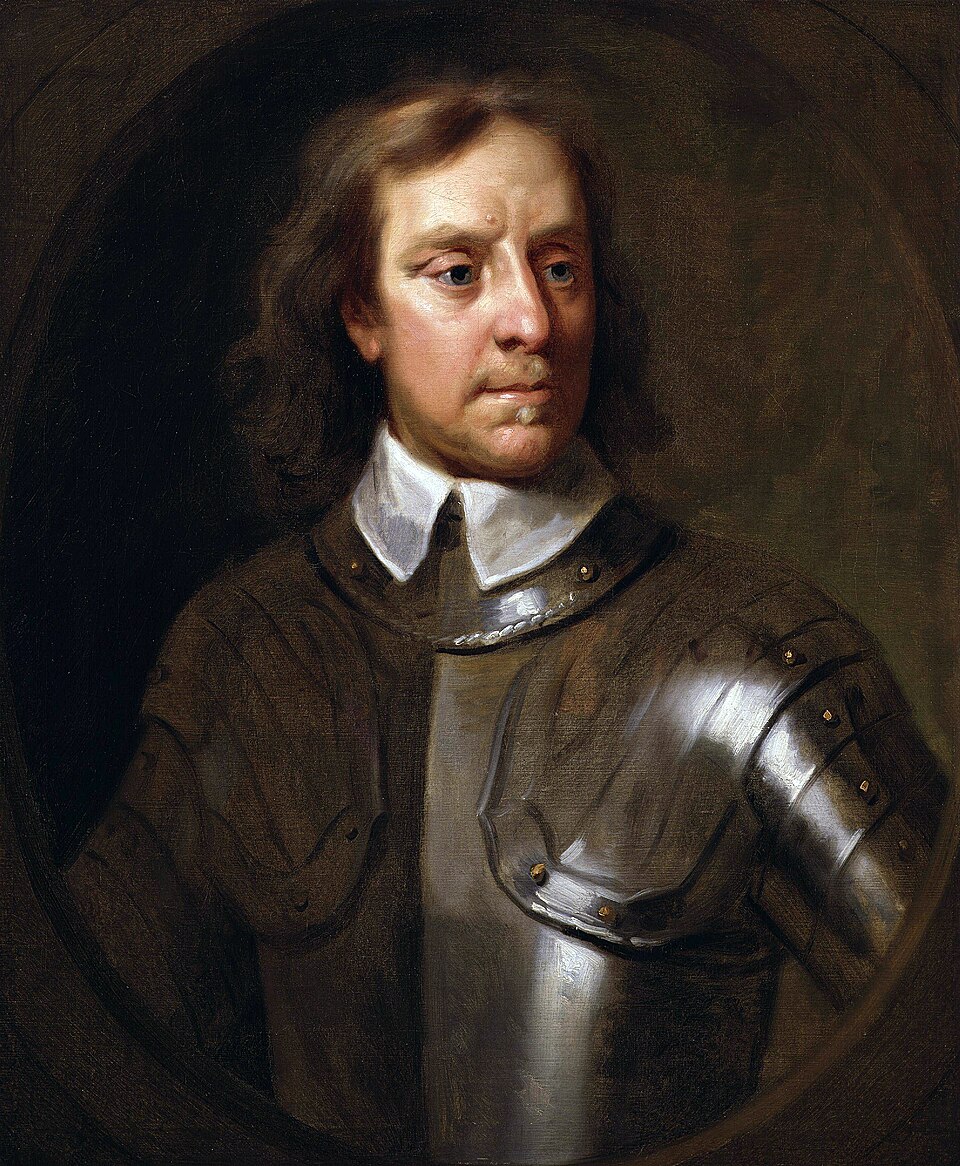
Cromwell became the public face of a Puritan project that treated Christmas as a permit for disorder rather than devotion, a season when rules got laughed out of the street. Parliament pressed shops to stay open and tried to make Dec 25 feel like any other workday, aiming to cool the public version of the holiday: drinking, gambling, and packed crowds that could tip into fights, vandalism, or riots. Resistance in some towns was fierce, and the raids, sermons, and fines that followed showed his fear plainly: a holiday can unite people faster than law can steady them. He believed enforced normalcy was safer than sanctioned chaos.
Increase Mather

In colonial Boston, Increase Mather attacked Christmas as an imported custom with shaky biblical grounding and a reliable moral hangover that arrived right on schedule. He warned that the day invited card play, heavy drinking, and noisy display that looked more like a tavern than worship, and he resented how quickly habit becomes expectation, then a measure of belonging. His critique also guarded identity: the colony had separated from the Church of England, so keeping its feast days felt like handing the keys back to the culture they fled, one cheerful tradition at a time. He wanted piety steady, not borrowed from a single day.
Cotton Mather
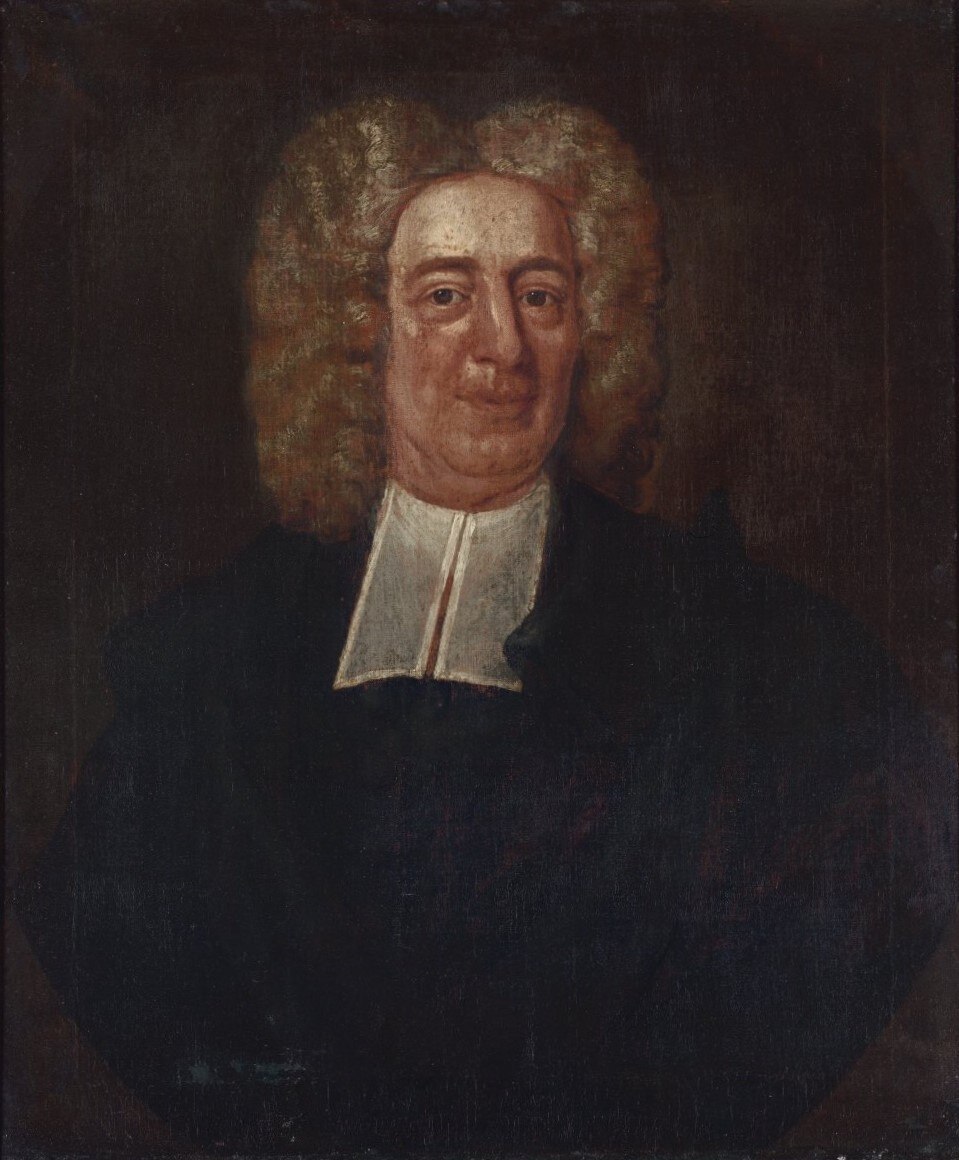
Cotton Mather sharpened the case by focusing on what holidays teach people to excuse when the calendar gives them permission and the crowd joins in. In a 1712 sermon, he questioned why an uninstituted festival was treated as sacred, then pointed to masking, dice, and swagger that hid behind tradition as if it were a receipt signed by the past and honored forever. He was not banning joy; he was warning that a date can bless indulgence, and once that lesson sticks, the same temptations return each year, louder, better defended, and harder to shame. He feared a holiday can bless indulgence, then make correction feel cruel.
Philip Stubbes
Philip Stubbes, an Elizabethan moralist, went after the social bargain behind holidays, not the pudding or the pine boughs hanging over the door. In “The Anatomie of Abuses,” he portrayed Christmas as a season when excess shows its full face: overeating, drunkenness, lewd songs, and games that slide into gambling and fights, all wrapped in the excuse of community and custom. His deeper complaint was that a sanctioned festival turns vice into tradition, then tradition into entitlement, until restraint is treated like treason and decency sounds like an insult. He thought custom makes vice feel deserved, and the season rewards it.
Gilbert Romme
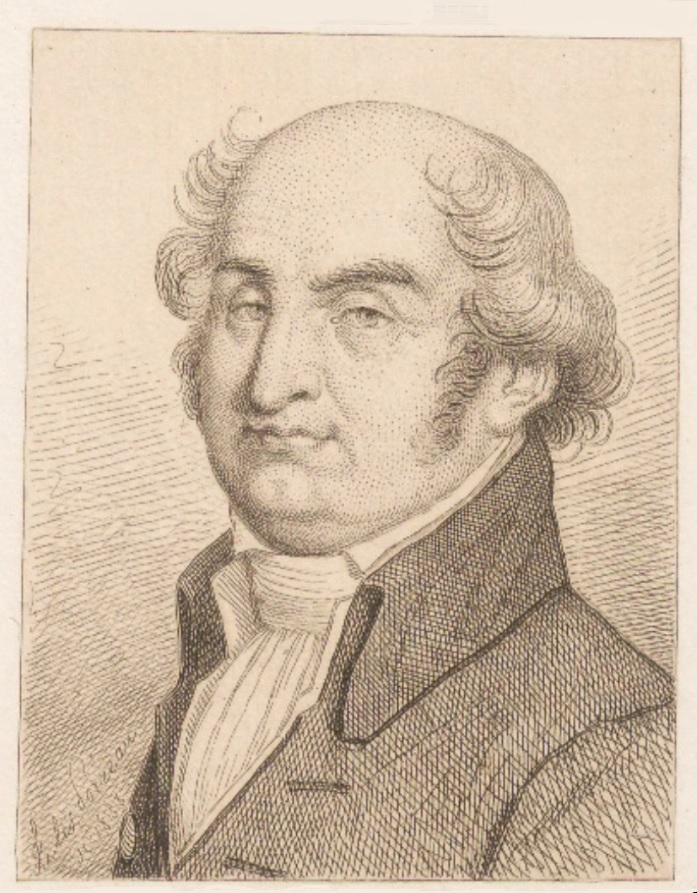
Romme’s quarrel with holidays was structural, not personal taste, because he believed feast days kept citizens emotionally loyal to the church and the old monarchy. As an architect of the French Republican calendar, he helped rewrite time to weaken that grip, replacing saints’ days and Sundays with ten-day cycles, renamed months, and civic festivals meant to honor the state and its new ideals. It was politics in a pocket-sized form: if the republic decides when people rest and celebrate, memory starts answering to government paperwork rather than bells, almost without noticing. He believed calendars quietly shape loyalty.
Jacques Hebert
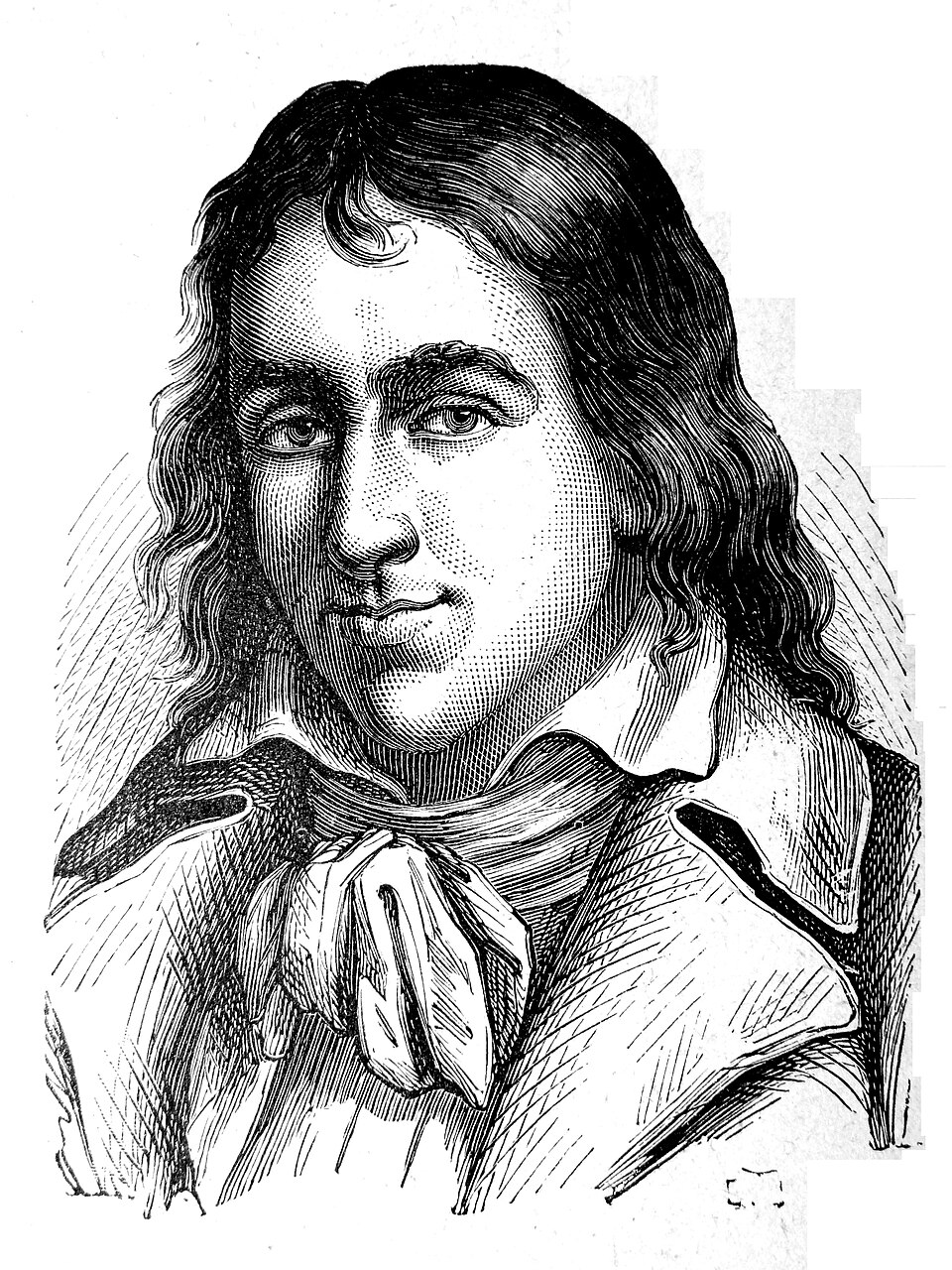
Jacques Hebert treated traditional holy days as political infrastructure, and he wanted it ripped out so the old church could not gather crowds by habit or emotion. He promoted the Cult of Reason and pushed public festivals that swapped Catholic ceremony for revolutionary symbolism, including spectacles staged inside former churches where icons were replaced by civic allegories and patriotic songs. The logic was blunt: holidays train obedience and shape crowds, so he tried to redirect reverence toward the republic and make celebration serve ideology openly, without hiding behind mystery. He wanted crowds trained on new symbols.
Joseph Stalin
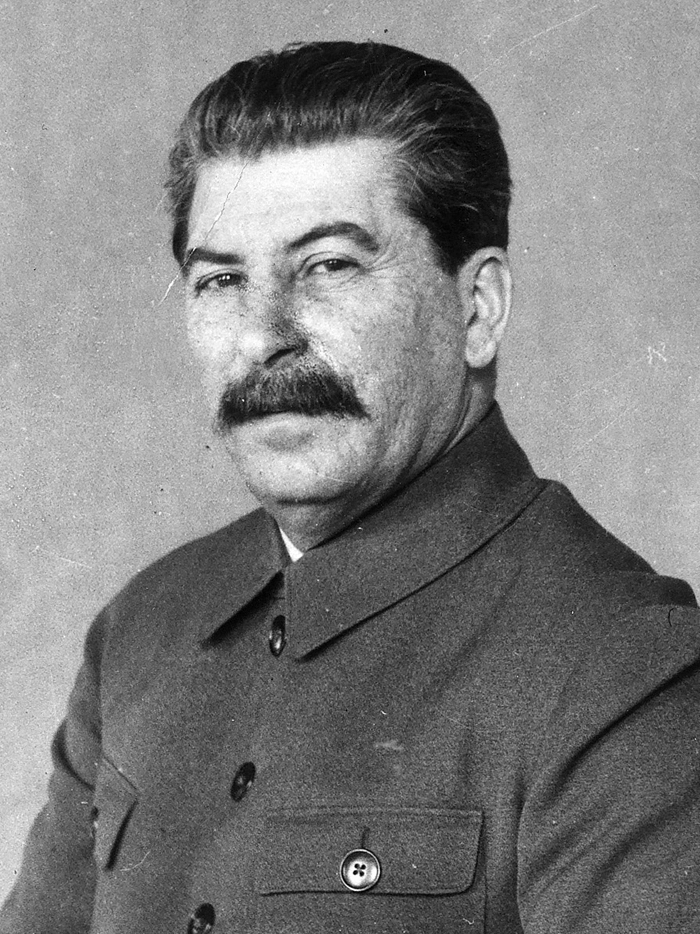
Under Stalin, religious holidays were rivals to the Soviet story, so Christmas traditions were pushed out of public life during aggressive anti-religion campaigns, school programs, and propaganda drives. By the late 1920s, Christmas was officially discouraged and often suppressed, and even decorated trees could attract suspicion until authorities later rebranded the tree as a secular New Year symbol for mass celebrations. The signal was practical and cold: cheer could exist, but only after it was renamed, managed, and emptied of church meaning, safe enough for posters and parades. Public space was trained to forget on cue.
Mao Zedong
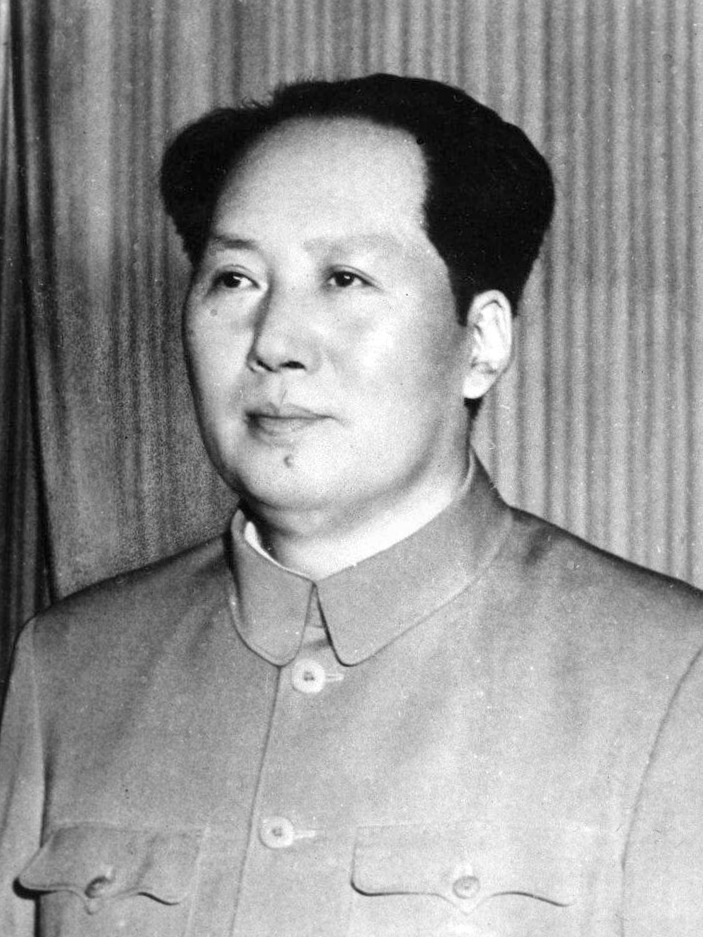
Mao’s Cultural Revolution framed many traditional celebrations as backward habits that competed with political devotion and kept families anchored to old hierarchies and ancestral duty. Lunar New Year customs tied to reunion meals, gifts, and family rituals were discouraged as feudal leftovers, and public life was redirected toward meetings, production, and campaigns that kept attention on the party and its slogans. The objection was not to dumplings or fireworks; it was to the holiday’s gravity, the way it pulls people home and back into loyalties older than any poster, chant, or decree. Family ritual had pull, and he fought it.
Emperor Caligula
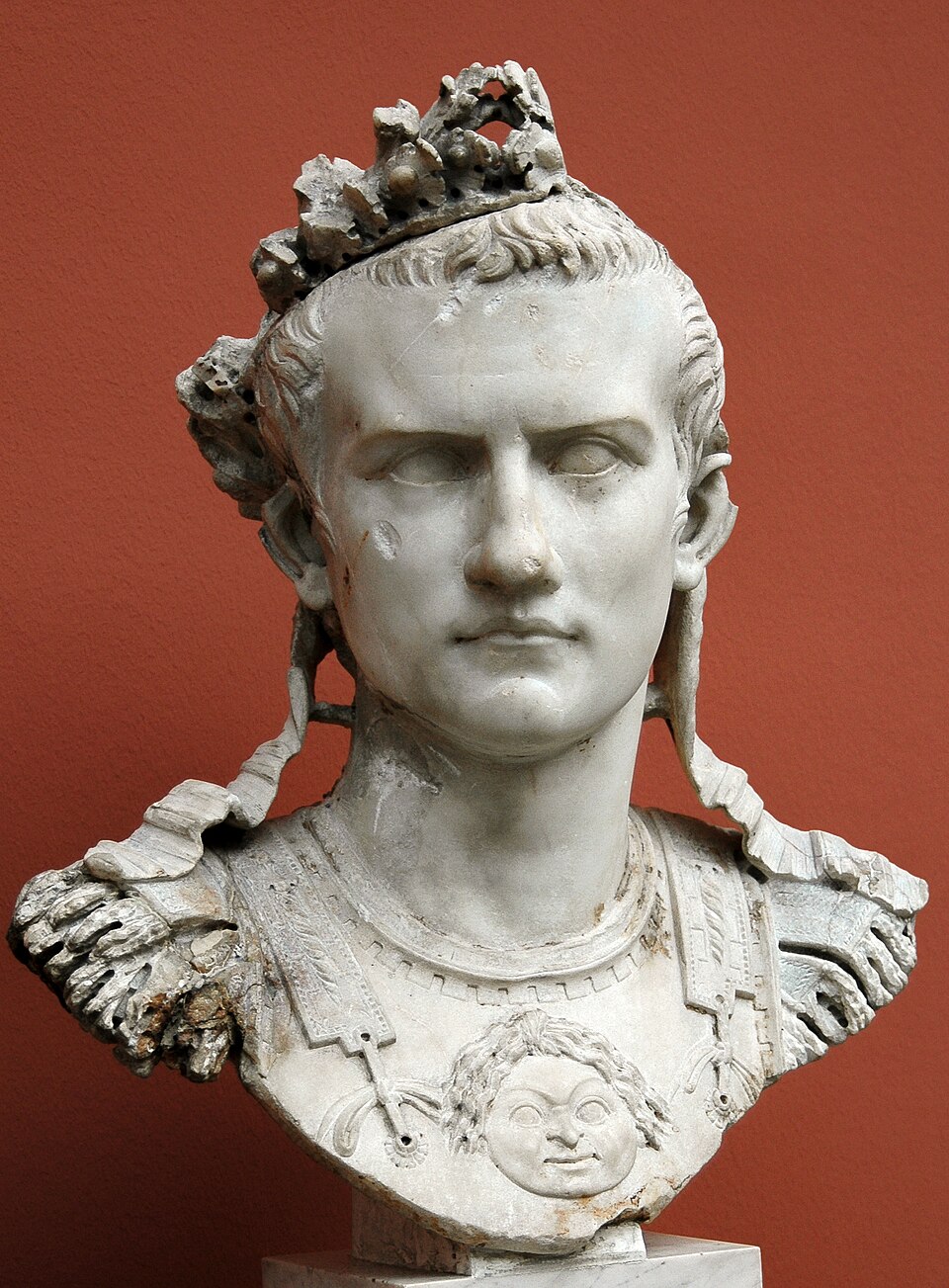
Rome adored Saturnalia, and that popularity made rulers nervous because the city ran on controlled hierarchy the rest of the year, from senators down to servants and slaves. Later historians report that Caligula tried to curb the festival by limiting it to five days, hoping to reduce role reversal, public drinking, and the chaos that made the capital feel briefly ungoverned and hard to police. The attempt mostly failed, which is the point: once a holiday becomes a shared permission slip, it can feel stronger than edicts because people defend it as identity, not entertainment. Limits felt like insults to devoted crowds.