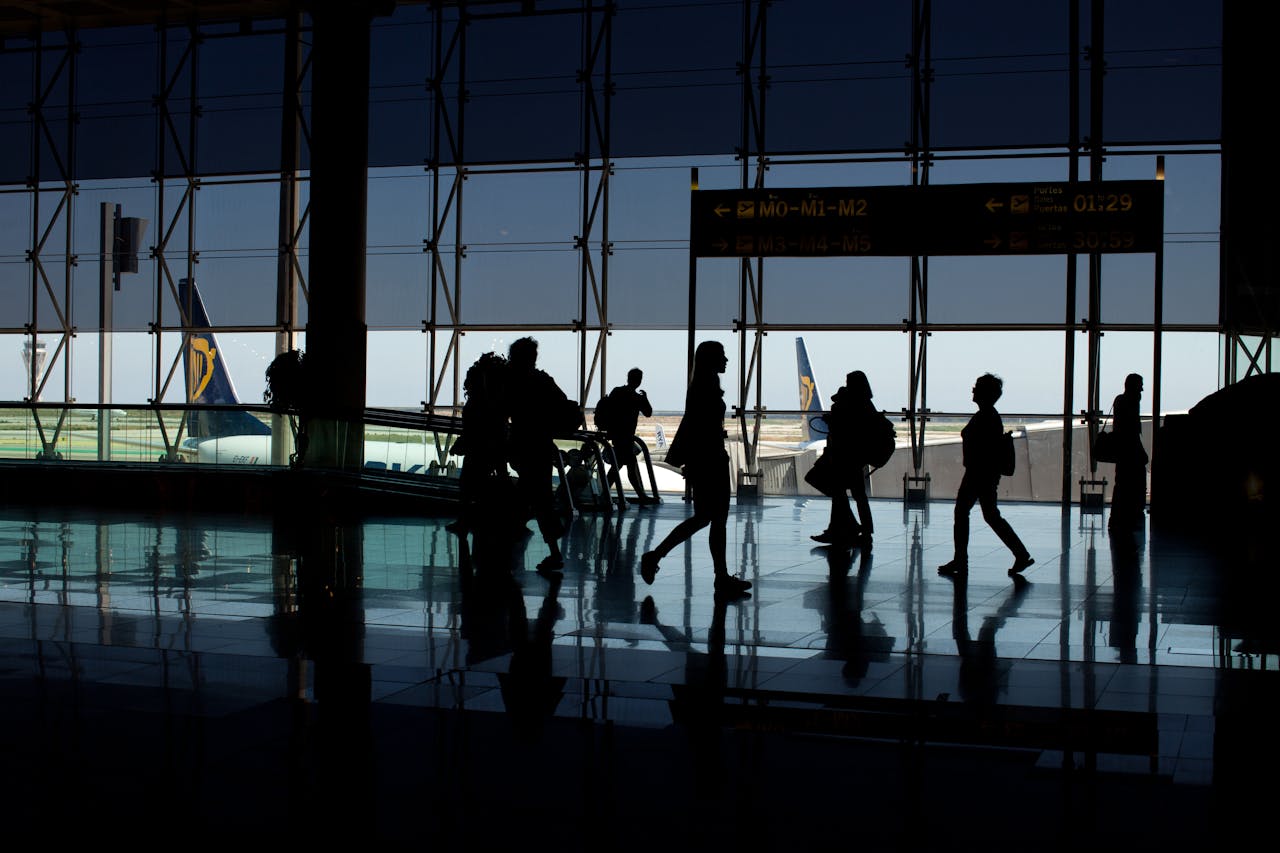
Airports used to feel like a one-way funnel: arrive, pass security, then disappear into the concourse. Now the front of the terminal is turning social. Cafes, open seating, and quieter corners are drawing early arrivals, coworkers, and even locals who are not flying. Between unpredictable traffic, digital boarding passes, and bag rules, people show up earlier and look for somewhere that feels calm but still connected. Pre-security time stops being dead time and starts acting like a small, useful pause before the rush, the rules, and the gate change alerts. It is the new meeting point where travel begins without drama.
Arriving Early Becomes the Default
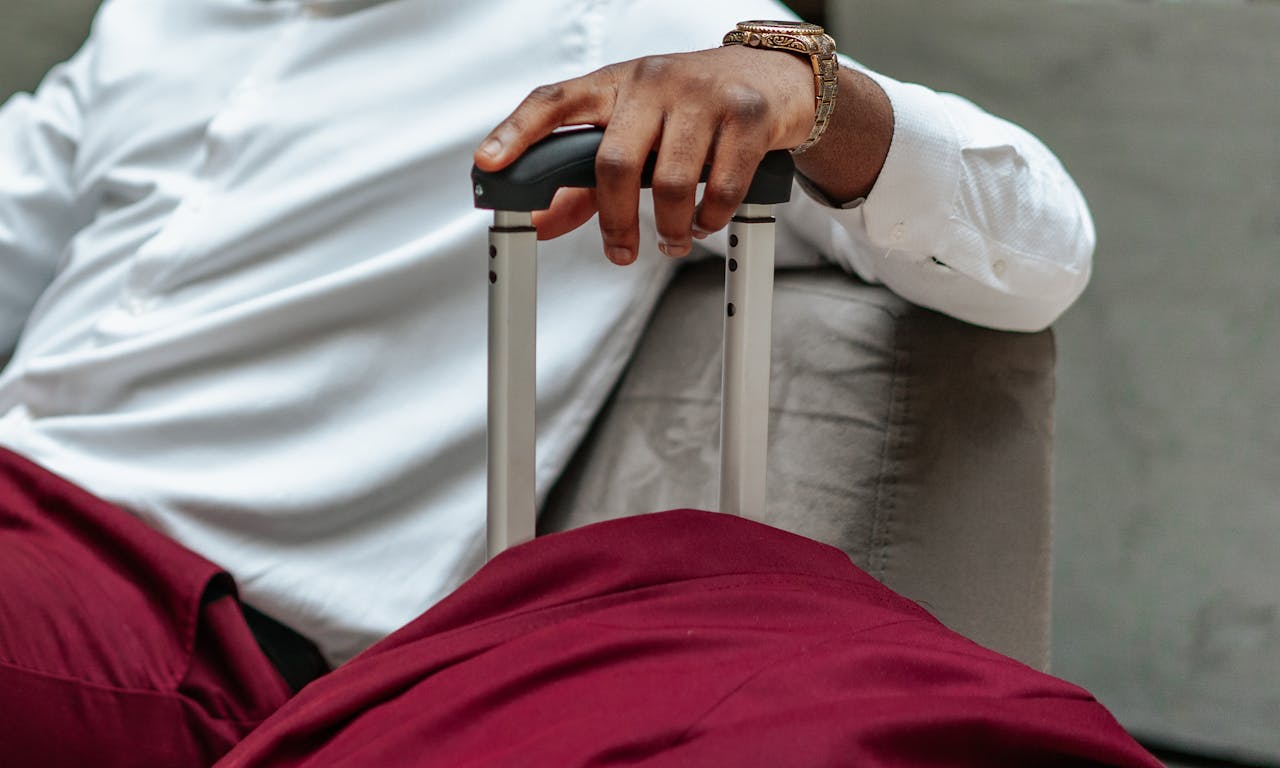
Flight apps make gate changes feel instant, but the real journey still starts with traffic, parking shuttles, and bag checks. Many travelers hedge against a tight connection by building in a cushion, then choosing a seat and a snack over pacing the curb. When security lines move fast, that extra time still exists, and it needs a place to land. A landside cafe with outlets, daylight, and clear sightlines turns the buffer into something usable, where waiting feels like settling in. It also keeps travel companions together longer, before everyone splits into bins, belts, and scanner instructions. Small comforts do big work.
The Terminal Becomes a Third Place
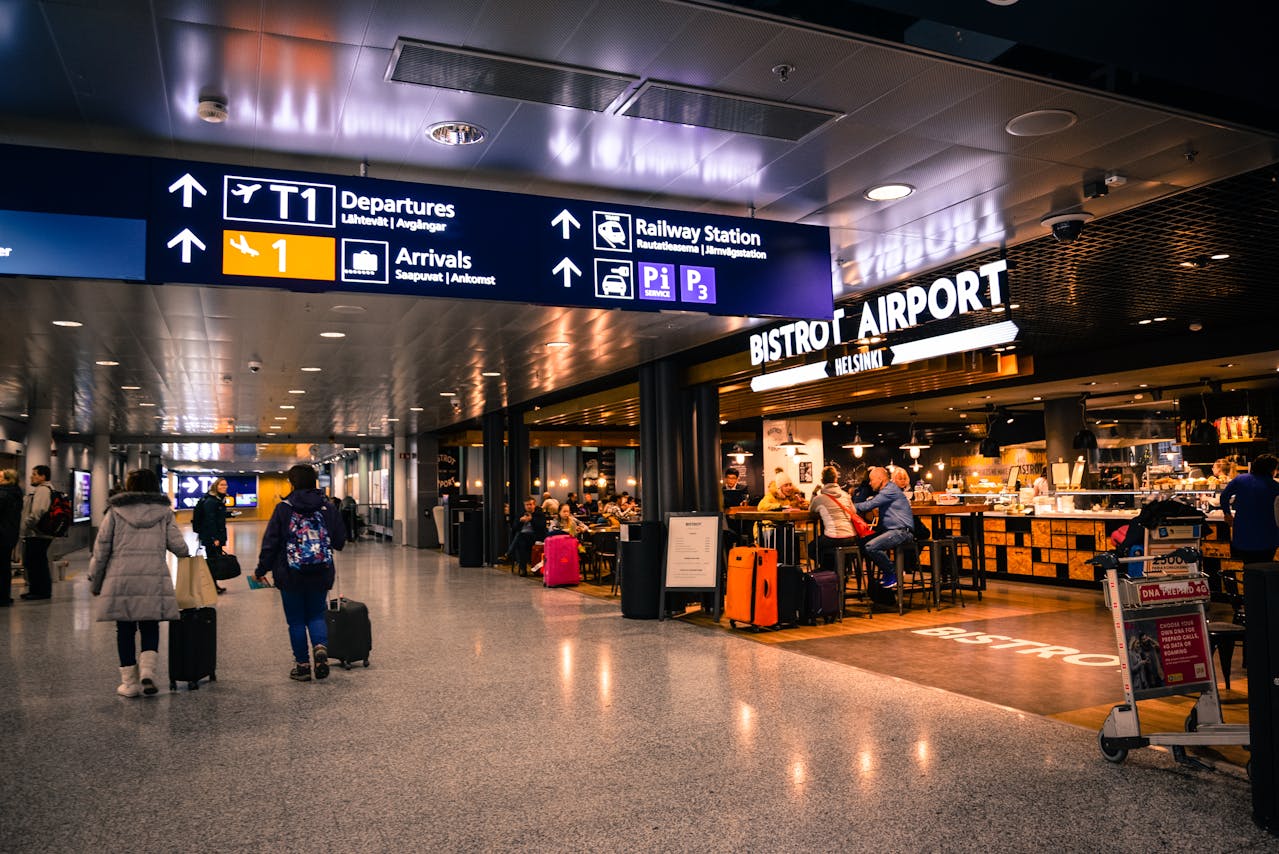
For decades, the best seats were hidden behind boarding passes, and the public side of the terminal was mostly a corridor to check-in. Airports are redesigning that front edge to feel more like a town square, with better lighting, art, and food that does not require a flight. A comfortable landside zone serves greeters, drivers, and employees who spend full shifts on site, not just passengers in transit. Some spaces host pop-ups, local coffee brands, or rotating exhibits that make the airport feel tied to its city. When the building offers dignity before the checkpoint, it earns goodwill, and the model spreads. Fast.
Remote Work Needs Neutral Ground
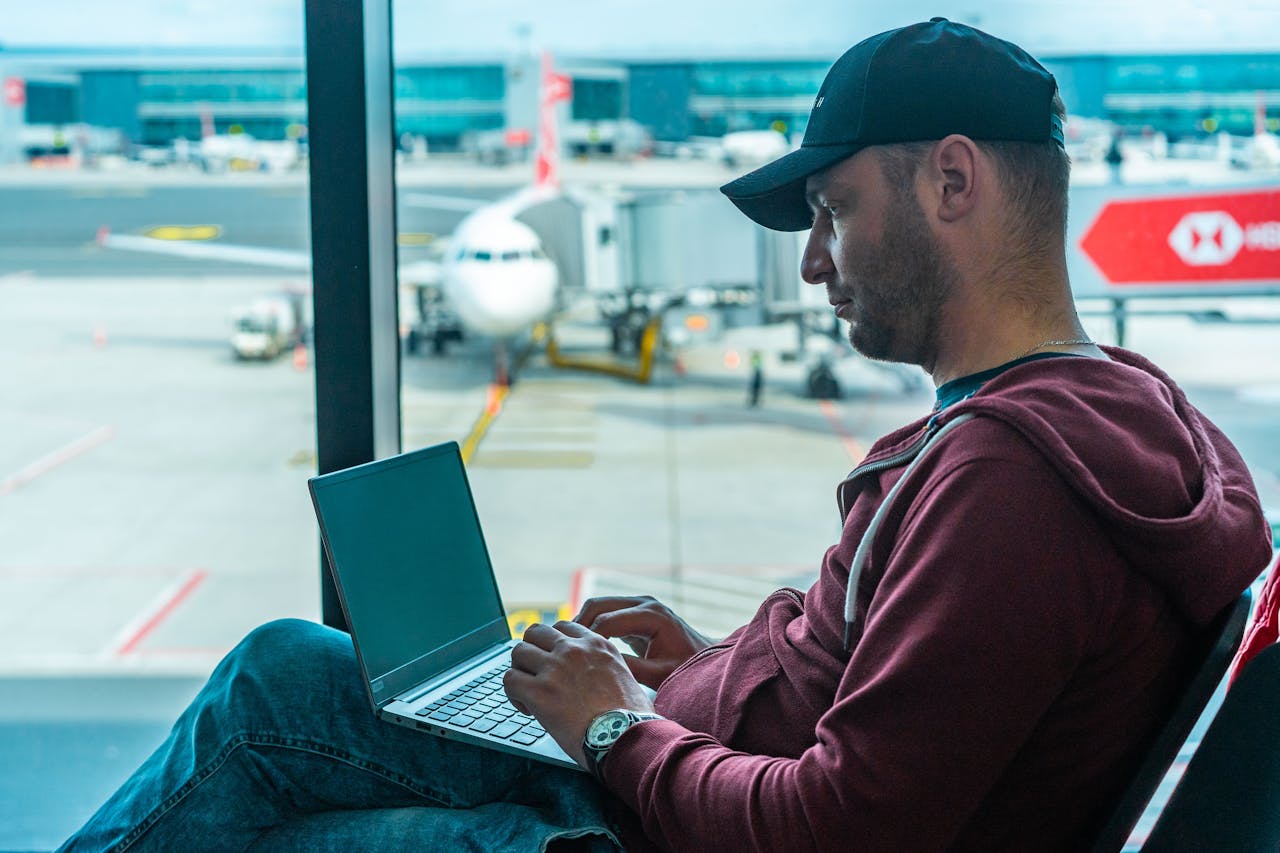
Work does not stop just because a suitcase is in tow, and not every call belongs inside a crowded gate area. Pre-security hangouts give business travelers and freelancers a neutral, easy-to-find spot for a final meeting or a quick handoff. Because the space is public, a colleague can drop in without a boarding pass, and the conversation can end with a simple goodbye at the checkpoint. Design details matter here: acoustic panels, semi-private nooks, and phone booths that cut down on the performative shout. With that, the airport becomes a reliable rendezvous point for modern schedules. It is efficiency dressed as comfort.
Ride Shares and Pickups Get Messy
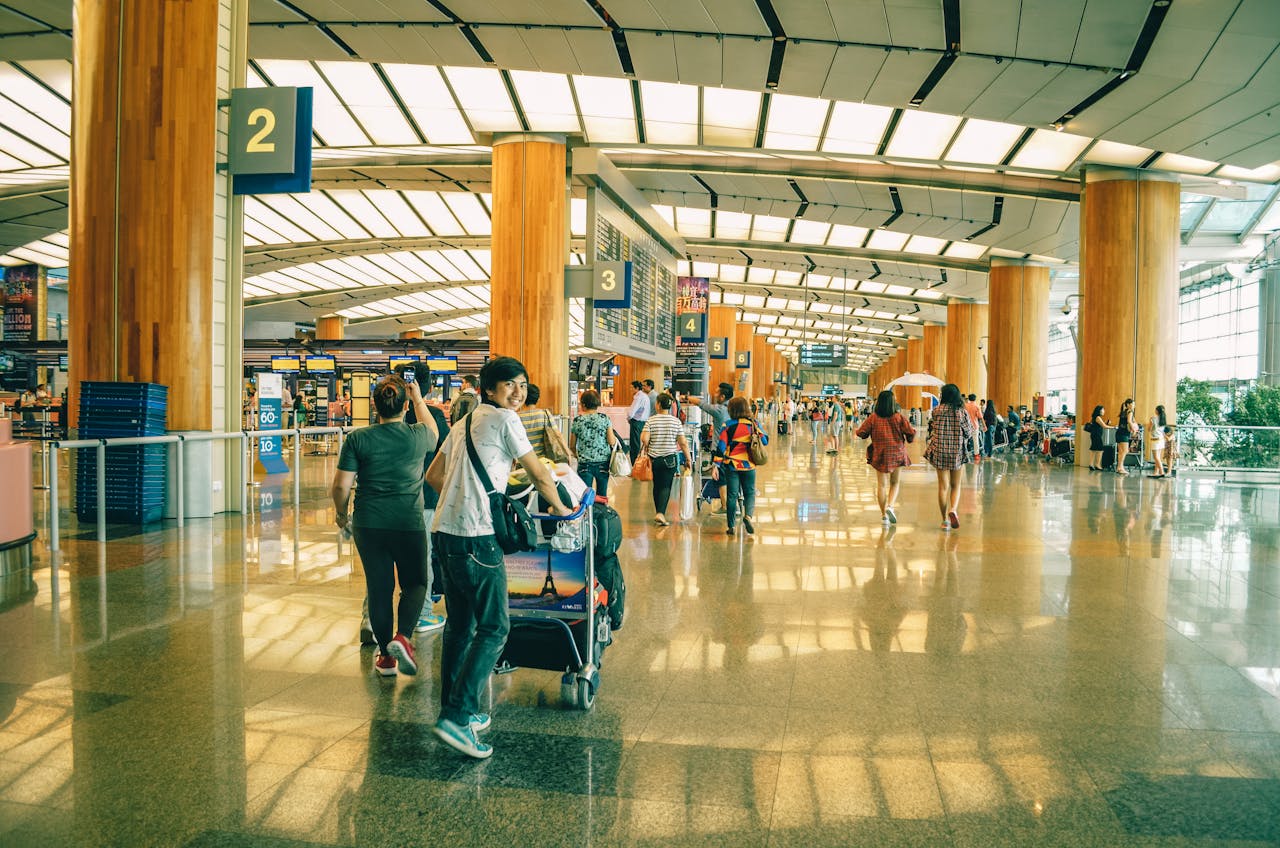
Pickup curbs are louder and more regulated than they used to be, with app-based zones, short dwell times, and constant enforcement. A pre-security hangout gives arriving passengers a place to regroup while the ride is rerouted, the family caravan is coordinated, or the shuttle is late. It also works as a buffer for missed texts and wrong terminals, since everyone can reference a landmark instead of circling lanes. Instead of clustering by sliding doors and exhaust, people can wait with restrooms, food, and clear signage, which lowers conflict and confusion. The curb stays for motion, and the lobby holds the human part.
Food Feels Less Like a Captive Purchase
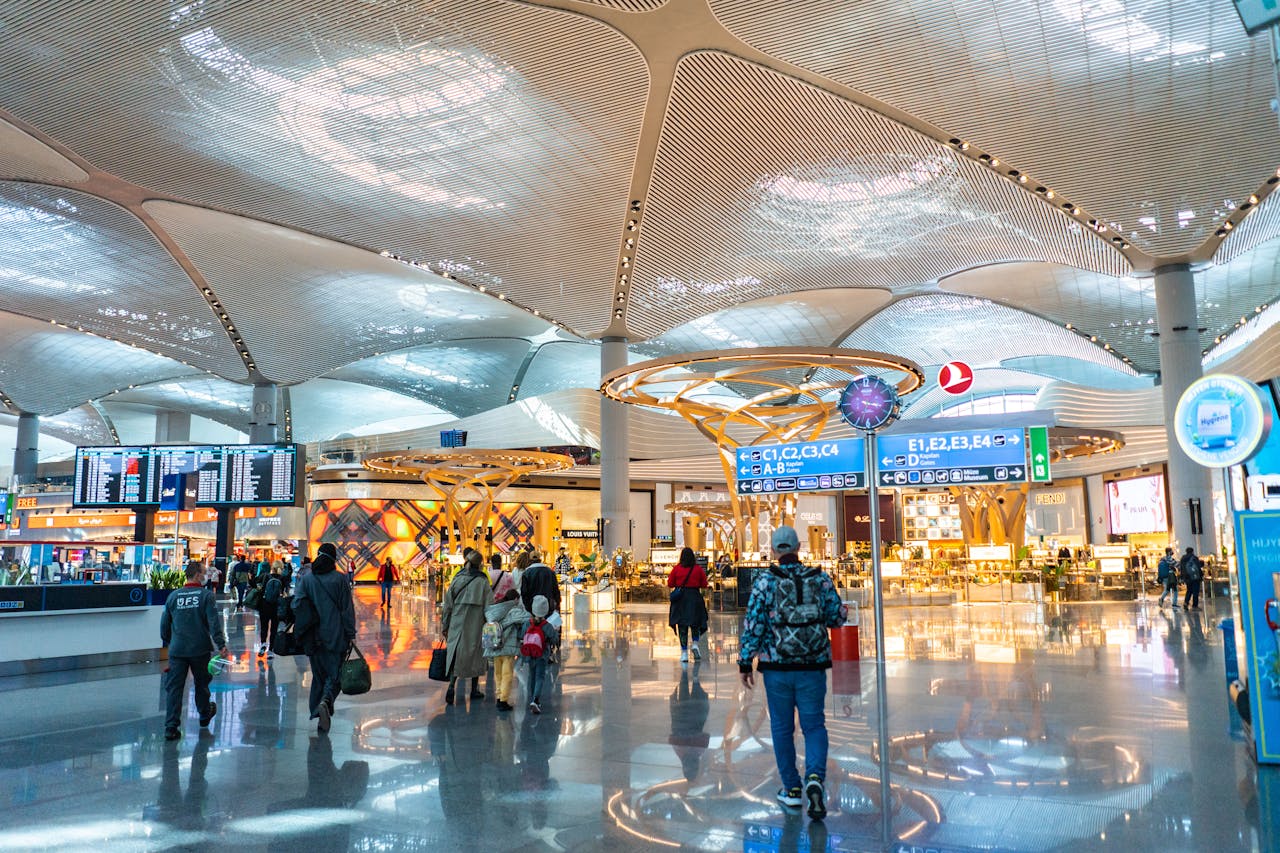
Once security closes behind a traveler, choices narrow and prices often rise, which makes every coffee feel like a small resignation. Landside dining changes that psychology. It attracts airport staff and locals, so menus compete on taste and value, not just convenience. A recognizable regional spot, a bakery counter, or a simple sit-down bar can become the default place for a farewell lunch. That pulls some spending to the public side, but it also eases pressure on crowded concourses during peak banks of departures. When a good meal happens before the checkpoint, the rest of the trip feels steadier. No rush, no scramble.
Families Need Space Before the Shuffle

Families travel with extra steps: stroller checks, snack negotiations, restroom runs, and the quiet fear of forgetting something vital. Pre-security seating gives that group logistics room, letting everyone repack and reset before bins and scanners speed up the tempo. It is also the only zone where extended family can help, since a grandparent can walk in, hand off a jacket, and wave goodbye without flying. Wide tables, nearby bathrooms, and stroller-friendly paths turn waiting into preparation instead of stress. When kids can move, eat, and settle in, the checkpoint feels less like a showdown and more like a transition.
Goodbyes Become Unrushed Again
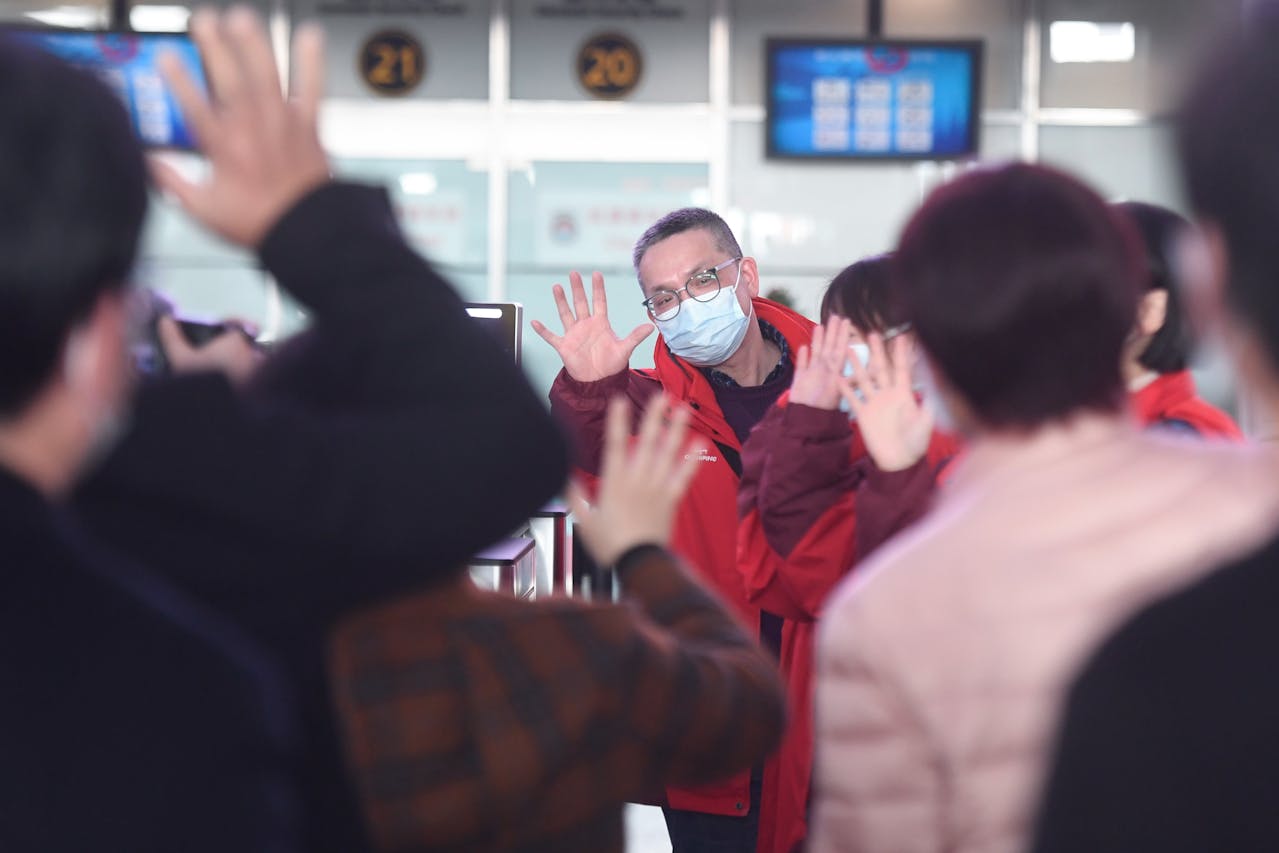
For a long time, airport farewells got squeezed into car doors and hurried hugs, because only ticketed passengers could linger inside. Pre-security hangouts bring back the old ritual of waiting together, sharing a drink, and stretching a conversation until the last responsible moment. That matters for long separations, like students leaving home, partners juggling work schedules, or families sending someone off for months. It also gives space for private emotion without blocking a curb lane or performing a goodbye in traffic. Instead of sprinting from curb to checkpoint, the send-off feels like a small, steadying pause.
Locals Treat the Airport Like a Convenient Hub
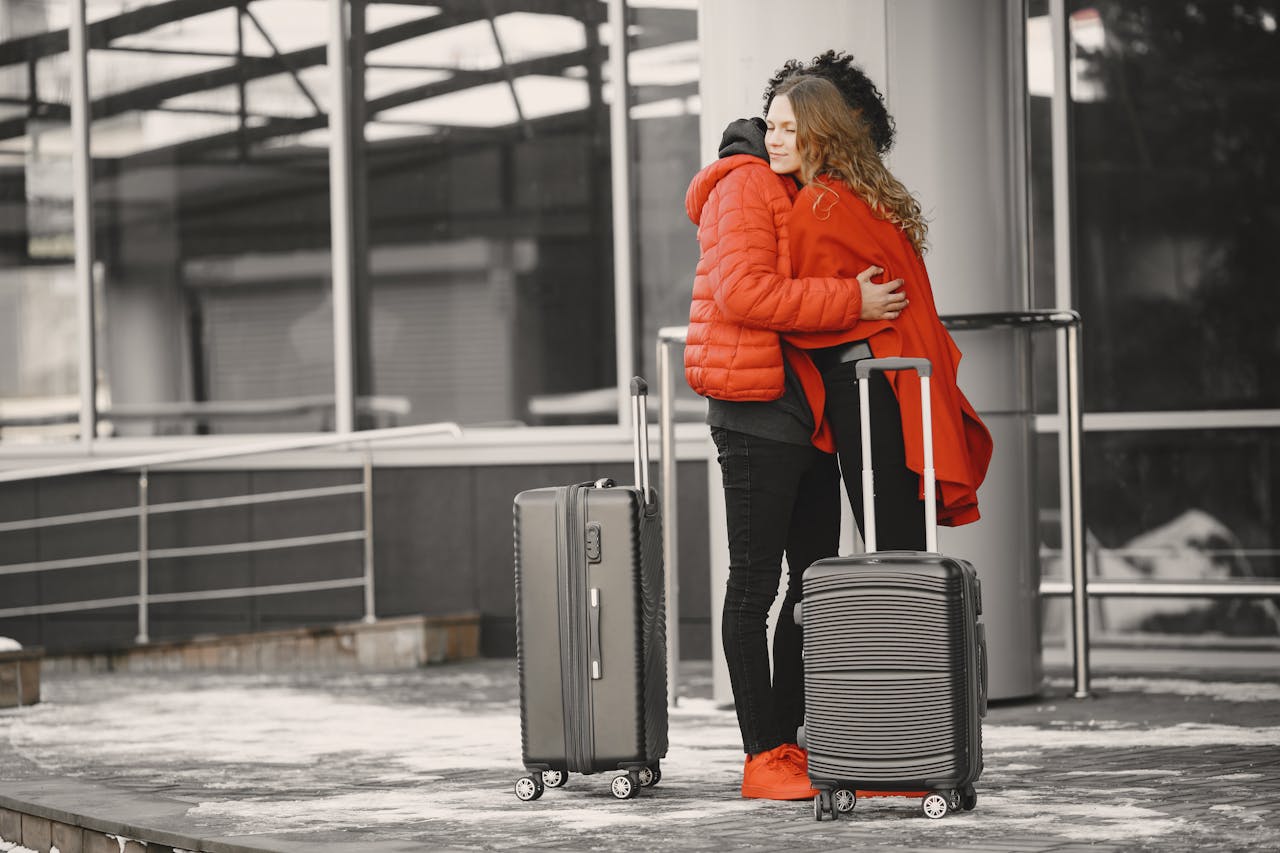
Airports sit at the edge of cities with highways, parking, and transit links, which already makes them natural meeting points. When the landside area offers real food and comfortable seating, it starts to attract people who are not flying at all. Add nearby hotels, rental counters, and conference centers, and the terminal becomes a practical halfway point for a quick catch-up. That kind of visit feels straightforward: clear signage, good lighting, plenty of restrooms, and staff that keeps the space orderly. The extra foot traffic helps concessions stay busy outside flight peaks, so airports keep investing in the idea.
Self-Service Creates Extra Minutes
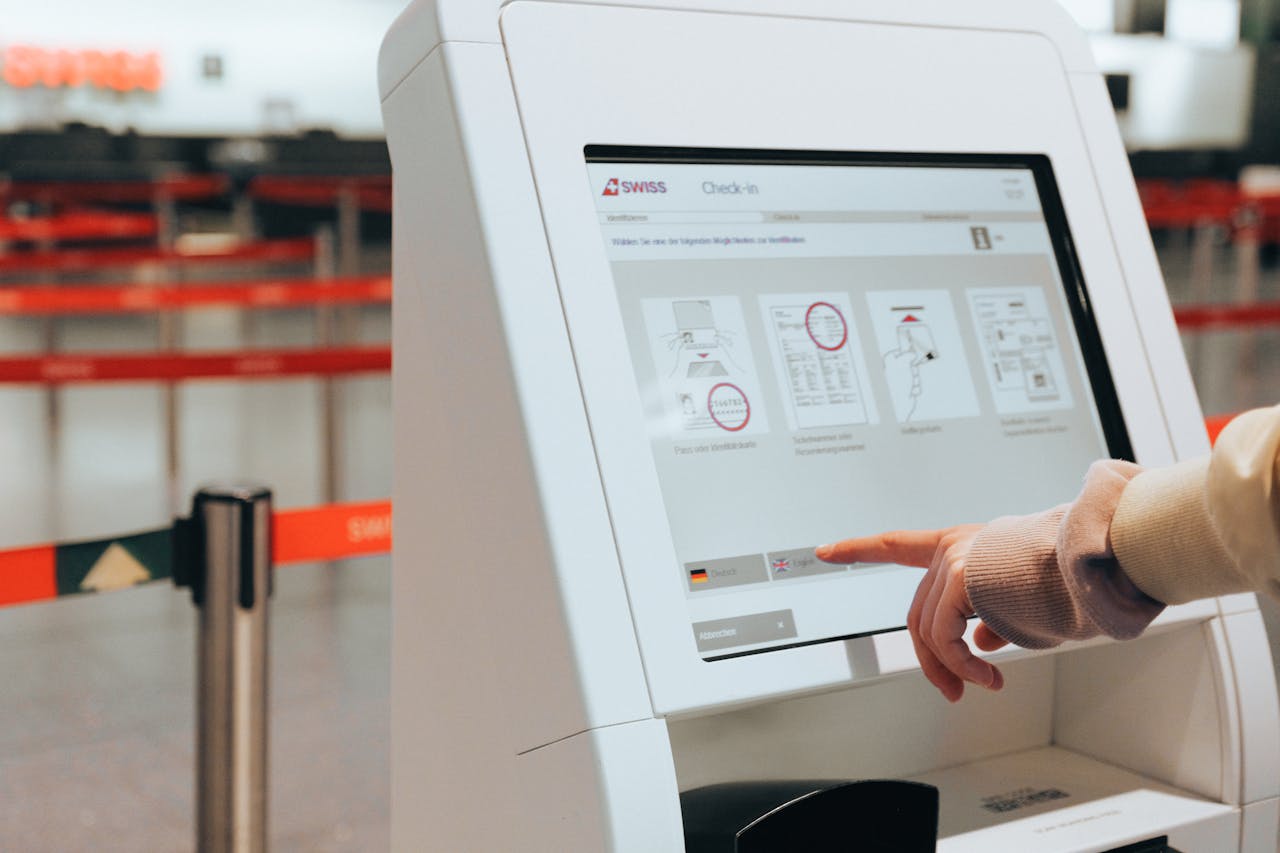
Check-in kiosks, app bag tags, and mobile boarding passes have turned parts of the airport process into quick taps instead of long counters. As airlines push more tasks to screens, the landside hall can feel like a waiting room for the next instruction, not a place to be. That efficiency creates a new problem: extra minutes with nowhere comfortable to put them, especially for people who arrive early by habit. Pre-security hangouts absorb the slack time with seats, power, and food, plus sightlines to departures so the schedule stays legible. Calm replaces loitering, and the terminal feels designed on purpose. For once.
A Low-Stakes Zone Eases Security Nerves
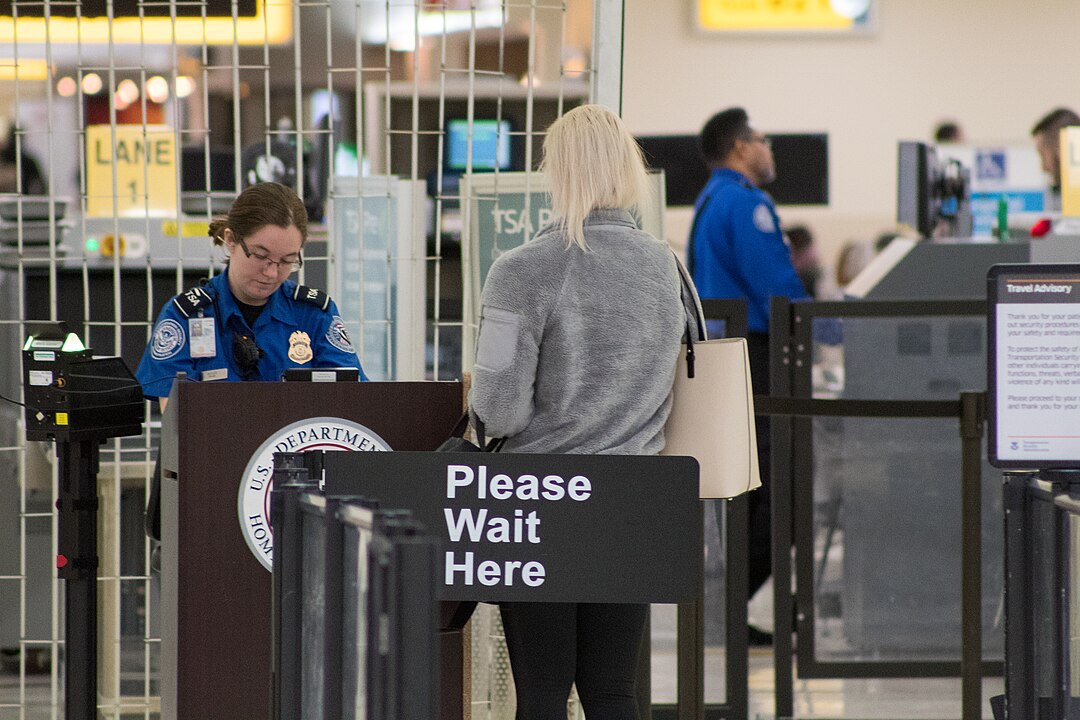
Security is predictable in theory and tense in practice, especially for infrequent flyers, older travelers, and anyone juggling medical devices or small kids. A pre-security hangout offers a moment to read signs, reorganize liquids, and calm nerves without the pressure of a moving line. It also lets companions help: a friend can hold a jacket, label a bag, or walk through the plan once, then stay behind at the checkpoint. That decompression reduces avoidable mistakes that slow screening down, and it lowers the sense of being watched while learning the routine. The whole terminal feels kinder, not merely efficient.
New Terminal Design Prioritizes the Front Door

Terminal projects increasingly treat the landside hall as a first impression, not a leftover space before the real airport begins. More daylight, clearer circulation, and flexible seating make it easier to host cafes, meeting corners, and small retail that serves both sides. Designers also plan around security footprints, carving out space that does not collide with queues, stanchions, and prep. It is smart economics, too. A public zone draws more potential customers than an airside-only concourse, and that revenue helps justify better amenities. When new builds and renovations copy the playbook, the trend spreads.