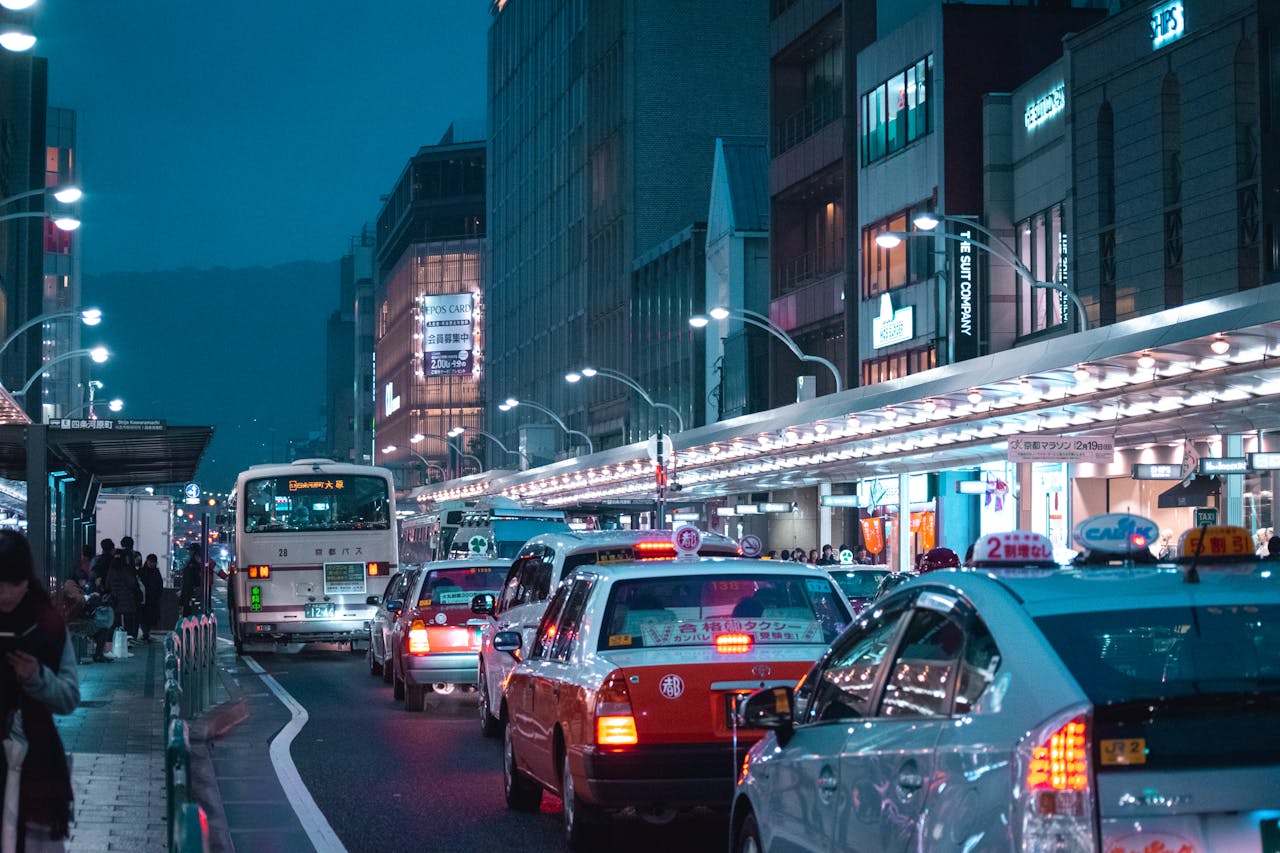
Cars arrived as marvels of motion, turning distance into something that could be purchased by the gallon and mastered by a key. They rearranged cities, rewrote workdays, and made weekend escape feel normal, even deserved. Driveways became status, highways became promises, and the quiet power of leaving early started to shape ambition. But every convenience left fingerprints: heat trapped in the air, streets that prize speed over neighbors, and public budgets bent toward asphalt. Now the ledger shows up in traffic, lungs, and climate headlines, and the reckoning is no longer theoretical. It is arriving street by street.
Mass Production Reset the Price of Mobility
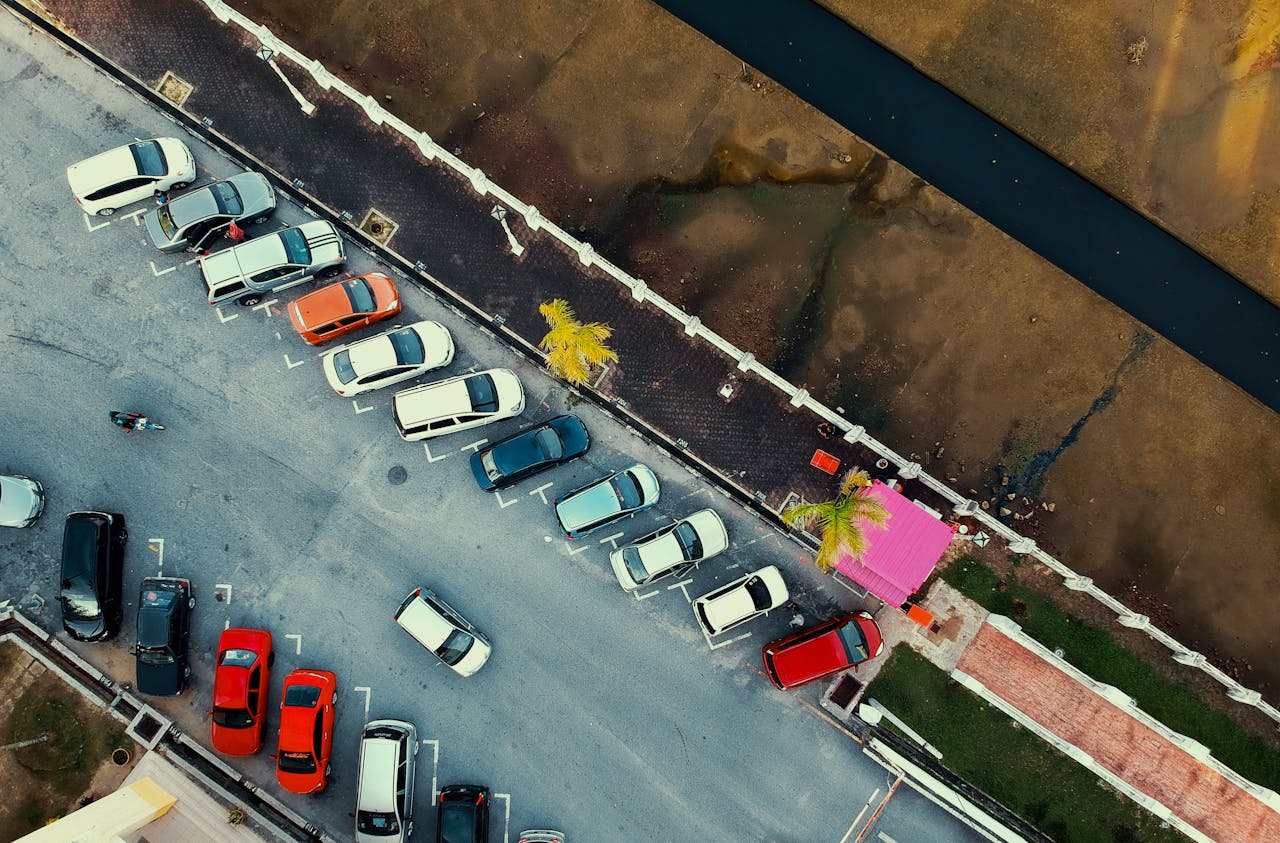
Mass production turned the car from a luxury object into a repeatable product, built to a rhythm that factories could scale and families could finance. The assembly line standardized parts, boosted output, and helped set expectations that modern goods should be affordable, fast, and replaceable. Dealerships and auto loans spread the habit of buying the future in monthly payments, while model-year churn trained shoppers to want the new thing. That same logic also normalized constant extraction: steel, rubber, lithium, and fuel pulled from far away, with the cleanup costs pushed into tomorrow’s columns. Costs compound.
Suburbs Became the Default Map
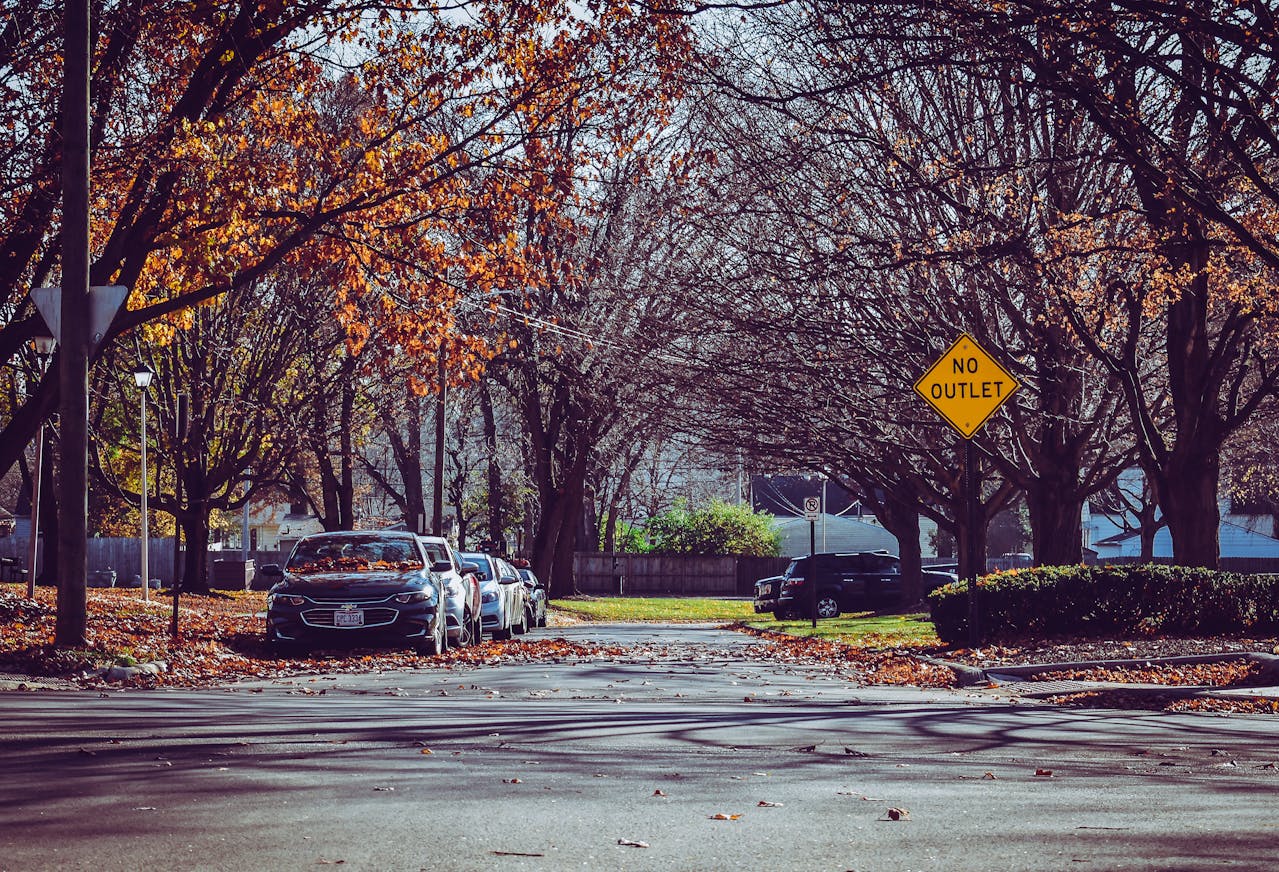
As cars became common, towns stretched outward, and the suburb stopped being an edge case and started acting like the national template. Highways and arterials built routes to downtowns while also slicing through older neighborhoods, and policies like redlining and urban renewal often made the damage uneven and lasting. Zoning separated homes from shops and schools, assuming every errand would be driven, and parking lots replaced public squares as default gathering space. The bill shows up in long commutes, higher household transport costs, and local budgets strained by miles of pavement, pipes, and lights. Each year.
Work and Time Got Rewritten
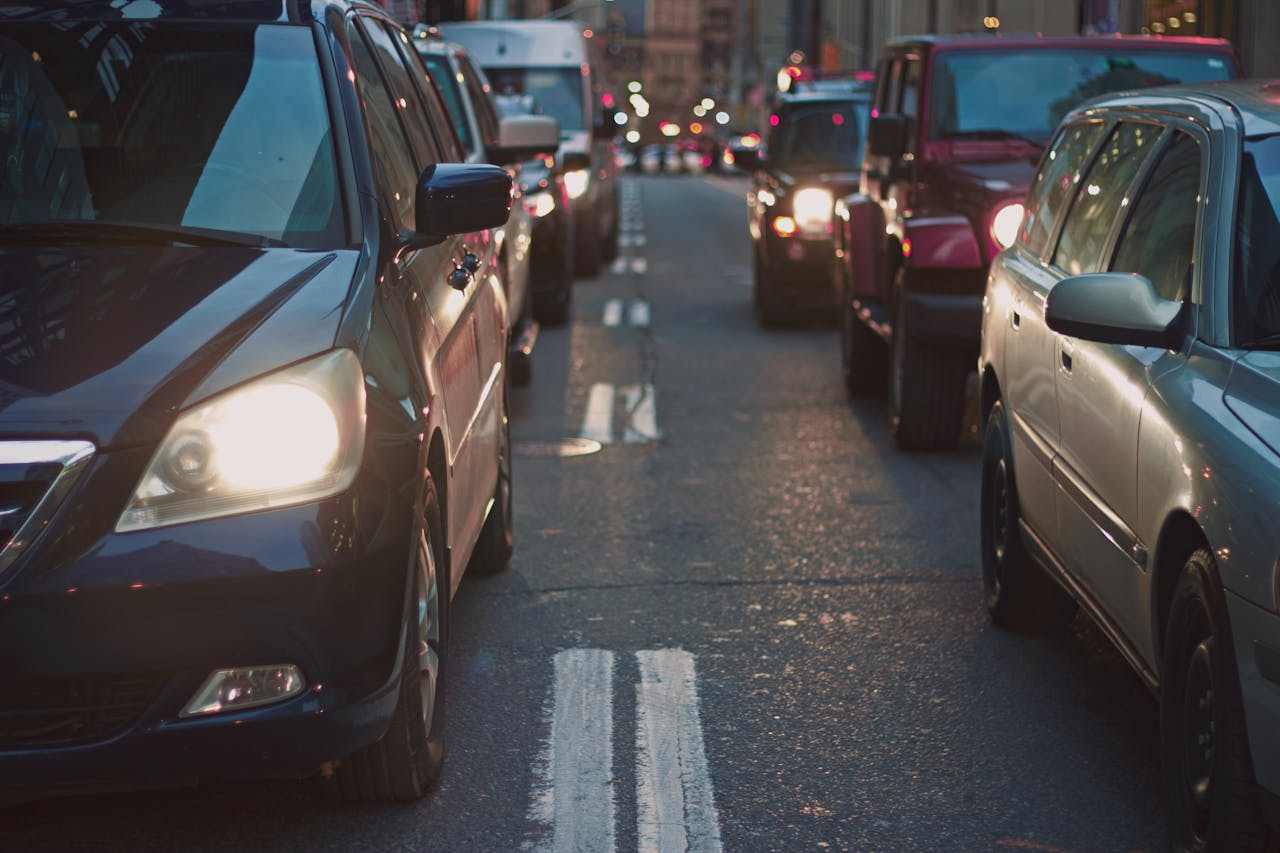
The car loosened the tie between job and neighborhood, letting factories, offices, and warehouses pull labor from farther away. Industrial parks sprouted at interchanges, big-box stores followed, and shift work could start at dawn because the road network promised punctuality. Commutes became a daily tax that many households simply absorbed, and the expectation of being available on short notice grew with every new highway exit. The bill is not just fuel: it is stress, collision risk, and hours that could have gone to sleep, care work, or community, now burned in traffic, often heaviest for the lowest-paid. Every week.
Road Trips Became a National Ritual
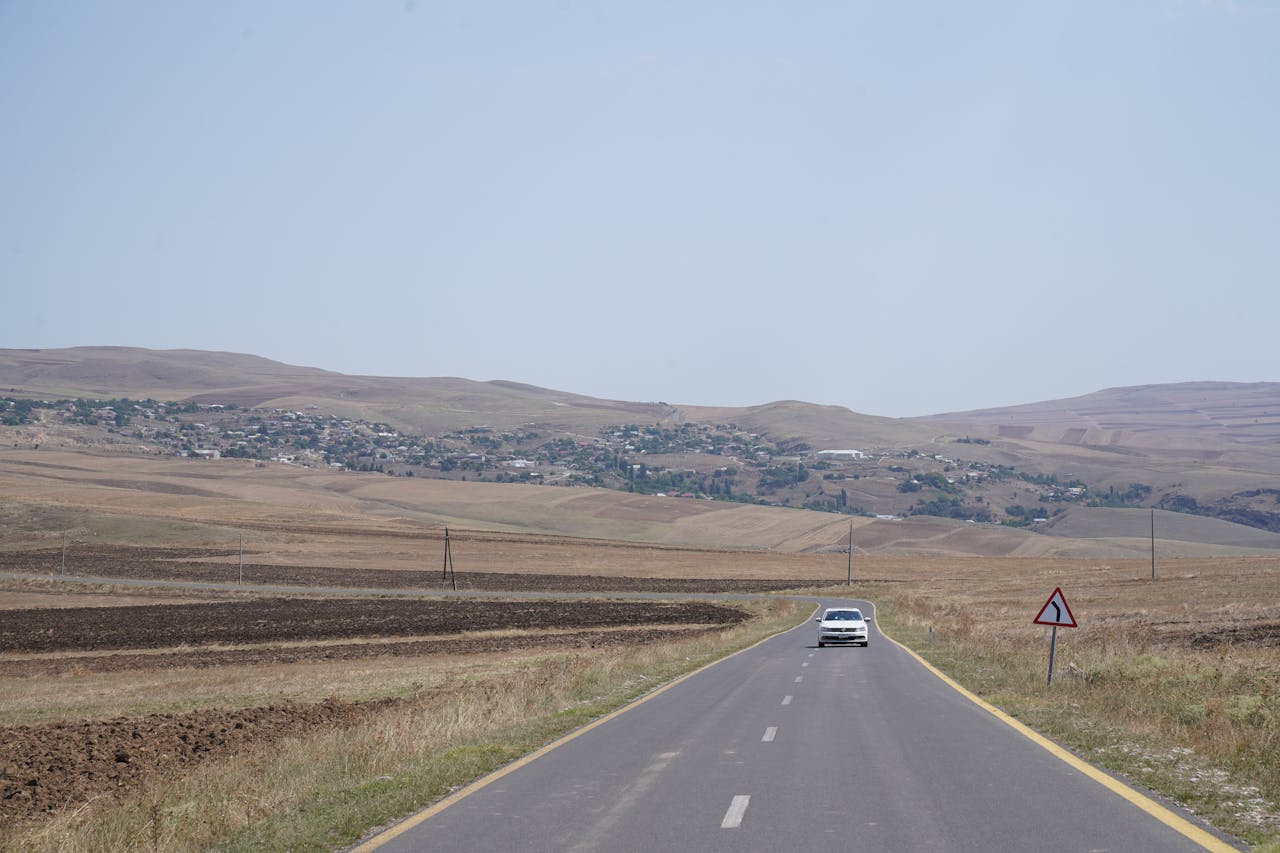
The road trip stitched a huge country into a story of motels, diners, and horizon, turning travel into something ordinary rather than elite. Routes like 66, later reinforced by the Interstate era, helped build drive-ins, roadside kitsch, and a shared vocabulary of exits, mile markers, and late-night coffee. It also made national landscapes feel personally accessible, for better and worse, and reshaped vacations around parking, peak hours, and gas stops. The romance has a shadow: car-based tourism concentrates crowds in fragile places, adds emissions to every memory, and can hollow out towns once the bypass arrives.
Shopping and Food Followed the Parking Lot
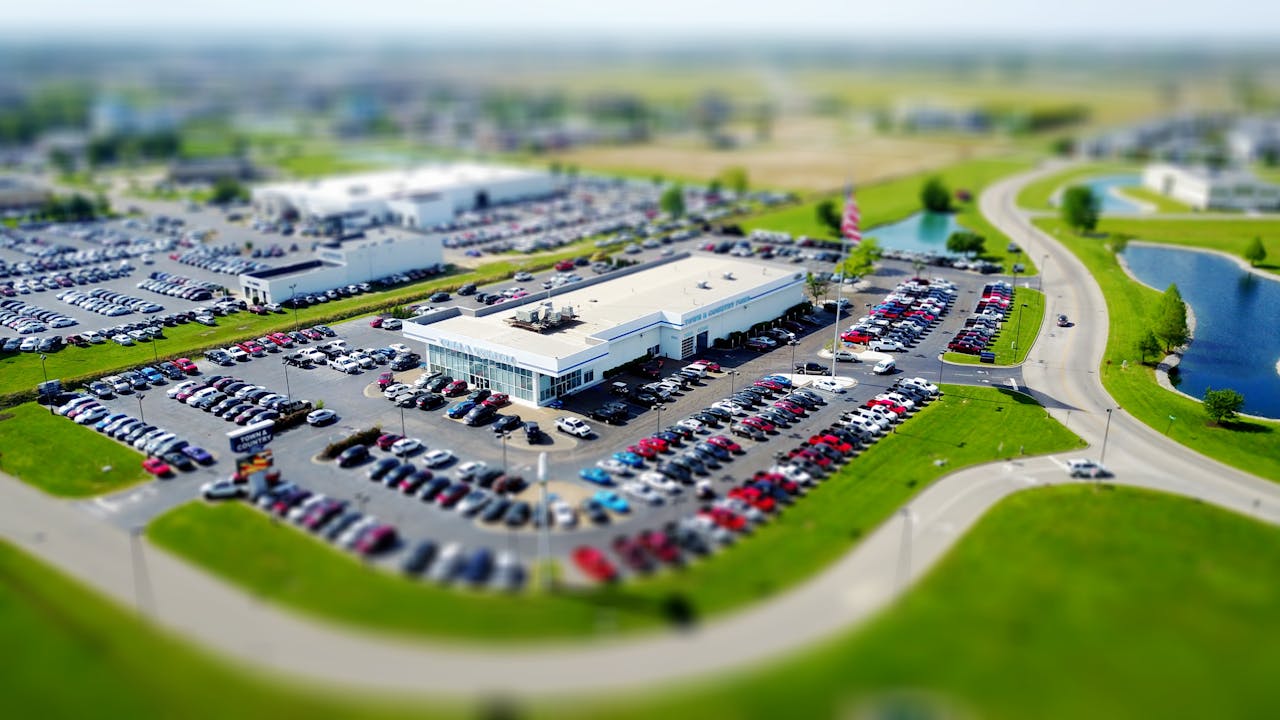
Retail bent toward the windshield. Malls, strip centers, and big-box stores thrived where land was cheap and parking was plentiful, while many downtown blocks lost their daily foot traffic. Drive-thrus and supermarkets made meals and shopping faster, but also more car-dependent, and zoning favored chains that could afford the space. Later, delivery fleets turned curb lanes into loading docks, pushing noise and idling into neighborhoods. The bill shows up in hotter asphalt, packaging waste, local businesses squeezed by sprawl, and a quiet inequity: people without cars pay more in time, effort, and missed options. Still.
Emergency Response Learned to Drive Fast

Cars and trucks reshaped emergency response. Ambulances could move patients quickly, fire crews could cover larger districts, and the modern idea of a timed response became a civic promise tied to 911 and trauma care. Suburban expansion, however, turned that promise into an arms race of stations, specialized vehicles, and staffing stretched across more miles, even as road crashes created a steady stream of emergencies. The bill arrives as higher municipal costs and higher danger: every high-speed run depends on drivers behaving well in streets built for distraction, and on responders working amid traffic, fumes, and noise.
Freedom and Identity Found a New Symbol
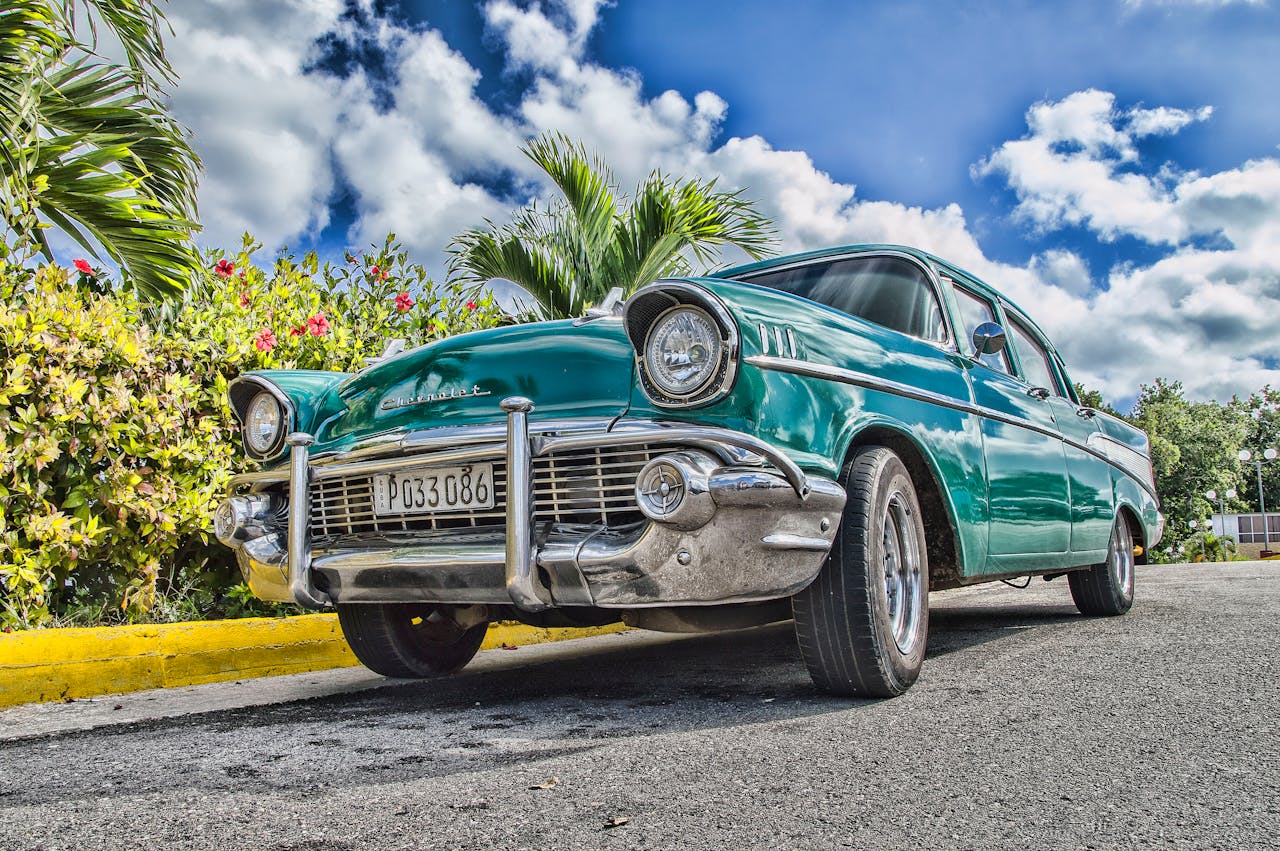
The car became a portable identity, marking adulthood and signaling taste, while offering a private room on wheels with music and a sense of escape. It reshaped dating and nightlife, and it offered independence for many older adults and disabled drivers when transit access was limited. Advertising turned horsepower into personality, and film and song celebrated open-road self-definition. Yet the same culture can treat danger as background noise, shrinking kids’ independent range and making pedestrians feel like obstacles, while road rage and speed creep reveal how thin the social contract can be. Even on calm days.
Oil and Geopolitics Became Personal
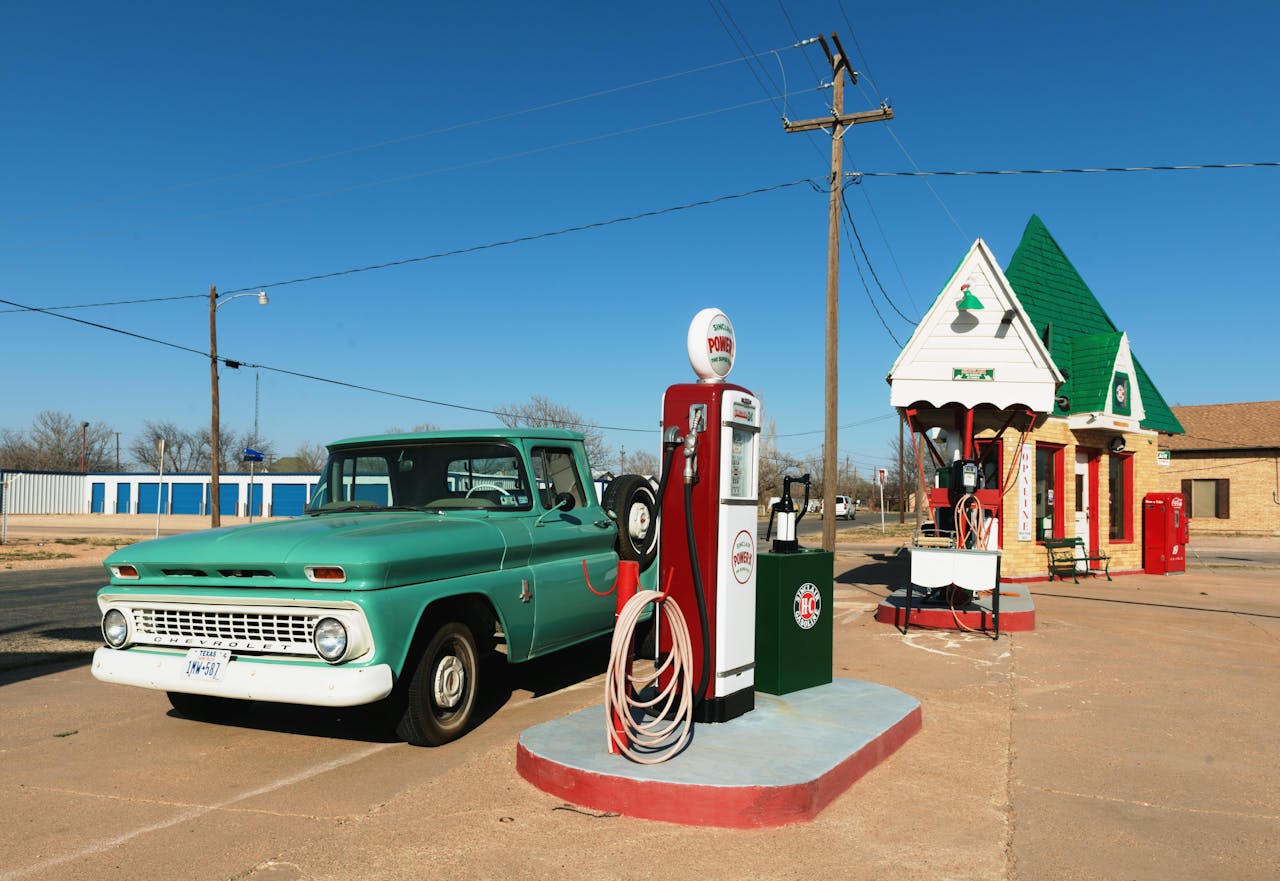
Cars made petroleum feel intimate. Gas prices became a daily mood because budgets could swing with a few cents, and national security began to sound like the commute. From the 1970s oil shocks onward, fuel demand shaped trade routes, alliances, and wars, while pipelines and refineries tied regions to paychecks and pollution. The bill is volatility: price spikes push governments toward subsidies and strategic reserves, supply shocks ripple through food and shipping, and petro-states gain leverage beyond their borders. It is also carbon, since routine travel turns local errands into a global climate burden. For decades.
Air Pollution Forced a Public Reckoning
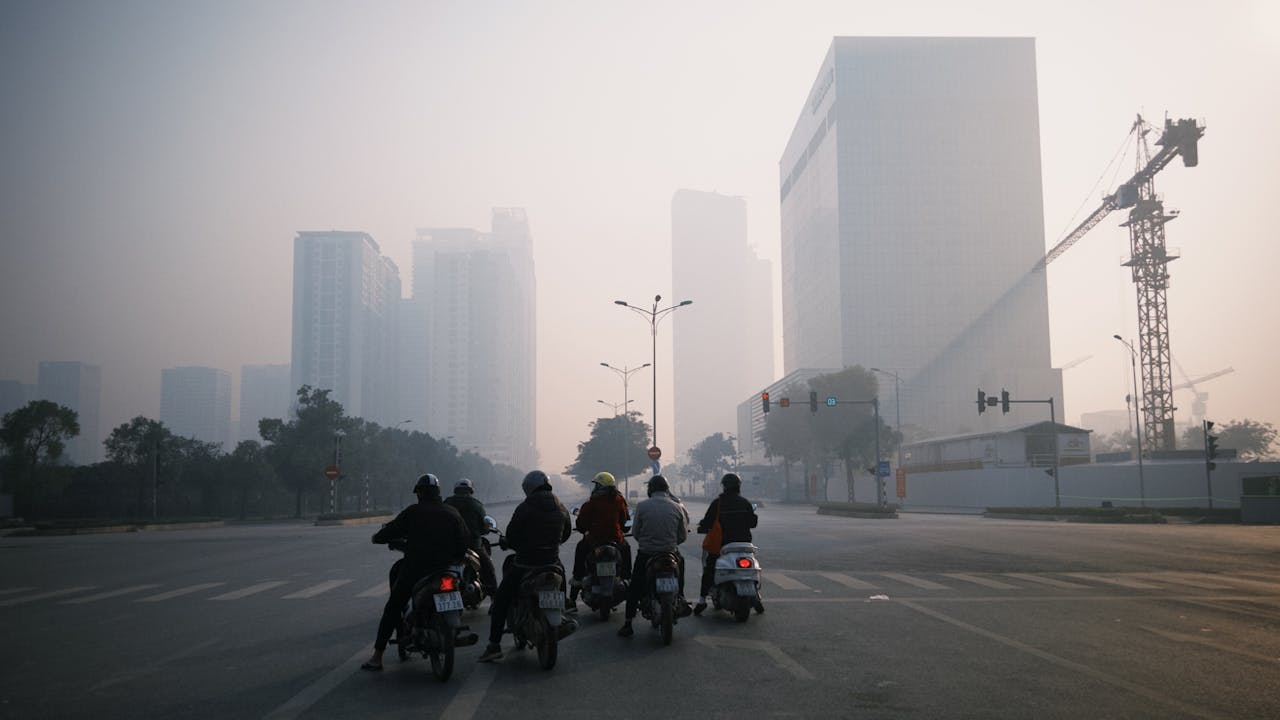
Cars turned air quality into a crisis. Smog, leaded gasoline, and tailpipe fumes forced cities to admit that mobility had a medical price, not just a scenic one. Regulations and technology helped: catalytic converters, cleaner fuels, and tougher standards cut many pollutants, even if progress came unevenly. Communities near highways and freight corridors still inhale more risk, and tire and brake dust adds contamination that does not vanish with a new engine. Now the bill looks bigger, with fine particles and heat-trapping gases tied to asthma, heart disease, and climate costs that do not stay inside city limits.
Streets Redefined Safety, Often Backward
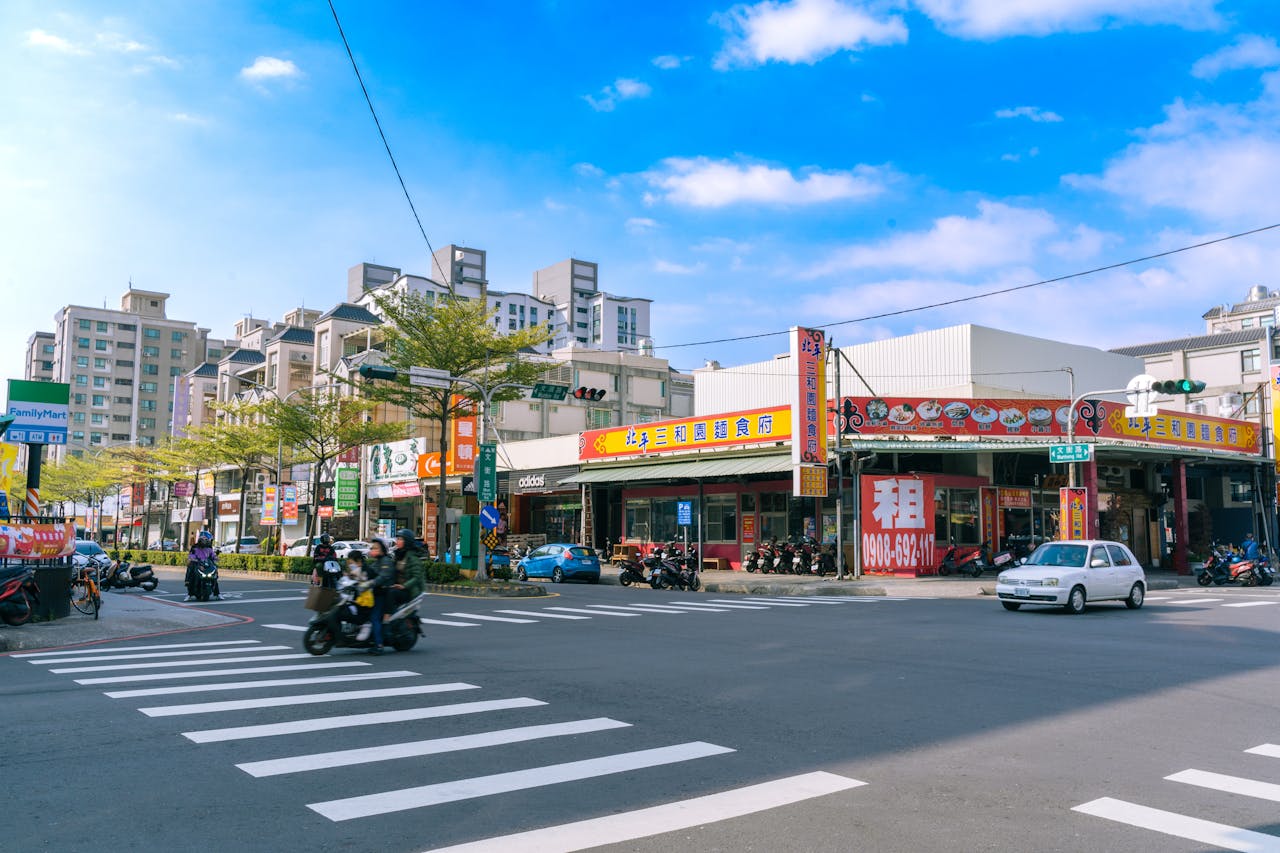
Cars forced a new definition of safety, and it came late. Early streets belonged to walkers, streetcars, and kids at play, but faster traffic pushed them aside and treated injury as the cost of progress. Seat belts, airbags, car seats, and better trauma care saved lives, and Vision Zero style reforms aim to design out fatal mistakes. Yet rising speeds, distracted driving, and heavier SUVs keep the danger present, especially for pedestrians and cyclists. The bill is measured in deaths, disability, and fear, and it lands unevenly in neighborhoods split by arterials where crossing can feel like bargaining with momentum.
The Unwinding Has Started, and It Is Expensive
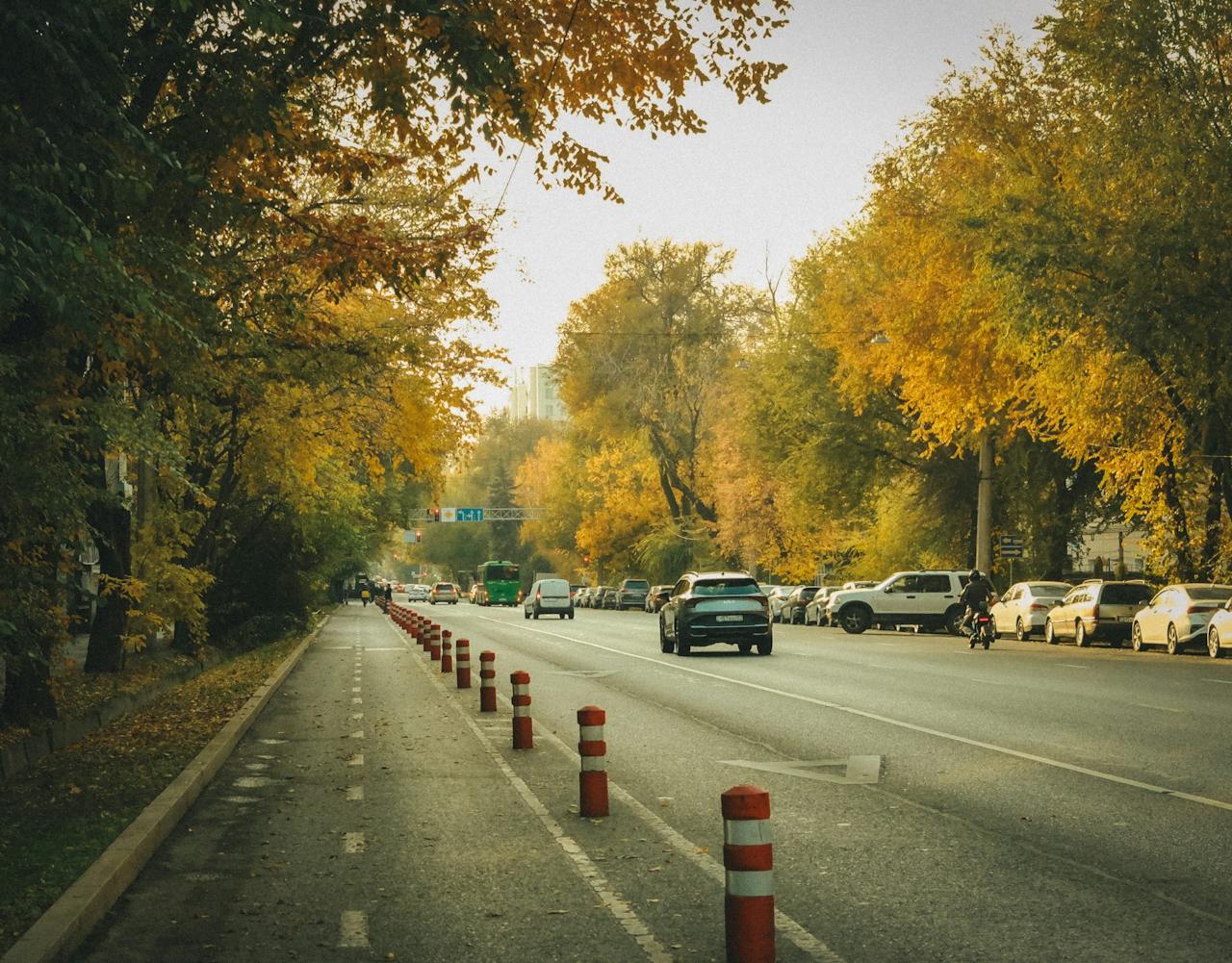
After a century of building for cars first, many places are trying to reverse course without breaking daily life. Parking minimums are being rolled back, bus lanes and protected bike networks are expanding, and some cities are pricing congestion to keep streets moving. Electric vehicles reduce tailpipe pollution, but they do not solve space, speed, or the cost of pavement, and they bring their own supply-chain footprints. The bill is in the backlog: bridges aging, asphalt cracking, stormwater systems overwhelmed by paved runoff, and a public realm that must be rebuilt into something calmer, cleaner, and more human-scaled.