Airports keep getting pitched as places that can be civilized with manners and nicer outfits, as if a pressed shirt could quiet a delayed gate or a packed cabin. A recent federal civility push, timed to the 2025 holiday rush, asks travelers to bring back courtesy and class, echoing the golden age when flying felt exclusive. Yet outbursts have climbed fivefold since 2019, and delays are far more common than they were decades ago. In a system shaped by dense seating, layered security, and constant time risk, clothing turns into a symbol, not a fix, and comfort starts to look like self-defense. The tension stays all day.
The Stressors Are Structural, Not Stylistic
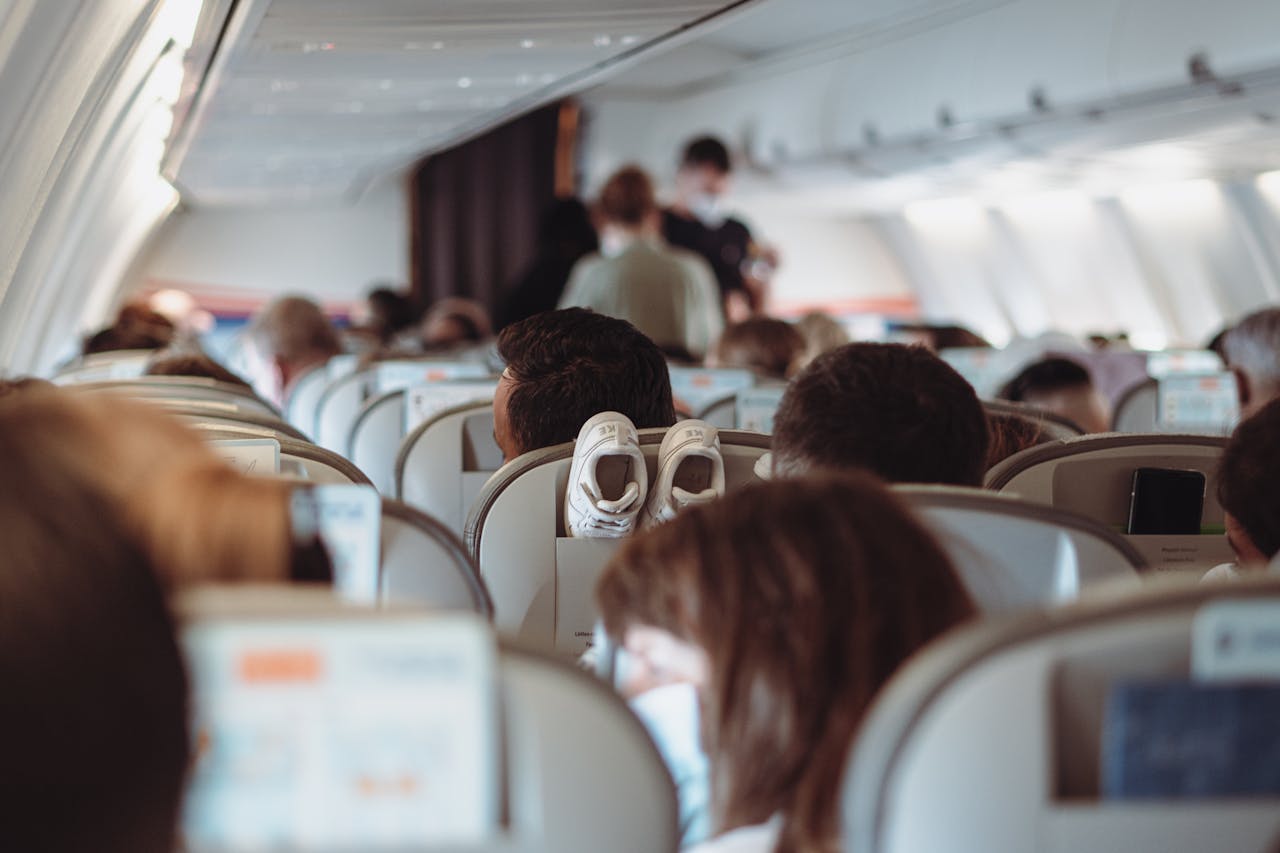
A blazer cannot widen a seat, shorten a taxi line, or make overhead space appear. Modern flying is engineered for volume, so every step runs closer to the edge: denser cabins, tighter schedules, and more chances for friction. When a connection collapses or a gate change sends crowds sprinting, irritation comes from the design of the day, not the fabric on a sleeve. Dressing up may look composed, but it cannot lower noise and crowding, or soften the sense that one small disruption can wreck an itinerary. Many travelers dress for the air travel they have, not the version they wish existed before takeoff even happens.
Delays Do Not Respect Outfit Planning
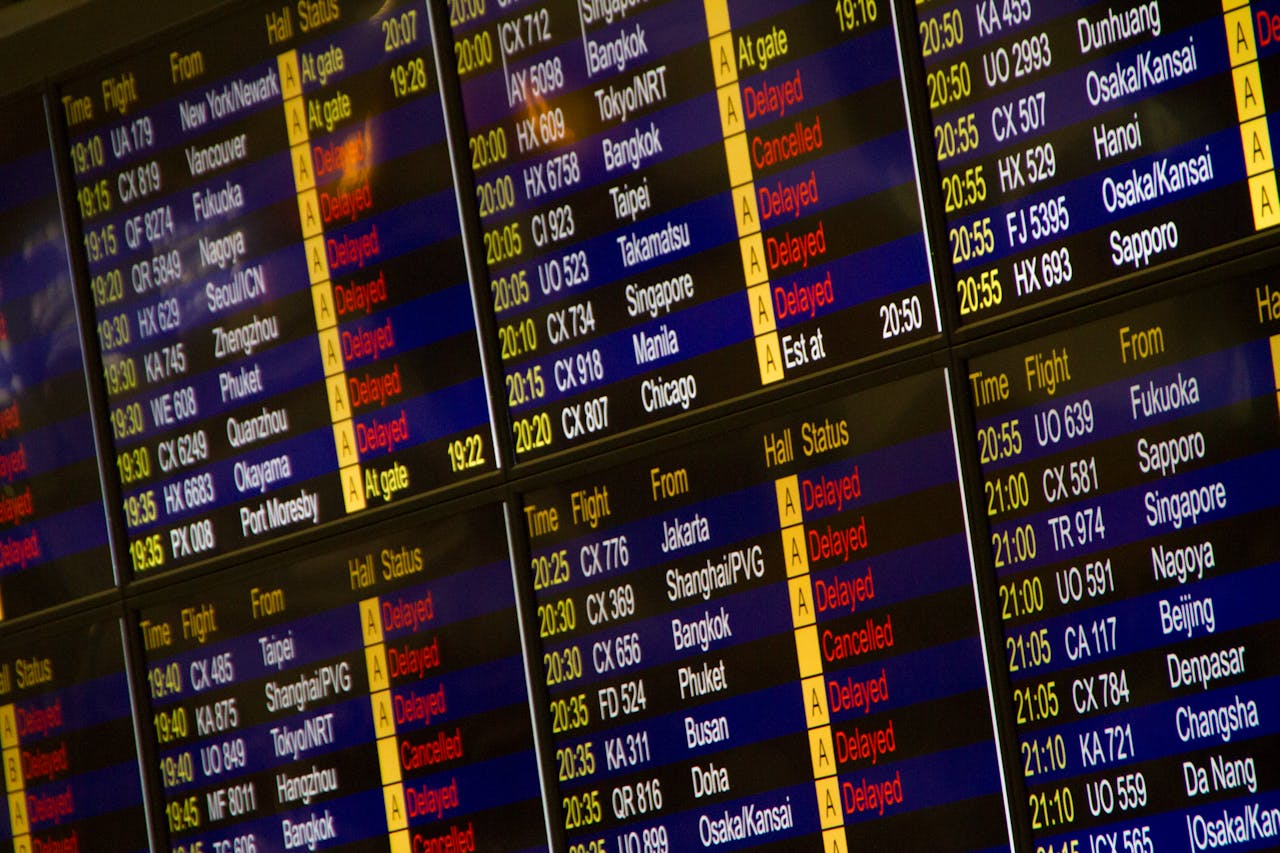
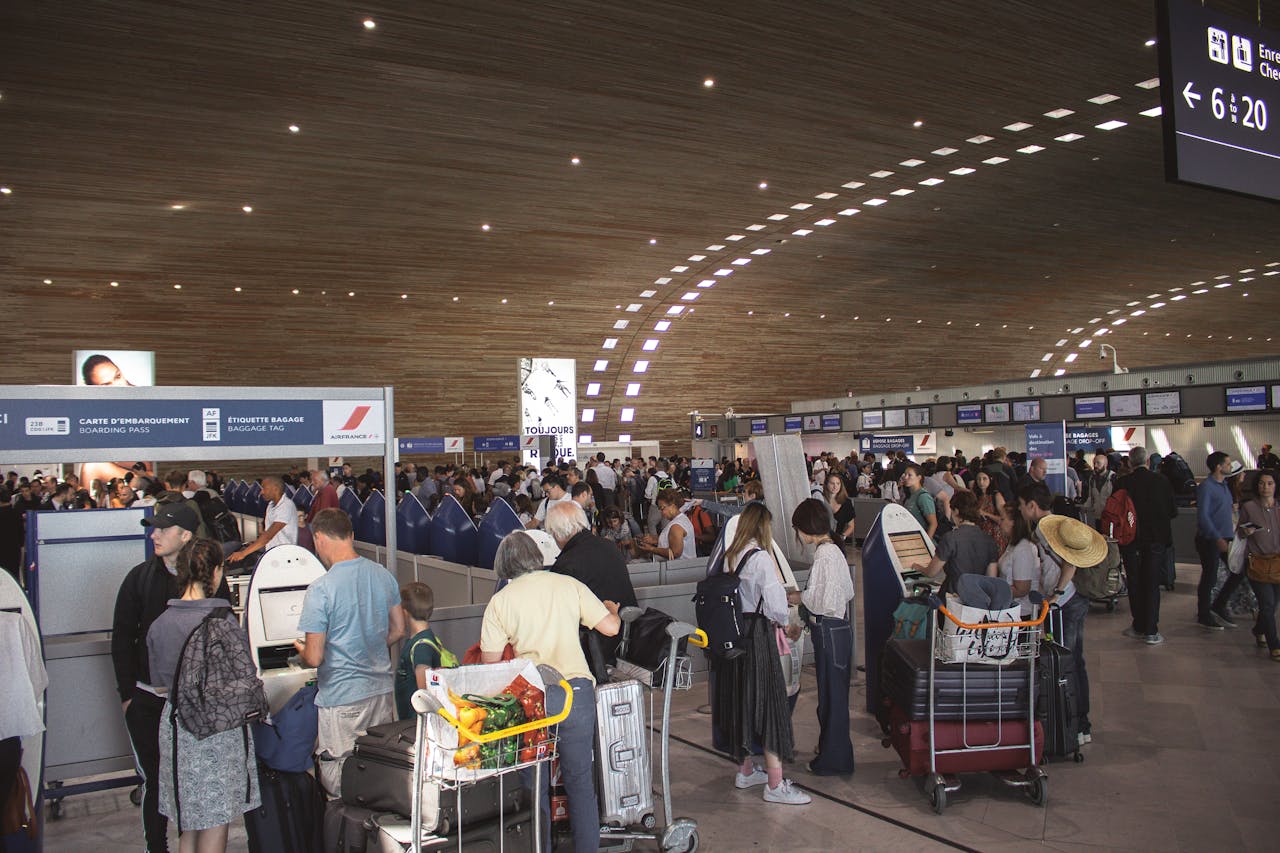
Travel days often unravel long before boarding, and delays land without warning. Federal transportation data analysis has found long flight delays are about 4 times more common than they were in 1990, so extra time is now a frequent cost of flying. A polished outfit becomes a burden when hours stretch in a terminal, when boarding times slip, or when rebooking turns into a standing-room puzzle at customer service. Crowds and missed connections can mean dozing in a chair or sitting on the floor near a charging outlet. Clothing cannot give time back, and time is what most travelers are guarding when patience runs thin.
Security Lines Reward Comfort, Not Glamour
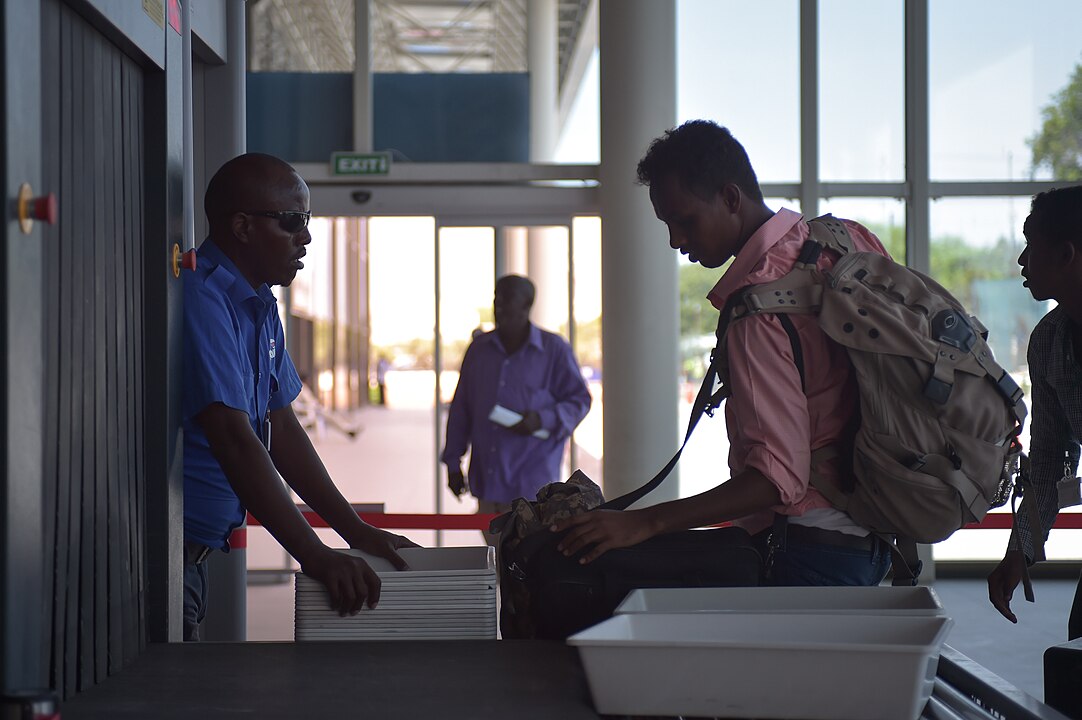
The multilayered security process built after Sept. 11, 2001 made flying safer, but also more miserable for many travelers. Shoes come off, belts get handled, and bins pile up while liquids, laptops, and coats shuffle forward under bright lights. A dressy look can feel fragile under constant instructions, random checks, and the slow crawl of a line that barely moves. Practical layers, easy footwear, and pockets that actually work are responses to screening reality. Courtesy matters, yet clothing does not change the conveyor-belt pace of security, or how drained people feel by the time they reach the gate for hours.
Crowded Airports Turn Style Into a Liability
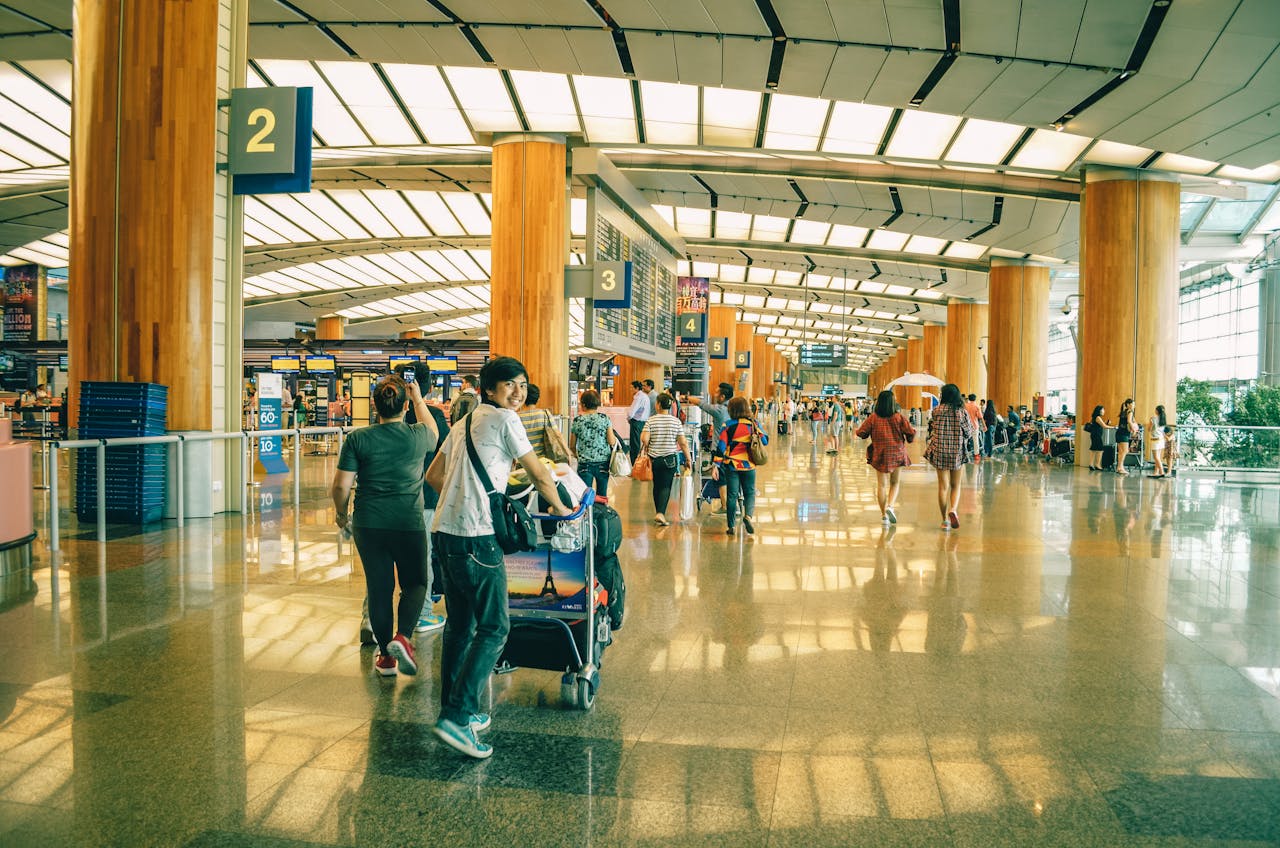
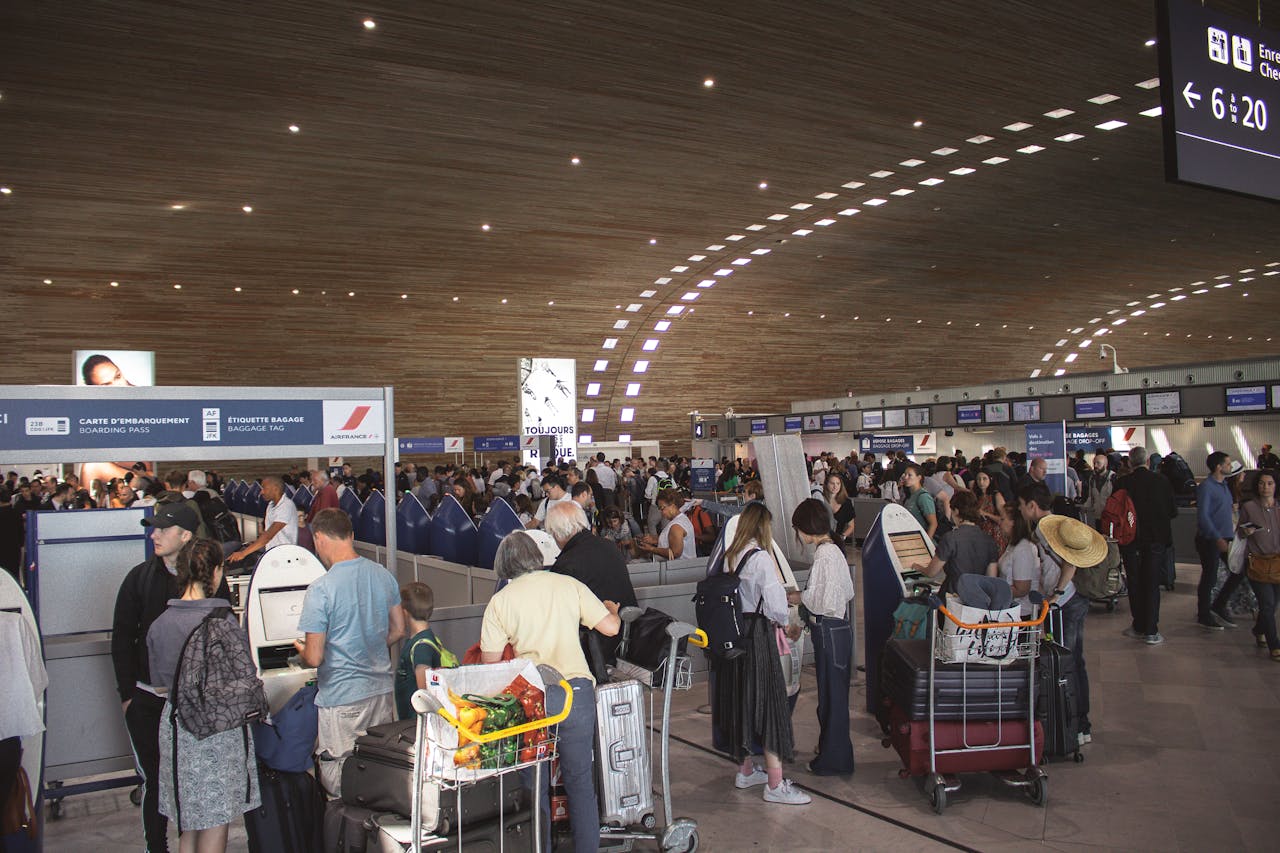
When terminals clog, travelers end up sitting on the floor, eating standing up, or stretching near outlets like they are rare resources. In that environment, formality does not signal dignity; it signals discomfort. The mood in a crowded concourse is shaped by noise, missed announcements, and the slow drip of uncertainty about gates, baggage, and connections. That is why pajamas, slippers, and matching athleisure keep winning: they are built for waiting, not for posing. A crisp outfit cannot create personal space or quiet a packed waiting area. What calms people is clarity and room to breathe, not a dress code. At scale.
Air Rage Is Not a Dress-Code Problem
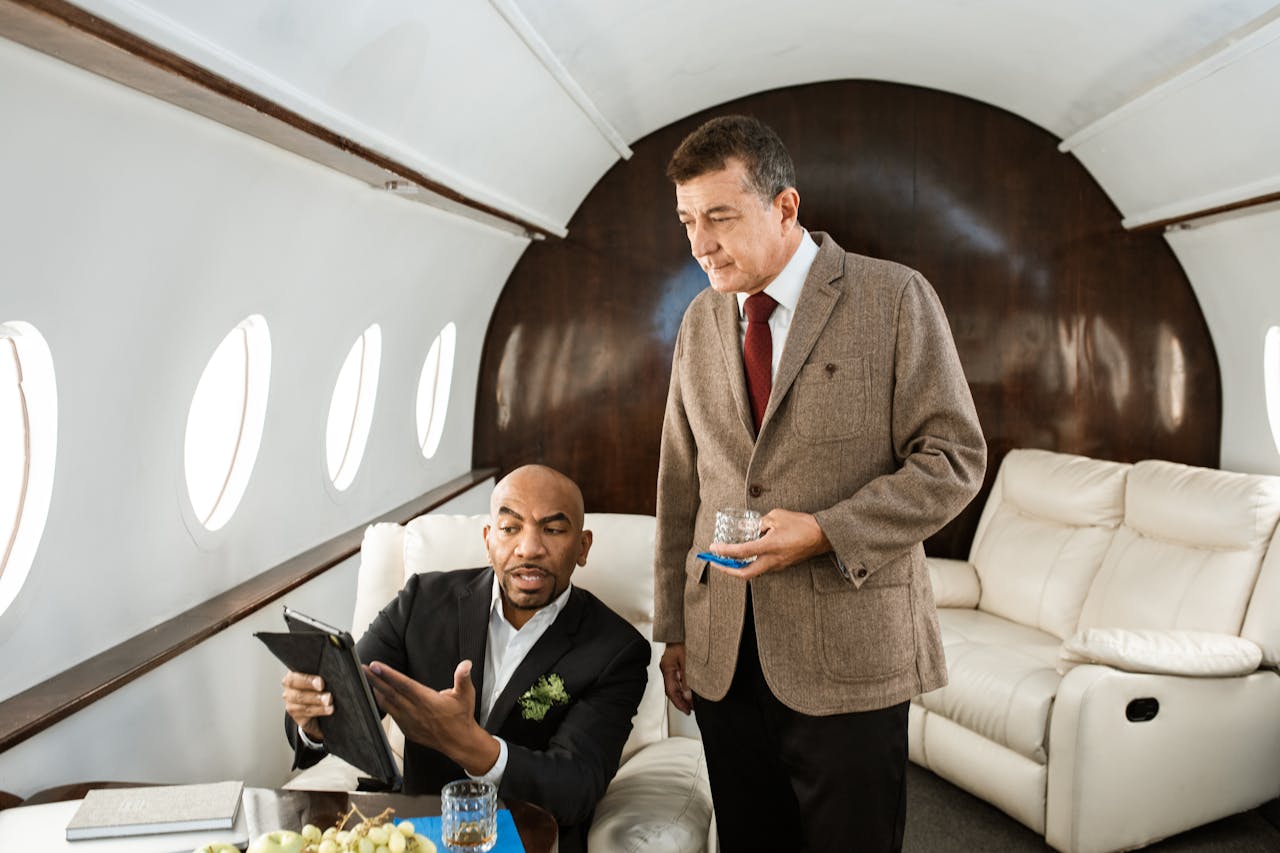
Unruly incidents surged during the pandemic era, and the FAA has reported major spikes in disruptive-passenger reports. A civility message that links better behavior to better clothing sounds tidy, but it skips the real fuel: stress, delays, alcohol, and the feeling of being trapped. Outbursts have climbed fivefold since 2019, and an angry traveler can wear a suit and still explode at a gate agent. Focusing on attire makes clothing the scapegoat for a stressful, corporate-feeling trip. Stronger penalties and consistent intervention do more to cool situations than a sharper outfit. It is behavior that must be priced in.
The Golden Age Was About Price and Space
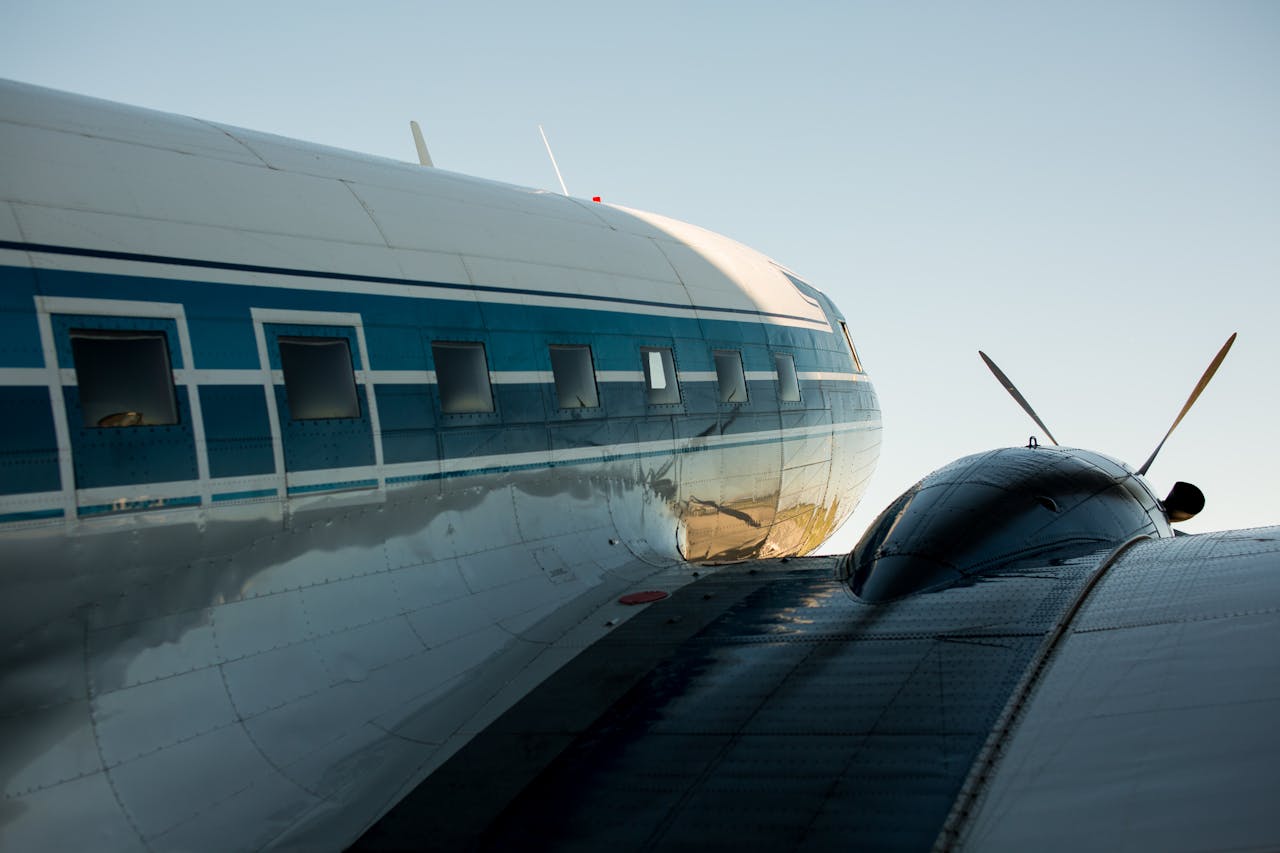
In the 1950s and 1960s, flying looked glamorous because it was expensive and limited, not because everyone made better fashion choices. Meals came on china, wine and Champagne were part of the rhythm, and there was room to breathe, so dressing up matched the environment. Dresses, stockings, suits, and hats were signals of exclusivity, and the cabin itself reinforced the mood. That world did not vanish because travelers stopped wearing hats. It shifted as airlines chased profitability and mass access, leaving less space and fewer included comforts, no matter what anyone wears. The glamour was purchased, not performed.
Deregulation Changed the Deal, Not Just the Wardrobe
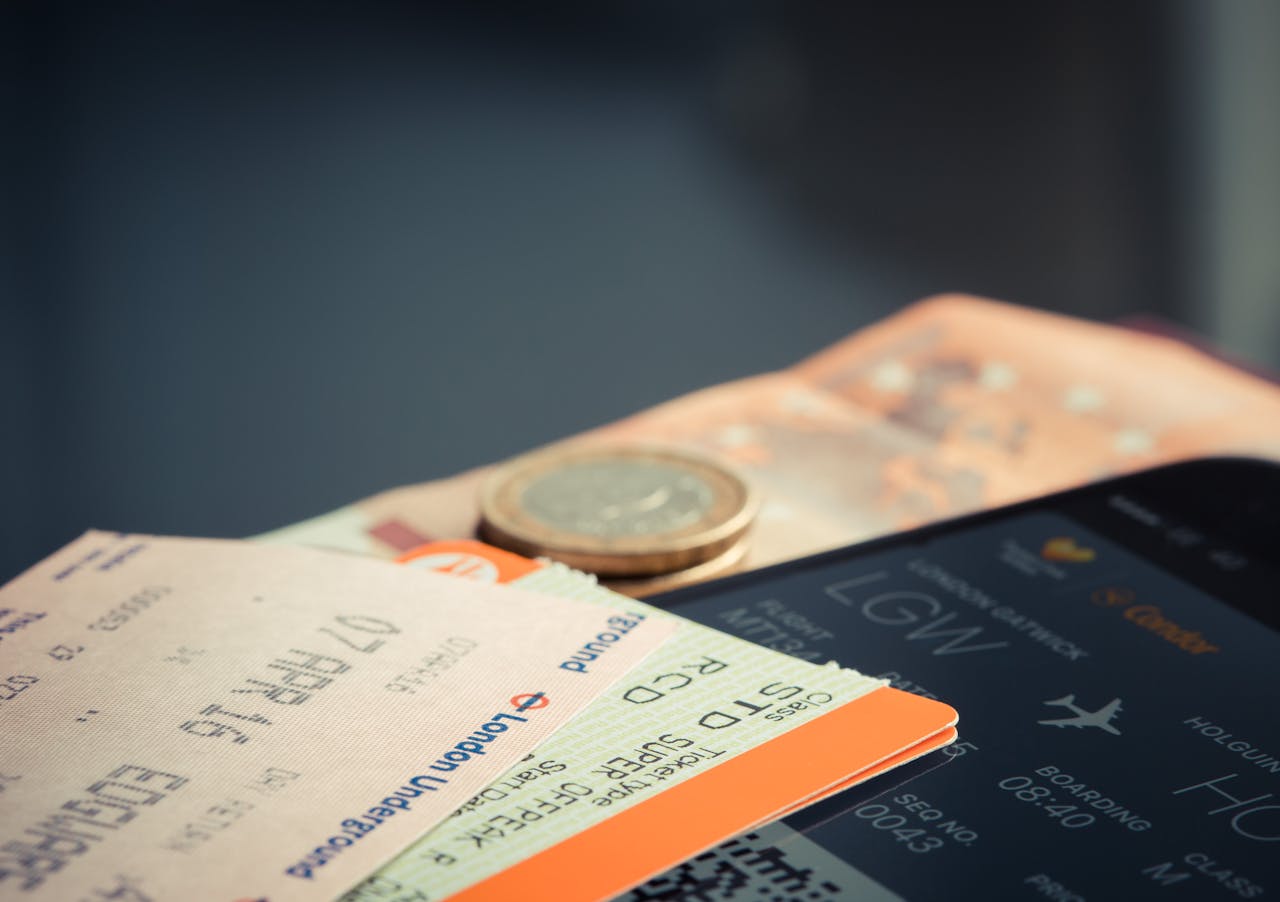
After airlines were largely deregulated in 1978, flying opened to more people, prices moved, and the experience shifted toward efficiency and add-ons. Service became unbundled, and the base fare often stopped including what once felt standard, sometimes everything but the seat and the lavatory. As flights became routine instead of rare, clothing followed the broader culture toward casual. This was not a moral decline; it was adaptation to a deal that can feel cheap but unpleasant. A nice outfit cannot reverse the incentives that reward density and fees, so comfort becomes the rational choice. Especially in economy.
Business Class Politeness Does Not Scale
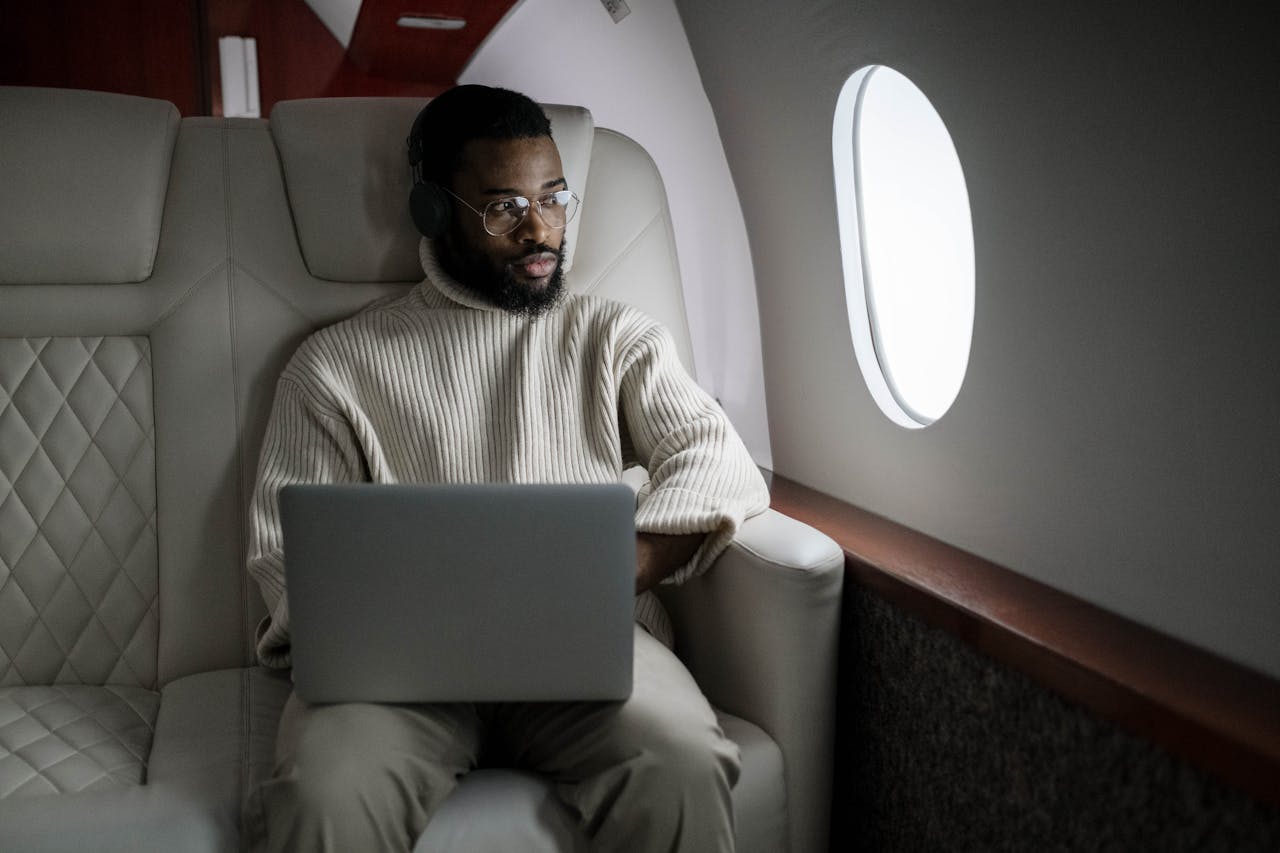
Some travelers still dress up when representing an employer, meeting someone on arrival, or sitting in a premium cabin. That choice can feel natural in a quieter part of the airport, where space and staff attention reduce friction and small courtesies come easier. But most passengers move through crowded checkpoints and packed boarding groups, regardless of their outfit, and the cabin dynamics follow them. A nice look may set a personal tone, yet it cannot extend lounge conditions to an entire flight. Civility scales with comfort and predictability, not with collars and cuffs. It is context, not clothing, that carries.
Athleisure Is a Rational Response to Uncertainty
Matching sets and elevated athleisure have become a modern compromise: they look intentional while staying flexible for cold cabins, long walks, and surprise overnights. Frequent travelers pack layers because planes swing between warm and icy, and terminals shift from crowded to drafty in minutes. A missed connection can mean sleeping in an airport chair or on the floor, so soft fabrics and simple shoes are a form of contingency planning. This is the same logic behind travel-specific clothing lines marketed for comfort. The outfit is not a statement about manners; it is a hedge against chaos. During peak seasons.
Unenforceable Campaigns Become Theater
A government push for nicer outfits is openly unenforceable, so it works more as a cultural suggestion than a policy lever. The Transportation Department even framed the message as “The Golden Age of Travel Starts with You,” aiming for nostalgia rather than rules. That makes it easy to debate on social media and hard to test in real life, especially when influencers treat pajamas as an airport uniform. When the core problems are delays, dense seating, and stress, a wardrobe message can feel like scapegoating. It shifts attention from operations to optics, then asks travelers to carry the blame. Passengers notice that move.
Respect Looks Like Behavior, Not Clothes
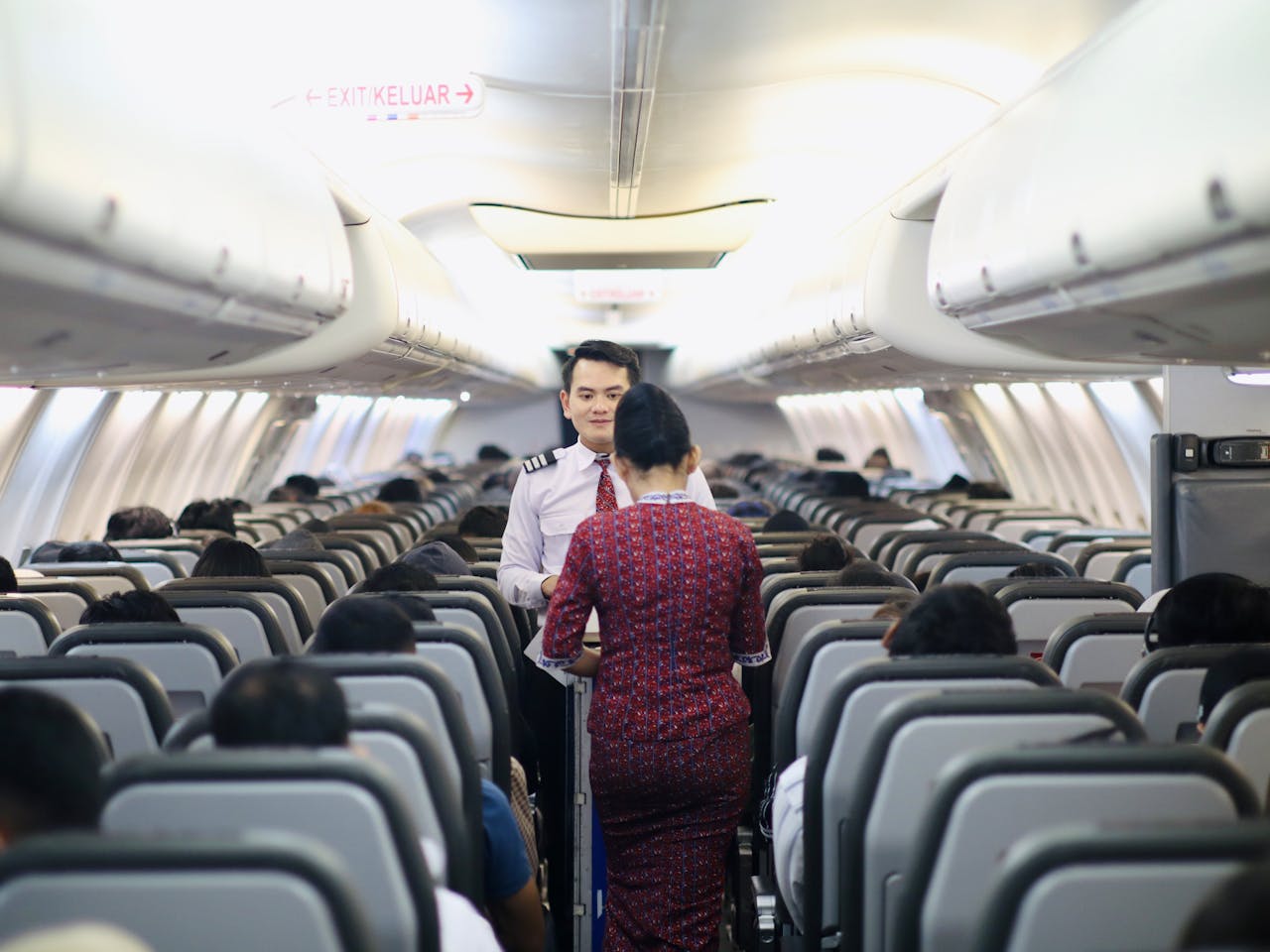
Flight attendants and frequent fliers often ask for basic decency: patience with staff, calm voices, and consideration in tight spaces. Some even put the bar lower, joking that keeping shoes and socks on would be a victory, because shared cabins magnify small choices. That blunt request says more about modern flying than any call for suits and dresses, and it points to behavior that can be practiced in any class. Courtesy is learned through norms and reinforced through consequences, including stiffer penalties for acting out. Dressing up can be enjoyable, but respect is demonstrated in conduct, not in couture or labels.