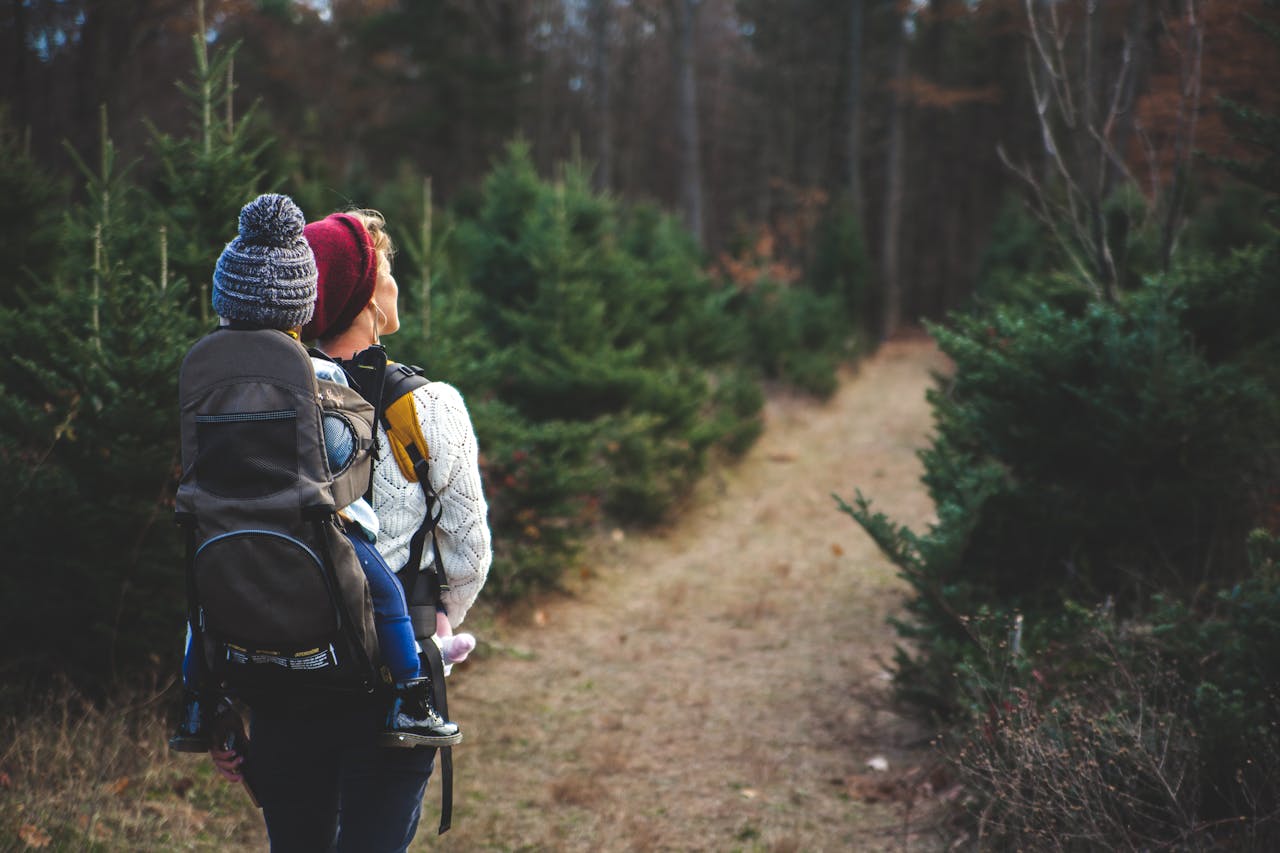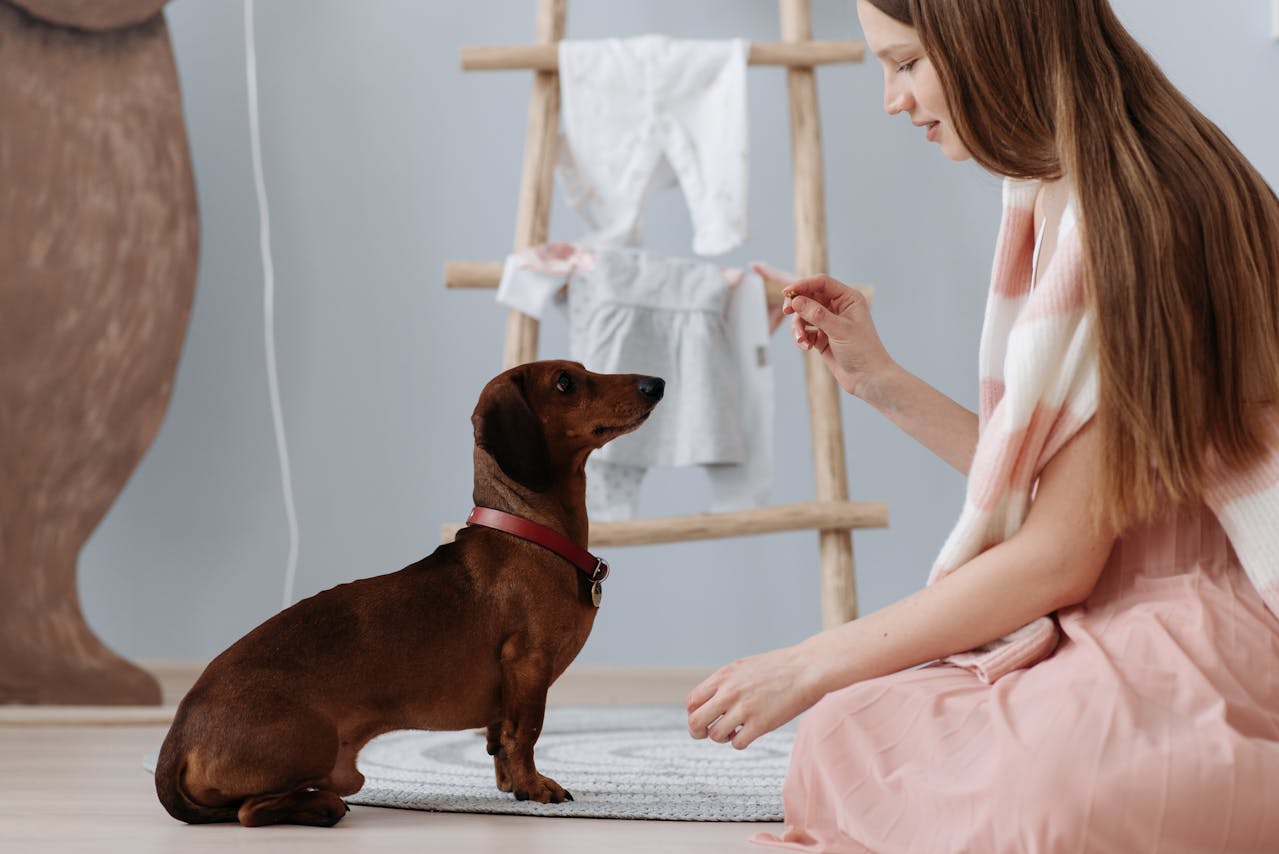
Reactivity can make daily life feel like constant planning: time, distance, exits, and whether a dog can stay under threshold long enough to learn. It often shows up as barking, hard staring, lunging, or frantic spinning, and it usually reflects stress, history, and fear, not stubbornness. Busy owners rarely need marathon sessions. They need compact habits that prevent surprise, protect space, and reward calm early, so recovery gets faster. With a few smart cues and simple management, progress becomes visible in smoother walks, quieter doorways, and a dog that can notice the world without boiling over.
Treat Stations Where Friction Starts
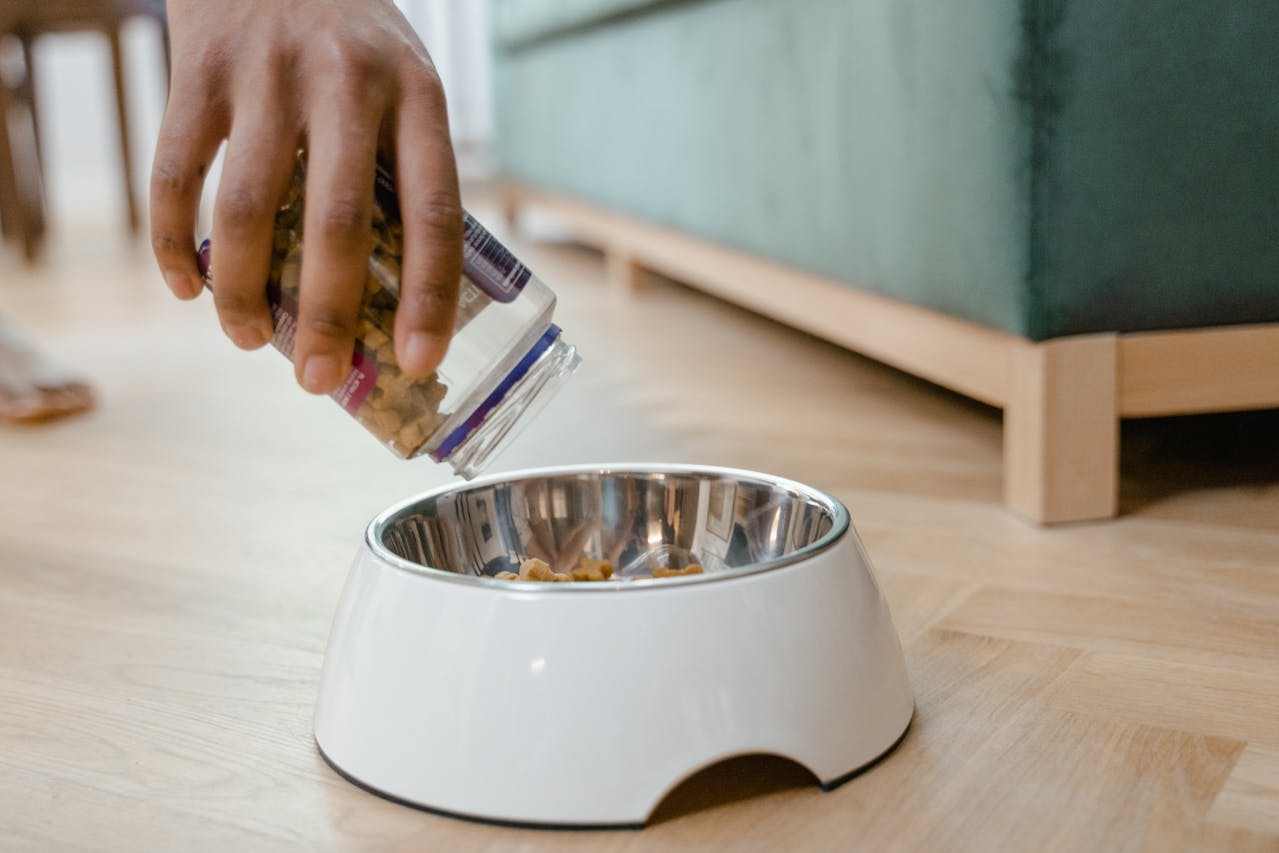
Treat stations work because they remove the scramble to find rewards when timing matters. A jar by the front door, another near the main window, and a pouch clipped to the leash keep reinforcement ready the instant a trigger appears, so calm choices get paid before tension rises. The trade-off is discipline: treats should be tiny, counted as part of daily food, and delivered low and quiet with consistent timing from everyone in the home, or the station becomes background noise instead of clear information. Rotating a few higher-value options keeps attention sharp without overfeeding. Set a weekly refill reminder.
One-Minute Pattern Game at the Door
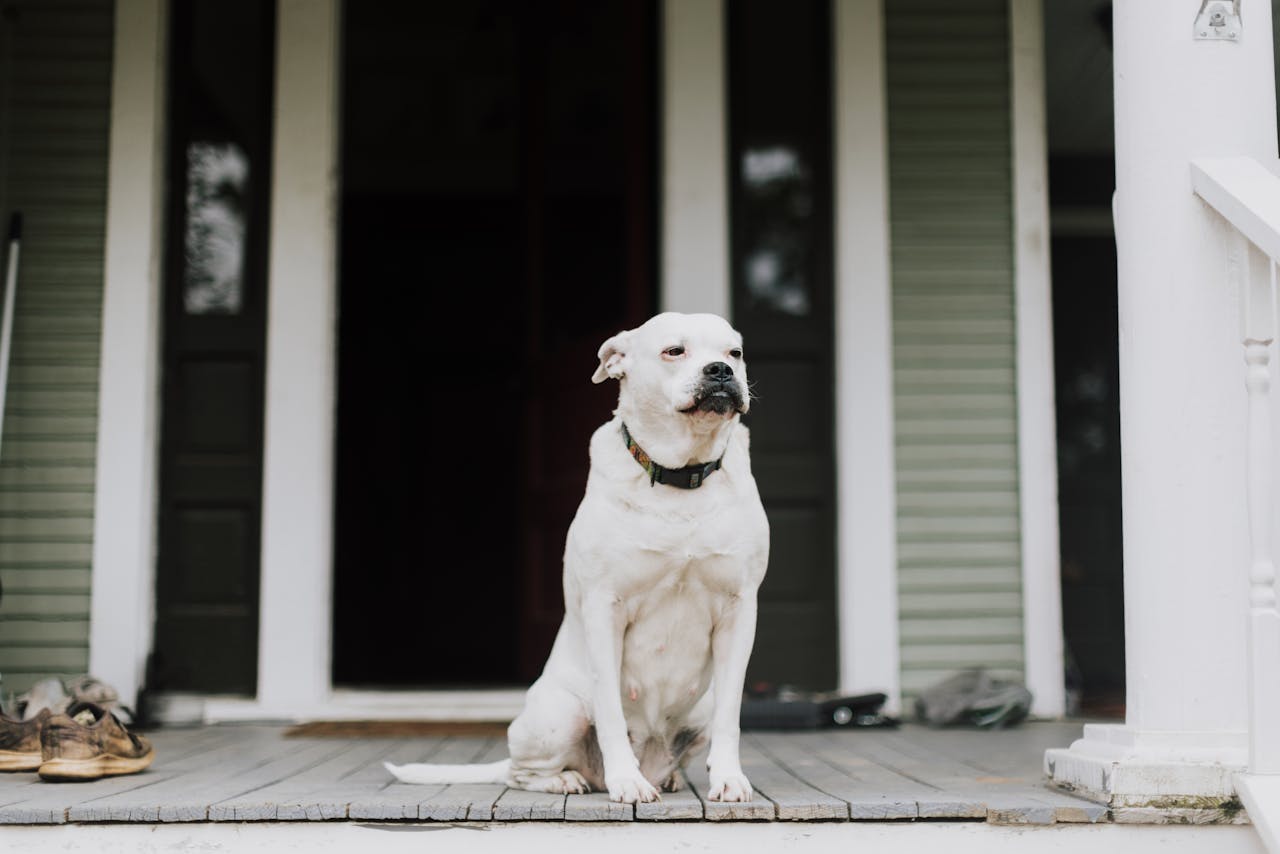
A short door routine prevents the outside world from feeling like a launch signal. Clip the leash, pause, mark a soft body, feed low, touch the handle, pause again, then open the door only when calm returns, so stillness becomes the behavior that moves the sequence forward. The trade-off is repetition without excitement: the pattern must be practiced on calm days, or it will not hold when hallway sounds, doorbells, or passing dogs spike arousal. If the dog surges, the door closes, the handler resets, and the sequence restarts, which keeps the rule clean without scolding. Two calm reps daily is usually enough.
Engage Then Disengage in Two Beats
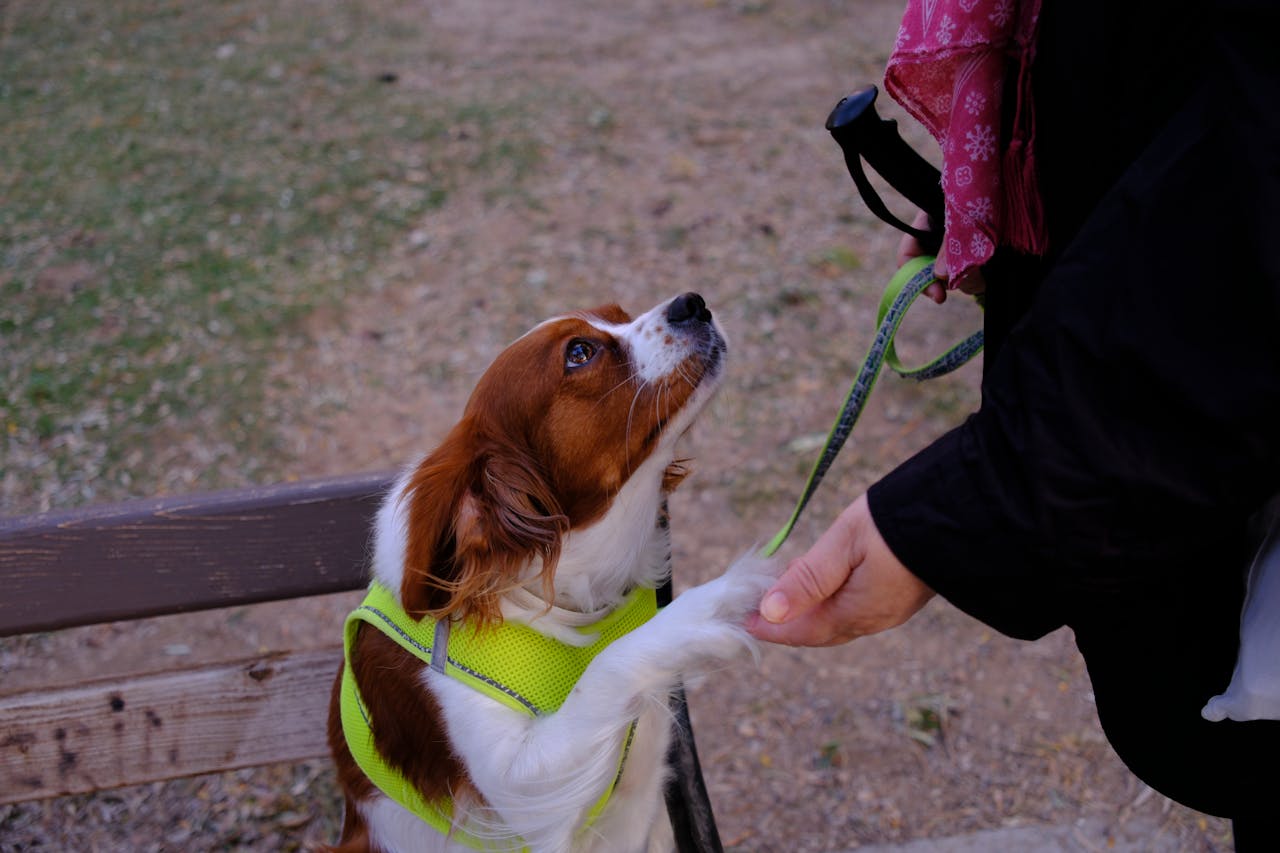
Engage-disengage works because it turns a trigger into a cue to check back in. From a safe distance, the dog glances at the trigger, a marker lands, and food arrives as attention returns, teaching that noticing is fine and disengaging is valuable. The trade-off is strict distance management: if barking or hard pulling starts, learning drops out, so space comes first. Parked cars, hedges, or a driveway can briefly block the view and help the dog succeed. The reward should arrive after the head turns back, not as a lure that drifts closer. Sessions stay short, ending while the dog is still relaxed.
Scatter Feeding for a Fast Reset
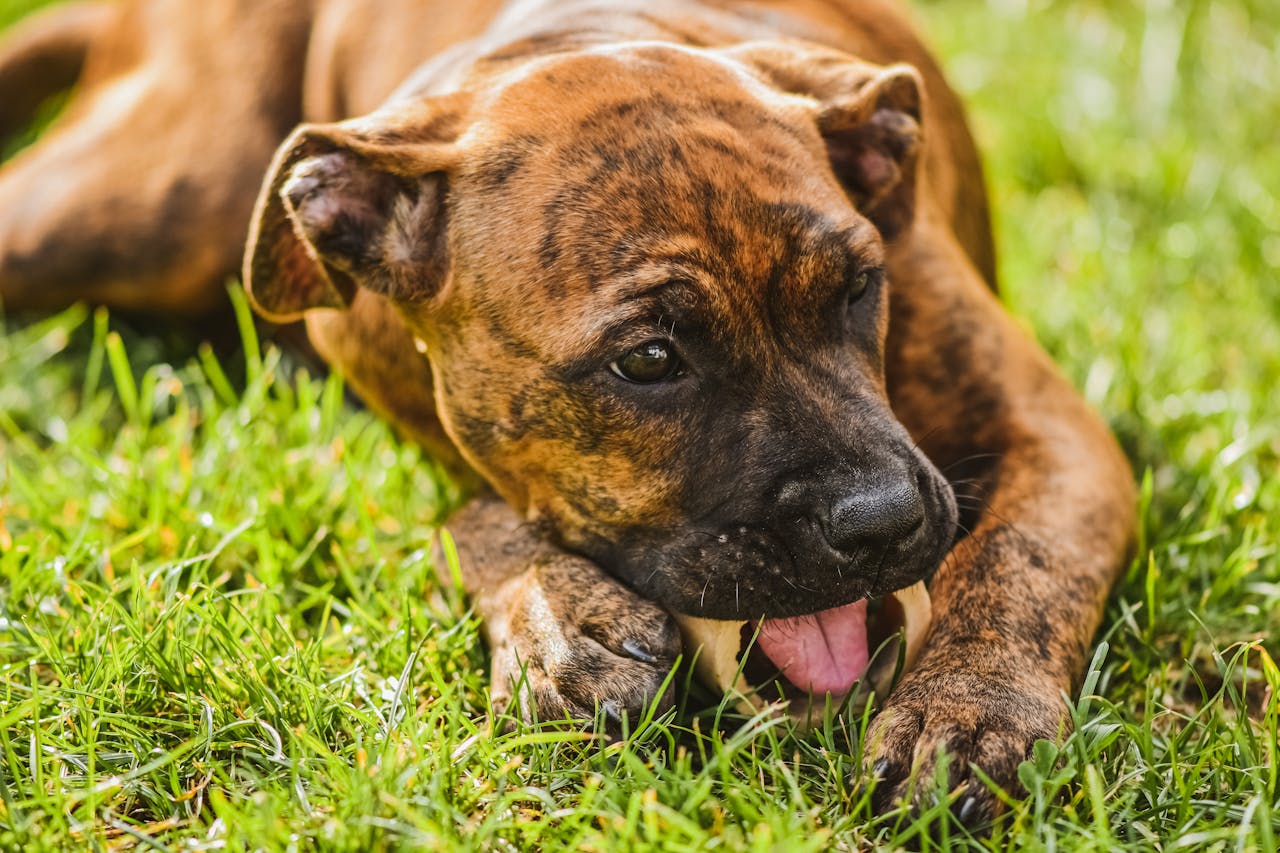
Scatter feeding is a fast reset because sniffing changes the whole body. A small handful of tiny treats tossed into grass gives the dog a job that lowers visual scanning, slows breathing, and buys a few seconds to angle away without turning the leash into a conflict. The trade-off is location: it works best on clean ground away from traffic and heavy footpaths, and it should stay brief so it remains a reset, not a bribe. A simple cue like Find it helps predictability, and the leash stays loose so the dog can search. If grass is unavailable, a clear patch of packed snow can work, and at home a towel scatter builds the same skill.
A U-Turn Cue That Actually Holds
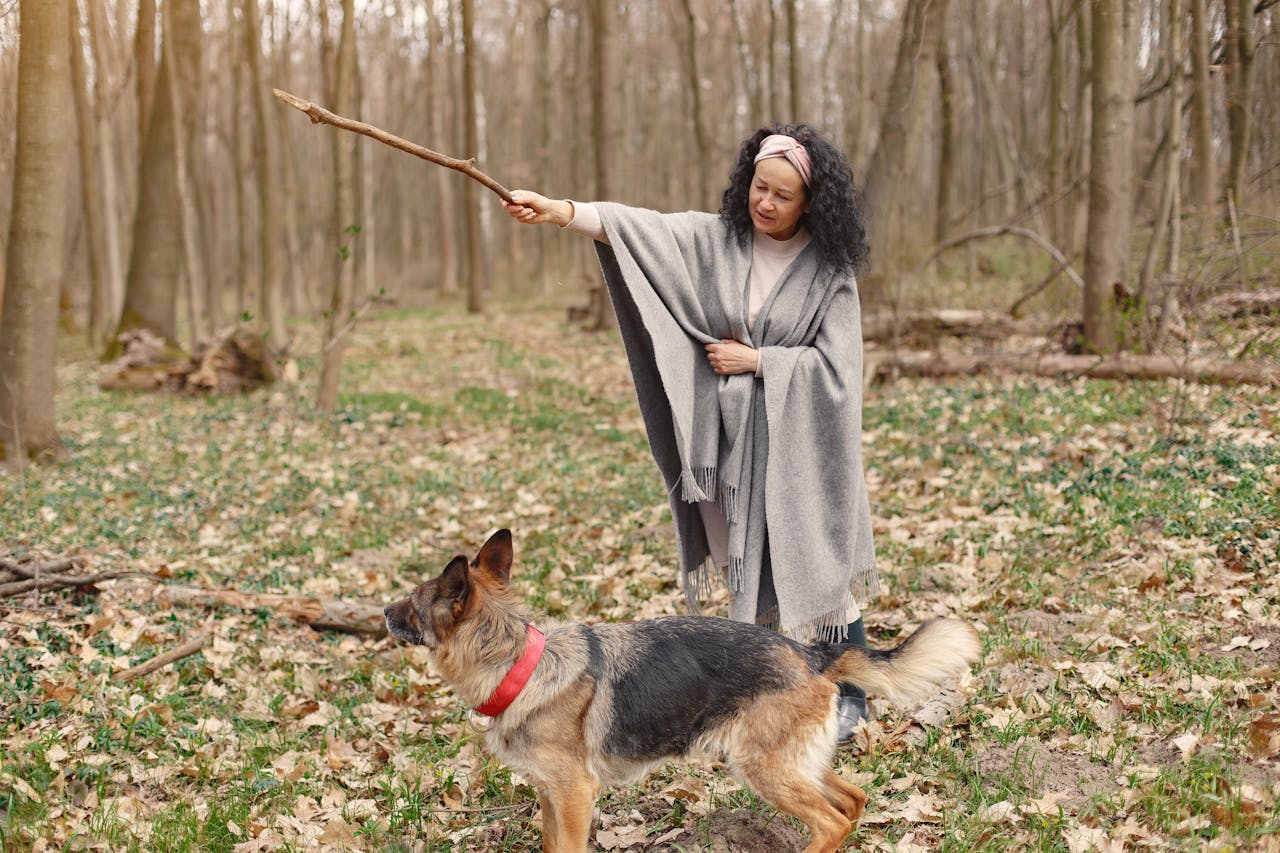
A practiced U-turn is an exit strategy that feels normal, not like a retreat. A cheerful cue, a smooth turn, and a quick stream of treats while moving away teaches that leaving is part of the plan and that distance is rewarding. The trade-off is rehearsal: the cue must be trained in hallways, driveways, and quiet streets until it becomes muscle memory. If it is only used during tough moments, it will sound like pressure. The handler turns the body first, avoids yanking, and lets the dog catch up to the motion. Pair it with quick, happy movement, then slow down once the dog’s body loosens again.
Hand Target as a Passing Skill
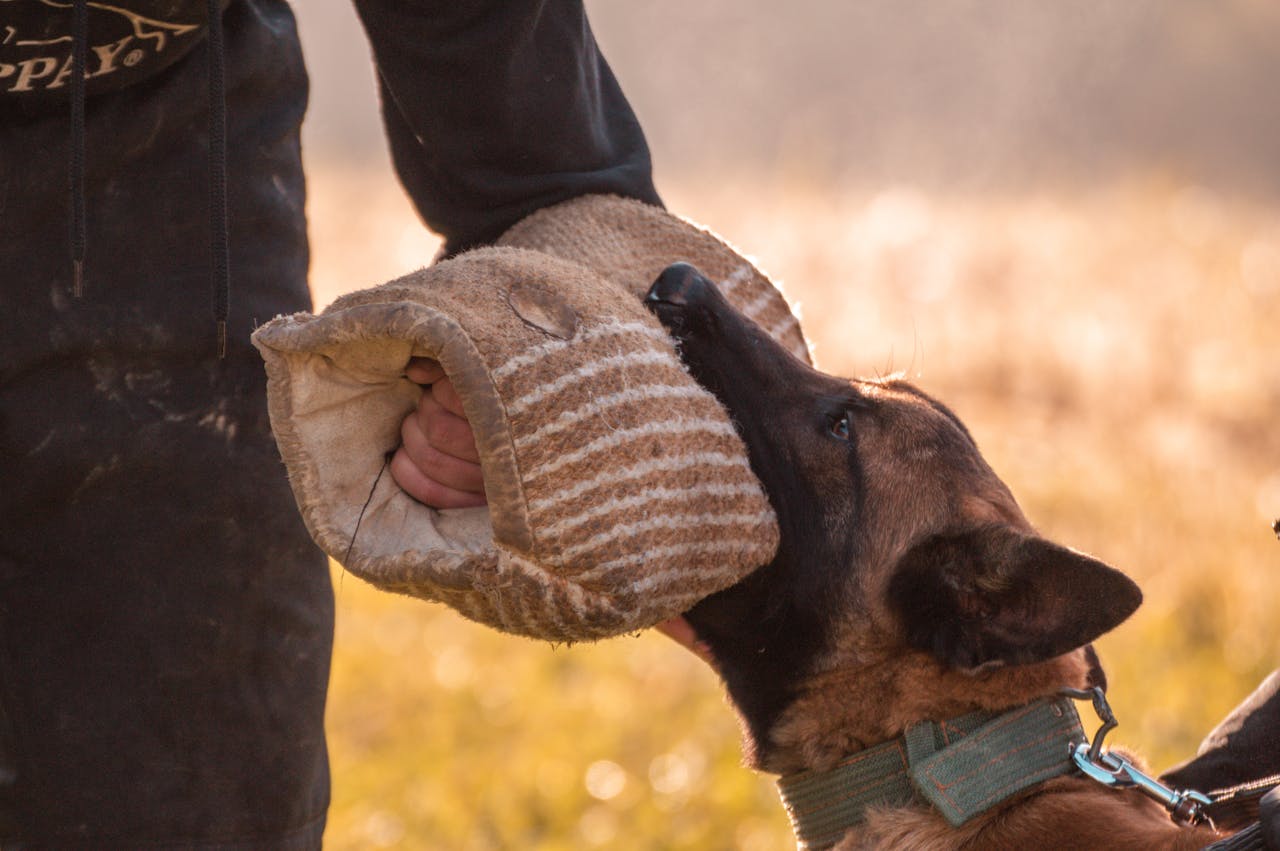
A hand target gives reactive dogs a clear job in tight spaces. A brief nose-to-palm touch near the handler’s leg can guide position, reduce scanning, and replace bracing with a repeatable action during sidewalk passes. The trade-off is clarity and generalization: the target is built at home with high success, then practiced in quiet places before it is used near triggers. Keep the hand low and steady, not hovering over the dog’s head, so the posture stays calm. Reward for clean touches, then release the dog to sniff, so the skill stays light. Over time, passing becomes a practiced routine instead of a gamble.
Mat Training for Between-Moments Calm
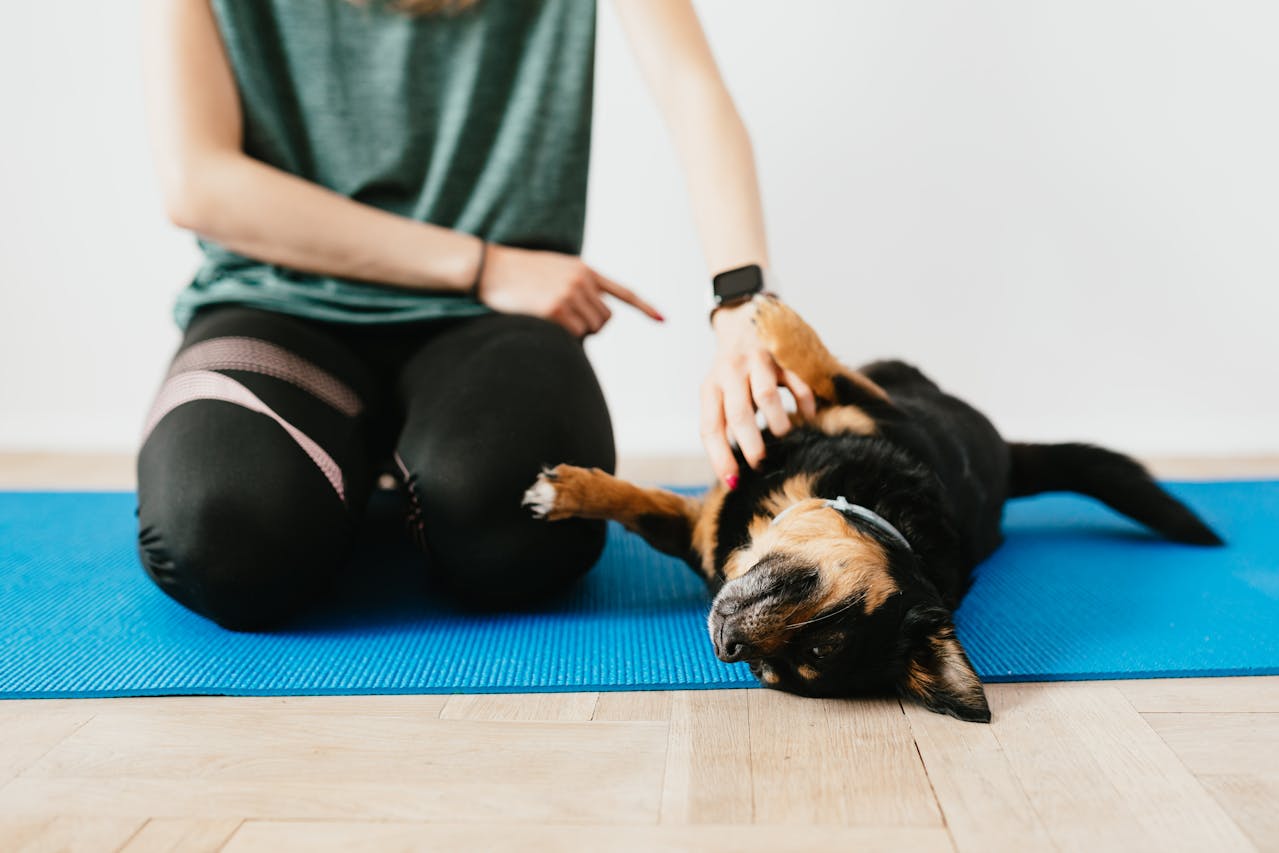
Mat training turns waiting into a skill the dog can understand. The dog learns that stepping onto the mat leads to steady reinforcement, slower breathing, and sometimes a chew that keeps the mouth busy, which can lower arousal across the day. The trade-off is patience: settling is built first in quiet rooms, then in easy public spaces, before it is expected to work in lobbies, patios, or entryways where surprises appear. A folded towel can serve as the mat, making the cue portable and familiar. Reward the smallest signs of softening, like a hip shift or head drop, and end before the dog gets restless.
Short Decompression Walks That Count
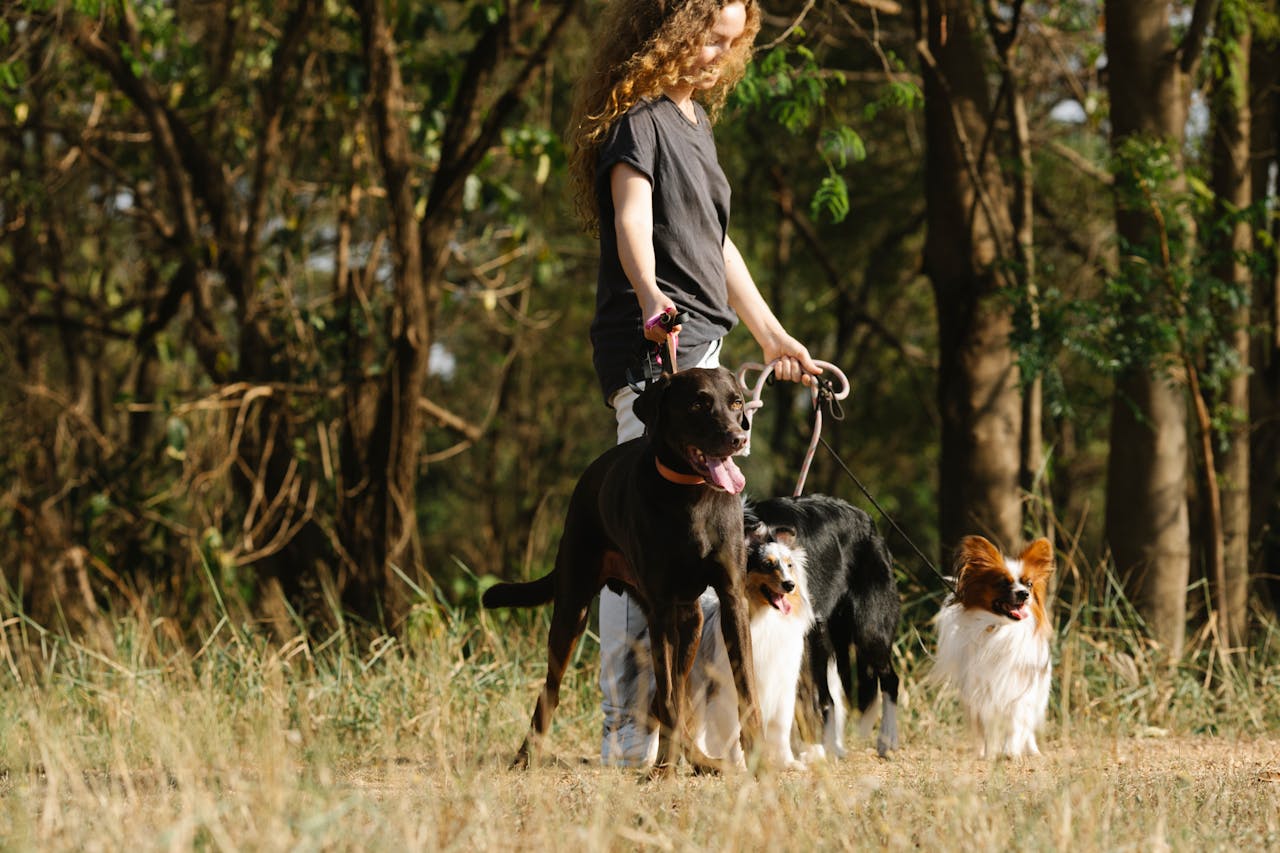
Not every walk should be training, and that is not a failure. A low-trigger route with extra sniff time can lower baseline stress, and a calmer baseline makes later training reps more stable. The trade-off is convenience: decompression often means choosing the quiet street at an odd hour and skipping the busy loop that feels efficient on a map. Repeat the same calm route for a while, because predictability itself can be soothing. Keep the leash long where safe and legal, avoid tight greetings, and let the dog set the pace. Even 10 minutes of low-pressure sniffing can change how the next doorway or corner feels.
A Weekly Trigger Map in the Notes App
Busy owners do better with patterns than guesswork, so a simple trigger map pays off fast. A few notes on what happened, where it happened, the time, and the approximate distance often reveal repeats like one corner, one time window, or one type of vehicle. The trade-off is honesty: tracking only works when it includes near-misses and messy days, because those moments show the real threshold. Add a quick 1-5 stress rating and note whether triggers stacked, like a loud truck right after a dog pass. Within a week, the notes usually point to easier routes and better timing. That clarity reduces stress for both dog and handler.
Car Prep That Lowers Parking-Lot Stress
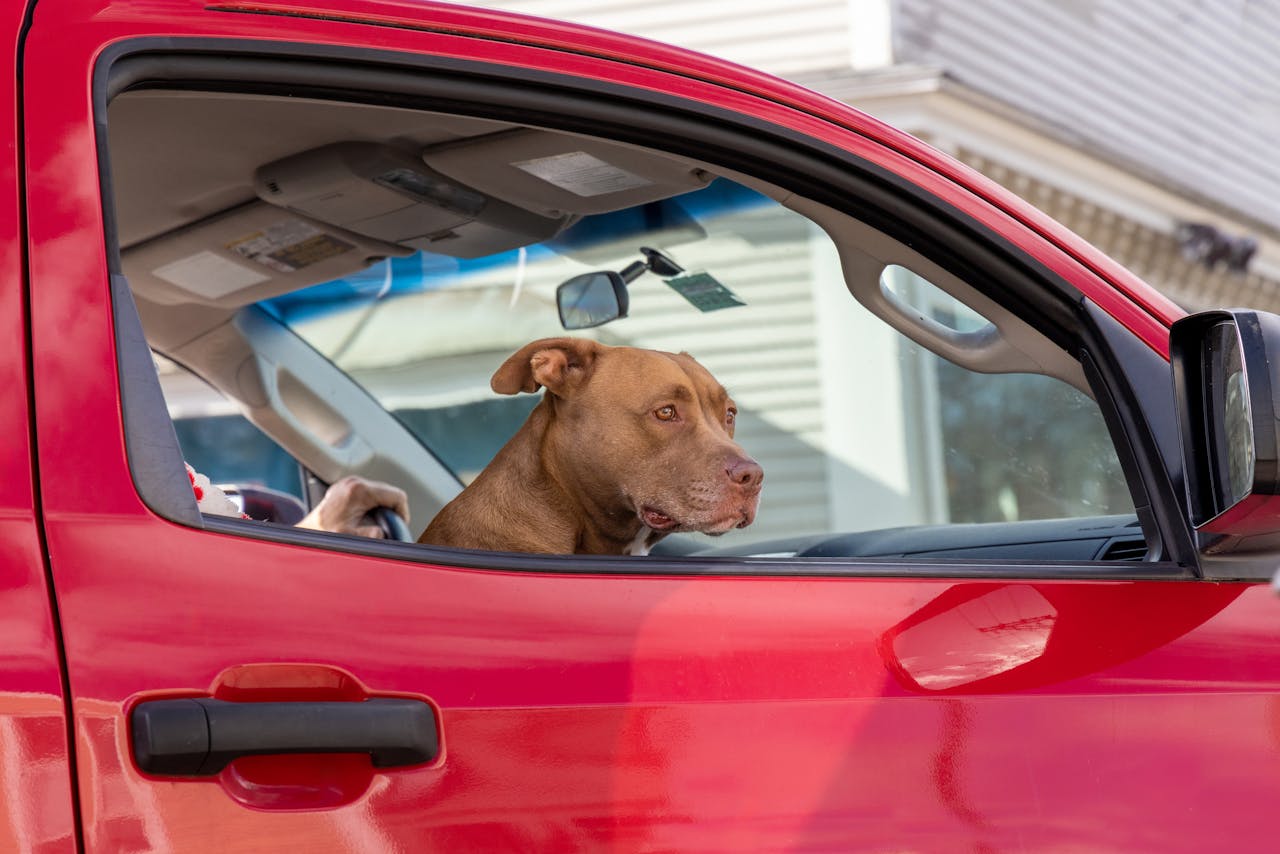
Parking lots compress space, noise, and surprise movement, so the car routine matters more than people expect. Treats within reach, leash untangled, and a brief pause to scan before opening the door can prevent an instant spike, and choosing a farther spot often buys the distance training needs. The trade-off is time: adding 30 seconds of setup can feel annoying, but it prevents minutes of tense handling later. If the dog reacts inside the car, a window cover or strategic parking angle can reduce visual triggers. Stepping out can begin with a quick hand target or a Find it scatter on safe ground. Calm starts before the door opens, not after.
Micro-Reps Hidden in Daily Routines
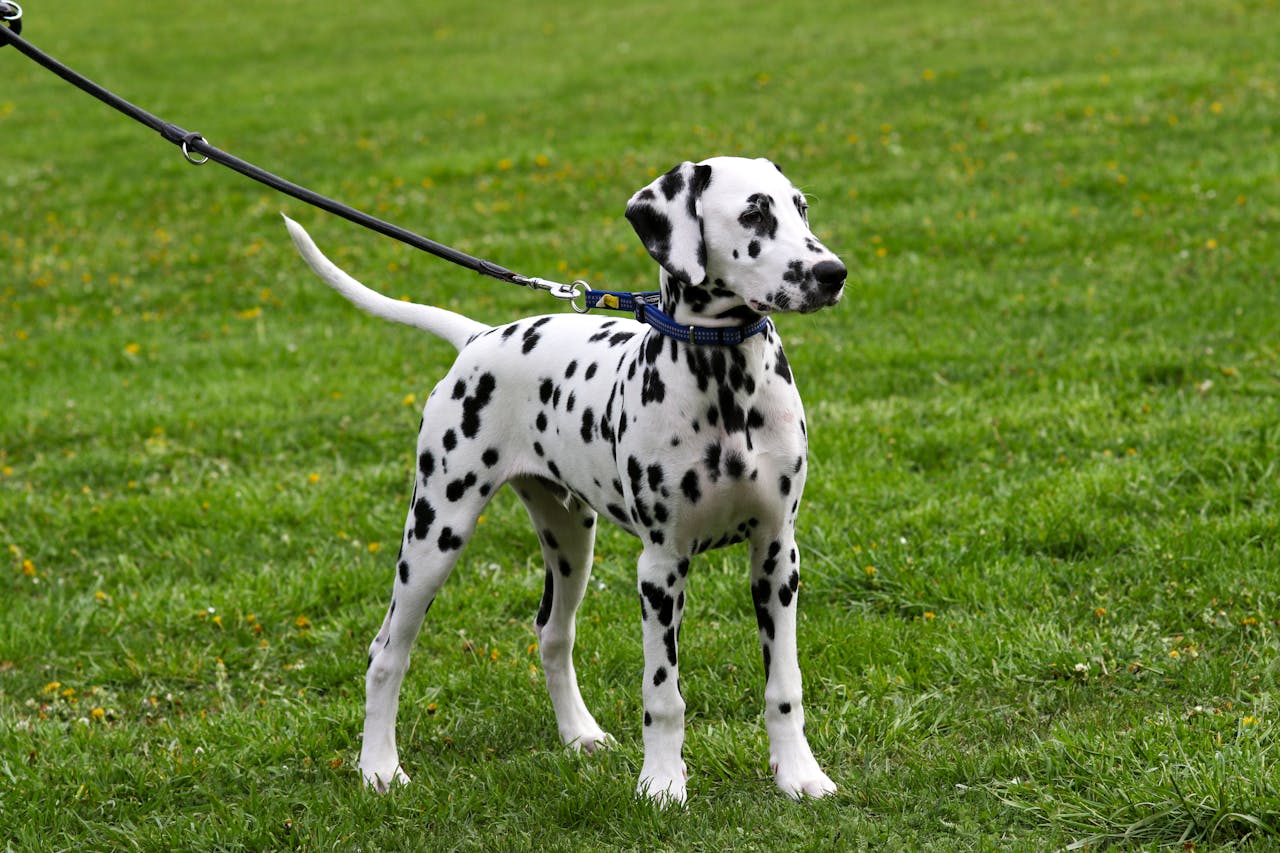
Micro-reps work because they are frequent and easy, not dramatic. A few calm reps of leash clipping, a quick name-response in the kitchen, or one practiced turn-away near a window can build skill without adding a new block to the calendar. The trade-off is consistency: reps must stay below threshold so success remains the default and frustration does not become part of the routine. Pair reps with daily anchors like coffee, bags, or dinner prep, so they happen automatically. Keep rewards small, end on a win, and stop before the dog fades. Over weeks, tiny wins stack into faster recovery, steadier focus, and fewer flare-ups on normal routes.