Some sports cars fail loudly, then refuse to disappear. A strange silhouette, a misunderstood powertrain, or a market that turns its back can sink a launch, even when the idea is brave. Years later, the same missteps become the reason collectors care: the last gasp of a brand, an early swing at hybrid speed, or a design that could only have happened once. Retro experiments and movie fame play a part. The models below sold in tiny numbers, but they left fingerprints on culture, engineering, and garage-day dreams that still spark arguments at car meets. Each one arrived early, late, or sideways, and history noticed.
Chevrolet SSR
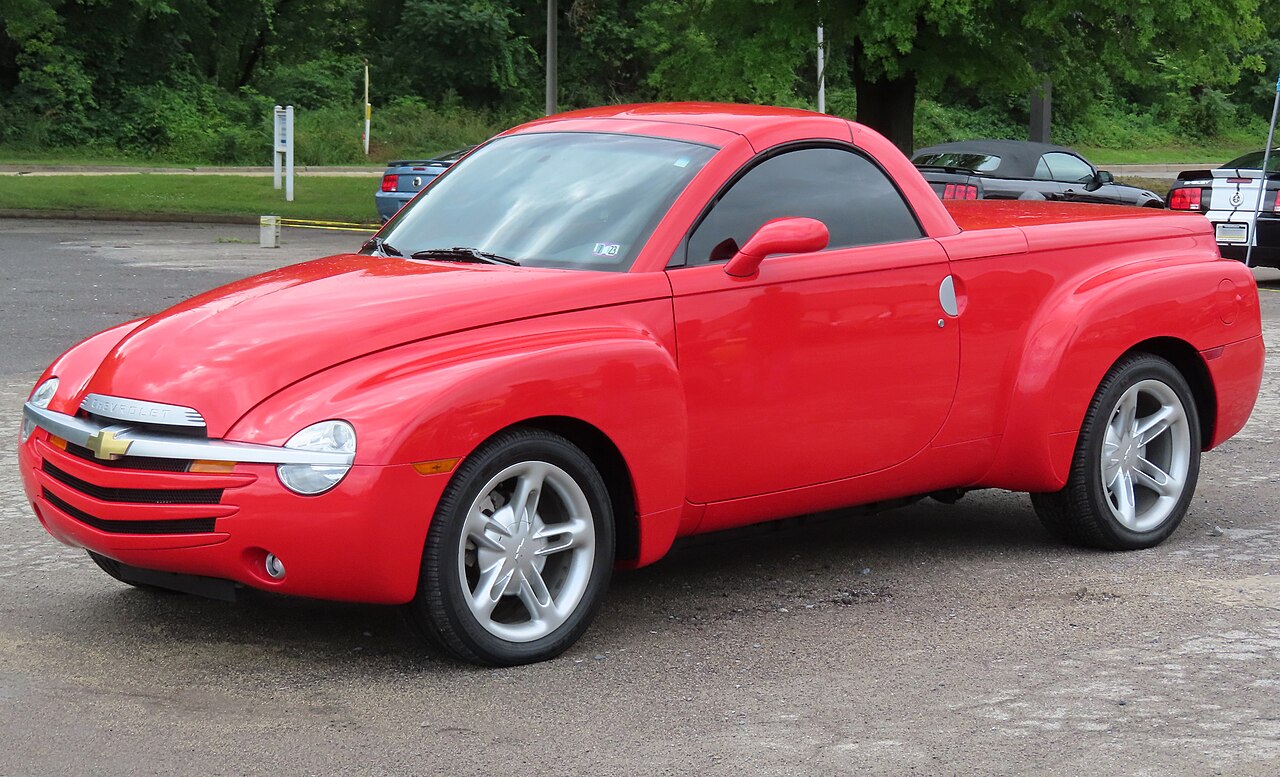
Chevrolet called it a Super Sport Roadster, yet it looked like a retro pickup that had wandered onto an auto-show stage. Its retractable hardtop stole bed space, and the body tried to satisfy three cravings at once: truck utility, hot-rod nostalgia, and convertible drama. The curves nodded at 1930s machines, but the proportions read more costume than classic, and the mission stayed muddled in motion. A 5.3-liter V8 and a manual option sounded like the saving grace, yet the drive never delivered the punch buyers expected. Only 12,156 were sold, and that flop now makes the SSR a collectible snapshot of early-2000s ambition.
Plymouth Prowler
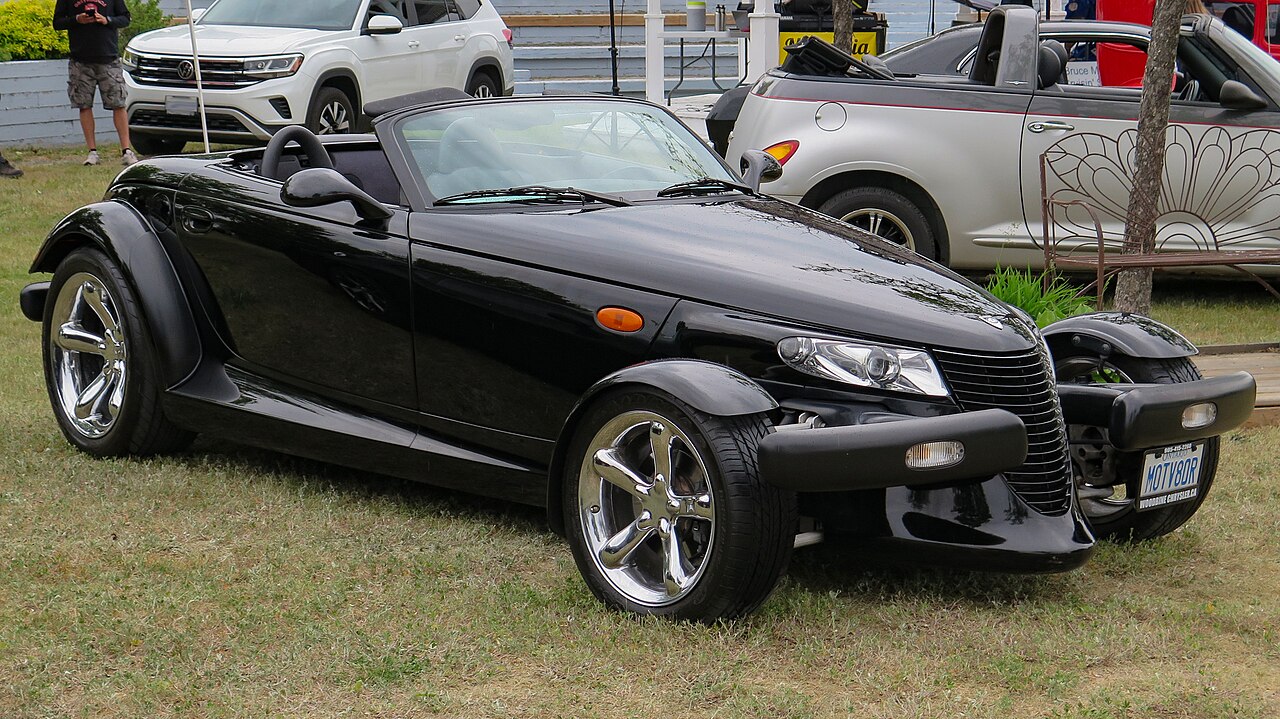
Plymouth’s Prowler arrived in 1996 as a factory-built hot rod, complete with exposed front wheels in full view and a nose that widened toward the rear like a cartoon drawn with confidence. Safety-era bumpers and modern lights betrayed the throwback act, and the hardware under the narrow hood undercut the fantasy: a 3.5-liter V6 making 214 hp, tied to a four-speed automatic. It hit 60 mph in about seven seconds and topped out at 117 mph, while the cabin borrowed heavily from other Chrysler parts, dulling the sense of occasion. Just 10,741 sold, yet the Prowler still marks the moment Detroit tried to mass-produce nostalgia.
DMC DeLorean
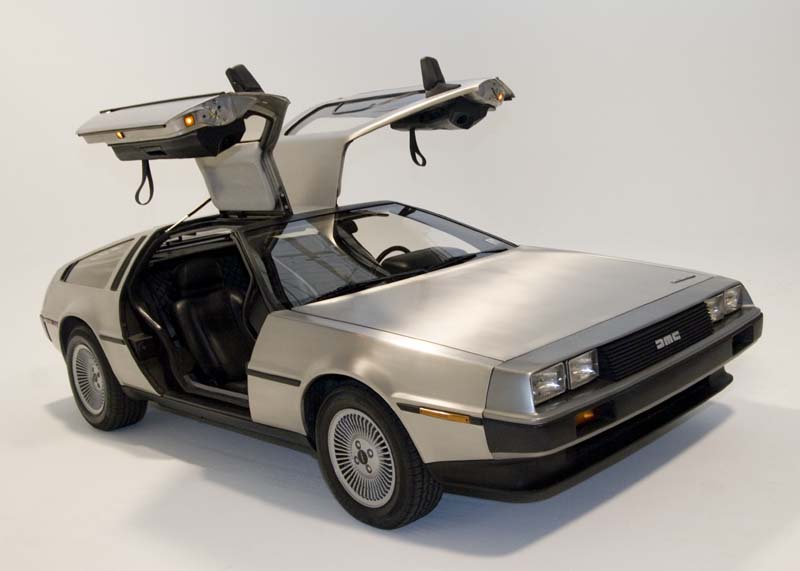
The DMC DeLorean looked faster than it was, all brushed steel, wedge proportions, and gullwing doors, forever linked to “Back to the Future.” Its rear-engine layout promised balance, but the Renault-Peugeot-Volvo V6 made just 130 hp, and the 2,700-pound body turned that output into a shrug. Sixty mph arrived in about nine seconds, and both the five-speed manual and three-speed automatic suffered from ratios that made the midrange feel hesitant. As a sports car it disappointed, selling only 6,681 units, but as an idea it won, becoming a symbol of futurism, risk, and pop-culture permanence.
Bricklin SV1
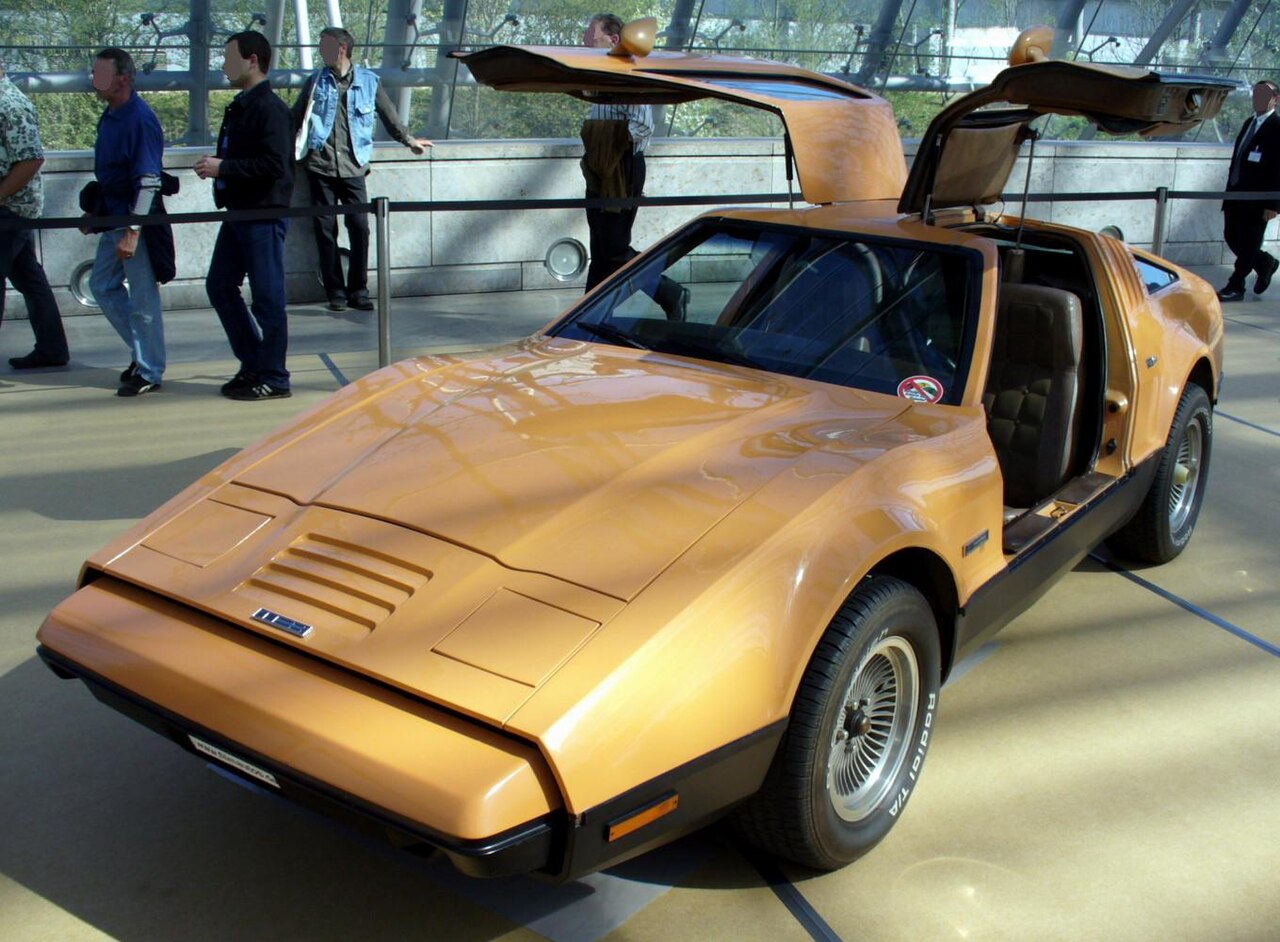
Malcolm Bricklin thought the family-car market was crowded, so he tried to build a sports car for the masses in Canada, complete with gullwing doors. The SV1 started with an AMC V8 near 300 hp, but emissions rules pushed it down to 220, and steel construction drove curb weight to 3,470 pounds. Even the doors were heavy, about 100 pounds each, making the signature move feel like work, not theater. For a new automaker, tightening U.S. safety and emissions rules became a perfect storm. After only three years and 2,854 cars, the SV1 collapsed into legend almost overnight, a reminder that ambition can be its own drivetrain.
Alfa Romeo 4C
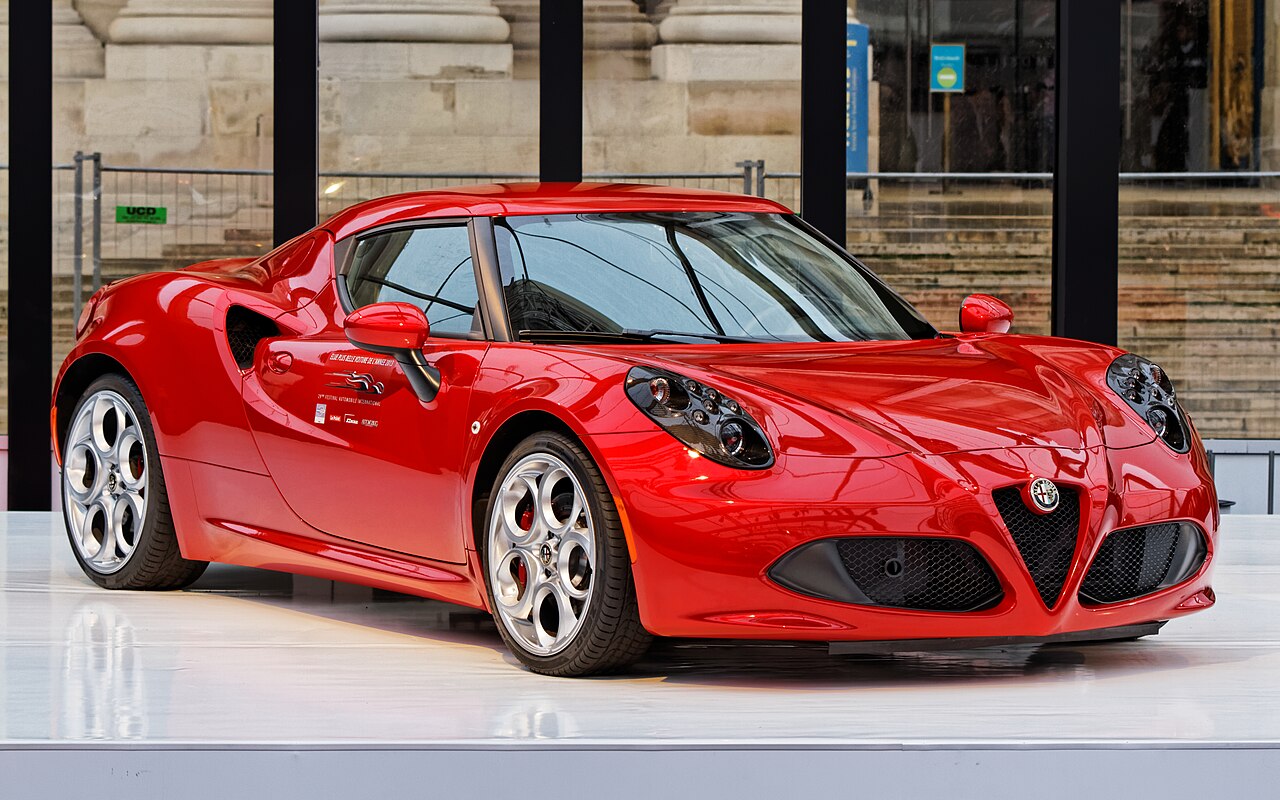
When Alfa Romeo showed the 4C concept in 2011, it felt like a plea to return to first principles in an SUV-dominated decade. The production car clung to lightness with a carbon-fiber tub, a 93-inch wheelbase, a 73-inch width, and a curb weight around 2,504 pounds, wearing the look of a shrunken supercar. A turbocharged four-cylinder made 237 hp, fed through a six-speed automatic, while comfort and space were sacrificed so hard that daily life felt like a challenge. It was small on purpose, loud in intent, and unapologetic about trade-offs. Just 2,188 sold, yet the 4C stands as proof that purity can survive on scarcity.
Acura NSX (Second Generation)
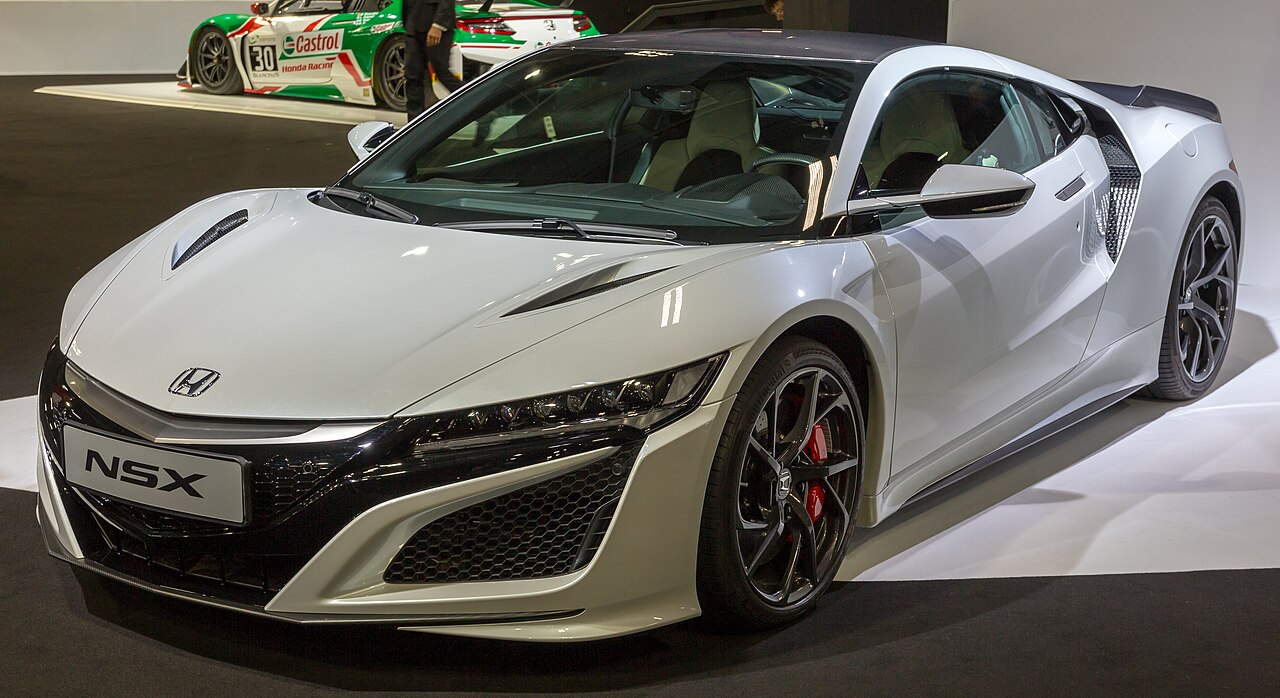
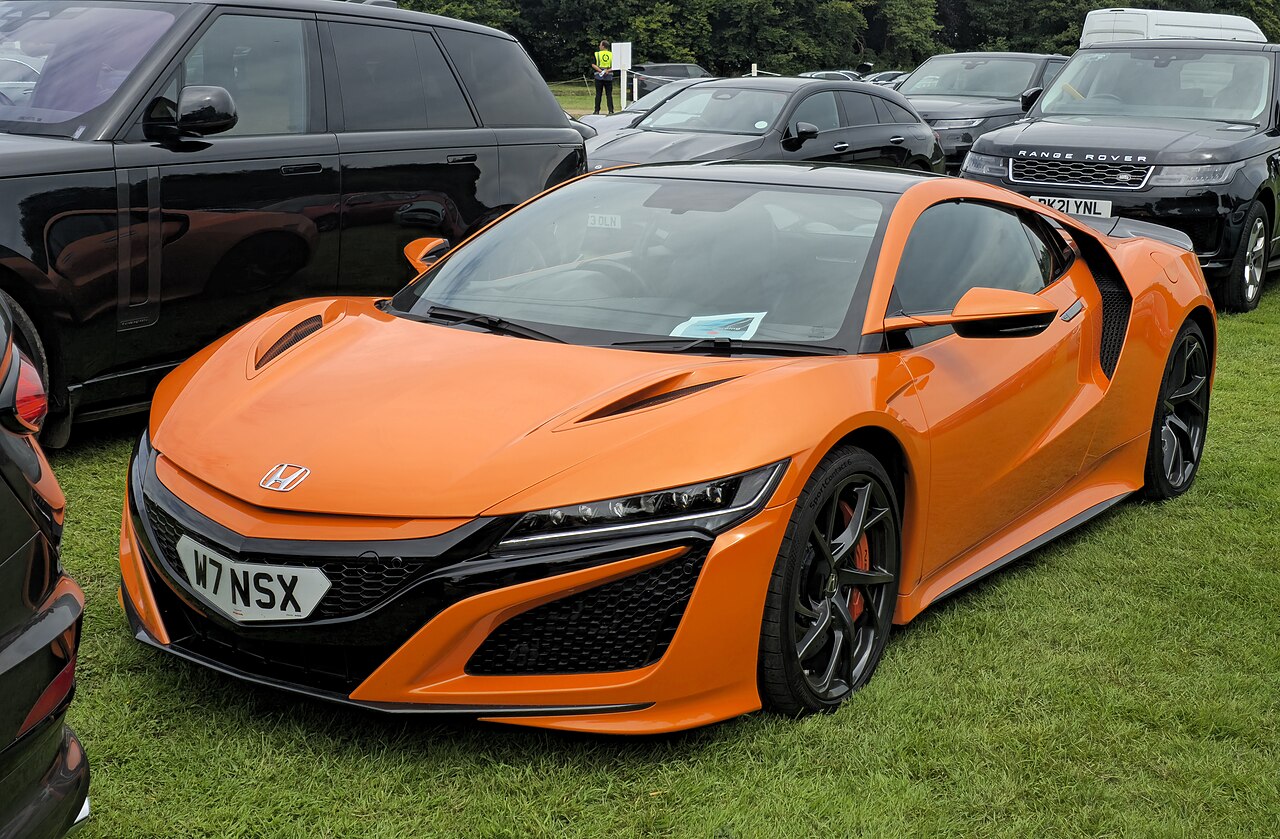
The second-generation Acura NSX arrived in 2016 carrying the weight of a legend that once rewrote what a usable supercar could be. Senna-era expectations were brutal. It was quick, pairing a hybridized V6 with 500 hp and posting a 3.1-second run to 60 mph on the way to 191 mph, but the concept felt politically wrong to some enthusiasts at the time. Batteries added mass the market was still learning to forgive, pushing curb weight to 3,686 pounds and muting the clean, simple feel people associated with the original nameplate. Only 1,813 sold, yet the car now reads like an early chapter in the hybrid-performance era.
Aston Martin Virage
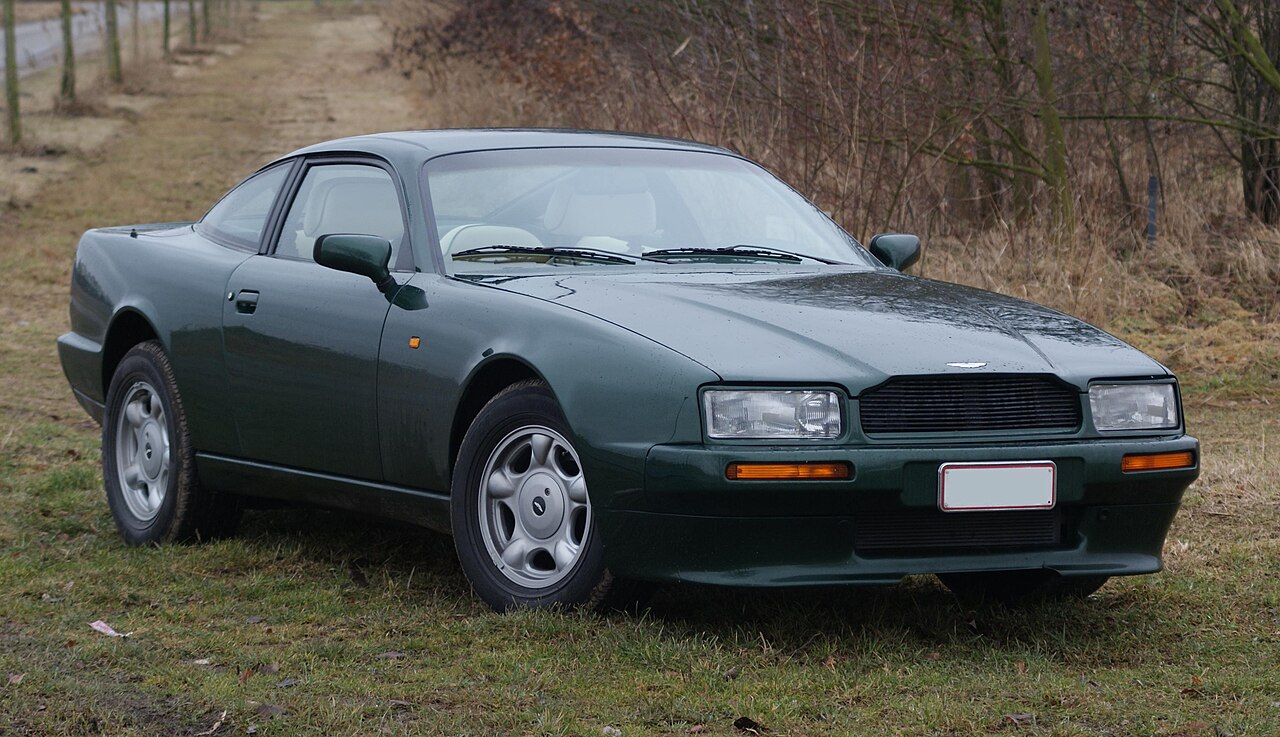
The Aston Martin Virage looked like it should have worked: long hood, clean roofline, and a 5.9-liter V12 with 490 hp. It hit 60 mph in 4.5 seconds, and the cabin leaned on leather, metal, and analog switches in classic Aston style. Nothing about it was slow or cheap, which made the indifference sting. With the DB9 as the grand tourer and the DBS as the sharper sibling, the Virage sat between them with too little reason to exist. That overlap dulled demand, and the model disappeared fast despite its real talent. Only 454 were sold, and collectors now prize it as a snapshot of a crowded lineup and a busier marketplace.