Minimal rooms had their moment, but the old 1970s urge to fill a home with glow, chrome, and helpful little machines is showing up again. Retailers are stocking familiar objects once pushed to attics and thrift shelves, and design coverage keeps circling back to pieces that feel playful, tactile, and just a little excessive.
That return makes emotional sense. These gadgets turn routine into ceremony and give a room more personality in seconds. They also bring cords, lids, trays, cases, and one more thing to store, which is how a neat kitchen or den starts looking busy almost overnight, even when every purchase seems small on its own.
Hot-Air Popcorn Poppers
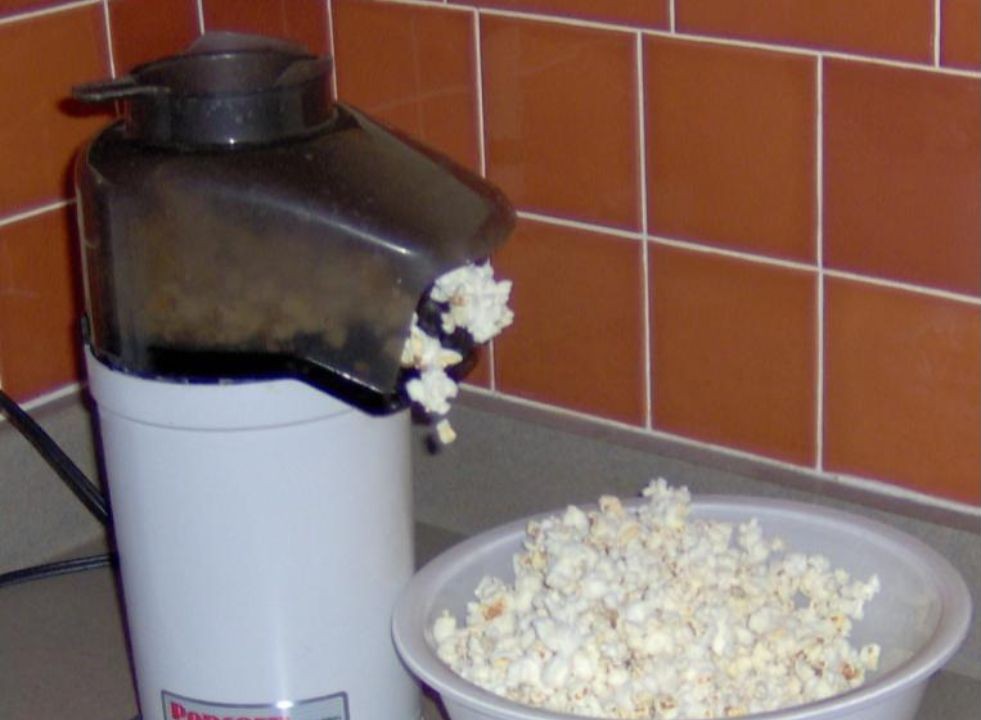
Before microwave bags took over, the hot-air popcorn popper made snack time feel like a tiny event. Presto still sells its PopLite line, and the format remains easy to spot at major retailers because it promises fast popcorn, less oil, and a familiar kind of kitchen theater that still feels cheerful.
The charm is immediate: kernels rush upward, butter softens in the top cup, and the whole room smells like movie night. The trouble starts later, when the tall base, plastic chute, and extra measuring pieces need a home in cabinets that were already full before the machine came back, which is how one fun appliance starts claiming real space.
Slow Cookers
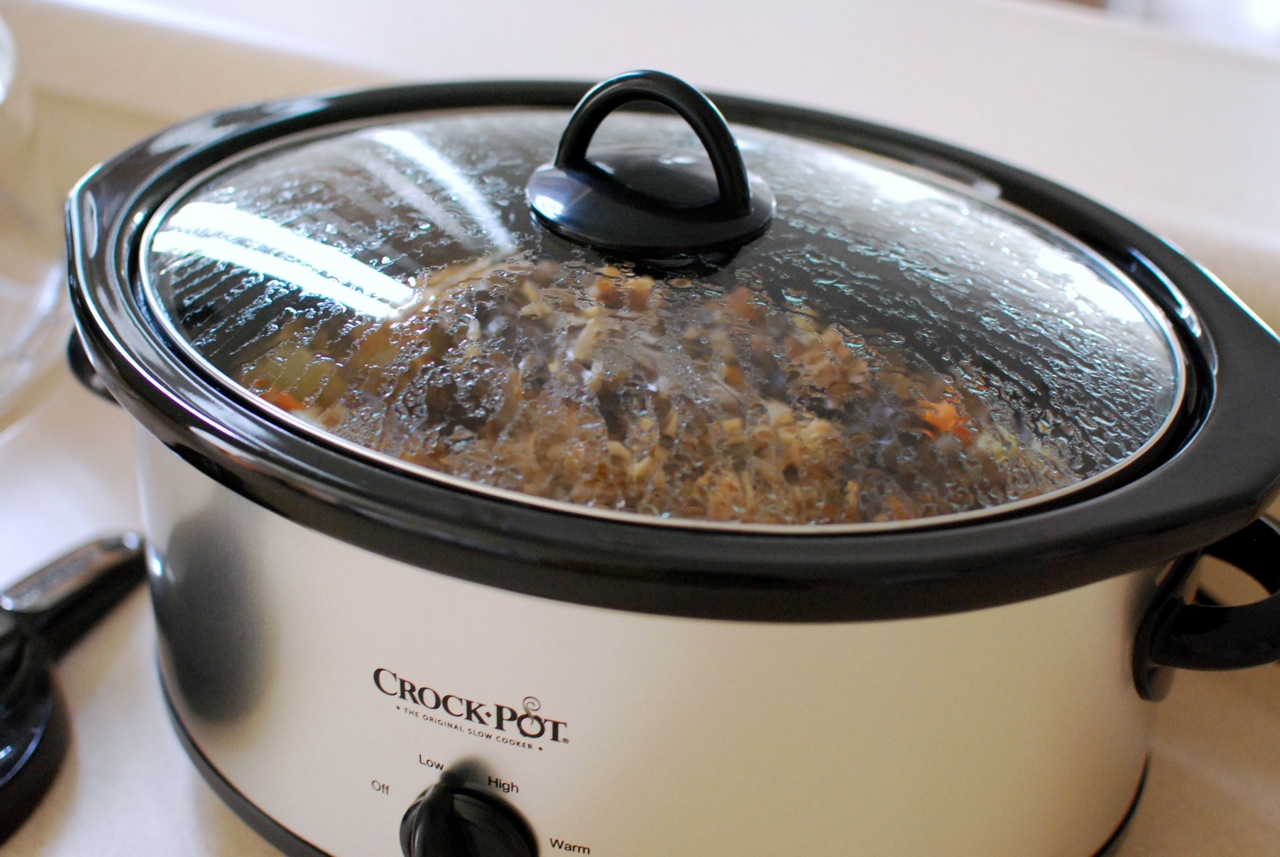
The slow cooker may be the most durable 1970s holdover of the bunch. Crock-Pot still leans into its long history, and that makes sense because the machine still answers the same need it did decades ago: steady meals, less fuss at dinner time, and a kind of domestic reassurance people keep coming back to with very little persuasion.
It earns its place more honestly than many novelty appliances, but it can still multiply fast. One crock for weekdays turns into a larger one for holidays, then a travel version for potlucks, and suddenly a cabinet holds several heavy inserts and glass lids that seem to reproduce when no one is looking.
Electric Can Openers
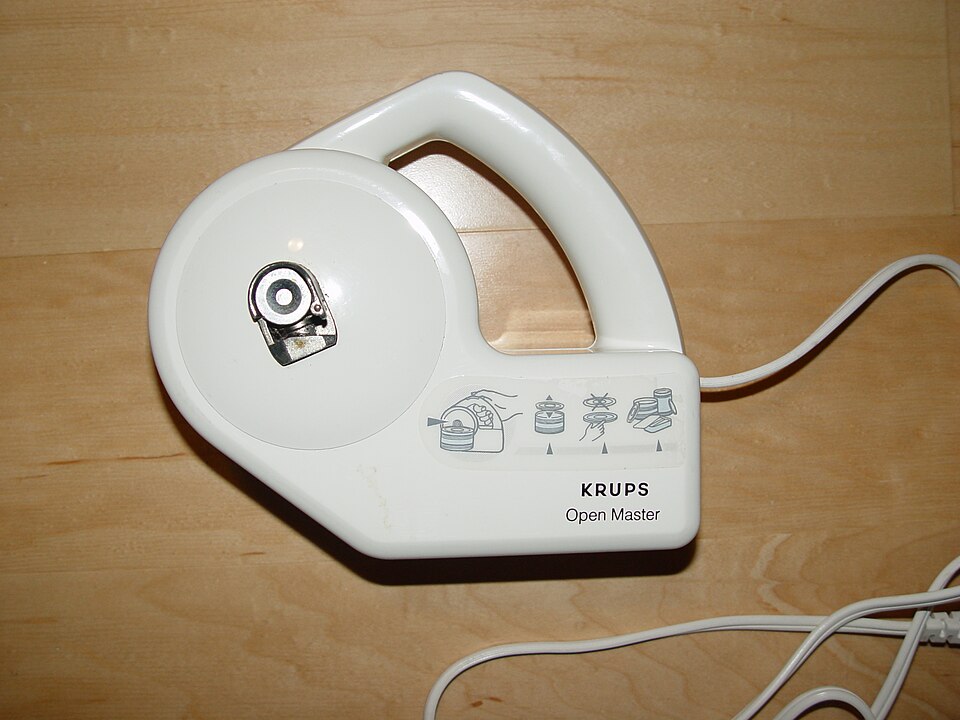
The electric can opener once stood on kitchen counters like a small badge of modern convenience, and it is still being sold that way. Hamilton Beach continues to offer classic chrome and extra-tall versions with automatic shutoff, cord storage, and built-in sharpeners, which means the old countertop fixture never truly disappeared.
It comes back into a home because it feels practical, then stays out because putting it away feels slightly annoying every single time. That is how clutter wins: one upright appliance parks beside the toaster, keeps its spot through force of habit, and slowly turns a clear corner into a permanent equipment zone.
Electric Carving Knives
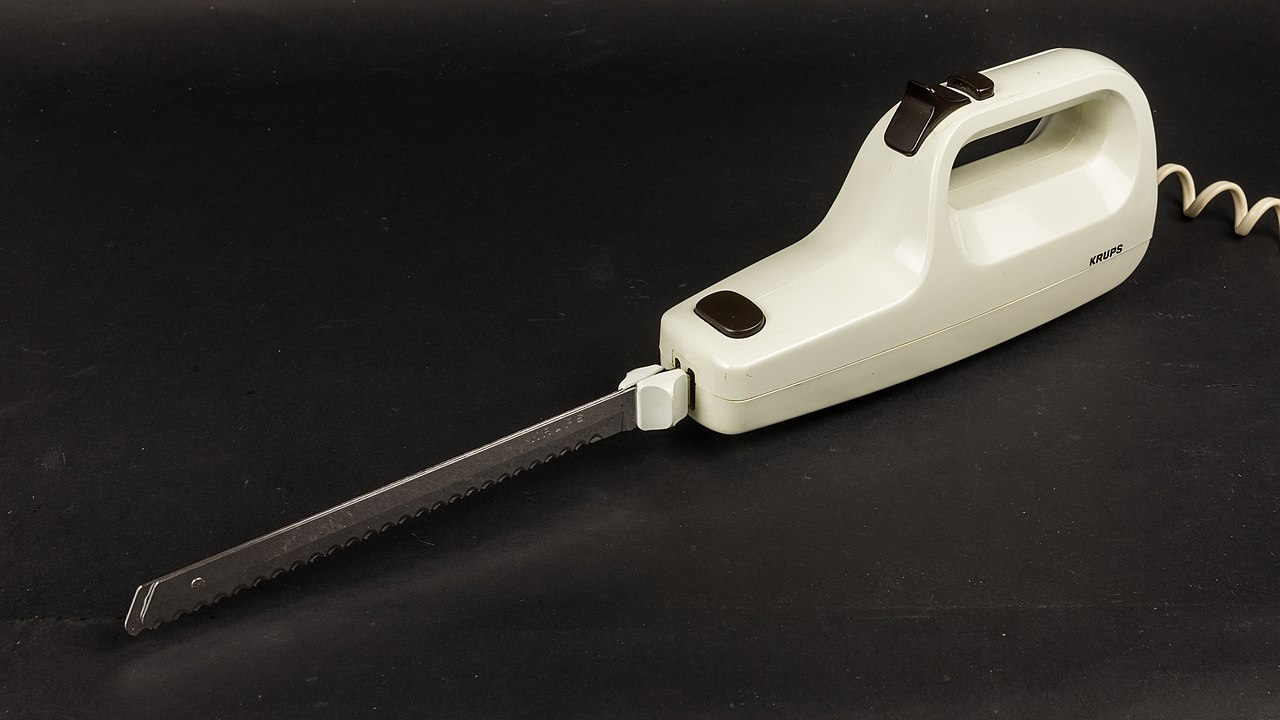
The electric carving knife is one of those gadgets people laugh about until a holiday roast or crusty loaf shows up. Hamilton Beach still sells versions with serrated blades and storage cases, and food writers still note how thoroughly these knives defined a certain kind of American entertaining in the 1970s, especially around big meals.
The problem is not whether it works. It usually does. The problem is that it needs a case, a cord, spare blades, and a drawer deep enough to take the whole bundle, which turns an occasional-use tool into something that occupies more household real estate than its brief moments of glory suggest.
Coffee Percolators
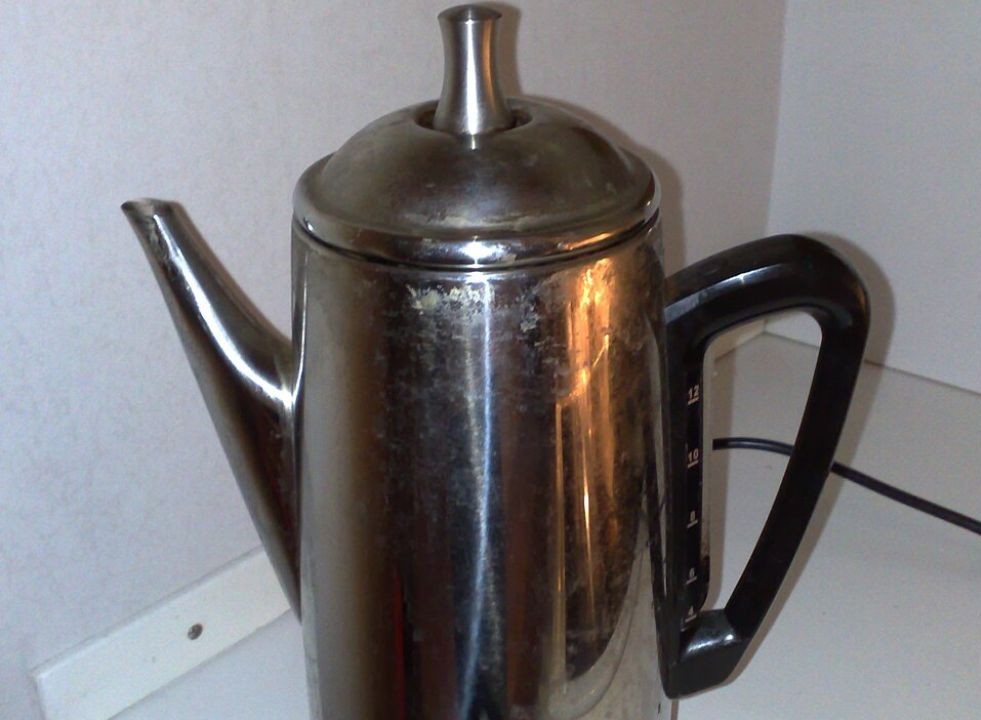
The stovetop percolator has made a quiet return because it offers something many newer appliances do not: presence. Farberware still sells classic stainless models, and coffee writers still point out that percolators only slipped from the center of kitchen life when automatic drip machines took over in the 1970s and changed daily routines.
It is easy to see why the old pot keeps finding new admirers. The glass knob, the sound, and the slower rhythm make brewing feel less automatic. But bringing one home often means adding yet another coffee system to a kitchen that already has a drip maker, grinder, kettle, and something for weekends.
Yogurt Makers
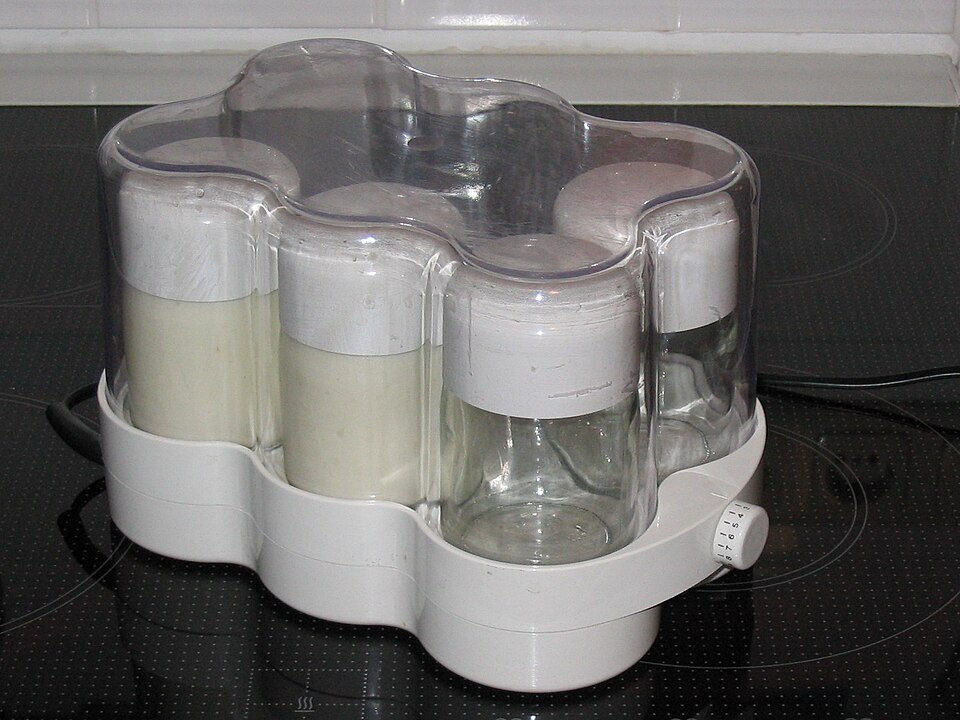
The yogurt maker belongs to the health-minded, kitchen-project side of the 1970s, and it has found fresh life again. The Smithsonian has documented electric yogurt makers from that era, while Euro Cuisine now sells a full lineup of current models, starter cultures, replacement jars, and strainers that keep the ritual going.
It sounds sensible on paper: make a staple food at home, control the ingredients, save a little money. In practice, the machine tends to gather companions. Jars, lids, thermometers, cultures, and filters start filling shelves, and a corner of the kitchen becomes devoted to a hobby that was supposed to simplify things.
Electric Skillets
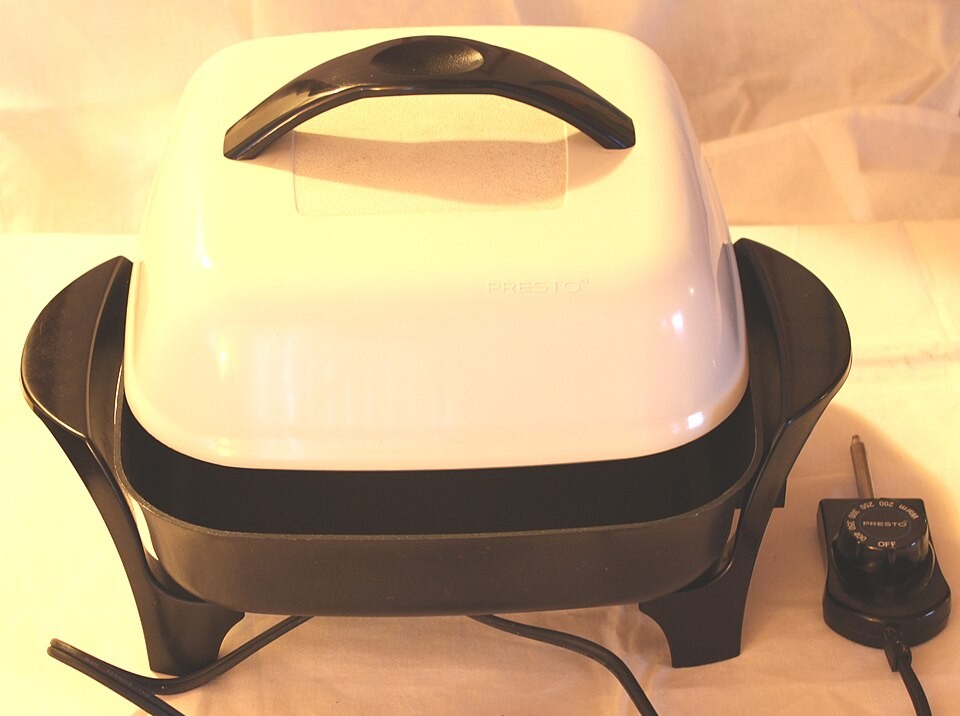
The electric skillet is back for the same reason it thrived decades ago: it promises to do almost everything from one plug and one pan. Presto still sells current models and still calls itself America’s best-selling electric skillet brand, which tells its own story about how sticky this old category remains in real kitchens today.
It also remains one of the hardest appliances to hide well. The body is wide, the lid is awkward, and the cord never feels fully out of the way, so even a useful skillet can dominate a lower cabinet or open shelf in minutes. Convenience is real here, but so is the physical footprint it leaves behind.
Rotary-Style Phones
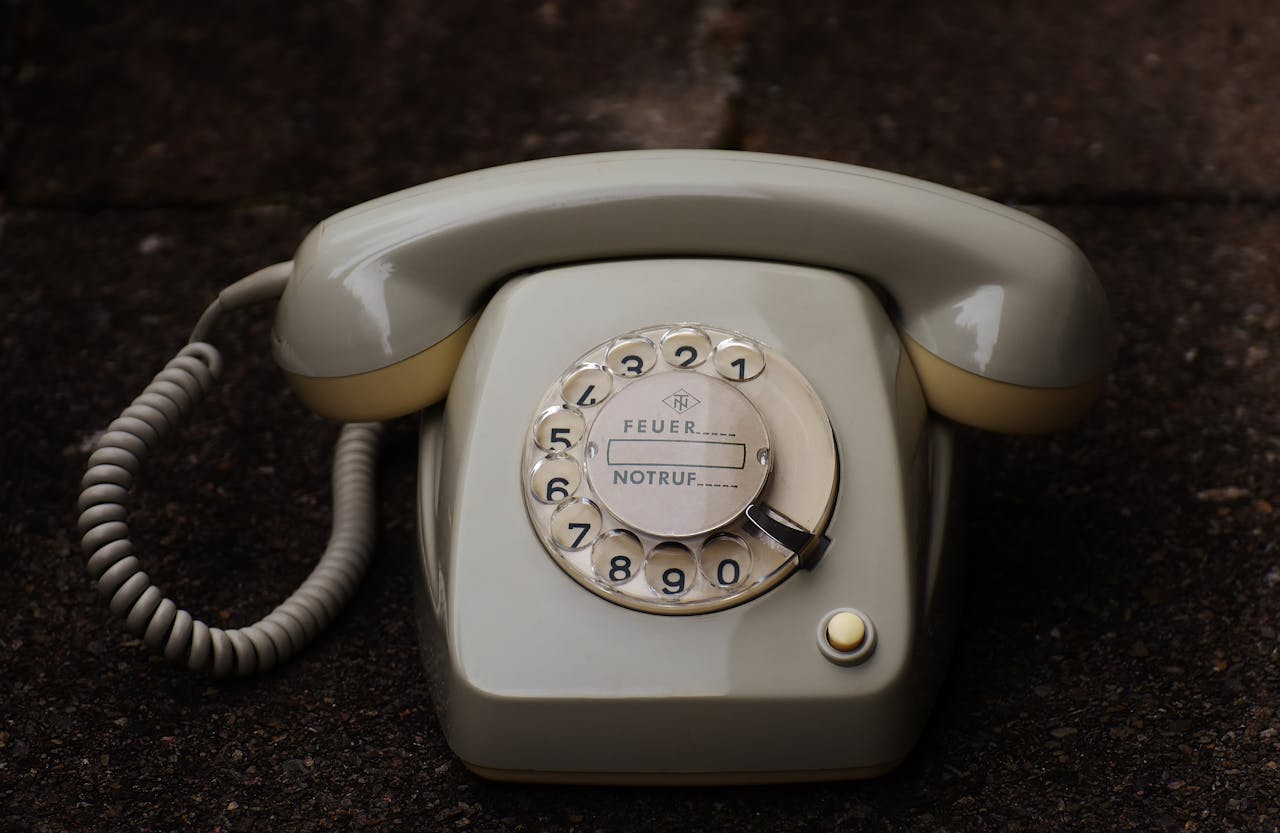
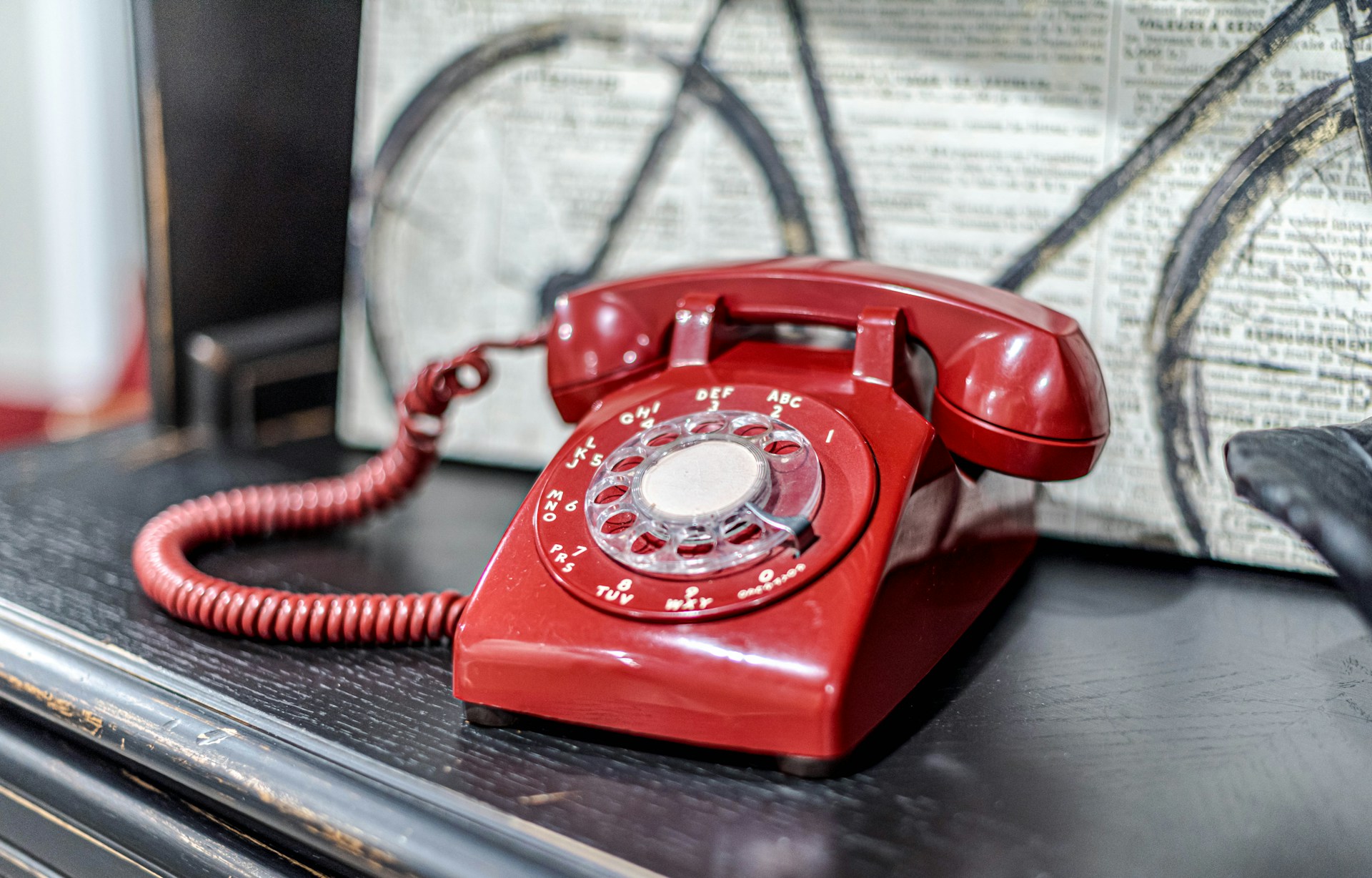
The rotary-style phone has come back as decor disguised as equipment. Pottery Barn still sells its PB Grand Phone with push-button dialing tucked inside a vintage shell, which says plenty about the current appetite for objects that look slower, heavier, and more deliberate than anything in a pocket or on a screen right now.
One phone rarely remains just one phone. Once it lands on a desk or side table, it tends to invite a notepad, tray, pen cup, and a whole little nostalgia scene around it. The object is handsome, but it also proves how quickly one retro purchase can ask for an entire supporting cast of surfaces in the room.
Flip Clocks
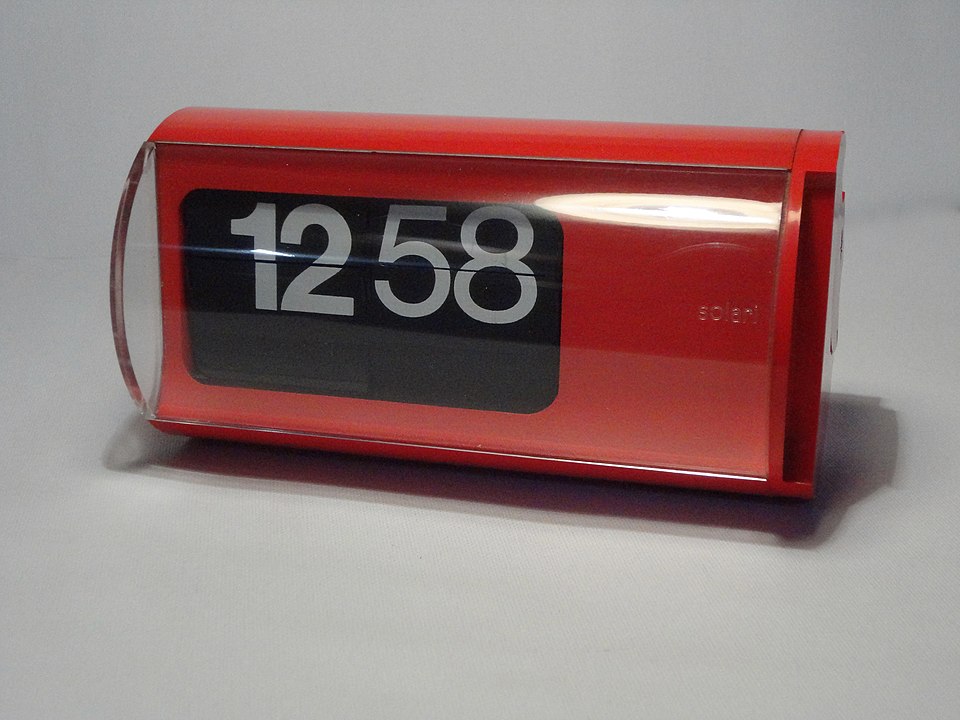
The flip clock feels fresh again because it makes time physical. Twemco still sells its iconic models, and the brand says many of its flip clocks remain available through authorized retailers and distributors, which helps explain why the look keeps showing up in rooms that want something more tactile than a digital screen.
The appeal is obvious once it is in the room. Each change of minute feels mechanical and strangely satisfying, and the clock earns a visible place instead of disappearing into the background. That also means one more object claiming permanent display space, which is how shelves start looking fuller without much warning.
Lava Lamps
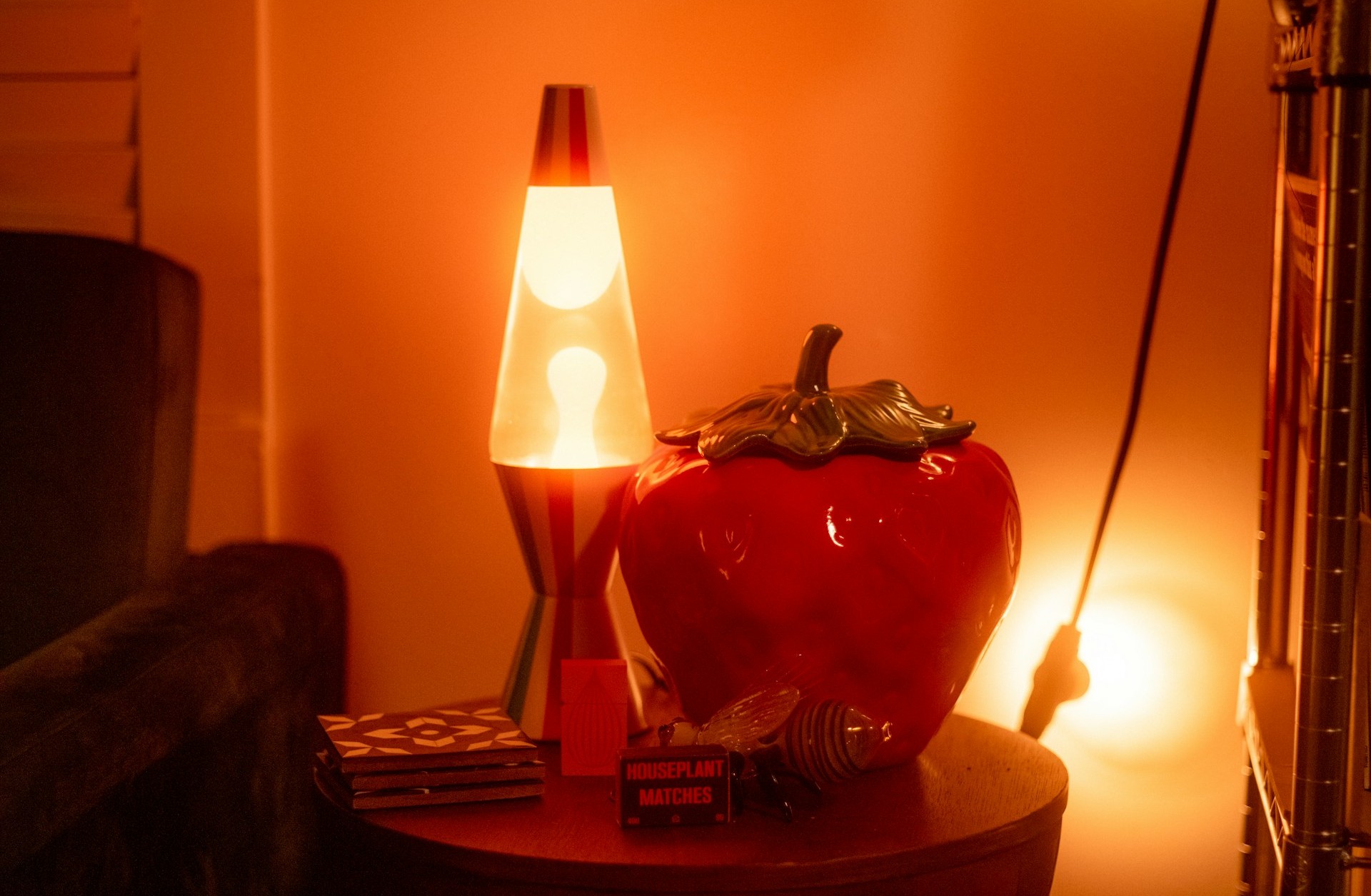
Lava lamps were never going to stay gone for long. The Original Lava Lamp company still sells classic silver-base models and points shoppers toward retail partners such as Target, Amazon, and Spencer’s, which makes the comeback less of a surprise and more of a formal return to the shelf in plain sight for anyone looking today.
They do almost nothing except change the mood of a room, and that is exactly why people still want them. One lamp can make a shelf feel warmer and more playful. A second or third starts turning the room toward display territory, where glow beats restraint and visual calm quietly steps aside at home too.
Record Players
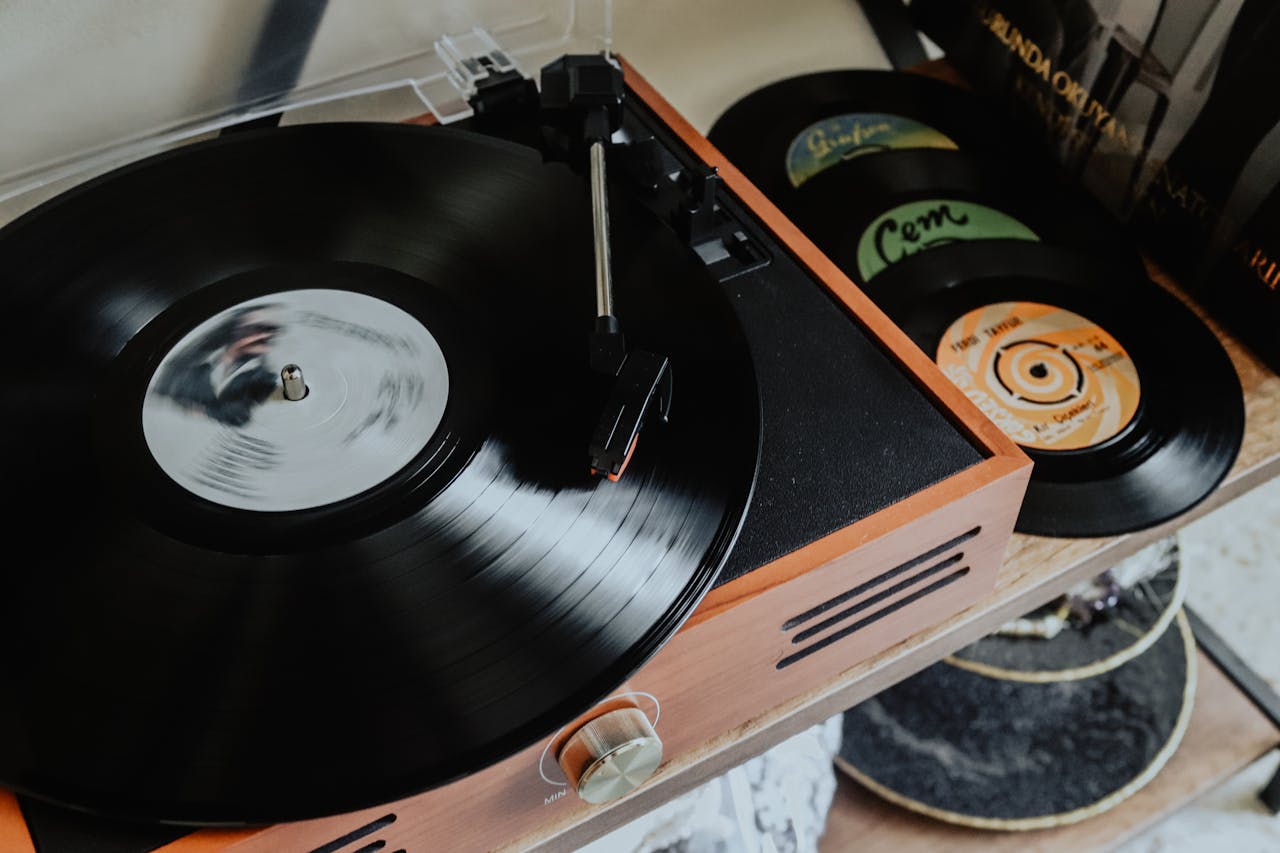
The record player has moved well past novelty and back into everyday retail. Victrola still sells all-in-one record players and turntables, and the RIAA says vinyl accounts for more than three-quarters of U.S. physical music revenue, which shows this comeback now has real commercial weight behind it in a lasting way across stores.
What comes home with the player is never just the player. Records need sleeves, speakers, cleaning tools, somewhere to stand, and eventually a crate or two on the floor. The whole setup can feel warm and personal, but it also turns one corner of a room into a visible system almost immediately at home.