In many 1960s households, parenting came with clear lines and steady expectations. Some rules were too rigid, and not every family was protected equally, but the daily structure often made home life predictable. Meals had set times, kids carried real responsibilities, and adults defended routines that kept mornings and evenings from unraveling. Families now juggle louder schedules, constant notifications, and a culture that treats boundaries like suggestions. Looking back is not nostalgia or a demand to copy the past. Small habits, repeated daily, can steady a home, reduce friction, protect attention, and make family life feel calmer again.
Family Time Was Protected From Distractions

Evenings in the 1960s often had a simple ritual: a shared show, cards at the table, a short walk, or a chapter read out loud before the lights went down. The point was presence, with fewer interruptions and fewer plans pulling everyone into separate rooms, so the household could settle into the same moment and notice small changes in tone or energy. A predictable 20-minute window now, like right after dinner on weeknights, with phones parked elsewhere and one activity chosen together, can rebuild closeness, give adults a steadier read on moods, and reduce the sharp arguments that start when everyone feels ignored.
Chores Were Part Of Membership

Kids in many 1960s homes were not treated like guests; chores were simply part of belonging, as normal as brushing teeth or putting shoes away. Making a bed, drying dishes, or taking out trash taught competence and spread the mental load so one adult was not silently tracking everything from soap to school forms while everyone else floated through. A modern routine works when standards are clear, tasks rotate, and a simple list stays in plain sight, with adults taking jobs, too, which replaces nagging with follow-through and keeps the house from turning into a fight as responsibilities grow with age without resentment building.
Homework Came Before Entertainment
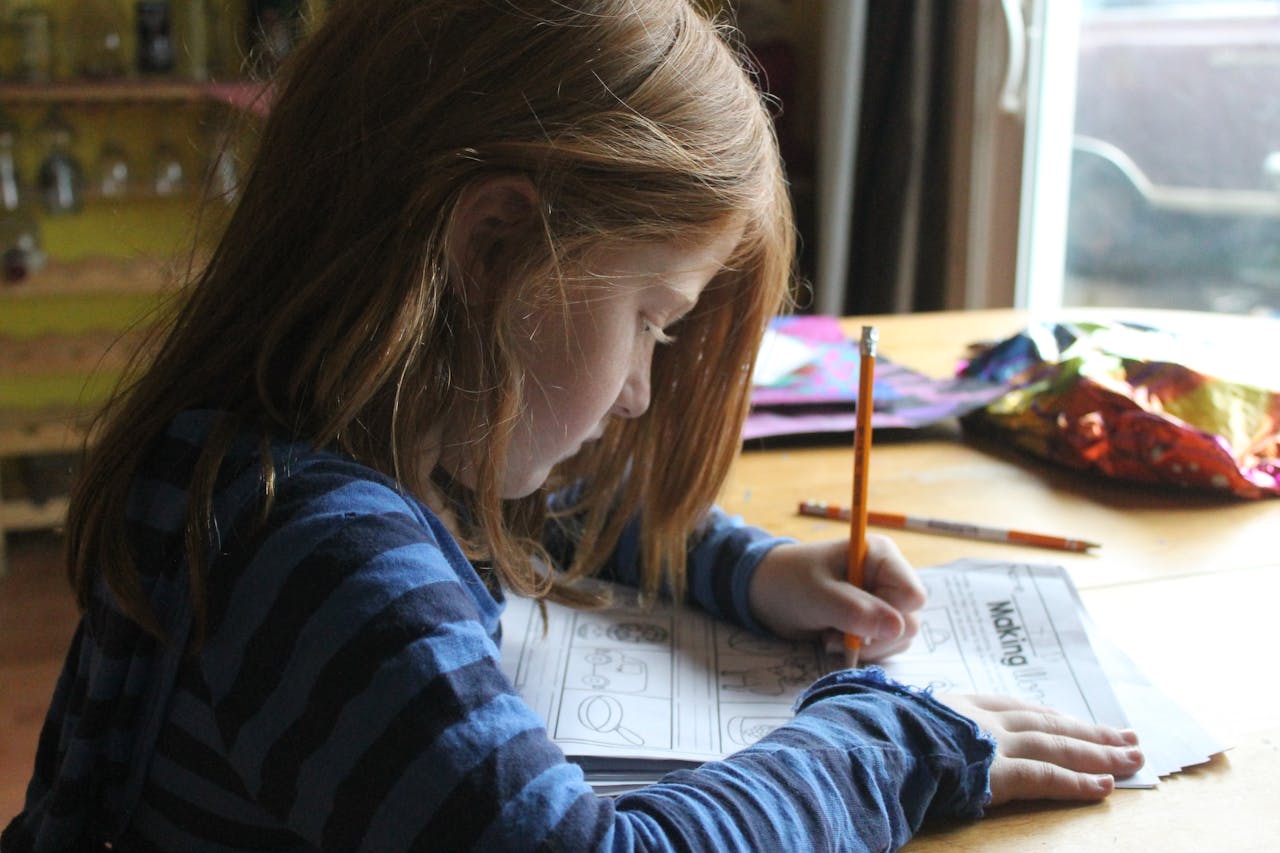
Homework in the 1960s was expected before television or heading back outside, and an adult usually verified it without turning it into a big talk. That order trained follow-through, lowered last-minute panic, and kept evenings from becoming a tug-of-war between fun and responsibility. A modern version is a consistent after-school block at the same table, with snacks and supplies ready, one short break built in, and notifications paused until work is finished, so backpacks get packed, tomorrow gets checked, and the household avoids late-night scrambling that steals sleep and patience from both kids and adults all week long.
Bedtimes Stayed Firm

A set bedtime in the 1960s was treated as a household rule because fatigue made everything harder, from homework to tempers to the next morning’s start. Predictable sleep improved school focus and mood, and it also gave adults a clear end point for chores, conversation, and finally a little quiet. Keeping a steady lights-out time on school nights, paired with a calm wind-down of bathing, reading, dim lights, and phones charging outside bedrooms, protects mornings from chaos; letting weekends drift only 30 to 60 minutes keeps Monday from feeling like jet lag and reduces the scrolling that steals patience from the whole family.
Curfews Were Clear And Enforced

Curfew in many 1960s homes was stated in plain language and backed by follow-through, which kept debate from taking over the night. The rule worked because it was predictable: late meant a known consequence, not a new argument each time, and honesty mattered as much as the clock. A consistent curfew now supports teen sleep and safety, lowers household tension by setting expectations before plans begin, including rides home and a plan for delays, and it makes check-ins for changes normal courtesy instead of drama, so parents sleep, teens make fewer risky late-night choices, and mornings stay calmer because nobody is running on fumes.
Outdoor Play Had Boundaries

Kids in the 1960s were often sent outside, but they were also given boundaries that made freedom safer: stay on the block, avoid certain places, and check in by dinner. That blend of independence and structure built confidence and problem-solving without adults hovering over every interaction, and it taught children to navigate small risks with judgment. Families can rebuild the same muscle with step-by-step privileges, like biking within a set radius, walking a dog on the same route, or running a short errand with a sibling, plus predictable check-ins that keep worry from spiraling and let trust grow without fear taking over.
Respect For Adults Was Taught Early

Many 1960s families taught children to acknowledge adults, answer when spoken to, and avoid interrupting, which kept daily life running with less friction. At its best, the rule was not intimidation; it was training in self-control, listening, and reading the room, skills that help everywhere from classrooms to grandparents’ homes. Rebuilding courtesies, like greetings, eye contact, using please and thank you, and waiting for a pause before speaking, makes public outings smoother, signals respect to teachers, coaches, and service workers, and keeps disagreement at home from turning into disrespect even on stressful days.
Consequences Were Immediate And Consistent

When a rule was broken in many 1960s homes, the response was quick and predictable, which kept conflict from turning into a nightly debate. Consistency mattered more than severity because children learned that choices had outcomes, and adults stayed calmer when the plan was already decided, explained in one sentence, and repeated the same way. A modern version uses consequences that match the behavior, like pausing screens after ignored homework or losing an outing after disrespect, stated once and enforced once, then followed by repair and warmth, so shame does not take over and the home does not become a courtroom every evening.
Allowance Was Earned, Not Automatic
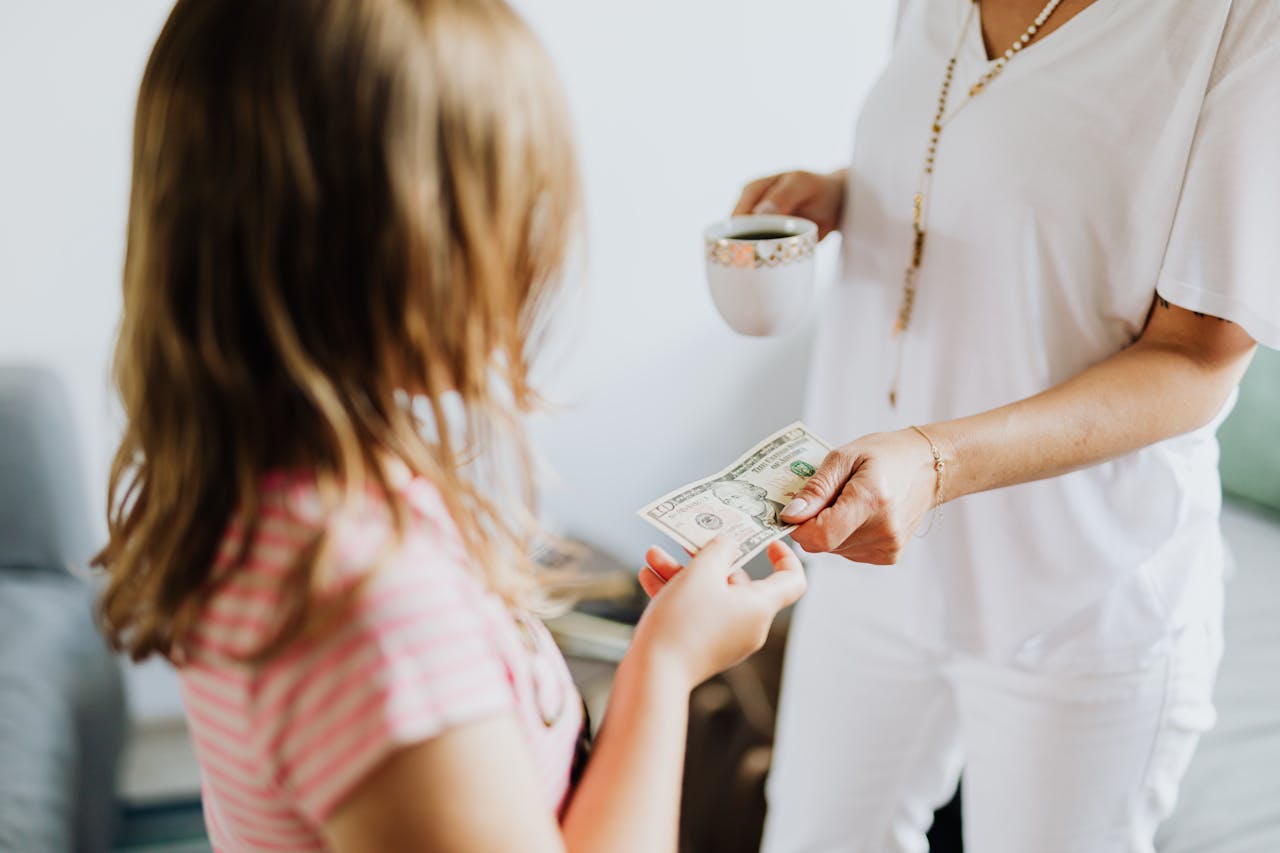
Pocket money in many 1960s homes was often tied to responsibility, not handed over as a weekly right, and children learned quickly that effort had a visible payoff. That link built basic money sense early, including saving for something wanted, living with a missed chance, and learning that small choices add up. An earned-allowance system now, with clear tasks and a steady pay day, can reduce impulse buying, make budgeting feel normal, and open low-drama conversations about needs versus wants, especially when money is split into simple buckets like save, spend, and give and adults resist bailing out every mistake too quickly.
Family Dinner Was Nonnegotiable

In many 1960s homes, dinner had a start time and a seat for everyone, even if the meal was plain and the chairs did not match. That predictable pause created a daily checkpoint where adults heard about teachers, friends, and worries, and kids practiced conversation, manners, and patience while passing food and waiting their turn. Bringing it back, even three nights a week, lowers grazing, parks phones for 30 minutes, and gives families a reliable place to plan tomorrow, share small wins, and notice who is thriving and who is quietly slipping before problems get loud and before schedules start running the house for everyone.