Long before streetlights, streaming specials, and airport crowds, people watched the sky and built their year around a few charged moments. Solstices, harvests, and in between days felt thin, as if the world turned slightly transparent and time itself slowed down to listen. Many of those older rites did not disappear; they slipped under new names and new saints. Modern holidays still carry traces of bonfires, omens, and offerings, quietly stitching ancient fears and hopes into school breaks, family rituals, and long weekends.
Samhain And The Shape Of Halloween
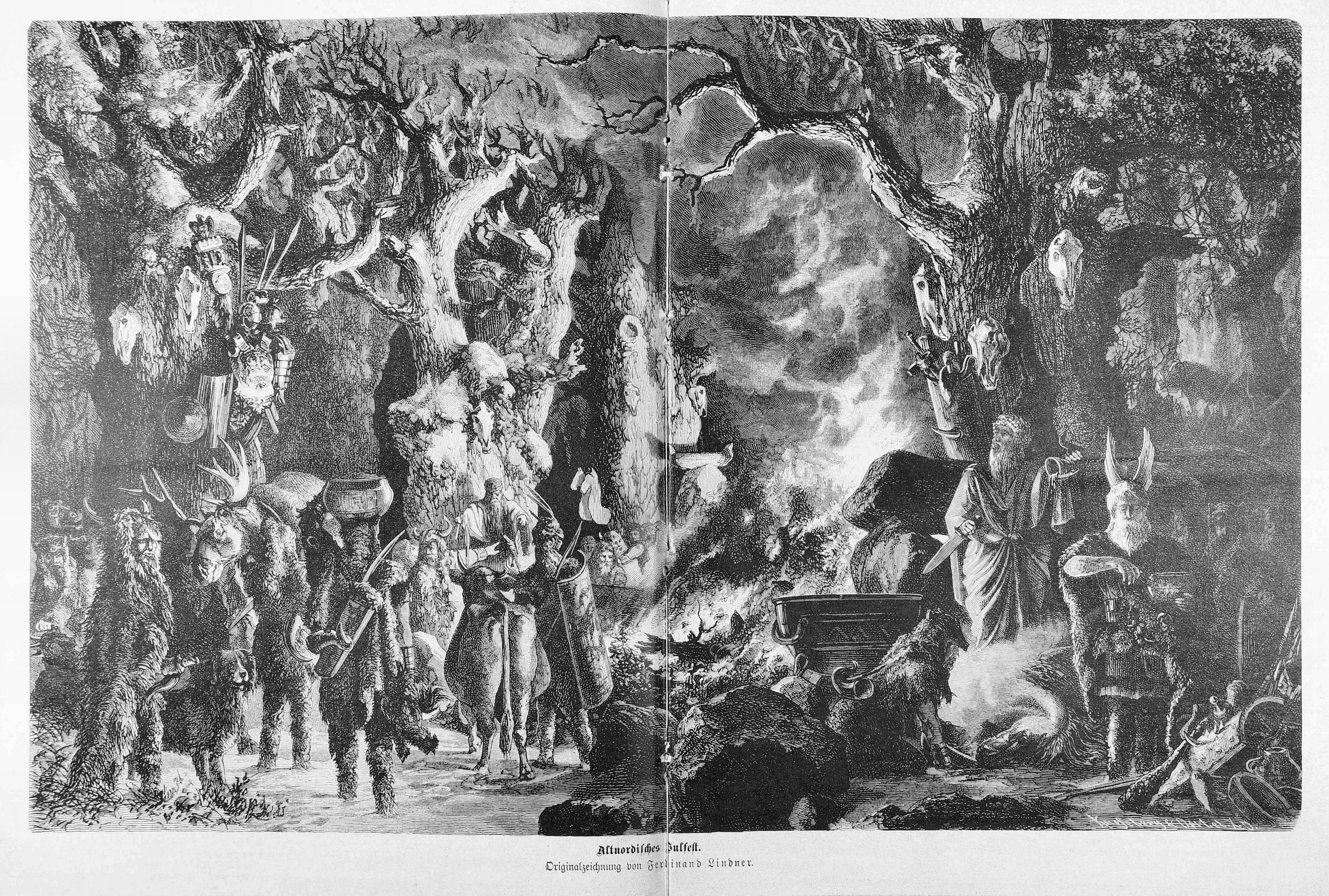
Samhain grew out of a very practical fear: winter could kill. Celtic farmers marked the darkening turn of the year by dousing hearth fires, driving cattle between bonfires, and leaving food at thresholds in case the dead or other unseen guests came calling. Masks and animal skins blurred identities so whatever wandered by might pass without harm. Centuries later, church feasts layered over the same dates, but the mood survived under new names. Modern Halloween still plays with that tension between invitation and protection, joke and genuine unease, sugar coating it but never quite removing it.
Yule Fires And Evergreen Christmas Traditions
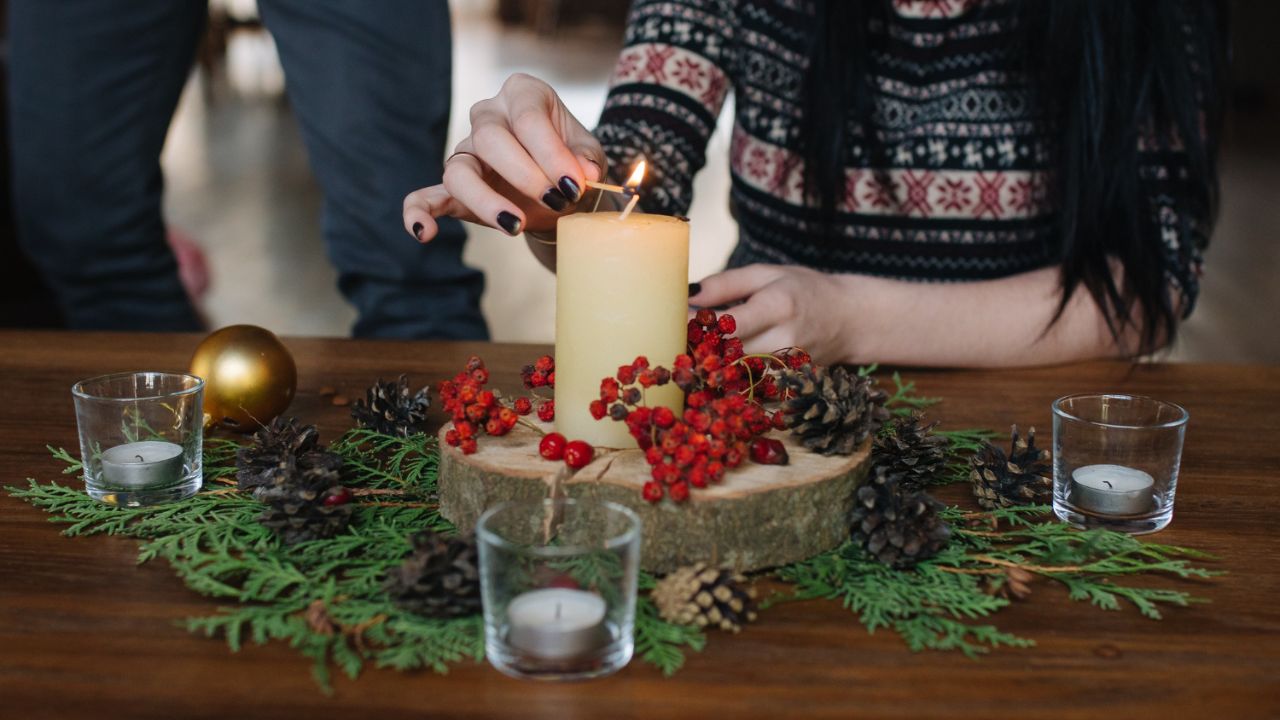
Yule wrapped a hard northern truth in warmth: the longest night is frightening, but the sun will return. Families dragged evergreens indoors, not as decor, but as a small, stubborn sign of life that refused to die back when every field outside looked dead. A great log burned slowly in the hearth, turning darkness into an event instead of a threat and giving neighbors an excuse to linger together and swap stories. When Christmas spread across Europe, it borrowed the timing and the imagery. Today’s trees, wreaths, and candlelit windows still repeat the same promise that light is worth defending.
Saturnalia And Winter Party Season
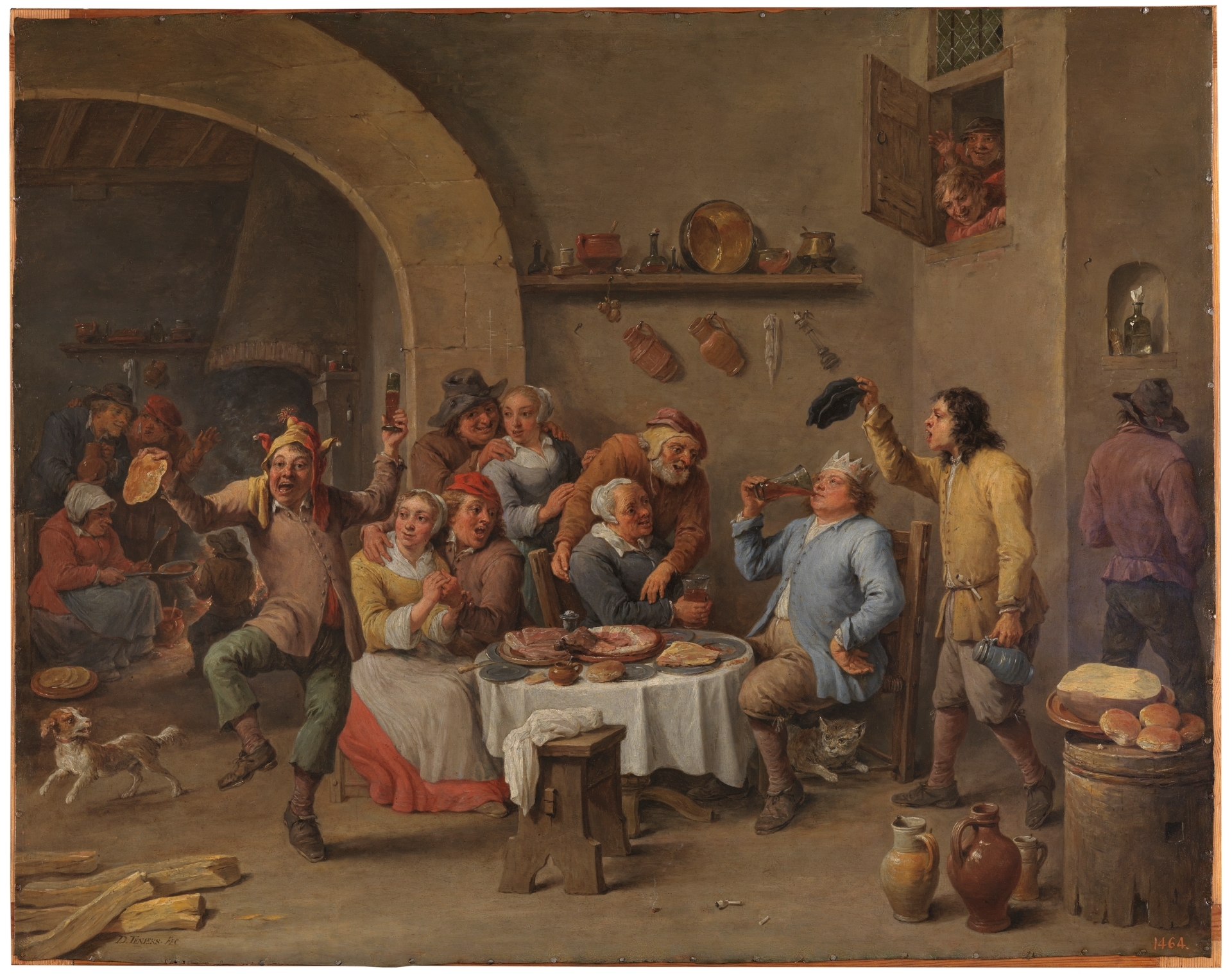
Saturnalia was Rome’s permission slip to misbehave. Work stopped, gambling spilled into streets, and social rules bent just enough to feel dangerous but not fully break, giving everyone a brief taste of reversal. Masters served enslaved people at feasts, small gifts changed hands, and jokes flowed as freely as wine in cramped dining rooms and noisy courtyards. The air felt briefly upside down, which was exactly the point in a rigid society. When late December later filled with Christmas gatherings and New Year parties, that instinct stuck. Modern party season still leans on Saturnalia’s love of playful disorder.
Spring Goddesses, Eggs, And Easter Imagery
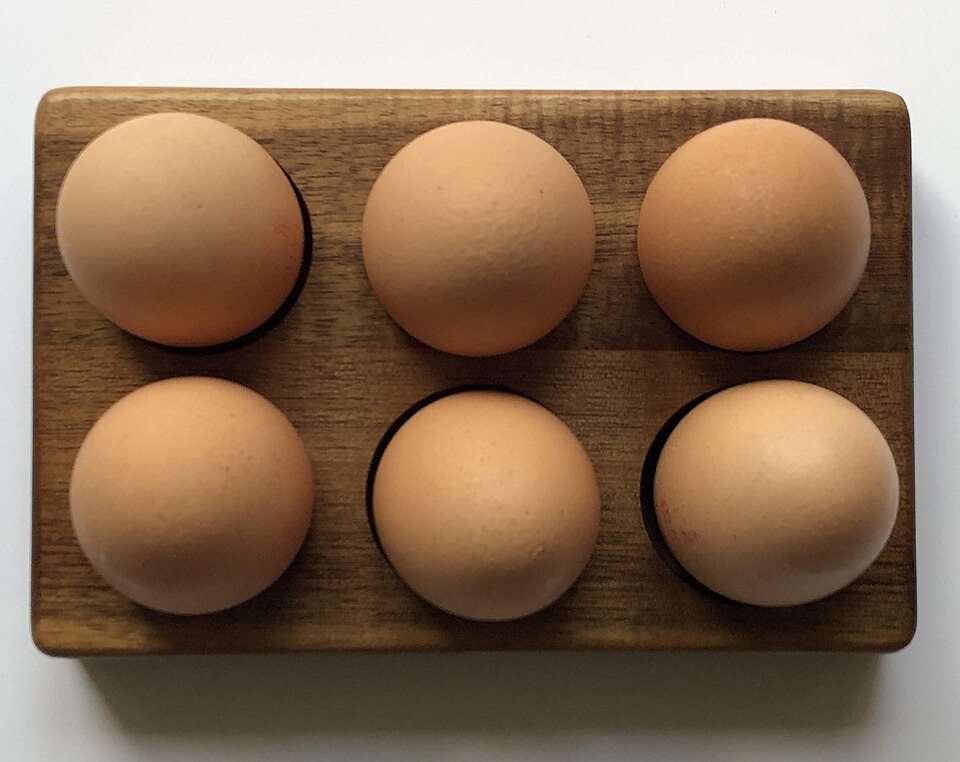
Around the spring equinox, old European festivals watched ice loosen and mud return, nervously hopeful that fields would wake up again before food stores ran out. Some honored a dawn or spring goddess whose gifts were new life, fertility, and the courage to plant seeds anyway while frost still threatened the ground. Eggs, hares, and early blossoms became shorthand for that fragile bet on the future, small bright symbols against a bleak landscape. Later, Christian Easter centered on resurrection but kept the timing and much of the symbolism. Modern Easter decor still quietly preaches the same story of risky hope.
Lupercalia And The Romance Around Valentine’s Day
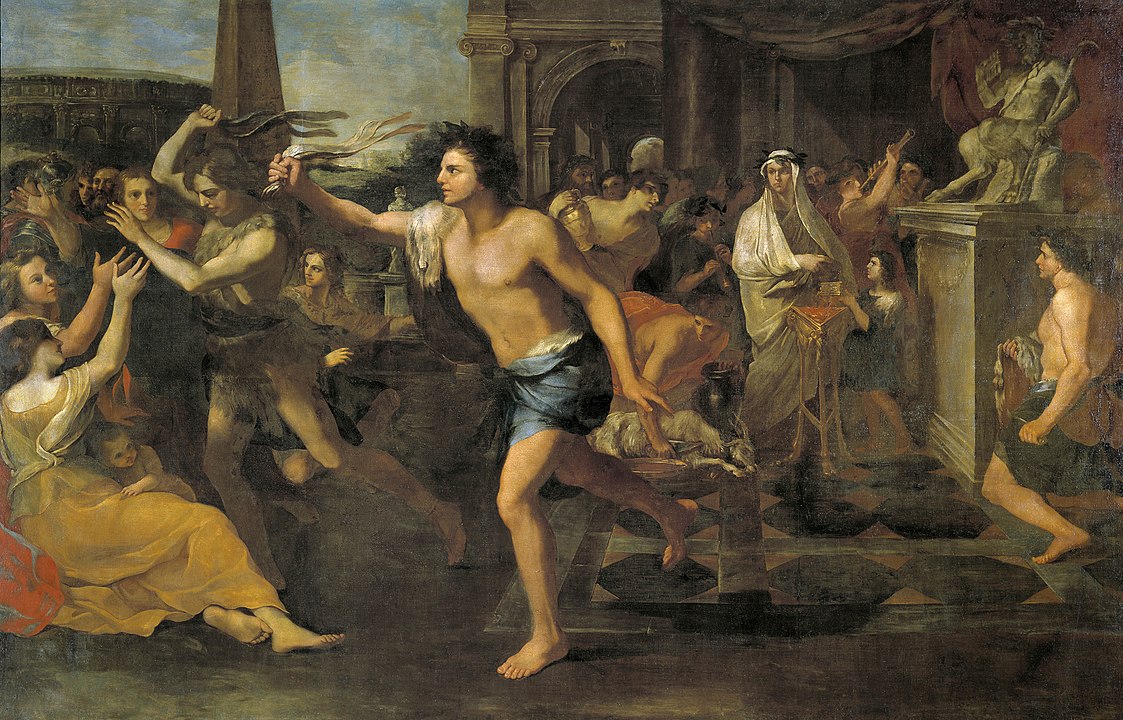
Lupercalia looked nothing like a heart shaped candy box. It mixed purification rites, animal sacrifice, and half wild races through Roman streets, with priests striking onlookers using strips of goatskin thought to bless fertility and safe childbirth. The festival sat in mid February, when fields and relationships both needed encouragement after a long, dull winter. Over time, church calendars highlighted stories about St. Valentine instead, and courtly love culture softened the edges and shifted attention toward chosen pairs. Modern Valentine’s Day keeps the focus on matching, longing, and the familiar mix of fear with desire.
Midsummer Bonfires And Solstice Celebrations
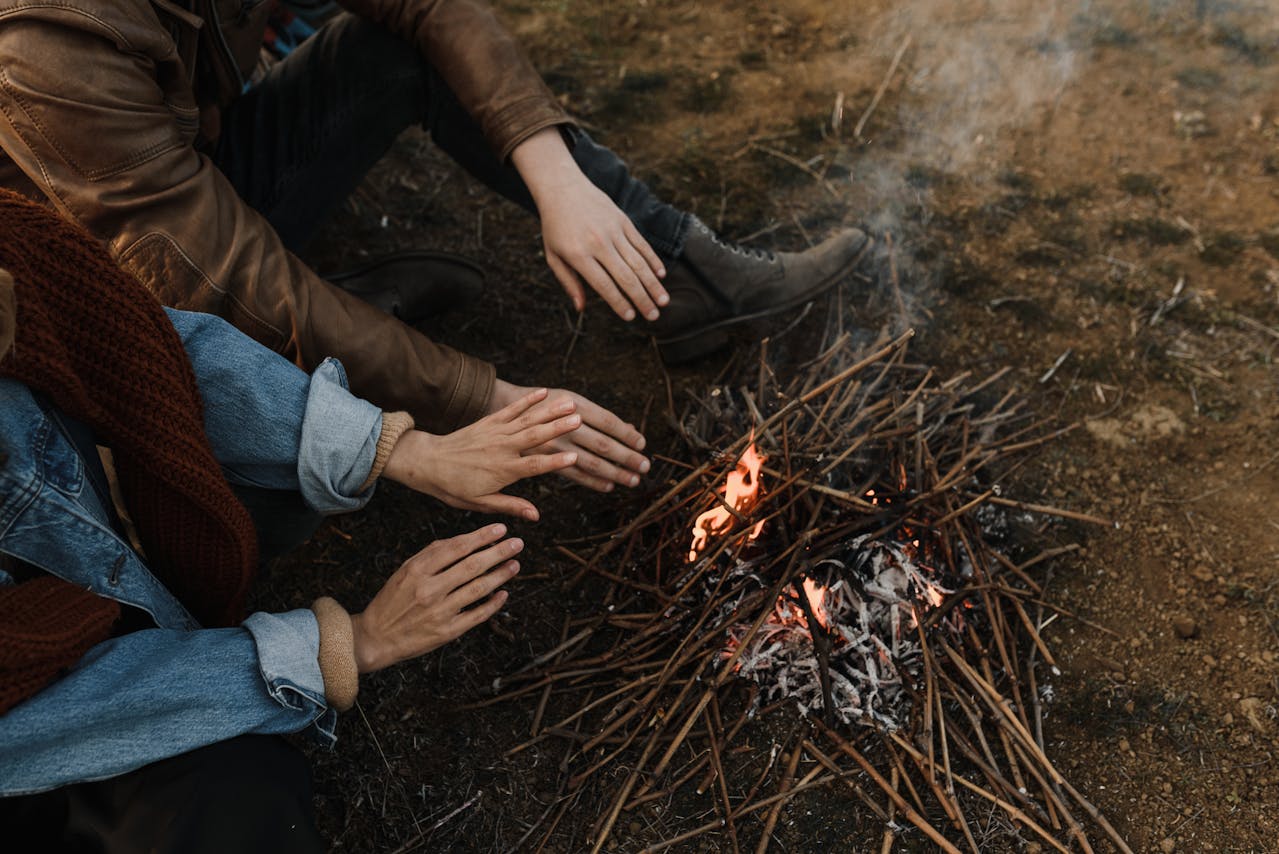
Midsummer caught the sun at full strength and tried to bottle it for later. Villages climbed hills, built towering fires, and jumped through sparks as if bravery could stick to skin or smoke could carry wishes upward. Wheels of flame sometimes rolled downhill, a dramatic charm for strong crops and good health in the months ahead. Dew, herbs, and flowers gathered that night were said to work better than at any other time, which turned simple walks into quiet rituals. Today’s solstice festivals, music gatherings, and beach bonfires keep that impulse alive to celebrate light precisely because everyone knows it will fade.
Imbolc, Brigid, And The First Hint Of Spring
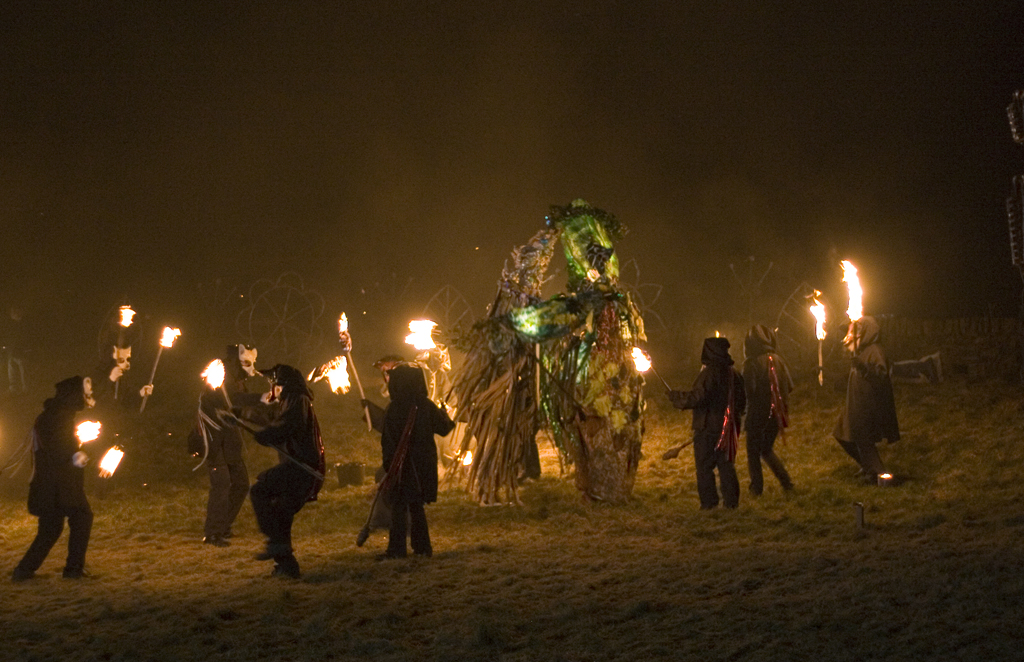
Imbolc arrived quiet and tense, when winter was technically half over but the barn still looked worryingly empty and mornings stayed bitter. Households honored Brigid, a goddess later mirrored by a saint, who held fire, poetry, healing, and craft in the same capable hands that guarded families. People cleaned, lit new hearth flames, and wove simple rush crosses as a kind of practical spell for protection, inspiration, and good work in the months ahead. Candlemas processions and early February weather lore still follow that pattern, testing the air for change and asking a serious question: will we make it through.
Lughnasadh, Lammas, And Late Summer Harvest Festivities
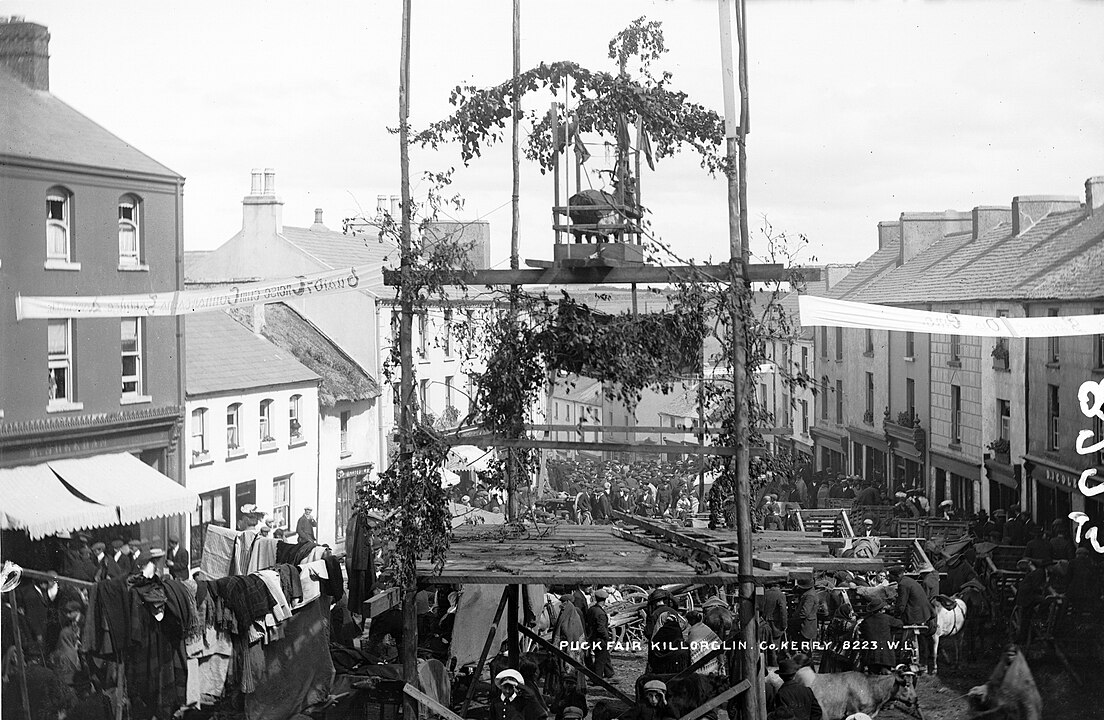
Lughnasadh, later called Lammas in Christian calendars, sat at the risky moment of first harvest. Grain was finally ready, but storms, pests, or sheer bad luck could still ruin everything before it reached storage. Communities answered with games, temporary markets, and ritual offerings of the first loaf or sheaf to mark gratitude before relief curdled into complacency. Trial marriages, horse races, and public contests turned survival into something that felt almost joyful and gave scattered farms a reason to gather. Today’s county fairs and harvest festivals keep that blend of competition, food, and quiet thankfulness alive.