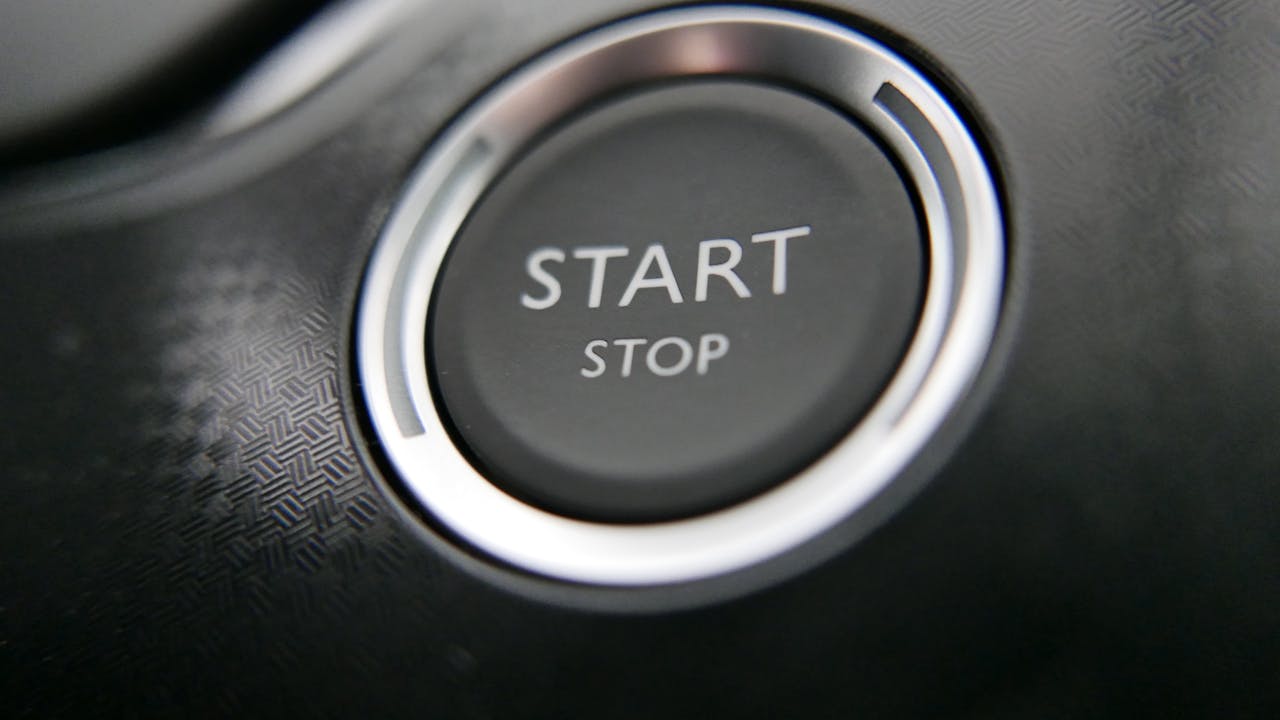
Start stop was pitched as a quiet trick: cut the engine at a red light, restart on release, and shave emissions without redesigning the drivetrain.
In real traffic it often feels like a pause, a shudder, then a beat of hesitation that turns routine intersections into little moments of doubt. Drivers learned to hunt for the off button, and critics learned to mock the idea of a car that seems to quit for points. Now the EPA is signaling fewer credits for the feature, and hybrids and EVs make idle cutting feel natural. As platforms refresh, automakers are letting the workaround fade, model by model, with little nostalgia.
From Compliance Math to Consumer Backlash
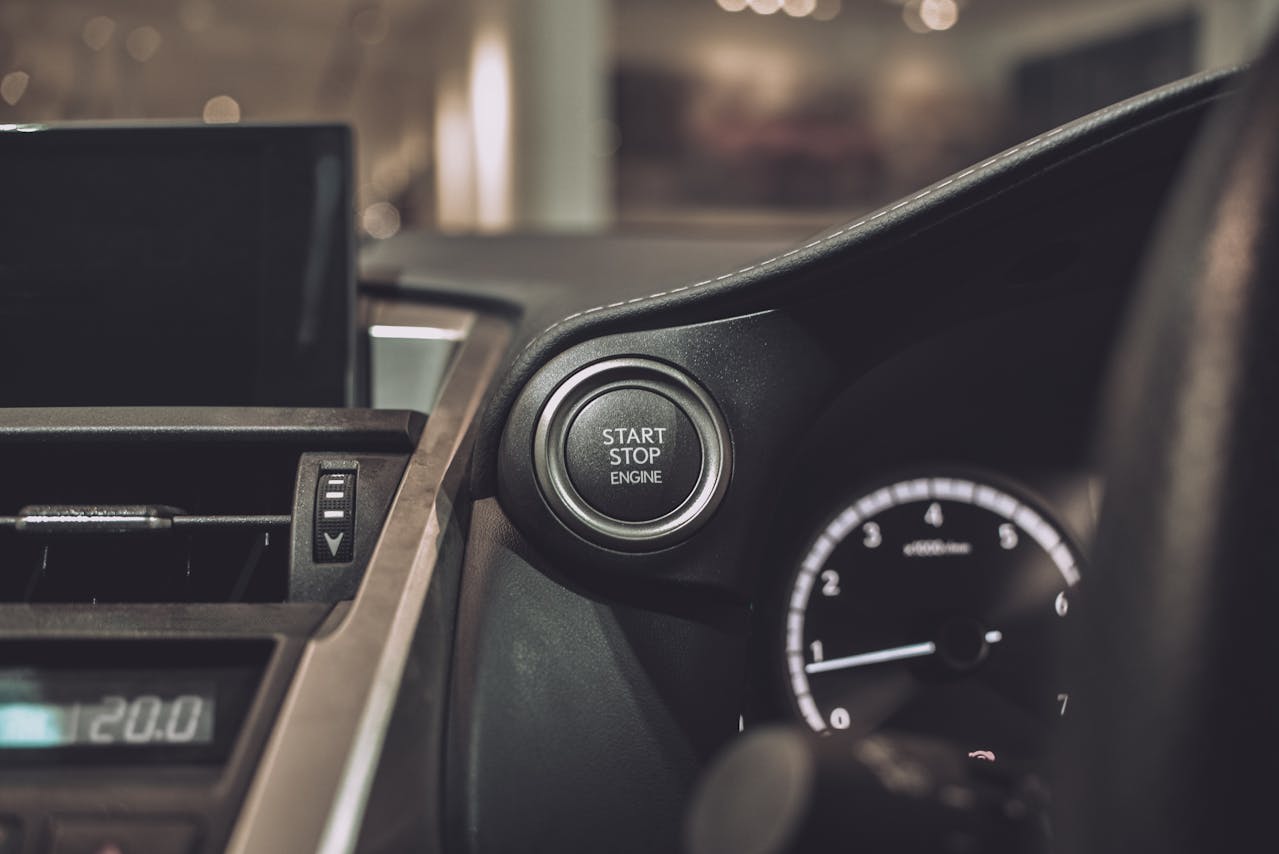
Start stop was never a comfort feature. It served as a compliance tool, shutting engines off at stoplights and in traffic to squeeze out small test cycle fuel economy and emissions gains without a full powertrain redesign, then it spread for roughly a decade.
That logic tied the system to EPA and NHTSA targets, not showroom demand, and Rep. Doug LaMalfa’s proposed ESSENTIAL Act now targets the rules that pushed it into new vehicles. When a feature is justified as regulatory math, not driver value, it becomes the easiest thing to unwind during a model refresh, especially once the politics shift and the credits start fading.
The EPA Is Pulling Back the Rewards
For years, start stop was sold as an easy win, a software trick that could cut idling fuel use and emissions without asking buyers to change how they drove, so automakers leaned on it for test cycle gains.
Now the EPA is signaling that start stop no longer fits its strategy, including plans to phase out credits tied to the system and redirect attention to more substantial efficiency improvements with less consumer irritation. Administrator Lee Zeldin mocked it as a car that dies at every red light for a participation trophy, and once the rulebook stops paying, automakers stop defending a feature that never built much goodwill.
The Restart Delay Became a Daily Irritant
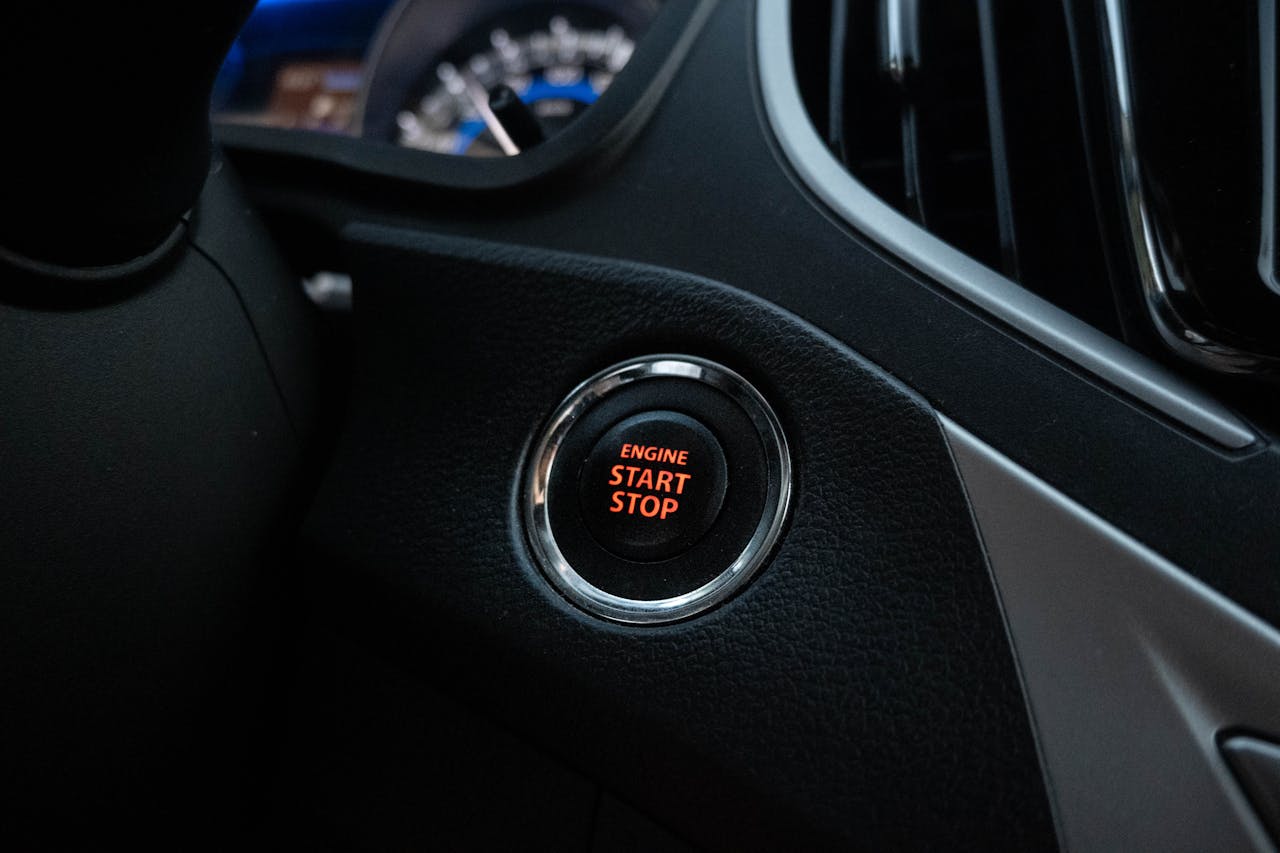
Engineers worked to make start stop feel invisible, yet many owners describe the opposite: a faint shudder as the engine cuts, then a beat of hesitation before power returns, right when traffic demands certainty.
Consumer explainers often call that slight restart delay the core complaint, because it can feel jarring in stop and go congestion, rougher in extreme heat or cold, and unnerving when the car seems to wake up late. Even when newer versions are smoother, the reputation sticks, and a feature that adds doubt at intersections struggles to survive in a market that expects calm, immediate response from the accelerator.
People Disabled It, Then Paid to Keep It Disabled
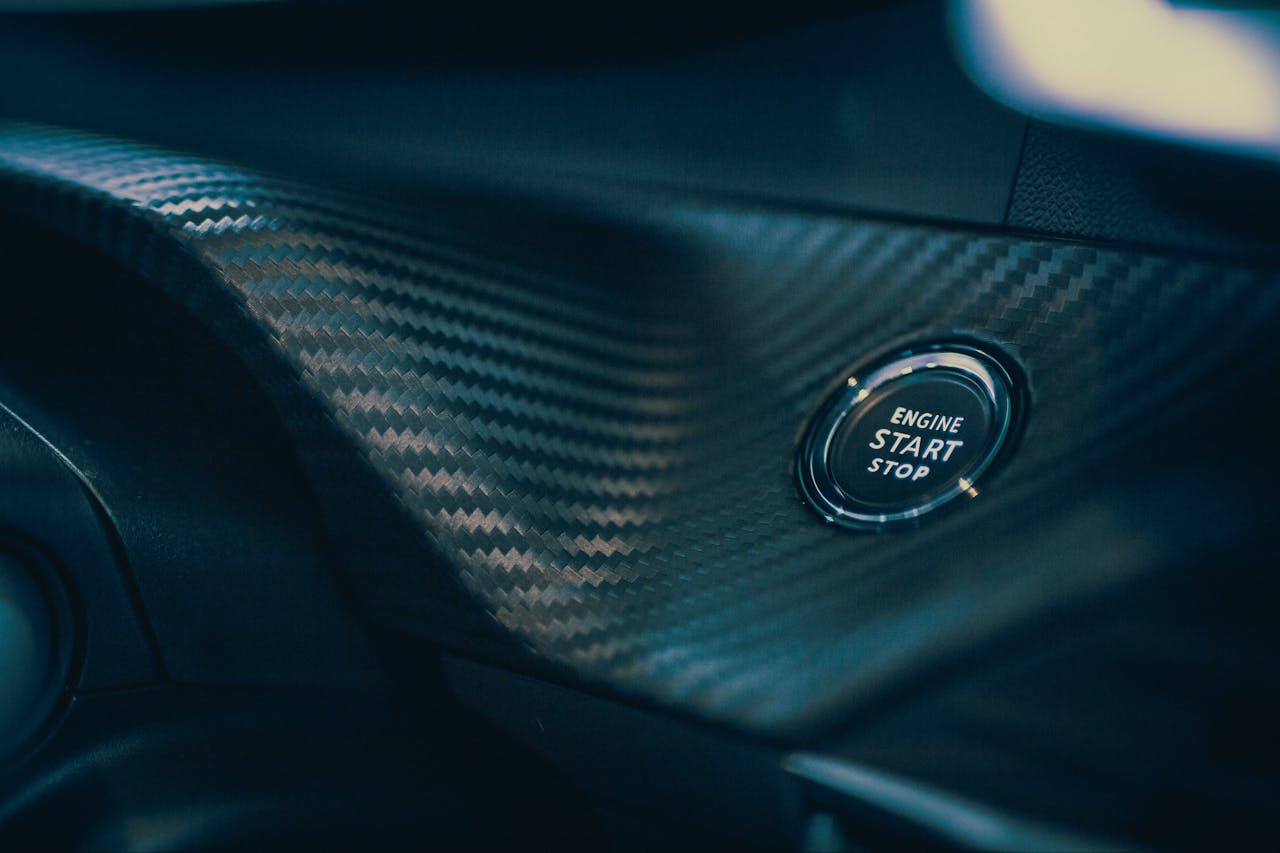
A clear signal arrived on dashboards everywhere: the disable button became part of the startup routine, because many owners disliked how start stop felt in everyday traffic and did not want to repeat the same annoyance on each drive.
Some installed aftermarket devices that remember the preference, despite warnings that modifications can raise warranty questions, and forums are packed with drivers who say they would pay extra to delete the system entirely. When customers treat a feature as something to outsmart, not enjoy, automakers are left defending a few dollars of hardware that mainly exists for compliance math, not goodwill.
It Was Sold as Software, but It Needed Hardware
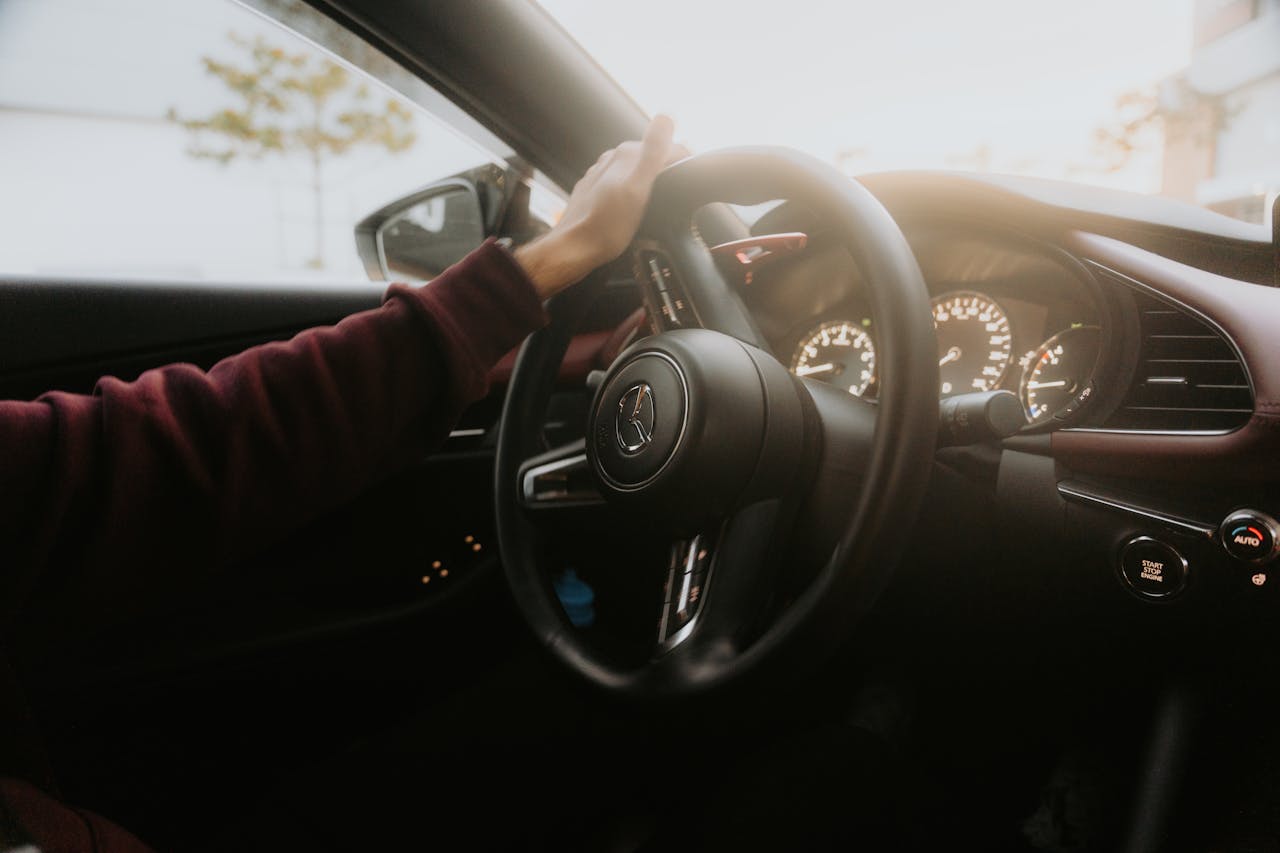
Start stop sounds like software, but the car has to survive thousands of extra start cycles, which means heavier duty starters, reinforced components, and batteries built for frequent deep discharge and recharge.
Battery specialists warn that installing the wrong type, such as a conventional starter battery instead of an enhanced flooded or AGM unit, can fail quickly in short trip, stop and go driving and may cause the system to stop working. Add diagnostics, higher spec replacements, and more frequent battery wear, and the modest fuel savings start to look less impressive than the ownership costs, especially on city commutes.
The Wear Question Never Went Away
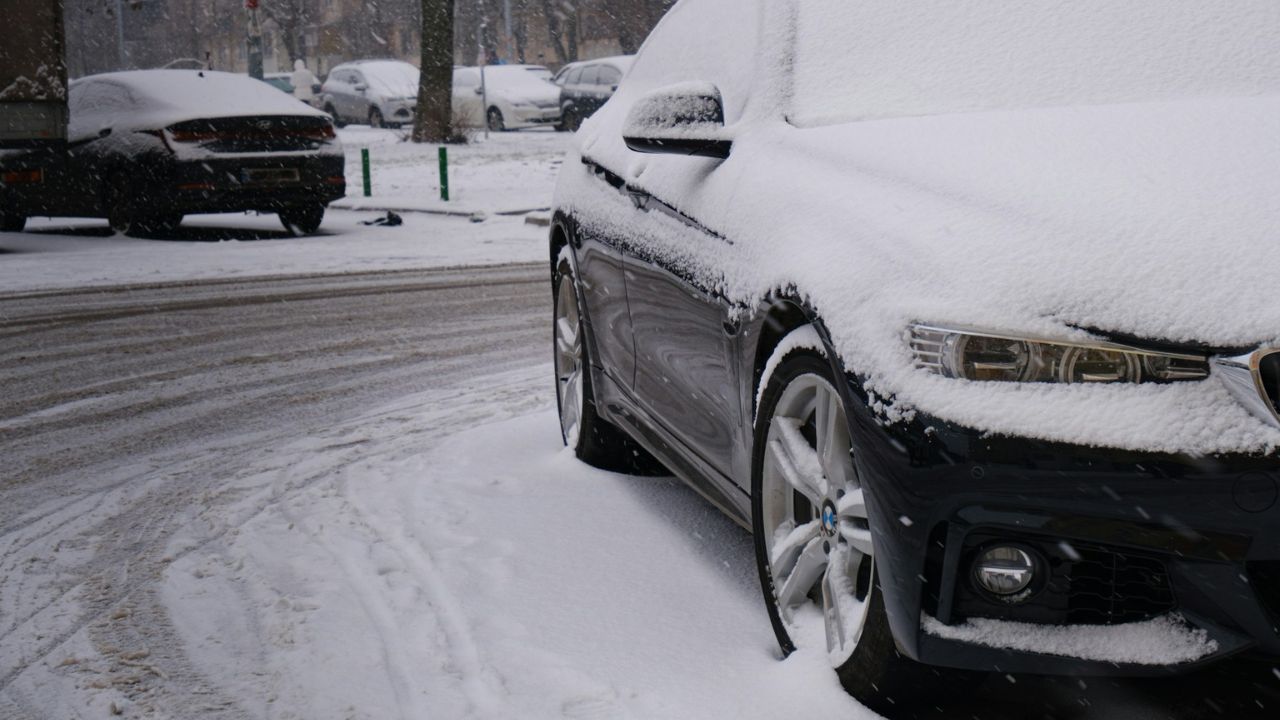
Start stop adds more hot starts, and some maintenance guides warn that repeated cycling paired with short trips can accelerate wear on parts that rely on stable lubrication and temperature, especially in heavy city use.
They point to components such as camshafts, valves, and piston assemblies as potential stress points over time, and critics argue the system can also shorten battery and starter life in real ownership. Even when agencies stop short of blaming the feature for every failure, the suspicion sticks, trust thins, and once drivers connect the restart to costly repairs, the cost benefit story collapses quickly.
Hybrids shut engines off at low speeds and at stops, but they do it with an electric motor and a high
Regulators Are Pointing to Better Tools
Regulatory pressure helped create start stop, and regulatory recalibration is helping unwind it, because fading credits remove the main reason automakers tolerated an unpopular feature with modest real world savings and a loud consumer backlash.
The EPA’s guidance on reducing idling is shifting toward other strategies, including fuel operated or direct fired heaters for propulsion engines so warmth does not require running the main engine. For passenger cars, hybrids and EVs bake idle reduction into the drivetrain, and that shift signals a preference for cleaner gains that do not involve constant engine cycling or restart drama.
A Quiet Retreat Is Already Underway
Start stop is unlikely to vanish overnight, but the retreat can be subtle, because automakers can change software logic, option mixes, or platform design as hybrid variants arrive, without making a headline out of it.
Some vehicles may keep the system but make it easier to disable or remember a preference, responding to years of complaints about repeat resets. Others can drop it entirely as platforms refresh and reach targets through broader efficiency work. The result is simple: fewer awkward restarts at intersections, fewer battery surprises tied to the system, and fewer reasons for owners to feel at odds with their own cars.