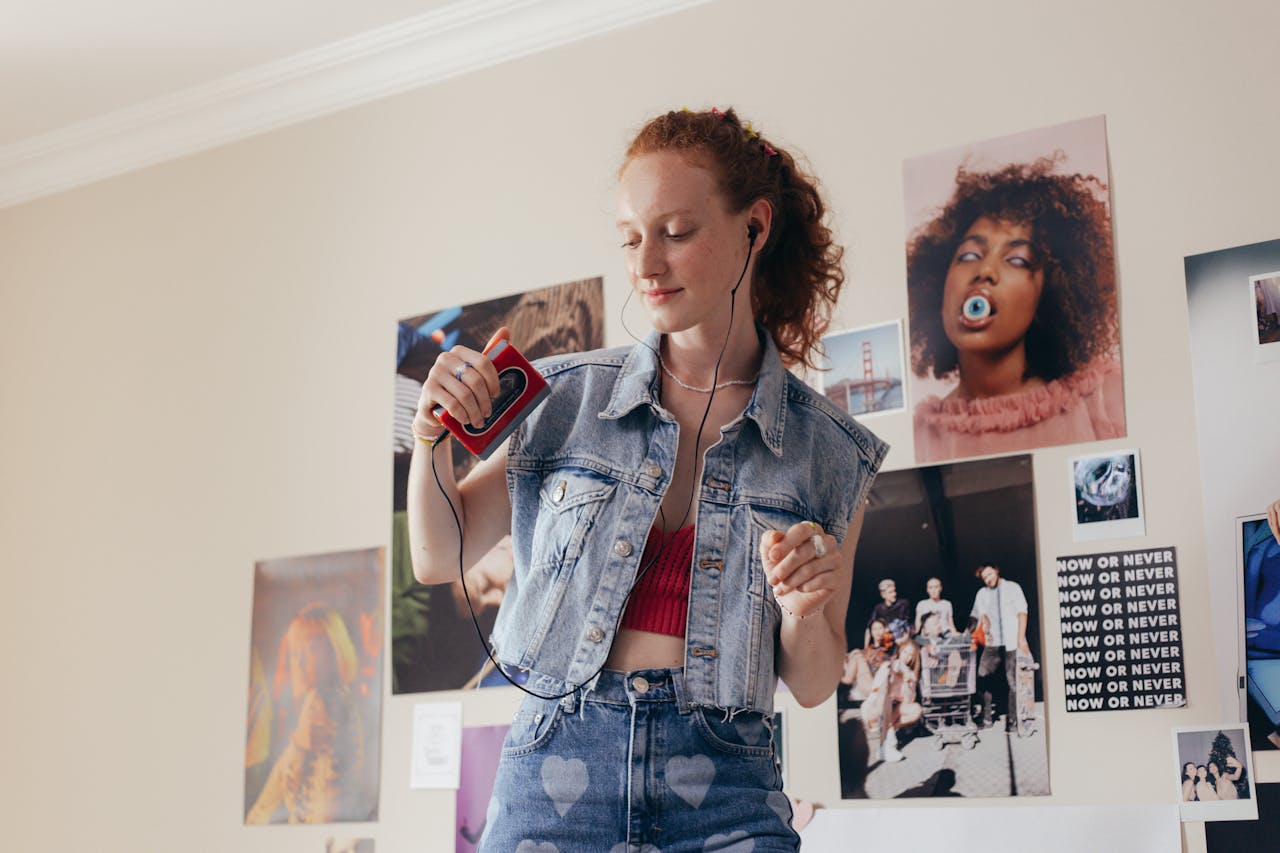
The iPod arrived as a small rectangle that quietly shifted how people carried sound through daily life. Instead of shelves of discs and tangled cases, thousands of songs suddenly lived in a pocket. Walks, bus rides, and study sessions gained their own soundtracks, tuned to one person instead of a whole room. Even though streaming now dominates, the habits formed in that era still shape how artists release music, how fans listen, and how both sides think about what a song can mean. Looking back at the iPod years reveals how design choices, tiny screens, and click wheels quietly rewired expectations that still guide listening.
Playlists As The Default Setting

The iPod normalized the idea that playlists, not albums or radio stations, should structure everyday listening. People built mixes for bus rides, workouts, heartbreak, and late nights, then edited them whenever a song felt wrong for the mood. That habit flows directly into streaming, where curated and algorithmic lists sit at the center of every app. Artists now think about how each new track might land inside someone’s mix, not just inside the running order of a single record. The quiet shift from fixed sequences to personal blends may be one of the most lasting effects of the entire portable player era.
Shuffle Culture And The Album Problem

Shuffle turned libraries into surprise machines, where any track could follow any other with a single click. A loud anthem could suddenly give way to a fragile demo or an old comedy skit, and listeners either skipped or let the clash stand. That habit trained people to judge songs quickly as stand alone moments instead of patient pieces of a long arc. Streaming’s endless radio modes continue that pattern, and many artists now front load releases, knowing attention can vanish after a few seconds. The classic start to finish album experience still exists, but it now has to compete with a culture built on sudden jumps and constant choice.
The Digital Single Becomes The Star

The iPod era sat alongside the iTunes Store, which made it easy to buy one track at a time instead of paying for a full CD with only a few favorites. Listeners cherry picked standout songs and ignored deep cuts that did not immediately connect. Labels watched sales data and leaned into campaigns built around recurring singles rather than slow album cycles. That logic lives on when artists release a string of tracks before a short project, hoping one song will anchor playlists, trends, and touring plans. The idea that a career can pivot on a single file dates to that era. That basic pattern still drives many release calendars.
Tiny Screens And Loud Cover Art
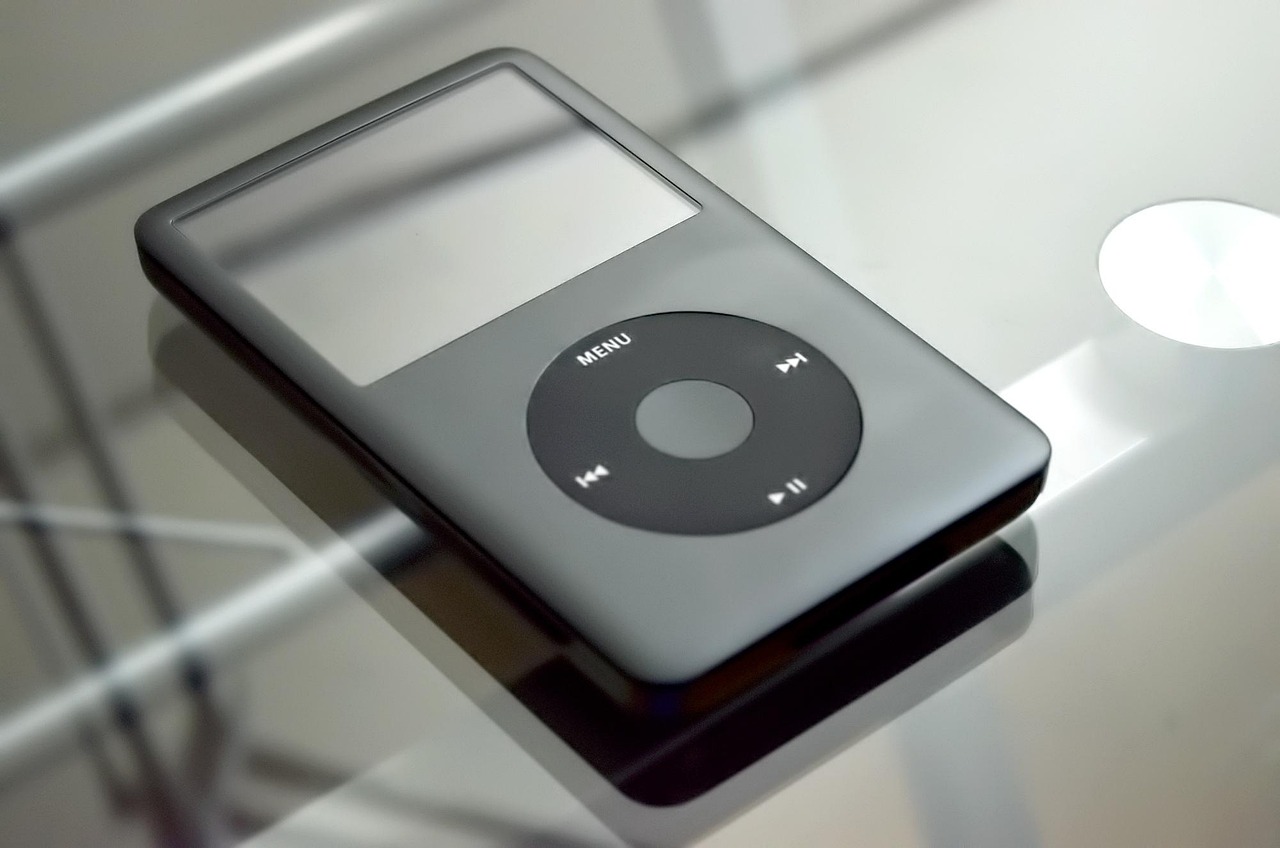
On an iPod, album covers shrank to glowing thumbnails, yet they remained central to how people browsed their libraries. Designers had to make images that read instantly at tiny sizes, favoring bold color, simple shapes, and clear typography. Listeners flipped through those squares like a visual index of their taste. Streaming services inherited that constraint, lining screens with small tiles instead of large sleeves. Modern cover art still follows rules shaped by those cramped displays, where quick recognition often outranks intricate detail. A clean icon that pops at a glance can still decide whether a new release gets tapped.
Private Listening As A Constant

Portable music existed before the iPod, but the combination of long battery life, simple controls, and large storage made private listening feel constant. Individuals carried whole libraries on trains, sidewalks, and flights, swapping moods with a quick scroll. That expectation shapes how songs are mixed today, with many producers checking how tracks feel in earbuds and on phones first. Artists know that for many fans, the most important play happens alone in a small sonic bubble rather than on big speakers in a shared room. The idea of a personal soundtrack still guides what people save and replay.
Metadata And The DIY Librarian

Building an iPod library often meant long evenings inside iTunes, cleaning up song titles, fixing artist names, and hunting down missing cover art. Listeners became informal librarians, learning how tags, genres, and ratings shaped what appeared on the device. That sensitivity to metadata feeds directly into streaming recommendations, where accurate credits and categories decide which tracks surface. When a song is misfiled today, fans notice quickly. Those slow tagging sessions quietly paved the way for smoother discovery. The care once spent on a single synced device now supports large catalogs that still depend on those same naming habits.
Earbud First Production Choices

Producers working in the iPod period gradually realized that many listeners heard their work first through small white earbuds instead of home stereos. Mixes began to favor clear vocals, bright percussion, and focused midrange so songs would cut through traffic, engines, and hallway noise. That approach carried forward into streaming, where phones and cheap headphones remain the default. Modern loudness standards, compression choices, and stereo tricks still assume portable listening. Studio ideals now bend toward the reality of noisy buses and crowded sidewalks. In that sense, the iPod helped decide what counts as a workable mix.
Podcasts And Talk Beside The Songs

The iPod was never only a music device; it quietly introduced many people to downloadable talk shows and early podcasts. Users subscribed on computers, synced episodes with cables, and carried long conversations in their pockets for commutes and chores. That pattern proved there was an audience for on demand spoken word that did not rely on live radio schedules. Modern podcast apps still echo those habits with episode queues, subscription buttons, and back catalogs ready for binge listening. The rise of narrative series and chat shows traces directly back to those first portable feeds. It made switching between music and speech feel natural.
Discovery Outside Old Gatekeepers

During the iPod years, MP3 blogs, small digital stores, and file sharing among friends pushed music discovery beyond traditional gatekeepers. People downloaded zipped folders from obscure sites, then carried those tracks around beside chart hits on the same device. That mix blurred lines between major label releases and bedroom projects. Today’s emphasis on discovery playlists and algorithmic suggestions echoes that experience. The thrill of finding a hidden track still drives how many listeners explore new pages and recommendations. In many ways, apps try to automate what once happened through late night downloads and folder digging.
Live Shows For Pocket Trained Fans

As listeners arrived at concerts already attached to personal playlists and earbuds, live music began to adjust. Setlists shifted toward tight runs of recognizable songs rather than strict album sequences, mirroring how people shuffled through their devices. Artists started teasing new tracks on digital platforms before tours, letting fans learn lyrics alone before shouting them in crowds. Merch and promotion now often include exclusive digital extras. Even in large arenas, the pull of a phone screen quietly shapes how a night feels. The iPod era helped set that expectation that music must travel easily between stage, pocket, and screen.