
Cuffing season sounds like a joke from social media, but behind it sits a real pattern in how people pair up when the air turns cold. As days shorten and holidays creep onto calendars, singles in many cities slip into an almost scripted rhythm of drafts, soft launches, and quiet breakups. Some habits echo older winter courtship, others come straight from apps and group chats, but together they reveal how modern romance reacts to dark evenings and the pull of staying warm with someone.
The Unofficial Cuffing Calendar
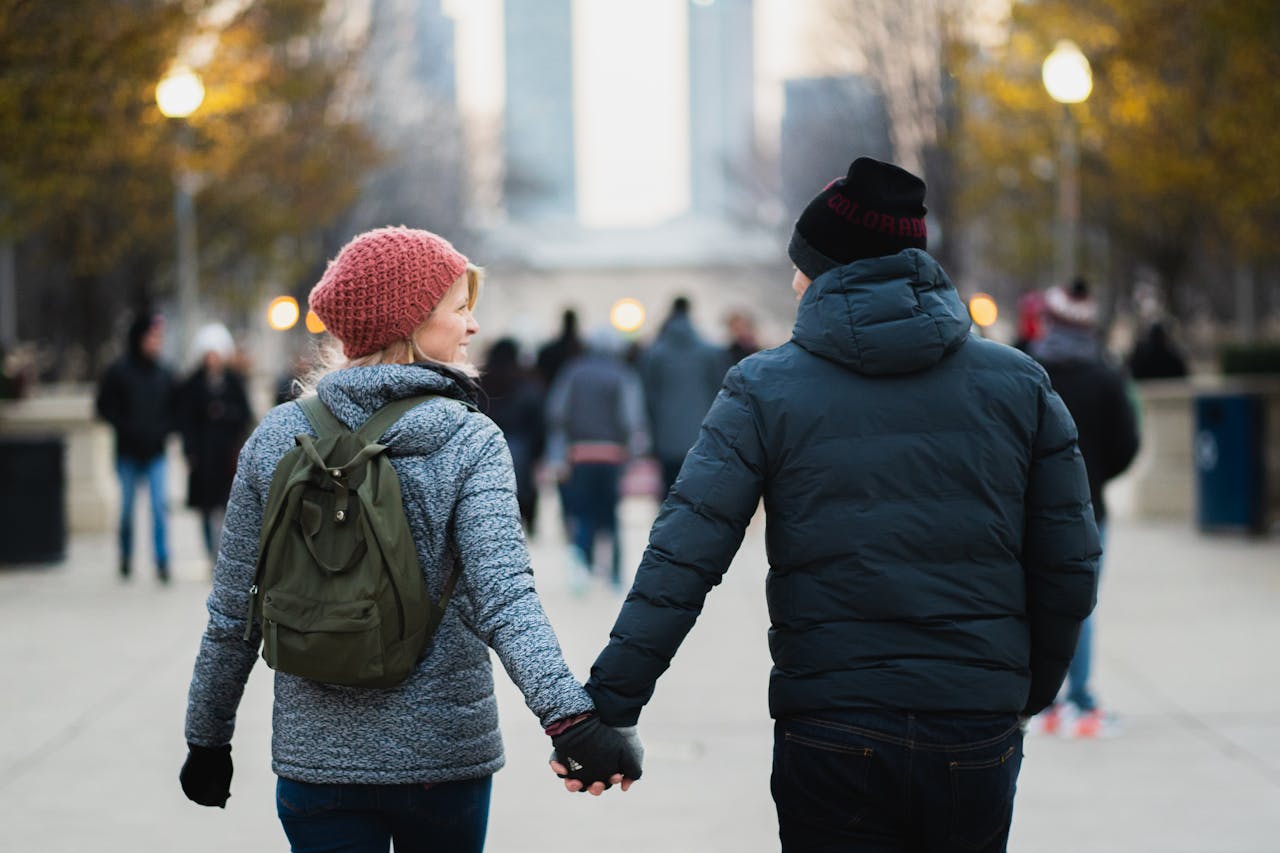
Long before anyone changes a status, many singles treat late summer and early fall as quiet scouting season, lining up dates before the real cold hits. Cuffing season usually runs from October to February, peaking around the holidays and loosening once patios and road trips return. What looks casual from the outside is often planned with surprising care, with calendars color coded, weekends reserved for second dates, and friends joking about preseason, tryouts, and lock in dates written in frost. For many people that pattern returns every year, familiar enough to feel safe yet loose enough to leave room for surprise.
Drafts, Tryouts, And The Shortlist

Behind the language of drafts and tryouts sit real emotional calculations. Many daters spend September and October meeting several people and quietly comparing chemistry, schedules, and holiday compatibility. Coffee walks, group hangs, and movie nights become low pressure auditions for who might feel right on the couch in December. By late fall, the shortlist narrows, and the decision is rarely about attraction alone, it folds in travel plans, family distance, shared values, and how easy it feels to be tired together. It can feel like choosing a winter teammate, someone steady enough for blankets, errands, and slow Sundays.
Holiday Pressure As Relationship Accelerator

Thanksgiving invitations, office parties, and December travel turn cuffing season into a calendar driven sprint. Once holiday plans lock in, people feel pressure to decide whether to bring someone as a date, introduce them to friends, or keep things undefined until January. The thought of drifting solo through back to back gatherings nudges new couples to move faster than they would in June. A single dinner, song, or blurry photo can suddenly feel like a turning point, a test of whether this bond can stretch. Under the jokes about plus ones sits a question about belonging, who feels steady enough for family photos and old rituals.
Cozy Nesting Rituals Take Center Stage

What looks like simple nesting often works as a shared script for intimacy. Matching pajamas, elaborate hot chocolate nights, winter playlists, and slow batch cooking are not just cute content, they are rituals that mark this relationship as seasonal and special. Staying in becomes the default invitation, which makes it easier to build a bubble around two people, complete with preferred mugs, go to shows, and recurring jokes. Inside that bubble, couples test how it feels to be ordinary together for weeks at a time. Those evenings test domestic rhythm, showing how two people handle boredom, small messes, and the comfort of predictable company.
Dating App Surges And Quiet Superstitions
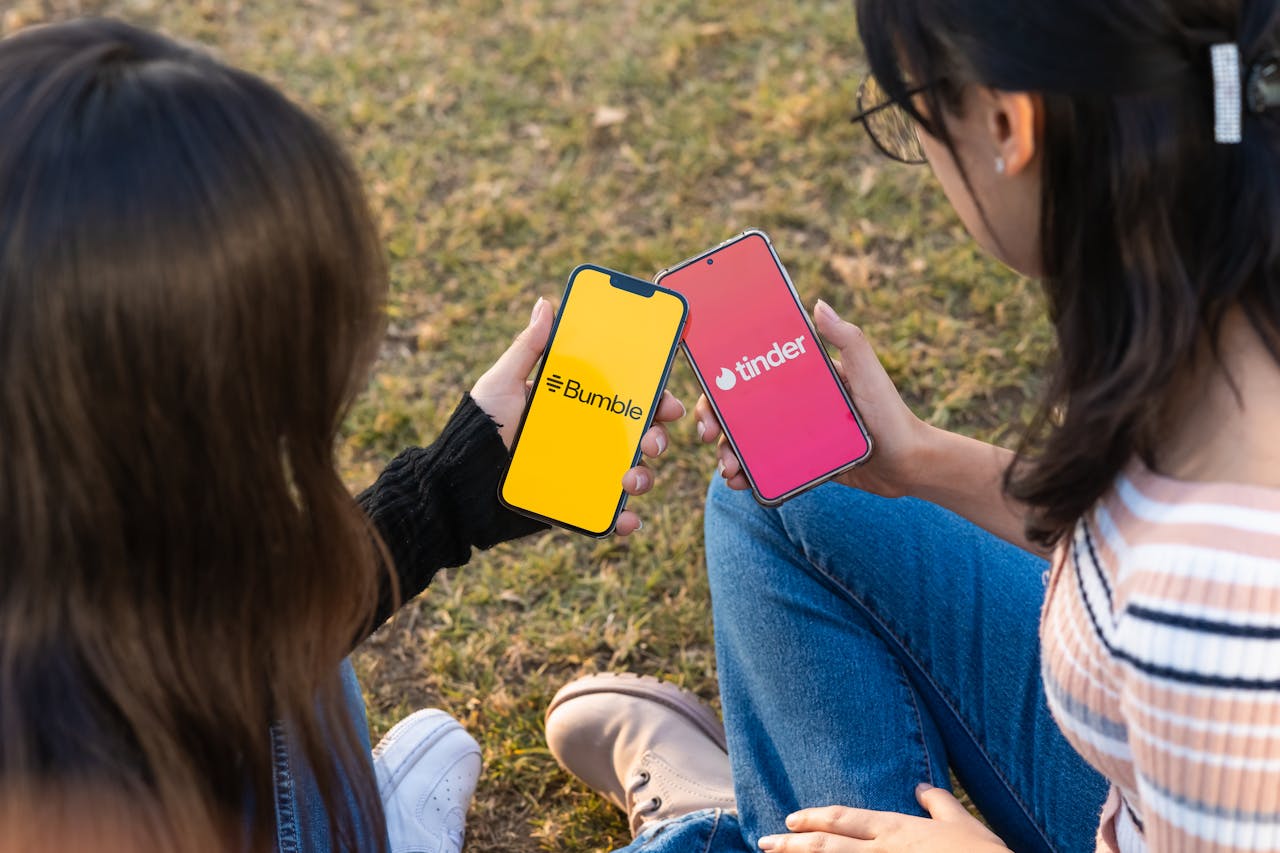
Cuffing season has its own digital weather pattern, shaped by dating apps that see swipes surge as the temperature drops. Many users rewrite bios to lean into winter language, serious intentions, or local matches who can actually meet between long workdays. Friends trade folklore about which app is better for real winter relationships and which one feeds serial cuffers who vanish in March. Even the first hello becomes a group project, with drafts, replies, and screenshots quietly workshopped in late night chats. Algorithms may guide who shows up first, but the tradition lives in how people share screenshots and quietly root for one match.
The Winter Return Of The Almost Ex

One of the most persistent cuffing traditions is the winter return of the familiar almost relationship. Old conversations light up again around homecomings, holiday breaks, and long flights, not always because the connection was healthy, but because it is known and easy to picture. Nostalgia mixes with the urge for warmth in a way new matches cannot always reach. People describe this as slipping on an old sweater, comforting in the moment even when everyone remembers exactly where the fabric came apart. The cycle can be tender or messy, yet it returns most winters, proof that longing often reaches for the familiar even after pain.
Friends As Matchmakers And Debrief Panels

Cuffing season rarely unfolds alone. Group chats, brunch tables, and late rides home turn into live commentary on every draft, soft launch, and awkward goodbye. Friends help choose photos, craft profiles, plan outfits, and script hard conversations, then regroup for debriefs that sound half like therapy and half like sports talk. Some circles even keep notes in shared documents or color coded grids, transforming winter dating into a collaborative project where an entire micro community co authors each season of love. The story of one couple often belongs to a larger cast, with friends shaping outcomes through pep talks and honest corrections.
Mental Health, Darkness, And The Need For Warmth

Shorter days, colder air, and less outdoor time sit quietly under cuffing season, shaping why it exists at all. Many people feel more isolated in late fall and winter, with energy dipping as sunlight shrinks and routines compress into work and home. The pull toward a partner is rarely just a trend, it can be part coping strategy and part shield against long dark evenings. That context makes seasonal relationships feel less like a meme and more like a way to stay afloat. Seen that way, even short winter pairings matter, offering company, structure, and a reason to leave the house when the sky feels permanently dim.
Gift Rules And Micro Traditions

Cuffing season arrives with its own small gift rules and homemade traditions. New couples negotiate whether presents are expected, how serious they should feel, and what price range sends the right signal without overselling commitment. Many land on modest, thoughtful items like books, records, or shared experiences that do not overpromise a future. Others create rituals around ornaments, baking days, or exchanging handwritten letters, tiny anchors that make the brief span between October and February feel like its own small lifetime. Those choices reveal what intimacy means, whether it lives in big surprises or in remembering small comforts.
Social Media Soft Launches And Reveals

Another set of traditions plays out on social media. Instead of grand declarations, many people choose a soft launch, a second mug in frame, two pairs of boots by the door, a blurry reflection in a window. Close friends learn to read these signals instantly, while everyone else scrolls past with a vague sense that something changed. The timing matters, a soft launch in December or just before New Year ties seasonal romance to the feeling of entering a new calendar with company. A single cropped post can compress weeks of doubt and excitement into one image, a small digital marker that this bond now lives beyond private chats.
The Spring Uncuffing Ritual

As soon as coats retire to the back of the closet, the spring uncuffing ritual quietly begins. Relationship statuses shift, message threads slow down, and long explanations give way to short, careful texts about timing, distance, and different paths. Mute buttons and unfollows become part of the emotional choreography. Some pairs drift into friendship, some schedule one final talk, others vanish completely, but nearly everyone carries fragments of those months into the next year when cuffing season circles back. Spring does not erase what happened, it changes the light, leaving relief, regret, and a quiet gratitude for company that arrived.
How Cuffing Season Shapes Language And Culture
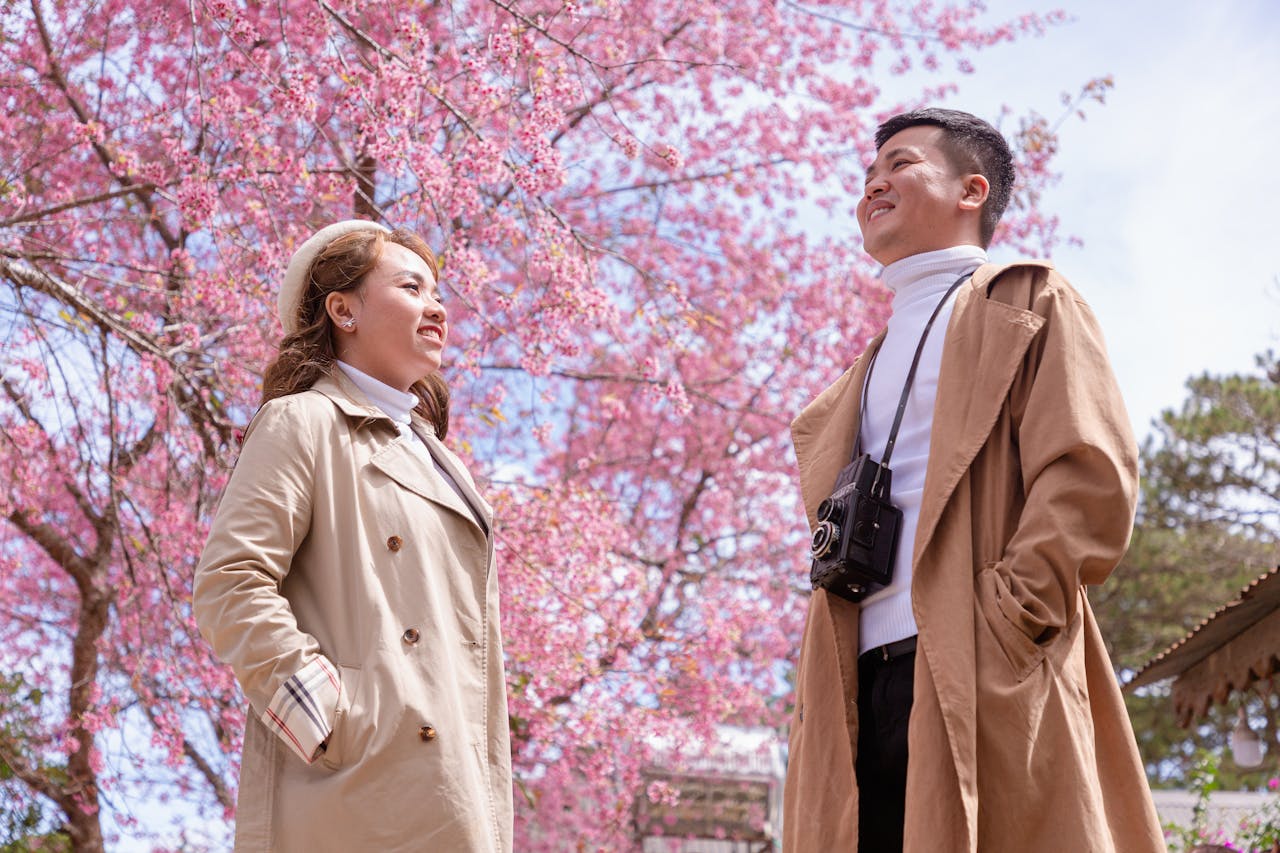
Cuffing season has moved beyond behavior into language, music, and jokes that return every fall like decorations pulled from storage. The term has roots in Black slang, linking cuffing to being handcuffed or tied to someone, and it spread through campus slang, lyrics, and social feeds before landing in headlines and think pieces. Now playlists, memes, and entire content calendars treat it as a yearly season, a kind of emotional weather report that sets expectations long before the first cold front arrives. Even people who never say the word feel its pull, noticing how moods shift with the first cold snap and talk bends toward staying warm.